There’s nothing more annoying than spraying perfume in the morning and not being able to smell it by lunchtime. It happens to almost everyone at some point, and it’s rarely because the perfume is bad quality. Most of the time, it comes down to small habits — where you spray, how you store the bottle, or even what your skin is like that day. The good news is that once you understand what actually makes scent stick around, you can stretch a single spritz from a couple of hours into most of the day.
Apply Lotion Before Perfume for Longer Wear
Dry skin is one of the biggest reasons perfume fades fast, because scent molecules cling to moisture and oil instead of sinking into flaky, dry patches. Applying an unscented lotion or petroleum jelly to your pulse points before spraying gives the fragrance something to hold onto.
This is also why the same perfume can behave so differently from one person to the next. Someone with naturally oilier skin usually finds that fragrance lasts noticeably longer for them without doing anything extra, since the skin’s own oils act the same way an added moisturizer would. Naturally dry skin doesn’t hold onto scent as easily on its own, which is exactly why moisturizing before applying fragrance makes such a noticeable difference for that skin type.
Think of dry skin like a dry sponge and perfume like water. If you pour water onto a completely dry sponge, a lot of it just runs off or evaporates quickly. But if the sponge is already a little damp, the water soaks in and stays. Skin works the same way with fragrance oils. A fragrance-free moisturizer, body butter, or even a plain oil like coconut or jojoba applied right after a shower creates a base layer that traps the scent molecules and slows down how fast they evaporate into the air.
Thicker, oil-based moisturizers tend to outperform light, water-based lotions for this specific job, simply because oils evaporate more slowly than water does. A heavier body butter or a few drops of an unscented facial oil rubbed into the wrists and neck can act almost like a primer, similar to how makeup primer helps foundation stay put on the face. Waiting thirty seconds to a minute after moisturizing before spraying gives the lotion a chance to absorb slightly, rather than sitting on top of the skin and diluting the perfume.
Where to Spray Perfume for Longer-Lasting Scent
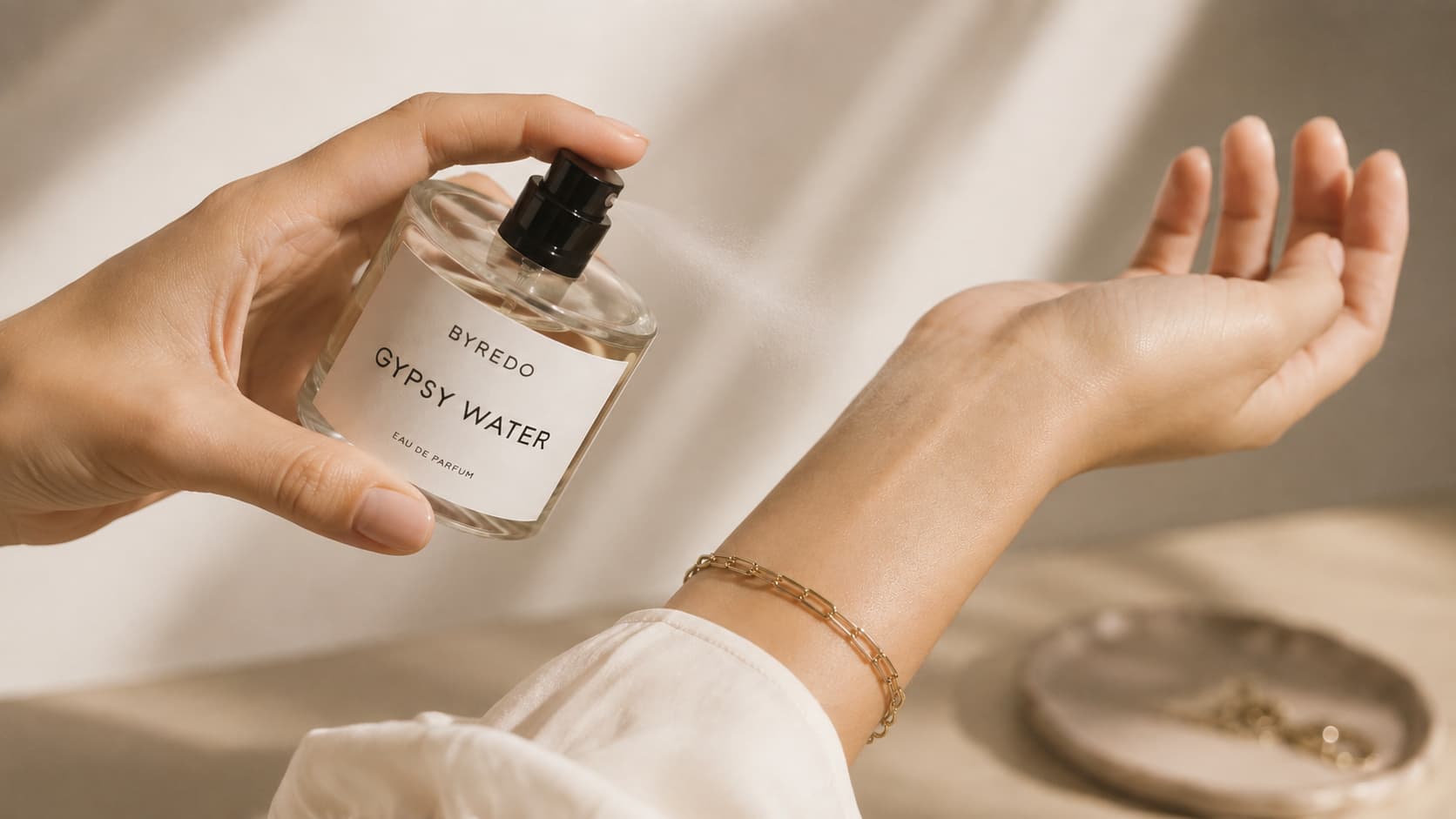
The fastest way to make perfume disappear is spraying it into the air and walking through the mist, because most of it never touches your skin at all. Pulse points — the wrists, inner elbows, neck, and behind the ears — are warmer than the rest of your body, and that warmth helps release the scent slowly throughout the day.
Blood vessels sit closer to the surface of the skin at these spots, which raises the local temperature slightly. Since fragrance is designed to evaporate with heat, these warmer areas act like tiny engines that keep releasing scent hour after hour instead of letting it all evaporate in one big burst. The best pulse points to target are:
- Inner wrists — easy to reach and easy to reapply throughout the day
- Base of the throat — sits close to the nose, so scent is noticeable to the wearer and to others
- Behind the earlobes — warm and often overlooked
- Inner elbows — good for a subtler application that only shows up when arms move
- Back of the knees — an old trick that lets scent rise gently as body heat warms it through the day
Two or three of these spots is usually enough. Spraying every single pulse point at once can make a fragrance feel overwhelming rather than long-lasting, since projection and longevity aren’t the same thing — a scent can be strong without lasting longer, and vice versa.
Don’t Rub Your Wrists After Spraying Perfume
Rubbing perfume into your skin after spraying might feel natural, but it actually breaks down the fragrance faster. Friction generates heat, and that heat causes the delicate top-note molecules to evaporate before they’ve had a chance to develop properly.
Perfume is built in layers, usually described as top, middle, and base notes. The top notes are the light, sharp smells you notice first, and they’re also the most fragile. Rubbing crushes and heats these molecules, which can distort the way the scent is supposed to unfold over the next few hours. Letting the perfume dry naturally on your skin, without touching it, keeps that layered development intact and helps the fragrance last as it was designed to.
Use Matching Lotion to Boost Perfume Longevity
Using a body wash, lotion, or oil from the same fragrance line as your perfume — or even one with a similar scent profile — builds a stronger base that holds the top spray longer. This is often called fragrance layering, and it’s one of the simplest tricks professional perfume counters recommend.
A single spray of perfume sits on top of the skin, but a lightly scented lotion underneath adds a second layer that the perfume can blend into rather than evaporate away from. You don’t need matching products from every single brand; even an unscented moisturizer works, though a lightly scented one in a similar family (like both being vanilla-based, or both being citrus-based) creates a fuller, longer-lasting effect without clashing.
Layering also works well with unscented hair and body oils, which act as a neutral base that won’t compete with the fragrance’s own notes. A good rule of thumb is to layer light-to-strong: an unscented or barely-scented wash, followed by a matching-family lotion, and finishing with the perfume itself. Going the opposite direction — spraying perfume first and layering strong products on top — usually muddies the scent instead of extending it.
Apply Perfume Right After Showering
Perfume lasts noticeably longer when it’s applied to clean, slightly damp, warm skin straight out of the shower, because open pores and residual moisture help lock the scent in. Waiting until skin is completely dry and cool reduces how well the fragrance absorbs.
Hot water opens up the pores temporarily, and warm skin holds onto fragrance oils better than cool skin does. This is why so many perfume experts suggest spraying within a few minutes of stepping out of the shower, before reaching for clothes or drying off completely. It’s also a great time to apply an unscented moisturizer, since damp skin absorbs lotion more evenly too.
Why Hair Holds Perfume Longer Than Skin
Hair holds onto scent longer than skin does, partly because hair doesn’t produce natural oils and heat the way skin does, so the fragrance isn’t broken down as quickly. Many people find that a light spray on a hairbrush, run through dry hair, keeps a scent noticeable for much longer than a spray directly on skin.
Spraying perfume directly onto hair isn’t always a great idea, though, since the alcohol content in most fragrances can dry out hair and strip color treatments over time. A safer method is spritzing a scarf, a hair tie, or a wooden hairbrush and then running it through the hair, which still leaves scent trapped in the strands without direct alcohol contact. Some fragrance brands also sell dedicated hair mists, which are formulated with a lower alcohol content specifically so they’re gentler on strands than a standard eau de parfum would be.
How to Store Perfume the Right Way
Heat, light, and humidity are the enemies of perfume, and a bottle left on a sunny windowsill or in a steamy bathroom will lose its strength and quality far faster than one stored properly. Keeping perfume in a cool, dark, dry place — like a drawer or closet — helps preserve both its scent and its staying power.
Fragrance oils are chemically unstable when exposed to heat and UV light, which is why bottles left in a hot car or on a bathroom shelf near a shower can start to smell “off” within months. The bathroom, despite being the most common place people keep perfume, is actually one of the worst spots because of the constant temperature and humidity swings from showers. A bedroom drawer or closet beats a bathroom shelf every time:
| Do this | Avoid this |
|---|---|
| Store in a bedroom drawer or closet | Leaving the bottle on a sunny windowsill |
| Keep the original box for extra light protection | Storing on an open bathroom shelf |
| Keep the cap on tightly when not in use | Leaving the bottle in a hot car |
| Stand bottles upright to limit air contact | Storing near a radiator or heating vent |
The original packaging box the perfume came in is actually one of the best storage tools available, since it was designed specifically to block out light while still keeping the bottle in a stable, room-temperature environment.
Pick the Right Perfume Strength for All-Day Scent
The percentage of fragrance oil in a bottle has a direct effect on how long it lasts, and choosing a more concentrated version of a scent is one of the most reliable ways to extend wear time. Concentration terms can be confusing because the industry doesn’t strictly standardize them, but the general pattern breaks down by percentage of fragrance oil and typical wear time:
| Type | Typical concentration | Rough wear time |
|---|---|---|
| Eau de Cologne (EDC) | 2–5% | 2–4 hours |
| Eau de Toilette (EDT) | 5–15% | 3–5 hours |
| Eau de Parfum (EDP) | 15–20% | 5–8 hours |
| Parfum / Extrait de Parfum | 20–30%+ | 6–8+ hours |
These are guide ranges rather than fixed rules, since two different brands can label very similar concentrations under different names — one house’s eau de toilette might genuinely outlast another’s eau de parfum.
Concentration isn’t the only factor in how long a scent lasts, though. The specific notes used matter too. Heavier ingredients like woods, musks, amber, and resins evaporate more slowly than light citrus or fresh green notes, so a woody eau de toilette can sometimes outlast a citrus-heavy eau de parfum even with a lower percentage of oil. If a favorite scent seems to disappear too quickly, checking whether it’s available in a stronger concentration is often an easier fix than switching fragrances entirely.
Spray Perfume on Clothes for Extra Longevity
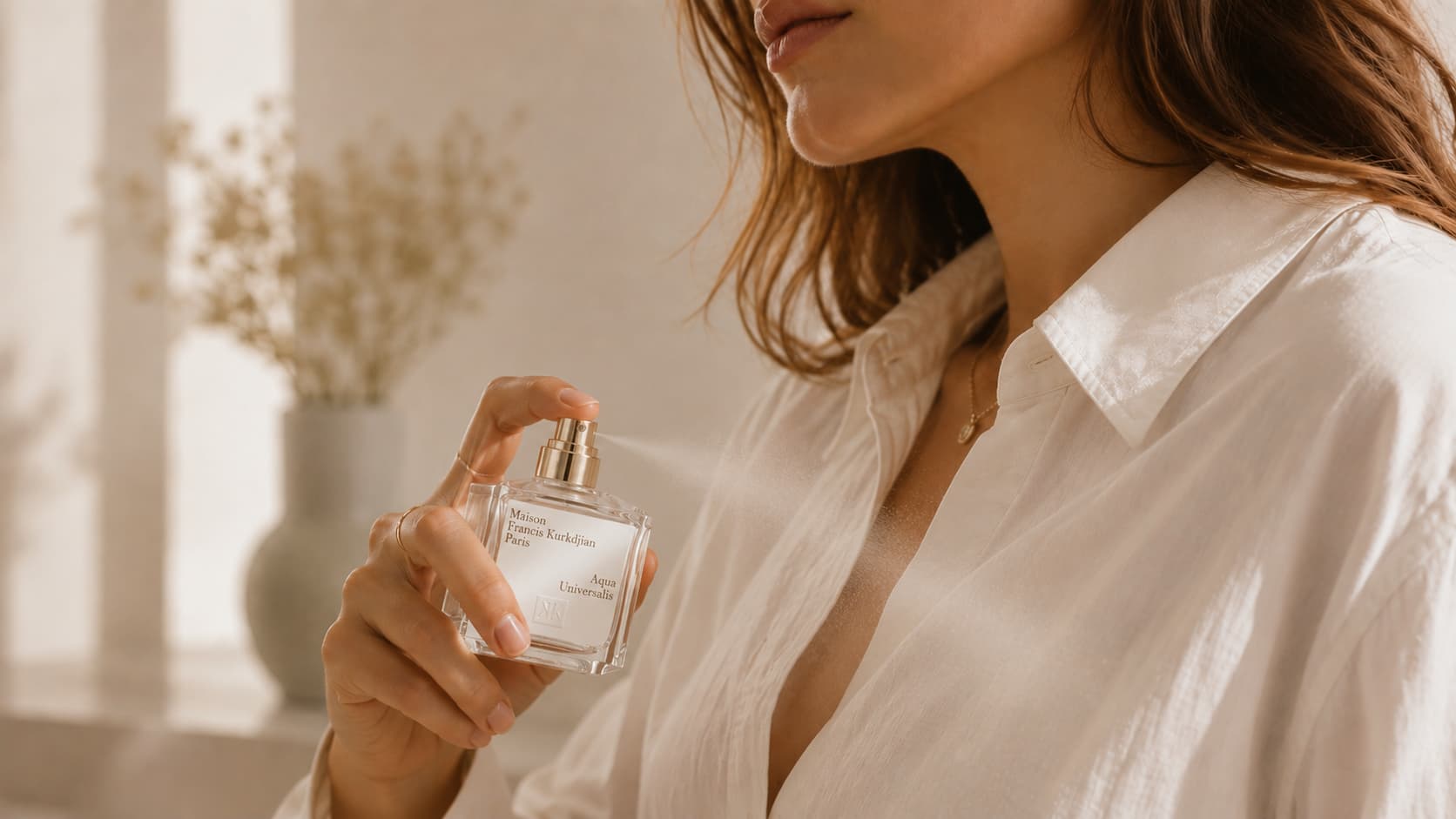
Fabric holds onto fragrance far longer than skin does, since it doesn’t have the oils, sweat, or temperature changes that gradually wear scent away throughout the day. A light spray on the inside hem of a shirt, a scarf, or even a jacket lapel can keep a scent lingering long after the skin application has faded.
This should be done carefully, though, since alcohol-based perfumes can leave marks on delicate fabrics like silk. Testing on a hidden seam first, or sticking to sturdier fabrics like cotton and wool, avoids any risk of staining while still getting the benefit of fragrance that clings to clothing fibers rather than evaporating.
When and How to Reapply Perfume
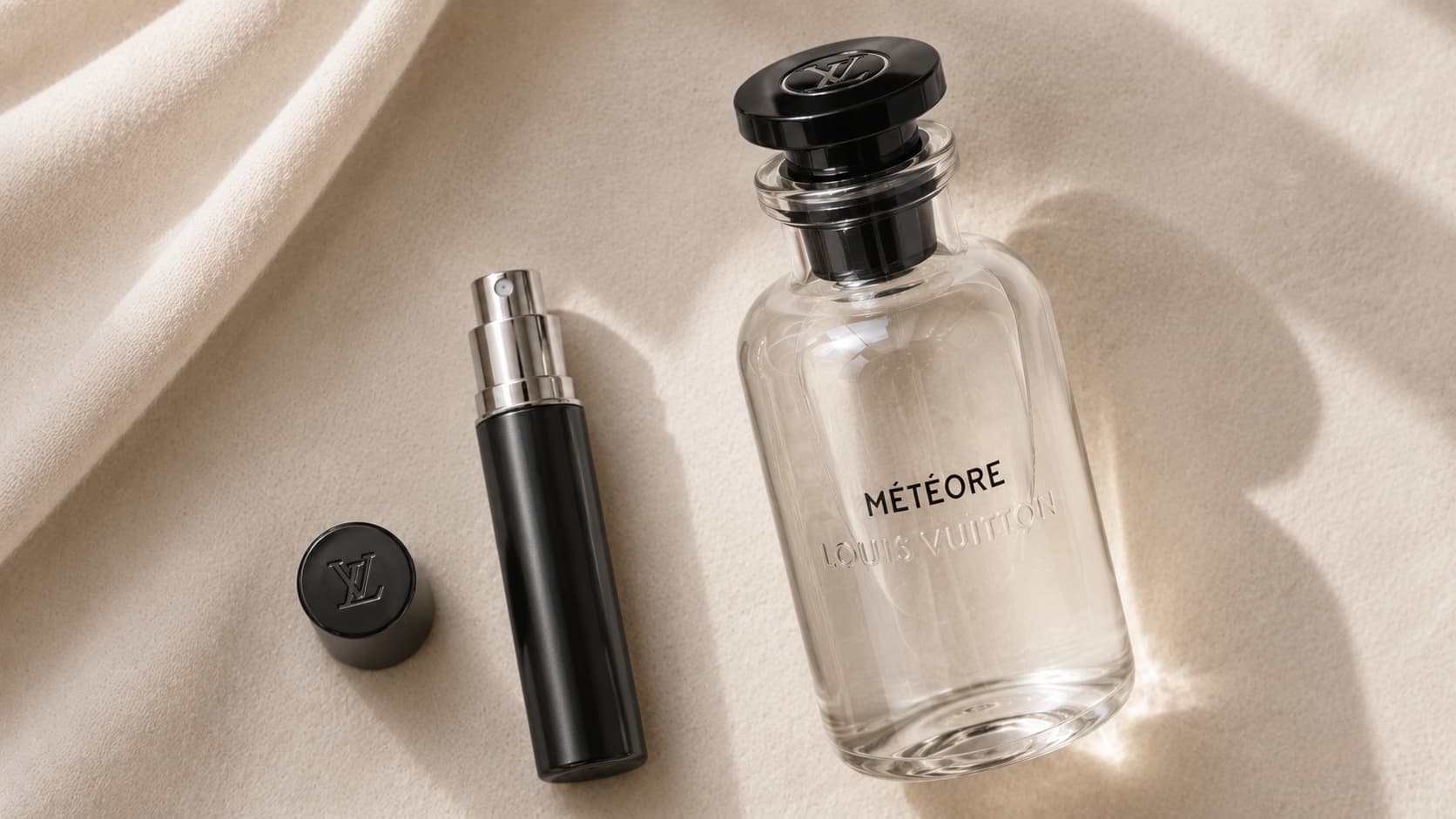
Instead of dousing yourself once in the morning, applying a smaller amount in two spots — one in the morning and a smaller touch-up around midday — keeps the scent feeling fresh without becoming overwhelming. Carrying a travel-size version of a favorite fragrance makes this easy to do without needing to lug around a full bottle.
Reapplying doesn’t mean starting over with a full spray. A single spritz on one pulse point in the afternoon is usually enough to refresh the scent, since it blends with whatever trace amount is still lingering from the morning application rather than needing to rebuild the whole scent from nothing. Keeping a small refillable atomizer in a bag or desk drawer is an easy way to always have a touch-up spray on hand without carrying a full-size bottle around.
How Diet and Lifestyle Affect Perfume Longevity
What a person eats, drinks, and how their skin behaves can genuinely change how long perfume lasts, because body chemistry interacts with fragrance oils in ways that differ from person to person. A few of the most commonly noted influences include:
- Hydration — well-hydrated skin holds fragrance better than dehydrated skin, similar to how moisturized skin performs better than dry skin
- Diet — strong, spicy, or heavily processed foods can subtly alter body chemistry and, in turn, how a scent smells and develops on skin
- Smoking — has been linked to changes in how fragrances are perceived and how long they seem to last
- Medication — certain medications can alter skin pH or oil production, which affects how fragrance sits on the skin
- Stress and hormones — both can shift body temperature and oil production slightly, subtly changing scent performance day to day
- Sweat and exercise — sweating physically washes fragrance off the skin faster than it would naturally fade, so a workout or a hot, active day is one of the quickest ways a scent disappears early
There’s no need to overhaul a diet just for the sake of perfume, but staying hydrated is a simple, low-effort habit that helps skin hold moisture, which in turn helps fragrance stick around longer.
When It’s Time to Throw Out Old Perfume
Perfume doesn’t last forever, and a bottle that’s past its prime will fade faster no matter how well the application technique is. Most fragrances stay in good condition for roughly three to five years after opening, though this varies quite a bit based on the ingredients used and how well the bottle has been stored — some can start noticeably changing within a year or two, while others stay stable for a decade or more.
A perfume that has gone off often shows a few clear warning signs:
- A sharper, sourer, or vinegar-like smell that wasn’t there when the bottle was new
- A noticeably weaker scent even right after spraying, rather than fading normally over the day
- A change in color, such as a fragrance that has darkened compared to when it was first purchased
- A texture that feels different when sprayed, such as a thicker or oilier mist than usual
Citrus-heavy scents tend to degrade fastest, while fragrances built around heavier base notes like woods, musks, or resins tend to hold up longer. Checking the batch code on the bottom of the bottle, or simply noting the purchase date somewhere handy, can help track how old a bottle is getting before it starts to lose quality.
Frequently Asked Questions
Does rubbing perfume into your skin ruin it?
Rubbing doesn’t ruin a perfume completely, but it does cause the delicate top notes to break down faster because of the heat created by friction. Letting perfume air-dry on the skin instead of rubbing it in helps the fragrance develop the way it was designed to and generally makes it last longer.
Why does my perfume smell different by the afternoon?
This is completely normal and is actually how perfume is supposed to work. Fragrances are built in layers, so the light top notes fade first, revealing the middle and base notes underneath, which is why a scent can smell fresh and citrusy in the morning but warmer and deeper by evening.
Is it bad to spray perfume directly on clothes?
Spraying on sturdy fabrics like cotton or denim is generally safe and can even help scent last longer, but delicate fabrics like silk or satin can stain from the alcohol content in most perfumes. Testing on an inside seam first is the safest way to check before spraying visible areas of clothing.
Does perfume last longer in cold weather?
Cold weather can make fragrance seem to project less because heat is what helps release scent molecules into the air. This doesn’t mean the perfume lasts a shorter amount of time on the skin, just that it may smell more subtle and stay closer to the body in colder temperatures.
Should I keep perfume in the fridge?
Refrigeration isn’t necessary for most perfumes and can even cause condensation issues when the bottle is moved in and out of the cold. A cool, dark drawer or cabinet away from bathroom humidity and direct sunlight is a much more practical and effective storage spot.
Conclusion
Making perfume last longer really comes down to a handful of small, repeatable habits rather than any single trick. Moisturized skin, smart placement on pulse points, careful storage away from heat and light, and choosing the right concentration for a lifestyle all work together to keep a scent going strong from morning into evening. None of these changes require buying anything expensive or switching fragrances — just a bit of attention to how and where perfume is applied, and a little patience in letting it settle into the skin the way it was designed to.