Almost every store that sells perfume splits the floor into two sides: one labeled for men, one labeled for women, sometimes with a small “unisex” shelf squeezed in between. It feels like a law of nature, the same way shoes come in men’s and women’s sizes. But scent doesn’t actually work that way. Fragrance is just a mix of aromatic molecules floating in alcohol, and those molecules have no idea what gender they’ve been assigned to. The split on the shelf is a business decision more than a scientific one, and understanding how it got there reveals a lot about what’s really being chosen every time a bottle gets picked up.
Where Did Men’s and Women’s Fragrance Categories Come From?
Perfume wasn’t always sorted by gender, and for most of human history nobody bothered to sort it that way at all. In ancient Egypt, Greece, and Rome, scented oils and resins were worn by anyone who could afford them, tied more to status and ritual than to sex.
The split started forming later, as perfume shifted from something made by hand for the wealthy few into a mass-produced product sold on drugstore and department store shelves. As manufacturing scaled up in the late 1800s and early 1900s, companies needed a simple way to organize a growing catalog of scents, and dividing products into two neat categories made shopping (and advertising) a lot easier to manage. Fashion houses leaned into it too, building entire ad campaigns around rigid ideas of what a “masculine” or “feminine” scent should smell like.
One useful marker in that story is Houbigant’s Fougère Royale, launched in 1882. It introduced a combination of lavender, oakmoss, and coumarin that became the template for what we still think of as a “men’s” scent today, even though nothing about lavender or moss is inherently male. Guerlain’s Jicky followed in 1889, and its early history undercuts the whole idea of a clean gender split from the start: it launched without a fixed target, was worn mostly by men through its first two decades, and only later became associated with women once that audience picked it up. Historians still debate which gender it was actually built for, which says a lot about how blurry these categories were before marketing hardened them.
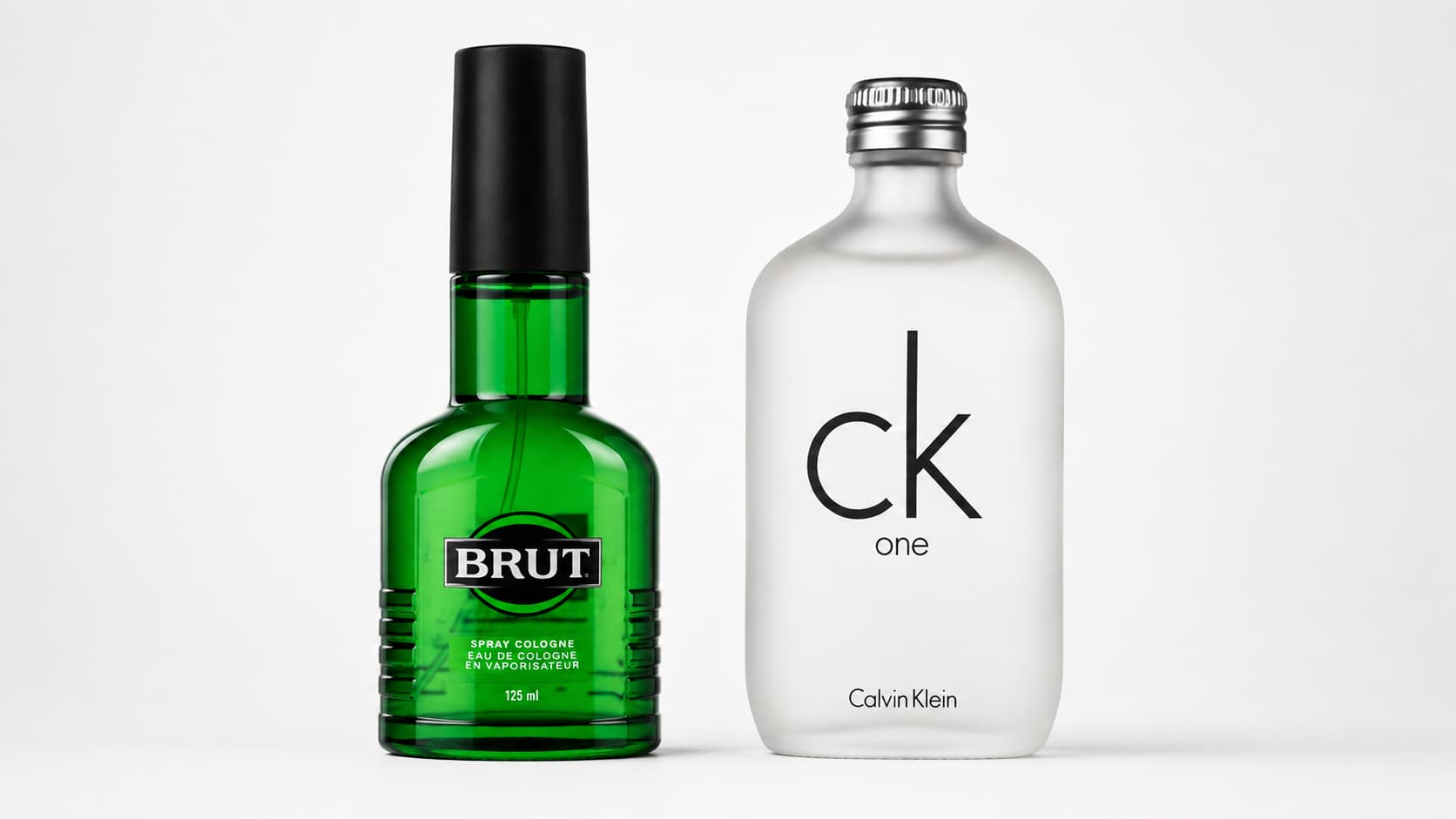
The real turning point came in the mid-20th century, when American advertisers had to solve a specific problem: convince men, many of whom saw perfume as a feminine indulgence, that a bottle of cologne belonged on their shelf too. Brut, launched by Fabergé in 1964, is often credited as the first fragrance to be marketed aggressively as masculine, built around advertising that played on a man’s confidence and self-image rather than romance or elegance. Around the same period, releases like Pino Silvestre (1955) and Monsieur Rochas (1969) pushed woodier, more rugged profiles into the men’s category, expanding the range of what a “masculine” scent could smell like beyond a single template. That decade of advertising effectively built the men’s fragrance aisle from scratch, and it’s the direct ancestor of the section still found in stores today.
Do Men’s and Women’s Perfumes Really Smell Different?
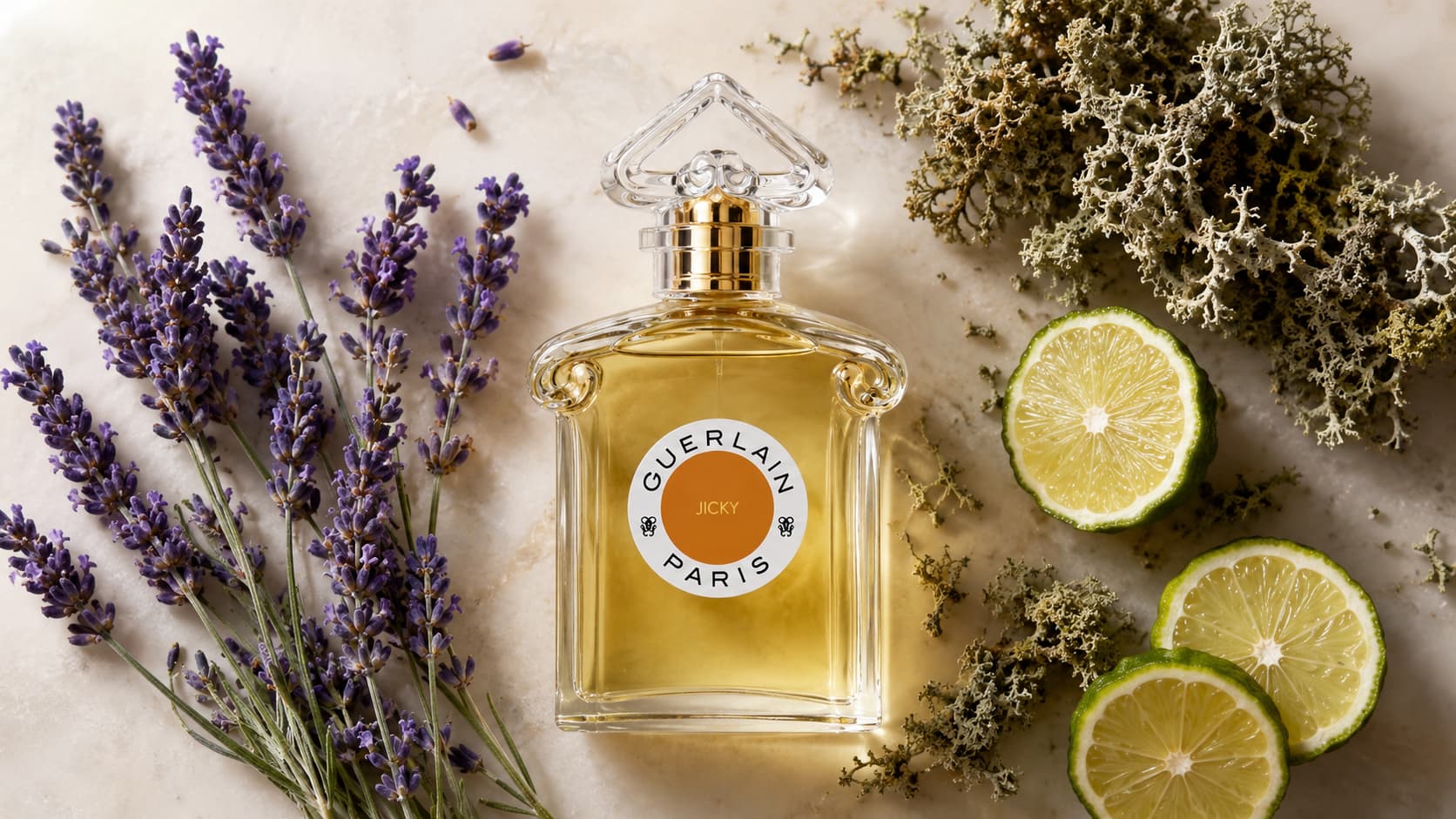
Yes, generally, but only because of habit, not because there’s a rule that certain smells belong to one gender. Perfumers group scents into families like floral, fruity, woody, citrus, oriental (also called amber), chypre, and fougère, and over the decades certain families got culturally coded as “for her” or “for him.”
Fragrances marketed to women lean more often on floral and fruity families, built around notes like rose, jasmine, peony, and various fruits. Fragrances marketed to men lean more often on the fougère and aromatic-woody families, built around lavender, vetiver, cedar, and mossy or spicy base notes. None of these ingredients are actually gendered. A rose absolute smells the same whether it’s in a bottle with a pink label or a black one; the label just signals which section of the store it’s been placed in.
A lot of the “clean, sharp, laundry-fresh” smell people associate with classic men’s cologne actually traces back to one lab discovery. In 1966, a synthetic molecule called dihydromyrcenol was identified, and starting in the 1970s perfumers began using it heavily in fougère and aromatic fragrances. It delivers a cool, slightly metallic freshness with notes of lime and lavender that lasts far longer than the natural ingredients it was layered with, and it’s part of why so many men’s colognes from that era onward share a similar sharp, clean signature. It’s a good example of how a “masculine smell” can come down to a specific chemical choice rather than anything inherent to the gender it’s sold to.
Which Notes Go Into Men’s vs. Women’s Perfume
| Family | Typical notes | Commonly marketed to |
|---|---|---|
| Floral | Rose, jasmine, peony, lily | Women |
| Fruity | Peach, berry, citrus blossom | Women |
| Fougère | Lavender, oakmoss, coumarin, geranium | Men |
| Woody/Aromatic | Cedar, vetiver, sandalwood | Men |
| Oriental/Amber | Vanilla, resins, spice | Both, often layered under either label |
| Chypre | Bergamot, oakmoss, labdanum | Both, historically more associated with women |
Does Fragrance Strength Depend on Gender?
Not really, and this one is a common myth. The word “cologne” (eau de cologne) is often used casually as a stand-in for “men’s fragrance,” but it actually refers to a fragrance concentration, not a gender. Eau de cologne, eau de toilette, eau de parfum, and parfum describe how much aromatic oil is mixed into the alcohol, running from lightest to strongest. Any of those strengths can be used for a scent marketed to any gender, so a stronger eau de parfum isn’t automatically “more feminine,” and a lighter eau de toilette isn’t automatically “more masculine.”
The word itself is a bit of a giveaway that the “cologne equals men’s” assumption doesn’t hold up historically. Eau de cologne originated in the German city of Cologne in the early 1700s as a light, citrus-and-herb splash meant to be refreshing rather than heavily scented, and it was worn by anyone who could afford it, regardless of gender. It only picked up its masculine association centuries later, once mid-20th-century marketing started using “cologne” as shorthand for men’s grooming products specifically. Calling a fragrance “a cologne” today reveals almost nothing about its strength or its gender target; it’s really just a habit of language that stuck around.
Does Skin Actually React Differently for Men and Women?
A little, but the differences come down to individual skin chemistry, not gender as a category. Skin pH, oil (sebum) production, body temperature, and hormone levels all influence how quickly a fragrance evaporates and which notes come through strongest, and every one of those factors varies from person to person regardless of sex.
Warmer skin and oilier skin tend to hold onto scent longer and can push base notes forward faster, while drier or cooler skin often lets top notes fade quickly. Most healthy skin sits somewhere between a pH of 4.5 and 5.5, slightly acidic, and even small shifts in that range can make a fragrance read as brighter and sharper or softer and more muted. That’s also why pulse points like the wrists and neck are the classic places to apply perfume: the skin runs a little warmer there, which speeds up how fast the fragrance evaporates and projects into the surrounding air.
Hormonal shifts can move that chemistry around too, and this cuts both ways rather than splitting cleanly along gender lines. Research on the menstrual cycle has found that a person’s ability to detect and distinguish scents changes across different phases, generally sharpening around ovulation. Separately, testosterone and related androgens are the main drivers of sebum production in skin, which is part of why oilier skin, more common at higher androgen levels, tends to hold onto and project fragrance longer. None of this means a fragrance “belongs” to one gender. It means the same bottle can genuinely smell a little different from one wearer to the next, which is exactly why testing a scent on skin, not just paper, matters more than reading the label on the box.
Why Fragrance Packaging Still Looks So Gendered
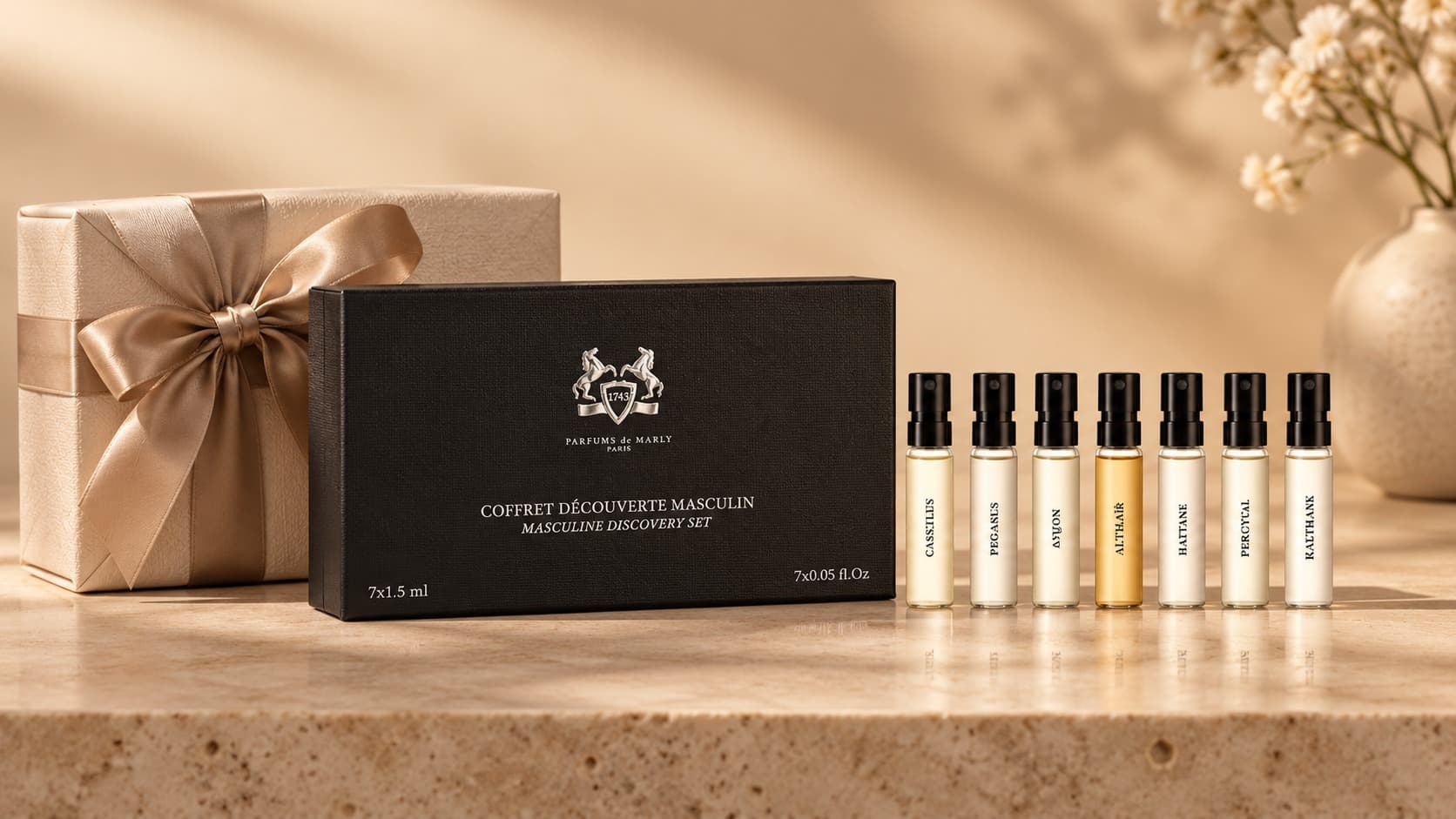
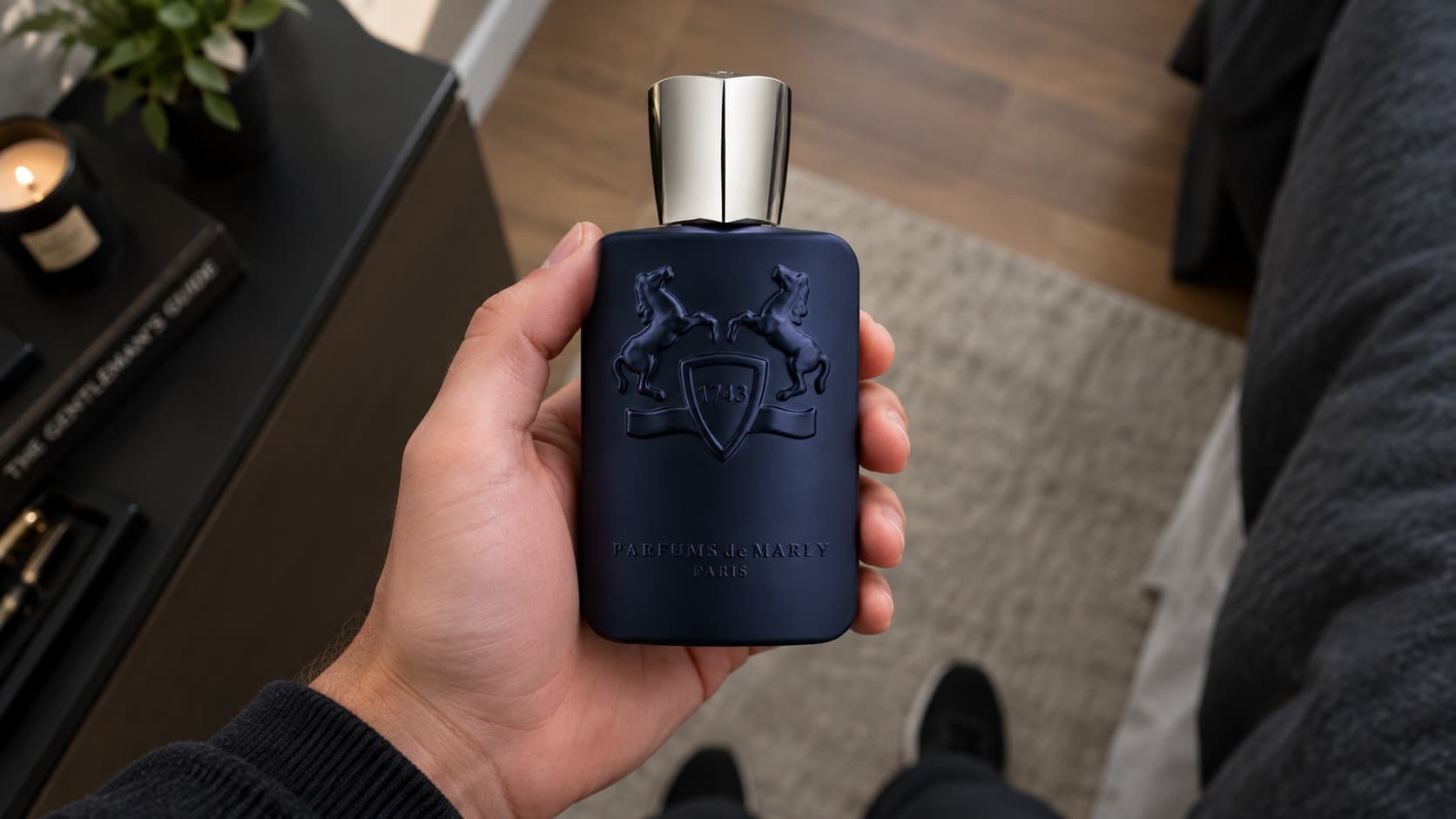
Even though the actual liquid inside doesn’t care about gender, the packaging absolutely does. Fragrances aimed at women have historically used curved glass, pastel or jewel-toned colors, and floral shapes, while fragrances aimed at men lean toward square or angular bottles, muted colors, and minimalist typography. That’s a design and marketing choice, built to signal which shopper a bottle is meant for at a glance from across a store aisle.
Advertising followed the same script for decades. Campaigns aimed at women often used soft lighting, romance, and bottles shaped like flowers or high heels to signal femininity, while campaigns aimed at men leaned on streamlined, no-frills packaging and messaging built around boldness, strength, or sophistication to appeal to an idealized version of masculinity. It’s effective shorthand, and it’s also exactly why a lot of people still assume the two categories reflect something chemical rather than something built by a marketing department.
Why Gender-Neutral Perfume Is Growing Fast
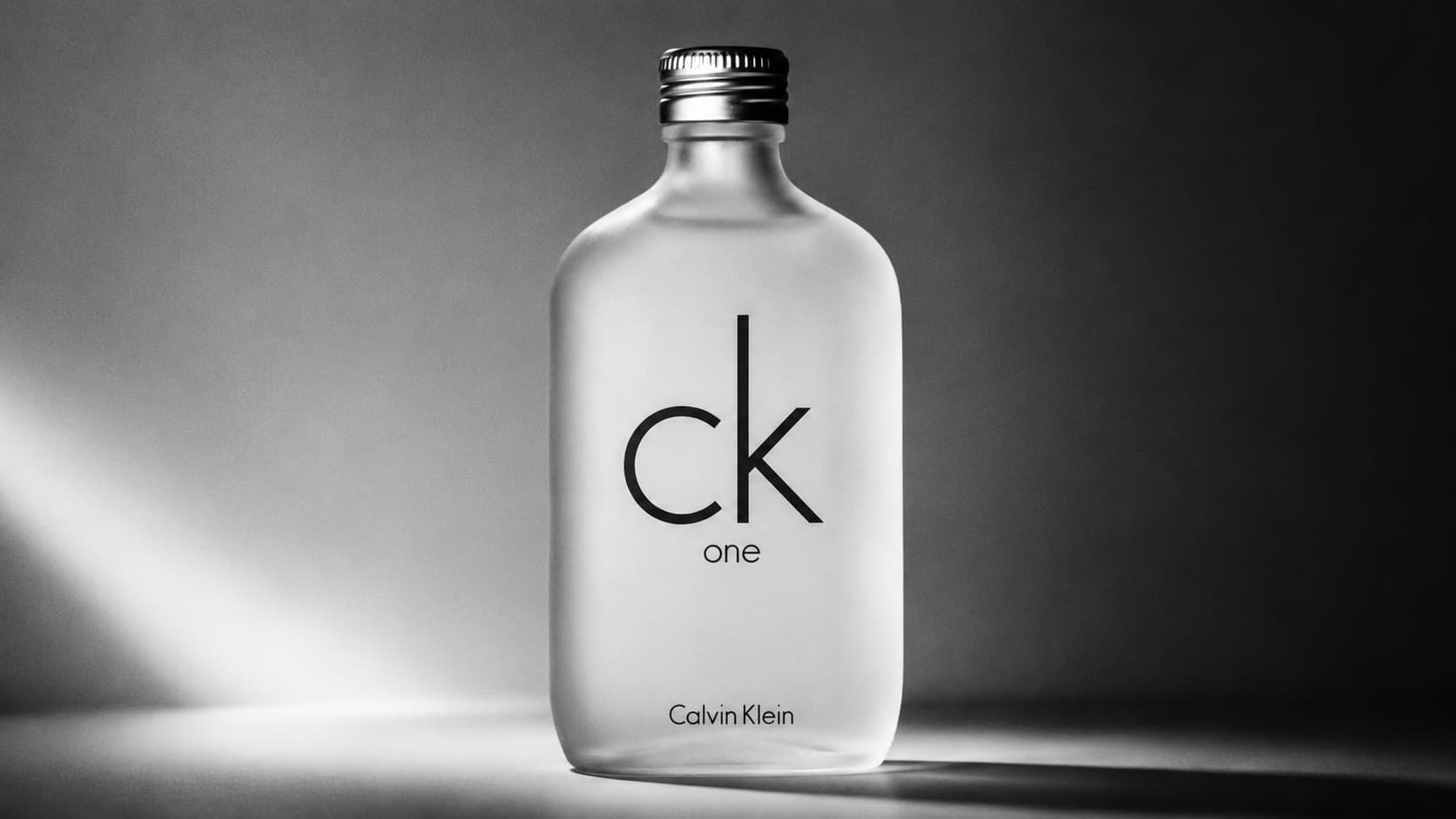
The idea of a fragrance built to appeal to anyone isn’t brand new, but it moved from niche to mainstream fairly recently. Calvin Klein’s CK One, launched in 1994, is usually credited as the release that pushed unisex fragrance into the mass market. It came in a single bottle for both men and women, built around a clean, fresh citrus scent, and was marketed through minimalist black-and-white advertising that deliberately avoided the romantic or macho imagery typical of the era. It became one of the best-selling fragrances of the 1990s and proved that a scent didn’t need a gender assignment to sell in huge volumes.
Since then, the shift has picked up real momentum. Younger shoppers in particular are choosing fragrances based on how a scent actually smells on them rather than which section of the store it was displayed in, and several major beauty conglomerates have repositioned longtime fragrances to drop or soften their gender framing. Some luxury houses have reported notable sales growth specifically from products marketed as unisex over the past few years, and industry researchers tracking the broader perfume market consistently point to gender-neutral fragrance as one of the fastest-growing segments of the industry, even while traditionally labeled men’s and women’s fragrance still make up the bulk of total sales. In parts of the world like the Middle East, Japan, and South Korea, fragrance was never split into a strict Western-style binary in the first place, which has made it easier for global brands in those regions to sell scent without leaning on gender at all.
Perfume houses can put whatever label they want on a bottle. The molecules inside don’t read the label, and neither does the nose that smells it.
Does Gender Labeling Affect How a Scent Performs?
Not for how the fragrance actually smells or performs, no. The label mostly reflects how a brand chose to market and package a scent, not whether it will suit someone’s skin, personality, or preferred notes. Two people can wear the exact same “men’s” cologne and have it read completely differently, just as two people can wear the same “women’s” perfume and get a different result from each other.
Where the label can matter a little is in expectation and confidence. If wearing a certain scent makes someone feel more like themselves because of how it’s marketed, that’s a real and valid reason to choose it. The label just shouldn’t be treated as a rulebook for what anyone is allowed to smell like.
How to Shop for Perfume Without the Gender Label
Shopping by scent instead of by section comes down to a few consistent habits:
- Ignore the aisle it’s displayed in and read the note breakdown on the box or the brand’s website instead.
- Test it directly on skin, not just a paper strip, and give it at least 20–30 minutes to settle before deciding, since top notes fade and base notes take time to show up.
- Focus on familiar note families (fresh and citrusy, warm and spicy, floral and soft, woody and earthy) rather than “men’s” or “women’s” labels.
- Wear it out and pay attention to compliments, since people nearby often notice a fragrance’s true character better than the wearer can on their own skin.
- Don’t rule out a “unisex” bottle by default, since many of these are simply built without a gender lean from the start rather than being some kind of compromise scent.
Frequently Asked Questions
Is it okay for a man to wear a “women’s” perfume, or vice versa?
Yes. There’s no chemical, medical, or rule-based reason a fragrance marketed to one gender can’t be worn by another. The notes, the concentration, and how the scent develops on skin work the same way regardless of who’s wearing it.
Why do men’s colognes seem to smell more similar to each other than women’s perfumes do?
This comes down to the note families that got culturally coded as masculine over the last century, particularly fougère and woody-aromatic blends built around lavender, vetiver, and cedar. Brands have stuck close to that formula because it reliably reads as “masculine” to most shoppers, which narrows the variety compared to the much wider range of floral and fruity notes used in fragrances marketed to women.
What does “unisex” actually mean on a fragrance label?
It means the brand designed and marketed the scent without targeting a specific gender, usually building it around note families like citrus, musk, or light woods that test well across a broad range of people. It doesn’t mean the scent is watered down or a compromise between “men’s” and “women’s” versions.
Does a more expensive fragrance smell more “gender-appropriate” or better matched to me?
No, price reflects ingredients, brand positioning, and packaging costs, not how well a scent suits an individual’s body chemistry or personal taste. A budget-friendly fragrance can work beautifully on someone’s skin while an expensive one falls flat, and that has nothing to do with price or gender labeling.
How can I tell if a scent will actually suit me before buying it?
Applying it directly to skin, rather than just a test strip, and waiting through the full development — from the first spray to roughly half an hour later — shows how it will actually behave, since a fragrance can shift quite a bit as it dries down. Skin chemistry, not the label, determines whether a scent reads as fresh, warm, sharp, or soft on the wearer.
Conclusion
The men’s and women’s fragrance divide is a product of 20th-century marketing and manufacturing habits, not a rule written into the chemistry of scent. Certain note families got tied to certain genders through decades of packaging and advertising, and those associations stuck around long after there was ever a real reason for them. What actually determines how a fragrance smells and lasts comes down to individual skin chemistry, not the section of the store it came from. The most useful approach when choosing a scent is to skip the “men’s” and “women’s” signage entirely and let the nose, and the skin wearing it, make the call.