Spain’s watchmaking industry represents a fascinating blend of traditional European craftsmanship and modern innovation. While Spain may not have the same global recognition as Switzerland or Germany in horology, the country has developed a thriving watch industry that currently houses over 90 Spanish watch brands. These brands range from internationally recognized companies like Festina and Viceroy to independent artisans creating unique timepieces. Spanish watchmakers have successfully carved out their niche in the global market by focusing on accessible luxury, stylish designs, and competitive pricing, making quality timepieces available to a broader audience than traditional Swiss luxury brands.
Spanish Watch Industry
Spain’s position in the global watch market has steadily strengthened over the past four decades, transforming from a minor player to a significant force in the accessible luxury segment. The Spanish watch industry is currently experiencing a period of growth thanks to mergers and acquisitions of new companies, with over 90 Spanish watch brands now operating in the country. While Spanish brands haven’t played as historically significant a role as their Swiss or German counterparts, they have found success by targeting the mid-range market and developing strong distribution networks across Europe and beyond.
- Many Spanish watch brands manufacture their parts entirely in Spanish territory, although there are also Spanish brands that assemble their designs either partially or entirely in Asia or even in Switzerland. This flexible manufacturing approach allows Spanish companies to balance quality control with cost efficiency, enabling them to offer competitive pricing while maintaining reasonable quality standards across their product ranges.
- Spanish watchmakers and distributors have made huge investments in research and development, diversified their sources of suppliers and delocalized processes to Switzerland and Asia. These strategic investments have allowed Spanish brands to access advanced manufacturing techniques and high-quality components from established watchmaking regions while maintaining their own design identity and brand positioning.
- The overall success of the Spanish watchmaking industry in penetrating foreign markets has allowed these companies to invest in the acquisition of a number of Swiss manufactures, with an aim to consolidate positions in the more exclusive segment for timepieces costing more than 2,000 Euros. This reverse acquisition strategy has given Spanish companies access to Swiss manufacturing expertise and heritage, elevating their brand credibility in premium segments.
- A common segmentation of the market has been established and is tagged as ‘economic’ (up to 300 Euros), ‘mid-market’ (up to 1,000 Euros), ‘upmarket’ (1,000 to 2,000 Euros) and ‘Alta Relojería’ (2,000 Euros and over). This clear market positioning allows Spanish brands to target specific consumer segments effectively, from entry-level buyers to luxury watch enthusiasts, without direct competition with ultra-luxury Swiss brands.
- They have built a solid network of subsidiaries to promote exports to European countries and have strengthened their distribution network in America and Asia. This international expansion strategy has been crucial for Spanish brands to achieve the scale necessary to compete with established watchmaking nations and has opened new revenue streams beyond the domestic market.
The success of Spanish watchmaking lies in its pragmatic approach to the industry. Rather than attempting to compete directly with Swiss luxury brands in the haute horlogerie segment, Spanish companies have focused on delivering quality, style, and functionality at price points that appeal to a broader consumer base. This strategy has proven particularly effective in European markets, where Spanish brands like Festina have become household names. The industry’s growth has also been supported by Spain’s broader manufacturing capabilities and its strategic position as a gateway between Europe, Africa, and Latin America, providing access to diverse markets for expansion.
History of Spanish Watchmaking
Spanish watchmaking developed gradually throughout the 20th century, with its foundations rooted in traditional jewelry and timekeeping crafts that date back to the 19th century. Unlike Switzerland or Germany, Spain didn’t emerge as a major watchmaking power through industrial revolution innovations, but rather built its industry through strategic partnerships, acquisitions, and a pragmatic approach to manufacturing. Although Spanish watch brands have not played as significant a role in the history of watchmaking as famous German watches or Swiss watches, the Spanish watch industry is currently going through a good period thanks to mergers and acquisitions of new companies. The Spanish approach focused on accessibility and design rather than competing in haute horlogerie, creating a distinct identity in the global market.
- The Vendrell family owns Unión Suiza, a company dedicated to the jewelry industry, with origins dating back to 1840, and it wasn’t until 1930 that Carlos decided to create his own watchmaking company, manufacturing the pieces by hand in his workshops in Barcelona, marking the beginning of Kronos watches. This represents one of the earliest significant Spanish watch enterprises, establishing a foundation for domestic production while maintaining strong connections to traditional European watchmaking through strategic partnerships with Swiss and German manufacturers.
- Carlos Vendrell was able to establish partnerships with Swiss and German manufacturers who lent him some machinery for watchmaking, and later on, the Swiss did not just supply the machines but also produced Kronos watches based on the guidance and directions of Carlos Vendrell. This collaboration model became characteristic of Spanish watchmaking development, where Spanish companies maintained design control and brand identity while leveraging established European manufacturing expertise and technology.
- During World War II, Festina was relocated from Switzerland to Barcelona, Spain, though it was not until Georges Uhlmann’s leadership of the company in 1975 that Festina became known in the Spanish and Italian markets. The war period brought several Swiss companies to establish operations in Spain, providing technical knowledge and manufacturing capabilities that would later prove crucial for the development of the domestic industry.
- The brand’s ownership was transferred once again in 1984 when Miguel Rodriguez Dominguez acquired all rights over the Festina brand, and by that time, Miguel Rodriguez already owned the Lotus watch brand, so when he bought Festina, he created the Festina Lotus SA. This acquisition marked a pivotal moment in Spanish watchmaking history, creating the largest watch manufacturer in Spain and demonstrating how Spanish entrepreneurs successfully acquired and integrated established Swiss brands into their operations.
- The commercial expansion of some Spanish companies has allowed them to establish themselves in Swiss territory or even acquire a significant stake in some of their watchmaking firms, enabling them to manufacture some of their components there. By the late 20th century, successful Spanish companies had sufficient resources and expertise to reverse the traditional relationship, acquiring Swiss manufacturing capabilities and establishing production facilities in traditional watchmaking centers.
The evolution of Spanish watchmaking reflects a unique approach to industry development that prioritized business acumen over technical innovation. Rather than attempting to compete directly with centuries-old Swiss expertise in mechanical complications or German precision engineering, Spanish companies identified market opportunities in accessible luxury and fashionable timepieces. This strategy proved successful because it aligned with broader economic trends toward democratization of luxury goods and the growing importance of design and marketing in consumer purchasing decisions. The foundation laid by pioneers like Carlos Vendrell, combined with strategic acquisitions by entrepreneurs like Miguel Rodriguez, created a sustainable industry model that continues to thrive today.
Spanish Watch Characteristics and Style
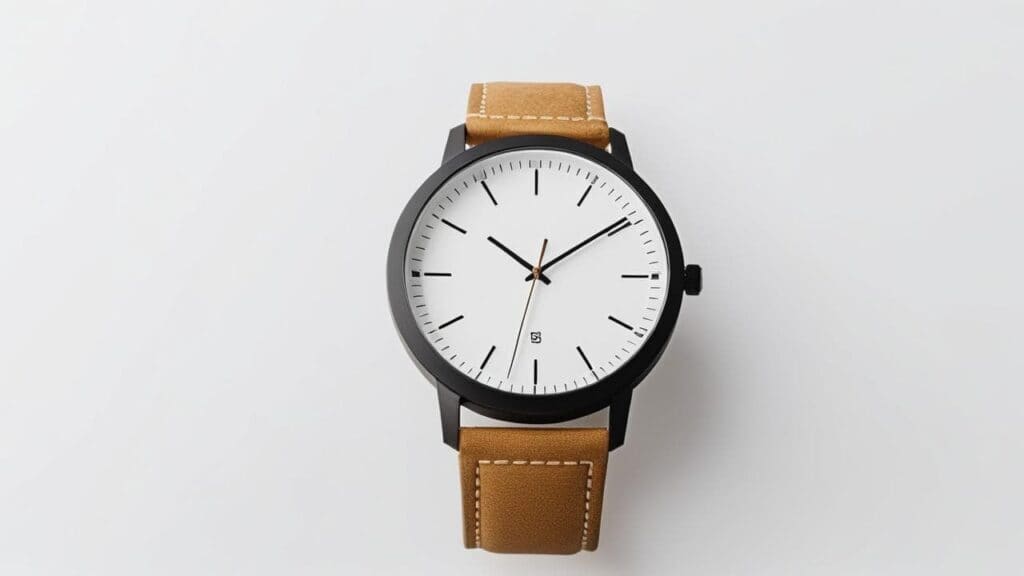
Spanish watches have developed a distinctive identity that blends European craftsmanship with contemporary design sensibilities, targeting a market segment that values style, functionality, and accessibility over exclusive luxury. The Spanish approach to watchmaking emphasizes practical elegance and broad appeal rather than technical complications or heritage prestige. The Festina collection consists of elegant and functional chronographs at mid-range prices, with its main market being Europe, although the brand is present in more than 60 countries on all 5 continents. Spanish brands have successfully positioned themselves as offering superior design and quality compared to basic fashion watches while remaining significantly more affordable than traditional Swiss luxury timepieces.
- Viceroy watches occupy a mid-range segment focused on creating fashionable watches with adequate finishes for their low price, although they do not use Swiss movements, with their quartz watches using mechanisms of Japanese origin, especially Miyota, while their mechanical designs use movements manufactured in China. This strategic approach reflects the Spanish philosophy of balancing quality with affordability by sourcing reliable movements from established suppliers while maintaining control over design and finishing standards.
- Most Lotus watches are priced at 299 euros and lie in the affordable price range of most customers, while Viceroy caters to both men and women and is focused on making analog timepieces in the $100-$500 price range. The pricing strategy demonstrates how Spanish brands have identified and successfully occupied the accessible luxury segment, offering quality timepieces at price points that appeal to middle-class consumers who want something better than basic fashion watches but cannot afford high-end Swiss pieces.
- Festina is known for its sporty yet elegant chronograph watches that are categorized in the mid-range price point, and if you like vibrant and bold-colored sports watches, Festina’s range is certainly worth consideration, yet there are also many classic chronographs and three-handed models to choose from. The design philosophy emphasizes versatility and visual appeal, creating watches that can transition from casual to formal settings while maintaining a distinctive sporty elegance that sets them apart from more conservative Swiss designs.
- Calypso primarily caters to the younger generation who are dynamic and fun-loving, offering colorful and affordable timepieces that easily appeal to casual urban youth, with Calypso’s primary trademark being colored metal bands instead of the usual silver stainless steel. This demonstrates how Spanish brands have embraced color and unconventional design elements to differentiate themselves and appeal to younger demographics who value self-expression and individuality in their accessories.
- 666 Barcelona is established by industrial designers Ferran Serra and Oscar Vera and boasts unique and unconventional designs that exude a distinct personality and soul, incorporated with the latest trends, making timepieces that will make you stand out in the fashion scene very affordable. The brand exemplifies the Spanish approach of treating watches as fashion statements and artistic expressions rather than purely functional instruments, incorporating avant-garde design elements that would be considered too bold for traditional watchmaking centers.
Spanish watchmaking has carved out a unique niche by understanding that modern consumers want watches that express personality and style without requiring significant financial investment. The materials used typically include quality stainless steel cases, reliable quartz movements from Japan, and contemporary finishing techniques that prioritize visual appeal over traditional luxury markers like hand-finishing or exclusive materials. This approach has proven successful because it aligns with broader consumer trends toward accessible luxury and personal expression, allowing Spanish brands to compete effectively against both fashion watches and entry-level Swiss brands while maintaining healthy profit margins and broad market appeal.
Best Spanish Watch Brands
The Spanish watch industry is dominated by several key players that have established strong international reputations through decades of innovation, strategic partnerships, and effective marketing. These brands represent the best of Spanish watchmaking, combining accessible luxury with distinctive design philosophies that set them apart from traditional Swiss and German competitors.
Festina
Festina is the largest watch manufacturer in Spain and the flagship brand of the Festina Group, which currently owns seven different brands of watches including Lotus, Calypso, Candino, Jaguar, and two luxury brands Perrelet and L.Leroy. Originally founded in Switzerland in 1902, Festina became a Spanish brand when Barcelona-based industrialist Miguel Rodríguez acquired it in 1984, transforming it into one of Europe’s most recognizable watch brands.
- Today, all Festina watches are manufactured and designed in Barcelona and Toledo and the brand supplies around five million watches per year to over 90 countries worldwide. The company operates production facilities in both Spain and Switzerland, allowing them to offer everything from affordable quartz watches to premium Swiss-made timepieces, with their main European market spanning Italy, Spain, and France where they have achieved household name status.
- Festina has long been a sponsor and official timekeeper of cycling events such as the Tour de France and Giro d’Italia, which is reflected in the annual collection of limited edition Chronobike chronographs. These sport-focused watches feature unique design elements including stainless steel straps that resemble the appearance of a bike chain, making them highly sought-after collector’s items among cycling enthusiasts and watch collectors alike.
- Current Festina collections include the Chrono Bike series priced at €189-199, Connected D smartwatches at €599, classics starting at €89, and Swiss Made Rivé collection watches at €690. The brand’s pricing strategy successfully positions them in the accessible luxury segment, offering quality timepieces that compete directly with entry-level Swiss brands while maintaining significantly lower price points for consumers.
- The new Festina Rivé collection pays tribute to the roots and traditions of Swiss Made, featuring elegant Swiss Made watches with classic designs updated with modern details, dials decorated with guilloché in concentric patterns, fluted bezels, and openings that reveal the finesse of their automatic movements. This premium line represents Festina’s push into higher-end segments while maintaining their core value proposition of quality at competitive prices.
- Festina watches are built on incredibly precise Japanese quartz movements and Swiss movements, providing excellent reliability and accuracy across their range. The brand uses high-quality materials including stainless steel, ceramic, titanium, and sapphire crystal, ensuring durability and longevity that justifies their positioning as a serious alternative to traditional luxury watch brands.
Festina’s success stems from their ability to combine Swiss watchmaking heritage with Spanish design sensibility and competitive pricing. The brand has successfully leveraged sports sponsorships, particularly in cycling, to build strong brand recognition while developing collections that appeal to both sports enthusiasts and fashion-conscious consumers. Their diversified approach, from affordable classics to Swiss-made luxury pieces, allows them to capture multiple market segments while maintaining consistent quality standards across all price points.
Viceroy
Originally founded in Switzerland in 1951, Viceroy became a Spanish brand in 1982 when it was acquired by the Munreco Group, which has grown to become a reference group in world watchmaking, establishing itself in more than 40 countries. Today, Viceroy is positioned as one of Spain’s leading watch and jewelry brands, known for its celebrity endorsements and wide-ranging collections that cater to diverse demographics from children to adults.
- The Munreco Group, which owns Viceroy alongside Mark Maddox and Sandoz brands, has grown continuously since 1978 and today has more than 3,000 outlets spread across 28 countries. This extensive distribution network, combined with the group’s focus on quality materials and innovative designs, has established Viceroy as a major player in the global affordable luxury watch market with significant presence across Europe and Latin America.
- Viceroy offers extensive collections including Antonio Banderas, Fernando Alonso, Penélope Cruz, Real Madrid, Spanish National Team, and Formula 1 themed watches, ranging from youth watches and sports models to gold, chronographs, automatic, solar, and ceramic timepieces. This celebrity-driven marketing strategy has proven highly effective, with each collection targeting specific demographics and lifestyle preferences while maintaining consistent brand recognition across different market segments.
- Viceroy focuses on creating analog timepieces in the $100 to $500 price range, using Japanese quartz movements (especially Miyota) for their quartz watches, while their mechanical designs use movements manufactured in China. Despite manufacturing primarily in China, Viceroy maintains adequate quality finishes for their price point, successfully competing in the mid-range segment by offering fashionable designs with reliable functionality at accessible prices.
- Viceroy’s latest smartwatches maintain an elegant and sophisticated line similar to their classic wristwatches while incorporating comprehensive smartwatch functionalities including step counting, distance tracking, calorie monitoring, heart rate measurement, temperature sensing, blood pressure monitoring, sleep tracking, electrocardiogram capabilities, and full smartphone connectivity for messages and calls. This technological advancement demonstrates the brand’s commitment to staying current with market trends while maintaining their design aesthetic.
- The Viceroy Real Madrid watch collection combines the team’s iconic colors and crest with chronograph functionality, featuring robust construction suitable for both sports activities and daily wear, manufactured with stainless steel cases and water resistance for practical everyday use. These sports partnerships represent more than mere licensing deals, as Viceroy creates functional timepieces that genuinely serve the needs of active users while celebrating team loyalty and Spanish football culture.
Viceroy’s success lies in understanding the power of emotional connections through celebrity endorsements and sports partnerships. Rather than competing purely on technical specifications, the brand has built its reputation on lifestyle appeal and cultural relevance. Their strategy of offering diverse collections under celebrity names allows them to segment the market effectively while maintaining economies of scale in production. The combination of Swiss heritage, Spanish marketing savvy, and accessible pricing has made Viceroy a household name in Spain and a growing presence in international markets where Spanish culture and celebrities have influence.
Lotus
Lotus was founded in 1980 by Spanish businessman Miguel Rodríguez, who had dreamed of owning his own watch brand and wanted to create modern, high-quality, affordable watches. The brand gained a stellar reputation over 25 years for delivering exactly that vision. As part of the Festina Group since 1984, Lotus has established itself as a market leader in Spain while expanding globally with contemporary urban designs that target young, trendy consumers seeking distinctive timepieces.
- Lotus is the official timekeeper for the 2023 Turkish Airlines EuroLeague Final Four and has established strong sports partnerships, with their watches being known for their contemporary urban and trendy styles that are befitting of EuroLeague athletes. These high-profile sponsorships, including awarding exclusive watches to Final Four MVPs, demonstrate the brand’s commitment to sports marketing and their positioning as a lifestyle brand that appeals to active, modern consumers across Europe.
- Current Lotus collections include smartwatch models priced from €99 to €149, Connected D series at €499, chronographs ranging from €89 to €189, and multifunction watches starting at €89. The brand successfully bridges traditional watchmaking with modern technology, offering everything from classic three-hand models to advanced smartwatches while maintaining their core value proposition of accessible luxury for contemporary consumers.
- Lotus offers distinctive collections including the Automatic KOSM line that uses “cosmic energy to tell time with utmost precision,” the bold and sporty Vortex collection that “fuels urban adventures,” and Connected D smartwatches with comprehensive digital functionality. These varied collections demonstrate Lotus’s ability to innovate within different market segments while maintaining design coherence that appeals to their target demographic of young, urban professionals.
- Beyond watches, Lotus has expanded into jewelry with two dedicated brands - Lotus Style and Lotus Silver - designed to satisfy demands of a wide range of public, with the group aiming to establish a high-quality retail network of 600 retailers over two years in markets like Italy. This diversification strategy allows Lotus to capture additional revenue streams while leveraging their brand recognition in fashion accessories that complement their watch collections.
- Lotus watches range from under £100 for basic models to under £500 for premium pieces, with an excellent price-quality ratio that makes chronograph watches available from £85 and fashionable women’s watches from £65, including a separate Lotus Young Collection for older children and teenagers. This comprehensive pricing strategy ensures market coverage from entry-level to mid-premium segments while maintaining consistent quality standards across all price points.
Lotus represents the successful evolution of Spanish watchmaking from traditional timepieces to modern lifestyle accessories. The brand’s strength lies in understanding contemporary consumer desires for technology integration, bold design, and emotional connection through sports and cultural partnerships. Their expansion into smartwatches and jewelry demonstrates strategic thinking about brand extension while their sports sponsorships provide authentic credibility in performance and lifestyle markets. Lotus has successfully positioned itself as the youthful, innovative face of the Festina Group, appealing to consumers who want modern functionality without sacrificing style or paying luxury premiums.
Kronos
Kronos was founded in 1930 by Carlos Vendrell, a Barcelona merchant from a long line of watchmakers and jewelers dating back to 1840, making it one of Spain’s oldest watch brands with deep roots in traditional watchmaking heritage. The brand remains a family-owned Spanish company under the Vendrell family’s Unión Suiza, maintaining its headquarters in Barcelona while operating with a clear philosophy of creating exclusive designs that avoid mass production in favor of unique personality and character.
- Carlos Vendrell established significant partnerships with Swiss and German manufacturers who provided machinery and eventually produced Kronos watches based on his specifications and directions, with these agreements proving instrumental in strengthening the brand throughout its history. When his son Luis inherited the business, he focused on international expansion while preserving the brand’s unique identity, a tradition that continues today with the fourth generation of the Vendrell family maintaining control of the company.
- Kronos manufactures watches across various price ranges but maintains exceptional attention to finishing quality whether producing automatic watches with Swiss movements or more affordable quartz models, with many of their Swiss-made pieces featuring the reliable ETA 2824 caliber and premium models using the ETA Valjoux 7750 chronograph movement. This commitment to quality components typically found in much more expensive watches allows Kronos to compete directly with established Swiss brands while offering better value propositions.
- Particularly notable are the K300 diving watches, which are water-resistant up to 300 meters and feature sapphire crystal, ceramic bezels, and helium escape valves - premium specifications typically found in luxury dive watches. These technical dive watches demonstrate Kronos’s capability to produce serious tool watches that meet professional diving standards while maintaining their commitment to traditional Spanish design sensibilities and competitive pricing strategies.
- For their quartz offerings, Kronos maintains high finishing standards while using reliable Japanese Miyota movements, with some models featuring Swiss Ronda calibers, including the Sport Q collection of affordable yet robust divers that are water-resistant up to 200 meters with unidirectional bezels and screw-down crowns. This diversified approach ensures that Kronos can serve both mechanical watch enthusiasts seeking Swiss movements and practical users wanting reliable quartz functionality.
- Kronos caters to a wide range of customers with collections spanning sport, elegance, brightly colored watches, and fashion, offering exclusively analog timepieces for both men and women while deliberately avoiding digital watches in favor of traditional analog designs. The brand receives consistently positive reviews motivated by excellent finishing quality, with watches positioned competitively against Swiss brands like Tissot and Hamilton but often available at significantly lower prices through promotions and exclusive offers.
Kronos represents the authentic Spanish watchmaking tradition that predates the modern Spanish industry dominated by fashion brands and celebrity endorsements. Their success stems from understanding that quality craftsmanship and heritage can compete with Swiss prestige when combined with intelligent pricing and genuine attention to detail. The brand’s longevity through nearly a century of operations, including surviving the quartz crisis and various economic challenges, demonstrates the strength of their business model focused on exclusivity over volume production. Kronos appeals to watch enthusiasts who appreciate traditional values, mechanical excellence, and Spanish heritage without paying premium Swiss luxury prices.
Calypso
Calypso entered the watch industry in 1996 as a division of the Festina Group, with the fundamental principle of targeting a younger demographic who are dynamic and fun-loving. The brand is designed for urban mobile youth enjoying life with limitless dreams - original watches for those who want to stand out in the crowd and express their individuality, rejecting the idea of simply following fashion. Calypso has successfully positioned itself as the anti-fashion fashion brand, appealing to young consumers who want to make personal statements through bold, colorful timepieces.
- Calypso has been the Official Watch of The Color Run for consecutive years (2016-2017), with the youth brand present in races across Spain, France, Italy, United Kingdom, and Belgium, aligning perfectly with the event known as the “Happiest 5k on the Planet” that promotes active and healthy lifestyles. This strategic partnership demonstrates Calypso’s understanding of experiential marketing, connecting their brand with events that embody the fun, colorful, and energetic lifestyle their target demographic embraces.
- Calypso’s primary trademark is colored metal bands instead of the usual silver stainless steel, with their timepieces featuring plastic bodies and rubber or plastic watch bands, deliberately departing from standards established by traditional watch companies to connect with their intended youthful audience. While these design decisions might seem unconventional, they are intentional choices that achieve the young flair the brand set out to create, making their watches instantly recognizable and appealing to teenagers and young adults.
- Current Calypso pricing is extremely accessible, with Junior Collection models priced at €39 and Digital for Men collections starting at €29, making quality timepieces available to young consumers with limited budgets. This aggressive pricing strategy allows Calypso to capture the youth market effectively while maintaining reasonable profit margins through volume sales and simplified manufacturing processes focused on quartz movements and durable plastic construction.
- Calypso SmartTime fitness trackers feature comprehensive health monitoring including heart rate, blood pressure, sleep monitoring, multiple sports modes, and a 1.14” IPS screen, positioned as affordable alternatives to premium fitness wearables like Fitbit. The SmartTime collection demonstrates Calypso’s ability to adapt to technological trends while maintaining their core value proposition of accessible pricing and youth-focused design aesthetics.
- Calypso is presented as a collection of “prêt-à-porter” watches that are young and colorful at accessible prices, allowing users to change their look every day, with strong and daring colors, original decorations inspired by art, and materials that combine quality and practicality. This fashion-forward approach treats watches as accessories rather than instruments, perfectly matching the consumer behavior of their target demographic who view timepieces as expressions of personality rather than purely functional tools.
Calypso represents the Festina Group’s successful strategy of market segmentation, creating a distinct brand identity that captures youth spending without cannibalizing their premium offerings. The brand’s strength lies in understanding that young consumers prioritize self-expression, affordability, and fun over traditional watch values like heritage or technical complications. By embracing plastic construction, bold colors, and unconventional designs, Calypso has created authentic differentiation in a crowded market while building brand loyalty among consumers who will eventually graduate to higher-priced Festina Group products as they age and their incomes increase.
How Spanish Watches Are Made
Spanish watch manufacturing operates on a fundamentally different model from traditional Swiss or German watchmaking, emphasizing strategic sourcing, design control, and cost-effective production rather than in-house movement manufacturing. The Spanish approach represents a pragmatic response to global market realities, allowing brands to deliver quality timepieces at accessible prices while maintaining design integrity and brand identity. The Festina Group’s main production centers on the peninsula are located in Barcelona (where the headquarters are also located) and Toledo, although the brand also manufactures its watches in Switzerland and China. This flexible manufacturing strategy enables Spanish companies to balance quality requirements with market positioning needs.
- The Festina Group is still headquartered in Barcelona, Spain, with its watches manufactured in Barcelona and Toledo, and around five million of its watches are already being sold every year in 90 different countries. The scale of production demonstrates that Spanish companies have successfully implemented manufacturing systems capable of producing millions of units annually while maintaining consistent quality standards across multiple international markets, indicating sophisticated logistics and quality control processes.
- Lotus shares production centers with its sister brand, Festina, and its watches usually incorporate Miyota Citizen quartz mechanisms of Japanese origin. The strategic use of reliable Japanese movements represents a quality-conscious decision that prioritizes proven performance over origin prestige, ensuring consistent accuracy and reliability while maintaining cost competitiveness compared to Swiss movements.
- Viceroy watches use mechanisms of Japanese origin, especially Miyota, while their mechanical designs use movements manufactured in China, although no less reliable, with their production centers located in China, from where they import watches that are later marketed in Spain. This global sourcing approach demonstrates how Spanish brands maintain quality standards by selecting reliable suppliers worldwide rather than limiting themselves to expensive European manufacturing, achieving quality-to-price ratios that traditional Swiss brands cannot match.
- All Tempore Lux watches are assembled in Mallorca by Miguel A. Martinez, who runs S’Hora des Rellotge, a certified service centre for Swatch Group brands, and all Tempore Lux watches assembled there are subject to individual quality testing and regulation. This example illustrates how smaller Spanish manufacturers can achieve high quality standards by partnering with certified facilities and implementing individual testing protocols, proving that Spanish quality control can meet or exceed industry standards when properly executed.
- Many Spanish watch brands manufacture their parts entirely in Spanish territory, although there are also Spanish brands that assemble their designs either partially or entirely in Asia or even in Switzerland. The diversity of manufacturing approaches within the Spanish industry reflects different brand strategies and market positioning, from fully domestic production for premium positioning to international sourcing for cost optimization, allowing Spanish brands to compete across multiple price segments.
The Spanish manufacturing model differs significantly from the Swiss approach, which emphasizes domestic production and heritage prestige, or the German focus on engineering precision and in-house capabilities. Spanish brands have successfully developed a third approach that prioritizes design innovation, brand building, and market accessibility over manufacturing exclusivity. This strategy has proven effective because it aligns with contemporary consumer preferences for style and value rather than traditional luxury markers. The quality standards achieved by major Spanish brands like Festina demonstrate that modern manufacturing techniques, combined with strategic component sourcing and rigorous quality control, can produce timepieces that meet international standards while remaining accessible to broader markets than traditional luxury watchmaking allows.
Best Spanish Watch Collections
Spanish watch brands have developed diverse collections that cater to different market segments, from entry-level fashion watches to sophisticated chronographs and modern smartwatches. The most successful Spanish collections emphasize versatility, contemporary design, and practical functionality rather than traditional complications or haute horlogerie features. The Festina collection consists of elegant and functional chronographs at mid-range prices, with its main market being Europe, although the brand is present in more than 60 countries on all 5 continents. These collections have achieved remarkable commercial success by focusing on designs that appeal to modern consumers who value style, reliability, and affordability.
- Many Festina watches feature advanced features such as chronograph functions, water resistance, and automatic winding, and the brand offers a range of styles, including classic, sporty, and trendy designs. The chronograph collections represent Festina’s most distinctive offering, combining traditional stopwatch functionality with contemporary styling that appeals to both sports enthusiasts and fashion-conscious consumers, establishing chronographs as the brand’s signature category.
- The Festina Chronobike range are incredibly unique as the design of the stainless steel strap resembles the appearance of a bike chain. This collection exemplifies Spanish design innovation by incorporating thematic elements that create visual interest and brand differentiation, demonstrating how Spanish brands use creative design details to distinguish themselves from conventional Swiss sports watches.
- Lotus has a diverse range of Smartwatches on offer and aims to cater to a cosmopolitan and modern audience with its selection of dress watches, chronographs, gem-set watches, and elegant sports watches, and Lotus also has a line of smartwatches now called the Lotus Connected range. The expansion into connected technology shows how Spanish brands successfully adapt to changing consumer preferences while maintaining their core aesthetic values.
- Viceroy has Spanish actress, Penélope Cruz as a brand ambassador for some of its watches and is the official watch supplier of watches to Real Madrid, with these personalized timepieces available in a three-handed version or a chronograph version, featuring each player’s name as well as the Real Madrid emblem. These celebrity and sports partnerships demonstrate how Spanish brands leverage local cultural connections to create exclusive collections that resonate with specific consumer segments.
- Some of Pita Barcelona’s most popular models belong to collections such as the Oceana, the Carousel, the Minimal, and the Steam ranges, where you can choose from everything from single-handed watches to celestial-inspired timepieces with 24-hour displays, and elegant dive watches injected with vivid shots of color. The high-end independent sector showcases Spanish creativity through innovative complications and artistic designs that challenge conventional watchmaking approaches.
- Marea’s XXL range is home to watches with off-center main timekeeping dials and Milanese-style metal bracelets, while its sports watches vary from lime green and blue models with a transparent case, to timepieces with a 24-hour scale, a day sub-counter, and a date ring. The fashion-forward approach to case design and color usage demonstrates how Spanish brands embrace bold aesthetic choices that appeal to younger consumers seeking distinctive accessories.
The success of Spanish watch collections lies in their ability to identify and serve specific consumer needs that traditional Swiss brands often overlook. Rather than competing on heritage or technical supremacy, Spanish collections focus on contemporary relevance, lifestyle alignment, and emotional connection. The chronograph category has become particularly important for Spanish brands because it offers practical functionality while maintaining accessible pricing, allowing consumers to experience traditional watchmaking complications without luxury pricing. The integration of modern technology through smartwatch offerings shows how Spanish brands successfully balance tradition with innovation, creating collections that serve both traditional watch enthusiasts and tech-savvy younger consumers who expect connectivity features in their accessories.
Spanish vs International Watch Brands
Spanish watch brands have carved out a distinctive competitive position by avoiding direct confrontation with traditional watchmaking powerhouses and instead focusing on market segments where their unique value proposition can thrive. Rather than competing on heritage prestige like Swiss brands or technological innovation like Japanese manufacturers, Spanish companies have built their success on accessible luxury, contemporary design, and strategic market positioning. When quartz disrupted the industry by being better at timekeeping and being cheaper, Japan embraced it and now owns that market, while the Swiss positioned themselves upmarket and basically own the high end mechanical market today. Spanish brands found success in the middle ground, offering Swiss-influenced design with Japanese reliability at price points that appeal to mainstream consumers.
- Swiss watches have long been synonymous with luxury, prestige, and craftsmanship, while Japanese watches are celebrated for their innovation, precision, and affordability. Spanish brands positioned themselves between these extremes, offering more style and prestige than basic Japanese offerings while remaining significantly more affordable than Swiss luxury pieces, creating a “sweet spot” for consumers who want sophistication without extreme pricing.
- Japanese watches offer cutting-edge technology, reliability, and precision at a fraction of the price of Swiss watches, making them a great choice for anyone looking for high performance without breaking the bank. Spanish brands differentiated themselves by emphasizing European design sensibilities and fashion-forward aesthetics rather than purely technical performance, appealing to consumers who prioritize style alongside functionality.
- Generally, more of the average- and lower-priced quartz-powered watches come from the Far East, while the truly intricate and complex mechanical watches generally emanate from Switzerland. Spanish companies strategically avoided competing in either extreme, instead focusing on the mid-range chronograph market where they could offer Swiss-style complications with Japanese movement reliability at competitive prices.
- The Japanese brand Seiko started flooding the market with industrially manufactured products with quartz mechanisms and prided themselves on their precision, positioning itself as an excellent, good-quality alternative to what shoppers started to perceive as costly, inaccurate Swiss watches. Spanish brands learned from this disruption by adopting similar manufacturing efficiency while maintaining European design aesthetics, allowing them to compete on both quality and value.
- Turn over a mechanical watch not made by a big Swiss brand that costs over $150, and it’s likely you’ll see either Seiko or Miyota printed on the case back. Spanish brands strategically embraced this reality rather than fighting it, openly using reliable Japanese movements while focusing their efforts on distinctive case design, brand building, and market positioning rather than expensive in-house movement development.
Spanish watch brands succeeded by recognizing that modern consumers often prioritize design, brand image, and value over traditional watchmaking metrics like movement provenance or technical complications. While Swiss brands command premium prices through heritage and exclusivity, and Japanese brands compete on technical innovation and precision, Spanish companies built their market position on lifestyle alignment and accessible luxury. This strategy proved particularly effective in European markets where consumers appreciate design sophistication but are more price-conscious than traditional luxury watch buyers. The Spanish approach demonstrates how newer market entrants can compete successfully against established industry leaders by identifying underserved market segments and developing business models that prioritize consumer value over traditional industry hierarchies.
Best Places to Buy Spanish Watches
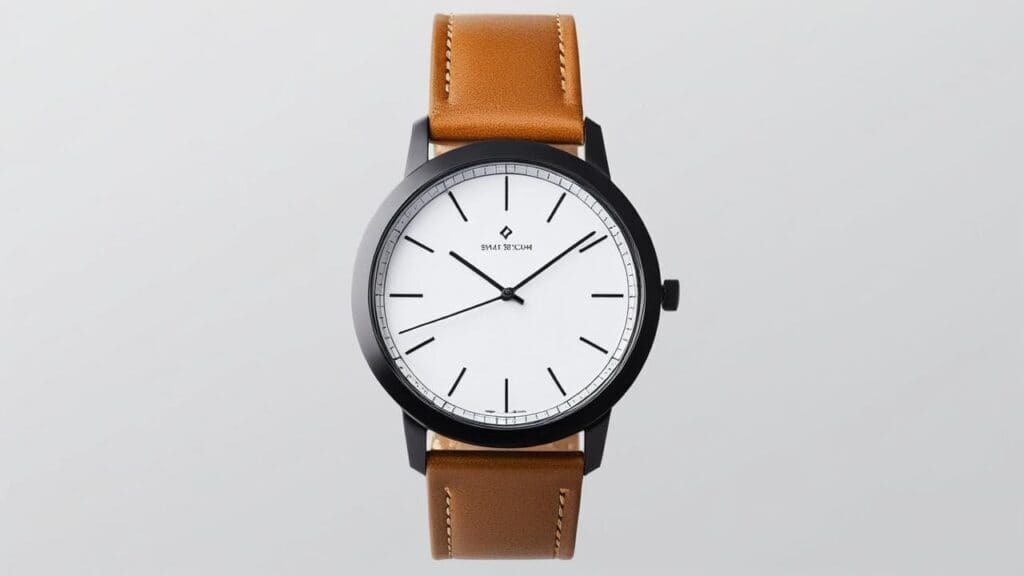
Spanish watch brands have developed extensive international distribution networks that make their timepieces widely accessible across multiple continents, though availability and service quality can vary significantly between regions. The global reach of major Spanish brands reflects their commercial success and strategic market positioning, with particularly strong presence in European markets where they originated. Festina is a brand with a market presence in more than 90 countries on five continents, selling some 50 million watches a year, with subsidiaries in France, Germany, Italy, Benelux, Switzerland, Chile, the Czech Republic, Poland and Slovakia. This extensive distribution infrastructure ensures that Spanish watches are readily available to consumers worldwide through multiple purchasing channels.
- Many Spanish watch brands are available through major online retailers, with brands such as Festina, Jaguar, Lotus, Viceroy, and others offering their watches through established e-commerce platforms. Online marketplaces provide convenient access to Spanish watches with competitive pricing, customer reviews, and standardized return policies, making them popular choice for international buyers who may not have access to local authorized dealers.
- Festina operates official online stores in major markets including the United States, with dedicated customer service and two-year warranty coverage for watches purchased from authorized retailers. Brand-operated online stores offer the advantage of guaranteed authenticity, full warranty coverage, and direct customer support, though they may have limited geographic shipping availability compared to third-party retailers.
- Authorized retailers offer Spanish watch brands with official dealer status, providing authentic products with manufacturer warranty and professional customer service. Authorized dealers combine the credibility of official brand partnership with specialized watch expertise, often providing superior customer service and technical support compared to general retailers.
- Spanish watch brands are available through specialized watch retailers, which offer extensive collections from multiple Spanish brands including Festina, Lotus, Viceroy, and Calypso. Multi-brand watch retailers provide the advantage of comparing different Spanish brands side-by-side and often offer competitive pricing due to their buying volume and specialization in the watch market.
- Festina Group operates specialized service centers worldwide and maintains a sophisticated logistics operation from Barcelona that handles over 5 million watches annually with advanced quality control and distribution systems. The comprehensive service network ensures that warranty claims and repairs can be handled efficiently regardless of where the watch was purchased, providing peace of mind for international buyers.
- Spanish watch brands are increasingly available through premium watch retailers, which position them alongside established Swiss and German brands in their curated collections. Placement in high-end retail environments demonstrates the growing acceptance of Spanish watches in luxury markets and provides consumers with expert guidance for their purchases.
The purchasing experience for Spanish watches has evolved significantly from their early days as regionally-focused brands to become truly global operations with sophisticated distribution networks. The combination of official brand stores, authorized dealers, online marketplaces, and specialized retailers provides consumers with multiple purchasing options that can be tailored to their specific needs and preferences. However, buyers should be aware that warranty coverage and service availability may vary depending on the purchasing channel and geographic location, making it important to verify these details before making a purchase decision.
Do Spanish Watches Hold Value?
Spanish watches occupy a unique position in the investment landscape, offering neither the prestige appreciation potential of Swiss luxury brands nor the significant depreciation typical of fashion watches, but rather representing a middle ground focused on utility and accessible collecting. Unlike established luxury brands that have demonstrated strong historical value retention, Spanish watches are primarily purchased for their design appeal, functionality, and affordability rather than investment potential. Top-tier brands like Rolex, Patek Philippe, and Audemars Piguet deliver notable investment returns, with these brands standing out for their ability to outpace other investment avenues and establish their economic worth. Spanish brands have not achieved this level of investment recognition due to their positioning in the accessible luxury segment rather than the exclusive collectible market.
- Festina stands in that awkward spot where getting enthused might be difficult, with many timepieces being quartz models with prices ranging from £80 to £150, and despite its heritage, Festina watches don’t get much respect among serious collectors. The perception challenge reflects the broader reality that Spanish watches are viewed as practical timepieces rather than collectible investments, limiting their appreciation potential in the secondary market.
- Most luxury watches that hold value tend to appreciate over 5-10 years, depending on market demand and the rarity of the model, but not all luxury watches appreciate in value as many models depreciate or remain stagnant in price. Spanish watches typically fall into the latter category, maintaining reasonable resale values but lacking the scarcity, brand prestige, or technical innovation that drives significant appreciation in the collectible watch market.
- The best affordable watches that hold their value include models from established brands with strong heritage and limited production, while watches like Seiko SKX007 and Timex Marlin offer vintage charm and growing collector interest. Spanish brands have not developed the cult following or discontinued model scarcity that creates value appreciation in the affordable segment, as their business model emphasizes continuous production rather than limited releases.
- Luxury watches require specialized knowledge for successful investing, with market dynamics including changing fashion trends, economic conditions, and social media influence making values less predictable than traditional investments. Spanish watch brands lack the market tracking, collector communities, and historical price data that serious watch investors rely upon for making informed purchasing decisions.
- Spain’s market is influenced by tourism and a preference for fashionable yet affordable watches, with the resale market for heritage timepieces expanding and strengthening long-term value retention for established luxury brands. The tourist-oriented market positioning of Spanish brands reinforces their role as accessible luxury purchases rather than serious collectibles, though this broad appeal ensures consistent demand in the secondary market.
Spanish watches should be approached as functional luxury purchases that provide excellent value for money rather than investment vehicles. While they may retain reasonable resale values due to their quality construction and brand recognition, buyers should not expect significant appreciation over time. The strength of Spanish brands lies in offering contemporary design and reliable performance at accessible prices, making them excellent choices for consumers who want quality timepieces without the premium associated with traditional luxury brands. For collectors interested in building a diverse watch collection, Spanish pieces can serve as interesting examples of modern European watchmaking philosophy, but they should be purchased primarily for personal enjoyment rather than financial returns.
How to Maintain Spanish Watches
Spanish watches, primarily featuring reliable Japanese quartz movements and quality construction materials, require straightforward maintenance routines that emphasize regular cleaning, proper storage, and timely battery replacement rather than complex mechanical servicing. The care requirements for Spanish brands like Festina, Lotus, and Viceroy are generally less demanding than Swiss mechanical watches, making them practical choices for consumers who want quality timepieces without extensive maintenance commitments. Manufacturers recommend a watch should be serviced every three to five years to maintain full functionality, with Spanish watch expert watchmakers able to service both quartz and mechanical watches to manufacturer standards. The accessibility of service options and reasonable maintenance costs align with the value-oriented positioning of Spanish watch brands.
- You should clean your quartz watch after every wear just like a mechanical watch, with a deeper clean being done every month, and regular cleaning should involve wiping it down with a soft cloth or microfiber cloth for the exterior and a fine, moist brush for tight spots like the links and crevices. Daily cleaning prevents the accumulation of skin oils, dirt, and debris that can affect both the watch’s appearance and the functionality of moving parts like rotating bezels and crown mechanisms.
- A quartz watch doesn’t need winding but the battery will need changing every 1-3 years on average, and most watches are water-resistant, not water-proof, so care should be taken not to damage your watch when you clean it. Spanish watches typically use reliable Japanese quartz movements that provide consistent battery life, though actual duration depends on usage patterns and specific movement requirements.
- After contact with chlorinated or salt water, immediately clean the watch with fresh water and dry with a soft cloth, and if the watch has a rotating bezel, be sure to rotate the bezel while cleaning to dislodge any debris. This is particularly important for Spanish sport watches and chronographs that may be exposed to challenging environmental conditions during active use.
- During the battery replacement process, technicians complete a full inspection of your watch and specially reseal it to ensure its water-tight gasket meets manufacturer ratings and maintains water resistance, with all watches being fully disassembled, examined cosmetically, cleaned and oiled, and any worn or damaged parts replaced. Professional battery replacement services for Spanish watches typically include comprehensive maintenance checks that ensure continued reliability and performance.
- Spanish watch manufacturers provide specialized service centers worldwide, and brands like Festina offer downloadable instruction manuals in PDF format for specific watch models. The availability of official service networks and documentation ensures that Spanish watch owners can access proper maintenance guidance and professional repair services when needed.
- Watches with mechanical movements are more susceptible to magnetization than those with quartz movements, and avoid placing your watch on or near permanent magnets, as found in speakers, computers, magnetic hooks on refrigerators, or cell phones. While Spanish watches predominantly use quartz movements that are less sensitive to magnetic fields, basic precautions help ensure optimal performance and longevity.
The maintenance philosophy for Spanish watches emphasizes practical care that preserves functionality and appearance without requiring specialized knowledge or expensive servicing. The combination of reliable Japanese movements, quality construction materials, and accessible service networks makes Spanish watches particularly suitable for consumers who want dependable timepieces with manageable maintenance requirements. Regular cleaning, prompt battery replacement, and occasional professional servicing will ensure that Spanish watches provide years of reliable service while maintaining their aesthetic appeal and functional performance.
What’s Next for Spanish Watches
The future of Spanish watchmaking appears positioned for continued growth within the accessible luxury segment, driven by technological adaptation, market expansion, and strategic innovation rather than traditional haute horlogerie development. Spanish brands are well-positioned to benefit from global watch market trends while maintaining their core identity as providers of stylish, reliable, and affordable timepieces. The global watches market was valued at USD 156.45 billion in 2024 and is expected to reach USD 289.58 billion by 2032, growing at a CAGR of 8%. This substantial market growth provides opportunities for Spanish brands to expand their market share through strategic positioning and innovation.
- The global smartwatch market size was valued at $33.58 billion in 2024 and is projected to reach $105.20 billion by 2032, with Europe anticipated to depict significant growth owing to high physical activity participation rates. Spanish brands have already begun integrating smart technology through offerings like Lotus Connected smartwatches, positioning them to capitalize on the rapidly growing wearable technology segment while maintaining their traditional design aesthetics.
- Europe has a growing smartwatch segment as consumers are looking for multifunctional timepieces with both technology and convenience, with traditional watchmakers entering the segment with hybrid models that combine classic analog designs with digital functionalities. This trend aligns perfectly with Spanish brands’ strength in bridging traditional watchmaking with modern consumer needs, providing opportunities to develop hybrid products that appeal to both traditional and tech-savvy consumers.
- Advanced materials like ceramic and titanium in watchmaking offer durability and beauty while being lightweight and hypoallergenic, and hybrid watches represent the industry’s answer to the digital age, offering smartwatch functionality with mechanical allure. Spanish manufacturers can leverage their existing expertise in materials sourcing and contemporary design to incorporate these advanced materials and hybrid technologies into their accessible luxury positioning.
- Sustainability and heritage are driving purchase decisions where consumers are attracted to watches from ethically sourced materials and sustainable manufacturing processes, with limited edition collections and collaborations between watchmakers and fashion brands attracting collectors. Spanish brands are well-positioned to emphasize sustainability in their manufacturing processes and develop strategic collaborations that enhance their brand appeal without requiring massive capital investments in traditional complications.
- Spanish watchmakers and distributors have made huge investments in research and development, have diversified their sources of suppliers and have delocalized processes to Switzerland and Asia, with the overall success allowing companies to invest in acquisition of Swiss manufactures. This established infrastructure and strategic approach provides a foundation for continued expansion and technological integration as market demands evolve.
- The European watch market represents a sophisticated landscape with diverse consumer preferences, characterized by strong heritage in watchmaking while demonstrating varying preferences from luxury timepieces to fashion watches. Spanish brands can capitalize on their European identity and manufacturing presence to serve the diverse preferences within this sophisticated market while expanding their international presence.
The future trajectory of Spanish watchmaking will likely focus on technological integration, sustainable practices, and strategic market expansion rather than competing directly with Swiss luxury brands in traditional complications. The industry’s strength lies in its ability to adapt quickly to market trends, leverage cost-effective manufacturing partnerships, and maintain strong design identity while incorporating new technologies. As consumer preferences continue to shift toward connected devices, sustainable practices, and personalized experiences, Spanish brands are well-positioned to evolve their offerings while maintaining their core value proposition of accessible luxury and contemporary design.
Conclusion
Spanish watches represent an excellent choice for consumers seeking quality timepieces that balance style, functionality, and value without the premium pricing of traditional Swiss luxury brands. The industry’s pragmatic approach to watchmaking, emphasizing reliable Japanese movements, contemporary European design, and accessible pricing, has created a compelling value proposition that serves the needs of modern watch buyers. Major Spanish brands like Festina, Lotus, and Viceroy have successfully established themselves in over 90 countries worldwide, demonstrating that their approach resonates with consumers who prioritize practical luxury over exclusivity.
The strengths of Spanish watchmaking lie in areas that matter most to everyday consumers: reliable timekeeping, attractive design, reasonable pricing, and broad accessibility. While Spanish brands may not offer the investment potential of Swiss luxury pieces or the cutting-edge technology of premium smartwatches, they excel in providing dependable, stylish timepieces that enhance personal style without requiring significant financial commitment. For consumers seeking their first quality watch, expanding an existing collection, or simply wanting a reliable daily timepiece with European styling, Spanish watches offer compelling options across multiple price points and style preferences.
Looking forward, Spanish watchmaking appears poised for continued success through adaptation and strategic positioning rather than direct competition with established luxury segments. The industry’s flexibility, proven ability to integrate new technologies while maintaining design identity, and strong foundation in accessible luxury creates opportunities for sustained growth and market expansion. Spanish watches deliver on their core promise of providing attractive, reliable timepieces that serve their owners well for years to come, making them worthy additions to any watch collection or excellent choices for those seeking quality without extravagance.