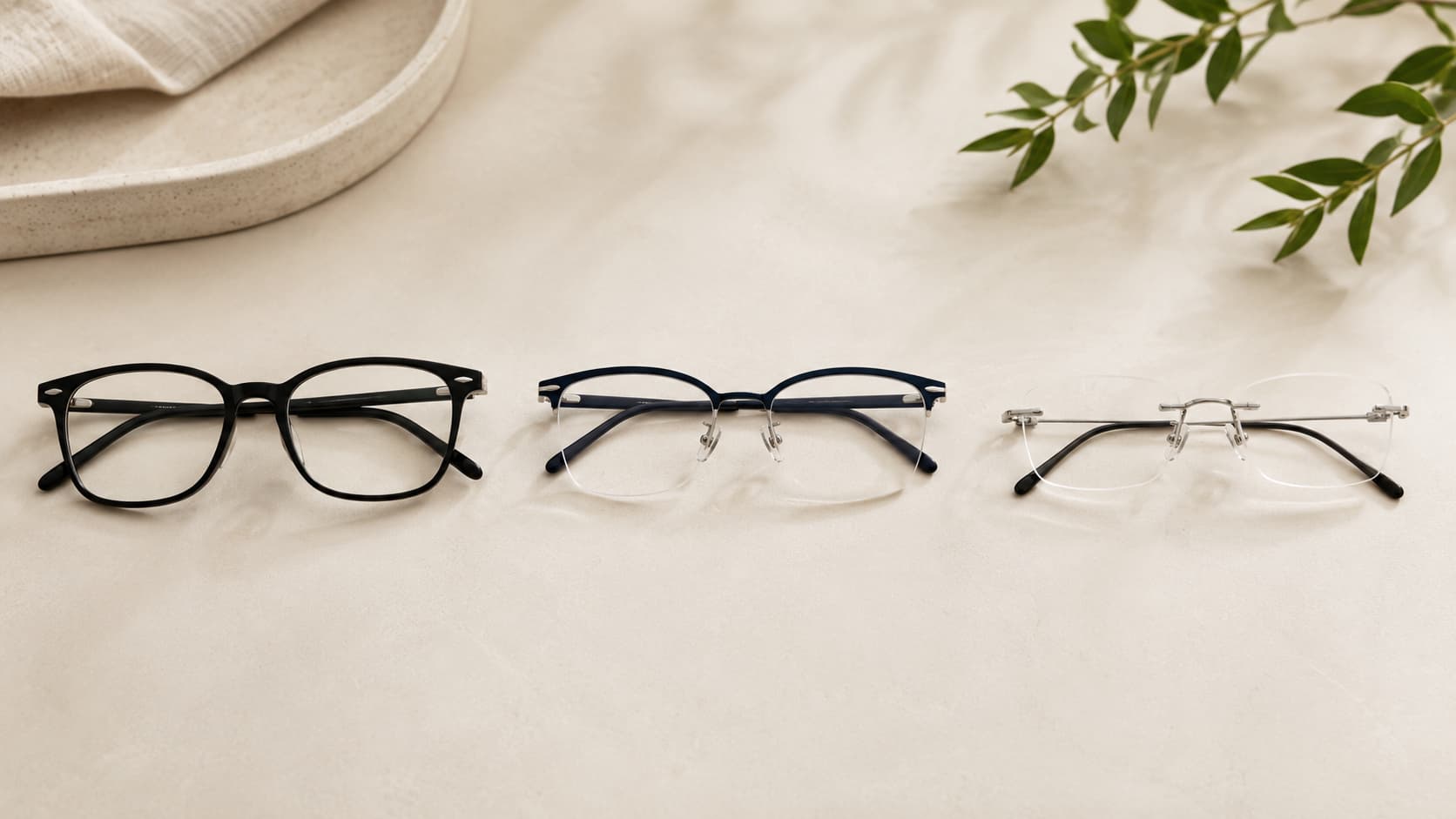
A pair of sunglasses seems like a small thing, but the material it’s made from can say a lot about where it came from and where it’ll end up. Most glasses on the market today are still built from petroleum-based plastics that take centuries to break down, which is why a growing number of eyewear makers have started experimenting with plant-based plastics, reclaimed ocean waste, wood, and recycled metal instead. None of these materials are magic, and none of them make a pair of glasses perfect for the planet, but understanding what they actually are makes it a lot easier to tell a genuinely thoughtful pair of frames from one that just slaps the word “eco” on the label.
What Makes Glasses Sustainable?
Sustainable eyewear generally comes down to three things: where the raw material started, how much energy and waste went into making the frame, and what happens to it after someone stops wearing it. A frame made from renewable plant fibers that can eventually break down scores well on the first and third points. A frame made from recycled metal or plastic scores well because it kept existing material out of a landfill instead of pulling new resources out of the ground.
None of these factors work alone, though. A wood frame that gets shipped halfway around the world in heavy packaging isn’t automatically better than a well-made metal frame that lasts twenty years. This is part of why sustainability in eyewear is usually judged as a mix of sourcing, manufacturing, durability, and end-of-life impact rather than a single yes-or-no label.
The most common materials differ mainly in sourcing, durability, and what to watch for:
| Material | Main Source | Best For | Watch Out For |
|---|---|---|---|
| Bio-acetate | Wood pulp, cotton fibers | Color, shine, adjustable fit | Renewable content varies by brand |
| Recycled ocean plastic / rPET | Marine waste, used bottles | Diverting existing plastic waste | Doesn’t reduce new plastic production |
| Wood, bamboo, cork | Renewable plant material | Unique grain, biodegradability | Less flexible, can’t be reshaped |
| Titanium / recycled metal | Mined or reclaimed metal | Long lifespan, repeat recyclability | Mining virgin metal is energy-intensive |
| Bio-based TR90 | Partly plant-derived resin | Flexibility, impact resistance | Still partly petroleum-based |
Bio-Acetate Frames
Bio-acetate is a plant-based version of the shiny, colorful plastic that most glasses frames are already made from. Instead of relying entirely on petroleum, it’s produced using plasticizers derived from renewable materials like wood pulp and cotton fibers, which lowers the amount of fossil fuel needed to make it.
Regular acetate has been the go-to eyewear material for decades because it can be polished, layered with color, and heated into a comfortable shape by an optician. Bio-acetate keeps all of those advantages. It still looks glossy, can still be dyed in bright or subtle tones, and can still be adjusted for fit, which is a big reason brands from mainstream retailers to luxury fashion houses have adopted it instead of switching to something harder to shape. The tradeoff is that bio-acetate isn’t 100% plant-based in every formula — the amount of renewable material varies by manufacturer, so a frame described as “bio-acetate” can still contain a portion of conventional plastic depending on how it was made.
Not all bio-acetate is created equal. The percentage of plant-based content can range widely between brands, so a frame calling itself bio-acetate isn’t automatically free of petroleum-based plastic.
There’s also a manufacturing-side benefit that doesn’t get talked about as much: producing bio-acetate generally uses less energy and creates fewer toxic emissions than producing standard petroleum-based acetate. It’s also naturally free of phthalates, a group of chemicals sometimes used to soften plastic that can cause skin irritation for some wearers, which makes bio-acetate a common choice for people with sensitive skin as well as people focused on sustainability.
The word “biodegradable” doesn’t mean a bio-acetate frame will break down quickly if it ends up in a regular landfill. Cellulose acetate typically needs the controlled heat, moisture, and microbial activity of an industrial composting facility to fully decompose within a reasonable timeframe — in a standard landfill, it can behave much more like conventional plastic and stick around for years. That doesn’t erase the benefit of using less petroleum up front, but it does mean the “biodegradable” label is more about potential than a guarantee, unless a proper composting facility is actually part of the disposal chain.
Recycled Plastic Frames
Frames made from recycled ocean plastic answer a very specific question fast: can plastic waste already floating in the ocean or washed up on beaches be turned into something new? Yes — manufacturers collect discarded fishing nets, bottles, and other marine plastic waste, clean and process it, then reform it into frame-grade material.
This approach doesn’t reduce the amount of new plastic being created from scratch the way plant-based materials do, but it does something arguably just as valuable: it removes existing waste from an ecosystem where it causes real harm to marine life. rPET, short for recycled polyethylene terephthalate, works on a similar principle using recycled plastic bottles rather than ocean debris. Frames made from recycled plastics have historically had a reputation for being cloudier or more limited in color than fresh acetate, but processing techniques have improved enough that many recycled-plastic frames today are hard to distinguish from new plastic by look alone.
A useful check with recycled-plastic frames is how much of the material is actually recycled. Brands don’t always use 100% recycled content — sometimes a frame blends recycled plastic with a portion of virgin plastic to improve strength or color consistency. A frame labeled with an exact percentage, such as “60% recycled ocean plastic,” offers more transparency than one that simply says “made from ocean plastic” without a number attached.
Natural Frame Materials
Wood, bamboo, and cork frames use a renewable natural material instead of any kind of plastic at all. Bamboo in particular grows extremely fast, needs very little water, and doesn’t require pesticides to thrive, which makes it one of the lowest-impact raw materials available for eyewear.
The tradeoff with natural materials is flexibility and consistency. Wood and bamboo frames are typically laminated or reinforced with a small amount of other material because raw wood alone can be too rigid or fragile for the temple arms of a pair of glasses. They also can’t be reshaped by an optician the way heated acetate can, so getting a comfortable fit depends more on getting the sizing right at the time of purchase. What natural-material frames offer in return is a look that’s genuinely one of a kind — the grain pattern in a wood or bamboo frame will never be identical from one pair to the next, and the material is biodegradable at the true end of its life in a way that plastic, even recycled plastic, is not.
Cork occupies a slightly different niche than wood or bamboo. It’s harvested from the bark of the cork oak tree without cutting the tree down, which means the tree keeps growing and can typically be harvested again every nine to twelve years. That makes cork one of the few eyewear materials where the harvesting process itself does very little damage to the source. Cork is also naturally water-resistant and lightweight, though like wood, it’s usually paired with a small amount of another material for structural support.
Titanium and Recycled Metal Frames
Metal frames earn their sustainability credentials in a different way than plant-based or recycled-plastic frames do: through durability and recyclability rather than renewable sourcing. Titanium is extremely lightweight, resistant to corrosion, and can be recycled repeatedly without losing its structural strength, which means a titanium frame that’s properly cared for can realistically outlast several pairs of plastic glasses.
Because metal doesn’t degrade in quality the way some materials do when reprocessed, recycled titanium and recycled steel can be melted down and reformed into new frames again and again. This “closed loop” quality is one of the reasons metal is often held up as one of the more genuinely circular eyewear materials, even though mining and refining metal in the first place is energy-intensive. The environmental case for metal frames is less about what they’re made from originally and more about how long they last and how easily they can be recycled once a person is finished with them.
Stainless steel is a more affordable alternative to titanium and shows up often in mid-range eyewear. It’s heavier and slightly less corrosion-resistant than titanium, but it’s still fully recyclable and considerably more durable than most plastics, which is why both metals are frequently grouped together when people talk about long-lifespan, low-waste eyewear materials.
TR90 and Other Bio-Based Plastics
TR90 is a lightweight, flexible plastic frame material that’s popular in sport and everyday eyewear because it can bend without snapping. On its own, standard TR90 is petroleum-based like regular acetate, but bio-based versions have started to appear that swap in plant-derived materials for a portion of the formula, similar to how bio-acetate modifies traditional acetate.
The appeal of bio-based TR90 is mostly practical: it keeps the flexibility and impact resistance people want in sport or kids’ glasses while lowering the fossil fuel content of the frame. As with bio-acetate, the renewable content isn’t total, so it’s worth treating bio-based TR90 as an improvement on a conventional material rather than a fully plant-based one.
Are Lenses Sustainable Too?
Frame material gets most of the attention, but lenses matter too. Some manufacturers now produce lenses using bio-based resins or recycled content instead of standard petroleum-derived plastic, and anti-reflective or UV coatings are increasingly formulated without the more harmful solvents that older coating processes relied on.
Lens sustainability is harder to verify at a glance than frame material, since lenses don’t usually carry the same visible texture or finish differences that make wood or bio-acetate frames easy to spot. Shoppers who care about lens sourcing may want to ask a retailer directly what the lenses are made from, rather than assuming an eco-friendly frame automatically means an eco-friendly lens.
Avoiding Greenwashing in Eyewear

The fastest way to check whether a pair of “eco-friendly” glasses is being honest is to look for a specific material name rather than a vague claim. A label that says “cellulose acetate,” “bio-acetate,” “recycled rPET,” or “titanium” is telling shoppers something concrete they can research and verify.
A label that only says “eco-friendly” or “sustainably made” without naming what the frame is actually built from is much harder to trust, because those phrases aren’t regulated the way food or textile labeling often is. It’s also worth looking at packaging and manufacturing claims with a similar eye — recyclable or compostable packaging and clear statements about what percentage of a frame is recycled or renewable are stronger signals than marketing language alone.
Third-party certifications are one of the more reliable signals a brand can offer, because they involve an outside organization checking the claim rather than the brand grading its own homework. Three certifications stand out as useful benchmarks:
- FSC (Forest Stewardship Council): confirms that wood used in a frame came from a responsibly managed forest.
- GRS (Global Recycled Standard): verifies the actual percentage of recycled material in a product. A product needs at least 20% recycled content just to qualify, but must reach at least 50% recycled content before it can carry the official GRS logo.
- OEKO-TEX or REACH compliance: confirms a material has been tested and doesn’t contain harmful levels of restricted chemicals.
None of these certifications are required by law for a brand to sell “eco-friendly” glasses, which is exactly why their presence, or absence, is meaningful. A brand that’s gone through the trouble of getting certified generally has nothing to hide about its sourcing.
A good rule of thumb: if a brand can’t specify what percentage of a frame is actually made from a sustainable material, the “eco-friendly” label is a starting point for questions, not a finished answer.
Frequently Asked Questions
Is bio-acetate actually better for the environment than regular acetate?
Yes, generally. Bio-acetate replaces some or most of the petroleum-based plasticizers in traditional acetate with materials derived from renewable sources like wood pulp and cotton, which lowers its reliance on fossil fuels during production. The exact environmental benefit depends on how much of the formula is plant-based, since this varies between manufacturers.
Are wood and bamboo glasses as durable as plastic frames?
They can be, but they’re usually reinforced with a small amount of other material because pure wood or bamboo can be too rigid on its own for the flexible parts of a frame, like the temple arms. A well-made wood or bamboo frame holds up fine to everyday wear, but it won’t bend and flex the way TR90 or acetate does.
What’s the difference between recycled ocean plastic and rPET?
Recycled ocean plastic is made from waste collected from oceans and coastlines, like old fishing nets and marine debris. rPET is recycled from more conventional sources like used plastic bottles. Both processes turn existing plastic waste into new frame material instead of relying on freshly manufactured plastic.
Can metal eyewear frames be recycled?
Yes, and metal is actually one of the easier eyewear materials to recycle repeatedly. Titanium and steel can be melted down and reformed into new products without losing their structural quality, which is different from some plastics that degrade a bit each time they’re reprocessed.
How can I tell if a brand’s “eco-friendly” claim is legitimate?
Look for a specific material name rather than a general claim. Brands that specify something like “bio-acetate,” “recycled rPET,” or “FSC-certified wood” are naming a detail that can be looked into. Vague phrases like “sustainably made” with no material or certification behind them are a sign to ask more questions before trusting the claim.
Is sustainable eyewear more expensive than regular glasses?
Often, yes, though the gap has been narrowing. Bio-acetate and rPET frames typically cost close to what standard acetate frames cost, since the manufacturing process is similar. Materials that require more specialized sourcing or labor, like solid wood, cork, or titanium, tend to sit at a higher price point — though for titanium and metal frames, that higher upfront cost is often offset by how much longer the frame actually lasts.
The Bottom Line
There’s no single perfect material for eco-friendly eyewear — bio-acetate keeps the look and feel of classic plastic frames while cutting down on fossil fuel content, recycled ocean plastic and rPET pull existing waste back into use, wood and bamboo offer a genuinely renewable and biodegradable option, and metal frames earn their place through sheer durability and recyclability. The most useful thing a shopper can do is stop treating “eco-friendly” as a single checkbox and start asking what a frame is specifically made of, since that’s the detail that actually shows how much of a difference it makes.