A bottle of perfume sitting on a dresser isn’t going to last forever, no matter how carefully it’s been kept. Fragrance is made mostly of oils, alcohol, and water, and all three of those ingredients slowly change the moment they’re exposed to air, light, and heat. Perfume “going bad” isn’t something most people think about the way they would with milk, but the science is surprisingly similar — the scent molecules break apart over time, and what’s left in the bottle can end up smelling nothing like the fragrance it was meant to be.
Does Perfume Have an Expiration Date?
Yes, perfume expires, though it doesn’t spoil the same way food does. Instead of growing mold or turning dangerous to touch, perfume oxidizes — the fragrance oils react with oxygen in the air and slowly break apart into different, usually less pleasant, compounds. This process is called oxidation, and it’s the same reaction that turns a sliced apple brown or makes an old bottle of cooking oil smell rancid.
The change happens gradually. A two-year-old bottle will probably still smell fine, while a ten-year-old bottle that’s been opened and used regularly can end up smelling sharp, sour, or noticeably different from its original form. There’s no single expiration date stamped on every bottle, because how fast a perfume breaks down depends on its ingredients, its packaging, and how it’s been stored.
That’s also why perfume boxes rarely carry a hard “use by” date the way food packaging does. Under EU cosmetics rules, products with a tested shelf life over 30 months don’t need a printed expiration date — they’re allowed to show a small period-after-opening symbol instead, an open-jar icon with a number of months, marking how long the product stays at its best once opened. Spray perfumes often skip this labeling entirely, though: their high alcohol content and sealed pump mechanism are commonly treated as reasons the product doesn’t need a shelf-life marking at all, which is a big part of why so many bottles carry no printed date whatsoever.
How Long Does Perfume Last?
Most opened perfumes stay good for one to five years, and unopened bottles can last far longer if kept away from heat and light. That’s a wide range, and the reason is simple: once a bottle is opened and air starts getting in, the clock ticks faster.
Unopened Perfume
A sealed, unopened bottle can realistically last a decade or more when stored in a cool, dark place. Because the perfume never touches oxygen, the oxidation process barely starts, and the original box adds an extra layer of protection from light. This is why “vintage” perfume collecting is a real hobby — sealed bottles from decades ago can still smell close to their original form, though even these can shift slightly over very long periods.
Even sealed bottles aren’t completely frozen in time, though. Heat can still work its way through glass, so a bottle left in a hot attic or garage for years will age faster than one kept in a closet at a steady room temperature, even if the seal is never broken.
Opened Perfume
Once the seal is broken, most perfumes hold up well for one to three years, with plenty lasting up to five under reasonable care. Each spray pulls a small amount of air back into the bottle, which speeds up the breakdown a little more each time. A perfume used daily will typically wear out its scent faster than one sprayed only occasionally, simply because it’s exposed to more air over the same stretch of time.
There’s a small trade-off worth knowing about, though: a bottle that sits mostly untouched isn’t automatically safer. Long gaps between uses mean the air already trapped inside the bottle keeps working on the liquid without being refreshed, and the pump mechanism itself can dry out or clog from disuse. A perfume used at a normal, steady pace tends to hold up better than one that’s either sprayed constantly or left neglected for years.
What Causes Perfume to Expire Faster?
Three things are mainly responsible for pushing a fragrance past its prime: light, heat, and air. These explain why the same perfume can last five years in one home and barely two in another — it usually comes down to storage habits rather than luck.
- Sunlight and UV light — Ultraviolet rays break apart fragrance molecules, which is why perfume bottles are often tinted, colored, or sold in a box meant for storage rather than display. A bottle kept on a sunny windowsill degrades noticeably faster than one kept in a drawer.
- Heat and temperature swings — Warm temperatures speed up chemical reactions, including oxidation, and repeated swings between hot and cool are worse than steady warmth. A steamy bathroom cabinet or a hot car rank among the worst places to keep perfume.
- Air exposure — Every spray lets a small amount of oxygen into the bottle, and oxygen is what actually drives the oxidation reaction forward. This is also why a half-empty bottle tends to fade faster than a full one — there’s more air sitting on top of the remaining liquid.
- The ingredients themselves — Some fragrance materials are naturally more fragile than others, which ties directly into how the type of perfume affects its lifespan.
None of these factors act alone. A bottle that’s frequently opened, kept somewhere warm, and low on liquid is stacking three risk factors at once, which is exactly the kind of bottle that turns in a year or two rather than five.
Do Some Perfumes Last Longer Than Others?
Yes — both the notes used and the concentration of oil affect how long a fragrance holds up. Citrus and light, fresh scents tend to fade or turn first, while deep, woody, or resin-based scents tend to hang on much longer.
| Fragrance Type | Typical Stability |
|---|---|
| Citrus, aquatic, light florals | Shortest — often 1–2 years once opened |
| Fresh florals, fruity blends | Moderate — around 2–3 years |
| Woody, amber, oriental, leather | Longest — often 3–5+ years |
Concentration matters too. Parfum, or extrait de parfum, has the highest amount of fragrance oil, typically 20–30%, and the least alcohol, which generally makes it more stable over time simply because there’s more raw scent material to break down before a difference becomes noticeable. Eau de toilette sits lower, usually around 5–15% oil, and eau de cologne lower still, often just 2–5%, with alcohol filling most of the rest of the bottle in both cases.
That alcohol isn’t just filler — it acts as a natural preservative and helps keep bacteria from growing in the liquid. The trade-off is that alcohol also evaporates a little every time the bottle is opened, and as it evaporates, the balance of the formula shifts, which can make a lighter concentration smell “thinner” or noticeably different sooner than a rich parfum would.
Signs Your Perfume Has Gone Bad
No special equipment is needed to spot an expired perfume — the nose and eyes catch nearly everything that matters.
The Smell Has Changed
This is the clearest and most reliable sign. A perfume that used to smell fresh, sweet, or floral but now smells sour, vinegary, metallic, or musty has oxidized fragrance oils. The very first scent released on spraying tends to matter most here, since the lightest, most delicate notes — usually citrus or fresh green notes — are typically the first to break down.
The way a scent turns can actually be a clue to what’s happening chemically. Citrus notes that have oxidized often start smelling like rubbing alcohol or furniture polish rather than orange or lemon. Sweet notes like vanilla can turn strangely bitter or waxy, and rich, heavy notes like musk or amber sometimes end up smelling flat or dusty instead of warm. None of these smells are dangerous on their own — they’re simply a sign the perfume has moved past the version it was designed to be.
The Color Has Darkened
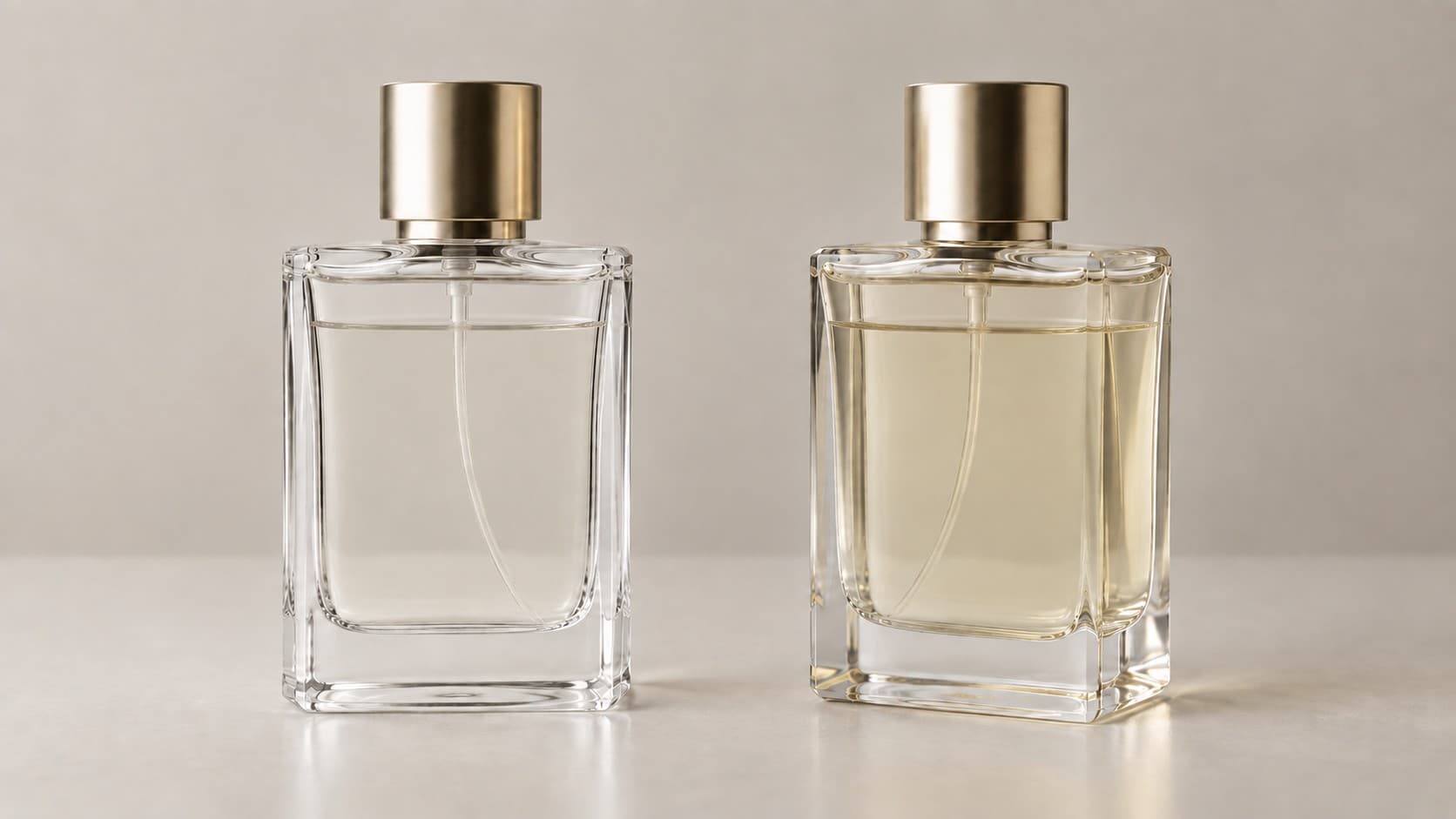
Most perfumes start out pale yellow, clear, or lightly tinted depending on their ingredients. Over time, oxidation can turn that liquid a darker amber, brown, or muddy shade. A small amount of natural darkening over several years isn’t necessarily alarming, but a sudden or dramatic color shift is a strong signal something has gone wrong.
The Texture Feels Different
Fresh perfume should be thin and pour like water. A liquid that looks cloudy, feels oily or syrupy, or shows separation — tiny droplets floating apart from the rest of the liquid — has a formula that’s broken down and is ready to be replaced. A little sediment or a slightly gummy residue around the nozzle after long-term use is normal and can usually be wiped away, but thickness throughout the liquid itself points to real degradation.
Perfume Doesn’t Last as Long
A perfume that used to last eight hours but now fades within an hour or two suggests the fragrance molecules have weakened. This sign is a little trickier to judge on its own, since skin type, weather, and application method also affect longevity — but paired with a scent or color change, fading quickly is a strong confirmation.
A trick fragrance experts often recommend for judging a scent honestly: spray a test spot on a piece of paper or fabric rather than directly on skin. This isolates the true scent of the perfume itself, without skin oils or lotion mixing in and clouding the result.
How to Keep Perfume Fresh Longer
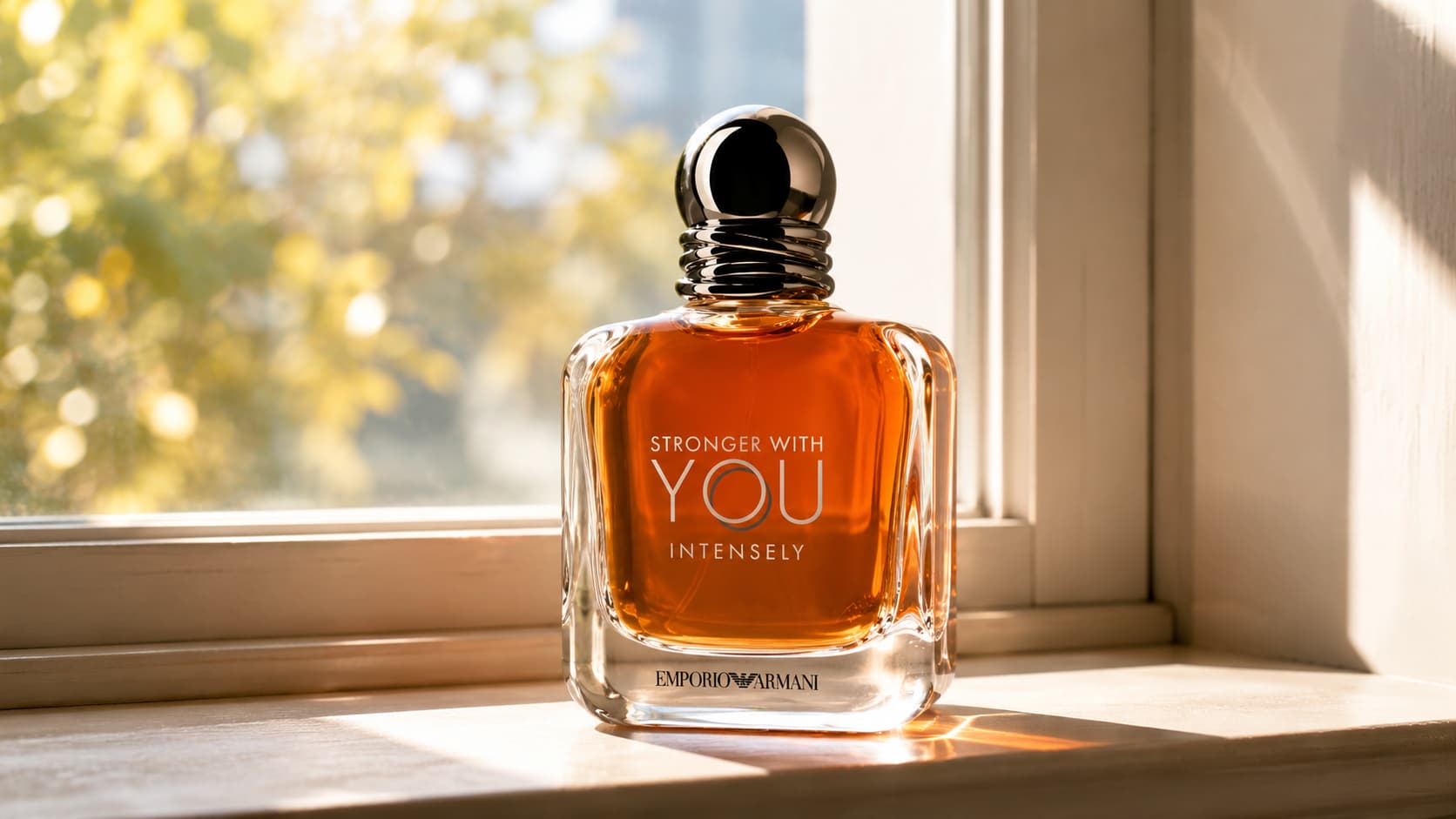
A handful of small habits can add real years to a bottle’s life. Keeping bottles out of direct sunlight — in a closet, dresser drawer, or cabinet rather than an open shelf — is one of the most effective single changes, even though it trades away some of the display appeal of a vanity setup. Bathrooms are worth avoiding too, since daily showers create heat and humidity swings that speed up breakdown more than almost any other room in the house.
Storing bottles upright limits air contact with the cap and reduces evaporation through the spray nozzle, while keeping the cap tightly closed between uses prevents constant alcohol loss rather than just the loss that happens during a spray. Extreme temperature swings — a hot car, a spot near a radiator — stress a formula more than steady warmth would, even if the peak temperature is similar. Keeping the original box, when it’s still around, blocks light completely and is one of the simplest ways to extend a bottle’s life for no effort at all.
Is It Safe to Wear Expired Perfume?
Using slightly expired perfume usually isn’t harmful, but it can cause skin irritation in some people, and it almost certainly won’t smell the way it’s supposed to. As the oils break down, the resulting compounds can be more likely to irritate sensitive skin or trigger a reaction, even in someone who never had a problem with the fragrance when it was fresh. This differs from food safety — an old perfume won’t cause illness from smelling or wearing it, but it can leave a rash, redness, or itchiness where skin reacts to the newly formed compounds.
For a perfume that smells noticeably off, testing a small spot on the inner arm and waiting 24 hours before wider use is the safer route, and retiring the bottle entirely is always an option. This precaution matters most with older gifted or secondhand bottles, since their storage history before arrival is usually unknown.
How to Properly Dispose of Perfume
Pouring it down the sink isn’t a good option — perfume is mostly alcohol, and sending that down the drain repeatedly isn’t good practice for plumbing or wastewater systems over time. For a single household bottle, the simpler approach is letting any remaining liquid soak into paper towels or an old cloth, allowing that to dry out in a well-ventilated spot, then disposing of it along with the empty glass bottle in regular household trash.
Clearing out a larger collection at once is a good reason to check for a household hazardous waste drop-off day, since many municipalities accept old cosmetics and fragrances alongside items like paint and batteries. Once a glass bottle is empty and dry, it can usually join regular recycling, though local rules vary — some programs won’t accept small glass with a pump mechanism still attached.
Frequently Asked Questions
How can you tell how old a perfume is?
The bottom of the bottle, the collar under the cap, or the box usually carries a batch code — a short string of 3 to 8 letters and numbers, sometimes paired with an abbreviation like “MFD” or “MFG” for manufacturing date. Each brand uses its own format, so the code alone won’t obviously spell out a date, but free online batch-code lookup tools can translate it into an estimated manufacture date once the brand is known.
Does perfume expire faster once it’s been used a lot?
Yes. Every spray introduces a small amount of air into the bottle, and that oxygen is what drives the chemical breakdown. A bottle used daily will generally lose its original scent sooner than one used only occasionally, assuming both are stored the same way.
Can perfume that changed color but still smells fine still be used?
Mild darkening on its own isn’t always a dealbreaker if the scent is still true to its original form. A dramatic color change paired with any change in smell or texture, however, is a stronger sign the formula has broken down and should be replaced.
Is roll-on or solid perfume different from spray perfume in how it expires?
The same basic rules apply, but oil-based and solid perfumes are typically more stable, since they contain little or no alcohol and are less exposed to air with each use. They can still degrade from heat and light, so the same storage advice applies.
Should perfume be kept in the refrigerator?
It’s not necessary and isn’t standard practice. A cool, dark drawer or cabinet at normal room temperature does the job just as well, without the condensation risk that comes from moving a bottle in and out of a fridge repeatedly.
Does cold weather damage perfume, like in checked luggage or a cold car?
Not usually, and cold is far less risky than heat. Perfume left somewhere cold can turn slightly cloudy or look a bit thicker, but this is typically temporary — once the bottle returns to room temperature and sits for a while, it generally clears back up and performs normally. The bigger concern with cold isn’t the fragrance itself but the bottle: extreme cold combined with a knock or pressure change, such as in a plane’s cargo hold, can occasionally cause a fragile bottle to crack, so padding a bottle well for travel is still worthwhile.
Conclusion
Perfume isn’t built to last forever, but with the right storage it can easily outlive the years most people expect from it. The real test isn’t a date printed on a box — it’s the scent, color, and texture the bottle actually shows. Once the smell has turned sour or unfamiliar, the color has darkened noticeably, or the texture feels thick or separated, that bottle has done its job and reached the point where it’s time to move on.