Many fitness enthusiasts face a common dilemma when entering the gym: should they keep their rings on during weightlifting sessions? This question becomes particularly important for married individuals who rarely remove their wedding bands, as well as anyone wearing meaningful jewelry they prefer not to take off. The weight room presents unique challenges with heavy metal equipment, dynamic movements, and significant forces that can interact with jewelry in unexpected ways. What might seem like a simple personal choice actually involves serious safety considerations that every gym-goer should understand.
Should You Wear Rings While Lifting Weights?
The medical and fitness communities have reached a clear consensus on this issue through decades of research and real-world experience. Ring avulsion injuries represent one of the most preventable yet catastrophic accidents that can occur in gym settings, with emergency room data showing these injuries require immediate surgical intervention and often result in permanent disability. The mechanics of weightlifting create multiple scenarios where rings can become caught on equipment, transforming routine exercises into medical emergencies. Professional organizations, insurance companies, and safety experts have all examined the evidence and arrived at the same conclusion about ring safety during weightlifting activities.
- Medical professionals across all specialties unanimously recommend removing metal rings before weightlifting. Emergency physicians report that ring avulsion injuries require immediate surgical intervention, with treatment success heavily dependent on rapid response times. Orthopedic surgeons and hand specialists have documented hundreds of cases where even successful surgery resulted in permanent loss of finger function, chronic pain, and psychological trauma.
- Ring avulsion injuries occur when rings get caught on gym equipment and are forcefully pulled away from the finger, causing tissue damage ranging from deep cuts to complete amputation. Research published in medical journals shows that human skin ruptures at just 80 Newtons of force, while complete tissue separation happens at 154 Newtons, equivalent to about 20 pounds of pulling force that’s easily generated during normal weightlifting movements.
- The Urbaniak Classification System categorizes ring avulsion injuries by severity, with medical studies showing that 54.9% of cases result in Class III injuries requiring amputation or causing severe tissue damage. Only 9.4% of patients experience Class I injuries with adequate circulation, while 35.7% suffer Class II injuries requiring complex surgical reconstruction.
- Silicone rings provide a safer alternative for people who need to wear symbolic jewelry during workouts. These rings are specifically engineered to break at 20-30 pounds of force, preventing avulsion injuries while maintaining the emotional significance of wearing a wedding band or commitment ring. Medical-grade silicone offers hypoallergenic properties and heat resistance suitable for intense physical activity.
- Professional sports organizations and elite training facilities maintain strict no-jewelry policies during training and competition. USA Weightlifting safety protocols, NSCA professional guidelines, and virtually all major sports leagues prohibit jewelry during activities. Olympic athletes, professional football players, and elite fitness competitors routinely remove all jewelry before training sessions.
- Insurance companies and legal experts strongly support ring removal policies due to liability considerations. Gym liability insurance requires documented safety protocols, and preventable injuries can void coverage or significantly increase premiums. While liability waivers provide some legal protection, they can be challenged in cases involving gross negligence or failure to enforce basic safety measures.
- Emergency room statistics show that ring-related injuries account for approximately 5% of all hand and arm emergency visits annually, with an estimated 150,000 incidents occurring each year in the United States. Treatment costs for severe ring avulsion injuries can exceed $100,000, including emergency surgery, rehabilitation, and long-term disability management.
The evidence from medical research, professional athletics, insurance data, and emergency room statistics creates an overwhelming case for removing rings before weightlifting. Every major authority that has examined this issue has reached the same conclusion about the unacceptable risk that traditional metal rings pose during weightlifting activities. The simplicity of prevention makes this safety measure one of the most cost-effective injury prevention strategies available to gym users, requiring nothing more than temporarily removing jewelry before exercising.
Why Rings Are Dangerous During Weightlifting

Weight rooms create the perfect storm of conditions for ring-related accidents, combining metal equipment, sudden movements, and significant forces that can turn routine exercises into emergency situations. The design of gym equipment itself poses multiple hazards, with weight plates featuring holes and edges that can easily catch rings, while barbells and dumbbells have knurled surfaces specifically designed to improve grip but also increase the likelihood of snagging jewelry. These environmental factors, combined with the dynamic nature of weightlifting movements, create scenarios where rings can become trapped and pulled with tremendous force.
- Ring avulsion represents the most serious injury risk, occurring when a ring gets caught and the pulling force strips away skin, muscle, tendons, nerves, and blood vessels from the finger bone. This medical emergency happens faster than a person can react, with the ring essentially acting like a tourniquet that gets pulled off the finger, taking tissue with it. The injury often requires immediate microsurgery to reattach severed blood vessels and nerves, assuming the tissue remains viable for reconstruction.
- Equipment damage becomes a secondary concern when metal rings scrape against barbells, dumbbells, and weight plates during lifting movements. Gold and silver rings can leave permanent scratches on expensive gym equipment, while harder metals like tungsten or titanium can cause significant gouging. Many commercial gyms now factor jewelry-related equipment damage into their liability policies and membership agreements.
- Grip compromise affects lifting performance and safety when rings interfere with proper hand positioning on equipment. Wedding bands and other jewelry can create pressure points that cause discomfort during heavy lifting, leading to premature grip failure or altered hand placement that increases injury risk. The ring can also act as a fulcrum point that concentrates pressure, causing pain that distracts from proper lifting technique.
- Cuts and scratches frequently occur when rings get caught on the knurled surfaces of barbells or the rough edges of weight plates. Even minor contact can cause deep scratches on both the ring and the person’s finger, while more forceful contact can result in lacerations that require medical attention. These injuries might seem minor compared to avulsion, but they can still interrupt training and require tetanus shots if the equipment isn’t properly sanitized.
- Swelling complications develop during intense workouts as increased blood flow and heat cause fingers to expand, making rings progressively tighter throughout the exercise session. This swelling can make ring removal difficult or impossible after workouts, potentially requiring emergency removal if circulation becomes compromised. The combination of sweat, soap, and swollen fingers often makes rings slippery and harder to remove safely.
- Bacterial and fungal infections can develop when moisture gets trapped under rings during sweaty workouts. The warm, moist environment created between skin and metal provides ideal conditions for harmful microorganisms to multiply. These infections can range from minor skin irritation to serious conditions requiring antibiotic treatment, particularly problematic for people with compromised immune systems or diabetes.
The combination of these risk factors makes the weight room one of the most dangerous environments for wearing traditional jewelry. Each factor compounds the others, creating situations where minor inconveniences can quickly escalate into serious medical emergencies. The unpredictable nature of these incidents means that even experienced lifters who have never had problems before can suddenly find themselves facing a catastrophic injury from what seemed like a routine movement.
Which Ring Materials Are Most Dangerous for Lifting
The material, design, and construction of rings create vastly different risk profiles during weightlifting activities, with some combinations proving far more dangerous than others. Metal composition affects both the likelihood of equipment damage and the severity of potential injuries, while design elements like width, thickness, and surface textures can dramatically increase snagging risks. Some ring materials are nearly impossible to remove in emergency situations, while others may break unexpectedly under stress, creating their own safety hazards. Understanding these differences helps explain why blanket safety recommendations exist, since even seemingly minor variations in ring characteristics can mean the difference between a close call and a catastrophic injury.
- Platinum rings pose extreme dangers due to their incredible strength and resistance to deformation, making them virtually impossible to cut or break in emergency situations. Emergency room personnel require specialized diamond-blade cutting tools to remove platinum rings, and the cutting process itself can cause burns and additional tissue damage. The metal’s density also makes platinum rings heavier than gold alternatives, increasing the force generated during avulsion incidents. Despite platinum’s prestige and durability for daily wear, these same properties make it one of the worst choices for any physical activity.
- Gold rings present variable risks depending on their karat content and alloy composition, with higher karat gold being softer and more prone to bending while lower karat gold contains harder metals that resist deformation. 18K and 22K gold rings may bend rather than break during avulsion incidents, potentially creating tourniquet effects that compromise circulation. 10K and 14K gold rings often contain significant amounts of copper, nickel, or other metals that can cause allergic reactions when combined with sweat during exercise. The yellow metal also shows scratches and damage easily when it contacts gym equipment.
- Tungsten rings create unique hazards because they’re extremely hard but also brittle, meaning they can crack or shatter under impact rather than bending or stretching. While this brittleness might seem like a safety feature, tungsten fragments can cause additional injuries, and the material cannot be cut with standard emergency room equipment. Some tungsten rings feature comfort-fit interior designs that can trap moisture and bacteria during sweaty workouts. The material’s extreme hardness also makes tungsten rings particularly damaging to gym equipment surfaces.
- Titanium rings offer some safety advantages due to their light weight and biocompatibility, but they’re still strong enough to cause serious avulsion injuries and require specialized cutting tools for emergency removal. The metal’s corrosion resistance makes titanium rings popular for active lifestyles, but this same durability means they won’t break or deform to release trapped fingers. Some titanium alloys used in jewelry can be harder than others, with aerospace-grade titanium being particularly difficult to cut. The material’s grayish color also makes scratches and damage highly visible.
- Gemstone settings dramatically increase snagging risks by creating protruding elements that can catch on equipment surfaces, weight plate holes, or bar knurling. Prong settings are particularly dangerous because the metal claws can hook onto various gym surfaces and concentrate pulling forces into small contact points. Channel settings and bezel settings offer lower profiles but can still catch on equipment, while tension settings may fail unexpectedly under stress, potentially launching loose gemstones. Even small accent diamonds or birthstones can create enough protrusion to significantly increase catch risk.
- Ring width affects both comfort and safety, with wider bands presenting larger surface areas for equipment contact but also distributing pressure more evenly if caught. Bands wider than 8mm become increasingly uncomfortable during gripping exercises and may interfere with proper hand positioning on equipment. Very thin bands under 4mm can act like cutting wires if caught under tension, potentially causing deep lacerations even without full avulsion. The optimal width for safety doesn’t exist because any width carries significant risks during weightlifting activities.
- Surface textures and patterns increase snagging likelihood by creating additional contact points and grip surfaces that can catch on equipment. Hammered finishes, rope patterns, milgrain details, and engraved designs all provide extra surfaces for equipment to catch. Polished smooth surfaces offer slightly lower snagging risks but can become slippery when wet with sweat, increasing the likelihood of equipment slipping and causing sudden jerking motions. Brushed or matte finishes fall somewhere between these extremes but still present elevated risks compared to completely smooth surfaces.
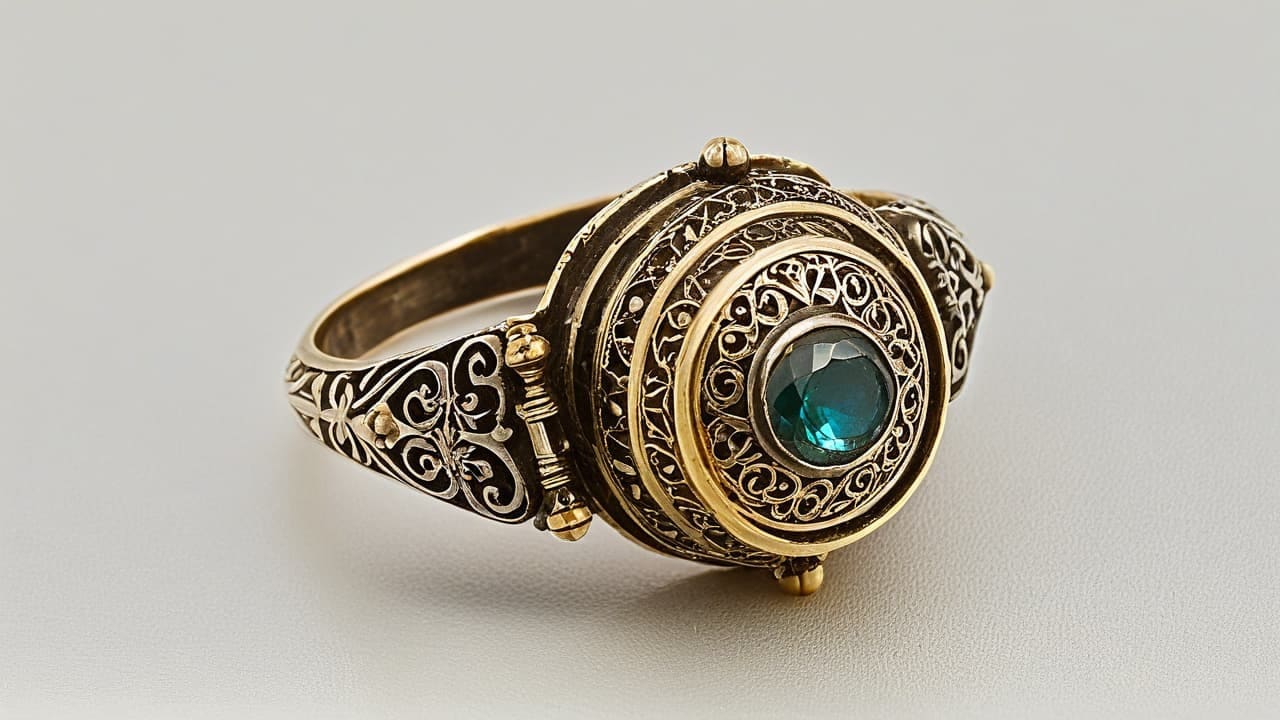
- Vintage and antique rings often feature construction methods and materials that create additional hazards during physical activity. Older rings may have worn prong settings, loose stones, or weakened solder joints that can fail under stress. Some antique rings contain metals or alloys that are no longer considered safe for skin contact, particularly when combined with sweat and friction. The irreplaceable nature of these pieces makes damage during gym activities particularly devastating from both financial and sentimental perspectives.
The complex interaction between these various ring characteristics explains why safety experts recommend universal ring removal rather than attempting to categorize which specific rings might be “safer” than others. Even rings that seem relatively low-risk can cause serious injuries under the right circumstances, and the consequences of miscalculating these risks are simply too severe to justify taking chances with any traditional metal jewelry during weightlifting activities.
Serious Ring Injuries from Weightlifting
Ring avulsion might sound like a complicated medical term, but it describes something devastatingly simple that can happen to anyone wearing a ring during physical activity. The word “avulsion” means to forcibly tear away, and that’s exactly what happens when a ring gets caught and pulled - it tears away everything attached to it, including skin, muscle, and sometimes bone. This isn’t a theoretical risk or something that only happens to careless people; it’s a documented medical emergency that sends thousands of people to hospitals every year, with many cases occurring during routine activities that seemed perfectly safe.
- Ring avulsion happens when a ring gets snagged on something and the pulling force exceeds what human tissue can withstand. Think of it like peeling a glove off your hand, except the glove is stuck and won’t come off, so the hand gets pulled out of it instead. The ring acts like a wire cutter, slicing through everything in its path as it’s forced off the finger. This can happen in a split second, faster than anyone can react to prevent it.
- Three severity levels exist for these injuries, with Type I being the least severe where blood still flows to the finger, Type II involving damage to arteries or nerves requiring surgery, and Type III meaning complete amputation or tissue death. Medical studies show that over half of all ring avulsion cases fall into Type III, meaning the finger either gets completely cut off or is so damaged that doctors have to amputate it anyway.
- Force requirements are shockingly low, with medical research showing that serious injury can occur with as little as 20 pounds of pulling force. To put this in perspective, that’s less force than it takes to do a pull-up or deadlift the bar alone. Even a 10-pound weight plate falling and catching a ring on the way down can generate enough force to cause severe injury.
- Jimmy Fallon’s widely publicized case in 2015 brought ring avulsion into mainstream awareness when the talk show host nearly lost his finger after catching his wedding ring on a countertop during a fall. His injury required 6 hours of microsurgery, including a vein transplant from his foot to his finger, and 10 days in the ICU. Despite receiving world-class medical care immediately, he still lost sensation in part of his finger and required months of rehabilitation.
- Emergency room statistics reveal that approximately 150,000 ring-related injuries occur annually in the United States, with about 5% of all hand and arm emergency visits involving rings. These numbers likely underrepresent the true scope since minor incidents often go unreported, and many people remove rings immediately after injury before seeking medical care.
- Treatment outcomes remain poor even with the best medical intervention available. Studies tracking patients after ring avulsion surgery show that even successful cases result in permanent disability, with average finger motion reduced to less than half of normal ranges. Most patients experience chronic pain, cold sensitivity, and reduced grip strength that affects their daily activities for life.
- Recovery costs extend far beyond the initial emergency treatment, with severe cases requiring multiple surgeries, months of rehabilitation, and potential disability accommodations at work. Total treatment costs frequently exceed $100,000, not including lost wages during recovery or long-term disability expenses. Many insurance policies have specific exclusions for injuries resulting from preventable activities.
- Psychological impact often proves as devastating as the physical injury, with many patients developing anxiety disorders, depression, and post-traumatic stress related to their accident. The sudden, traumatic nature of these injuries, combined with permanent physical changes, can fundamentally alter a person’s relationship with physical activity and their own body image.
These sobering realities highlight why medical professionals treat ring avulsion as one of the most serious preventable injuries they encounter. The combination of devastating physical consequences, poor treatment outcomes, and simple prevention makes this injury particularly tragic from a medical standpoint. Every case represents not just a medical emergency, but a life permanently changed by something that could have been completely avoided by simply removing a piece of jewelry.
What Fitness Professionals Say About Ring Safety
Professional fitness facilities and certified trainers base their jewelry policies on industry standards, insurance requirements, and years of real-world experience managing member safety. Most commercial gyms have developed comprehensive approaches to jewelry safety that balance member preferences with liability concerns, while personal trainers often serve as the first line of education about equipment-related injury risks. The fitness industry’s position on ring safety has evolved significantly over the past decade as awareness of avulsion injuries has increased and insurance companies have become more stringent about requiring documented safety protocols.
- Gym liability policies typically include jewelry-related injuries as preventable incidents that can affect insurance coverage and premium rates. Many facilities now require staff training on jewelry safety awareness, with front desk personnel instructed to provide safety information during membership signup and trainers expected to address jewelry concerns during initial assessments. Some premium facilities have adopted zero-tolerance jewelry policies for certain areas like Olympic lifting platforms or functional fitness zones where injury risks are highest.
- Personal trainer certification programs now include jewelry safety as part of standard curriculum through organizations like NASM, ACE, and NSCA. Trainers learn to identify jewelry-related risks during movement assessments and are taught tactful approaches for discussing safety concerns with clients who wear rings. Many trainers report that jewelry conversations are among the most sensitive topics they handle, requiring diplomatic skills to address safety without offending clients’ personal or religious beliefs about ring wearing.
- Staff intervention protocols vary widely between facilities, with some gyms taking proactive approaches while others rely on posted warnings and member responsibility. High-end facilities often provide jewelry storage solutions and may offer complimentary silicone ring alternatives for members who forget to remove their rings before workouts. Budget gyms typically limit their involvement to liability waivers and posted signage, leaving safety decisions entirely to individual members.
- Insurance claim patterns show that jewelry-related injuries consistently rank among the most expensive and legally complex incidents that fitness facilities face. Claims involving ring avulsion often exceed $100,000 in medical costs and can result in long-term disability settlements that affect facility insurance rates for years. Legal experts note that while liability waivers provide some protection, they can be challenged if facilities fail to provide reasonable safety warnings or maintain obviously dangerous conditions.
- Equipment manufacturer recommendations increasingly include specific warnings about jewelry safety in user manuals and installation guides for commercial gym equipment. Companies like Rogue Fitness, Life Fitness, and Hammer Strength now provide detailed safety protocols that mention jewelry removal as standard practice. Some newer equipment designs incorporate smoother surfaces and reduced snagging points, though these modifications cannot eliminate all jewelry-related risks.
- Trainer liability considerations require fitness professionals to balance safety advocacy with respect for client autonomy and personal choices. Professional liability insurance for trainers may not cover incidents involving clients who were warned about jewelry risks but chose to ignore safety recommendations. Many trainers now document safety discussions in client files and require signed acknowledgments when clients choose to exercise despite safety warnings.
- Emergency response procedures at most facilities include specific protocols for ring-related injuries, with staff trained to recognize when emergency medical services are needed versus when basic first aid is sufficient. Many gyms now stock emergency ring removal tools and maintain relationships with local emergency rooms that specialize in hand injuries. Staff training emphasizes that attempting to force removal of stuck rings can worsen injuries and should be left to medical professionals.
- Member education approaches range from passive informational displays to active safety orientations that specifically address jewelry concerns. Some facilities partner with local medical professionals to provide educational seminars about exercise-related injury risks, including detailed presentations about ring avulsion injuries and prevention strategies. Progressive gyms have begun incorporating jewelry safety into their new member orientation processes rather than treating it as an optional topic.
The consistency of professional recommendations across different types of facilities and training organizations reflects the serious nature of jewelry-related injury risks in fitness environments. Even facilities that don’t actively enforce jewelry policies typically acknowledge the risks and provide appropriate warnings to protect both members and the business from preventable incidents. The trend toward more proactive safety education suggests that the fitness industry recognizes jewelry safety as a legitimate professional responsibility rather than just a legal protection strategy.
Why Some People Won’t Remove Their Rings at the Gym
Despite overwhelming medical evidence and safety recommendations, many people continue wearing rings during weightlifting for deeply personal reasons that go beyond simple convenience or forgetfulness. The emotional attachment to wedding rings and engagement rings runs so deep that some individuals feel psychologically uncomfortable removing them, even temporarily. This attachment often stems from cultural traditions, religious beliefs, or personal promises that make the ring feel like an inseparable part of their identity. For many married individuals, removing their wedding ring feels like breaking a vow or sending the wrong message about their commitment, even when alone in a gym.
- Wedding ring symbolism creates powerful emotional barriers to removal, with many people viewing their ring as a sacred object that should never be taken off. Some couples make explicit promises during their wedding ceremony to never remove their rings, while others come from cultural backgrounds where ring removal is considered bad luck or disrespectful to the marriage. These beliefs can make practical safety advice feel like a betrayal of deeper values, creating internal conflict between safety and sentiment.
- Professional athletes occasionally wear jewelry during competition despite team policies and safety concerns, though this practice has become increasingly rare as awareness of injury risks has grown. Some athletes wear thin chains or small earrings that are less likely to cause injury, but most professional organizations now have zero-tolerance policies for any jewelry during practice or games. When athletes do wear jewelry, it’s typically taped down or covered with protective padding.
- Photo opportunities and social media considerations sometimes drive people to keep rings on during gym sessions, particularly when documenting workouts for social platforms or professional fitness content. The visual impact of wedding rings in fitness photos can be important for married influencers or trainers who want to maintain their personal brand while showcasing their relationship status. However, many fitness professionals now advocate for transparent discussions about safety choices rather than hiding ring removal.
- Special occasions like anniversary dates, Valentine’s Day, or significant relationship milestones can make people reluctant to remove rings even for short workout sessions. The emotional significance of these dates can override practical safety considerations, with people feeling that removing their ring on such days would diminish the meaning of the occasion. Some couples specifically plan their workout schedules around these dates to avoid the conflict between safety and sentiment.
- Religious considerations play a role for some individuals whose faith traditions emphasize the permanent nature of wedding jewelry or include specific blessing ceremonies for rings. Certain denominations teach that blessed wedding rings should remain on the finger as a constant reminder of spiritual commitment, making removal feel like a violation of religious duty. These beliefs can create genuine spiritual distress when safety recommendations conflict with religious teachings.
- Practical concerns about ring security and loss prevention cause some people to keep rings on rather than risk losing or damaging them in gym bags or lockers. Stories of stolen jewelry from gym facilities, forgotten rings in locker rooms, or damaged rings in storage containers can make keeping the ring on feel like the safer choice despite injury risks. This concern is particularly acute for expensive rings or family heirlooms that would be impossible to replace.
- Habit and routine can make ring wearing feel so natural that removal requires conscious effort and planning that some people struggle to maintain consistently. For individuals who have worn their rings constantly for years or decades, remembering to remove them before each workout can be genuinely challenging. This is especially true for people with busy schedules who transition quickly from work to gym without time for preparation routines.
While these motivations are understandable and often deeply meaningful, they highlight the need for education about safe alternatives rather than simply dismissing people’s concerns. The goal isn’t to minimize the importance of these emotional and practical considerations, but to find solutions that honor both safety requirements and personal values. Many people who initially resist ring removal find that establishing new routines and investing in appropriate alternatives allows them to maintain their emotional connection to their jewelry while protecting their physical safety.
Safe Ring Alternatives for Weightlifting
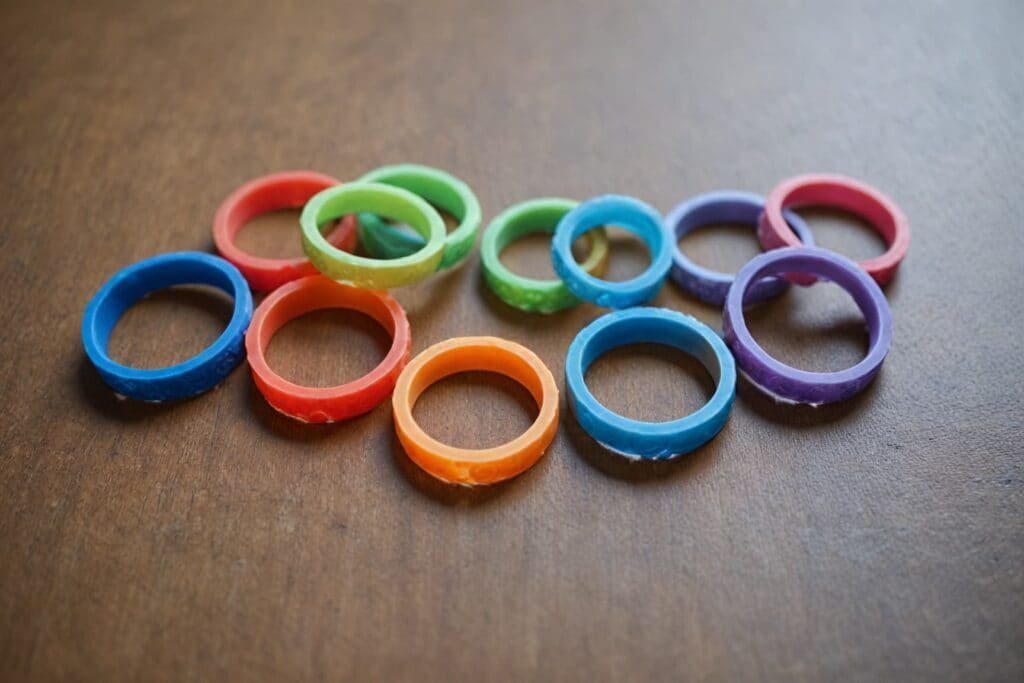
The jewelry industry has responded to safety concerns by developing innovative solutions that allow people to maintain the symbolic and emotional significance of their rings while eliminating the catastrophic injury risks associated with traditional metal bands. These alternatives have evolved from basic rubber substitutes to sophisticated products that closely mimic the appearance and feel of traditional wedding rings while incorporating safety features specifically designed for active lifestyles. The key breakthrough came from understanding that the ring itself doesn’t need to be indestructible - it just needs to break before human tissue does, creating a safety release mechanism that prevents avulsion injuries.
- Silicone rings represent the most popular and widely available safe alternative, engineered to tear at 20-30 pounds of force rather than the 500+ pounds required to break metal rings. Leading manufacturers like QALO, Enso, and Groove Life have developed medical-grade silicone formulations that provide comfort, durability for daily wear, and safety during physical activity. These rings come in multiple widths, colors, and textures, with some featuring metallic finishes that closely resemble traditional wedding bands while maintaining their safety properties.
- Ring holder necklaces provide a secure way to keep original rings close during workouts without exposing them to injury risks. High-quality options made from surgical steel or titanium feature secure clasps and short chain lengths that prevent the ring from bouncing during movement. Some designs include magnetic closures or locking mechanisms specifically designed for athletic activities, while others incorporate the ring into pendant designs that look intentional rather than makeshift.
- Portable ring storage solutions have evolved beyond basic containers to include specialized gym accessories designed for secure ring transport and storage. Products like LoveLocker cases feature patent-pending locking mechanisms and keychain attachments that can secure to gym bags or locker handles. Some designs include cushioned interiors, moisture protection, and combination locks to address security concerns that keep people from removing their rings.
- Temporary ring alternatives include high-quality silicone bands designed specifically for single-use or short-term wear during workouts. These ultra-lightweight options cost just a few dollars each and can be easily replaced if lost or damaged, making them ideal for people who want the psychological comfort of wearing something on their ring finger without any significant financial or emotional investment.
- Custom silicone engraving options allow couples to personalize their workout rings with dates, names, or meaningful symbols that match their original wedding bands. Advanced manufacturing techniques can reproduce intricate details, textures, and even gemstone patterns in silicone, creating alternatives that maintain visual and emotional significance while providing safety benefits. Some companies offer matching sets that allow couples to coordinate their workout jewelry.
- Gym locker storage systems provide secure, organized ring storage for people who prefer to completely remove their jewelry during workouts. High-quality padlocks, combination locks, and even biometric locks offer varying levels of security for valuable rings. Some gyms now provide dedicated jewelry storage areas with enhanced security features, while others partner with jewelry storage companies to offer premium storage services.
- Ring insurance considerations become particularly important for people who frequently remove and store their rings, as policies may have specific requirements about storage methods and security measures. Some insurance companies offer discounts for people who use approved storage methods or wear safety alternatives during high-risk activities. Documentation of safety practices can also be beneficial if claims ever need to be filed.
- Professional consultation services help couples select appropriate alternatives based on their specific needs, lifestyle requirements, and emotional attachments to their original rings. Jewelers increasingly offer these services as they recognize the growing market for safety-conscious consumers who don’t want to compromise on symbolism or style while protecting their physical wellbeing.
The evolution of these alternatives reflects a broader shift in how people think about jewelry safety without sacrificing personal meaning or style preferences. Modern solutions address virtually every concern that might prevent someone from adopting safer practices, from aesthetic preferences to security worries to emotional attachment. The key is finding the right combination of alternatives that work for each individual’s unique situation, lifestyle, and comfort level with different safety measures.
Safety Tips for Wearing Rings During Exercise
While the safest approach remains complete ring removal, some individuals will continue wearing rings during weightlifting despite the risks. For these situations, specific safety strategies can help reduce injury likelihood, though they cannot eliminate the danger entirely. These precautions require constant vigilance and may interfere with proper lifting technique, but they represent harm reduction approaches for people who refuse to remove their rings completely. It’s crucial to understand that these measures provide only partial protection and that ring avulsion can still occur even when following all safety protocols.
- Athletic taping techniques can help secure rings and reduce snagging risks by wrapping the ring finger with medical tape to create a smooth surface over the ring. Use thin, flexible tape that doesn’t restrict blood flow, wrapping from the base of the finger to above the ring in overlapping layers. The tape should be tight enough to prevent the ring from moving but loose enough to allow normal circulation. This method requires fresh tape for each workout session and careful monitoring for any signs of circulation problems.
- Exercise selection becomes critical when keeping rings on, with certain movements posing significantly higher risks than others. Avoid exercises that require gripping weight plates directly, such as farmer’s walks with plates or plate-loaded exercises where hands contact the plate surfaces. Deadlifts, rows, and any pulling movements where the ring might contact the bar knurling present elevated risks. Overhead movements can be particularly dangerous if rings catch on the bar during failed lifts or re-racking attempts.
- Grip modifications help minimize ring contact with equipment surfaces by adjusting hand positioning and using grip aids like lifting straps or gloves. Thick lifting gloves can provide a barrier between rings and equipment, though they may interfere with grip feedback and bar control. Lifting straps can reduce the need for tight gripping during pulling exercises, potentially reducing ring-to-equipment contact. However, these modifications may compromise lifting performance and safety in other ways.
- Regular fit monitoring becomes essential since finger size fluctuates throughout the day due to temperature, activity level, and fluid retention. Check ring fit before each workout by ensuring it can slide over the knuckle with reasonable effort but doesn’t slip off easily during movement. If the ring feels tight before exercising, don’t attempt to work out with it on, as swelling during exercise will make it progressively tighter and more difficult to remove safely.
- Emergency removal preparation includes keeping ring removal tools accessible and knowing proper emergency techniques for stuck rings. Dental floss or thin string can sometimes help remove tight rings using the string-wrap method, while soap and cold water can reduce swelling and lubricate the finger. However, if a ring becomes truly stuck due to injury or severe swelling, immediate medical attention is necessary rather than attempting forceful removal that could worsen tissue damage.
- Partner awareness ensures that workout partners understand the increased risks and know how to respond in case of ring-related emergencies. Training partners should know basic first aid for hand injuries, understand when to call emergency services, and be prepared to assist with emergency ring removal if necessary. They should also be encouraged to provide gentle reminders about safety practices without being pushy or judgmental.
- Equipment inspection before each exercise helps identify potential snagging hazards like sharp edges, protruding bolts, or damaged surfaces that could catch rings. Pay particular attention to older equipment, plate-loaded machines, and free weights with worn or damaged surfaces. Report any equipment damage to gym staff immediately, as these hazards threaten all users, not just those wearing rings.
- Immediate post-injury protocols require knowing when to seek emergency medical care versus when minor first aid is sufficient. Any injury involving significant bleeding, loss of sensation, inability to move the finger normally, or obvious deformity requires immediate emergency room evaluation. Even seemingly minor cuts should be evaluated if they’re deep enough to require stitches or if circulation appears compromised.
These safety measures represent compromises that reduce but don’t eliminate serious injury risks. People who choose to follow these protocols must accept responsibility for the continued danger they’re accepting and understand that even perfect adherence to safety guidelines cannot prevent all ring-related injuries. The complexity and vigilance required for these precautions often convince people that complete ring removal is actually the simpler and more practical approach to gym safety.
Warning Signs Your Ring Isn’t Safe for Workouts
Proper ring fit becomes critically important during exercise because physical activity causes predictable changes in finger size, blood flow, and hand swelling that can transform a normally comfortable ring into a dangerous piece of equipment. Many people wear rings that fit acceptably during daily activities but become problematic during workouts, when increased circulation, heat generation, and gripping activities cause fingers to expand significantly. Recognizing the warning signs of improper ring fit can prevent emergency situations where rings become impossible to remove safely, potentially requiring medical intervention or emergency cutting procedures that damage both the ring and surrounding tissue.
- Finger swelling above and below the ring indicates that the band is acting like a tourniquet, restricting normal blood flow and lymphatic drainage. This swelling typically appears as puffy areas on both sides of the ring, with the constricted area underneath the band appearing noticeably thinner than the surrounding finger. The swelling may develop gradually during exercise or appear suddenly during intense activities that dramatically increase blood flow to the hands. This condition requires immediate attention because continued restriction can lead to tissue damage.
- Difficulty removing the ring with soap and water signals that the band has become too tight for safe exercise participation. Normal ring fit should allow removal with reasonable effort using basic lubrication methods, while problematic fit requires significant force or fails completely despite multiple attempts. Temperature changes during workouts can make this problem worse, as cold water may temporarily reduce swelling but won’t address the underlying fit issue that will return as circulation normalizes.
- Persistent indentation marks after ring removal indicate that the band was compressing soft tissue significantly during wear. These marks should fade within minutes of ring removal under normal circumstances, while deep or long-lasting impressions suggest excessive pressure that could become dangerous during exercise-induced swelling. The depth and duration of these marks often correlate with how problematic the ring will become during physical activity.
- Tingling, numbness, or loss of sensation in the ring finger or adjacent fingers suggests that nerve compression is occurring due to swelling and ring tightness. These neurological symptoms can develop gradually or appear suddenly during exercise, and they indicate potentially serious circulation problems that require immediate ring removal. Continuing to exercise with these symptoms can lead to permanent nerve damage and loss of finger function.
- Color changes in the finger, particularly bluish or purplish discoloration, indicate compromised blood circulation that represents a medical emergency. Normal finger color should remain pink or match the rest of the hand, while darker colors suggest that blood flow is being restricted by ring tightness. This condition requires immediate medical attention and professional ring removal, as attempting to force the ring off can cause additional tissue damage.
- Pain or discomfort during gripping exercises often signals that the ring is interfering with normal hand function and may be at risk of catching on equipment. This pain may feel like pressure, pinching, or sharp discomfort that worsens during activities requiring strong grip strength. The pain can distract from proper lifting technique and increase injury risk even if ring avulsion doesn’t occur.
- Ring spinning or movement during exercise indicates loose fit that can be equally problematic, as spinning rings are more likely to catch on equipment surfaces or snag during movement. Loose rings may slide toward the fingertip during gripping activities, potentially getting caught between fingers and equipment. The constant movement can also cause skin irritation and blisters that interfere with exercise performance.
- Temperature sensitivity where the ring feels uncomfortably hot or cold compared to surrounding skin suggests circulation problems or material reactions that can worsen during exercise. Metal rings conduct heat and cold efficiently, which can become uncomfortable during temperature changes common in gym environments. This sensitivity may indicate underlying circulation issues that could become more serious during exercise-induced swelling.
- Skin irritation, redness, or rash development around the ring area indicates allergic reactions or friction problems that will worsen during sweaty workouts. Exercise increases skin sensitivity and moisture levels, potentially triggering reactions that weren’t problematic during normal daily wear. These skin issues can become infected if left untreated, particularly in the bacteria-rich environment of fitness facilities.
- Emergency removal difficulty represents the most serious warning sign, indicating that the ring has become truly stuck and may require medical intervention to remove safely. This situation often develops suddenly during or immediately after exercise, when finger swelling peaks and ring removal becomes impossible despite multiple attempts with lubrication and positioning techniques.
Recognizing these warning signs early allows people to address fit problems before they become emergency situations that require medical intervention or result in ring damage. The key is understanding that exercise dramatically changes the conditions that affect ring fit, and what feels comfortable at rest may become dangerous during physical activity. Regular assessment of ring fit, particularly before intense workout sessions, can prevent most emergency situations and help maintain both safety and ring integrity.
How to Clean Your Ring After Working Out
Sweat exposure during workouts creates a uniquely corrosive environment that can cause long-term damage to rings even when no injuries occur, with the combination of salt, acids, proteins, and bacteria in human perspiration attacking different materials in specific ways. The gym environment compounds these problems by adding chlorine from pool areas, cleaning chemicals from sanitized equipment, and metal particles from weights that can embed in ring surfaces during contact. Regular post-workout cleaning becomes essential not just for hygiene but for preserving the structural integrity and appearance of valuable jewelry that people choose to wear during exercise despite safety recommendations.
- Sweat composition creates multiple threats to ring materials through its complex mixture of sodium chloride, lactic acid, urea, and trace minerals that react differently with various metals and finishes. The salt content alone can cause pitting and corrosion in lower-grade metals, while the acidic pH of sweat accelerates tarnishing processes in silver and can cause discoloration in gold alloys. Protein deposits from sweat can create breeding grounds for bacteria that produce additional acids and compounds harmful to both skin and jewelry materials.
- Gold alloy reactions vary significantly based on karat content, with lower karat gold containing copper, nickel, and zinc that react strongly with sweat acids to create green or black discoloration on both skin and metal. White gold often contains palladium or nickel that can cause allergic reactions when combined with sweat and friction, while rose gold’s copper content makes it particularly susceptible to tarnishing and color changes. Even high-karat gold can develop a dull patina when exposed repeatedly to sweat without proper cleaning.
- Silver tarnishing accelerates dramatically in gym environments due to sulfur compounds in sweat combining with silver to create black silver sulfide deposits on ring surfaces. This tarnishing process happens faster during exercise because heat and moisture catalyze the chemical reactions, while the abrasive contact with gym equipment can scratch away protective rhodium plating that normally slows tarnishing. Sterling silver rings may require professional polishing after just a few gym sessions if not properly maintained.
- Bacterial growth flourishes in the warm, moist environment created between skin and metal during sweaty workouts, with certain species producing acids and enzymes that can damage both skin and jewelry. Staphylococcus and streptococcus bacteria commonly found on skin can multiply rapidly under rings during exercise, potentially causing infections that range from minor irritation to serious cellulitis requiring antibiotic treatment. The jewelry itself can harbor these bacteria between workouts, creating ongoing infection risks.
- Immediate post-workout cleaning requires specific techniques for different materials to prevent permanent damage while removing sweat, bacteria, and equipment residue. Metal rings need thorough rinsing with clean water followed by gentle soap washing to remove salt and protein deposits before they can cause staining or corrosion. Avoid harsh chemicals or abrasive cleaning methods that can scratch surfaces or remove protective plating, particularly on white gold or silver pieces.
- Gemstone care becomes complicated when stones have been exposed to sweat and gym chemicals, as many gems are porous or sensitive to pH changes that can cause clouding or discoloration. Diamonds and sapphires can typically handle normal cleaning procedures, while pearls, opals, and emeralds require special care to avoid damage from cleaning solutions or pH changes. Organic gems like pearls can be permanently damaged by acid exposure from sweat, making post-workout cleaning critical but challenging.
- Drying procedures prevent moisture retention that can cause ongoing corrosion and bacterial growth between gym sessions. Air drying is generally safest for most materials, though heat guns or hair dryers can speed the process if used carefully to avoid overheating sensitive stones or causing thermal shock. Completely dry storage is essential because trapped moisture under rings can cause more damage than the original sweat exposure.
- Professional maintenance schedules should be accelerated for rings regularly exposed to gym environments, with annual cleaning and inspection increasing to every six months or quarterly for heavily used pieces. Professional jewelers can detect early signs of damage from sweat exposure, repair weakened prongs or settings, and reapply protective coatings that prevent future damage. This preventive maintenance costs far less than major repairs required when damage goes undetected.
- Storage considerations between gym sessions require avoiding enclosed containers where moisture can accumulate and cause ongoing damage to cleaned rings. Jewelry boxes with fabric linings can trap moisture and cleaning chemical residues, while plastic bags create condensation that promotes bacterial growth. Open-air storage on soft surfaces allows continued air circulation while protecting rings from scratches and impacts.
- Long-term preservation strategies for people who continue wearing rings to the gym include rotating between multiple rings to reduce wear on any single piece, investing in professional-grade protective coatings, and maintaining detailed records of cleaning and maintenance to track wear patterns. Some people choose to reserve their most valuable rings for non-gym wear while using less expensive alternatives for workout sessions.
The complexity and frequency of maintenance required for rings exposed to gym environments often convince people that the practical benefits of ring removal extend far beyond immediate safety concerns. The ongoing time, effort, and expense of proper maintenance can exceed the cost of quality silicone alternatives while still leaving valuable rings vulnerable to damage that proper cleaning cannot prevent entirely.
Conclusion
The evidence from medical research, professional athletics, and fitness industry standards creates an undeniable case against wearing traditional metal rings during weightlifting activities. Ring avulsion injuries represent one of the most devastating yet completely preventable accidents that can occur in gym settings, with over half of all cases resulting in permanent disability or amputation despite the best available medical treatment. The force requirements for serious injury are shockingly low, with as little as 20 pounds of pulling force capable of causing catastrophic tissue damage that no amount of surgical skill can fully repair. When combined with the complex maintenance requirements, increased infection risks, and equipment damage concerns associated with gym ring wearing, the safety argument becomes overwhelming.
Modern alternatives have evolved to address virtually every concern that might prevent people from adopting safer practices, from high-quality silicone rings that maintain symbolic significance to sophisticated storage solutions that protect valuable jewelry during workouts. The fitness industry, insurance companies, and medical professionals have all recognized these alternatives as viable solutions that honor both safety requirements and personal values. Professional athletes, elite trainers, and safety organizations universally support ring removal or safe alternatives, creating a consensus based on both scientific evidence and practical experience managing injury risks in athletic environments.
The choice ultimately comes down to a simple risk-benefit analysis where the potential consequences far outweigh any perceived advantages of keeping traditional rings on during weightlifting. No piece of jewelry, regardless of its emotional or financial value, is worth risking permanent disability, chronic pain, or amputation. The availability of safe alternatives means that people no longer need to choose between safety and sentiment, making ring removal or substitution one of the simplest yet most important safety decisions that gym users can make. In a fitness environment filled with unavoidable risks, ring-related injuries stand out as completely preventable tragedies that require nothing more than temporarily removing a piece of jewelry.