Every ring, chain, or pair of earrings starts as a raw metal before it becomes something worn every day. That metal decides almost everything about the piece: how much it costs, how it reacts with skin, how it ages over the years, and whether it can survive a swim in the ocean. Most fine jewelry is built from just a handful of metals — gold, silver, platinum, and palladium — plus a few supporting players like rhodium that show up more often than people realize. Understanding how these metals actually work makes it much easier to choose jewelry that fits daily life instead of fighting against it.
What Counts as a “Precious Metal”?
A precious metal is a naturally occurring metal that is rare, resistant to corrosion, and valuable enough to be traded and hallmarked on its own. In jewelry, the main ones are gold, silver, platinum, and palladium. Metals like titanium or stainless steel are popular in modern jewelry too, but they aren’t classified as precious because they’re common and inexpensive to mine and refine.
The rarity of a metal directly affects both its price and how jewelers treat it. Gold and platinum, for example, get stamped with a purity mark because a small percentage difference changes their value significantly. This is also why jewelry made from these metals holds resale value in a way that costume jewelry never will, and why many countries legally require a hallmark before a piece can even be sold as “gold” or “silver.”
Gold: The Most Popular Precious Metal
Pure gold, called 24 karat gold, is too soft to survive daily wear, so almost all gold jewelry is mixed with other metals to make it stronger. The karat number shows how much of that mix is actual gold, out of a total of 24 parts, and it divides into five common tiers used across the jewelry industry.
| Karat | Gold Content | Common Use |
|---|---|---|
| 24K | 99.9% gold | Investment bars, some Asian bridal jewelry |
| 22K | 91.7% gold | Traditional and cultural jewelry |
| 18K | 75% gold | Fine jewelry, engagement rings |
| 14K | 58.3% gold | Everyday jewelry (most popular in the U.S.) |
| 10K | 41.7% gold | Budget-friendly, hard-wearing pieces |
Lower karat gold isn’t “fake” gold. It’s real gold blended with harder metals like copper, silver, or zinc so it can survive years of bumps, knocks, and handshakes.
Gold has stayed the world’s favorite jewelry metal for thousands of years for a simple reason: it doesn’t rust, corrode, or react with air the way iron or copper do. A gold ring pulled from a 3,000-year-old tomb still looks like gold today, which is part of why it became a symbol of permanence in weddings and heirlooms. Gold is also the most malleable metal on Earth — a single gram can be hammered into a sheet covering roughly a square meter, thin enough to see light through — which is why goldsmiths have always been able to shape it into such fine, detailed work.
Why Does Gold Come in Different Colors?
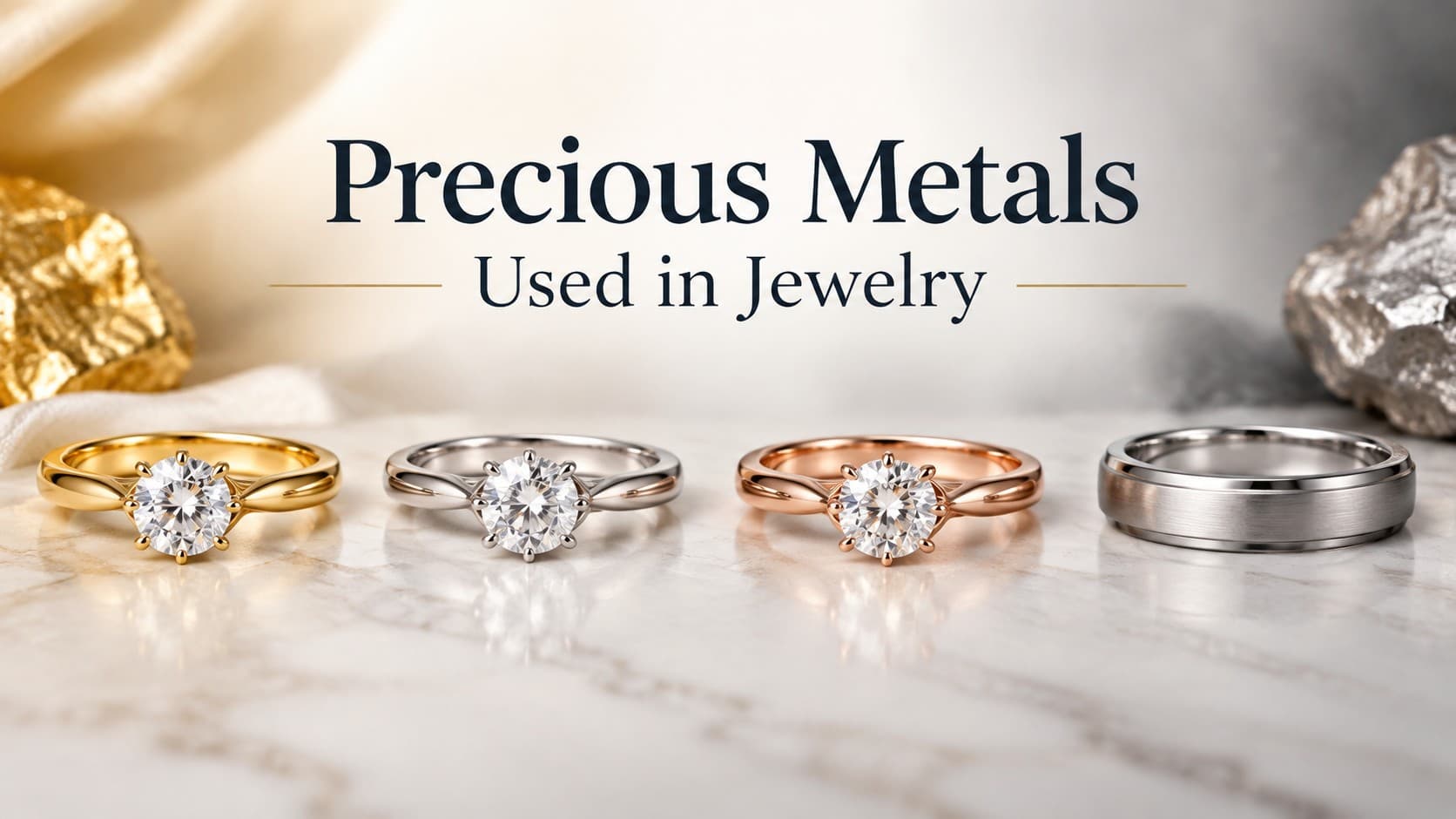
Yellow gold is the natural color of gold once it’s alloyed with copper and silver in the right ratio. White gold gets its silvery look from alloying gold with metals like nickel or palladium, and it’s usually finished with a thin rhodium coating to make it brighter. Rose gold gets its pink tone from a higher percentage of copper in the mix. Because the color comes from the alloy rather than a dye, it doesn’t wash off — though a white gold piece will eventually need its rhodium layer refreshed, since that coating wears thin with regular use.
The metal used to whiten gold matters more than most shoppers realize. Nickel-based white gold is cheaper to produce and naturally whiter, but nickel is a well-documented skin allergen — research on nickel dermatitis has found sensitivity in roughly 10% of women and 2% of men, which is why the European Union tightly restricts how much nickel jewelry can contain and why most white gold sold there uses palladium instead. Rose gold, meanwhile, gets an unexpected bonus from all that extra copper: it’s typically harder and more scratch-resistant than yellow or white gold of the same karat, making it a practical pick for rings worn every day.
Sterling Silver: Affordable but High-Maintenance
Sterling silver is 92.5% pure silver mixed with 7.5% other metals, almost always copper, which is why it’s stamped “925.” Pure silver, like pure gold, is too soft on its own to hold a ring’s shape or an earring’s clasp.
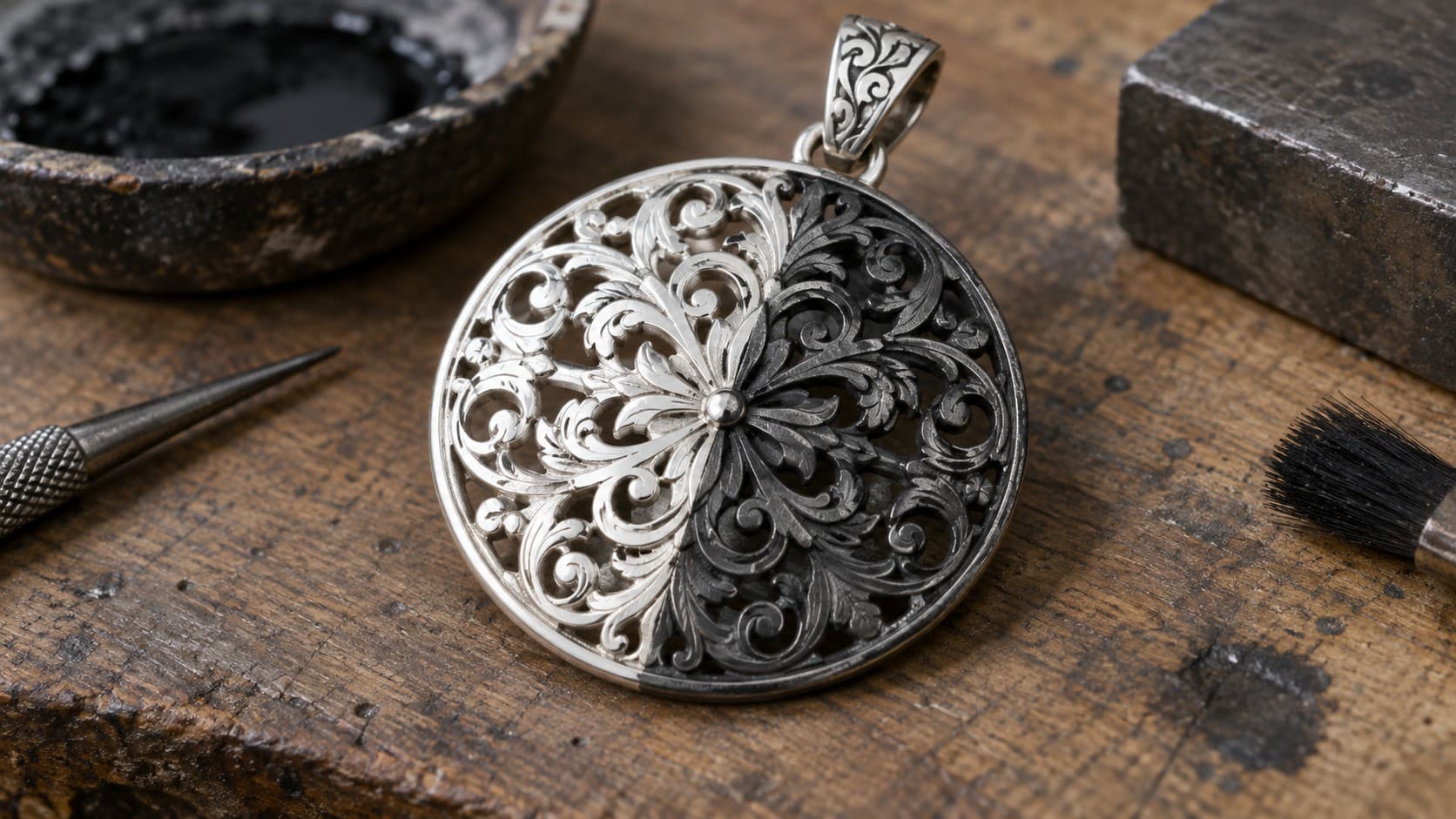
Silver’s biggest downside is tarnish — a dark, sometimes greenish film that forms when the metal reacts with sulfur compounds in the air, not with the wearer’s skin. It isn’t damage, and it isn’t permanent. A simple silver polishing cloth or a mild silver cleaner brings the shine right back. Storing silver in an airtight bag between wears slows tarnishing down significantly, since less air means less reaction, and adding a small anti-tarnish strip to the bag helps even more.
Newer alloys like Argentium silver swap some of that copper for germanium, which slows down tarnishing considerably and makes the metal more resistant to firescale, a discoloration that can happen during jewelry repairs. It costs a little more than standard sterling but needs far less upkeep, making it worth asking a jeweler about for anyone who wants the look of silver without the regular polishing.
Platinum: Strong, Heavy, and Hypoallergenic
Platinum jewelry is typically 90–95% pure platinum, stamped as “Pt900” or “Pt950,” making it far purer than most gold jewelry. It’s also considerably heavier than gold of the same size, because platinum is one of the densest metals used in jewelry — the difference is easy to feel when holding a platinum ring next to a gold one of the same design.
Platinum doesn’t need rhodium plating because it’s naturally white and stays that way for life. Instead of losing metal when it gets scratched, platinum typically just shifts — the scratched metal moves to the side rather than flaking away, which is why platinum pieces develop a soft “patina” finish over the years instead of thinning out. That same density makes it one of the more hypoallergenic options, since it doesn’t require nickel to strengthen it.
Platinum’s price also has less to do with jewelry demand than people assume. A large share of the world’s platinum goes into catalytic converters for cars, so its price often moves with the auto industry rather than the jewelry market, which is part of why platinum has, at different points in recent history, traded both above and below the price of gold.
Palladium: The Budget-Friendly Platinum Alternative
Palladium sits in the same family as platinum — both are what’s called platinum-group metals — but it’s noticeably lighter and less expensive. Jewelry-grade palladium is usually 95% pure, stamped “950Pd.”
It shares platinum’s naturally white color and doesn’t need rhodium plating either. The trade-off is that palladium jewelry became common only in the last two decades, so it’s less traditional and can be trickier to find a jeweler experienced in resizing or repairing it. For someone who wants a hypoallergenic white metal without platinum’s price tag, though, palladium is one of the strongest options on the market.
Palladium’s rise in jewelry is closely tied to the nickel restrictions mentioned earlier. When regulators cracked down on nickel in white gold, jewelry manufacturers needed a widely available metal that could whiten gold without the allergy risk, and palladium fit the job well, which is a big part of why it went from a niche metal to a mainstream jewelry option so quickly.
What Is Rhodium Plating?
Rhodium isn’t usually the base metal of a piece of jewelry — it’s a plating applied on top of white gold and some silver pieces to make them brighter and more scratch-resistant. It belongs to the same platinum-group family as platinum and palladium, and it’s typically far more expensive than gold by weight, sometimes by a wide margin, since it’s one of the rarest metals mined anywhere on Earth.
Because rhodium plating is a thin surface layer, it wears down with friction over months or years, especially on rings that get knocked around daily. When that happens, the white gold underneath starts to show a faint yellow tint. Re-plating a ring is a routine, inexpensive service at most jewelers, and it’s a normal part of owning white gold rather than a sign something went wrong.
Rhodium is rarely mined on its own. It’s mostly recovered as a byproduct of platinum and nickel refining, which is why its price can swing dramatically based on demand from the auto industry, where it’s used in catalytic converters just like platinum and palladium are.
Comparing Precious Metals for Jewelry
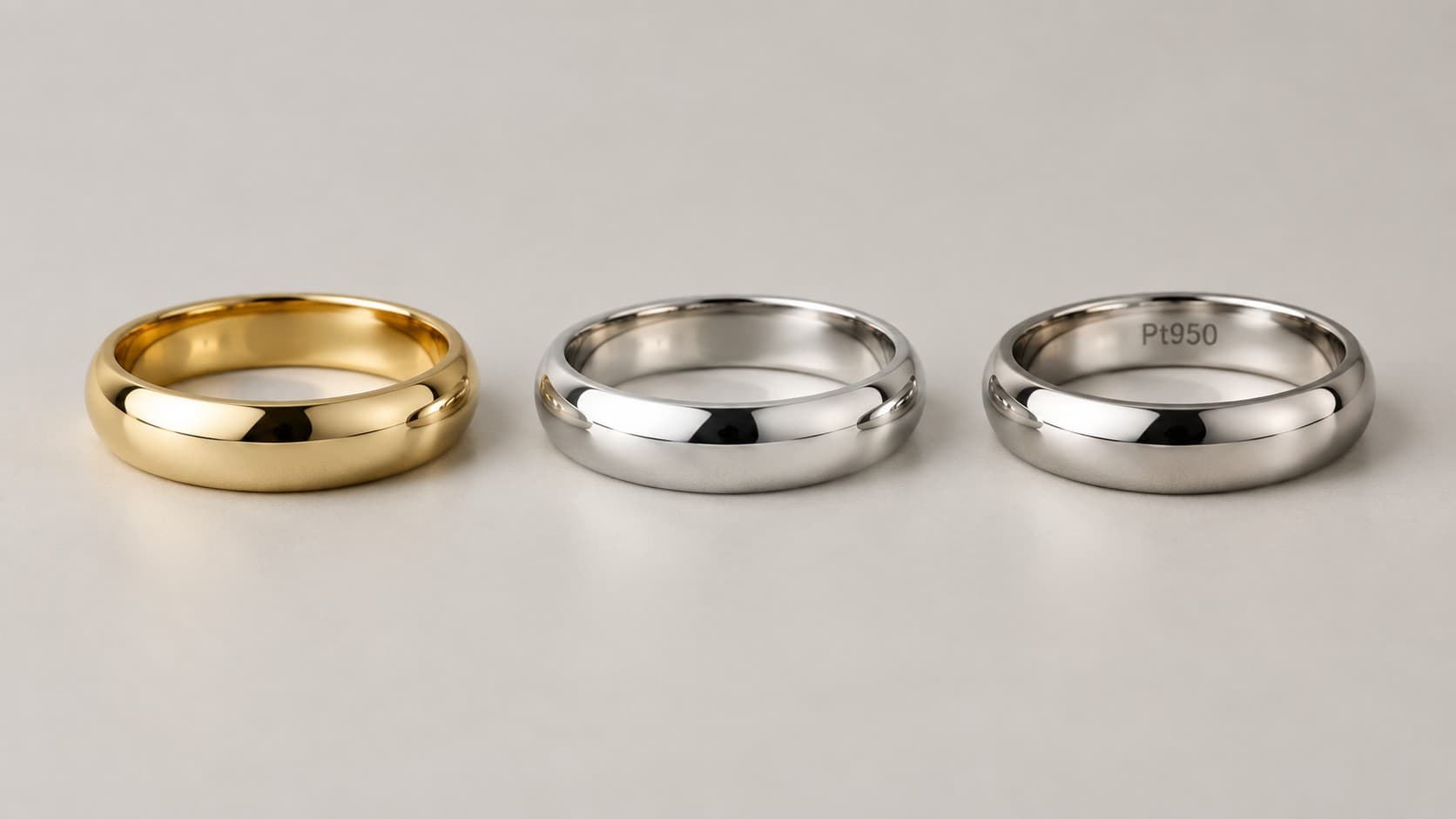
| Metal | Typical Purity | Natural Color | Hypoallergenic? | Relative Cost |
|---|---|---|---|---|
| Gold (14K–18K) | 58.3%–75% | Yellow (alloy-dependent) | Depends on alloy metal used | Moderate to high |
| Sterling Silver | 92.5% | White-grey | Usually, if copper-only | Low |
| Platinum | 90%–95% | Naturally white | Yes, typically | High |
| Palladium | 95% | Naturally white | Yes, typically | Moderate |
| Rhodium (plating) | Applied as coating | Bright white | Yes, as a surface layer | Very high per ounce |
- Best for durability: Platinum and palladium, since both resist corrosion and hold their shape under daily wear.
- Best for budget: Sterling silver and 10K gold offer real precious metal without the higher price tag of platinum.
- Best for sensitive skin: Platinum and palladium, because they don’t rely on nickel to stay strong.
- Best for classic style: 18K yellow gold, which has stayed the standard for fine jewelry for centuries.
- Needs the most upkeep: Sterling silver (tarnish) and white gold (rhodium re-plating).
Precious Metal Jewelry Care Tips
Different metals need different care, but a few habits protect almost anything in a jewelry box. Taking rings off before swimming, cleaning, or exercising prevents chemical exposure and scratching, since chlorine and harsh cleaning products can damage even durable metals over time. Storing pieces separately, rather than tossed together in a drawer, stops harder metals like platinum from scratching softer ones like gold or silver.
A soft polishing cloth handles most day-to-day shine for any metal. For anything with gemstones or intricate settings, a professional cleaning once or twice a year catches problems like loose prongs before they turn into lost stones, and it’s also a good time to ask a jeweler whether a white gold piece needs its rhodium plating refreshed.
Frequently Asked Questions
Is platinum better than gold?
Neither metal is objectively “better” — they suit different needs. Platinum is denser, naturally white, and generally more hypoallergenic, while gold offers more color options and is typically less expensive at the same purity level.
Why does white gold turn yellow over time?
This happens when the rhodium plating on top of the white gold wears away from daily friction, revealing the pale color of the gold alloy underneath. A jeweler can re-plate the ring in a quick, routine service to restore the bright white finish.
Is sterling silver a good everyday metal?
Yes, provided the wearer doesn’t mind occasional polishing to remove tarnish. Sterling silver is durable enough for daily wear, and tarnish is a surface reaction rather than permanent damage.
Which precious metal is best for sensitive skin?
Platinum and palladium are generally the safest choices, since jewelry-grade alloys of both rarely contain nickel, which is the most common trigger for metal allergies. High-karat gold (18K or higher) and nickel-free white gold alloys also tend to cause fewer reactions than cheaper nickel-based alternatives.
The Bottom Line
Every precious metal covered here earns its place for a different reason: gold for its range of colors and tradition, silver for its affordability, and platinum and palladium for their strength and skin-friendliness, with rhodium quietly brightening white metals behind the scenes. The right choice usually comes down to how often a piece will be worn and how much upkeep its owner is willing to do, since a ring worn every single day has very different needs than a necklace saved for special occasions. Knowing what’s actually inside a piece of jewelry turns a purity stamp on the inside of a ring from a mystery into useful, practical information.