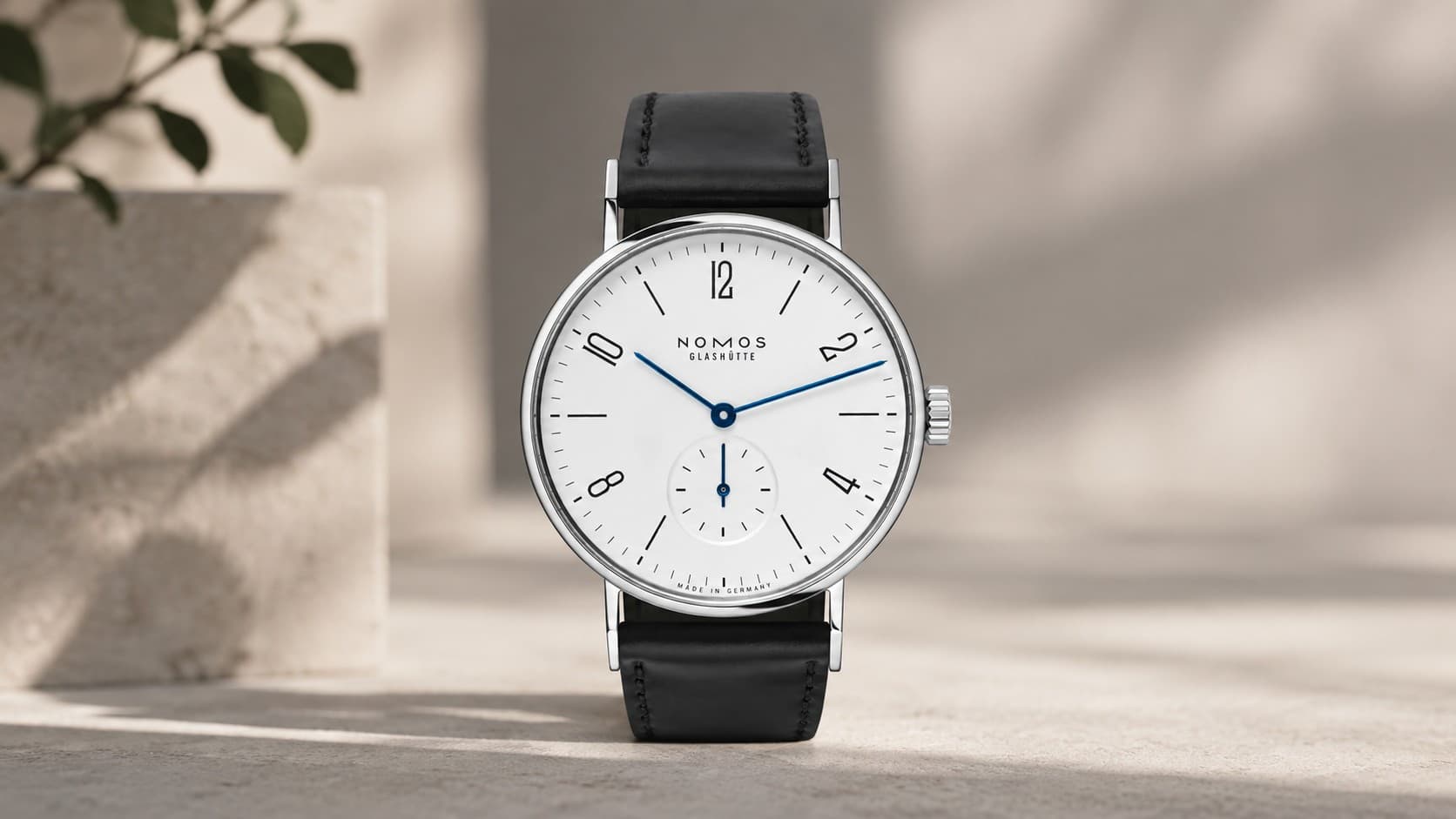
Bauhaus watch design represents one of the most influential and enduring movements in modern horology, emphasizing the principle that “form follows function” to create timepieces of exceptional clarity and timeless appeal. Born from the revolutionary German Bauhaus school of 1919-1933, this design philosophy strips away unnecessary ornamentation to focus on what truly matters: legible time display achieved through clean lines, geometric precision, and honest materials. From Max Bill’s iconic designs for Junghans to contemporary interpretations by brands like Nomos, Bauhaus watches continue attracting enthusiasts who value sophisticated simplicity over flashy complications, proving that meaningful design transcends temporary fashion trends.

What is Bauhaus Design?

The Bauhaus movement emerged in post-World War I Germany as a revolutionary response to the social and economic upheaval of the time. In 1919, architect Walter Gropius established the Staatliches Bauhaus in Weimar by merging two existing institutions - the Grand Ducal Saxon Academy of Fine Art and the Grand Ducal Saxon School of Arts and Crafts. This wasn’t just another art school; it was a radical experiment that challenged traditional boundaries between fine art and practical craftsmanship. Gropius envisioned a new type of creative education that would prepare designers for the industrial age, where beautiful objects could be mass-produced and made accessible to ordinary people rather than remaining luxury items for the wealthy elite.

  • The school’s revolutionary approach rejected the ornate, decorative styles that had dominated European design for centuries. Instead of adding unnecessary embellishments, Bauhaus teachers encouraged students to strip away everything that didn’t serve a practical purpose. This created a new aesthetic where the beauty of an object came from how well it performed its intended function, not from applied decoration or historical references.
  • Central to Bauhaus thinking was the belief that there should be no hierarchy between different types of creative work. Traditional art education had always separated painters and sculptors from craftspeople who made furniture or ceramics, treating one group as “artists” and the other as mere “artisans.” Gropius wanted to eliminate these class distinctions entirely, creating a community where everyone worked together as skilled craftspeople regardless of their medium.
  • The curriculum was designed around hands-on experimentation with materials and industrial production methods. Students didn’t just study theory; they worked in actual workshops learning metalworking, weaving, carpentry, and other practical skills. This combination of artistic training with technical knowledge was completely new at the time and prepared graduates to work effectively with modern manufacturing processes.
  • Mass production was seen as an opportunity rather than a limitation. While many artists of the era viewed industrial manufacturing as the enemy of creativity, Bauhaus instructors embraced it as a way to bring good design to the masses. They developed prototypes specifically intended for factory production, believing that well-designed everyday objects could improve people’s lives regardless of their economic status.
  • The school attracted an extraordinary collection of creative minds, including painters Paul Klee and Wassily Kandinsky, photographer László Moholy-Nagy, and furniture designer Marcel Breuer. This diverse group created an environment where ideas from different disciplines cross-pollinated, leading to innovations that wouldn’t have been possible in traditional art schools focused on single subjects.

Though the Bauhaus school itself existed for only fourteen years before being forced to close by the Nazi regime in 1933, its impact spread globally as faculty and students emigrated to other countries. The principles they developed proved so fundamentally sound that they continue to influence design across all fields today, from architecture and furniture to digital interfaces and product design. This enduring relevance demonstrates that the Bauhaus succeeded in its goal of creating design principles based on human needs rather than temporary fashions.

How Bauhaus Design Became a Watch Movement

Clean Bauhaus watch featuring white dial, thin black hands, geometric hour markers, and minimal typography on navy leather strap

The journey from architectural school to wristwatch aesthetic began long before most people realize, rooted in specific historical moments and individual contributions that shaped how timekeeping could be reimagined. Understanding this history reveals that Bauhaus watch design wasn’t a sudden invention but rather an evolution of ideas that took decades to fully mature into the timepieces we recognize today. The story involves not just the famous school itself, but also the people who carried its principles forward and the companies brave enough to embrace radical simplicity in an industry often focused on ornamentation and complexity.

  • The foundation was laid between 1919-1933 when Walter Gropius established the Staatliches Bauhaus in Weimar, creating an entirely new approach to design education that eliminated traditional boundaries between fine art and practical craftsmanship. The school moved from Weimar to Dessau in 1925, then to Berlin in 1932, before being forced to close by Nazi pressure in 1933. During these brief fourteen years, students learned to approach design problems by stripping away everything unnecessary, focusing on how objects could serve human needs while maintaining aesthetic appeal.
  • The first practical applications to timekeeping appeared in the 1920s and 1930s when Weber & Baral, a dial manufacturer in Pforzheim, began producing watch faces that eliminated traditional decorative elements in favor of clean typography and geometric hour markers. These early dials were supplied to various German watch companies including A. Lange & Söhne, creating some of the earliest examples of what we now recognize as Bauhaus watch design. The dials featured stark white backgrounds with precise black numerals and hands, establishing the visual template that would influence generations of minimalist timepieces.
  • Max Bill provided the crucial bridge between the original school and modern watch design when he studied at the Bauhaus under Walter Gropius from 1927-1929. After the school’s closure, Bill continued developing Bauhaus principles through his work as an architect, painter, and industrial designer. In the 1950s, Junghans commissioned him to design a kitchen clock, which became so successful that it’s now part of the Museum of Modern Art’s permanent collection. This led to his first wristwatch designs in 1961, creating timepieces that directly translated his Bauhaus training into practical horology.
  • The modern revival began in the 1990s when German reunification allowed watchmaking to return to traditional centers like Glashütte. Roland Schwertner founded Nomos in 1990, launching the Tangente collection in 1992 with designs inspired by pre-war German watches that had used Weber & Baral dials. This revival coincided with growing appreciation for minimalist design in other fields, creating market demand for timepieces that offered sophisticated alternatives to both luxury ornament and casual fashion.
  • International recognition grew throughout the 2000s as watch enthusiasts and design professionals began appreciating the philosophical depth behind Bauhaus aesthetics. Publications like Hodinkee and specialist design magazines helped educate collectors about the historical significance of these designs, while museum exhibitions celebrating the Bauhaus centenary in 2019 brought renewed attention to how these principles continue influencing contemporary objects.
  • Contemporary interpretations have expanded far beyond German manufacturers, with brands worldwide adopting Bauhaus-inspired elements while adapting them to different cultural contexts and market segments. However, the most successful examples maintain fidelity to the original philosophy rather than simply copying visual elements, creating timepieces that serve modern needs while honoring the movement’s core belief that good design should be accessible, functional, and honest.

This historical progression shows that Bauhaus watch design represents more than just aesthetic preference - it embodies a specific philosophy about how objects should serve human needs while maintaining dignity and beauty. The fact that these designs remain relevant nearly a century after the school’s founding demonstrates the fundamental soundness of approaching design problems by prioritizing function, honesty, and accessibility over temporary fashion or unnecessary complexity.

Why Bauhaus Design Works Perfectly for Watch Design

When Bauhaus design philosophy made its way into watchmaking, it fundamentally transformed how timepieces could be conceived and created. The application wasn’t immediate - it took several decades for the movement’s ideas to fully influence horology. The transition began in the 1920s with German dial manufacturers like Weber & Baral, who created clean, unadorned watch faces that stripped away the ornate numerals and decorative elements common in traditional timepieces. These early experiments laid the groundwork for what would eventually become one of the most influential aesthetic movements in modern watchmaking.

  • Dial design became the primary canvas for expressing Bauhaus principles, with watchmakers eliminating all decorative elements that didn’t contribute to legibility. Traditional Roman numerals gave way to simple Arabic numbers or clean geometric hour markers. Ornate hands were replaced with straight, angular designs that prioritized clarity over ornamentation. The goal was to create dials so clear and uncluttered that reading the time became effortless, even at a glance.
  • Case construction followed the same minimalist approach, favoring thin profiles and clean geometric shapes over bulky or elaborately decorated housings. Bauhaus-inspired watches typically feature circular cases with minimal bezels, allowing the dial to remain the focal point. When rectangular or square cases appear, they maintain perfect geometric proportions without unnecessary curves or decorative elements that might distract from the watch’s primary function.
  • Color palettes remained deliberately restricted, usually employing combinations of black, white, and metallic tones. When color was introduced, it typically consisted of primary hues used sparingly as functional accents rather than decorative flourishes. This restraint created timepieces that wouldn’t become dated as fashion trends changed, embodying the Bauhaus belief in creating designs with lasting relevance.
  • Typography and numbering systems received careful attention, with custom-designed fonts that prioritized legibility above stylistic flair. Numbers and markers were positioned with mathematical precision, creating perfect balance and spacing across the dial. Every element from the minute track to the brand name was considered for its contribution to overall functionality and visual harmony.
  • Material choices reflected the movement’s embrace of industrial production methods and honest construction. Stainless steel became a preferred case material not just for its durability, but because it could be precisely machined to achieve the clean lines that Bauhaus design demanded. Traditional precious metals weren’t abandoned, but when used, they were applied in ways that emphasized their functional properties rather than their luxury status.
  • Movement visibility became important as watchmakers began incorporating display casebacks and skeletonized dials that revealed the mechanical workings inside. This transparency aligned with Bauhaus principles of honest construction, where the beauty of an object should come from understanding and appreciating how it functions rather than hiding its inner workings behind decorative facades.

The result of applying these principles was a new category of timepieces that achieved elegance through simplicity rather than complexity. Bauhaus-inspired watches proved that sophisticated design didn’t require elaborate decoration or precious materials - it could emerge from the intelligent arrangement of essential elements working in perfect harmony. This approach created timepieces that were both functionally superior and aesthetically timeless, capable of complementing any style or occasion without appearing dated or overly fashionable.

Characteristics of Bauhaus Watches

Classic Bauhaus dress watch with white dial, small seconds subdial at 6 o'clock, date window, and black leather strap showing minimalist elegance

Bauhaus watch design represents a specific visual language that emerged from applying the movement’s core principles to timekeeping. These characteristics work together to create timepieces that achieve maximum legibility and functionality while maintaining sophisticated aesthetic appeal. The distinctive elements of Bauhaus watches aren’t simply decorative choices - each feature serves a specific purpose in making the watch easier to read, more comfortable to wear, and more enduring in style. Understanding these characteristics helps distinguish genuine Bauhaus-inspired design from watches that merely adopt minimalist styling without embracing the deeper philosophy.

  • Clean, uncluttered dial layouts eliminate any elements that don’t directly contribute to time reading functionality. Traditional watch faces often included decorative patterns, elaborate borders, or ornamental details that could interfere with quick time reading. Bauhaus dials strip away these distractions, creating open white or neutral-colored surfaces where hour markers, hands, and numerals can be instantly recognized. The dial becomes a perfect canvas for displaying essential information without visual noise.
  • Typography receives meticulous attention, with custom-designed fonts that prioritize legibility over stylistic flourishes. Numbers and markers use clean, geometric letterforms that remain readable at any angle or lighting condition. Many Bauhaus watches feature specially designed Arabic numerals with consistent thickness and spacing, while others use precise geometric markers like rectangles or lines positioned at exact mathematical intervals around the dial perimeter.
  • Ultra-thin case profiles distinguish Bauhaus watches from bulkier sport or tool watches, creating timepieces that slide easily under shirt cuffs and feel almost weightless on the wrist. These slim cases typically measure between 6-10 millimeters in thickness, achieved through careful movement selection and efficient case construction. The thinness isn’t just aesthetic - it makes the watches more comfortable for daily wear and enhances their versatility across different outfit styles.
  • Geometric hand designs favor straight, angular shapes over curved or decorative alternatives. Hour and minute hands often feature clean rectangular or sword-shaped profiles that provide maximum contrast against the dial while maintaining perfect proportions. Second hands, when present, typically appear as thin lines or simple geometric shapes that don’t compete with the primary timekeeping hands for visual attention.
  • Restrained color palettes limit choices to combinations that enhance rather than distract from functionality. Classic pairings include white dials with black hands and markers, black dials with white or silver elements, or subtle variations using cream, gray, or pale blue backgrounds. When accent colors appear, they’re typically limited to single elements like second hands or date windows, used sparingly to maintain overall visual harmony.
  • Material selection emphasizes honest construction and durability over luxury appeal. Stainless steel cases provide the strength and precision machining required for clean geometric shapes, while maintaining affordability and longevity. Crystal choices favor clarity and scratch resistance, with many modern Bauhaus watches using sapphire glass despite its higher cost because it better serves the functional goal of dial protection and visibility.
  • Proportional balance ensures that every element relates harmoniously to every other element, creating watches that feel perfectly composed rather than accidentally minimal. Case diameter, dial opening, hand lengths, and marker sizes all follow mathematical relationships that create visual stability. This attention to proportion distinguishes professionally designed Bauhaus watches from simple or cheaply made minimalist timepieces.

These characteristics combine to create timepieces that achieve the Bauhaus ideal of honest beauty through functional excellence. Rather than relying on expensive materials or complex complications to justify their appeal, Bauhaus watches demonstrate that thoughtful design and careful execution can create objects of lasting beauty accessible to a wide range of users. The resulting timepieces possess a quiet confidence that makes them appropriate for any situation while never appearing ostentatious or trying too hard to impress.

Best Bauhaus Watch Brands

Several watch manufacturers have successfully captured the essence of Bauhaus design, creating timepieces that honor the movement’s principles while establishing their own distinct identities. These brands represent different approaches to interpreting Bauhaus aesthetics, from historical authenticity to modern innovation. Understanding the key players and their flagship models helps appreciate how diverse the Bauhaus watch landscape has become, while certain brands maintain stronger connections to the original movement than others. The most influential examples continue to set standards for minimalist watch design worldwide.

  • Junghans stands as the most historically authentic Bauhaus watch brand, thanks to their collaboration with Max Bill, an actual student of the original Bauhaus school who studied under Walter Gropius from 1927-1929. Bill designed the famous Max Bill collection for Junghans beginning in 1961, creating timepieces that translate his architectural and artistic training directly into watchmaking. The collection features his signature domed plexiglass crystals, ultra-thin bezels, and specially designed typography that remains unchanged from his original specifications. The Max Bill Chronoscope represents one of the few successful attempts to add complications while maintaining pure Bauhaus aesthetics.
  • Nomos Glashütte has become synonymous with modern Bauhaus revival, despite being founded in 1990 - nearly 60 years after the original school closed. Their Tangente collection, launched in 1992, helped reintroduce Bauhaus aesthetics to contemporary watch collecting and established the brand’s reputation for exceptional finishing and in-house movement development. The Tangente features distinctive angular lugs, galvanized silver dials, and heat-blued hands that create subtle color variations depending on lighting conditions. Nomos has expanded the concept with larger Neomatik versions and special editions, including centenary models celebrating 100 years of Bauhaus.
  • Braun represents an unexpected but legitimate connection to Bauhaus principles through the work of Dieter Rams, whose design philosophy closely aligned with the original movement’s goals. Rams developed timekeeping products for Braun starting in the 1970s, including the famous AW10 wall clock that became part of the Museum of Modern Art’s permanent collection. Braun’s watch collection, launched in 1989, applies the same rigorous minimalism to wristwatches, featuring clean white dials with precisely positioned markers and hands that eliminate all unnecessary elements.
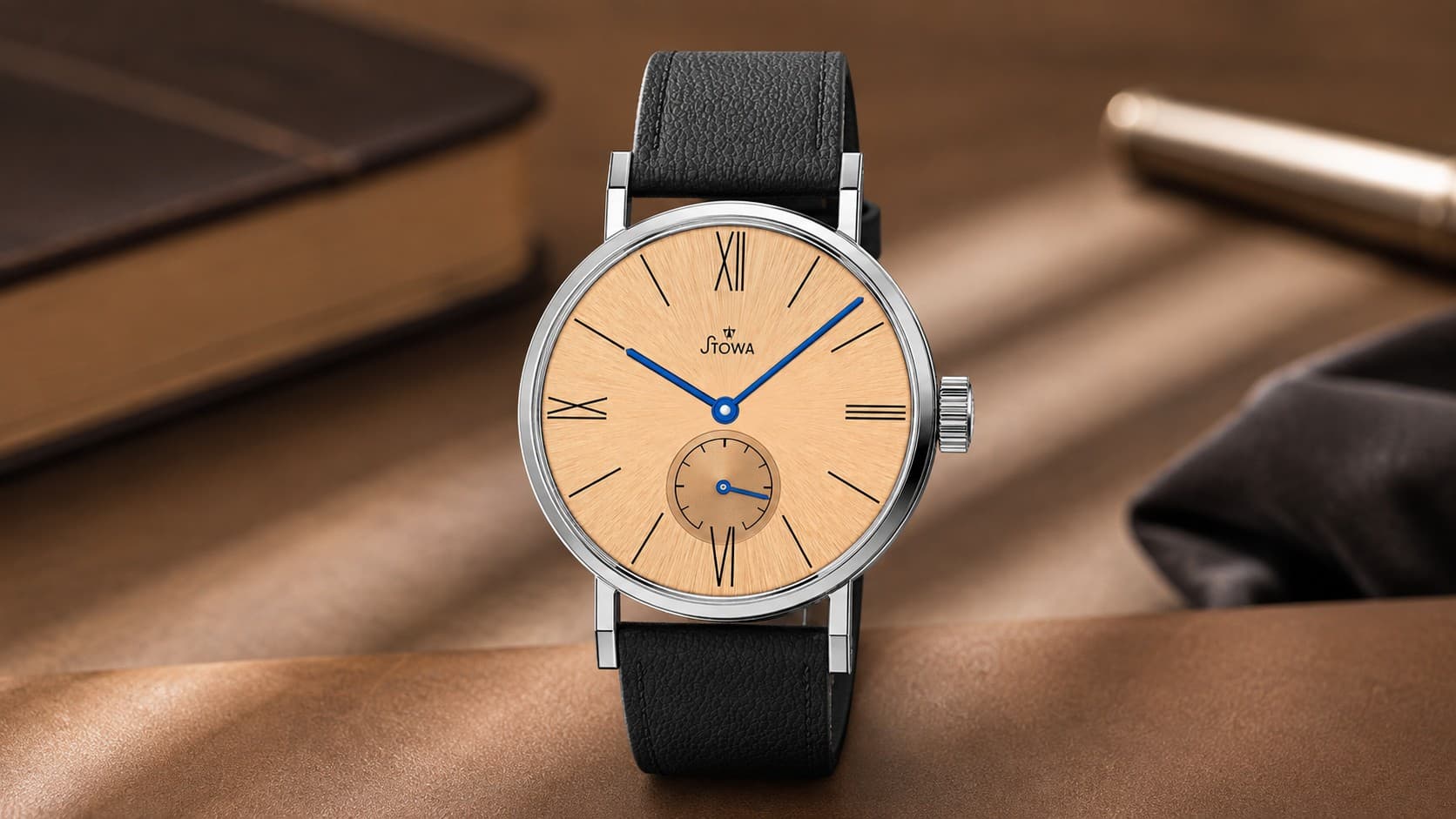
  • Stowa claims historical significance as one of the original producers of Bauhaus-style dials in the 1930s, working with the Pforzheim-based manufacturer Weber & Baral who created some of the earliest examples of minimalist watch face design. Their modern Antea collection recreates these historical designs with contemporary manufacturing techniques, offering hand-wound and automatic movements in cases that preserve the proportions and typography of pre-war examples. Stowa watches often feature Arabic numerals and railway minute tracks that directly reference 1930s German timekeeping traditions.
  • Mondaine gained international recognition for their Swiss Railways collection, which adapts the famous Swiss Federal Railways clock design for wristwatches. While not German in origin, these timepieces embody Bauhaus principles through their ultimate focus on legibility and functional clarity. The distinctive red second hand and bold Arabic numerals create instantly recognizable timepieces that prioritize public timekeeping efficiency over decorative appeal, perfectly exemplifying the “form follows function” philosophy.
  • Defakto represents a newer generation of German manufacturers committed to authentic Bauhaus interpretation rather than simply minimalist styling. Founded by watchmakers with backgrounds in traditional German timepiece production, the brand creates limited production watches that emphasize geometric precision and material honesty. Their cases feature sharp edges and flat surfaces that reference architectural elements, while movements are chosen specifically for their functional reliability rather than decorative appeal.

These manufacturers demonstrate different approaches to honoring Bauhaus heritage - some through direct historical connections, others through faithful interpretation of the movement’s core principles. The most successful examples avoid the trap of simply creating “clean” designs, instead embracing the deeper philosophy of creating objects where every element serves both functional and aesthetic purposes. This commitment to meaningful minimalism rather than superficial simplicity distinguishes authentic Bauhaus watches from the numerous minimalist timepieces that adopt similar visual language without understanding the underlying design philosophy.

How to Spot Authentic Bauhaus Watches

Distinguishing authentic Bauhaus-inspired timepieces from watches that simply adopt minimalist styling requires understanding the deeper principles behind the aesthetic choices. Many modern watches claim Bauhaus influence while missing the fundamental philosophy that every element must serve both functional and aesthetic purposes. True Bauhaus watches demonstrate careful consideration of proportion, typography, materials, and construction that goes far beyond surface-level simplicity. Learning to recognize these authentic characteristics helps avoid timepieces that are merely “clean” without embracing the meaningful minimalism that defines genuine Bauhaus design.

  • Dial layout reveals the most telling characteristics, with authentic Bauhaus watches featuring mathematically precise spacing between all elements. Hour markers, numerals, and minute tracks are positioned using geometric relationships rather than arbitrary placement. The dial surface itself remains unadorned, avoiding textures, patterns, or decorative elements that don’t contribute to legibility. White, cream, or light-colored backgrounds predominate because they provide maximum contrast for time-reading elements while maintaining the honest, undecorated aesthetic central to Bauhaus philosophy.
  • Typography and numerals follow specific design principles, typically employing custom sans-serif fonts or clean Arabic numerals with consistent stroke thickness and spacing. Authentic examples avoid ornate scripts, Roman numerals, or decorative number styles that prioritize appearance over clarity. The size and positioning of text elements, including brand names and model designations, are carefully balanced to avoid competing with primary timekeeping functions. Many true Bauhaus watches feature specially designed typefaces that reference the movement’s graphic design heritage.
  • Hand design emphasizes clarity and proportion over decoration, with most authentic examples using straight, geometric shapes rather than curved or ornamental profiles. Hour and minute hands maintain consistent width relationships and are sized to provide optimal contrast against the dial without overwhelming other elements. Second hands, when present, typically appear as simple lines or basic geometric shapes that complement rather than compete with primary time indicators. Heat-blued steel hands that shift color subtly in different lighting conditions are acceptable when they serve the functional purpose of improved visibility.
  • Case construction demonstrates the “honest materials” principle through straightforward geometric shapes without unnecessary decoration or complex curves. Authentic Bauhaus watches typically feature thin profiles that prioritize wearing comfort and versatility over visual impact. Bezels remain minimal or entirely absent, allowing the dial to dominate the design. Lugs are often angular or geometric rather than curved, reflecting the movement’s preference for mathematical precision over organic forms.
  • Material choices emphasize functionality and accessibility over luxury status, with stainless steel cases being preferred for their durability, machinability, and democratic appeal. When precious metals appear, they’re used honestly without plating or deceptive treatments. Crystal selection typically favors clarity and scratch resistance, with modern examples often using sapphire glass despite higher costs because it better serves the functional goal of dial protection and legibility.
  • Proportional relationships between all elements follow mathematical principles rather than intuitive styling, creating watches that feel balanced and composed from every angle. The ratio of case diameter to dial opening, hand lengths to case size, and marker dimensions to available space all demonstrate careful calculation rather than arbitrary decision-making. This attention to proportion distinguishes professionally designed Bauhaus watches from simple or cheaply made minimalist alternatives.
  • Brand philosophy and historical connection matter significantly, with authentic examples typically coming from manufacturers who understand and embrace Bauhaus principles rather than simply copying visual elements. Companies with genuine connections to the movement, direct collaboration with Bauhaus-trained designers, or demonstrated commitment to the underlying philosophy tend to produce more authentic interpretations than brands merely following minimalist trends.
  • Manufacturing quality reflects the movement’s emphasis on honest construction and functional excellence, with authentic Bauhaus watches typically featuring superior finishing, reliable movements, and attention to detail that serves practical rather than decorative purposes. Poor quality control, visible shortcuts, or construction methods that prioritize cost over function contradict the movement’s core values regardless of visual similarity to established examples.

Recognizing these characteristics helps distinguish timepieces that embody genuine Bauhaus principles from those that simply adopt minimalist aesthetics without understanding the philosophical foundation. Authentic Bauhaus watches feel purposeful and considered in every detail, demonstrating that meaningful design requires more than just removing decorative elements - it demands thoughtful integration of function, proportion, and honest materials in service of human needs.

The contemporary appeal of Bauhaus watches reflects broader cultural shifts toward mindful consumption, digital minimalism, and authentic craftsmanship in an increasingly complex world. Modern consumers gravitate toward these timepieces not just for their aesthetic simplicity, but because they represent deeper values of intentionality, sustainability, and functional beauty that resonate with current lifestyle priorities. Understanding why these nearly century-old design principles remain so compelling reveals how Bauhaus watches serve as antidotes to both visual clutter and throwaway consumer culture, offering something genuinely meaningful in a marketplace often dominated by fleeting trends and superficial novelties.

  • Timeless design transcends fashion cycles, making Bauhaus watches smart long-term investments that won’t appear dated as trends change. While many contemporary timepieces rely on current styling cues that quickly become recognizable markers of specific eras, Bauhaus watches deliberately avoid temporal references that could make them feel outdated. Their mathematical proportions, carefully considered typography, and honest material choices create designs that remain fresh and relevant regardless of what’s currently fashionable, appealing to consumers tired of constantly replacing accessories to stay current.
  • Versatility across different contexts makes these watches remarkably practical for modern lifestyles that blur traditional boundaries between formal and casual settings. A quality Bauhaus watch transitions seamlessly from business meetings to weekend activities, from casual dinners to black-tie events, eliminating the need for multiple timepieces to serve different functions. This adaptability particularly appeals to minimalist-minded consumers who prefer owning fewer, higher-quality items that serve multiple purposes rather than accumulating specialized accessories for every occasion.
  • Digital detox benefits emerge from wearing mechanical timepieces that provide analog time reading without screens, notifications, or digital distractions. As smartphones and smartwatches increasingly dominate personal technology, traditional Bauhaus watches offer intentional disconnection from constant digital stimulation. The simple act of reading time from analog hands on a clean dial creates mindful moments throughout the day, supporting growing awareness about the importance of periodic breaks from digital information overload.
  • Accessible luxury philosophy aligns with modern values about democratic good design, as Bauhaus watches often provide sophisticated aesthetics and quality construction at more reasonable price points than traditional luxury timepieces. Many Bauhaus-inspired brands specifically embrace the movement’s original goal of making excellent design accessible to broader audiences, creating watches that feel premium without requiring enormous financial investment. This approach appeals to consumers who appreciate fine craftsmanship but reject exclusivity-based luxury marketing.
  • Stress reduction through visual calm proves increasingly valuable in environments filled with competing demands for attention, complex interfaces, and overwhelming choice. Bauhaus watch dials provide visual respite through their uncluttered layouts, neutral color schemes, and harmonious proportions that create feelings of order and tranquility. Many wearers report that simply looking at these watches during busy days provides momentary stress relief, demonstrating how thoughtful design can positively impact daily emotional experiences.
  • Authenticity and craftsmanship appreciation grows as consumers become more educated about manufacturing processes and material quality, leading to greater appreciation for the honest construction methods typical of Bauhaus watchmaking. Brands committed to genuine Bauhaus principles tend to emphasize transparent communication about their materials, movements, and manufacturing techniques, appealing to consumers who want to understand and value the objects they purchase rather than simply responding to marketing claims.
  • Environmental consciousness drives interest in durable, repairable timepieces that can last decades rather than requiring frequent replacement. Bauhaus design philosophy’s emphasis on functional excellence and honest materials typically results in watches built for longevity, appealing to consumers concerned about sustainability and waste reduction. The movement’s focus on timeless rather than trendy design also supports longer product lifecycles, as owners are less likely to tire of watches that avoid fashionable elements destined to become outdated.
  • Professional versatility makes Bauhaus watches particularly appealing to careers requiring polished appearance without ostentation, as their understated elegance communicates competence and good judgment without appearing flashy or inappropriate. Many professionals appreciate timepieces that enhance their credibility without drawing attention away from their work or appearing to make statements about wealth or status that might create uncomfortable dynamics in workplace relationships.

This combination of practical benefits and deeper cultural alignment explains why Bauhaus watches continue gaining popularity even as smartwatches and smartphones provide more convenient timekeeping solutions. They serve needs beyond mere time reading, offering tangible connections to values of simplicity, quality, and intentional living that many people crave in an increasingly complex and fast-paced world.

How to Style Bauhaus Watches

Bauhaus-style watch with black dial, white Arabic numerals, red second hand, and brown leather strap showcasing minimalist design principles

The remarkable versatility of Bauhaus watches stems from their intentionally neutral design language, which allows them to complement rather than compete with clothing choices across a wide range of formality levels. Understanding how to style these timepieces effectively requires recognizing that their understated elegance serves as a sophisticated foundation that enhances rather than dominates overall appearance. The key lies in appreciating how their clean lines, restrained color palettes, and honest materials work harmoniously with different outfit contexts while maintaining the wearer’s personal style integrity rather than making bold fashion statements.

  • Business casual styling showcases Bauhaus watches at their most natural, where their professional appearance supports credibility without appearing ostentatious or distracting from work-focused interactions. Pair them with well-fitted chinos or dress trousers, button-down shirts, and blazers for meetings, presentations, or office environments where polished appearance matters but formal dress codes don’t apply. The neutral tones typical of Bauhaus dials work seamlessly with navy, gray, charcoal, and earth-toned clothing, while their thin profiles slide easily under shirt cuffs without creating bulk or drawing unwanted attention during professional activities.
  • Formal wear applications demonstrate the watches’ ability to provide sophisticated time-telling without competing with elegant evening attire or traditional business suits. For black-tie events, choose Bauhaus watches with white or cream dials and simple leather straps that complement formal accessories without violating dress code conventions. The clean aesthetics work particularly well with single or double-breasted suits, where ornate or sporty watches might appear inappropriate or clash with the refined atmosphere that formal occasions demand.
  • Weekend casual combinations reveal how these timepieces elevate relaxed outfits through their inherent quality and thoughtful design, transforming simple clothing into more considered ensembles. Bauhaus watches pair excellently with well-fitted jeans, quality sweaters, casual button-downs, and clean sneakers or leather shoes, adding sophistication to weekend activities without appearing overdressed or precious. Their minimalist aesthetics complement the current trend toward elevated casual wear, where simple pieces in quality materials create refined looks appropriate for diverse social settings.
  • Strap selection dramatically influences how Bauhaus watches integrate with different outfit styles, offering opportunities to customize their appearance while maintaining design integrity. Black or brown leather straps work universally with most clothing colors and formality levels, while navy, gray, or tan options can coordinate with specific color schemes. Metal bracelets, when available, create slightly more formal appearances suitable for business settings, while NATO straps or canvas alternatives can make the same watch feel more casual and adventure-ready for outdoor activities.
  • Color coordination requires understanding how neutral Bauhaus dial colors interact with clothing palettes, taking advantage of their versatility while avoiding combinations that might feel discordant or forced. White and cream dials work with virtually any color scheme, while black dials provide elegant contrast with lighter clothing while harmonizing with darker tones. When watches feature subtle accent colors like blue hands or colored seconds indicators, these can be echoed in pocket squares, ties, or other accessories for those who enjoy coordinated details.
  • Seasonal adaptability allows Bauhaus watches to transition effectively between different weather and activity requirements through thoughtful strap choices and outfit combinations. Summer styling might emphasize lighter leather straps or fabric alternatives that feel appropriate with linen shirts and lightweight fabrics, while winter combinations can include heartier leather straps that complement wool sweaters and heavier fabrics. The timeless design ensures these watches never feel seasonally inappropriate or dated.
  • Personal style integration happens most successfully when Bauhaus watches are chosen to complement rather than conflict with individual aesthetic preferences and lifestyle requirements. Those who prefer classic, traditional styling will find these watches enhance conservative wardrobe choices, while people drawn to modern minimalism can use them as focal points that demonstrate appreciation for thoughtful design. The key lies in selecting examples that feel authentic to personal taste rather than following prescriptive style rules that might feel artificial.
  • Occasion appropriateness becomes intuitive once the wearer understands how Bauhaus watches naturally adapt to different social and professional contexts through their inherent versatility and understated presence. They work equally well at art gallery openings and board meetings, family gatherings and client dinners, demonstrating the original movement’s success in creating designs that serve human needs across diverse situations without requiring specialized accessories for different functions.

The most successful Bauhaus watch styling occurs when wearers appreciate these timepieces as design objects that enhance overall appearance through quality and restraint rather than flashy display, creating looks that appear effortless and considered rather than obviously coordinated or fashion-conscious.

How to Care for Bauhaus Watches

Proper maintenance of Bauhaus watches requires understanding how their specific design elements and materials respond to different cleaning methods and environmental conditions. The minimalist aesthetics that define these timepieces demand careful attention to preserve their clean appearance, while their often delicate crystals and refined finishes need gentle handling to maintain the precision that makes them so appealing. Caring for these watches involves more than basic cleaning - it requires protecting the qualities that make them authentic expressions of Bauhaus design philosophy, from crystal clarity to case finishing to strap integrity.

  • Crystal care varies significantly depending on whether your Bauhaus watch features sapphire, mineral, or acrylic glass, with each material requiring different approaches to maintain optimal clarity and prevent damage. Sapphire crystals, found on higher-end models, resist scratching but can still be damaged by impact, requiring gentle cleaning with microfiber cloths and mild soap solutions. Acrylic crystals, common on vintage-inspired pieces like the Junghans Max Bill, scratch more easily but can often be polished to remove minor marks using specialized compounds. Always clean crystals in circular motions with minimal pressure, avoiding paper towels or rough cloths that could create microscopic scratches that accumulate over time.
  • Dial protection requires extreme caution since the clean surfaces that define Bauhaus aesthetics show every speck of dust or fingerprint, while attempting to clean dial surfaces directly can damage delicate printing or applied markers. Never attempt to clean dials directly unless you have professional training and proper tools. Instead, focus on keeping crystals spotlessly clean to maintain clear dial visibility, and ensure crown positions are properly sealed to prevent dust or moisture from entering the case. If dial contamination occurs, professional servicing is usually required to safely clean internal components without damaging the precise typography and markers that define authentic Bauhaus design.
  • Case maintenance depends heavily on the specific finish and material, with polished stainless steel cases requiring different care than brushed or matte surfaces that could be damaged by inappropriate cleaning methods. For polished cases, use soft microfiber cloths and gentle circular motions to maintain the reflective surface, while brushed finishes may benefit from light cleaning along the grain direction to preserve the intended texture. Avoid abrasive cleaners or rough cloths that could alter the surface finish, particularly important for Bauhaus watches where case finishing contributes significantly to the overall aesthetic impact.
  • Strap care requires material-specific approaches that preserve both appearance and structural integrity, with leather straps needing completely different treatment than metal bracelets or synthetic alternatives. Leather straps should be kept dry whenever possible, cleaned only with slightly damp cloths and appropriate leather conditioners applied sparingly to prevent stiffening or color changes. Metal bracelets can be cleaned more aggressively with warm soapy water and soft brushes to remove accumulated oils and debris from link connections, but always ensure thorough drying to prevent corrosion.
  • Water resistance considerations become particularly important for vintage-inspired Bauhaus watches that may prioritize aesthetic authenticity over modern sealing technology, requiring extra caution during cleaning and daily wear. Always verify water resistance ratings before exposing watches to moisture, and remember that ratings can decrease over time due to gasket aging or crystal damage. For non-water-resistant pieces, use only barely damp cloths for cleaning and avoid any moisture near crown or case openings that could allow water infiltration into delicate movements.
  • Movement protection focuses on maintaining proper lubrication and avoiding shock damage that could affect the precise timekeeping essential to Bauhaus watch functionality. Automatic movements should be kept wound through regular wear or careful hand-winding, while hand-wound movements require gentle, consistent winding techniques that avoid overwinding stress. Store watches dial-up when not wearing them to minimize movement stress, and avoid magnetic fields from electronics that could affect timekeeping accuracy.
  • Environmental considerations involve protecting watches from temperature extremes, direct sunlight, and chemical exposure that could damage cases, crystals, or strap materials over time. Store Bauhaus watches in cool, dry environments away from cosmetics, cleaning products, or other chemicals that could cause discoloration or material degradation. UV exposure can fade leather straps and some dial colors, while extreme temperatures can affect movement lubrication and crystal integrity.
  • Professional servicing schedules should be maintained according to manufacturer recommendations, typically every 3-5 years for mechanical movements, to ensure continued accuracy and prevent wear that could compromise the watch’s performance or appearance. Professional cleaning during service intervals removes accumulated oils and debris that home cleaning cannot address, while movement inspection ensures continued reliability. Choose service providers familiar with your specific brand and model to maintain authenticity and preserve value.

Regular, gentle maintenance preserves the qualities that make Bauhaus watches appealing while protecting the investment they represent, ensuring these timepieces continue expressing their design philosophy through precise function and clean aesthetics for years of reliable service.

Frequently Asked Questions About Bauhaus Watches

Bauhaus watch design continues to fascinate both newcomers and experienced collectors, but the philosophy and characteristics behind these timepieces often raise questions. From understanding what makes a watch truly “Bauhaus” to practical concerns about styling and maintenance, these frequently asked questions address the most common curiosities about this influential design movement and help clarify what sets authentic Bauhaus watches apart from simple minimalist timepieces.

What exactly is a Bauhaus watch?

A Bauhaus watch is a timepiece designed according to the principles of the German Bauhaus design movement from 1919-1933. These watches emphasize “form follows function,” featuring clean lines, minimal ornamentation, geometric shapes, and maximum legibility. They strip away unnecessary decorative elements to focus purely on clear time display, resulting in timeless designs that remain relevant decades after creation.

Are Bauhaus watches only made by German companies?

No, while German brands like Junghans, Nomos, and Stowa are most famous for Bauhaus watches, manufacturers worldwide create timepieces inspired by these principles. However, German brands often have the strongest historical connections, with some like Junghans directly collaborating with actual Bauhaus school graduates like Max Bill.

What’s the difference between a Bauhaus watch and a minimalist watch?

While all Bauhaus watches are minimalist, not all minimalist watches follow Bauhaus principles. True Bauhaus watches adhere to specific design philosophy emphasizing functional beauty, honest materials, mathematical proportions, and democratic accessibility. Many “minimalist” watches simply remove decorative elements without embracing the deeper philosophical foundation of making excellent design accessible to everyone.

Why are Bauhaus watches so expensive if they look so simple?

The apparent simplicity of Bauhaus watches often conceals sophisticated engineering, high-quality materials, and precise manufacturing. Creating perfectly proportioned, mathematically balanced designs requires significant expertise. Many authentic Bauhaus brands also use in-house movements, sapphire crystals, and premium materials while maintaining traditional manufacturing methods that justify higher prices.

Can I wear a Bauhaus watch with formal attire?

Absolutely. Bauhaus watches excel in formal settings because their understated elegance complements rather than competes with dress codes. Their thin profiles slide easily under shirt cuffs, while neutral color schemes work with any formal wear. The sophisticated simplicity communicates good taste without appearing flashy or inappropriate for professional environments.

How do I tell if a watch is truly Bauhaus-inspired or just marketed that way?

Look for key characteristics: mathematically precise dial layouts, custom typography, thin case profiles, honest material use, and restrained color palettes. Authentic Bauhaus watches demonstrate careful attention to proportion and functionality. Avoid watches with unnecessary complications, decorative elements, or poor quality construction that contradicts the movement’s emphasis on functional excellence.

Are Bauhaus watches suitable for everyday wear?

Yes, their versatile design makes Bauhaus watches excellent daily companions. They transition seamlessly between casual and professional settings, while their focus on legibility and functionality serves practical needs. However, check water resistance ratings and choose appropriate models for your lifestyle, as some vintage-inspired pieces prioritize aesthetics over ruggedness.

What size should I choose for a Bauhaus watch?

Traditional Bauhaus watches were smaller (32-36mm), but modern versions often range from 35-42mm. Choose based on your wrist size and personal preference, but remember that the design philosophy favors proportion and restraint over boldness. Smaller sizes often feel more authentic to the original movement’s aesthetic principles.

Do Bauhaus watches hold their value?

Quality Bauhaus watches from respected brands often retain value well due to their timeless design and growing appreciation for the aesthetic. Brands with strong historical connections or in-house movements tend to hold value better. However, like any watch, condition, rarity, and brand reputation significantly impact resale value.

How often should I service my Bauhaus watch?

Mechanical Bauhaus watches typically need servicing every 3-5 years, depending on the movement and usage. Quartz versions require less frequent servicing but need battery replacements every 1-3 years. Regular maintenance preserves both functionality and appearance, which is especially important for watches whose appeal depends on clean, precise aesthetics.

Can I change the strap on my Bauhaus watch?

Most Bauhaus watches have standard lug widths allowing strap changes. Leather straps in black, brown, or neutral colors maintain the aesthetic, while metal bracelets can add formality. NATO straps or canvas options create more casual appearances. Choose straps that complement rather than conflict with the watch’s minimalist design principles.

Are there affordable alternatives to expensive Bauhaus watches?

Yes, many brands offer Bauhaus-inspired watches at various price points. Orient, Timex, and various microbrands create affordable options, though they may compromise on materials or movements compared to premium examples. Focus on design authenticity and build quality rather than just low prices when seeking budget alternatives.

What’s the most iconic Bauhaus watch ever made?

The Junghans Max Bill, designed by actual Bauhaus student Max Bill in 1961, is often considered the most authentic Bauhaus watch. The Nomos Tangente, while created decades later, has become iconic for reviving interest in the aesthetic. Both represent different approaches to interpreting Bauhaus principles in watchmaking.

Do Bauhaus watches work for women?

Absolutely. The clean, geometric designs transcend gender boundaries, and many Bauhaus watches come in sizes suitable for various wrist sizes. The sophisticated minimalism appeals to anyone appreciating thoughtful design. Some brands offer specific women’s versions, but traditional models often work well regardless of gender.

How do I clean my Bauhaus watch safely?

Use soft microfiber cloths for crystals and cases, avoiding harsh chemicals or abrasive materials. For water-resistant models, gentle soap and water cleaning is acceptable, but always ensure crowns are properly sealed. Leather straps need special care with appropriate conditioners. When in doubt, professional cleaning preserves the watch’s appearance and value.

Conclusion

Bauhaus watch design represents far more than a simple aesthetic choice - it embodies a fundamental philosophy about how objects should serve human needs while maintaining dignity and beauty. From its origins in Walter Gropius’s revolutionary design school to its modern interpretation by brands like Junghans, Nomos, and countless others, this movement has proven that meaningful design transcends temporary fashion trends. The enduring appeal of these timepieces lies not in their surface simplicity, but in their thoughtful integration of function, proportion, and honest materials that create objects of lasting relevance and genuine utility.

The characteristics that define authentic Bauhaus watches - clean dial layouts, geometric precision, restrained color palettes, and focus on legibility - continue resonating with contemporary consumers seeking alternatives to both ostentatious luxury and disposable fashion accessories. These timepieces offer a middle path that provides sophisticated design without pretension, quality construction without exclusivity, and timeless aesthetics without sacrificing functionality. Their versatility across different contexts, from business meetings to casual weekends, demonstrates the success of the original movement’s goal of creating design that serves diverse human needs.

As we navigate an increasingly complex world filled with digital distractions and throwaway consumer culture, Bauhaus watches offer tangible connections to values of intentionality, craftsmanship, and mindful consumption. They remind us that good design doesn’t require complexity or ornamentation - sometimes the most profound beauty emerges from understanding exactly what’s essential and expressing it with perfect clarity. Whether you’re drawn to the historical authenticity of a Max Bill chronograph or the modern interpretation of a Nomos Tangente, choosing a Bauhaus watch means embracing a century-old philosophy that beauty and function can coexist in perfect harmony.