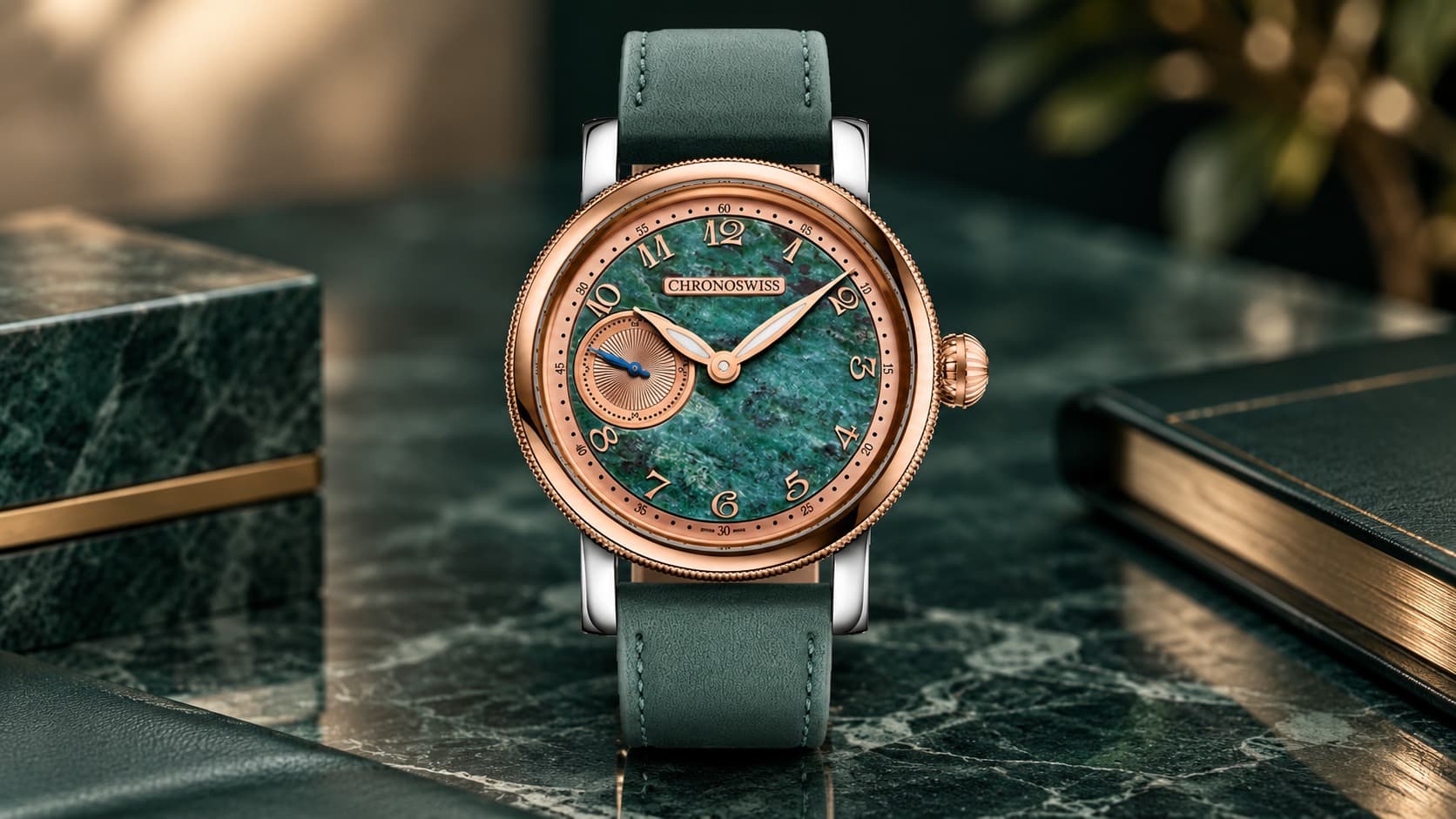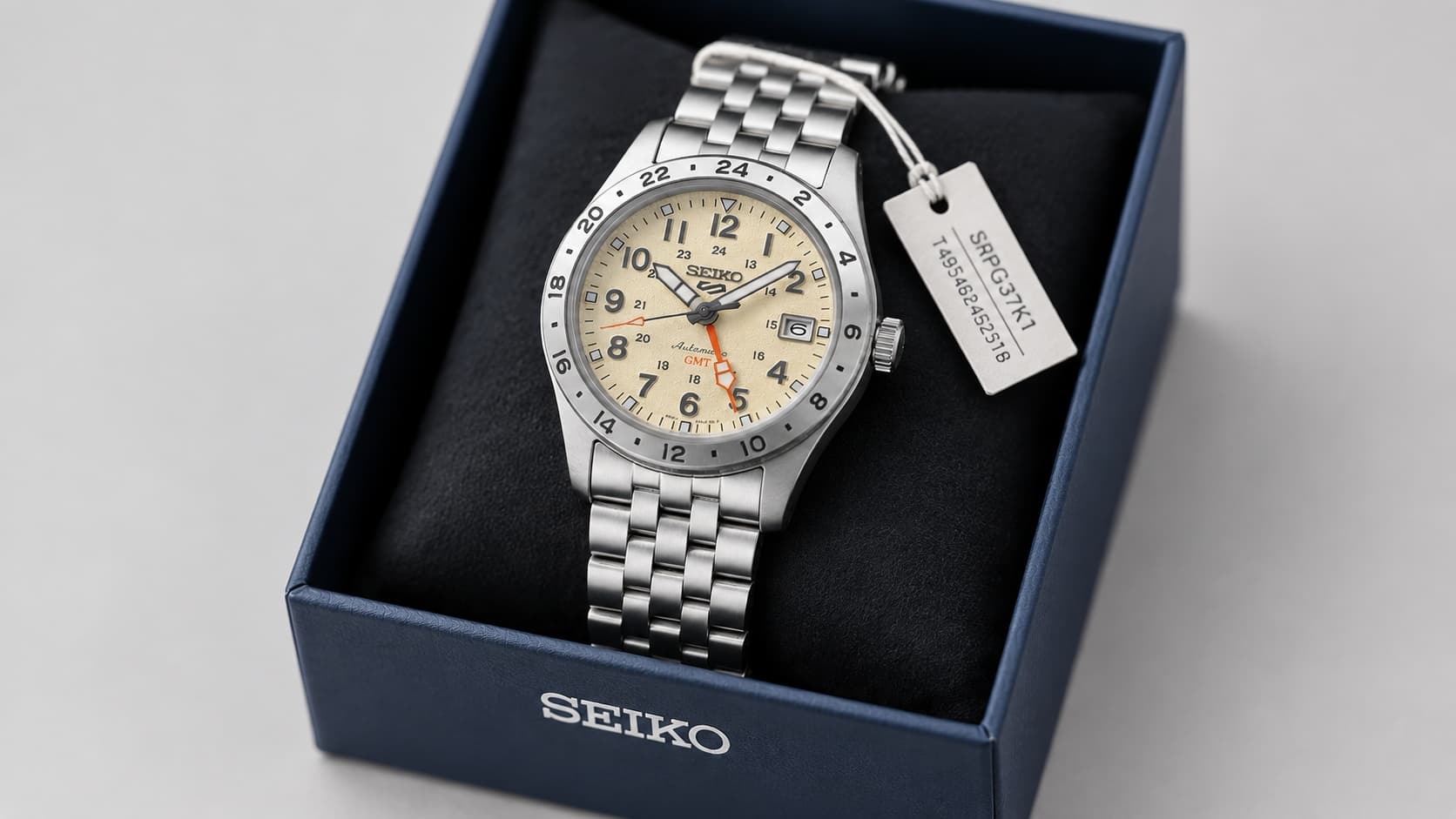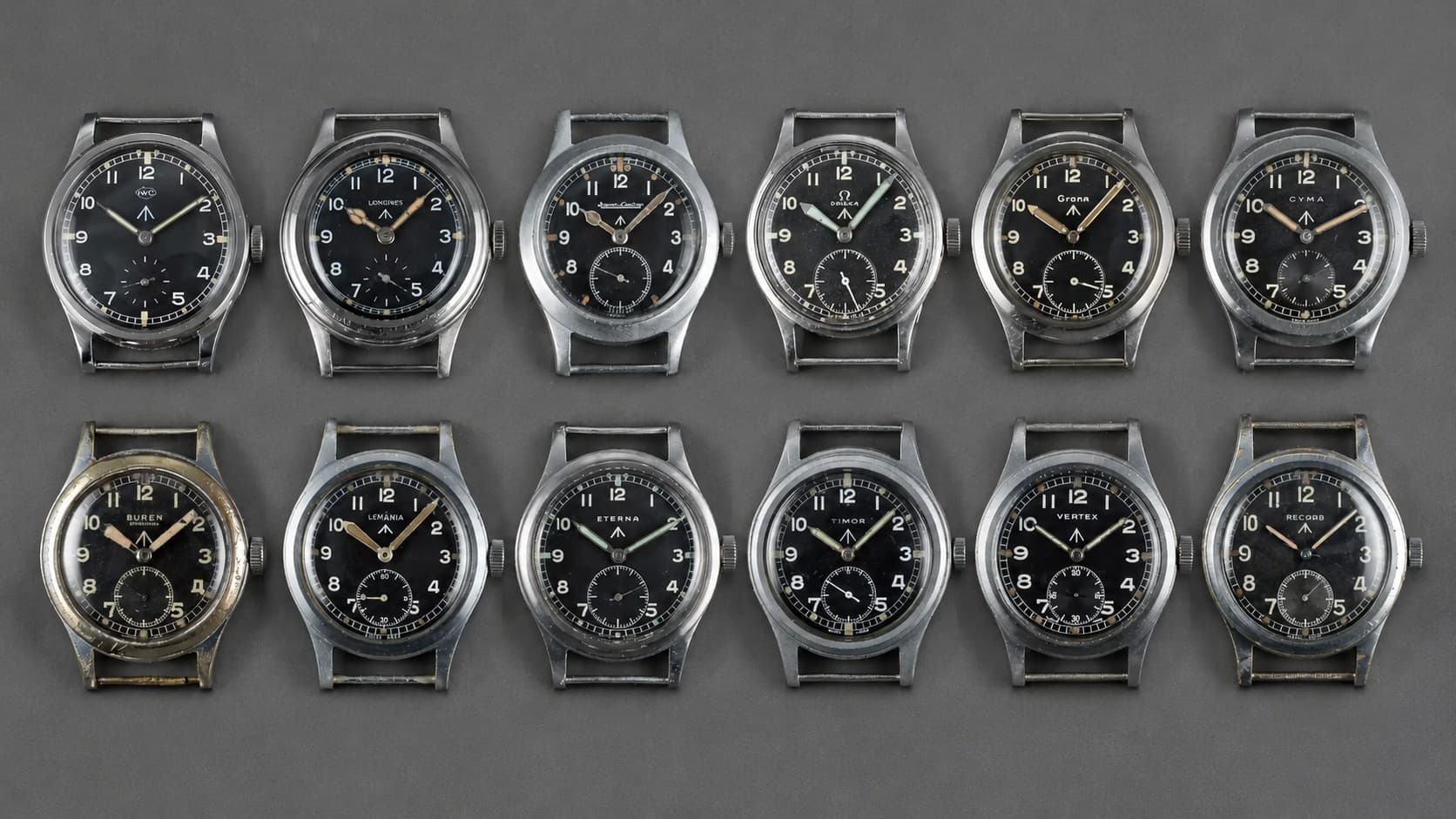
An automatic watch is a mechanical timepiece that winds itself through your natural wrist movements, eliminating the need for daily manual winding or battery changes. Unlike quartz watches that use electronic circuits, automatic watches capture kinetic energy through a rotor system that converts arm movements into stored power in a coiled mainspring. This self-sustaining mechanism transforms random motion into precise timekeeping through hundreds of components working together. First invented in the 1770s, automatic watches have evolved into sophisticated instruments combining convenience with mechanical craftsmanship. From $200 Seiko models to $100,000+ Patek Philippe pieces, they all share one principle: your daily activities power the watch, creating a unique connection between wearer and timepiece.
How Do Automatic Watches Work?
Automatic watches create their own power through the simple act of wearing them, using your natural arm movements to keep the mechanism running indefinitely. The heart of this system is a weighted rotor that spins inside the watch case, capturing energy from your daily activities and storing it in a spring-loaded barrel that gradually releases power to drive the timekeeping components.
- The weighted rotor acts like a pendulum inside your watch, spinning freely on ball bearings whenever you move your arm. This crescent-shaped piece of metal weighs between 4-8 grams and is typically made from dense materials like tungsten or gold to maximize its momentum from even small wrist movements during typing, walking, or gesturing.
- Your wrist motion gets converted into useful energy through a clever gear system that only allows the rotor to wind the mainspring in one direction, preventing it from unwinding when the rotor spins backward. This unidirectional winding system uses tiny pawls and ratchet wheels to ensure every movement contributes to powering your watch.
- The mainspring stores all this captured energy in a tightly coiled steel ribbon that can be over a foot long but thinner than human hair. When fully wound, this spring contains enough potential energy to run your watch for 1-3 days, gradually unwinding to power the gear train that moves the hands around the dial.
- Energy flows from the mainspring through a series of precisely sized gears that reduce the spring’s rapid unwinding into the steady, measured pace needed for accurate timekeeping. The gear ratios are mathematically calculated so the hour hand completes exactly one rotation every 12 hours while the minute hand makes 12 rotations in the same period.
- The escapement mechanism controls the release of energy from the gear train in precise, tiny pulses that create the familiar ticking sound. This component uses a balance wheel that rocks back and forth like a pendulum, with each swing allowing exactly one tooth of the escape wheel to pass through, maintaining consistent timing.
- Modern automatic watches achieve remarkable accuracy through advanced materials and manufacturing techniques, typically keeping time within 4-6 seconds per day when properly regulated. The balance wheel oscillates at 28,800 beats per hour, creating the smooth sweeping motion of the seconds hand that distinguishes mechanical watches from quartz timepieces.
This ingenious system transforms the random motion of daily life into precise timekeeping without requiring any external power source. The beauty lies in its self-sufficiency - as long as you wear the watch regularly, it maintains itself through your natural movements, creating a symbiotic relationship between the timepiece and its owner that has fascinated watch enthusiasts for over two centuries.
Automatic Watch Movement Parts
The complexity of an automatic watch becomes apparent when examining its individual components, each precisely engineered to fulfill specific roles in the energy conversion and timekeeping process. These mechanical marvels contain hundreds of parts working in perfect synchronization, from the power generation system that captures wrist motion to the regulation components that ensure accurate timekeeping.
- The mainspring barrel houses the coiled steel ribbon that stores mechanical energy, functioning as the watch’s battery equivalent. This cylindrical container protects a spring that can stretch over 30 centimeters when unwound, made from specialized alloys like Nivaflex that maintain consistent torque output across the entire power reserve while resisting temperature fluctuations and metal fatigue over decades of use.
- The rotor assembly captures kinetic energy through a weighted mass that rotates on precision ball bearings, transferring motion through the automatic winding train to the mainspring. Full rotors provide maximum efficiency but add thickness, micro-rotors integrate within the movement plane for slim profiles, while peripheral rotors offer unobstructed movement views at the cost of increased complexity.
- The gear train reduces the mainspring’s rapid rotation to usable speeds through mathematically calculated ratios, with the center wheel completing one rotation per hour to drive the minute hand, the third wheel providing intermediate reduction, and the fourth wheel rotating once per minute for seconds hand operation. Each gear’s tooth count precisely maintains the 12:1 ratios necessary for proper hand coordination.
- The escapement mechanism serves as the movement’s regulator, controlling energy release through the interaction between the escape wheel’s angled teeth and synthetic ruby pallets mounted in the pallet lever. This Swiss lever design optimizes energy transfer while the carefully calculated lift angles ensure consistent impulse delivery to maintain timing accuracy throughout the power reserve.
- The balance assembly oscillates as the movement’s timekeeping heart, with the balance wheel’s inertia and the hairspring’s elastic properties determining the fundamental frequency. Modern balance wheels use Glucydur alloy for temperature stability, while Nivarox hairsprings resist magnetic interference and maintain consistent tension across varying conditions.
- Jewel bearings reduce friction at critical pivot points throughout the movement, typically numbering 17-25 synthetic rubies that are often smaller than 1mm in diameter. These microscopic bearings enable components to rotate with minimal wear while maintaining positional accuracy, with their hardness and smoothness contributing significantly to the movement’s longevity.
- The dial train connects the movement to the visible hands through the motion works, which translate the gear train’s rotation into proper hand positions via precise reduction ratios. The keyless works enable time setting by disconnecting the gear train and engaging the motion works directly for hand adjustment without affecting the running movement.
- The case and crystal protect these delicate components from environmental hazards while enabling visibility of the mechanical action. Modern cases use materials ranging from stainless steel to precious metals, with sapphire crystals providing scratch resistance and anti-reflective coatings improving legibility under various lighting conditions.
Each component represents decades of refinement in materials science and manufacturing precision, working together to create a self-sustaining mechanical system that can operate reliably for generations. The interdependence of these parts explains why automatic watches require skilled assembly and periodic maintenance, as the failure of any single component can affect the entire mechanism’s performance and accuracy.
Automatic vs Manual vs Quartz Watches
These three movement types represent fundamentally different approaches to timekeeping, each designed with distinct priorities in mind. Automatic watches prioritize convenience and mechanical sophistication, manual watches focus on traditional craftsmanship and user engagement, while quartz movements emphasize accuracy and practicality above all else.
- Automatic movements deliver exceptional convenience by eliminating daily winding rituals while maintaining the mechanical character that enthusiasts prize. These self-winding systems contain 200-300 precisely machined components working together, achieving daily accuracy of plus or minus 4-6 seconds when properly maintained and providing 38-80 hours of power reserve depending on the specific caliber.
- Manual wind watches strip away the automatic winding mechanism entirely, reducing component count to 130-200 parts while enabling thinner case profiles and often longer power reserves extending from 36 hours up to 168 hours in exceptional examples. However, they require daily crown winding of typically 20-40 turns to maintain full power, making them less convenient but appealing to those who enjoy the daily ritual.
- Quartz movements achieve superior accuracy of plus or minus 15 seconds per month through electronic regulation of a 32,768 Hz crystal oscillator, using only 15-30 components compared to hundreds in mechanical alternatives. They offer complete immunity to magnetic fields, temperature variations, and positional changes while providing 2-10 years of battery life with minimal maintenance requirements.
- Cost considerations vary dramatically across movement types, with entry-level automatics starting around $200 for quality Japanese movements, while Swiss examples begin near $500-800. Manual wind options often cost slightly less than their automatic counterparts due to reduced complexity, while quartz movements can deliver Swiss quality for under $300 in many cases.
- Thickness differences significantly impact watch design possibilities, as automatic movements require minimum 3-4mm height for the rotor mechanism, manual movements can achieve 2-3mm profiles, and quartz movements enable ultra-thin designs as slim as 1-2mm for dress watch applications where profile matters most.
- Durability characteristics differ substantially between movement types - automatic watches handle daily wear excellently but require professional service every 3-5 years, manual pieces share similar service needs with slightly better shock resistance due to fewer moving parts, while quartz movements resist impacts better but have limited electronic component lifespans.
- User experience varies greatly depending on personal preferences, with automatic watches providing the satisfaction of mechanical complexity and smooth sweeping seconds hands, manual watches offering intimate daily interaction through winding rituals, and quartz pieces delivering worry-free accuracy with minimal user intervention required.
The choice between these movement types ultimately reflects individual priorities regarding convenience, accuracy, mechanical appreciation, and intended usage patterns. Each approach has evolved to serve specific needs, making the selection process more about matching personal preferences than determining objective superiority in timekeeping technology.
Advantages of Automatic Watches
Automatic watches offer compelling benefits that extend far beyond simple timekeeping, combining mechanical sophistication with practical convenience in ways that create lasting value for their owners. These self-winding timepieces deliver a unique ownership experience that blends daily functionality with investment potential, craftsmanship appreciation, and environmental responsibility.
- Self-sustaining operation eliminates the daily maintenance rituals required by manual wind watches, as regular wear provides continuous power through natural wrist movement. A properly worn automatic watch maintains consistent accuracy and full power reserves without any conscious effort from the owner, making it ideal for daily wear scenarios where reliability matters most.
- Mechanical craftsmanship becomes visible and tangible in ways impossible with electronic alternatives, offering owners the satisfaction of owning precision machinery assembled by skilled artisans. Brands like A. Lange & Söhne showcase hand-finished movements requiring over 600 hours of skilled labor per watch, with decorative elements like perlage, Côtes de Genève, and hand-engraved balance cocks creating miniature works of art.
- The smooth sweeping seconds hand creates a mesmerizing visual effect as it glides around the dial in continuous motion rather than the stepped movement of quartz watches. This fluid motion results from the high-frequency oscillation of the balance wheel, typically beating at 28,800 times per hour to create 8 incremental steps per second.
- Investment potential distinguishes quality automatic watches from most consumer goods, with certain models appreciating significantly over time rather than depreciating immediately after purchase. Rolex Submariner models purchased for $8,950 in 2019 now command $12,000+ in secondary markets, while vintage pieces from the 1960s-1980s continue climbing in value as supply decreases and collector interest intensifies.
- Environmental friendliness emerges from the absence of batteries and electronic components that eventually require disposal, making automatic watches essentially carbon-neutral timepieces once manufactured. A well-maintained automatic watch can operate for decades or centuries without generating electronic waste, unlike quartz alternatives requiring battery replacements every 2-10 years.
- Generational longevity allows automatic watches to serve as heirloom pieces passed between family members, with proper maintenance enabling operation across multiple lifetimes. The mechanical nature means these watches can be repaired indefinitely as long as replacement parts remain available, unlike electronic devices with obsolescence built into their design.
- Heritage and tradition connect owners to centuries of horological development, as the fundamental principles behind modern automatic watches trace back to 18th-century innovations. Wearing an automatic watch links the owner to this rich history of human ingenuity and mechanical problem-solving that continues evolving today.
- Independence from external power sources provides reliability in situations where battery replacement might be difficult or impossible, making automatic watches particularly valued by travelers, outdoor enthusiasts, and professionals working in remote locations. The watch continues operating as long as it receives occasional movement, regardless of access to modern conveniences.
These advantages create emotional connections between owners and their timepieces that extend beyond mere functionality, explaining why automatic watches continue thriving despite the superior accuracy and convenience of modern alternatives. The combination of practical benefits and intangible satisfaction makes automatic watches compelling choices for those who appreciate mechanical excellence and craftsmanship heritage.
Disadvantages of Automatic Watches
Despite their mechanical appeal and craftsmanship, automatic watches come with inherent limitations that stem from their complex mechanical nature. These drawbacks require potential owners to weigh convenience against character, accuracy against artistry, and practical considerations against emotional satisfaction when choosing between automatic and alternative timekeeping solutions.
- Accuracy limitations prevent automatic watches from matching the precision of even basic quartz timepieces, with the best mechanical movements achieving daily variations of plus or minus 4-6 seconds compared to quartz accuracy of plus or minus 15 seconds per month. A $50,000 Patek Philippe performs no better timekeeping-wise than a $50 Casio quartz, creating practical challenges for those requiring precise time coordination.
- Service requirements impose ongoing ownership costs typically ranging from $300-800 every 3-5 years, representing substantial lifetime expenses that can exceed the watch’s original purchase price over decades of ownership. Complete movement servicing involves disassembly, cleaning, lubrication, regulation, and testing by skilled technicians, making maintenance far more complex than simple battery replacements.
- Sensitivity to external factors creates vulnerabilities absent in quartz alternatives, as magnetic fields above 1,000 Gauss can magnetize steel components and affect accuracy until professional demagnetization occurs. Temperature variations alter mainspring tension and escapement timing, while shock impacts risk damaging delicate pivots or disrupting the regulation system entirely.
- Thickness constraints limit design flexibility since automatic movements require minimum case heights of 3-4mm for rotor clearance, preventing the ultra-thin profiles achievable with quartz or manual wind alternatives. Popular models like the Rolex Submariner measure 12.5mm thick primarily due to automatic movement requirements, restricting dress watch applications where slim profiles matter most.
- Positional variations affect timekeeping accuracy as gravity influences the balance wheel differently depending on whether the watch sits dial-up, dial-down, or crown-up overnight. These positional errors can cause daily rate variations of several seconds, requiring careful regulation by skilled watchmakers to minimize across multiple orientations.
- Complexity increases failure points throughout the movement, as hundreds of interconnected components create multiple opportunities for problems compared to the 15-30 parts in quartz movements. Worn gear teeth, dried lubricants, damaged pivots, or contamination can affect the entire mechanism’s performance, making automatic watches more fragile than their electronic counterparts.
- Power reserve limitations mean automatic watches stop running after 24-72 hours without motion, requiring reset and regulation upon restarting. Complicated functions like moon phases, annual calendars, or dual time zones become problematic if the watch stops frequently, as resetting these features requires significant time and expertise.
- Cost premiums apply across all price ranges, with automatic versions typically commanding 50-200% price increases over comparable quartz alternatives from the same manufacturer. Entry-level automatic movements start around $200 while quality quartz options begin under $100, creating budget barriers for those seeking mechanical timepieces.
- Shock sensitivity remains a concern despite modern improvements, as impacts from sports activities or accidental drops can damage the delicate escapement components or knock the movement out of regulation. While modern automatic watches handle daily wear well, they require more careful treatment than rugged quartz alternatives designed for extreme conditions.
These limitations explain why automatic watches appeal primarily to enthusiasts who value mechanical complexity over pure functionality, requiring owners to accept reduced accuracy and increased maintenance in exchange for craftsmanship appreciation and heritage connection. The choice involves prioritizing emotional satisfaction over practical convenience, making automatic watches specialized tools for specific audiences rather than universal solutions.
How Long Do Automatic Watches Run?
Power reserve duration represents one of the most practical considerations for automatic watch ownership, determining how long the timepiece continues operating when removed from the wrist. This stored energy capacity varies dramatically between different calibers and manufacturers, influencing daily usage patterns and maintenance requirements for owners who rotate between multiple watches.
- Entry-level automatic movements typically provide 38-42 hours of power reserve through compact mainspring designs optimized for cost and reliability rather than extended operation. Popular calibers like the Seiko NH35 and Miyota 8215 fall into this category, offering sufficient reserve for overnight storage and weekend breaks while keeping manufacturing costs reasonable for budget-conscious buyers.
- Mid-range Swiss movements commonly achieve 48-72 hours of operation through improved mainspring metallurgy and optimized gear train efficiency, providing practical convenience for occasional wear patterns. The ETA 2824-2 delivers 38 hours while its successor Powermatic 80 extends this to 80 hours, demonstrating how technical improvements enhance user experience without dramatic cost increases.
- Extended power reserve calibers push engineering boundaries through innovative barrel designs and reduced friction systems, with some achieving 7-14 days of continuous operation. IWC’s 7-day movements use single mainsprings up to 2 meters long, while brands like Panerai offer 8-day reserves through twin barrel configurations that maintain consistent torque output throughout the extended duration.
- Extreme examples showcase technical prowess through multiple barrel systems and optimized energy consumption, reaching power reserves measured in weeks or months rather than days. A. Lange & Söhne’s Lange 31 achieves 31-day operation through dual mainspring barrels in series, while Hublot’s MP-05 LaFerrari reaches 50 days using 11 interconnected barrels arranged in a unique configuration.
- Real-world power consumption varies significantly based on individual wearing patterns and activity levels, as sedentary desk work provides less rotor motion than active lifestyles involving frequent arm movement. Watches worn continuously maintain optimal mainspring tension and full power reserves, while intermittent wear or insufficient daily activity reduces available power to 18-24 hours even in longer-rated movements.
- Environmental factors affect power reserve duration through temperature variations that alter mainspring tension and escapement timing, while humidity can increase friction and reduce efficiency. Extreme temperatures outside the 5-35°C operating range can decrease power reserves by 10-20%, making climate considerations important for travelers and outdoor enthusiasts.
- Complications consume additional power beyond basic timekeeping functions, with chronographs, GMT hands, and perpetual calendars reducing effective power reserves through their increased mechanical complexity. Simple time-only movements maximize available duration, while highly complicated pieces may require daily winding or watch winder systems to maintain continuous operation.
- Age and service condition directly impact power reserve performance, as worn gear teeth, dried lubricants, and accumulated contaminants increase friction throughout the movement. A freshly serviced watch typically delivers full specified power reserve, while pieces overdue for maintenance may lose 20-30% of their rated duration before complete service restoration.
- Power reserve indicators provide visual feedback on remaining energy through additional gear trains that measure mainspring tension, though these complications themselves consume small amounts of power. Brands like Lange, Glashütte Original, and Montblanc incorporate these useful displays into their movements, helping owners optimize winding schedules and avoid unexpected stops.
The practical implications of power reserve affect daily watch usage significantly, influencing decisions about watch rotation, travel timepieces, and collection management strategies. Longer reserves provide greater flexibility for occasional wear, while shorter durations suit dedicated daily watches that receive consistent wrist time and natural winding through regular activities.
Automatic Watch Maintenance
Proper care extends an automatic watch’s lifespan significantly while maintaining accuracy and preserving its investment value, requiring awareness of both daily precautions and long-term maintenance strategies. These mechanical instruments respond well to consistent care routines that protect delicate components from damage while ensuring optimal performance throughout their operational life.
- Daily wear provides the ideal care routine for automatic watches, as 8-15 hours of regular wrist time supplies adequate rotor motion for full winding while distributing lubricants evenly throughout the movement. Consistent wearing patterns maintain optimal mainspring tension and keep all components properly lubricated, preventing the stagnation that can occur when watches sit motionless for extended periods.
- Crown operation requires gentle handling to prevent expensive stem damage, particularly when manually winding or setting the time on automatic movements not designed for frequent crown manipulation. Always unscrew crowns slowly in a counterclockwise direction, wind with light pressure using only thumb and forefinger, and avoid overwinding by stopping when resistance increases noticeably.
- Water exposure demands respect for stated resistance ratings, as these specifications apply only to static pressure testing rather than dynamic real-world conditions involving movement and temperature changes. Watches rated to 30-50 meters handle hand washing and light rain, 100-200 meter pieces tolerate swimming and snorkeling, while true dive watches rated 300+ meters manage professional underwater activities.
- Magnetic field avoidance prevents accuracy problems that plague traditional steel movements, as modern electronics create stronger magnetic environments than historical timepieces ever encountered. Smartphones, laptop speakers, magnetic clasps, induction cooktops, and MRI machines generate fields strong enough to magnetize components, though anti-magnetic watches rated for 15,000+ Gauss provide complete immunity.
- Temperature extremes affect automatic watch performance through expansion and contraction of metal components, altered lubricant viscosity, and changed mainspring tension characteristics. Avoid exposing watches to temperatures below 0°C or above 60°C, remove timepieces before saunas or hot tubs, and allow gradual temperature adjustment when moving between extreme environments.
- Shock protection involves recognizing automatic watches’ mechanical vulnerability despite modern improvements in component strength and shock-absorbing systems. Remove watches before contact sports, heavy manual labor, or activities involving repetitive impacts, as sudden jolts can damage pivots, disrupt regulation, or cause components to shift within the movement.
- Cleaning procedures vary based on case materials and water resistance levels, with most automatic watches benefiting from gentle soap solutions and soft-bristled brushes for bracelet maintenance. Avoid harsh chemicals including household cleaners, perfumes, and sunscreens that can damage gaskets and case finishes, while ultrasonic cleaning should only be performed by qualified technicians.
- Storage considerations become critical for collectors owning multiple automatic watches, as proper storage prevents damage while maintaining accessibility for rotation schedules. Store watches in cool, dry environments away from magnetic sources, use individual compartments to prevent scratching, and consider watch winders for complicated pieces with moon phases or annual calendars requiring continuous operation.
- Service timing depends on usage intensity and environmental exposure, with daily-wear pieces typically requiring professional attention every 3-5 years while occasional-wear watches extend to 5-7 years between services. Warning signs demanding immediate attention include gaining or losing more than 30 seconds daily, crown operation difficulties, moisture inside the crystal, or complete stoppage during regular wear.
- Professional servicing involves complete movement disassembly, ultrasonic cleaning, worn part replacement, fresh lubrication application, precise reassembly, regulation adjustment, and water resistance testing. Costs range from $200-400 for basic Swiss movements to $600-1,200+ for luxury calibers, with authorized service centers often preferred over independent watchmakers for warranty and authenticity considerations.
Consistent care habits prevent minor issues from becoming expensive repairs while preserving both functionality and value throughout the watch’s operational life. The investment in proper maintenance pays dividends through extended accuracy, reduced repair frequency, and maintained resale value for those who treat their automatic watches as precision instruments deserving respectful handling.
Best Automatic Watch Brands
The automatic watch market spans diverse price segments, each offering distinct value propositions that reflect different manufacturing philosophies, heritage backgrounds, and target audiences. From accessible Japanese excellence to Swiss luxury icons, these brands have shaped the modern automatic watch landscape through innovation, marketing prowess, and consistent quality delivery across multiple decades.
- Seiko dominates the entry-level automatic segment through complete vertical integration that produces movements, cases, dials, and hands entirely in-house, enabling quality control and cost efficiency impossible for assembly-only competitors. The Seiko 5 Sports collection delivers robust 4R36 movements with hacking seconds and hand-winding capability for $200-$300, while Prospex dive watches provide professional-grade water resistance and field-tested durability starting around $400-$700.
- Orient focuses on traditional mechanical excellence with hand-assembled movements showcasing visible craftsmanship through open-heart dial designs that reveal the oscillating balance wheel. Their Bambino dress watch series offers elegant styling with in-house calibers for $150-$250, demonstrating how Japanese manufacturing can deliver Swiss-quality finishing at significantly lower prices while maintaining excellent reliability and accuracy standards.
- Tissot represents accessible Swiss heritage through ETA movement expertise and innovative Powermatic 80 technology that extends power reserves to 80 hours compared to standard 38-42 hour alternatives. The viral Tissot PRX Powermatic 80 at $800 demonstrates how vintage-inspired integrated bracelet designs create compelling value propositions that command premiums over quartz versions while maintaining Swiss positioning.
- Hamilton bridges American military heritage with Swiss precision manufacturing, leveraging authentic tool watch history and Hollywood connections for distinctive market positioning that appeals to enthusiasts seeking functional designs with historical significance. Khaki Field models starting at $699-$650 serve as modern interpretations of military specifications, while aviation-inspired pieces connect with pilot communities through authentic instrument aesthetics.
- Tudor has revolutionized mid-range luxury through in-house movement development and manufacturing synergies with sister company Rolex, creating calibers that rival Swiss giants while maintaining 30-40% price advantages. The Black Bay 58 at $3,000-$3,500 achieves near-Rolex quality with 70-hour power reserves and COSC certification, while their MT5xxx movements demonstrate technical capabilities justifying premium positioning over ETA-based competitors.
- Omega leverages space exploration heritage and James Bond associations for premium brand positioning backed by genuine technical innovations like Master Chronometer movements providing 15,000-gauss anti-magnetic resistance. Seamaster Professional models at $4,500-$5,500 combine tool watch functionality with luxury finishing, while Speedmaster heritage connects owners with NASA mission history and moon landing significance.
- Rolex defines luxury watch success through consistent price appreciation, artificial scarcity created by waiting lists, and vertical integration with proprietary materials like 904L steel and Cerachrom ceramic bezels. Current secondary market values exceed retail prices for steel sports models, with Submariner Date retail at $9,550 trading for $11,400+ while GMT-Master II models command $15,000+ versus $10,700 retail pricing.
- Patek Philippe represents haute horlogerie pinnacle through limited annual production of 68,000 pieces and generational marketing philosophy emphasizing multi-generational ownership rather than short-term fashion trends. Hand-finished movements with traditional decorative techniques justify $30,000-$76,000 pricing for simple Calatrava models, while the discontinued Nautilus 5711A now trades for $80,000-$110,000 representing 300%+ appreciation over original retail.
- Audemars Piguet’s Royal Oak revolutionized luxury sports watches through Gerald Genta’s iconic integrated bracelet design that commands $70,000+ in secondary markets for steel models, demonstrating how design innovation can create lasting value premiums. Limited production strategies and celebrity endorsements maintain exclusivity while offshore complications sustain $40,000-$60,000 positioning against established competitors.
- Vacheron Constantin emphasizes 270-year continuous operation and Hallmark of Geneva certification for ultimate finishing standards that justify premium pricing through artisanal excellence rather than pure mechanical innovation. Métiers d’Art collections showcase traditional crafts including grand feu enameling and hand engraving, creating timepieces that function as wearable art pieces commanding five-figure prices from discerning collectors.
These brands collectively demonstrate how automatic watches serve diverse markets through different combinations of heritage, innovation, manufacturing quality, and marketing positioning. The choice between them often reflects personal values regarding tradition versus innovation, exclusivity versus accessibility, and investment potential versus pure functionality in mechanical timekeeping instruments.
Common Automatic Watch Misconceptions
Misconceptions about automatic watches persist across online forums, retail environments, and casual conversations, often preventing potential owners from making informed decisions about these mechanical timepieces. These myths stem from outdated information, misunderstood marketing claims, and generalizations that don’t reflect modern automatic watch capabilities and characteristics.
- The myth that automatic watches are wildly inaccurate overlooks significant improvements in modern manufacturing precision and regulation techniques, as contemporary automatic movements routinely achieve impressive daily accuracy within plus or minus 4-6 seconds when properly regulated. COSC-certified chronometers maintain even tighter tolerances of plus 6 to minus 4 seconds daily, while premium brands like Rolex achieve plus or minus 2 seconds daily through their Superlative Chronometer certification standards.
- Beliefs that automatic watches require constant expensive maintenance ignore realistic service intervals and costs, as quality automatic movements typically operate reliably for 3-5 years between services rather than requiring annual attention. Standard maintenance costs range from $300-800 for complete overhauls, representing reasonable expenses for precision mechanical instruments, while daily wear actually helps maintain proper lubrication distribution and optimal performance.
- Claims that you cannot manually wind automatic watches contradict the capabilities of most modern movements, which accept manual crown winding for initial setup and supplemental power when insufficient wearing has occurred. This manual winding capability provides backup power and ensures full mainspring tension for optimal accuracy, with only specific vintage or ultra-thin calibers lacking this useful feature.
- Misconceptions about automatic watches stopping after single days unworn ignore typical power reserve capabilities ranging from 38-72 hours in standard movements, with premium calibers extending well beyond this duration. Single-day stoppage indicates either insufficient initial winding or underlying mechanical problems requiring professional attention, not normal automatic watch behavior under proper operating conditions.
- Fears that magnetism permanently damages automatic watches overlook the reversible nature of most magnetization effects, which professional demagnetizing equipment can correct in minutes without lasting harm to movement integrity. Modern anti-magnetic watches resist fields up to 15,000+ Gauss, while traditional steel movements can be quickly demagnetized when exposure occurs, making permanent damage extremely rare.
- Assumptions that all quality automatic watches must be Swiss-made dismiss excellent alternatives from Japanese manufacturers like Seiko and Citizen, whose movements often exceed Swiss standards for accuracy and reliability at lower price points. German manufacturers including A. Lange & Söhne and Glashütte Original produce calibers rivaling Swiss excellence, while “Swiss-made” designation requires specific component percentages rather than guaranteeing superior quality.
- Beliefs that automatic watches are too fragile for daily wear contradict their design purpose as practical timepieces intended for regular use rather than safe storage. Modern shock-absorbing systems, improved materials, and robust construction enable automatic watches to handle normal daily activities including sports and manual work, though extreme impacts still require caution as with any precision instrument.
- Myths about automatic watches being poor investments ignore documented appreciation in quality pieces from established manufacturers, particularly steel sports models from Rolex, Patek Philippe, and other luxury brands that command premiums in secondary markets. While most watches depreciate initially, exceptional pieces can appreciate significantly over time, making blanket investment dismissals inaccurate.
- Misconceptions that automatic movements are inferior to quartz in all aspects overlook the emotional satisfaction, craftsmanship appreciation, and mechanical fascination that automatic watches provide beyond pure timekeeping functionality. These intangible benefits create value that accuracy comparisons cannot measure, explaining why automatic watches continue thriving despite quartz superiority in precision and convenience.
- Claims that winding automatic watches daily damages them misunderstand proper winding techniques and movement design tolerances, as gentle manual winding actually benefits movements by maintaining optimal mainspring tension and ensuring adequate power reserves. Overwinding becomes impossible once the mainspring reaches full tension, while regular gentle winding prevents the power fluctuations that can affect accuracy.
These persistent myths often discourage potential automatic watch owners or create unrealistic expectations about ownership experiences. Modern automatic watches represent sophisticated mechanical instruments capable of excellent performance when properly understood and maintained, deserving evaluation based on current capabilities rather than outdated assumptions or incomplete information that perpetuate these common misconceptions.
Should You Buy an Automatic Watch?
The decision to purchase an automatic watch involves weighing personal priorities against practical considerations, as these mechanical timepieces serve different needs than their quartz counterparts. This choice reflects individual values regarding craftsmanship appreciation, daily convenience requirements, budget considerations, and long-term ownership satisfaction rather than simple functionality comparisons.
- Automatic watches suit enthusiasts who appreciate mechanical complexity and enjoy owning precision machinery that operates through centuries-old principles refined by modern manufacturing techniques. The visible movement through exhibition casebacks, the satisfying sweep of the seconds hand, and the knowledge that hundreds of components work together creates emotional connections impossible with electronic alternatives that hide their operation behind opaque circuits.
- Daily wear patterns significantly influence automatic watch suitability, as these timepieces perform optimally when worn regularly for 8-15 hours to maintain proper winding and lubrication distribution. Office workers, professionals with consistent schedules, and individuals who prefer wearing the same watch daily benefit most from automatic convenience, while those who frequently rotate between multiple timepieces may find power reserve limitations frustrating.
- Budget considerations extend beyond initial purchase prices to include lifetime ownership costs, as automatic watches require professional servicing every 3-5 years at costs ranging from $300-800 depending on movement complexity. Quality entry-level automatics start around $200-300 for Japanese movements, while Swiss alternatives begin near $500-800, and luxury pieces command thousands or tens of thousands for prestigious brands.
- Accuracy requirements determine whether automatic precision meets individual needs, as even the finest mechanical movements achieve only plus or minus 4-6 seconds daily compared to quartz accuracy of plus or minus 15 seconds monthly. Professionals requiring precise time coordination, those working with strict schedules, or individuals who find daily time adjustment irritating may prefer quartz reliability over mechanical character.
- Investment potential appeals to collectors seeking timepieces that retain or appreciate in value rather than depreciating immediately after purchase like most consumer goods. Quality Swiss brands often recover their retail prices within 3-5 years, while exceptional pieces from Rolex, Patek Philippe, and other luxury manufacturers can appreciate significantly, though investment returns require careful brand and model selection.
- Lifestyle compatibility matters significantly for automatic watch ownership, as active individuals benefit from natural winding through daily movement while sedentary users may need occasional manual winding supplements. Frequent travelers face complications with time zone adjustments and power reserve management, while outdoor enthusiasts must consider shock resistance and environmental protection limitations.
- Quartz alternatives offer superior accuracy, lower maintenance costs, enhanced durability, and often better value for pure timekeeping functionality, making them logical choices for practical-minded users prioritizing convenience over craftsmanship. Battery life spans 2-10 years, accuracy remains consistent regardless of wearing patterns, and initial costs typically run 30-50% below comparable automatic alternatives.
- Manual wind options provide mechanical satisfaction without automatic complexity, enabling thinner profiles and often longer power reserves while reducing component count and potential failure points. These watches appeal to enthusiasts who enjoy daily winding rituals and appreciate the intimate connection between user input and watch operation, though they sacrifice automatic convenience.
- Smartwatch considerations enter the equation for tech-savvy users seeking connectivity features, fitness tracking, notification management, and smartphone integration that mechanical watches cannot provide. However, smartwatches require frequent charging, have limited lifespans due to technological obsolescence, and lack the heritage and craftsmanship appeal of traditional timepieces.
- Emotional factors often override practical considerations in automatic watch purchases, as these timepieces represent personal statements about values, interests, and aesthetic preferences that extend beyond mere timekeeping functionality. The satisfaction of owning mechanical precision, the connection to horological heritage, and the pleasure of craftsmanship appreciation create intangible benefits that justify automatic watch ownership for many enthusiasts.
The automatic watch decision ultimately reflects individual priorities regarding tradition versus innovation, complexity versus simplicity, and emotional satisfaction versus practical efficiency. Those drawn to mechanical ingenuity, craftsmanship heritage, and the ritual aspects of traditional timekeeping find automatic watches deeply rewarding, while practically-minded users may prefer the accuracy and convenience of modern alternatives.
Conclusion
Automatic watches represent the pinnacle of mechanical engineering miniaturization, transforming the simple act of wearing a timepiece into a sophisticated energy conversion system that operates through centuries-old principles refined by modern manufacturing precision. These self-winding marvels offer owners a unique combination of practical convenience and mechanical artistry, eliminating daily maintenance while providing the satisfaction of owning precision machinery that operates through pure mechanical ingenuity. From entry-level Japanese movements delivering excellent value at $200 to Swiss luxury pieces commanding six-figure sums, automatic watches prove that quality options exist across every price segment, making mechanical timekeeping accessible to enthusiasts regardless of budget constraints.
The decision between automatic and alternative movements ultimately reflects personal values rather than objective superiority, as each approach serves distinct needs and preferences in modern timekeeping. Automatic watches excel for those who appreciate visible craftsmanship, enjoy the ritual aspects of mechanical ownership, prioritize investment potential, and find satisfaction in the smooth sweeping seconds hand that distinguishes mechanical movements from electronic alternatives. However, quartz movements remain superior for pure accuracy, lower maintenance requirements, and worry-free operation, while manual wind pieces offer intimate daily interaction and often superior finishing visibility in their simplified mechanisms.
In our increasingly digital world, automatic watches provide tangible connections to traditional craftsmanship and engineering excellence that transcend their practical function as mere timekeepers. These mechanical instruments offer lasting value through their potential for generational ownership, environmental sustainability through battery-free operation, and the deep satisfaction that comes from understanding and appreciating complex mechanical systems. Whether chosen for daily reliability, investment potential, or pure mechanical fascination, automatic watches continue demonstrating that the finest achievements in human engineering can reside comfortably on the wrist, providing both practical service and emotional satisfaction for those who value mechanical excellence over electronic convenience.