A quartz watch uses a tiny crystal and battery to keep incredibly accurate time, representing one of the biggest breakthroughs in watchmaking history. These electronic timepieces work by sending electricity through a quartz crystal that vibrates 32,768 times per second, creating precise timing signals that are far more accurate than even expensive mechanical watches. Since Seiko introduced the first commercial quartz watch in 1969, this technology has revolutionized timekeeping by making Swiss-level precision available at every price point, from budget $10 models to luxury timepieces costing thousands. Understanding how quartz watches work, their advantages over mechanical alternatives, and what to look for when buying one helps you make the best choice for reliable, low-maintenance timekeeping that fits your lifestyle and budget.
What Is a Quartz Watch?
A quartz watch is an electronic timepiece that relies on a tiny crystal to keep perfect time, representing a completely different approach from traditional wind-up watches with their springs and gears. The watch gets its name from the quartz crystal inside, which vibrates incredibly fast when electricity flows through it, creating the most accurate timekeeping method available to consumers. This technology turned the watch industry upside down by making Swiss-level precision available at Japanese prices, democratizing accurate timekeeping for everyone.
- Silicon dioxide crystals are specially cut into a tuning fork shape and sealed inside a tiny metal tube about the size of a rice grain. When your watch battery sends electricity to this crystal, it vibrates exactly 32,768 times every second - a number chosen because computer chips can easily divide it down to create perfect one-second timing pulses. This frequency also sits above what humans can hear, making quartz watches virtually silent except for the motor tick.
- The vibrating crystal connects to a computer chip smaller than your fingernail that counts every single vibration and converts them into electrical signals. This microprocessor acts like the brain of your watch, taking the crystal’s rapid vibrations and turning them into the steady one-second pulses needed to move the hands. The chip also controls additional features like alarms, chronographs, and date displays in more complex watches.
- A specialized motor called a stepping motor receives these electrical pulses and converts them into physical movement that turns the watch hands. This motor is designed to rotate exactly half a turn with each pulse, ensuring precise timekeeping. The motor connects to a series of tiny gears that slow down this rotation to move the second hand once per second, the minute hand once per minute, and the hour hand at the proper speed.
- Watch batteries are specially designed coin-shaped cells that provide steady power for years without replacement. Most quartz watches use silver oxide batteries because they maintain consistent voltage throughout their life, which is crucial for keeping accurate time. A typical battery powers the crystal, computer chip, and motor while consuming so little electricity that it can run for 2-5 years before needing replacement.
- The entire system requires no winding, setting, or daily maintenance like mechanical watches do. Quartz watches start running immediately when you insert a battery and continue keeping accurate time whether you wear them daily or leave them in a drawer for months. They’re unaffected by position, movement, or how you handle them, making them incredibly practical for everyday use.
- Temperature compensation in higher-end quartz watches adjusts for hot and cold conditions that can slightly affect crystal vibration. Premium models include sensors that monitor temperature and automatically correct timing, achieving accuracy within seconds per year rather than the typical seconds per month of standard quartz watches.
The revolutionary aspect of quartz technology lies in replacing hundreds of tiny mechanical parts with just a few electronic components, creating watches that are more accurate, reliable, and affordable than anything possible with traditional mechanical methods. This electronic approach eliminated the skill required to manufacture precise mechanical movements, allowing mass production of extremely accurate timepieces. The result transformed watches from luxury items requiring regular maintenance into reliable everyday tools that most people could afford, while simultaneously making mechanical watches seem antiquated overnight in terms of pure timekeeping performance.
History of Quartz Watches
The development of quartz timekeeping technology spans over a century of scientific discovery and engineering innovation, beginning with fundamental physics research and culminating in a complete transformation of the global watch industry. The story involves brilliant scientists, intense corporate competition, and one of the most dramatic industrial disruptions in modern history. What started as laboratory curiosity became the technology that nearly destroyed Swiss watchmaking before ultimately creating the diverse watch market we know today.
- Pierre and Jacques Curie discovered the piezoelectric properties of quartz crystals in 1880, observing that certain crystals generate electrical charges when mechanically stressed and vibrate when electrical current is applied. This fundamental discovery laid the scientific foundation for all future quartz timekeeping, though practical applications wouldn’t emerge for decades. The Curie brothers’ research focused on the physics of crystalline materials rather than timekeeping applications, but their work proved essential for later developments.
- Warren Marrison created the first quartz clock at Bell Telephone Laboratories in 1927, demonstrating that quartz crystals could regulate electrical circuits for extremely accurate timekeeping. This room-sized device achieved accuracy of one second per year, revolutionary compared to mechanical clocks of the era. Marrison’s clock used vacuum tube electronics and required constant temperature control, making it suitable only for laboratory and telecommunications applications where extreme precision was essential.
- The Swiss watch industry began serious quartz research in 1962 when twenty major manufacturers including Omega, Patek Philippe, and Rolex formed the Centre Electronique Horloger (CEH) in Neuchâtel. Swiss manufacturers recognized the potential threat and opportunity of electronic timekeeping but initially focused on maintaining their mechanical watch dominance while developing quartz as a supplementary technology. The CEH project represented unprecedented cooperation among traditionally competitive Swiss brands.
- Seiko’s parallel development program in Japan took a different approach, viewing quartz technology as an opportunity to challenge Swiss watchmaking supremacy rather than supplement existing products. Led by engineer Tsuneya Nakamura, Seiko invested heavily in miniaturizing quartz technology for wristwatch applications, developing new battery technologies and integrated circuits specifically for portable timekeeping. Their goal was creating mass-market quartz watches rather than limited luxury timepieces.
- The Beta 21 movement emerged from Swiss efforts in 1970, powering the first Swiss quartz watches from Omega, Rolex, Patek Philippe, and other prestigious brands. These watches featured 18-karat gold cases and cost equivalent to luxury cars, positioning quartz as ultra-premium technology. However, Swiss manufacturers produced only 6,000 Beta 21 movements total, treating quartz as a limited novelty rather than mainstream technology.
- Seiko launched the Astron 35SQ on December 25, 1969, becoming the world’s first commercial quartz wristwatch and forever changing timekeeping history. Priced at ¥450,000 (equivalent to a Toyota Corolla), the gold-cased Astron achieved ±0.2 seconds per day accuracy and demonstrated that quartz technology could be successfully miniaturized for wristwatch applications. Only 100 Astron watches were produced in the first year, but Seiko’s mass production approach quickly reduced costs.
- The Quartz Crisis devastated Swiss watchmaking from 1970 through the 1980s as Japanese manufacturers embraced electronic technology and mass production while Swiss companies clung to mechanical traditions. Swiss watch company numbers collapsed from 1,600 to 600, employment fell from 90,000 to 28,000 workers, and Japanese brands captured global market leadership. Swiss manufacturers initially dismissed quartz as inferior technology lacking the soul and craftsmanship of mechanical movements.
- Recovery began with Nicolas Hayek’s intervention in 1983, merging Switzerland’s largest watch groups and launching Swatch - colorful plastic quartz watches priced at 50 Swiss francs that competed directly with Japanese imports. Simultaneously, Swiss brands repositioned traditional mechanical watches as luxury goods emphasizing heritage and craftsmanship rather than utility. This two-pronged strategy successfully reclaimed Swiss prominence in both mass-market and luxury segments.
The quartz revolution represents one of history’s most complete technological disruptions, where superior performance initially seemed to eliminate traditional alternatives entirely. However, the eventual market evolution proved that consumers value both technological excellence and emotional appeal, creating space for electronic precision and mechanical artistry to coexist. This transformation established the modern watch industry’s structure, where quartz dominates practical timekeeping while mechanical watches thrive as luxury objects and collector items, proving that technological progress doesn’t always completely replace established traditions.
How Do Quartz Watches Work?
The inner workings of a quartz watch represent a masterpiece of miniaturized engineering, where physics, electronics, and mechanical precision converge to create the most accurate portable timekeeping device ever developed. While the basic concept involves a vibrating crystal controlling electronic circuits, the actual process involves sophisticated interactions between materials science, electrical engineering, and precision manufacturing. The entire system operates on principles discovered over a century ago but only became practical for wristwatches through decades of technological advancement in semiconductors and battery technology.
- The piezoelectric effect causes certain crystals to generate electricity when physically stressed and to vibrate when electricity is applied to them. Quartz crystals are cut from large silicon dioxide formations and shaped into precise tuning fork configurations using diamond saws and laser cutting. The crystal’s molecular structure naturally vibrates at a specific frequency when energized, and this frequency remains incredibly stable across temperature ranges and time periods, making it ideal for timekeeping applications.
- Crystal oscillation begins when the watch battery sends a small electrical current through metal electrodes attached to opposite sides of the quartz tuning fork. The electrical field causes the crystal to compress and expand rhythmically, creating mechanical vibrations that generate return electrical signals back to the circuit. These oscillations continue as long as power is applied, creating a feedback loop that maintains consistent vibration at exactly 32,768 cycles per second.
- Frequency division circuits inside the watch’s integrated circuit chip take the crystal’s high-frequency signal and mathematically reduce it through a series of binary divisions. The chip contains 15 separate frequency divider stages, each cutting the frequency in half: 32,768 becomes 16,384, then 8,192, continuing down until reaching exactly one pulse per second. This binary division process ensures mathematical precision that cannot drift or accumulate errors over time.
- Signal conditioning circuits clean and amplify the timing pulses to ensure they’re strong enough and properly shaped to drive the stepping motor reliably. The integrated circuit also includes power management systems that regulate battery voltage, motor driver circuits that create the alternating current needed for motor operation, and often additional circuits for complications like chronographs, alarms, or date displays.
- The stepping motor translates electrical pulses into mechanical rotation through electromagnetic principles. The motor contains a permanent magnet rotor surrounded by electromagnetic coils that are energized alternately with positive and negative pulses. Each pulse creates a magnetic field that attracts or repels the rotor, causing it to turn exactly 180 degrees, while the asymmetrical stator design ensures the rotor always turns in the same direction.
- Gear train reduction takes the motor’s one-revolution-per-second rotation and slows it down to appropriate speeds for each hand through a series of precisely machined gears. The second hand typically connects directly to the motor for one-second movement, while the minute hand gear reduction creates one revolution per hour, and the hour hand gears produce one revolution every 12 hours. These gear ratios must be manufactured to extreme precision to maintain accuracy over millions of rotations.
- Electronic feedback systems in advanced quartz movements monitor motor performance and automatically adjust for any missed steps or timing irregularities. These circuits detect whether the motor successfully completed each rotation and can issue correction pulses if needed. Some premium movements also include magnetic field detection that adjusts timing when external magnetism affects the motor’s operation.
The remarkable aspect of quartz watch operation is how multiple complex systems work together seamlessly to create simple, reliable timekeeping. The crystal provides the reference heartbeat, electronics count and process that heartbeat, and mechanical components translate electronic signals into visible time display. This hybrid approach combines the best aspects of electronic precision with familiar analog watch appearance, creating timepieces that satisfy both technological and aesthetic requirements while operating maintenance-free for years at a time.
Different Quartz Watch Styles
The versatility of quartz technology has enabled watchmakers to create three distinct categories of timepieces, each optimized for different user preferences and practical applications. These variations demonstrate how the same fundamental electronic timekeeping principles can be adapted to serve diverse needs, from traditional watch aesthetics to cutting-edge functionality. The evolution of quartz watch types reflects both technological advancement and consumer demand for specialized features across different lifestyle requirements.
- Analog quartz watches maintain the classic appearance of traditional timepieces while incorporating electronic precision, using conventional hour, minute, and second hands driven by stepping motors instead of mechanical escapements. These watches appeal to users who prefer familiar dial layouts and hand positions for intuitive time reading. The hands move in discrete steps rather than smooth sweeping motion, with the second hand advancing exactly once per second in a characteristic “tick” pattern that distinguishes them from mechanical alternatives.
- Premium analog models like the Grand Seiko 9F series achieve extraordinary accuracy through temperature compensation and high-quality components, maintaining precision within ±10 seconds per year. These movements incorporate thermal sensors that adjust timing based on ambient temperature, while precision-manufactured components reduce mechanical tolerances. The Longines Conquest V.H.P. exemplifies advanced analog quartz with ±5 seconds per year accuracy and magnetic field detection that automatically corrects for timing disturbances.
- Digital quartz watches display time numerically on electronic screens, typically using LCD technology for superior battery life and readability across various lighting conditions. LCD displays work by manipulating liquid crystals between polarized glass substrates, creating visible numbers and symbols without generating light themselves. This approach enables extremely long battery life since the display consumes minimal power compared to LED alternatives that generate their own illumination.
- Multifunctional capabilities define digital quartz advantages, commonly featuring chronographs, countdown timers, multiple alarms, world time zones, and perpetual calendars alongside basic timekeeping. These complications are achieved through software programming rather than mechanical additions, allowing complex functionality without increasing size or mechanical complexity. The Casio G-Shock DW5600 demonstrates digital quartz capabilities with shock protection, 200-meter water resistance, and 10-year battery life in a compact, durable package.
- LED digital displays, though less common due to higher power consumption, provide excellent visibility in dark conditions through self-illuminating segments. The Hamilton PSR Digital pays homage to the original 1972 LED watch technology while incorporating modern OLED display technology for improved visibility and battery efficiency. LED displays require button activation to preserve battery life, creating distinctive user interaction patterns compared to always-visible LCD alternatives.
- Hybrid ana-digi watches combine analog hands for primary time display with digital screens for additional functions, offering the best aspects of both approaches in single timepieces. This configuration provides intuitive time reading through familiar analog hands while enabling digital convenience for complications like chronographs, dual time zones, alarms, and countdown functions. The analog display handles basic timekeeping while digital components manage specialized features.
- Solar-powered hybrid models like the Seiko “Arnie” SNJ025 eliminate battery replacement concerns through photovoltaic charging while maintaining both analog and digital displays. These watches feature analog time display with digital subdials for additional timing functions, 200-meter water resistance, and military-inspired aesthetics. Solar charging systems use light-sensitive panels behind the dial to continuously recharge internal batteries, providing decades of operation without traditional battery replacement.
- Smart connectivity integration appears in advanced hybrids like the Tissot T-Touch Connect Solar, which combines traditional Swiss analog timekeeping with small MIP screens for smartphone notifications and fitness tracking. These watches maintain classic watch appearance while incorporating modern connectivity features through subtle digital displays that activate only when needed. The solar charging system powers both traditional timekeeping and smart features without compromising battery life.
Each quartz watch type serves distinct market segments based on user priorities and lifestyle requirements. Analog quartz appeals to traditionalists who value familiar aesthetics combined with electronic reliability, digital models attract users prioritizing functionality and specialized features, while hybrid designs bridge preferences for those wanting maximum versatility without compromise. The continued evolution of quartz technology ensures these categories will expand further as manufacturers develop new applications for electronic timekeeping principles.
Pros of Owning a Quartz Watch
Quartz technology delivers compelling benefits that have made electronic watches the preferred choice for millions of users worldwide, addressing practical needs that mechanical timepieces simply cannot match. These advantages extend beyond mere convenience to encompass fundamental improvements in performance, reliability, and value that transformed consumer expectations for wristwatches. The cumulative effect of these benefits explains why quartz watches captured over 90% of global watch production despite initial resistance from traditional manufacturers.
- Unmatched accuracy represents the most significant advantage, with standard quartz movements achieving ±15-20 seconds per month precision compared to mechanical watches that typically vary ±10-20 seconds per day. This 20-fold improvement in timekeeping precision makes quartz the logical choice for applications requiring reliable time reference. High-end quartz models like the Citizen Caliber 0100 achieve ±1 second per year through sophisticated temperature compensation and crystal selection, representing accuracy levels impossible with any mechanical system.
- Consistent performance remains stable throughout the battery’s operational life, unlike mechanical watches that lose accuracy as mainspring tension decreases or lubrication degrades. Quartz watches maintain the same precision on day one as they do years later, providing reliable timekeeping regardless of how frequently they’re worn or how they’re stored. This consistency eliminates the need for regular time adjustments that mechanical watch owners must perform constantly.
- Minimal maintenance requirements distinguish quartz watches from mechanical alternatives, needing only battery replacement every 2-5 years at costs of $10-20 compared to mechanical watches requiring professional service every 1-2 years at $150-250 or more. Quartz watches operate reliably without daily winding, regular wearing to maintain power, or careful handling to prevent timing disruption. They can be stored indefinitely without affecting performance and restart immediately when batteries are replaced.
- Affordability factors emerge from simplified manufacturing with fewer moving parts enabling mass production economies that bring Swiss-level accuracy to budget price points. A $200 quartz watch can achieve better timekeeping than a $5,000 mechanical chronometer, while luxury features like sapphire crystals, premium cases, and sophisticated complications become accessible at prices impossible with mechanical movements. Manufacturing efficiency allows premium materials and finishing to be applied without the labor costs associated with mechanical assembly.
- Enhanced durability results from robust electronic construction with minimal mechanical complexity, making quartz watches less susceptible to shock, vibration, and positional errors that affect delicate mechanical escapements. Electronic components prove more resistant to impact damage than mechanical gear trains, while fewer moving parts reduce potential failure points. Water resistance often exceeds mechanical equivalents due to simpler case construction requirements and fewer openings needed for mechanical operation.
- Additional functionality integrates seamlessly through electronic systems rather than complex mechanical complications, enabling features like multiple alarms, chronographs, countdown timers, world time zones, and perpetual calendars without adding mechanical complexity or significantly increasing size. Digital displays allow backlighting for nighttime visibility, while programmable functions provide customization impossible with purely mechanical systems.
- Environmental resistance includes superior magnetic field tolerance compared to mechanical watches, whose steel components can be magnetized and affect timekeeping accuracy. Quartz movements show minimal sensitivity to magnetic fields from electronic devices, while temperature variations affect quartz watches less than mechanical alternatives. Altitude changes and atmospheric pressure variations that can influence mechanical performance have negligible impact on electronic timekeeping.
- Solar charging technology in advanced quartz models eliminates battery replacement entirely through photovoltaic panels that continuously recharge internal power cells. Solar-powered watches like those in Citizen’s Eco-Drive line provide decades of operation with regular light exposure, combining electronic accuracy with environmental sustainability. These systems work with both natural and artificial light, making them practical for daily use.
- Instant start capability means quartz watches begin accurate timekeeping immediately upon battery installation, unlike mechanical watches that may require time to stabilize after winding or extended storage. This characteristic makes quartz ideal for backup timepieces, travel watches, or occasional-use situations where immediate reliability is essential. There’s no warm-up period or accuracy adjustment needed after periods of non-use.
The combination of these advantages creates compelling value propositions that address real-world timekeeping needs more effectively than mechanical alternatives. While mechanical watches offer emotional appeal and traditional craftsmanship, quartz technology delivers superior practical performance across virtually every measurable criterion. This fundamental advantage explains why quartz dominates applications where accuracy, reliability, and convenience matter most, from professional use to everyday timekeeping needs.
Cons of Quartz Watches
Despite their superior practical performance, quartz watches face several inherent limitations that prevent them from completely replacing mechanical timepieces in all market segments. These drawbacks stem from their electronic nature, manufacturing philosophy, and cultural positioning within the watch industry. For many consumers, these limitations represent acceptable tradeoffs for electronic precision, while others find them significant enough to prefer mechanical alternatives despite inferior timekeeping performance.
- Battery replacement creates ongoing maintenance obligations that mechanical watch owners never face, requiring professional service every 1-3 years to maintain water resistance and prevent movement damage. High-drain features like chronographs, alarms, and backlights significantly reduce battery life, sometimes requiring annual replacement. Battery leakage poses a constant threat that can destroy the entire movement if replacement is delayed, creating time-sensitive maintenance requirements that mechanical watches don’t have.
- Professional battery replacement becomes essential for water-resistant models to maintain seal integrity, eliminating the cost advantage of simple battery swaps. Proper replacement requires pressure testing, gasket inspection, and careful resealing procedures that add $20-40 to basic battery costs. DIY replacement risks compromising water resistance and potentially voiding warranties, making professional service necessary for valuable timepieces.
- Limited repairability compared to mechanical watches stems from integrated electronic components that cannot be individually serviced like mechanical parts. When quartz movements fail, complete replacement often proves more economical than component-level repair, while discontinued movements may become unavailable over time. Electronic components age through processes like electromigration that cannot be reversed through traditional watchmaking techniques.
- Prestige considerations represent the most significant psychological barrier, with traditional watch enthusiasts viewing quartz movements as less prestigious than mechanical alternatives. The absence of visible mechanical animation eliminates the mesmerizing appeal of escapements and gear trains that define traditional horology. Closed casebacks hide simple electronic components rather than intricate mechanical movements that showcase centuries of watchmaking evolution.
- Environmental concerns center on battery disposal creating electronic waste streams that require specialized recycling programs rather than biodegradable materials found in mechanical watches. Replacement batteries contain chemicals like silver oxide and lithium that need proper disposal, while the disposable nature of electronic components contrasts with mechanical watches that can theoretically last indefinitely with proper maintenance.
- Craftsmanship perception differs fundamentally from mechanical watchmaking, where quartz manufacturing emphasizes industrial precision and mass production rather than individual artisanship. The engineering sophistication lies in semiconductor design and automated assembly rather than hand-assembled components and decorative finishing that define haute horlogerie. This creates watches that function better but offer less emotional connection to traditional watchmaking heritage.
- Collectibility limitations affect long-term value retention, with most quartz watches experiencing significant depreciation unlike mechanical timepieces that may appreciate as collectibles. Mass production and electronic standardization reduce the uniqueness and individual character that make mechanical watches appealing to collectors. Historical significance becomes limited to pioneering models rather than ongoing production pieces.
- Temperature sensitivity affects crystal oscillation in extreme conditions, though modern movements include compensation circuits to minimize this effect. Very cold temperatures can temporarily slow quartz crystal vibration, while excessive heat may accelerate it, though these effects remain minimal compared to mechanical watch temperature sensitivity. Thermal shock from rapid temperature changes can potentially damage electronic components.
- Electromagnetic interference from powerful electronic devices can temporarily disrupt quartz timing, though this requires exposure to much stronger fields than typical consumer electronics produce. While quartz watches show better magnetic resistance than mechanical alternatives, powerful speakers, MRI machines, or industrial equipment can potentially affect electronic circuits. Most daily-use electronic devices pose no threat to modern quartz movements.
- Lack of mechanical feedback eliminates the tactile connection that mechanical watch owners enjoy through winding crowns, feeling mainspring tension, and observing power reserve indicators. Quartz watches provide no physical indication of their operational status beyond hand movement, creating a more disconnected user experience for those who appreciate mechanical interaction.
- Silent operation, while generally considered an advantage, eliminates the subtle ticking sounds that some users find comforting or useful for timing purposes. The stepping motor’s once-per-second activation creates brief ticking sounds but lacks the continuous rhythm of mechanical escapements that many traditional watch enthusiasts prefer.
These limitations explain why mechanical watches survived the quartz revolution and continue thriving in luxury and enthusiast markets despite inferior timekeeping performance. The disadvantages reveal that watch purchase decisions involve emotional and cultural factors beyond pure functionality, creating space for both electronic precision and mechanical tradition in the modern market. For consumers prioritizing accuracy and convenience, these drawbacks represent minor inconveniences, while those valuing craftsmanship and tradition may find them deal-breaking concerns.
Comparing Quartz and Mechanical Watches
The fundamental differences between quartz and mechanical timepieces extend far beyond their power sources, encompassing accuracy, maintenance, longevity, and ownership experience in ways that create distinctly different value propositions for consumers. This comparison reveals why both technologies continue thriving despite one being demonstrably superior in pure timekeeping performance. The choice between electronic and mechanical represents different priorities, lifestyles, and philosophical approaches to what a watch should provide beyond basic timekeeping.
- Accuracy differences create the most dramatic performance gap, with standard quartz watches maintaining ±15 seconds per month consistency while mechanical watches typically vary ±10-20 seconds per day even when properly maintained. Premium quartz models achieve ±5-10 seconds per year through temperature compensation, representing accuracy levels that no mechanical system can approach regardless of cost or complexity. This means a $100 quartz watch outperforms a $50,000 mechanical chronometer in pure timekeeping precision by factors of 20 or more.
- Maintenance costs and frequency favor quartz dramatically over time, with electronic watches requiring only battery replacement every 2-5 years at $10-20 costs plus occasional professional service every 5-7 years for gasket replacement and water resistance testing. Mechanical watches demand professional service every 1-2 years at $150-400 for cleaning, lubrication, and regulation, plus daily winding or regular wearing to maintain operation. Total ownership costs over 20 years typically favor quartz by 3:1 margins or more.
- Daily operation differs significantly between technologies, with quartz watches providing set-and-forget convenience that requires no user intervention beyond occasional time zone adjustments. Mechanical watches need daily winding for manual models or regular wearing for automatics to maintain power, plus frequent time corrections as accuracy drifts. Quartz watches restart immediately after battery replacement, while mechanical watches may require several days to stabilize after service or extended storage.
- Environmental sensitivity affects mechanical watches much more severely than quartz alternatives, with position changes, temperature variations, magnetic fields, and shock potentially disrupting mechanical timekeeping. Quartz movements show minimal sensitivity to positioning, moderate temperature tolerance, and superior magnetic resistance compared to steel mechanical components that can be permanently magnetized by common electronic devices.
- Longevity characteristics reveal different failure patterns between technologies, with mechanical watches theoretically lasting indefinitely through component replacement and traditional repair techniques passed down through generations of watchmakers. Quartz watches face eventual electronic component aging after 20-30 years that typically requires complete movement replacement, though they operate more reliably until that point with fewer interventions needed.
- Investment potential generally favors mechanical watches, particularly from prestigious manufacturers, which may appreciate as collectibles or maintain value better than mass-produced quartz alternatives. Most quartz watches experience significant depreciation similar to consumer electronics, though vintage quartz models from pioneering manufacturers and luxury Swiss quartz can retain or increase value. The collectibility factor often outweighs practical considerations for enthusiast purchases.
- Emotional connection differs fundamentally between watching mechanical escapements through exhibition casebacks versus observing simple electronic components that lack visual appeal. Mechanical watches provide tactile feedback through winding crowns and visible power reserve indicators, while quartz watches offer no physical interaction beyond basic time setting. This mechanical engagement appeals to users who appreciate traditional craftsmanship and hands-on involvement.
- Complications and features show advantages for both technologies depending on implementation complexity, with mechanical watches showcasing incredible ingenuity in purely mechanical solutions for calendars, chronographs, and astronomical displays. Quartz watches integrate multiple functions through software rather than mechanical additions, enabling features like multiple alarms, countdown timers, and world time zones without size or complexity penalties that affect mechanical alternatives.
- Manufacturing philosophy reflects different approaches to timekeeping, with mechanical watches emphasizing individual craftsmanship, hand assembly, and traditional techniques that connect modern timepieces to centuries of horological evolution. Quartz manufacturing focuses on precision mass production, automated assembly, and electronic miniaturization that prioritizes consistent performance over individual character.
- Weather and activity tolerance heavily favors quartz watches for active lifestyles, sports, and challenging environments where shock resistance, water resistance, and consistent accuracy matter more than traditional aesthetics. Mechanical watches prove more fragile and require careful handling to maintain timing accuracy, while quartz watches continue performing reliably regardless of treatment or conditions.
The choice between quartz and mechanical ultimately depends on individual priorities rather than objective superiority, since both technologies excel in different areas. Choose quartz when accuracy, reliability, low maintenance, and practical performance matter most for daily wear, professional applications, or active lifestyles. Choose mechanical when traditional craftsmanship, emotional connection, investment potential, and horological heritage outweigh practical considerations. Many enthusiasts own both types for different purposes, recognizing that electronic precision and mechanical artistry serve complementary rather than competing roles in modern timekeeping.
How to Tell If Your Watch Is Quartz
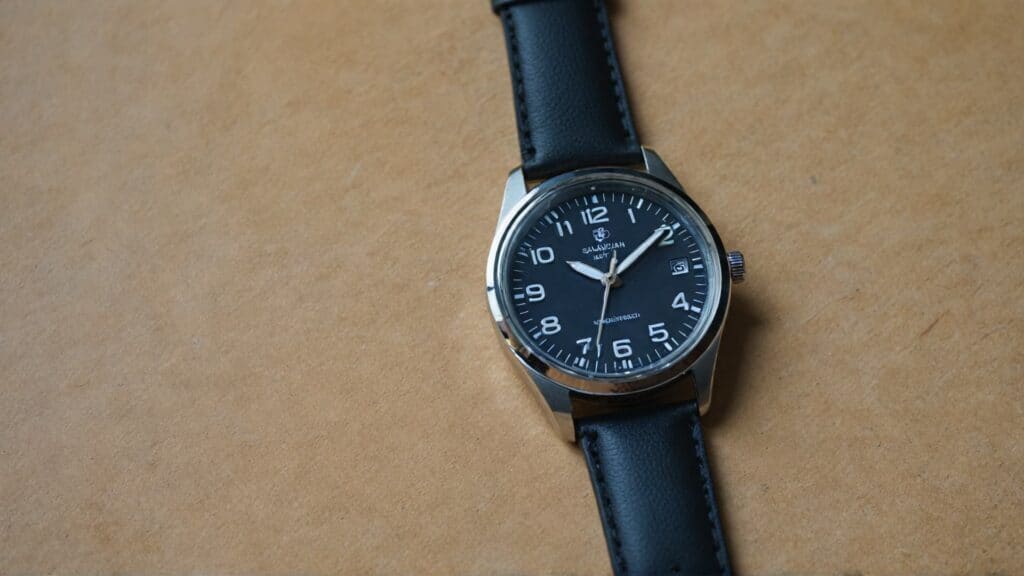
Identifying whether a watch uses quartz or mechanical movement requires observing several distinct characteristics that reveal the underlying technology, with some methods providing immediate confirmation while others require careful examination over time. These identification techniques prove valuable when purchasing vintage watches, verifying seller claims, or simply satisfying curiosity about unfamiliar timepieces. The differences between electronic and mechanical operation create observable patterns that become obvious once you know what to look for.
- Second hand movement patterns provide the most reliable visual identification method when observing the timepiece in operation. Quartz watches exhibit characteristic “tick” behavior where the second hand advances in discrete one-second jumps with brief pauses between movements, creating a stuttering motion around the dial. Mechanical watches display smooth sweeping motion as the second hand moves continuously, though close observation reveals tiny incremental steps at 6-8 beats per second that create the illusion of seamless movement.
- Auditory differences offer immediate identification for functioning watches, with quartz timepieces producing distinctive “tick-tick-tick” sounds occurring exactly once per second that often resonate through the case more audibly than mechanical alternatives. Mechanical watches create rapid “tick-tick-tick-tick” sounds at 6-8 beats per second producing a smoother, faster rhythm that blends into a continuous buzz-like sound. The precision timing of quartz ticking contrasts sharply with the slightly variable rhythm of mechanical escapements.
- Crown winding behavior reveals fundamental operational differences, since quartz watches cannot be wound manually through the crown regardless of how much force is applied. Attempting to wind a quartz watch produces no resistance, mechanical feedback, or effect on operation because there’s no mainspring to tension. Mechanical watches provide clear tactile feedback through crown winding, with increasing resistance as the mainspring reaches full tension and distinctive clicking sensations during the winding process.
- Case markings and dial inscriptions frequently indicate movement type explicitly, with many quartz watches displaying “QUARTZ” prominently on the dial or case back alongside manufacturer information. Swiss quartz movements typically show markings like “ETA,” “RONDA,” or “SELLITA,” while Japanese movements commonly display “MIYOTA,” “CITIZEN,” or brand-specific caliber numbers. Mechanical watches often feature “AUTOMATIC,” “SELF-WINDING,” or specific movement caliber designations without electronic references.
- Case construction differences reflect the distinct requirements of each technology, with quartz watches often featuring thinner profiles due to simplified internal architecture that doesn’t require space for mainsprings, rotors, or complex gear trains. Solid case backs appear more frequently on quartz models since electronic components lack the visual appeal that drives exhibition caseback popularity on mechanical watches. However, luxury quartz watches may still feature exhibition backs to showcase premium finishing.
- Weight characteristics generally favor mechanical watches due to their complex internal architecture requiring substantial metal components including mainsprings, automatic rotors, and extensive gear trains made from brass and steel. Quartz watches often feel lighter because of simplified construction using more plastic components and minimal metal parts, though case materials significantly influence overall weight and can override this general pattern.
- Stopping behavior when batteries die provides definitive identification, since quartz watches halt abruptly when battery voltage drops below operational thresholds rather than gradually slowing like mechanical timepieces with diminishing mainspring power. Dead quartz watches show no hand movement whatsoever, while mechanical watches typically slow down over several hours before stopping completely.
- Low battery warning signs appear in many quartz watches through altered second hand behavior, with the hand jumping 2-4 seconds at intervals instead of normal one-second advancement. This stuttering pattern indicates insufficient battery voltage for normal operation and serves as an early warning system before complete failure. Some digital quartz models display battery level indicators or warning messages on their screens.
- Temperature response differs between technologies, with quartz watches showing minimal timing changes across normal temperature ranges while mechanical watches may gain or lose seconds daily based on ambient conditions. Extreme cold may temporarily slow quartz crystal oscillation, but modern movements include compensation circuits that minimize these effects compared to mechanical watches that show more pronounced temperature sensitivity.
- Magnetic field resistance testing can help distinguish technologies, since mechanical watches with steel components become magnetized by common electronic devices and show persistent timing errors until professionally demagnetized. Quartz watches demonstrate superior magnetic resistance and return to normal operation immediately after magnetic field exposure ends, though extremely powerful fields can temporarily disrupt electronic circuits.
- Exception cases complicate identification, including high-frequency quartz movements like Bulova Precisionist that operate at 16 Hz creating smoother second hand motion than standard quartz, and some Seiko movements that produce intermediate stepping patterns. Additionally, some mechanical watches use very high beat rates that approach the smoothness of quartz sweeping, while certain quartz watches intentionally mimic mechanical ticking patterns for aesthetic reasons.
These identification methods work most reliably when multiple indicators align, since individual characteristics can sometimes be misleading due to design variations or unusual implementations. When purchasing watches of uncertain provenance, combining several identification techniques provides confidence in determining the underlying movement technology and avoiding misrepresented timepieces.
Quartz Watch Battery Life and Replacement
The power system represents the most distinctive operational aspect of quartz watches, requiring periodic attention that mechanical watch owners never face while providing years of maintenance-free operation between services. Battery technology has evolved significantly since early quartz watches, with modern cells offering improved capacity, voltage stability, and environmental resistance that extends operational life well beyond original expectations. The relationship between battery performance and watch functionality creates unique maintenance patterns that differ fundamentally from mechanical timepiece requirements.
- Battery lifespan varies dramatically based on watch complexity and usage patterns, with basic time-only models potentially achieving 5-10 years from quality silver oxide cells while feature-rich watches consuming power through chronographs, alarms, backlights, and multiple displays typically require replacement every 1-2 years. Mid-range watches with moderate complications generally provide 2-4 years of operation, while the specific battery type, ambient temperature, and frequency of additional feature usage all influence actual performance.
- Silver oxide batteries dominate quartz watch applications because they maintain stable 1.55V output throughout their operational life, which proves crucial for maintaining timing accuracy as voltage fluctuations can affect crystal oscillation frequency. These coin-cell batteries use silver oxide chemistry that provides consistent performance across temperature ranges and delivers higher capacity than alkaline alternatives in the same physical size. Common sizes include SR626SW, SR621SW, and CR2025 depending on watch case thickness and power requirements.
- Lithium batteries at 3V offer extended life spanning 5-10 years in compatible movements, providing nearly double the voltage of silver oxide cells which enables longer operation despite slightly larger physical size. However, lithium batteries cost more initially and require movements specifically designed for higher voltage operation. The stable voltage curve and excellent temperature performance make lithium ideal for watches used in extreme conditions or requiring maximum reliability.
- Power consumption patterns directly relate to watch functionality, with basic analog movements drawing microamps of current primarily to drive the stepping motor once per second. Digital displays add modest power requirements for LCD operation, while LED backlights, audible alarms, and chronograph functions significantly increase consumption during active use. Some watches include power-saving modes that disable non-essential functions to extend battery life when low voltage is detected.
- Replacement timing indicators typically manifest through altered timekeeping behavior rather than complete failure, with the most common warning being second hand “stuttering” where the hand jumps 2-3 seconds at intervals instead of normal one-second advancement. Digital displays may dim, respond slowly to button presses, or show segment fade that indicates insufficient power. Some watches completely stop hands while maintaining internal timekeeping, resuming normal display when sufficient power returns.
- Professional replacement provides several advantages over DIY approaches, including pressure testing to verify water resistance, gasket inspection and replacement, and proper case sealing procedures that maintain manufacturer specifications. Professional service costs $15-45 depending on watch complexity and location, but includes warranty on work performed and assurance that water resistance remains intact. Many watch shops offer same-day battery replacement with immediate pressure testing.
- DIY replacement appeals to technically inclined owners with basic tools and non-water-resistant watches, requiring case opening tools, tweezers, and careful handling to avoid damage to delicate components. The battery itself costs $2-8, making DIY attractive for simple watches where water resistance isn’t critical. However, improper technique can damage movements, compromise seals, or void warranties, making professional service advisable for valuable timepieces.
- Battery leakage represents the most serious threat to quartz watch longevity, occurring when expired batteries remain in watches beyond their useful life and chemical compounds escape to corrode internal components. Leaked battery chemicals can destroy circuit boards, corrode metal parts, and permanently damage movements beyond economic repair. Replacing batteries promptly when warning signs appear prevents this potentially catastrophic failure mode.
- Solar charging technology eliminates traditional battery replacement through photovoltaic panels that continuously recharge internal lithium-ion capacitors, providing decades of operation with regular light exposure. Solar watches like Citizen Eco-Drive models charge from both natural and artificial light, storing enough energy for months of operation in complete darkness. The rechargeable power cells eventually require replacement after 10-20 years but eliminate the periodic maintenance cycle of traditional batteries.
- Temperature effects influence battery performance significantly, with extreme cold reducing capacity and very hot conditions accelerating chemical degradation that shortens operational life. Optimal performance occurs at normal wearing temperatures around 20-25°C, while storage in temperature-controlled environments helps preserve battery life in unused watches. Rapid temperature changes can temporarily affect battery voltage output until thermal equilibrium returns.
- Storage considerations for watches with dead batteries include removing expired cells to prevent leakage damage during extended non-use periods. However, some quartz movements use batteries to maintain electronic memory for complications like perpetual calendars, making battery removal inadvisable without accepting loss of programmed information. Storing watches in cool, dry conditions helps preserve both battery life and movement integrity.
- Quality battery brands like Renata, Maxell, and Energizer provide superior performance and reliability compared to generic alternatives, justifying modest price premiums through extended life and reduced leakage risk. OEM batteries specified by watch manufacturers typically offer optimal compatibility and performance, while aftermarket alternatives may have different voltage curves or physical tolerances that affect operation.
The battery replacement cycle represents a fundamental aspect of quartz watch ownership that requires planning and attention but provides years of reliable operation between services. Understanding battery technology and replacement options helps owners make informed decisions about maintenance timing, service providers, and long-term watch care that maximizes both performance and value from their timepieces.
Best Quartz Watch Brands
The quartz watch market encompasses manufacturers from budget-friendly mass producers to luxury Swiss houses, each offering distinct value propositions that cater to different consumer needs and price points. This diverse landscape emerged from the technological democratization that quartz enabled, allowing companies to focus on design, features, and brand positioning rather than the mechanical expertise traditionally required for accurate timekeeping. The success of various brands reflects their ability to leverage quartz technology while establishing distinctive market identities.
- Casio revolutionized durable digital watches through the G-Shock line launched in 1983, creating virtually indestructible timepieces that withstand extreme shock, vibration, and environmental conditions that would destroy conventional watches. The original G-Shock DW5600 remains in production today, featuring 200-meter water resistance, 10-year battery life, and protection systems that absorb impacts through hollow case construction and floating module design. Modern G-Shock models incorporate solar charging, atomic timekeeping, and Bluetooth connectivity while maintaining legendary toughness.
- Citizen pioneered solar charging technology through their Eco-Drive system introduced in 1995, eliminating battery replacement by converting any light source into electrical energy stored in rechargeable cells. Popular models like the Promaster Diver BN0150 combine solar power with 200-meter water resistance and ISO diving certification at accessible prices around $200-300. The Eco-Drive technology works with both natural and artificial light, providing months of operation in complete darkness after full charge.
- Seiko offers exceptional value across all price ranges, from the affordable SNE039 Solar at $150 featuring 100-meter water resistance and date display, to the premium Prospex series with advanced complications and professional-grade specifications. Their recreation of the famous “Arnie” Commando watch as the SNJ025 combines analog time display with digital chronograph functions, solar charging, and military-inspired aesthetics at $420. Seiko’s quartz movements provide reliable accuracy with robust construction suitable for active lifestyles.
- Timex maintains American heritage combined with practical functionality, exemplified by the legendary Ironman series that helped establish the fitness watch category with features like countdown timers, multiple alarms, and Indiglo backlighting that illuminates the entire dial with distinctive blue-green glow. The classic Weekender at $40-50 offers clean analog styling with easy-to-read dials and interchangeable NATO straps, while the Q Timex collection recreates vintage 1970s designs with modern quartz reliability.
- Swatch revolutionized affordable Swiss quartz through colorful plastic cases and artistic collaborations that positioned watches as fashion accessories rather than purely functional tools. The original Swatch at $60-80 features Swiss-made movements in playful designs that change seasonally, while special editions like the MoonSwatch collaboration bring luxury Speedmaster aesthetics to accessible price points under $300. The thin cases and lightweight construction make Swatch ideal for casual wear and collecting.
- TAG Heuer represents accessible luxury Swiss quartz through the Formula 1 collection, offering Swiss movements in premium materials like ceramic bezels and sapphire crystals. The Aquaracer series provides diving capability with 300-meter water resistance and Swiss quartz precision in designs that compete with mechanical alternatives. TAG Heuer’s Connected smartwatch line demonstrates how traditional luxury brands adapt quartz technology for modern connectivity requirements.
- Tissot delivers Swiss heritage at mid-range prices through collections like the PRC 200 that combines 200-meter water resistance with Swiss quartz movements and premium finishing for $200-400. The innovative T-Touch series incorporates touch-sensitive sapphire crystals that activate altimeter, compass, and thermometer functions through finger contact, demonstrating Swiss innovation in electronic complications. Their newest T-Touch Connect Solar merges traditional Swiss watchmaking with smart connectivity.
- Omega maintains quartz presence through the Speedmaster X-33 series designed for aerospace applications, featuring thermocompensated movements with Mars time capability and multiple alarm functions priced around $6,000-7,000. These professional tools demonstrate how luxury Swiss brands apply quartz technology to specialized applications where accuracy and reliability outweigh traditional mechanical preferences. The X-33 serves NASA missions and professional pilots requiring precision timing instruments.
- Cartier leads luxury quartz through elegant designs like the Tank Must series featuring solar-powered SolarBeat technology in precious metal cases starting around $3,000 for steel models and reaching $15,000+ for gold variants. The Panthère de Cartier showcases 2025’s luxury quartz aesthetic with gradient diamond settings and Swiss electronic movements that deliver precision within ornate jewelry-like cases. These timepieces prove quartz can achieve ultimate luxury positioning.
- Rolex produces limited quartz models like the Oysterquartz series that combined their iconic cases with Swiss Beta 21 movements, though mechanical alternatives dominate their current catalog. Vintage Rolex quartz models have become collectible due to their rarity and historical significance during the quartz transition period. The brief Rolex quartz experiment demonstrates how even the most traditional mechanical manufacturers acknowledged quartz superiority.
- Budget leaders include brands like Armitron, Freestyle, and Relic that offer feature-rich digital and analog quartz watches under $100 with capabilities like chronographs, multiple time zones, and water resistance that would cost significantly more in mechanical alternatives. These brands focus on functionality over prestige, providing reliable timekeeping with modern features for cost-conscious consumers who prioritize performance over brand heritage.
The diversity of quartz watch manufacturers reflects the technology’s flexibility and broad appeal across market segments. From ultra-budget digital models to luxury Swiss timepieces, quartz enables every brand to offer accurate, reliable timekeeping while differentiating through design, features, materials, and brand positioning rather than fundamental timekeeping capability.
Quartz Watch Maintenance
Proper maintenance of quartz watches requires different approaches than mechanical timepieces, focusing on preserving electronic components and case integrity while maximizing battery life and long-term reliability. While quartz watches demand less frequent intervention than mechanical alternatives, strategic care practices significantly extend operational life and prevent costly problems that can destroy movements entirely. The key lies in preventive measures rather than reactive repairs, since electronic components prove difficult to service individually once problems develop.
- Daily cleaning prevents accumulation of skin oils, soap residue, and environmental contaminants that can affect case finishes, corrode metal components, and compromise gasket integrity over time. Wiping with soft, lint-free cloths removes surface contamination without scratching polished surfaces or disturbing delicate parts. For metal bracelets, gentle scrubbing with soft toothbrushes reaches between links where debris accumulates, while avoiding harsh chemicals that might damage special coatings or finishes.
- Water resistance maintenance requires understanding that gaskets and seals gradually degrade regardless of use, potentially compromising stated depth ratings even when watches appear perfectly functional. Professional pressure testing every 2-3 years verifies continued water resistance, especially for watches regularly exposed to swimming, showering, or humid conditions. Gasket replacement during battery changes helps maintain specified resistance levels without additional service appointments.
- Temperature protection involves avoiding extreme heat and cold that can affect both battery performance and electronic component stability, with particular attention to rapid temperature changes that create thermal stress. Hot tubs, saunas, and direct sunlight exposure can exceed safe operating temperatures, while freezing conditions may temporarily slow crystal oscillation or affect battery voltage. Room temperature storage and gradual temperature transitions help preserve component integrity.
- Magnetic field avoidance becomes important despite quartz watches showing superior magnetic resistance compared to mechanical alternatives, since extremely powerful fields from speakers, magnetic mounts, or industrial equipment can temporarily disrupt electronic circuits. Common household electronics like phones, tablets, and computers pose minimal threat to modern quartz movements, but maintaining reasonable distance from powerful magnets prevents potential timing disruption.
- Crown and button maintenance requires gentle operation to preserve water resistance seals and internal components, avoiding excessive force when setting time or operating additional functions. Screw-down crowns should be properly tightened after adjustment to maintain water resistance, while pushers should be operated cleanly without side pressure that can damage internal mechanisms. Lubricating crown threads annually helps prevent corrosion and ensures smooth operation.
- Case and crystal care involves protecting against impacts that can crack crystals, dent cases, or damage internal components through shock transmission. Mineral crystals scratch more easily than sapphire alternatives but cost less to replace, while sapphire crystals resist scratching but can shatter from severe impacts. Regular inspection for chips, cracks, or deep scratches helps identify problems before they worsen or compromise water resistance.
- Strap and bracelet maintenance varies by material, with leather requiring conditioning every few months to prevent cracking and water damage, while metal bracelets benefit from periodic deep cleaning to remove accumulated debris from joints and connections. Rubber and synthetic straps prove most durable for active use but should be inspected regularly for tears or degradation from UV exposure and chemical contact.
- Storage practices for unused watches include cool, dry environments away from direct sunlight and magnetic fields, with particular attention to battery condition in stored timepieces. Watches stored long-term should have batteries replaced before expiration to prevent leakage damage, or batteries removed entirely if storage exceeds expected battery life. Watch boxes or soft cloth wrapping prevents scratches and protects against impacts during storage.
- Professional service timing typically occurs every 3-5 years for full maintenance including movement cleaning, gasket replacement, and water resistance testing, though this interval can extend for watches receiving careful use and storage. Signs requiring immediate professional attention include fogging inside the crystal, crown or button problems, visible corrosion, or timing irregularities that suggest internal problems developing.
- Cleaning procedures for water-resistant models can include gentle washing with lukewarm soapy water followed by thorough rinsing and careful drying, particularly beneficial for removing salt deposits from ocean exposure or chlorine residue from pools. Non-water-resistant watches require dry cleaning methods only, using slightly damp cloths for stubborn contamination while avoiding any water penetration around case openings.
- Battery monitoring involves watching for early warning signs like second hand stuttering, digital display dimming, or timing irregularities that indicate declining battery voltage before complete failure occurs. Prompt battery replacement prevents potential leakage that can destroy movements, while keeping spare batteries in cool, dry storage ensures replacements remain fresh when needed.
- Impact protection during sports and physical activities benefits from protective cases or guards that absorb shocks before they reach the watch case and internal components. While quartz watches prove more shock-resistant than mechanical alternatives, severe impacts can still damage crystals, cases, or internal circuitry, making protection worthwhile for high-risk activities.
The investment in proper care pays dividends through extended watch life, maintained accuracy, and preserved resale value, while preventing expensive repairs or replacement that far exceed preventive maintenance costs. Quartz watches reward careful owners with decades of reliable service when treated with appropriate respect for their electronic nature and environmental sensitivities.
Should You Buy a Quartz Watch?
The value proposition of quartz watches depends heavily on individual priorities, lifestyle requirements, and budget considerations, with these electronic timepieces excelling in specific scenarios while proving less suitable for others. Modern quartz technology has matured to the point where even budget models deliver remarkable reliability and accuracy, making them compelling choices for practical timekeeping needs. However, the decision involves weighing functional benefits against emotional factors that vary significantly among different types of watch buyers.
- Practical everyday users find quartz watches ideally suited for reliable daily wear, offering set-and-forget convenience that eliminates the daily winding, frequent time adjustments, and careful handling required by mechanical alternatives. Office workers, students, and professionals benefit from consistent accuracy without maintenance concerns, while the slim profiles and lightweight construction of many quartz models provide comfort during extended wear. The ability to leave quartz watches unused for months without affecting performance makes them perfect for people with multiple timepieces or irregular wearing patterns.
- Active lifestyle enthusiasts gain significant advantages from quartz technology’s superior shock resistance, water resistance, and consistent performance regardless of physical activity or environmental conditions. Sports participation, outdoor adventures, and physically demanding work environments favor quartz watches that continue operating accurately despite impacts, vibrations, and temperature changes that would disrupt mechanical timepieces. Features like chronographs, countdown timers, and multiple alarms integrate seamlessly for athletic and professional timing applications.
- Budget-conscious buyers access Swiss-level accuracy and premium features at prices impossible with mechanical alternatives, enabling luxury materials like sapphire crystals, ceramic bezels, and titanium cases at mid-range prices. A $300 quartz watch can offer better timekeeping than a $5,000 mechanical chronometer while including complications like world time, alarms, and perpetual calendars. This democratization of precision timekeeping makes quality watches accessible to broader audiences without compromising performance.
- Professional applications requiring timing accuracy heavily favor quartz technology, with medical personnel, pilots, scientists, and timing officials relying on electronic precision for critical measurements. The consistent accuracy eliminates timing errors that could affect professional outcomes, while features like countdown timers and multiple time zones prove essential for specialized applications. Many professional timing devices use quartz technology exclusively due to reliability requirements.
- Travel scenarios benefit from quartz reliability across time zones, temperature variations, and handling conditions that often accompany extended trips. The lack of daily maintenance requirements eliminates concerns about regular winding or careful handling during travel, while world time functions and dual time zones prove practically useful. Battery life spanning years means travelers needn’t worry about power reserves during extended absences from home.
- Investment considerations generally favor mechanical watches over quartz alternatives, since most electronic timepieces experience depreciation similar to consumer electronics rather than appreciating as collectibles. However, certain luxury Swiss quartz models, vintage pieces from pioneering manufacturers, and limited editions can maintain or increase value. The financial analysis should focus on utility value rather than investment potential for most quartz purchases.
- Emotional connection varies significantly among individuals, with some users appreciating the technological sophistication and reliable performance of electronic timekeeping while others prefer the mechanical artistry and traditional craftsmanship of mechanical movements. Quartz watches provide less tactile interaction and visual interest compared to mechanical alternatives, potentially reducing long-term satisfaction for enthusiasts who value horological heritage and craftsmanship.
- Maintenance lifestyle preferences strongly influence quartz suitability, since these watches appeal to users who want reliable timekeeping without ongoing attention while proving less suitable for those who enjoy the ritual of daily winding and regular interaction with their timepieces. The periodic battery replacement represents the primary maintenance requirement, occurring every few years rather than the continuous attention mechanical watches demand.
- Entry-level recommendations include established brands like Casio G-Shock for durability, Citizen Eco-Drive for solar convenience, or Seiko for balanced quality and value, providing reliable foundations for exploring quartz technology. Mid-range buyers benefit from Swiss brands like Tissot or Longines that combine electronic precision with traditional Swiss finishing and heritage. Luxury segment options from TAG Heuer, Omega, or Cartier demonstrate how premium materials and finishing elevate quartz technology.
- Long-term ownership experience typically proves highly satisfactory for users whose priorities align with quartz strengths, delivering years of trouble-free service with minimal intervention required. The consistent accuracy eliminates daily time adjustments, while reliable operation reduces anxiety about watch performance during important events or professional situations. However, users seeking emotional engagement or collection building may find quartz watches less fulfilling over extended periods.
- Cost-benefit analysis over typical ownership periods strongly favors quartz for practical applications, combining lower purchase prices with minimal maintenance costs and reliable operation that reduces total cost of ownership compared to mechanical alternatives. The analysis becomes more complex when considering intangible factors like prestige, emotional satisfaction, and potential resale value that vary significantly among individual buyers.
- Situational recommendations suggest choosing quartz when accuracy, reliability, low maintenance, and practical performance take priority, particularly for daily wear, professional use, or active lifestyles where consistent timekeeping matters most. Mechanical alternatives prove more suitable when traditional craftsmanship, emotional connection, investment potential, or collection building outweigh practical considerations, recognizing that both technologies serve legitimate but different purposes in modern timekeeping.
The decision ultimately reflects personal values rather than objective superiority, since quartz and mechanical watches excel in different areas that appeal to different types of users. Quartz technology delivers superior practical performance for consumers prioritizing function, reliability, and value, while mechanical alternatives satisfy emotional and cultural preferences that extend beyond pure timekeeping requirements.
Common Quartz Watch Questions
The most common questions about quartz watches reflect genuine concerns about longevity, repairability, accuracy expectations, and value retention that potential buyers frequently encounter when comparing electronic and mechanical timepieces. These questions often arise from misconceptions about quartz technology or uncertainty about long-term ownership experience with electronic watches. Addressing these concerns helps consumers make informed decisions based on realistic expectations rather than assumptions or incomplete information.
- How long do quartz watches last? Quartz watch longevity typically extends 15-25 years or more with proper maintenance, with many examples from the 1970s and 1980s still functioning reliably after 40+ years of service. Premium Swiss and Japanese movements like Grand Seiko 9F or high-grade ETA calibers often exceed 20-30 years of operation, while budget movements may require replacement after 10-15 years depending on build quality and usage patterns. The primary limiting factor becomes integrated circuit degradation through electromigration rather than mechanical wear, though proper battery maintenance prevents the most common failure mode of battery leakage destroying movements.
- Can quartz watches be repaired? Repairability focuses on economic rather than technical feasibility, since most quartz movements can be repaired through complete movement replacement at costs ranging $50-500 depending on caliber complexity and availability. Component-level repairs prove impractical due to labor costs exceeding replacement expenses, while specialized electronic testing equipment requirements make individual component diagnosis expensive. However, movement replacement often costs less than mechanical watch servicing and restores like-new performance and reliability.
- Are quartz watches accurate? Accuracy expectations for standard quartz watches include ±15-20 seconds per month performance that remains consistent throughout battery life, representing approximately ±0.5 seconds daily accuracy that surpasses even certified chronometer mechanical watches. Mid-range quartz achieves ±5-10 seconds monthly accuracy, while high-accuracy models with temperature compensation reach ±1-5 seconds annually. These specifications remain stable regardless of wearing patterns, position, or environmental conditions within normal ranges.
- Do quartz watches hold their value? Value retention patterns show most mass-market quartz watches experiencing 50-70% depreciation within the first few years, similar to consumer electronics rather than collectible mechanical timepieces. However, luxury Swiss quartz from prestigious brands maintains value better, while historically significant models like early Seiko Astron or Beta 21 examples can appreciate due to collectible status. Limited editions and innovative complications occasionally retain or increase value, though this represents exceptions rather than typical patterns.
- How often do quartz watch batteries need replacement? Battery replacement frequency depends heavily on watch complexity and usage patterns, with basic time-only models potentially achieving 5-10 years from quality batteries while feature-rich watches require replacement every 1-2 years. Solar-powered watches eliminate traditional battery replacement through rechargeable cells lasting 10-20 years with regular light exposure. High-drain functions like chronographs, alarms, and backlights significantly reduce battery life compared to simple timekeeping operation.
- Do quartz watches need servicing? Water resistance maintenance requires professional attention every 2-3 years to verify gasket integrity and pressure ratings, since seals gradually degrade regardless of use patterns. Gasket replacement during battery changes helps maintain specified water resistance without additional service appointments. Exposure to hot water, rapid temperature changes, or chemical contact can accelerate seal degradation and compromise water resistance between service intervals.
- Are quartz watches affected by magnets? Magnetic field effects prove minimal for modern quartz watches compared to mechanical alternatives, though extremely powerful fields from industrial equipment, MRI machines, or large speakers can temporarily disrupt electronic circuits. Common consumer electronics like phones, tablets, and computers pose no threat to quartz movements. Any magnetic interference typically resolves immediately when field exposure ends, unlike mechanical watches that require professional demagnetization.
- Can temperature affect quartz watches? Temperature tolerance spans normal wearing ranges without significant timing effects, though extreme conditions below 0°C or above 60°C can temporarily affect crystal oscillation or battery performance. Modern movements include temperature compensation circuits that minimize these effects, while gradual temperature changes prove less problematic than rapid thermal shock. Storage in climate-controlled environments helps preserve both battery life and component stability.
- Are quartz watches durable? Shock resistance exceeds mechanical watch capabilities due to fewer moving parts and robust electronic construction, though severe impacts can still damage crystals, cases, or internal circuitry. Sports and active use benefit from quartz durability, while protective cases provide additional impact protection for high-risk activities. The stepping motor represents the most vulnerable mechanical component, though it proves more robust than delicate mechanical escapements.
- Are expensive quartz watches worth it? Quality differences between brands reflect manufacturing standards, component selection, and quality control rather than fundamental technology limitations, since basic quartz movements can achieve excellent accuracy regardless of price point. Premium brands typically offer better finishing, materials, and long-term support rather than dramatically superior timekeeping performance. Swiss and Japanese movements generally provide superior reliability and longevity compared to budget alternatives from other regions.
- Can quartz watches be collectible? Collectibility potential exists primarily for pioneering models, limited editions, and luxury pieces from prestigious manufacturers, though most quartz watches lack the appreciation potential of mechanical alternatives. Vintage pieces from the quartz revolution era show increasing collector interest, particularly early Seiko, Hamilton, and Swiss Beta 21 examples. However, electronic component reliability creates long-term maintenance challenges for vintage quartz that mechanical watches don’t face.
These frequently asked questions reveal that quartz technology has matured into a reliable, long-lasting solution for electronic timekeeping that addresses most practical concerns while creating different ownership experiences than mechanical alternatives. The key lies in setting appropriate expectations based on intended use rather than comparing quartz watches to mechanical timepieces using criteria where mechanical watches traditionally excel.
Conclusion
Quartz watches represent one of the most successful technological revolutions in consumer products, delivering unprecedented accuracy, reliability, and value that fundamentally transformed global timekeeping expectations. From their revolutionary debut in 1969 through today’s diverse market spanning $20 utility timepieces to $50,000 luxury models, these electronic marvels have proven that superior performance often emerges from simplified approaches rather than increased complexity. The ability to achieve Swiss chronometer-level precision at accessible prices democratized accurate timekeeping while creating new possibilities for features, durability, and convenience that mechanical technology cannot match.
The enduring appeal of quartz technology lies in its practical advantages that address real-world needs more effectively than traditional alternatives, offering set-and-forget convenience, minimal maintenance requirements, and consistent performance regardless of usage patterns or environmental conditions. Whether powering a budget Casio G-Shock surviving extreme conditions, a mid-range Citizen Eco-Drive eliminating battery replacement through solar charging, or a luxury Cartier Tank combining electronic precision with haute horlogerie finishing, quartz movements deliver reliable service that mechanical watches simply cannot equal in pure functional terms. The technology continues evolving through innovations like temperature compensation, solar charging, and smart connectivity while maintaining the fundamental benefits that triggered the original quartz revolution.
For consumers prioritizing accuracy, reliability, low maintenance, and practical performance, quartz watches represent exceptional value propositions that have only improved with technological advancement and manufacturing refinement. While mechanical timepieces retain their appeal for emotional connection, traditional craftsmanship, and investment potential, quartz technology serves the vast majority of timekeeping needs more effectively and affordably than any alternative. The choice between electronic precision and mechanical artistry reflects personal values rather than objective superiority, but for practical daily timekeeping, professional applications, and active lifestyles, quartz watches deliver unmatched performance that continues justifying their dominance in global watch production decades after their revolutionary introduction.