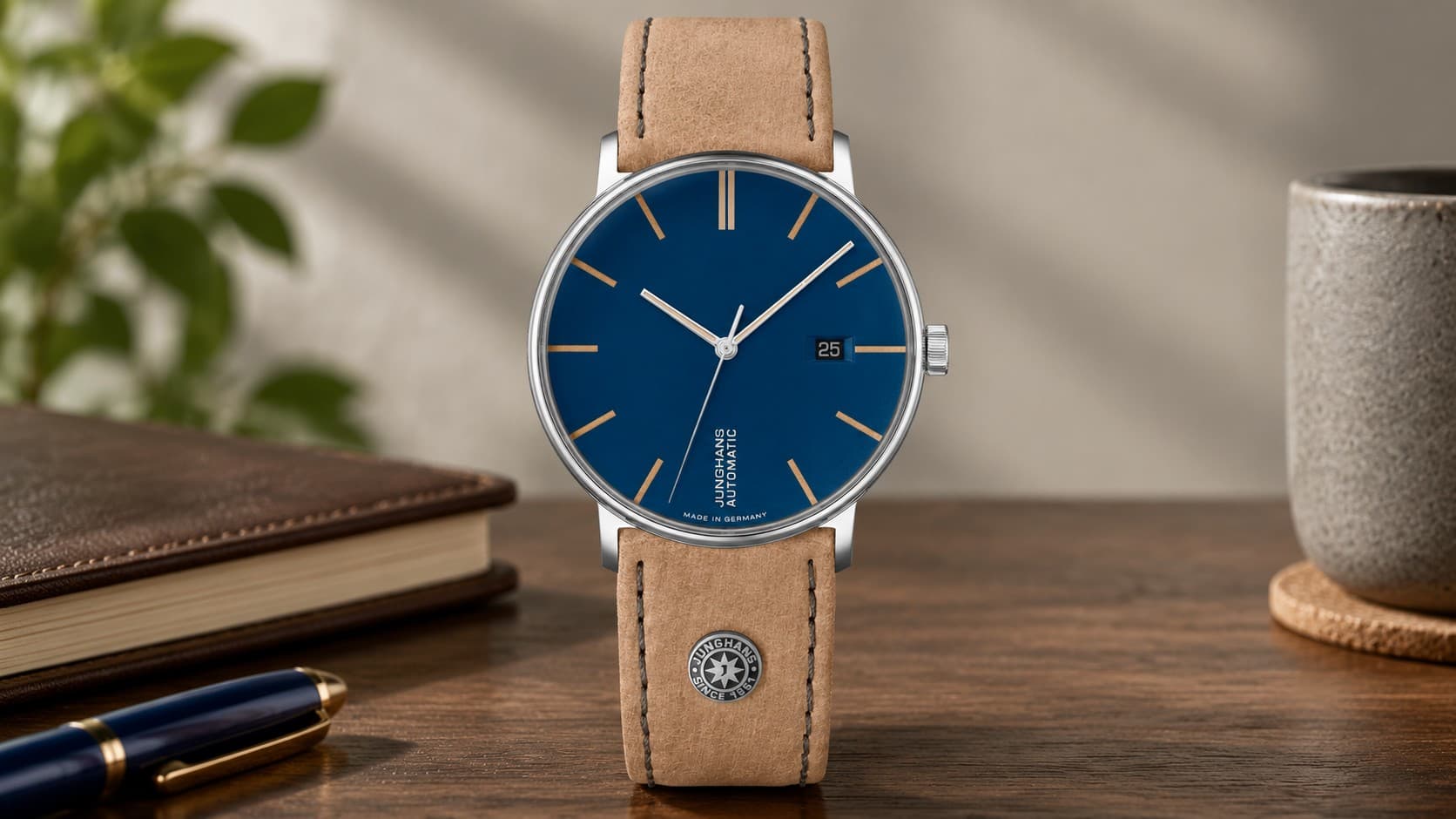
Best Junghans Watches: German Engineering & Bauhaus Design

Discover the best Junghans watches with complete coverage of German precision, radio-controlled technology, Bauhaus design, and expert reviews.

We include products we think are useful for our readers. If you buy through links on this page, we may earn a small commission.

Read more

Affiliate Disclosure: This post may contain affiliate links, which means we may receive a commission if you click a link and purchase something that we have recommended. While clicking these links won't cost you any extra money, they help us keep this site up and running. We only recommend products or services that we genuinely believe will add value to our readers. Thank you for supporting us!

Transparency: We are a participant in various affiliate programs, including the Amazon Services LLC Associates Program, an affiliate advertising program designed to provide a means for us to earn fees by linking to Amazon.com and affiliated sites. Our editorial content is not influenced by affiliate partnerships, and we strive to provide honest and unbiased reviews and recommendations.

To learn more about our vetting process, please visit our Affiliate Disclosure Statement

Article Content

Junghans Form A Automatic watch with clean white dial, date window, and stainless steel mesh bracelet displaying modern German design

Junghans watches represent one of the watch industry’s best-kept secrets, offering exceptional German engineering and innovative technology at surprisingly accessible prices. Founded in 1861 in Germany’s Black Forest region, this historic brand has quietly revolutionized timekeeping with groundbreaking radio-controlled technology that keeps their watches accurate to atomic clock precision. While Swiss brands often dominate luxury watch conversations, Junghans has carved out a unique position by combining traditional craftsmanship with cutting-edge features like solar power and wireless time synchronization. Their clean, Bauhaus-inspired designs appeal to minimalists and design enthusiasts, while their robust build quality satisfies practical watch wearers who need reliable daily timepieces.

Introduction to Junghans Watch Brand

Junghans occupies a distinctive position in the global watch industry as a German manufacturer that has successfully married traditional craftsmanship with cutting-edge technology for more than 160 years. Based in Schramberg in the Black Forest region of Germany, the company has built its reputation on precision manufacturing, innovative timekeeping solutions, and clean design aesthetics that appeal to both watch enthusiasts and everyday users who value quality and reliability.

  • Junghans operates from Schramberg, Germany, in the heart of the Black Forest region where clockmaking traditions stretch back centuries, giving the brand access to skilled craftsmen and a deep culture of precision manufacturing that influences every aspect of their production process. The company maintains rigorous quality control standards and combines traditional techniques with modern manufacturing methods to create timepieces that meet exacting German engineering standards.
  • The brand pioneered radio-controlled wristwatch technology in the early 1990s, becoming the first manufacturer to successfully integrate atomic clock synchronization into analog wristwatches through their groundbreaking Mega series. Their radio-controlled watches receive time signals from transmitters across multiple continents, including DCF77 in Germany, MSF in the UK, JJY in Japan, and WWVB in the United States, ensuring accuracy within fractions of a second regardless of location.
  • Junghans has developed sophisticated solar charging technology that powers their watches using curved solar cells positioned beneath semi-translucent dials, eliminating the need for battery replacements while maintaining exceptional reliability. Their solar-powered movements can operate for up to three years in complete darkness and feature quick-charging capabilities that restore full function after just eight minutes of light exposure, making them incredibly practical for daily wear.
  • The company’s design philosophy draws heavily from the Bauhaus movement, particularly through their collaboration with Swiss designer Max Bill, which began in the 1950s and continues to influence their aesthetic approach today. This partnership resulted in timepieces that emphasize functional clarity, minimal decoration, and exceptional legibility, creating watches that remain stylistically relevant decades after their original introduction.
  • Junghans offers exceptional value in the affordable luxury segment, providing Swiss-quality engineering and innovative German technology at price points typically ranging from $300 to $2,000, making high-quality timepieces accessible to a broader audience than many comparable European brands. Their focus on practical innovation rather than purely decorative complications ensures that buyers receive maximum functionality and reliability for their investment.

The brand’s commitment to technological advancement while maintaining respect for traditional watchmaking principles has created a unique market position that appeals to both technology enthusiasts and design purists. Their ability to integrate complex features like perpetual calendars, multiple time zone functionality, and smartphone connectivity into clean, minimalist designs demonstrates a level of engineering sophistication that rivals much more expensive competitors. This combination of innovation, quality, and accessible pricing makes Junghans an intelligent choice for anyone seeking a timepiece that delivers exceptional performance without sacrificing aesthetic appeal.

Junghans Watch History: 160+ Years of Innovation

The story of Junghans begins in 1861 when entrepreneur Erhard Junghans joined forces with his brother-in-law Jakob Zeller-Tobler to establish a clock component factory in the picturesque town of Schramberg, nestled in Germany’s Black Forest region. What started as a small operation producing parts for traditional Black Forest clocks would eventually grow into one of the world’s most significant timepiece manufacturers, weathering wars, economic upheavals, and dramatic technological shifts while maintaining its commitment to precision and innovation.

  • Erhard Junghans founded the company originally named “Junghans und Tobler” on April 15, 1861, initially focusing on manufacturing components like brass parts, wooden cases, hands, and pendulums for other Black Forest clockmakers. The company’s first complete timepieces bearing the Junghans name appeared in 1866, just before Erhard’s untimely death, when his widow Louise took control of the business and was later succeeded by their sons Erhard Jr. and Arthur Junghans.
  • Arthur Junghans proved instrumental in the company’s explosive growth after spending considerable time in the United States studying American mass production techniques, which he brought back to Germany and implemented despite initial workforce resistance. These innovative manufacturing methods allowed Junghans to produce high-quality timepieces at affordable prices, making them accessible to the general German public and establishing the foundation for the company’s future success.
  • The iconic eight-pointed star logo was introduced in 1890, symbolizing a gear wheel and replacing an earlier five-pointed design that had been inspired by American influences. This trademark became one of the most recognizable symbols in horology and remains unchanged today, representing the company’s commitment to precision engineering and mechanical excellence that has defined their brand for over a century.
  • By 1903, Junghans had achieved Arthur’s ambitious goal of becoming the world’s largest watch and clock manufacturer, employing over 3,000 people and producing more than 3 million timepieces annually. This remarkable growth necessitated the construction of the famous Terrassenbau (Terrace Building) between 1916 and 1918, designed by Stuttgart architect Philipp Jakob Manz as a nine-stepped terraced structure built into the valley slope to provide optimal natural lighting for watchmakers’ workstations.
  • The company faced significant challenges during both world wars, with production shifted to military applications including timing mechanisms for aircraft and ships, as well as ammunition fuses starting as early as 1906. After World War II, much of the factory machinery was dismantled and sent to France as war reparations, and Junghans was temporarily forced to send blank movements to French manufacturers for assembly under their names.
  • Post-war recovery proved remarkable as Junghans refocused on high-quality timepieces and by the 1950s had become the third-largest chronometer manufacturer in the world, trailing only Rolex and Omega. However, the Junghans family lost control of the company during a hostile takeover by the Diehl Group in 1956, which separated the watchmaking and military fuse divisions while ushering in a new era of design collaboration with Bauhaus-trained Swiss designer Max Bill.
  • The Max Bill partnership began in the mid-1950s with the creation of the famous teardrop-shaped kitchen clock in 1956, which became a design icon now housed in New York’s Museum of Modern Art. This collaboration expanded to include wristwatches starting in 1961, creating timeless designs that embodied Bauhaus principles of functional clarity and remain virtually unchanged in the current Junghans catalog.

Junghans weathered numerous ownership changes in the following decades, including periods under Hong Kong-based Egana Goldpfeil, before facing bankruptcy in 2008. The company’s salvation came through local Schramberg businessman and politician Dr. Hans-Jochem Steim and his son Hannes, who acquired the brand in 2009 and successfully restructured operations with a renewed focus on traditional values and mechanical watchmaking excellence. This family ownership has allowed Junghans to maintain its German manufacturing heritage while continuing to innovate with radio-controlled and solar-powered technologies, ensuring the brand’s relevance for future generations of watch enthusiasts who appreciate the intersection of traditional craftsmanship and cutting-edge technology.

Junghans Watch Features and Technology

Junghans distinguishes itself in the competitive watch market through a unique combination of technical innovation, design philosophy, and manufacturing excellence that sets it apart from both Swiss and other German competitors. The brand’s special character emerges from its willingness to embrace cutting-edge technology while maintaining deep respect for traditional craftsmanship, creating timepieces that serve both practical and aesthetic purposes with equal dedication.

  • Junghans achieved worldwide recognition as a pioneering force in radio-controlled timekeeping technology, introducing the world’s first radio-controlled table clock in 1985 and following it with the revolutionary MEGA 1 digital wristwatch in 1990, designed by legendary industrial designer Hartmut Esslinger and his frog design team. The company’s radio-controlled movements receive time signals from atomic clocks across multiple continents, including DCF77 in Germany, MSF in the UK, JJY in Japan, and WWVB in the United States, ensuring accuracy within fractions of a second anywhere in the world.
  • The brand’s solar technology represents another area of technical leadership, with curved solar cells positioned beneath semi-translucent dials that can power watches for up to three years in complete darkness. These innovative solar systems feature quick-charging capabilities that restore full function after just eight minutes of light exposure, while the sophisticated energy management systems automatically adjust power consumption based on available light conditions, making battery changes completely unnecessary.
  • Junghans’ commitment to Bauhaus design principles, established through their historic collaboration with Swiss designer Max Bill beginning in the 1950s, has created some of the most authentic and recognizable minimalist timepieces in the world. The Max Bill collection embodies the Bauhaus philosophy of “form follows function” with clean lines, exceptional legibility, and purposeful design elements where every component serves a specific function without unnecessary ornamentation or decorative flourishes.
  • The company’s manufacturing approach combines traditional German craftsmanship with modern production techniques, maintaining strict quality control standards at their Schramberg facility while employing master watchmakers who have completed Germany’s rigorous three-year watchmaking certification program. This “Meister” system ensures that skilled craftsmen oversee every aspect of production, from movement assembly to final quality inspection, maintaining the high standards that have defined German manufacturing for generations.
  • Junghans offers exceptional value proposition in the luxury watch segment, delivering Swiss-level quality and innovative German technology at price points typically ranging from $300 to $2,000, making high-quality timepieces accessible to enthusiasts who might otherwise be priced out of the luxury market. This approach reflects the company’s historic mission of making quality timekeeping available to a broader audience rather than focusing exclusively on ultra-high-end luxury segments.
  • The brand’s dedication to practical innovation over purely decorative complications distinguishes it from many competitors who prioritize complex mechanical displays that serve primarily aesthetic purposes. Junghans focuses on features that enhance daily usability, such as perpetual calendars that automatically adjust for leap years, multiple time zone functionality for frequent travelers, and smartphone connectivity through their MEGA app that allows precise time synchronization anywhere in the world.
  • Junghans maintains its independence as a family-owned company under the Steim family since 2009, allowing for long-term strategic planning and commitment to quality without pressure from shareholders focused on short-term profits. This ownership structure enables the company to make decisions based on watchmaking excellence and customer satisfaction rather than quarterly financial targets, ensuring that traditional values and manufacturing standards remain the primary focus.

The combination of these factors creates a unique position in the watch industry where Junghans successfully bridges the gap between accessible pricing and premium quality, traditional craftsmanship and modern technology, minimalist design and advanced functionality. This balanced approach appeals to watch enthusiasts who appreciate both technical innovation and timeless aesthetics, offering timepieces that remain relevant and reliable for decades while incorporating the latest advances in timekeeping technology.

Top 10 Best Junghans Watches

Selecting the finest Junghans timepieces requires balancing the brand’s diverse offerings across their major collections, from the iconic Bauhaus-inspired Max Bill series to the technically advanced MEGA models and the elegant Meister range. These top 10 watches represent the pinnacle of German engineering and design philosophy, showcasing both traditional craftsmanship and cutting-edge innovation that has defined Junghans for over 160 years.

  • Max Bill Chronoscope – The flagship chronograph of the Max Bill collection represents the perfect evolution of Bauhaus design principles with modern functionality, featuring a 40mm stainless steel case, the reliable ETA 7750-based J880.2 movement, and the iconic clean dial layout with 30-minute and 12-hour counters. Priced around $1,500-$1,800, this watch offers exceptional value for those seeking a sophisticated chronograph that maintains the minimalist aesthetic Max Bill originally intended while providing practical timing capabilities for daily use.
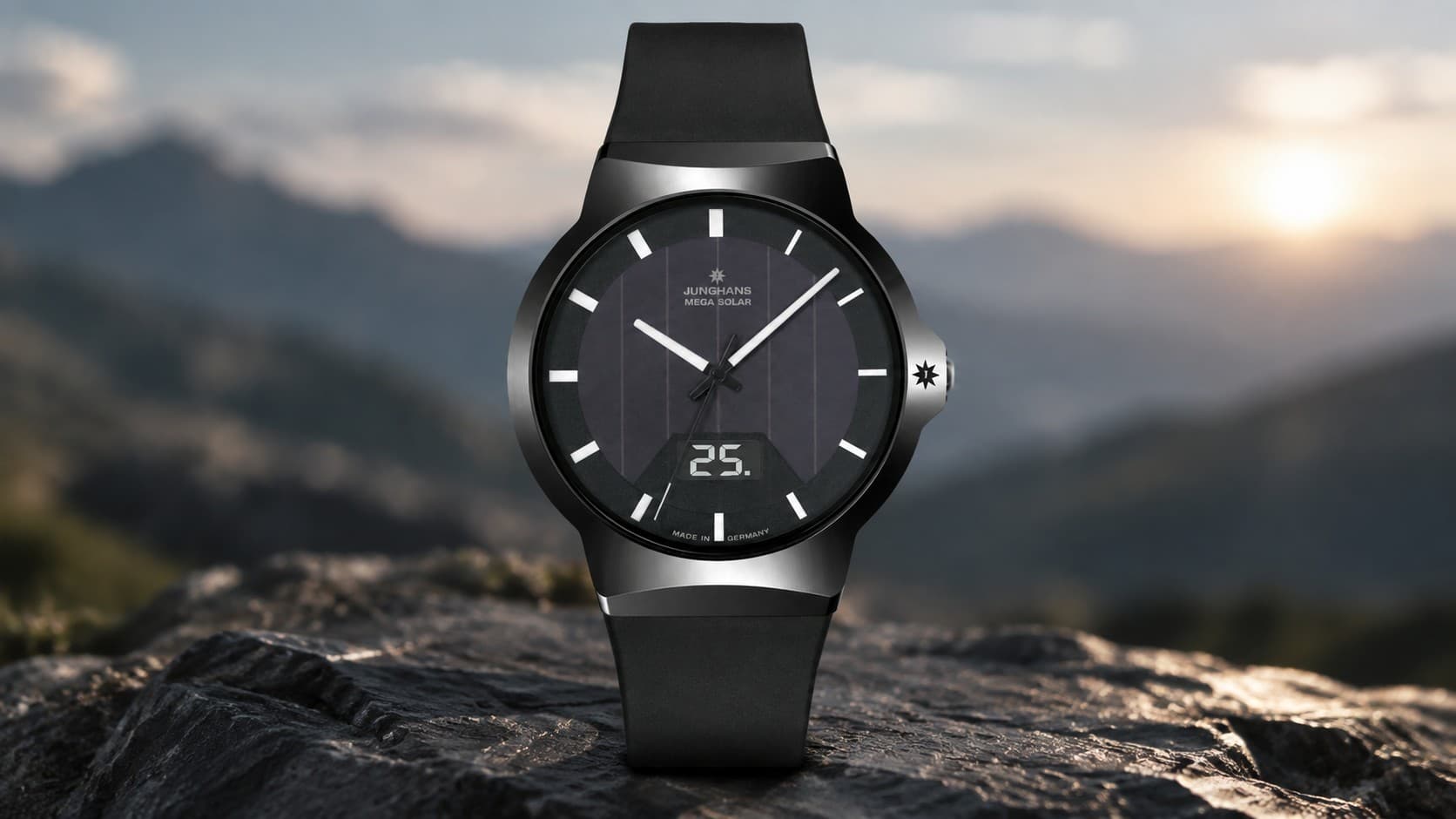
  • Max Bill MEGA Solar – This revolutionary timepiece combines the timeless Max Bill design with Junghans’ most advanced technology, featuring a 38mm titanium case, radio-controlled J101.85 movement powered by curved solar cells, and the ability to maintain accuracy for up to three years in complete darkness. Available in both steel and gold PVD versions with matching leather straps, this watch represents the future of sustainable timekeeping while honoring the past through its unchanged Bauhaus aesthetic.
  • Meister Chronoscope – A masterpiece of classical elegance and modern functionality, this 40.8mm chronograph features Junghans’ signature domed crystal, refined dial layout with distinctive bowl-shaped sub-dials, and the proven J880.1 movement based on the ETA 7750. Priced around $1,800-$2,200, it offers exceptional finishing quality with its curved hands that follow the dome of the dial, creating a cohesive design that exemplifies German attention to detail.
  • Meister Driver Chronoscope – Inspired by vintage automotive design and the current owners’ classic car collection, this unique timepiece features a cream-colored dial reminiscent of 1930s speedometers, distinctive typography, and automotive-inspired design elements. The 40.8mm case houses the reliable J880.3 movement, while the cream leather strap perfectly complements the vintage aesthetic, making it ideal for enthusiasts who appreciate both horological excellence and automotive heritage.
  • Max Bill Automatic – The purest expression of Bauhaus design philosophy in a wristwatch, this 38mm timepiece features the clean, uncluttered dial that Max Bill designed in 1961, powered by the reliable J800.1 automatic movement. Available with either numerical or index hour markers, this watch remains virtually unchanged from its original conception, proving the timeless appeal of functional design where every element serves a specific purpose without unnecessary ornamentation.
  • Meister MEGA – The sophisticated fusion of traditional Meister elegance with cutting-edge radio-controlled technology, this watch receives time signals from five frequencies across multiple continents while maintaining the classic Meister aesthetic. The J101.65 movement ensures accuracy within 0.02 seconds per year in radio-controlled mode, making it ideal for professionals who demand absolute precision without sacrificing style or elegance.
  • Meister Pilot Automatic – Drawing inspiration from Junghans’ historic involvement in aviation instruments, this 43.3mm pilot’s watch features a distinctive octagonal bezel, luminous Arabic numerals, and a gradient dial that transitions from blue to black. The aviation-inspired design elements include curved date windows and red accent markings, while the J880.1.6 movement provides reliable automatic operation for modern aviators and aviation enthusiasts.
  • Form A Automatic – Representing Junghans’ contemporary design approach, this 39.3mm watch features a sleek bowl-shaped case, modern industrial aesthetics, and clean lines that bridge traditional German design with contemporary sensibilities. The automatic movement and versatile styling make it suitable for both professional and casual wear, while special editions like the 160th anniversary model showcase unique design elements that celebrate the brand’s heritage.
  • Max Bill Hand-wound – For traditionalists who appreciate the ritual of daily winding, this 34mm timepiece features the manual J805.1 movement, domed plexiglass crystal, and the original proportions that Max Bill intended for optimal wrist presence. The smaller case size and hand-winding movement create an intimate connection between wearer and timepiece, while the 42-hour power reserve ensures reliable operation between windings.
  • Meister Telemeter – A unique revival of Junghans’ 1951 chronograph innovation, this watch combines telemeter and tachymeter scales in a single timepiece, allowing measurement of both distance and speed. The distinctive dial layout and specialized scales make it both a conversation piece and a functional tool, while the automatic chronograph movement ensures modern reliability with vintage-inspired functionality that appeals to collectors and enthusiasts of horological complications.

Each of these watches represents a different facet of Junghans’ expertise, from the pure minimalism of the Max Bill collection to the technical innovation of the MEGA series and the classical elegance of the Meister range. The pricing across these models ranges from approximately $800 for the hand-wound Max Bill to $2,200 for the more complex chronographs, ensuring accessibility across different budget levels while maintaining the exceptional quality and design integrity that has made Junghans a respected name in German watchmaking. Whether seeking a daily wear timepiece, a special occasion watch, or a technically advanced instrument, these ten models showcase the breadth and depth of Junghans’ commitment to combining traditional craftsmanship with innovative technology.

What to Look for When Buying Junghans Watch

Selecting the perfect Junghans timepiece requires careful consideration of multiple factors that will influence both your satisfaction with the watch and its suitability for your lifestyle. The brand’s diverse portfolio spans from minimalist dress watches to technically advanced chronographs, making it essential to evaluate your specific needs and preferences before making a decision that will serve you well for years to come.

  • Budget and Value Proposition – Junghans offers exceptional value across their price range, with entry-level models starting around $300-$600 for quartz pieces and extending to $2,200 for complex chronographs and limited editions. Consider not just the initial purchase price but the long-term value, as Junghans watches are built to last decades with proper care. The brand’s positioning between affordable fashion watches and high-end luxury pieces means you receive Swiss-quality movements and German craftsmanship at accessible prices, making careful budget planning worthwhile for accessing higher-tier models.
  • Movement Type and Technology – Junghans provides an unusually diverse range of movement options, from traditional hand-wound and automatic mechanical movements to cutting-edge radio-controlled and solar-powered technology. Hand-wound models like the Max Bill Handaufzug offer the traditional ritual of daily winding with 42-hour power reserves, while automatic movements provide convenience with reliable Swiss ETA-based calibers. Radio-controlled MEGA models deliver atomic clock accuracy that’s ideal for professionals requiring precise timekeeping, and solar-powered variants eliminate battery concerns while providing years of autonomous operation.
  • Case Size and Wrist Compatibility – Proper sizing is crucial for both comfort and aesthetics, with Junghans offering cases from 34mm to 43.3mm to accommodate different wrist sizes and style preferences. For wrists measuring 6-6.5 inches, consider 34-38mm cases like the Max Bill Kleine or standard Max Bill models. Average wrists of 7-7.5 inches can accommodate 38-42mm cases including most Meister and Form models, while larger 7.5+ inch wrists can handle the 43.3mm Meister Pilot comfortably. Remember that lug-to-lug distance is equally important for comfort, and Junghans typically designs proportionate lugs that don’t overhang even on smaller wrists.
  • Style and Design Preference – Determine whether you prefer the pure minimalism of the Bauhaus-inspired Max Bill collection, the classical elegance of the Meister range, or the contemporary industrial aesthetic of the Form series. Max Bill watches emphasize functional clarity with clean dials and purposeful design elements, making them ideal for those who appreciate understated sophistication. Meister models offer more traditional luxury watch styling with complications like chronographs and power reserve indicators, while specialized variants like the Pilot and Driver collections provide thematic design elements inspired by aviation and automotive history.
  • Intended Use and Lifestyle – Consider how and where you’ll wear the watch most frequently, as this influences both style and functional requirements. Dress watches like the Max Bill Hand-wound excel in formal settings but offer limited water resistance, while sport-oriented models like the Meister Pilot provide greater durability and legibility. If you need precise timekeeping for professional purposes, radio-controlled MEGA models offer unparalleled accuracy. For active lifestyles, consider solar-powered options that eliminate battery concerns, and evaluate water resistance ratings based on your activities.
  • Crystal and Build Quality Preferences – Junghans offers both hardened plexiglass and sapphire crystal options, each with distinct advantages. Plexiglass crystals, particularly on vintage-inspired models, provide authentic period aesthetics with superior light refraction and are easily polishable if scratched. Sapphire crystals offer superior scratch resistance and clarity but at higher cost. Consider your lifestyle and tolerance for maintenance when choosing between these options, as both represent quality approaches to watch crystal selection.
  • Strap and Bracelet Options – Evaluate the included strap or bracelet options and consider future customization possibilities, as strap selection significantly impacts both comfort and appearance. Junghans typically uses high-quality leather straps with appropriate proportions, but many models accept standard strap widths (18mm, 19mm, 20mm) for easy customization. Metal bracelets add weight and presence but may not suit all occasions, while leather options provide versatility across dress and casual settings. Consider seasonal wear patterns and whether you’ll want multiple strap options.
  • Features and Complications – Assess which additional functions beyond basic timekeeping you actually need versus those that might add unnecessary complexity or cost. Chronographs provide timing capabilities but increase thickness and complexity, while date displays add practical value with minimal impact. Radio-controlled functionality offers atomic accuracy but may not be necessary for all users, and perpetual calendar features provide long-term convenience for those who appreciate technical sophistication. Focus on features that align with your actual usage patterns rather than perceived prestige.

Taking time to honestly evaluate these factors ensures you’ll select a Junghans watch that provides lasting satisfaction and appropriate functionality for your lifestyle. The brand’s commitment to quality across all price points means that careful consideration of your specific needs will lead to a timepiece that serves you well whether as a daily companion or special occasion piece. Remember that Junghans watches are designed to last decades with proper care, making thoughtful selection an investment in long-term enjoyment and functionality.

Best Places to Buy Junghans Watches

Junghans Meister Chronometer watch featuring rose gold case, white dial with rose gold hands, and black leather strap showcasing luxury German craftsmanship

Finding the right retailer for your Junghans purchase is crucial for ensuring authenticity, warranty coverage, and quality customer service. The brand’s selective distribution network includes both established brick-and-mortar retailers and reputable online dealers, each offering different advantages depending on your shopping preferences and location.

  • Official Junghans Online Store – The brand’s direct-to-consumer website provides the most comprehensive selection of current models, including limited editions and new releases that may not be immediately available through third-party retailers. Purchasing directly from Junghans ensures complete authenticity, full manufacturer warranty coverage, and access to exclusive models, though shipping may be limited to certain regions and customer service support operates primarily during European business hours.
  • Authorized Online Retailers – Established watch retailers offer extensive Junghans selections with professional customer service, detailed product descriptions, and comprehensive warranty support. These retailers often provide additional services such as sizing assistance, extended return policies, and expertise in watch selection, while maintaining competitive pricing and faster shipping times to North American customers than direct European purchases.
  • Brick-and-Mortar Authorized Dealers – Physical stores provide the invaluable opportunity to handle and try on watches before purchase. These established retailers offer personalized service, immediate availability for popular models, professional sizing and adjustment services, and the ability to examine case finishes, crystal types, and strap quality firsthand, which is particularly important for discerning buyers seeking to experience the watch’s proportions and weight before committing to a purchase.
  • Luxury Department Stores and Watch Boutiques – High-end retailers carry curated Junghans selections, often focusing on the most popular Max Bill and Meister models. These venues provide upscale shopping experiences with knowledgeable staff, though their Junghans inventory may be more limited compared to specialized watch retailers, and pricing might reflect the premium retail environment.
  • Reputable Secondary Market Platforms – Established pre-owned watch platforms offer access to discontinued models, vintage pieces, and sometimes better pricing on current production watches. However, buyers must exercise careful due diligence regarding seller ratings, authentication guarantees, and return policies, as warranty coverage may be limited or non-existent for pre-owned pieces, and verification of authenticity becomes the buyer’s responsibility.
  • International Authorized Dealers – For buyers seeking specific models unavailable domestically, reputable European dealers can provide access to region-specific releases or better pricing due to currency fluctuations. This approach requires additional consideration of import duties, longer shipping times, potential warranty service complications, and the need to verify dealer authorization status with Junghans directly.

What to Avoid When Purchasing – Exercise extreme caution with unauthorized dealers, auction sites without authentication services, heavily discounted prices that seem too good to be true, and sellers who cannot provide detailed photographs or documentation. Gray market dealers may offer genuine watches at reduced prices but typically void manufacturer warranties and provide no recourse for defects or service issues. Always verify dealer authorization status through Junghans’ official website or direct contact with the manufacturer.

Key Considerations for Online Purchases – When buying online, ensure the retailer provides detailed specifications, high-resolution photographs showing case condition and crystal quality, clear return and exchange policies, and responsive customer service. Look for retailers offering authentication guarantees, comprehensive warranty coverage, and professional packaging for safe shipping. Consider whether the retailer provides additional services such as bracelet sizing, strap customization, or future service coordination.

Timing Your Purchase – Watch for seasonal sales events, particularly around holidays when many retailers offer promotional pricing or bonus accessories. New model releases typically occur annually, sometimes affecting pricing on previous year models. However, Junghans maintains relatively stable pricing due to their positioning as accessible luxury, making timing less critical than with higher-end brands that experience more dramatic price fluctuations.

Verification and Authentication – Before completing any purchase, verify the retailer’s authorization status through Junghans’ official dealer locator or direct inquiry with the manufacturer. Authentic Junghans watches come with specific packaging, documentation, and serial numbers that can be verified. Be wary of sellers who cannot provide complete documentation or refuse to guarantee authenticity, as counterfeit Junghans watches do exist in the marketplace.

The key to a successful Junghans purchase lies in balancing your priorities between price, service, selection, and convenience while ensuring you’re dealing with authorized retailers who can provide genuine products and proper warranty coverage. Whether choosing the hands-on experience of a local authorized dealer or the convenience and selection of established online retailers, purchasing from reputable sources ensures your investment in German craftsmanship will be properly supported throughout the watch’s lifetime.

Junghans Watch Maintenance And Servicing

Proper care and maintenance of your Junghans watch ensures optimal performance, longevity, and preserved aesthetics throughout its lifetime. German engineering excellence requires thoughtful attention to both the timepiece itself and its components, with different materials and movement types demanding specific care approaches that, when followed consistently, will keep your watch functioning and looking exceptional for decades.

  • Regular Cleaning and Basic Care – Clean your Junghans watch regularly using a soft, lint-free microfiber cloth to remove fingerprints, dust, and surface oils that accumulate during daily wear. For cases and metal bracelets rated for water resistance, use a slightly damp cloth with mild soap to remove stubborn grime, ensuring you dry all surfaces thoroughly afterward. Avoid harsh chemicals, abrasive cleaners, or ultrasonic cleaning solutions that can damage seals, crystal coatings, or movement components, particularly with radio-controlled models that contain sensitive electronic components.
  • Crystal Care and Protection – Junghans watches feature either hardened plexiglass or sapphire crystals, each requiring different care approaches for optimal clarity and scratch resistance. Plexiglass crystals, particularly on vintage-inspired models like the Max Bill, can be polished with specialized plastic polishes if minor scratches develop, but should be protected from impact and sharp objects. Sapphire crystals offer superior scratch resistance but can still chip or crack under severe impact, making careful handling and appropriate storage essential for maintaining their pristine clarity.
  • Movement Service Intervals – Junghans recommends professional service every 4-6 years for mechanical movements, depending on usage frequency, environmental conditions, and wear patterns. Automatic and hand-wound movements require periodic lubrication, cleaning, and adjustment to maintain accuracy and prevent excessive wear on delicate components. Radio-controlled and solar-powered MEGA movements need less frequent mechanical service but should be checked if timing accuracy deteriorates or solar charging efficiency decreases noticeably.
  • Strap and Bracelet Maintenance – Leather straps require the most attention, needing protection from excessive moisture, direct sunlight, and harsh chemicals that can cause cracking, discoloration, or premature deterioration. Clean leather straps with a barely damp cloth and mild soap, allow complete drying, then apply leather conditioner sparingly to maintain suppleness and prevent cracking. Metal bracelets benefit from regular cleaning with warm soapy water and a soft toothbrush to remove accumulated dirt from link joints, followed by thorough drying and occasional professional polishing to restore original luster.
  • Water Resistance Maintenance – Even with stated water resistance ratings, Junghans watches require careful attention to seal integrity and crown position to maintain protection against moisture ingress. Never operate crowns or pushers underwater, ensure crowns are fully pushed in and screwed down where applicable, and have water resistance tested annually if you frequently expose the watch to water. Remember that water resistance can deteriorate over time due to aging seals, temperature variations, and normal wear, making periodic professional testing essential for active lifestyles.
  • Storage and Environmental Considerations – Store your Junghans watch in a cool, dry environment away from direct sunlight, extreme temperatures, and strong magnetic fields that can affect movement accuracy. Use proper watch storage boxes or cases that provide cushioning and protection from impacts, dust, and humidity fluctuations. Avoid storing watches near electronic devices, speakers, or magnetic jewelry clasps that can magnetize movement components, particularly affecting mechanical models’ timekeeping accuracy.
  • Seasonal Rotation and Usage Patterns – If you own multiple watches, rotate their usage to prevent excessive wear on any single timepiece while allowing others to rest and maintain their lubricants and seals in optimal condition. This practice extends the overall lifespan of your collection while reducing the frequency of required maintenance services. For watches worn infrequently, wind mechanical models monthly to keep lubricants flowing and check battery levels in quartz models to prevent leakage damage.
  • Professional Service Considerations – When your Junghans requires professional attention, use only authorized service centers or qualified watchmakers familiar with German movements and brand specifications. Genuine parts, proper tools, and understanding of Junghans’ manufacturing tolerances ensure repairs maintain original performance standards and preserve warranty coverage. Keep detailed service records including dates, work performed, and parts replaced, as this documentation helps with future maintenance planning and can enhance resale value.
  • Signs Requiring Immediate Attention – Watch for indicators that your Junghans needs immediate professional care, including significant accuracy loss, moisture inside the crystal, crown or pusher malfunctions, or unusual sounds from the movement. Radio-controlled models that fail to synchronize properly or solar models that won’t hold charge may need movement service or component replacement. Address these issues promptly to prevent minor problems from developing into major repairs requiring extensive work or part replacement.

Consistent care and maintenance represent an investment in your Junghans watch’s future performance and appearance. The brand’s commitment to quality engineering means that properly maintained timepieces can provide reliable service and aesthetic pleasure for generations, making thoughtful care practices an essential aspect of ownership. By following these guidelines and establishing regular maintenance routines, you ensure your German timepiece continues to exemplify the precision and craftsmanship that define the Junghans brand while preserving its value as both a functional tool and treasured possession.

Junghans Watch Resale Value And Investment

Junghans watches occupy a unique position in the horological investment landscape, offering compelling value retention characteristics that differ significantly from both ultra-luxury Swiss brands and entry-level fashion watches. The brand’s combination of German engineering heritage, design authenticity, and accessible pricing creates opportunities for both appreciation and stable value preservation, though potential investors should approach Junghans collecting with realistic expectations and specific knowledge of the most desirable models and market dynamics.

  • Contemporary Model Value Stability – Modern Junghans watches, particularly the Max Bill collection, demonstrate impressive value retention compared to similarly priced competitors, with well-maintained examples typically reselling for 70-85% of original retail price within the first few years of ownership. The Max Bill Automatic, retailing around $995, consistently commands $700-$850 in the pre-owned market, reflecting strong demand for authentic Bauhaus design heritage. Limited editions and special releases, such as the Max Bill 100 Years Bauhaus, often maintain near-retail pricing or even appreciate modestly due to restricted production numbers and collector interest.
  • Vintage Chronometer Models – The most significant investment potential exists in vintage Junghans chronometer watches from the 1950s and 1960s, particularly those featuring the legendary J82, J83, and J85 in-house movements. These historically significant timepieces represent Junghans at their technical peak, when the company ranked as the third-largest chronometer manufacturer globally behind only Rolex and Omega. Well-preserved examples with original dials and chronometer certification can command $800-$2,500 depending on condition, movement variant, and case material, with rare configurations showing steady appreciation over the past decade.
  • Design Heritage Premium – Junghans watches benefit from genuine design provenance through their association with Max Bill and the Bauhaus movement, creating lasting appeal that transcends fashion trends. This authentic design heritage provides protection against value erosion that affects many contemporary brands lacking historical significance. The Museum of Modern Art’s inclusion of Max Bill’s kitchen clock design validates the cultural importance of this aesthetic, supporting continued collector interest in related timepieces.
  • Rarity and Production Factors – Certain Junghans models command premium pricing due to limited production runs, discontinued status, or unique technical features. Early Max Bill models from the 1960s with original dials and unpolished cases represent the most sought-after pieces, often selling for multiples of their original retail price. Radio-controlled models like the original MEGA 1 from 1990, being the world’s first radio-controlled analog wristwatch, hold historical significance that supports collector interest and stable pricing in the vintage market.
  • Market Position and Collector Base – Junghans occupies a sweet spot in the collector market, offering sophisticated designs and technical innovation at price points accessible to emerging collectors and enthusiasts who might be priced out of Swiss luxury brands. This broad accessibility ensures steady demand and liquidity in the secondary market, while the brand’s reputation for quality engineering provides confidence for long-term ownership. The growing appreciation for German watchmaking excellence has elevated Junghans’ profile among serious collectors seeking alternatives to mainstream Swiss brands.
  • Factors Supporting Long-term Value – Several elements contribute to Junghans’ investment appeal, including the brand’s survival through multiple ownership changes while maintaining production quality, the timeless nature of Bauhaus design principles, and increasing recognition of German watchmaking heritage. The current ownership by the Steim family has provided stability and renewed focus on quality, supporting brand prestige and collector confidence. Limited production numbers for many models ensure scarcity that typically supports pricing stability.
  • Investment Considerations and Risks – While Junghans offers better value retention than many contemporaries, investors should recognize that the brand operates in the mid-market segment where dramatic appreciation is less common than with true luxury marques. Market demand remains concentrated among informed collectors rather than mainstream luxury consumers, potentially limiting liquidity compared to household-name brands. Currency fluctuations can affect pricing for European-manufactured watches, and the relatively small collector base means that condition and originality become critically important for value retention.
  • Collecting Strategy for Investment – Serious collectors focusing on investment potential should prioritize vintage chronometer models with original components, limited edition contemporary pieces with low production numbers, and pristine examples of iconic designs like the original Max Bill configurations. Documentation, including chronometer certificates for vintage pieces and complete box-and-papers sets for modern watches, significantly impacts value retention. Avoiding common models in poor condition or those with replacement parts helps ensure better long-term performance.
  • Market Outlook and Trends – The vintage watch market’s continued growth, combined with increasing appreciation for design heritage and German manufacturing quality, supports positive long-term prospects for carefully selected Junghans pieces. The brand’s renewed focus on mechanical watchmaking and limited production philosophy under current ownership creates scarcity that typically supports pricing. Growing interest in Bauhaus design across multiple collecting categories provides cross-pollination that can drive demand for related timepieces.

Junghans represents a compelling option for collectors seeking watches that combine historical significance, design authenticity, and reasonable investment potential without the extreme pricing of top-tier luxury brands. While dramatic appreciation remains unlikely for most models, the combination of German engineering quality, design heritage, and accessible pricing creates an attractive value proposition for both wearing pleasure and modest investment potential. Success in Junghans collecting requires knowledge of significant models, attention to condition and originality, and realistic expectations about appreciation potential within the mid-market luxury segment.

Frequently Asked Questions About Junghans Watches

Many potential Junghans watch buyers have similar questions about the brand’s unique features, quality, and value proposition. These frequently asked questions address the most common concerns and curiosities about Junghans timepieces, from their radio-controlled technology to their position in the luxury watch market.

  • Are Junghans watches worth it? – Yes, Junghans offers excellent value with Swiss-level quality at affordable prices ($300-$2,000). You get reliable German engineering, innovative features like radio-controlled timekeeping, and timeless designs that stay stylish for decades.
  • How accurate are radio-controlled Junghans watches? – Extremely accurate – within 0.02 seconds per year when receiving radio signals from atomic clocks. Even without radio signals, they’re still very accurate at about 8 seconds per year, which is excellent for quartz watches.
  • Do Junghans solar watches need batteries? – They use rechargeable batteries charged by solar cells under the dial. These batteries last 8-15 years before needing replacement, much longer than regular watch batteries. Once fully charged, they can run for up to 3 years in complete darkness.
  • How long do Junghans watches last? – With proper care, they last for decades. Mechanical models can run for generations with regular servicing every 3-5 years. Quartz and solar models typically provide 10-20 years of reliable service.
  • Are Junghans watches considered luxury? – They’re “affordable luxury” – premium quality and craftsmanship at accessible prices. While not as expensive as Rolex, they offer luxury-level materials and finishing that appeals to watch enthusiasts who value quality over flashy status symbols.
  • Can Junghans radio-controlled watches work worldwide? – They work best in Europe, UK, USA, and Japan where atomic clock transmitters are located. Newer models with smartphone apps can sync globally via your phone. Without radio signals, they still work as highly accurate quartz watches.
  • How do I maintain my Junghans watch? – Keep it clean and dry, avoid extreme temperatures, and give solar models regular light exposure. Mechanical watches need professional servicing every 3-5 years. Quartz models need minimal maintenance besides occasional battery replacement.

These frequently asked questions reflect the practical concerns of potential Junghans owners and highlight the brand’s commitment to combining traditional German watchmaking excellence with modern technological innovations. The answers demonstrate why Junghans has maintained its reputation for reliability, accuracy, and value throughout its 160-year history, making it an intelligent choice for both first-time luxury watch buyers and experienced collectors seeking exceptional timepieces that deliver outstanding performance without excessive cost.

Conclusion

Junghans represents one of the best value propositions in the modern watch industry, offering exceptional German engineering, innovative technology, and timeless design at accessible prices. With over 160 years of watchmaking expertise, the brand has consistently delivered reliable timepieces that combine traditional craftsmanship with cutting-edge innovations like radio-controlled accuracy and solar charging. Whether you’re drawn to the iconic Max Bill collection’s Bauhaus minimalism or the technical sophistication of their Mega series, Junghans provides quality that rivals much more expensive Swiss alternatives while maintaining distinctly German character and precision.

The brand’s commitment to practical innovation over flashy complications makes their watches ideal for both daily wear and special occasions. From entry-level quartz models starting around $300 to sophisticated mechanical chronographs reaching $2,000, Junghans offers something for every budget and taste preference. Their focus on longevity, accuracy, and understated elegance appeals to discerning watch enthusiasts who appreciate substance over status symbols, making them particularly popular among collectors who value quality craftsmanship and innovative technology.

For anyone considering a Junghans watch, you’re investing in a piece of horological history that continues to evolve and innovate while respecting its rich heritage. The brand’s dedication to German engineering excellence, combined with their pioneering work in radio-controlled and solar technologies, ensures that Junghans will remain relevant and reliable for decades to come. Whether this is your first luxury watch or an addition to an established collection, Junghans delivers exceptional value, timeless style, and the kind of dependable performance that has made them a respected name in watchmaking for over a century and a half.

Nobbier logo

Subscribe To Our Weekly Newsletter

Get notified about new articles