Manual-wind watches represent the purest form of mechanical timekeeping, where daily hand-winding through the crown stores energy in a coiled mainspring that powers the entire movement. Unlike automatic watches that wind themselves through wrist movement or quartz watches powered by batteries, manual-wind watches demand active participation from their owners every 24-48 hours to maintain operation. This requirement creates both the charm and responsibility that defines these timepieces, offering what enthusiasts consider “a comforting element” and “physical connection to your story” through required daily interaction. We’ll explore everything from basic mechanics and proper winding techniques to brand recommendations across all price ranges.
What Is a Manual-Wind Watch?
Manual-wind watches rely on a simple yet sophisticated mechanical system where human energy gets stored and gradually released to power timekeeping functions. At their core, these watches contain a mainspring - essentially a long metal ribbon coiled inside a barrel - that you wind by turning the crown clockwise. This stored energy then flows through gears to move the hands and keep accurate time.
- The mainspring acts as your watch’s battery, storing all the energy needed to run the timepiece for anywhere from 24 hours to over a week, depending on the specific movement design. When you wind the crown, you’re literally coiling this steel ribbon tighter and tighter until it holds maximum energy. Most everyday manual-wind watches store enough power for 36-48 hours of continuous operation, while premium models can reach 65-80 hours, and exceptional pieces like certain Panerai watches can run for 8 full days on a single wind.
- Winding happens through the crown using a gear system that amplifies your turning motion into the tremendous force needed to coil the mainspring tight. A typical full wind requires 20-40 clockwise turns of the crown, though some high-capacity movements need 60+ turns or even 200+ turns for ultra-long power reserves. You’ll feel increasing resistance as the spring tightens, plus hear subtle clicking sounds from the internal ratchet mechanism that prevents the spring from unwinding backward during winding.
- Energy flows from the mainspring through precisely calculated gear wheels that step down the power while stepping up the speed to achieve proper timing relationships. The first wheel connects directly to the mainspring barrel and turns once per hour, driving the minute hand. Additional wheels in the gear train progressively increase rotation speed until the final wheel spins once per minute to drive the second hand. Every gear ratio gets mathematically calculated so the hands move at exactly the right speeds relative to each other.
- The escapement controls how fast the mainspring unwinds by only allowing tiny amounts of energy to escape at precisely timed intervals, creating the familiar “tick-tick-tick” sound. This mechanism works like a gate that opens and closes thousands of times per hour, with most modern watches using the Swiss lever escapement design that’s been refined since the 1750s. The escapement partners with a balance wheel that swings back and forth like a pendulum, oscillating at rates between 18,000 and 36,000 times per hour to regulate the energy release.
- Regular winding becomes necessary because the mainspring naturally loses tension as it powers the watch throughout the day, and timekeeping accuracy depends on maintaining adequate spring tension. When the mainspring gets below half-wound, the decreasing power can cause the watch to run slower or less consistently. Daily winding ensures the spring stays in its optimal tension range for the most accurate timekeeping, while also creating the ritualistic daily interaction that manual-wind owners often grow to love.
- Modern safety features prevent damage from overwinding through built-in clutch mechanisms that allow the crown to slip harmlessly when the mainspring reaches maximum tension. Older watches from before the 1980s might lack these protections, requiring more careful attention to avoid potentially expensive damage. The clutch system means you can wind until you feel firm resistance, then stop - the mechanism won’t let you wind too far even if you try.
- Power reserve indicators appear on some higher-end manual-wind watches to show how much energy remains stored in the mainspring, though most affordable models require you to estimate based on how long since your last wind. These gauges help optimize winding schedules and prevent unexpected stops, but they add complexity and cost that keeps them out of entry-level pieces.
Manual-wind watches appeal to people who appreciate the direct connection between their daily actions and their timepiece’s operation. Every morning wind becomes a small ritual that starts your day while ensuring your watch runs properly until the next morning. This hands-on relationship with your timepiece creates a fundamentally different ownership experience compared to watches that run automatically or on batteries, making manual-wind watches the choice of people who value tradition, craftsmanship, and the satisfaction of actively maintaining a precision mechanical instrument.
How to Wind a Manual Watch: Step-by-Step Guide for Beginners
Proper winding technique protects your watch from damage while ensuring optimal performance and longevity. The process involves specific steps and precautions that prevent stress on delicate components while maximizing power transfer efficiency. Mastering correct winding habits prevents costly repairs and maintains your watch’s accuracy throughout its lifetime.
- Remove the watch from your wrist before winding to eliminate lateral stress on the delicate crown stem that could cause damage or misalignment over time. The crown stem, typically only 1-2mm in diameter, wasn’t designed to handle the twisting forces applied when the watch moves on your wrist during winding. Holding the watch steady in your non-dominant hand while winding with your dominant hand provides the controlled environment necessary for safe operation and prevents the sideways pressure that can bend or break internal components.
- Ensure the crown sits in the correct winding position by pushing it fully against the case until you feel it click into place, indicating proper engagement with the winding mechanism. Some watches feature screw-down crowns that require counterclockwise rotation to unscrew before winding, followed by clockwise tightening afterward to maintain water resistance. Never attempt to wind with the crown pulled out to time-setting positions, as this disconnects the crown from the winding mechanism and can damage the keyless works inside the movement.
- Turn the crown clockwise only using gentle, steady pressure applied through your thumb and index finger rather than using fingernails or excessive force that could strip delicate gear teeth. Each clockwise rotation transfers energy into the mainspring through precisely engineered gear ratios, while counterclockwise turning provides no benefit and may cause unnecessary wear on the ratchet mechanism. The motion should feel smooth and controlled, similar to turning a small screw rather than forcing a stuck mechanism.
- Count approximately 30-40 turns for a complete wind from a stopped state, though individual watches may require anywhere from 20-60 turns depending on mainspring capacity and gear ratios. High-end watches with extended power reserves might need significantly more turns - some Panerai 8-day models require over 200 turns for full winding. Stop counting and pay attention to resistance rather than hitting arbitrary numbers, as individual movements vary considerably in their winding requirements.
- Feel for gradually increasing resistance as the mainspring approaches full tension, indicated by the crown becoming progressively harder to turn without any sudden stopping points or grinding sensations. Modern movements include built-in safety clutches that allow the crown to slip when the mainspring reaches capacity, preventing overwinding damage that could occur in vintage pieces lacking these protections. The resistance should build smoothly over the final 10-15 turns rather than hitting a hard stop.
- Listen for subtle clicking sounds from the internal ratchet mechanism that prevents the mainspring from unwinding backward during the winding process. These clicks should sound regular and consistent throughout the winding process, with any grinding, scraping, or irregular sounds indicating potential problems that require professional attention. A healthy manual-wind movement produces gentle, rhythmic clicks that many owners find satisfying and reassuring.
- Stop winding when you feel firm resistance rather than forcing additional turns that serve no purpose and may stress the clutch mechanism unnecessarily. The safety clutch protects against damage, but constantly engaging it can cause premature wear and potentially affect its reliability over years of use. Once you feel definite resistance, the mainspring has reached full capacity and additional turning provides no benefit to power reserve or timekeeping accuracy.
- Wind at consistent times daily to maintain optimal mainspring tension and accuracy, with early morning being ideal since this provides full power throughout your active day. Avoid winding during date-change periods typically between 9 PM and 3 AM when internal calendar mechanisms may be engaged and crown manipulation could damage delicate components. Consistent timing also helps establish the daily ritual that many manual-wind owners find rewarding and meditative.
- Check that the second hand starts moving smoothly after winding to confirm proper power transfer and movement engagement. A healthy manual-wind watch should show immediate response with smooth second hand motion that maintains consistent speed rather than hesitating or jumping irregularly. Any delayed response or erratic hand movement may indicate problems with the gear train or escapement that require professional evaluation.
- Secure screw-down crowns properly by pressing firmly against the case while turning clockwise until hand-tight, but avoid over-tightening that could damage the crown threads or case tube. The crown should seat flush against the case with moderate finger pressure - using tools or excessive force can strip threads and compromise water resistance. Proper crown seating maintains the watch’s protection against moisture and dust while allowing easy access for future winding.
- Avoid winding with wet hands or in humid conditions when possible, since moisture can affect crown operation and potentially enter the case through worn seals. While modern watches include gaskets and seals to prevent water intrusion, the crown represents the most vulnerable entry point for moisture, especially during the manipulation required for daily winding. Dry hands provide better grip control and reduce the risk of water contamination.
- Pay attention to seasonal changes that might affect crown operation, such as cold weather making metal components contract or hot weather making them expand slightly. These temperature variations can subtly change how the crown feels during operation, but the basic winding technique remains the same. Extreme temperature changes might also affect the watch’s timekeeping temporarily until components stabilize at normal operating temperature.
Developing proper winding habits from the beginning protects your investment while maximizing the satisfaction and reliability that manual-wind watches provide. The few minutes spent learning correct technique pays dividends in longevity, accuracy, and peace of mind that comes from knowing you’re treating your timepiece with the care and respect that fine mechanical instruments deserve.
How Do Manual-Wind Watches Work?
The inner workings of a manual-wind watch involve multiple mechanical systems working together to transform the energy from your daily winding into precise timekeeping. Each component plays a specific role in storing, regulating, and displaying time through purely mechanical means. Let’s explore how these intricate systems collaborate to create accurate timekeeping from a simple daily wind.
- The mainspring barrel houses the coiled steel ribbon that stores your winding energy in a round container typically measuring 8-12mm in diameter. This barrel doesn’t just hold the spring - it also serves as the first gear in the power transmission system. As the mainspring slowly unwinds, it rotates the barrel, which has gear teeth around its edge that mesh with the next wheel in the gear train. The barrel’s rotation speed determines how long your watch will run, with larger barrels or more efficient springs providing longer power reserves.
- Gear train wheels step down the mainspring’s power while stepping up the rotation speed through carefully calculated ratios that ensure proper timing relationships between all the hands. The center wheel connects directly to the barrel and completes one rotation every hour, which is why the minute hand attaches to this wheel’s central shaft. The third wheel serves as an intermediate gear that transmits power deeper into the movement, while the fourth wheel rotates once per minute and carries the second hand. Each wheel must be precisely machined and positioned to maintain the exact gear ratios needed for accurate timekeeping.
- The escapement mechanism acts as the movement’s heartbeat by controlling exactly how fast the gear train can rotate, preventing the mainspring from dumping all its energy at once. This system consists of an escape wheel with specially shaped teeth that interacts with a pallet fork containing two jeweled surfaces called pallets. The pallet fork rocks back and forth, alternately catching and releasing the escape wheel’s teeth, which creates the distinctive ticking sound. Each “tick” represents one precise release of energy, with the timing controlled by the balance wheel’s oscillations.
- The balance wheel and hairspring create the watch’s timing reference through regular oscillations that occur at a specific frequency, typically 18,000 to 36,000 vibrations per hour depending on the movement design. The balance wheel resembles a tiny bicycle wheel that rocks back and forth, powered by impulses from the escapement and returned to center by the hairspring’s restoring force. This hairspring, thinner than human hair and made from special alloys, coils and uncoils with each balance wheel oscillation, acting like the spring in a mechanical metronome to maintain consistent timing.
- Jeweled bearings reduce friction throughout the movement by supporting rotating components on synthetic ruby or sapphire surfaces that are much harder and smoother than metal-on-metal contact. A typical manual-wind watch contains 15-25 jewels placed at critical pivot points where wheels rotate or oscillate frequently. These jewels aren’t decorative - they’re functional components that significantly extend the movement’s lifespan by minimizing wear and reducing the energy needed to keep everything turning smoothly.
- The dial train transfers motion from the movement to the hands through additional gears that position the hour and minute hands correctly relative to each other. Since the minute hand must complete 12 rotations for every one rotation of the hour hand, this requires a 12:1 gear reduction that happens in the dial train beneath the watch face. Some movements also include a hacking feature that stops the second hand when you pull the crown out for time setting, allowing precise synchronization with time references.
- Regulation happens through tiny adjustments to the hairspring’s effective length using a regulator arm that can be moved to make the watch run faster or slower. Moving the regulator toward ”+” shortens the active length of the hairspring, making the balance wheel oscillate faster and the watch gain time. Moving it toward ”-” lengthens the hairspring, slowing down the oscillations and making the watch lose time. Fine regulation requires specialized tools and expertise, which is why professional service includes timing adjustment.
The beauty of manual-wind watch mechanics lies in how all these components work together using only the energy you provide through daily winding. No electronics, no batteries, no external power sources - just precision-engineered metal parts that transform your morning routine into days of accurate timekeeping. This mechanical complexity, all powered by a simple daily wind, represents centuries of horological refinement and explains why watch enthusiasts find manual-wind movements so captivating to observe through exhibition casebacks.
Types of Manual-Wind Watches
Manual-wind watches come in several distinct categories, each designed for different purposes and aesthetic preferences. From ultra-thin dress watches to robust chronographs, manufacturers have adapted the manual-wind mechanism to serve various needs while maintaining the fundamental appeal of hand-wound operation. Each type offers unique advantages and characteristics that attract different types of watch enthusiasts.
- Dress watches represent the most traditional manual-wind category, featuring thin cases typically measuring 6-8mm thick and diameters between 34-40mm to slip easily under shirt cuffs. These watches prioritize elegance and legibility with clean dial layouts, often including small seconds subdials at 6 o’clock and applied hour markers or Roman numerals. Case materials range from stainless steel to precious metals like gold or platinum, with leather straps being the most common choice. Water resistance usually stays minimal at 30-50 meters since these watches target formal occasions rather than active use.
- Field watches adapt military-inspired designs for manual-wind movements, typically featuring larger 38-42mm cases with high-contrast dials for maximum legibility in various lighting conditions. These watches often include 24-hour markings, luminous hands and markers for low-light reading, and more robust case construction with increased water resistance up to 100 meters. Canvas or NATO straps complement the utilitarian aesthetic, while the manual-wind movement provides reliability without dependence on automatic winding mechanisms that might fail in extreme conditions.
- Chronograph watches combine manual-wind movements with stopwatch complications, requiring additional wheels, levers, and pushers to control the timing functions. These complex movements can contain 200+ components compared to 100-150 in simple time-only manual winds. Column-wheel chronographs represent the premium option with smoother operation and better longevity, while cam-actuated versions offer similar functionality at lower costs. The manual-wind format works particularly well for chronographs since the added complication would make automatic versions significantly thicker.
- Vintage-inspired watches recreate classic designs from the 1940s-1960s using modern manufacturing techniques and materials while maintaining period-correct aesthetics. These often feature smaller case sizes (34-38mm) that reflect historical proportions, domed crystals, applied logos, and dial colors like cream or silver that evoke the original era. Movements may use contemporary calibers housed in vintage-style cases, or manufacturers might revive actual historical movement designs with modern improvements for reliability and accuracy.
- Skeleton watches showcase the manual-wind movement through extensively cut-away dials that reveal the gear train, escapement, and balance wheel operation. These timepieces prioritize visual appeal over legibility, often featuring bridges and plates with decorative finishing like perlage, côtes de Genève, or hand-engraving. The manual-wind format works especially well for skeleton designs since there’s no rotor to obstruct the view of the movement’s intricate mechanics working in harmony.
- Pocket watches continue the original manual-wind tradition in larger formats, typically measuring 45-55mm in diameter with movements that can accommodate longer power reserves and more elaborate complications. Available in hunter-case styles with protective covers or open-face designs for direct dial access, pocket watches often feature railroad-grade accuracy standards and robust construction designed for daily use. Chain attachments and specialized pockets in waistcoats or jackets complete the traditional pocket watch experience.
- Luxury complications combine manual-wind movements with advanced features like moon phases, annual calendars, dual time zones, or power reserve indicators. These watches demonstrate the versatility of manual-wind movements while showcasing manufacturers’ technical capabilities. The absence of automatic winding mechanisms leaves more space for complication components, allowing watchmakers to create thinner cases even with additional functions.
- Limited editions and special releases often choose manual-wind movements to emphasize traditional craftsmanship and create exclusivity through the daily ritual requirement. These watches might commemorate historical events, celebrate manufacturer anniversaries, or showcase experimental techniques like new materials or manufacturing processes. The manual-wind format appeals to collectors who value the hands-on experience and connection to watchmaking heritage.
Each type of manual-wind watch serves different needs and preferences, from the understated elegance of dress watches to the technical complexity of chronographs. The choice often comes down to intended use, personal style, and how much complexity you want in your daily timekeeping routine. Regardless of type, all manual-wind watches share the fundamental appeal of direct mechanical engagement that creates a unique bond between owner and timepiece through the daily winding ritual.
Pros of Manual-Wind Watches
Manual-wind watches offer several compelling benefits that attract enthusiasts despite requiring daily attention. These advantages stem from both the mechanical simplicity of the movement and the unique relationship between owner and timepiece. For many watch lovers, these benefits outweigh the convenience of automatic or quartz alternatives.
- The daily winding ritual creates a meaningful connection between you and your timepiece that goes far beyond simply checking the time. This morning routine becomes what many owners describe as a meditative moment that starts each day with intention and care. The tactile feedback of feeling the mainspring tension increase, hearing the subtle clicks of the ratchet mechanism, and knowing your actions directly power the watch creates an intimate relationship impossible with battery or self-winding watches. Many enthusiasts compare this to preferring manual transmission cars - it’s about engagement and participation rather than passive consumption.
- Thinner case profiles become possible without the weighted rotor system required for automatic winding, allowing watchmakers to create more elegant and comfortable watches that slip easily under shirt cuffs. While automatic watches typically measure 10-15mm thick due to rotor clearance requirements, manual-wind equivalents often achieve 6-10mm thickness with identical complications. This advantage proves especially valuable for dress watches where understated elegance matters more than robust construction, making manual winds the preferred choice for formal occasions and business wear.
- Complete movement visibility through exhibition casebacks offers unobstructed views of the intricate mechanical components working in harmony. Without a rotor blocking the view, you can watch every wheel, lever, and spring performing its precise function, creating a mesmerizing display of micro-mechanical engineering. This transparency allows appreciation of decorative finishing techniques like perlage, côtes de Genève, and hand-engraving that might be partially hidden in automatic movements. For watch enthusiasts who value craftsmanship, this clear view of the movement’s beauty represents a significant advantage.
- Longer power reserves often exceed automatic equivalents since energy isn’t constantly spent rewinding the mainspring through rotor motion. Modern manual-wind movements routinely achieve 65-80 hour power reserves, with exceptional examples reaching 8-10 days or even longer. This means you can wind your watch Monday morning and still have it running Wednesday evening, providing more flexibility than many automatics that stop after 40-48 hours without wearing. Extended reserves also mean more consistent timekeeping since the mainspring maintains higher tension for longer periods.
- Lower manufacturing costs typically make manual-wind watches more affordable than automatic equivalents with similar finishing and complications. The absence of rotor systems, bidirectional winding mechanisms, and automatic winding gear trains reduces component count and assembly complexity. This cost advantage often allows buyers to access higher-quality cases, dials, or finishing at the same price point, or simply enjoy premium mechanical timekeeping at lower entry costs. Even luxury manual winds often cost less than comparable automatics from the same manufacturer.
- Simplified service requirements result from fewer moving parts and less complex gear trains compared to automatic movements. While the crown and its seals may need more frequent attention due to daily use, the overall movement contains fewer components that can wear out or malfunction. Service intervals might extend slightly longer, and repair costs often run lower due to reduced complexity. This mechanical simplicity also means better long-term reliability when properly maintained, as there are simply fewer things that can go wrong.
- Superior accuracy potential exists in manual-wind movements when properly regulated, since consistent daily winding maintains optimal mainspring tension for steady power delivery. Many manual winds can achieve chronometer-grade accuracy of ±4-6 seconds per day when freshly serviced and wound consistently. The predictable power delivery from daily winding eliminates the variable energy input that automatic movements experience based on wearing patterns and activity levels.
- Traditional craftsmanship appeal attracts collectors and enthusiasts who value the unchanged connection to centuries of watchmaking heritage. Manual-wind movements represent the original form of portable timekeeping, unchanged in fundamental operation since the earliest pocket watches. This historical continuity appeals to people who appreciate traditional skills and time-tested technology over modern convenience features.
- Environmental considerations favor manual winds since they require no battery disposal and use human energy rather than electrical power. The purely mechanical operation means these watches can theoretically run forever with proper maintenance, creating truly sustainable timekeeping that doesn’t contribute to electronic waste. For environmentally conscious consumers, this represents a meaningful advantage over quartz alternatives.
The combination of these advantages creates a compelling case for manual-wind ownership, particularly for people who view their watch as more than just a time-telling tool. The daily ritual, mechanical transparency, elegant proportions, and connection to traditional craftsmanship appeal strongly to enthusiasts who prioritize engagement and heritage over convenience. While these benefits require accepting the responsibility of daily winding, many owners find this small commitment richly rewarded by the unique character and satisfaction that only manual-wind watches can provide.
Cons of Manual-Wind Watches
While manual-wind watches offer unique advantages, they also come with significant limitations that make them unsuitable for many potential owners. These drawbacks stem directly from the manual operation requirement and affect daily convenience, reliability, and practical usage. Honest evaluation of these disadvantages helps determine whether manual-wind ownership aligns with your lifestyle and expectations.
- Daily maintenance becomes a non-negotiable responsibility that many people find tedious or easy to forget, especially during busy periods, travel, or schedule disruptions. Unlike automatic watches that wind themselves through normal wearing or quartz watches that run for years on a battery, manual winds simply stop when you forget to wind them. Missing even one day can result in a completely dead watch that requires full rewinding and time resetting before use. This daily commitment proves particularly challenging for people with irregular schedules, frequent travelers, or anyone who views watches purely as convenient time-telling tools.
- Complete stoppage occurs without warning when the power reserve depletes, leaving you with a non-functional timepiece at potentially inconvenient moments. While some high-end models include power reserve indicators, most affordable manual winds provide no advance notice before stopping. The watch simply freezes at whatever time the mainspring energy runs out, requiring you to estimate elapsed time and reset everything before the watch becomes useful again. This contrasts sharply with automatic watches that can restart from wrist movement or quartz watches that maintain time for years.
- Travel complications multiply when crossing time zones or disrupting normal routines, since manual winds require consistent attention regardless of location or schedule changes. Jet lag, different wake times, and travel stress can easily disrupt winding routines, leading to stopped watches precisely when accurate timekeeping matters most. International travel also means remembering to wind at appropriate local times while managing the mental adjustment of new schedules, adding another small but persistent task to travel logistics.
- Crown wear accelerates from daily manipulation, potentially compromising water resistance and requiring more frequent service attention than automatic equivalents. The daily twisting motion gradually wears down crown seals, gaskets, and threading that protect the movement from moisture and dust. While modern crowns are designed for this use, the constant operation still creates more wear points than automatics where the crown rarely gets used. This can result in higher long-term maintenance costs and more frequent professional service intervals.
- Multiple watch ownership becomes impractical since each manual wind requires individual daily attention regardless of whether you plan to wear it. Watch collectors who enjoy rotating between different pieces find manual winds particularly demanding, as unworn watches still need winding to prevent stoppage and potential lubricant settling. This makes manual winds poor choices for people who own several watches and prefer flexibility in daily selection without maintenance obligations.
- Overwinding anxiety affects some owners despite modern safety mechanisms, particularly those with vintage pieces or expensive watches where repair costs run high. While contemporary movements include clutch systems that prevent mainspring damage, the psychological concern about winding “too much” can create stress during the daily routine. Some owners become overly cautious and under-wind their watches, leading to shorter running times and more frequent attention requirements.
- Inconvenient timing restrictions affect when you can safely wind the watch, particularly during date-change periods typically between 9 PM and 3 AM when engaging the crown mechanism might damage delicate calendar components. This means you can’t simply wind whenever convenient - you need to remember appropriate timing windows while maintaining consistent daily schedules. Emergency winding during restricted periods risks expensive repair bills from damaged date-change mechanisms.
- Physical limitations can make daily winding difficult for people with arthritis, reduced dexterity, or hand mobility issues. The small crown size and required rotational force may prove challenging for some users, while the need to remove the watch from your wrist during winding adds extra steps to the daily routine. These accessibility concerns make manual winds less inclusive than alternatives that require minimal manual manipulation.
- Accuracy degradation occurs predictably as the mainspring tension decreases throughout the day, with many manual winds running slower during the final hours before requiring rewinding. This means your watch may gain time in the morning when freshly wound but lose time by evening when the mainspring weakens. Consistent accuracy requires maintaining high mainspring tension through more frequent winding, adding to the daily attention requirements.
- Social inconvenience can arise when your watch stops during important meetings, social events, or situations where checking or winding your timepiece would be inappropriate. Unlike automatic watches that restart from movement or quartz watches that never stop, a dead manual wind provides no time reference until you can privately rewind and reset it. This reliability concern makes manual winds poor choices for people whose professional or social situations demand consistent timekeeping availability.
- Weather sensitivity affects winding comfort during cold conditions when thick gloves make crown manipulation difficult, or hot weather when handling metal components becomes uncomfortable. The daily winding requirement persists regardless of weather conditions, potentially creating uncomfortable or awkward situations when you need to wind your watch but conditions make the process unpleasant or impractical.
These disadvantages don’t necessarily disqualify manual-wind watches, but they do require honest assessment of your lifestyle, priorities, and tolerance for daily maintenance routines. People who thrive on consistent habits and view the daily ritual as rewarding will find these limitations manageable, while those seeking convenient, grab-and-go timekeeping should seriously consider automatic or quartz alternatives that better match their practical needs.
Manual-Wind vs Automatic vs Quartz: Comparison
Choosing between manual-wind, automatic, and quartz watches requires evaluating how each technology fits your lifestyle, preferences, and priorities. Each approach to timekeeping offers distinct advantages and compromises that appeal to different types of users. This comparison examines the key differences across all major factors that influence daily ownership experience.
- Power sources define the fundamental differences between these three technologies, with manual winds requiring daily human energy input through crown winding, automatics harvesting energy from wrist movement through weighted rotors, and quartz movements running on battery power that lasts 2-10 years. Manual winds demand active participation but provide complete independence from batteries or wearing requirements, automatics offer convenience for daily wearers but stop when unworn for 24-48 hours, while quartz delivers set-and-forget operation until battery replacement becomes necessary years later.
- Accuracy varies dramatically across movement types, with quartz achieving superior precision at ±15 seconds per month or better, while mechanical movements typically deliver ±10-30 seconds per day depending on quality and regulation. Manual winds can potentially achieve better accuracy than automatics when wound consistently, since daily winding maintains optimal mainspring tension for steady power delivery. Automatics experience variable power input based on wearing patterns and activity levels, which can affect consistency, while quartz movements maintain virtually perfect accuracy regardless of usage patterns until the battery weakens.
- Maintenance requirements reflect mechanical complexity and usage patterns across the three technologies. Manual winds need crown seals replaced more frequently due to daily manipulation but benefit from simpler movement servicing every 4-5 years. Automatics require comprehensive rotor system maintenance and timing adjustment every 3-5 years but experience less crown wear from minimal manual operation. Quartz movements need only battery replacement every 2-10 years with occasional seal service, making them the lowest-maintenance option for most users.
- Daily convenience strongly favors quartz and automatics over manual winds for users prioritizing grab-and-go functionality. Quartz watches require zero daily attention and maintain perfect time regardless of wearing frequency, automatics wind themselves during normal wear and restart from movement after short stops, while manual winds demand daily winding attention whether worn or not. This makes manual winds impractical for multiple-watch owners or inconsistent wearing patterns, while quartz and automatics accommodate varying usage without penalty.
- Cost analysis reveals clear patterns across entry-level, mid-range, and luxury categories. Manual winds typically cost 20-30% less than automatic equivalents due to simpler construction, with quality examples starting around $200-500 compared to $300-700 for comparable automatics. Quartz remains significantly cheaper across all price ranges, with excellent examples available for under $100, though luxury quartz pieces can exceed mechanical watches in price. Service costs generally favor manual winds and quartz over automatics due to reduced complexity.
- Emotional engagement differs substantially between mechanical and electronic timekeeping approaches. Manual winds create the strongest owner connection through required daily ritual and visible mechanical operation, automatics provide moderate engagement through rotor movement and occasional hand-winding capability, while quartz offers minimal emotional connection but maximum practical utility. Many enthusiasts view mechanical movements as small marvels of engineering worth daily attention, while practical users prefer the reliability and accuracy of electronic timekeeping.
- Thickness and weight considerations affect wearing comfort and aesthetic preferences. Manual winds achieve the thinnest profiles at 6-10mm thickness due to absent rotor systems, automatics typically measure 10-15mm thick to accommodate rotor clearance, while quartz movements can be extremely thin but often use thicker cases for visual balance. Weight differences follow similar patterns, with manual winds offering lighter overall packages that prove especially comfortable for dress watch applications.
- Durability and shock resistance vary based on movement complexity and construction approaches. Modern mechanical movements, whether manual or automatic, include shock protection systems that handle normal daily activities well, though both remain more fragile than quartz movements that have fewer delicate moving parts. Quartz movements tolerate more extreme conditions and rough handling, making them preferred choices for sports, outdoor activities, or demanding work environments where mechanical movements might suffer damage.
- Long-term value retention typically favors mechanical movements over quartz, particularly from established manufacturers with strong reputations. Manual-wind watches often hold value better than automatics due to their traditional appeal and collector interest, while most quartz watches depreciate rapidly regardless of initial quality. However, certain quartz pieces from prestigious brands or with innovative features can maintain or increase value, proving that technology alone doesn’t determine collectibility.
- Environmental impact considerations favor manual winds and mechanical movements over battery-powered quartz. Manual winds require no electrical components and can theoretically run forever with proper maintenance, automatics use renewable human energy for power, while quartz movements create battery waste every few years and contain electronic components that eventually require disposal. For environmentally conscious users, mechanical timekeeping represents a more sustainable approach to personal timekeeping.
- Learning curve and user expertise requirements increase with mechanical complexity. Quartz watches need minimal user knowledge beyond basic operation and occasional battery changes, automatics require some understanding of power reserves and winding procedures, while manual winds demand mastery of proper winding technique and daily routine establishment. This knowledge requirement can be viewed as either an appealing challenge or an unnecessary complication depending on individual preferences.
The choice between these technologies ultimately depends on weighing convenience against engagement, accuracy against character, and cost against features. Manual winds suit enthusiasts who value tradition and daily ritual, automatics serve active wearers wanting mechanical character with reasonable convenience, while quartz appeals to accuracy-focused users prioritizing reliability and minimal maintenance. Understanding these fundamental differences helps identify which approach best matches your priorities and lifestyle requirements.
Best Manual-Wind Watch Brands
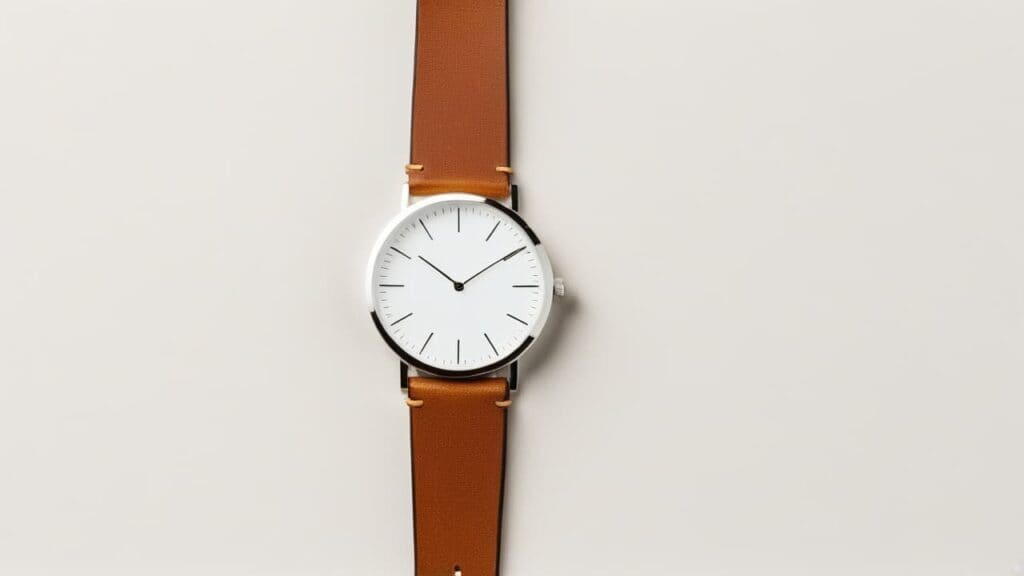
The manual-wind market spans from accessible entry-level pieces to ultra-luxury timepieces, with established manufacturers offering excellent options across every price point. Each brand brings unique strengths, whether in movement innovation, case finishing, design heritage, or value proposition. This overview covers the most significant players and their standout manual-wind offerings across different budget categories.
- Timex leads the affordable segment with the Marlin collection starting around $199, featuring 34mm stainless steel cases with acrylic crystals and clean sunray dials available in multiple colorways. These watches use reliable manual-wind movements with approximately 40-hour power reserves, making mechanical timekeeping accessible to newcomers without major financial commitment. The vintage-inspired design draws from Timex’s 1960s archives while modern manufacturing ensures contemporary reliability and finishing quality that exceeds the price point.
- Hamilton dominates the entry-luxury category with the Khaki Field Mechanical ($525-595) featuring 38mm brushed steel cases, sapphire crystals, and the exceptional H-50 movement based on ETA’s proven 2801-2 caliber. The standout 80-hour power reserve significantly exceeds most competitors at this price, while military-inspired design and 50m water resistance ensure practical daily wear capability. Various dial colors and strap options provide customization choices, with the movement’s Swiss pedigree offering reliability that justifies the premium over cheaper alternatives.
- Seiko offers exceptional chronograph value through models like the Seagull 1963 tribute pieces ($150-250) featuring column-wheel ST19 movements in 38mm steel cases with panda or reverse-panda dial configurations. These watches provide genuine mechanical chronograph complications at prices where most competitors offer only basic time-only functions, making them remarkable value propositions for complication enthusiasts. The historical military connection and reliable Chinese movement manufacturing create compelling packages for budget-conscious collectors.
- Nomos represents German design excellence with pieces like the Club ($1,850-2,200) featuring 36-38mm cases housing in-house Alpha or DUW movements with distinctive orange accents and Bauhaus-inspired aesthetics. The extra-long lugs and custom typography create immediately recognizable design language, while German manufacturing provides finishing quality that rivals Swiss competitors costing significantly more. Power reserves typically reach 43 hours with regulation approaching chronometer standards.
- anOrdain delivers artisanal quality through their Model 1 series (£1,695-1,895) featuring genuine fired enamel dials in 36mm steel cases with Sellita SW210-1 movements. The Scottish company’s hand-fired enamel work represents techniques typically reserved for watches costing $10,000+, while Art Deco typography and custom case proportions create distinctive aesthetics. Limited production runs and personal attention from the small team justify premium pricing for buyers seeking unique craftsmanship.
- Grand Seiko exemplifies Japanese precision with models like the SBGW231 ($4,300) featuring the exceptional 9S64 caliber achieving +10/-1 seconds daily accuracy in perfectly finished 37.3mm cases. The 72-hour power reserve, cream dial with diamond-cut indices, and impeccable case finishing demonstrate Japanese attention to detail at prices below Swiss equivalents. Zaratsu polishing techniques and hand-assembled movements justify the premium while delivering accuracy that exceeds many Swiss chronometer pieces.
- Omega combines heritage with innovation through the De Ville Trésor collection ($7,00-8,500) featuring Master Co-Axial 8910/8929 movements with METAS certification and 72-hour power reserves. Master Chronometer certification includes anti-magnetic resistance to 15,000 gauss, addressing real-world durability concerns while maintaining traditional manual-wind character. The collection spans 39-40mm cases in various metals with finishing quality that matches the premium positioning.
- Jaeger-LeCoultre offers iconic complications through the Reverso Classic Duoface ($10,600+) combining Art Deco styling with practical dual time zones in the famous reversible case format. The Caliber 854A manual-wind movement provides 42-hour power reserve while the flip mechanism offers both aesthetic appeal and functional travel capability. Hand-guilloche dials and white gold cases demonstrate haute horlogerie finishing at relatively accessible luxury pricing.
- A. Lange & Söhne represents German haute horlogerie with pieces like the Lange 1 ($45,000+) featuring the L121.1 manufacture movement with oversized date display and distinctive asymmetrical dial layout. German silver movements with hand-engraved balance cocks and three-quarter plates showcase traditional Saxon watchmaking techniques refined to contemporary standards. The famous outsize date mechanism and power reserve indicator demonstrate technical innovation within classical frameworks.
- Patek Philippe defines luxury manual-wind watches through the Calatrava collection starting around $31,000 for steel versions and exceeding $50,000 for gold variants with complications. The current 6119G features 39mm white gold cases with “Clous de Paris” bezels and Caliber 30-255 PS movements providing 65-hour power reserves. Hand-wound operation, Bauhaus-inspired design, and impeccable finishing represent the pinnacle of Swiss dress watch manufacturing.
- Vacheron Constantin offers artistic excellence through collections like Patrimony and Traditionnelle featuring ultra-thin manual-wind movements in precious metal cases with prices starting around $25,000. The manufacture movements achieve remarkable thinness while maintaining reliability, with some models featuring skeleton work or enamel dials that showcase artistic craftsmanship. Limited editions often incorporate historical design elements that connect contemporary pieces to the company’s 250+ year heritage.
- Vintage recommendations span multiple decades with notable pieces including 1960s Omega Seamaster 600 models ($800-1,500), Longines sector dial watches from the 1940s ($1,000-2,500), and Universal Genève Compax chronographs from the 1960s ($3,000-8,000+). Vintage manual winds offer unique aesthetic appeal and mechanical character often unavailable in contemporary pieces, though they require careful evaluation for condition, authenticity, and service history before purchase.
The manual-wind market rewards research and patience, with exceptional value available across all price ranges for buyers willing to investigate movement specifications, finishing quality, and brand reputation. Entry-level pieces from Hamilton and Timex provide genuine mechanical satisfaction, mid-range options from Nomos and Grand Seiko deliver premium quality at reasonable prices, while luxury pieces from established Swiss and German manufacturers represent the pinnacle of traditional watchmaking craftsmanship.
Manual-Wind Watch Maintenance: Service, Storage, and Daily Care
Proper care extends your manual-wind watch’s lifespan while maintaining optimal performance and accuracy. These timepieces require specific attention to their unique characteristics, from daily winding routines to long-term storage considerations. Following established maintenance practices prevents common problems and preserves your investment for decades of reliable service.
- Establish consistent daily winding routines by choosing a specific time each morning when you can give the watch your full attention without rushing or distraction. Early morning proves ideal since this provides maximum power throughout your active day, while consistent timing helps your internal clock remember the routine even during busy periods. Keep your watch in the same location overnight so you’ll naturally encounter it during your morning preparation, making the winding habit as automatic as brushing your teeth or checking your phone.
- Monitor power reserve depletion patterns to optimize your winding schedule and prevent unexpected stops. Most manual winds run strongest during the first 24 hours after winding, maintain good accuracy for another 12-24 hours, then may begin losing time as mainspring tension decreases. Learning your specific watch’s power curve helps you decide whether daily winding or every-other-day schedules work best for your lifestyle and accuracy requirements.
- Professional service intervals follow industry standards with daily-wear manual winds requiring attention every 3-5 years maximum, while occasional-wear pieces can extend to 5-7 years between services. Vintage watches or complex complications may need more frequent attention every 3-4 years due to aged components or delicate mechanisms. Service includes complete movement disassembly, cleaning, worn part replacement, lubrication with specialized oils, regulation for accuracy, and water resistance testing.
- Crown seal maintenance becomes critical due to daily manipulation that gradually wears gaskets and threading protecting the movement from moisture and dust. Check for smooth crown operation without grinding or catching, ensure screw-down crowns seat properly without cross-threading, and have seals replaced if you notice any resistance changes during winding. Professional crown service typically costs $100-300 and prevents expensive water damage that could destroy the entire movement.
- Storage requirements vary by duration and environmental conditions. Short-term storage for days or weeks requires full winding before storage, allowing natural power depletion in stable temperature environments away from magnetic fields stronger than 4,800 A/m. Long-term storage for months or years benefits from professional service beforehand, controlled temperature and humidity environments, and monthly winding cycles to prevent lubricant settling and component seizing.
- Temperature extremes affect both accuracy and longevity, with ideal operating ranges between 5-35°C (40-95°F) for optimal performance. Cold weather can make metals contract and oils thicken, potentially affecting timekeeping temporarily until components warm to body temperature. Hot conditions may cause metals to expand and oils to thin, while extreme heat above 60°C (140°F) can damage lubricants permanently and affect hairspring tension.
- Magnetic field exposure poses serious threats to manual-wind movements containing ferrous components that can become magnetized and affect timekeeping accuracy. Common sources include smartphones, tablets, laptop computers, stereo speakers, refrigerator doors, and security systems at airports or retail stores. Symptoms of magnetization include sudden gain or loss of several minutes per day, with professional demagnetization typically costing $50-150 to restore normal operation.
- Water resistance limitations require careful attention since most manual winds offer minimal protection designed for hand washing and rain rather than swimming or showering. Even watches rated to 50-100 meters may not handle hot water, soap, or submersion if crown seals have worn from daily winding. Check manufacturer specifications carefully and err on the side of caution, removing your watch before any water-related activities beyond basic hand washing.
- Shock protection systems in modern movements handle normal daily activities well, but manual winds remain delicate precision instruments that benefit from careful handling during sports, manual labor, or activities involving sudden impacts. The balance wheel and hairspring are particularly vulnerable to shock damage that can affect timekeeping permanently, requiring expensive repair or replacement through professional service.
- Regular accuracy monitoring helps identify developing problems before they become serious issues requiring extensive repair. Track your watch’s daily rate by comparing it to accurate time references, noting any sudden changes in gaining or losing time that might indicate magnetization, dirt accumulation, or mechanical problems. Gradual changes over months typically indicate normal aging that professional service can address.
- Cleaning procedures for cases and bracelets should use soft brushes, mild soap, and minimal water contact around crown and pusher areas. Leather straps require different care with leather-specific cleaners and occasional replacement every 1-2 years depending on wear patterns and skin chemistry. Metal bracelets can handle more aggressive cleaning but still need protection of crown and case tube areas from water intrusion.
- Signs requiring immediate professional attention include water inside the crystal, cracked or chipped crystals, loose crowns or pushers that don’t operate smoothly, visible rust or corrosion on any components, and any physical damage to dials or hands from impacts. Continuing to use a damaged watch often causes secondary problems that multiply repair costs, making prompt professional evaluation essential when problems first appear.
- Documentation and warranty management should include keeping purchase receipts, warranty cards, and service records in secure locations while photographing serial numbers and case details for insurance purposes. Many manufacturers offer international warranty service, but documentation requirements vary significantly between brands and may affect coverage for repairs or replacements under warranty terms.
- Seasonal adjustments may become necessary as temperature changes affect your watch’s timekeeping rate throughout the year. Many manual winds run slightly faster in winter and slower in summer due to thermal effects on the hairspring and other components. Professional regulation can optimize performance for your local climate, though most users learn to compensate mentally for predictable seasonal variations rather than pursuing costly adjustments.
Developing good maintenance habits from the beginning protects your investment while maximizing the satisfaction that comes from owning a well-cared-for mechanical timepiece. The combination of daily attention during winding and periodic professional service ensures your manual-wind watch provides decades of reliable service while maintaining the accuracy and appearance that makes these traditional timepieces so rewarding to own and use.
Should You Buy a Manual-Wind Watch?
Determining whether a manual-wind watch suits your needs requires honest evaluation of your lifestyle, preferences, and expectations for daily timekeeping. These watches appeal strongly to specific personality types while proving frustrating for others who prioritize convenience over tradition. This assessment helps identify whether the unique characteristics of manual-wind ownership align with your real-world requirements.
- Daily routine consistency affects manual-wind suitability significantly, since these watches thrive with owners who maintain regular schedules and appreciate ritualistic habits. People who wake at consistent times, follow established morning routines, and find satisfaction in small daily tasks often embrace the winding ritual as a positive start to each day. Conversely, individuals with erratic schedules, frequent travel disruptions, or resistance to daily maintenance obligations may find manual winds more burden than pleasure.
- Watch enthusiasm level determines appreciation for manual-wind characteristics that extend beyond basic timekeeping functionality. Serious collectors and horological enthusiasts typically value the mechanical transparency, traditional craftsmanship, and hands-on engagement that manual winds provide uniquely among watch types. Casual users who view watches primarily as convenient time-telling tools often find the daily attention requirements tedious and prefer automatic or quartz alternatives that demand minimal interaction.
- Professional requirements influence practical suitability for manual-wind ownership in various career contexts. People in formal business environments often appreciate the thin profiles and elegant proportions that manual dress watches provide, while those in active professions may prefer the reliability of quartz or the convenience of automatics that restart from movement. Healthcare workers, pilots, or others requiring precise timekeeping might find manual winds unsuitable due to accuracy variations and potential stopping.
- Multiple watch ownership patterns affect manual-wind practicality since each piece requires individual daily attention regardless of wearing rotation. Single-watch owners who wear the same timepiece daily find manual winds manageable and rewarding, while collectors with multiple pieces often struggle to maintain several manual winds simultaneously. The daily commitment multiplies with each additional manual-wind watch, making them impractical for people who enjoy frequently changing their timepieces.
- Travel frequency and lifestyle mobility create challenges for manual-wind owners who must maintain consistent winding routines despite changing time zones, disrupted schedules, and travel stress. Frequent business travelers or people with active social lives may find the daily obligation restrictive, while homebodies or retirees with stable routines often embrace the consistency that manual winds reward. International travel adds complexity through time zone changes and jet lag affecting natural rhythm patterns.
- Age and physical capability considerations affect long-term manual-wind ownership sustainability as dexterity and fine motor control may change over time. Young enthusiasts often embrace the tactile engagement, while older users might develop arthritis or other conditions that make small crown manipulation difficult or uncomfortable. Planning for potential physical changes helps determine whether manual-wind investment makes sense for decades of ownership rather than just current capability.
- Technology comfort levels influence appreciation for purely mechanical timekeeping versus modern electronic conveniences. People who prefer traditional tools, analog controls, and hands-on interaction often gravitate toward manual winds as extensions of their general technology preferences. Tech-forward individuals accustomed to automated solutions may find manual winds unnecessarily primitive compared to smartwatches or high-accuracy quartz alternatives.
- Budget considerations extend beyond initial purchase to include ongoing maintenance costs, potential repair expenses, and the premium pricing that manual winds often command over quartz alternatives. Entry-level manual winds start around $200-500, but quality pieces quickly reach $1,000+ with luxury options exceeding $10,000-50,000. Service costs every 3-5 years add $300-1,000+ depending on complexity, making total ownership costs significant over decades of use.
- Accuracy expectations must align with mechanical reality since manual winds typically achieve ±10-30 seconds daily compared to quartz precision measured in seconds per month. People requiring precise timekeeping for professional or personal reasons may find mechanical accuracy insufficient, while others appreciate the human character that comes with small daily variations. Understanding these limitations prevents disappointment and helps set appropriate expectations.
- Aesthetic preferences for traditional versus contemporary design influence manual-wind appeal since these watches often emphasize classical proportions, traditional materials, and conservative styling over modern features. People drawn to vintage-inspired design, heritage brands, and timeless aesthetics typically appreciate manual-wind offerings, while those preferring cutting-edge technology, bold styling, or contemporary features might find manual winds too conservative for their tastes.
- Environmental consciousness considerations favor manual winds for people prioritizing sustainable, long-lasting products over disposable alternatives. Manual winds require no batteries, use renewable human energy, and can theoretically operate forever with proper maintenance, appealing to environmentally aware consumers. However, the premium pricing and specialized maintenance requirements may offset environmental benefits for budget-conscious buyers choosing affordable quartz alternatives.
- Social and professional image factors affect manual-wind appropriateness in various contexts where watch choice communicates personal values or professional status. Traditional industries like law, finance, or luxury goods often appreciate the heritage and craftsmanship that manual winds represent, while tech companies or progressive organizations might view them as outdated compared to smartwatches or modern alternatives.
- Learning curve tolerance determines enjoyment of the knowledge acquisition that manual-wind ownership requires, from proper winding technique to understanding power reserves and maintenance needs. People who enjoy learning about mechanical systems, traditional crafts, and historical technologies often find manual winds intellectually rewarding, while those preferring plug-and-play simplicity may find the learning requirements unnecessarily complex.
The decision ultimately comes down to whether you value the unique characteristics that only manual winds provide - daily ritual, mechanical transparency, traditional craftsmanship, and intimate engagement - enough to accept the responsibilities and limitations that come with this choice. People who answer “yes” typically become devoted manual-wind enthusiasts who find the daily winding ritual deeply satisfying, while those seeking convenience, accuracy, or minimal maintenance should honestly consider automatic or quartz alternatives that better match their priorities and lifestyle requirements.
Manual-Wind Watch Questions: Everything You Want to Know
Manual-wind watches generate numerous questions from potential owners curious about daily operation, maintenance requirements, and long-term ownership considerations. These common inquiries reflect practical concerns about accuracy, durability, and care that affect purchasing decisions. Expert answers provide realistic expectations and dispel common misconceptions about manual-wind ownership.
- How long will my watch run without winding? Power reserve duration varies significantly between movements and manufacturers, with most affordable manual winds providing 36-48 hours of operation from a complete wind. Mid-range pieces often achieve 65-80 hours, while premium examples can reach exceptional durations like Oris Caliber 115 offering 10 days or certain A. Lange & Söhne movements achieving 31 days. However, optimal timekeeping typically occurs during the first 24-36 hours when mainspring tension remains highest, making daily winding preferable regardless of available reserve capacity for consistent accuracy.
- Can you actually overwind and damage a manual watch? Modern manual-wind movements manufactured after 1980 include built-in clutch mechanisms that make overwinding virtually impossible through normal hand operation. These safety systems allow the crown to slip harmlessly when the mainspring reaches maximum tension, preventing the catastrophic spring breakage that could occur in older watches lacking protection. While you should stop winding when feeling firm resistance, the clutch system protects against accidental damage even if you continue turning the crown with reasonable force.
- What happens if I forget to wind my watch for several days? The watch simply stops when the mainspring energy depletes completely, causing no damage to the movement or components. Restarting requires a full wind of 30-40 turns followed by time and date setting, avoiding the 9 PM to 3 AM period when date-change mechanisms may be engaged. Extended periods without winding won’t harm modern movements, though some watchmakers recommend occasional winding during long storage periods to prevent lubricants from settling or components from seizing.
- How accurate should I expect my manual-wind watch to be? Accuracy expectations depend on movement quality and regulation, with standard manual winds typically achieving ±12-20 seconds daily when properly maintained and wound consistently. Premium movements can reach ±4-6 seconds daily, while COSC chronometer certification requires -4/+6 seconds daily performance under controlled conditions. Individual watches develop personal characteristics that experienced owners learn to anticipate, often running faster when freshly wound and slower as mainspring tension decreases throughout the day.
- Are manual-wind watches more fragile than automatics? Both movement types contain similar delicate components like balance wheels, hairsprings, and jeweled bearings that require careful handling during physical activities. Manual winds lack the additional complexity of rotor systems that can potentially fail, but their crowns experience more wear from daily manipulation compared to automatics where crown use remains minimal. Overall durability depends more on manufacturing quality and proper maintenance than movement type, with both requiring protection from extreme shocks, magnetic fields, and water exposure.
- Do manual winds keep better time than automatic watches? Properly maintained manual winds can achieve superior accuracy compared to automatics when wound consistently each day, since daily winding maintains optimal mainspring tension for steady power delivery. Automatics experience variable energy input based on wearing patterns and activity levels, which can affect consistency throughout the day. However, high-quality movements of either type, when professionally regulated and serviced, typically achieve similar accuracy levels within normal usage patterns.
- How often do manual-wind watches need professional service? Service intervals typically range from 3-5 years for daily-wear pieces to 5-7 years for occasional-wear watches, depending on usage patterns, environmental conditions, and movement complexity. Signs requiring immediate attention include sudden accuracy changes, visible condensation inside the crystal, difficulty winding, or any physical damage to case or crown. Regular service includes complete disassembly, cleaning, lubrication, regulation, and replacement of worn components, typically costing $300-1,000+ depending on movement complexity and required repairs.
- Can manual winds handle water exposure like swimming or showering? Most manual-wind watches offer minimal water resistance designed for hand washing and rain protection rather than submersion or hot water exposure. Even pieces rated to 50-100 meters may not handle swimming safely if crown seals have worn from daily winding or if the crown isn’t properly seated. Hot water from showers can damage seals and allow moisture intrusion, making it advisable to remove manual winds before any significant water contact beyond basic hand washing.
- Why do some manual winds cost so much more than quartz watches? Manual-wind pricing reflects the complex manufacturing processes required for mechanical movements, including precision machining of hundreds of tiny components, hand assembly by skilled technicians, and extensive quality control testing. Premium pieces also include decorative finishing like perlage, côtes de Genève, and hand-engraving that require specialized artisan skills. Brand heritage, limited production numbers, and precious metal cases further increase costs, while quartz movements can be mass-produced with minimal human labor and basic materials.
- Should I wind my watch if I’m not going to wear it? Occasional winding during storage periods helps prevent lubricants from settling and components from seizing, though modern synthetic lubricants are less prone to these problems than older oils. For storage periods under a month, no winding is necessary, while longer storage benefits from monthly winding and brief operation to circulate lubricants. If storing for years, professional service before and after storage ensures optimal condition and prevents problems from developing during extended dormancy.
- Do manual winds work well for people who travel frequently? Travel creates challenges through schedule disruptions, time zone changes, and jet lag affecting natural routines that manual winds reward. The daily winding requirement persists regardless of location or local time, potentially creating inconvenience when adjusting to new schedules. However, some travelers enjoy the consistency of their winding ritual as an anchor point during travel disruptions, while others find it an unwelcome additional task during already stressful periods.
- Can women comfortably use manual-wind watches designed for men? Case size and crown dimensions affect usability more than gender, with smaller hands potentially finding tiny crowns difficult to manipulate during daily winding. Many “men’s” manual winds in 34-38mm cases work well for women who appreciate mechanical watches, while some manufacturers offer specific ladies’ models with appropriately sized components. The daily winding requirement and mechanical complexity appeal equally to enthusiasts regardless of gender, though individual hand size and dexterity affect practical operation comfort.
- What’s the difference between cheap and expensive manual winds? Quality differences appear in movement finishing, case materials, accuracy regulation, and long-term reliability rather than basic functionality. Expensive pieces typically feature superior metallurgy, tighter manufacturing tolerances, hand-finished components, and better shock protection systems. However, affordable manual winds from reputable manufacturers often provide excellent daily performance and reliability, with the premium for luxury pieces buying aesthetic refinement and prestige rather than dramatically superior timekeeping capability.
These answers provide realistic expectations for manual-wind ownership while addressing the most common concerns that influence purchasing decisions. The key insight is that manual winds reward consistent care and attention with reliable performance and mechanical satisfaction, but they require honest assessment of your lifestyle and priorities before committing to daily ownership responsibilities.
Conclusion
Manual-wind watches represent more than mere timekeeping devices - they embody centuries of horological tradition wrapped in daily ritual and mechanical authenticity. For enthusiasts seeking deeper engagement with traditional craftsmanship, these timepieces offer unparalleled connection through required daily interaction and complete movement transparency impossible in automatic alternatives. The thin profiles, extended power reserves, and intimate winding experience create rewards that extend far beyond simple time display, appealing to people who value hands-on engagement with precision mechanical instruments.
The choice between manual-wind and other movement types ultimately reflects personal priorities and lifestyle compatibility. Those valuing tradition, ritual, and mechanical purity will find manual winds deeply rewarding despite their maintenance demands, while users prioritizing convenience and grab-and-go functionality should consider automatics or quartz alternatives better suited to casual ownership patterns. The daily commitment required isn’t burdensome for people who establish consistent routines and appreciate the meditative quality of morning winding rituals.
Today’s manual-wind market offers exceptional options across every price point, from accessible entries like the Hamilton Khaki Field with 80-hour reserves to haute horlogerie masterpieces from Patek Philippe and A. Lange & Söhne. Whether choosing entry-level mechanical engagement or luxury horological artistry, manual-wind watches reward committed owners with authentic connections to watchmaking’s purest traditions and most satisfying daily rituals. The decision comes down to whether you’re ready to embrace the responsibility and reap the unique rewards that only manual-wind ownership can provide.