Some bags and wallets don’t have a flat surface at all — instead, they’re covered in small, rounded bumps, almost like tiny hills packed close together. That’s pebbled leather, and it shows up on everything from work totes to wallets to the football sitting in a garage somewhere. It looks a little different from the smooth, shiny leather most people picture, and that difference isn’t just for style. The bumpy texture actually changes how the leather behaves over years of daily use, which is why so many bags built for everyday life are made from it.
What Is Pebbled Leather?
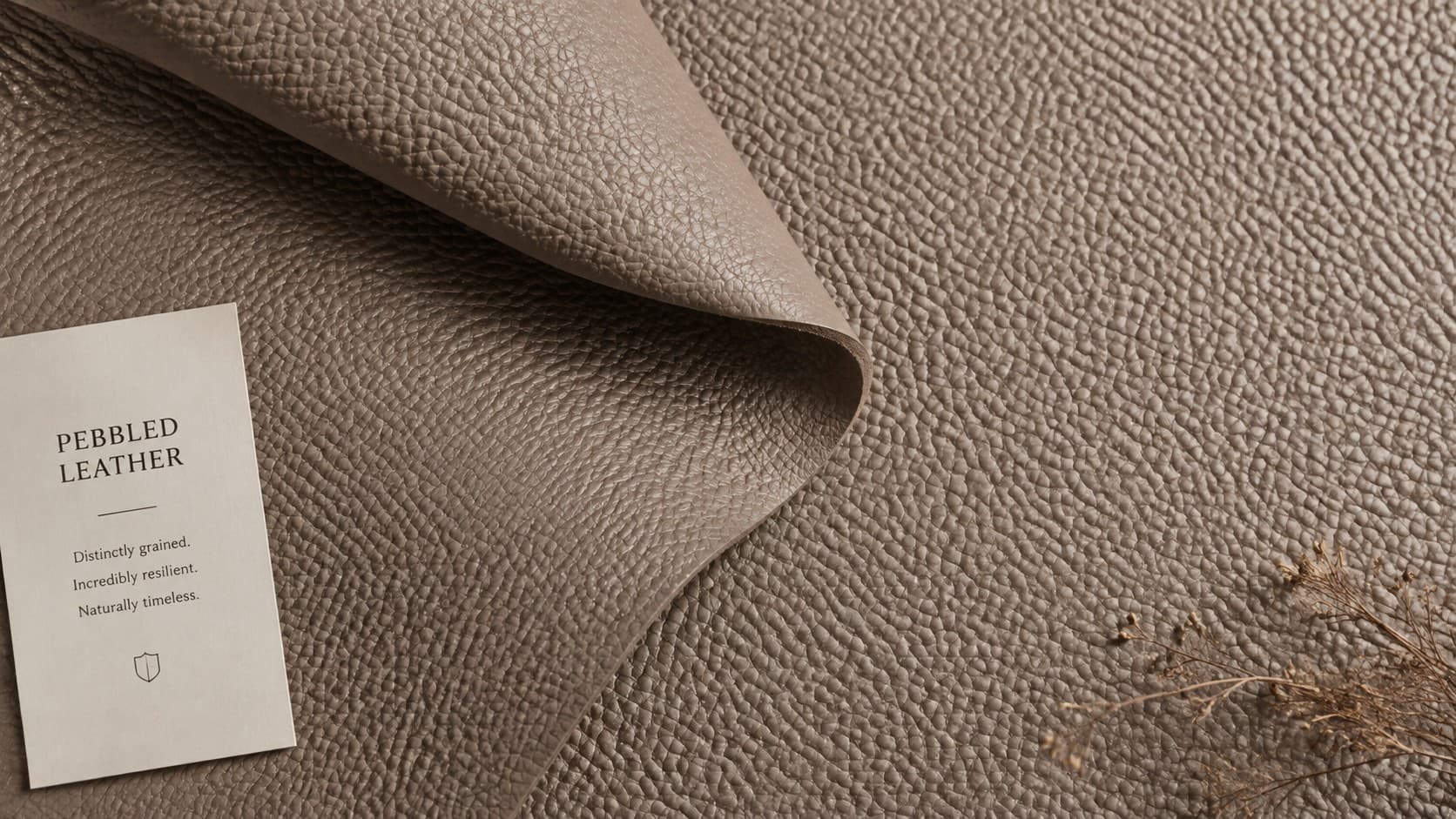
Pebbled leather is leather with a raised, dotted texture pressed into its surface, giving it a look similar to a pile of small stones. Most of the time, that texture is not something the animal hide naturally had. Instead, tanneries create it on purpose using a process called embossing, where a patterned plate or roller presses the bumpy design into the leather under strong heat or pressure. Once the pattern is stamped in, it stays there permanently, so the leather keeps that dotted look for the rest of its life, whether it ends up as a handbag, a wallet, or the sole panel of a boot.
The name describes the texture only, not the quality of the material underneath. Pebbled leather can be made from full-grain cowhide, from calfskin, or even from synthetic materials designed to look and feel similar to real leather. That means two pebbled items can be worlds apart in quality even though they share the same bumpy surface, so the texture alone doesn’t reveal whether something is genuine animal hide or a man-made stand-in.
The name itself comes straight from what the surface looks like — small, rounded bumps packed together like pebbles on a beach. It’s a fitting description, since the texture really does look like a stretch of smooth, closely packed stones once it’s stamped into a hide. The texture shows up well beyond handbags, too: wallets, belts, boots, furniture upholstery, car interiors, and even the cowhide panels on an American football all use pebbled texture, usually for the same reason — it needs to survive constant handling without looking beaten up.
How Manufacturers Create the Pebbled Texture
Most pebbled leather gets its texture from a stamping process that presses a pattern into the hide using heavy machinery. A tannery runs the leather through a heated roller or a flat press, both fitted with a metal surface carved with the pebble design, and the pressure pushes that pattern permanently into the material. Because the process just involves pressing a shape into the surface, it can be applied to almost any type of leather, and even to plastic-based faux leather, which is one reason the look turns up on so many different products at so many different price points.
Embossing: The Most Common Method
A hide moves through the machine after it has already been tanned and dyed, so the color is set before the bumps go in. Applying heat while pressing helps the raised pattern hold its shape instead of flattening back out over time, and manufacturers sometimes back the leather with a thin foam layer during production to help the bumps stay puffed up under everyday handling. This step is quick compared to tanning, which is part of why pebbled leather is so widely used across shoes, bags, belts, and furniture.
Not all pebbled textures are stamped the same depth, either. Some leather is embossed with a fine, tight, uniform grain that’s sometimes called “refined pebble leather” — it keeps the practical scratch-hiding benefit of pebbling but reads as more polished and less chunky than the classic deep pebble grain. Brands often reach for this finer version when they want a bag or wallet to look closer to smooth leather while still getting the everyday durability of a textured surface.
Natural Shrunken Grain: The Rarer Method
A small amount of pebbled leather gets its texture without any stamping at all. Certain hides develop an uneven, bumpy grain naturally during tanning, when the top layer of the skin shrinks slightly and puckers as it dries — leatherworkers sometimes call this shrunken or shrink-grain leather. This version is less common and usually costs more, because it depends on how a specific hide reacts during tanning rather than a machine stamping a repeatable pattern onto any hide a factory has on hand.
Leather-industry lore also credits a Scottish tannery with stumbling onto the technique by accident, possibly sometime in the 1700s. Supposedly, a batch of hides left resting on an uneven, rock-covered workshop floor came away marked with the same knobby pattern found in pebbled leather today, pressed in by the weight of the stack sitting on the stones underneath. Nobody has been able to confirm the story actually happened, but it has circulated in leather circles for so long that it’s become a well-known origin myth for the material regardless.
Whether the bumps came from a machine or from the hide shrinking naturally, the leather underneath can still be genuine, full-grain material. The pebbling itself is a finish, not a shortcut.
Why Scratches Barely Show on Pebbled Leather
Pebbled leather hides scratches because its uneven surface scatters light instead of reflecting it in one clean line the way smooth leather does. A scratch on a smooth, glossy leather bag shows up instantly because it interrupts an otherwise flat, light-catching surface, similar to a scratch on a car’s paint job. On a bumpy surface, there’s no single flat plane for light to bounce off evenly, so small marks blend into the texture instead of standing out.
There’s also a physical reason pebbled leather wears better, not just a visual one. The raised bumps take the brunt of everyday friction — from being set down on tables, rubbed against clothing, or bumped into doorframes — spreading that contact across thousands of small high points rather than concentrating it on one flat area. That’s part of why pebbled leather became a favorite for everyday bags, wallets, and even footballs, where grip and daily wear matter more than a glassy shine.
There’s a practical history behind the texture, too. Hides sometimes come out of tanning with bite marks, scars, or other blemishes from the animal’s life, and manufacturers often reject those hides for smooth leather goods because every mark would be visible. Pebbling gives those same hides a second life, since the texture disguises the blemishes well enough for them to be used in finished products instead of thrown away.
Pebbled Leather vs. Smooth Leather
Neither finish is “better” across the board — each is suited to different jobs, and the differences come down to a handful of practical factors.
| Pebbled Leather | Smooth Leather | |
|---|---|---|
| Hides scratches | Yes, very well | No, marks show quickly |
| Best for | Everyday bags, wallets, totes, casual shoes | Dress shoes, formal belts, structured bags |
| Look | Textured, casual | Sleek, polished |
| Develops patina | Less noticeable over time | Ages visibly, often prized for it |
| Cleaning | Low maintenance, dust settles less visibly | Needs more frequent polishing |
Is Pebbled Leather Real Leather?
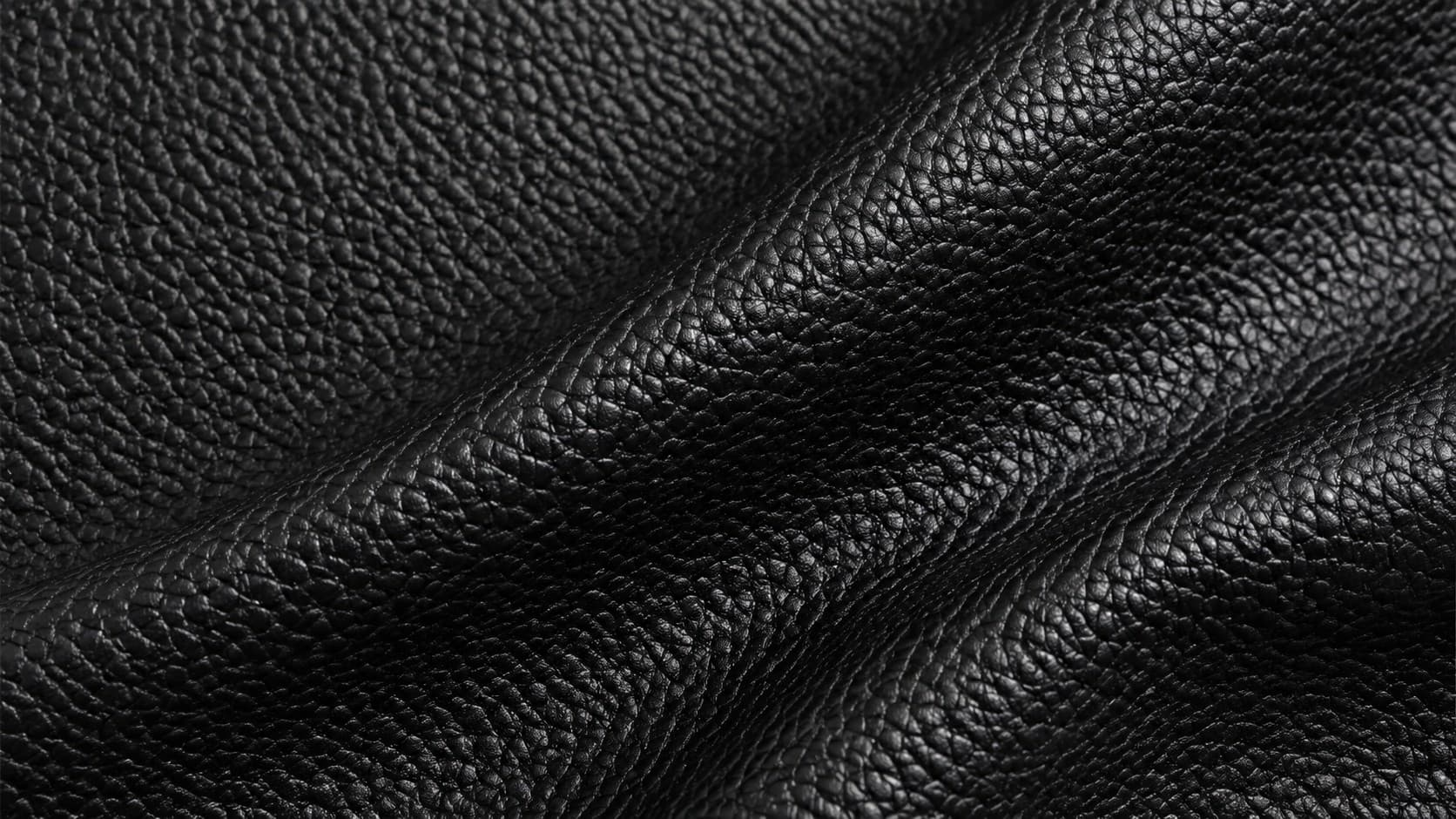
Pebbled leather can be real leather, but the name alone doesn’t guarantee it. Because embossing is just a surface treatment, the same bumpy pattern can be pressed into genuine cowhide or calfskin, or stamped onto polyurethane and other plastic-based materials made to imitate leather. Both versions look similar at a glance, which is exactly why checking the material tag matters more than checking the texture.
To tell them apart, look past the bumps and check how the product is actually labeled. Genuine pebbled leather listings usually say “full-grain,” “top-grain,” or “genuine leather” somewhere in the description, while synthetic versions are typically listed as “faux leather,” “vegan leather,” “PU,” or “PVC.” Real leather also tends to feel slightly warmer and more flexible in the hand, and it usually has a faint natural smell, while synthetic versions can feel more uniform and slightly plastic-like.
Another term worth knowing is “corrected-grain,” which sometimes appears on genuine pebbled leather. It refers to real animal hide that had its natural surface sanded down to smooth out scars or blemishes before embossing added the pebble pattern back on top. It’s still genuine leather, just not left in its original, unaltered state — which is exactly the kind of hide pebbling was originally used to rescue from being thrown away.
How to Keep Pebbled Leather Looking Its Best
Pebbled leather needs less upkeep than smooth leather, but it still needs basic care to last. A soft, dry cloth is usually enough for regular dusting, since the bumps naturally hide light surface dirt better than a flat finish would. For anything wet, wipe it up quickly with a lightly damp cloth rather than letting it soak in.
- Dust it regularly with a soft, dry cloth to keep grime from settling between the raised bumps.
- Wipe spills immediately, since most pebbled leather resists moisture but isn’t fully waterproof.
- Use a leather conditioner made for textured leather every few months to keep it from drying out and cracking.
- Avoid direct heat sources like radiators or car dashboards, which can dry the leather out faster than normal wear does.
- For a stubborn scratch, a small amount of conditioner rubbed gently in a circle can often soften its appearance.
Frequently Asked Questions
Is pebbled leather waterproof?
No, pebbled leather is water-resistant rather than fully waterproof. It can usually handle a light rain shower or a small spill if it’s wiped off quickly, but leaving it soaked or submerged can still damage the material underneath the texture.
Does pebbled leather scratch at all?
Yes, pebbled leather can still scratch, especially with deep or sharp damage. What it does well is hide light surface scuffs and everyday scratches, since the bumpy texture breaks up light and camouflages minor marks that would stand out clearly on a smooth surface.
Why do some bags use pebbled leather instead of smooth leather?
Bags meant for daily use, like totes, work bags, and commuter bags, often use pebbled leather because it holds up visually to constant handling. A bag that gets set down, bumped, and rubbed against other objects every day will show that wear far less on a textured surface than on a smooth one.
Can pebbled leather be fake or lower quality?
Yes. Because embossing is a simple surface process, it can be applied to lower-grade hides or entirely synthetic materials just as easily as to high-quality leather. Checking the material description for terms like “full-grain” or “genuine leather,” rather than judging by the texture alone, is the most reliable way to know what a product is actually made of.
Does pebbled leather develop a patina like smooth leather?
Not in the same visible way. Smooth leather, especially untreated varieties, tends to darken and develop a rich patina as oils and light exposure change its surface over years of use. Pebbled leather’s texture and finishing process make that aging process much less noticeable, so it tends to look closer to its original color and texture even after a long time in use.
Conclusion
Pebbled leather earns its place in everyday bags and accessories for a simple reason: its bumpy surface scatters light and spreads out everyday friction, so scuffs and scratches that would jump out on a smooth surface fade into the texture instead. That same embossing process can be applied to excellent full-grain hides or to budget synthetics, so the texture itself is never proof of quality — the material label underneath it is. For a piece that needs to look presentable through years of daily use without constant polishing, pebbled leather does that job well; for a piece meant to develop a rich, evolving patina over time, smooth leather remains the better match.