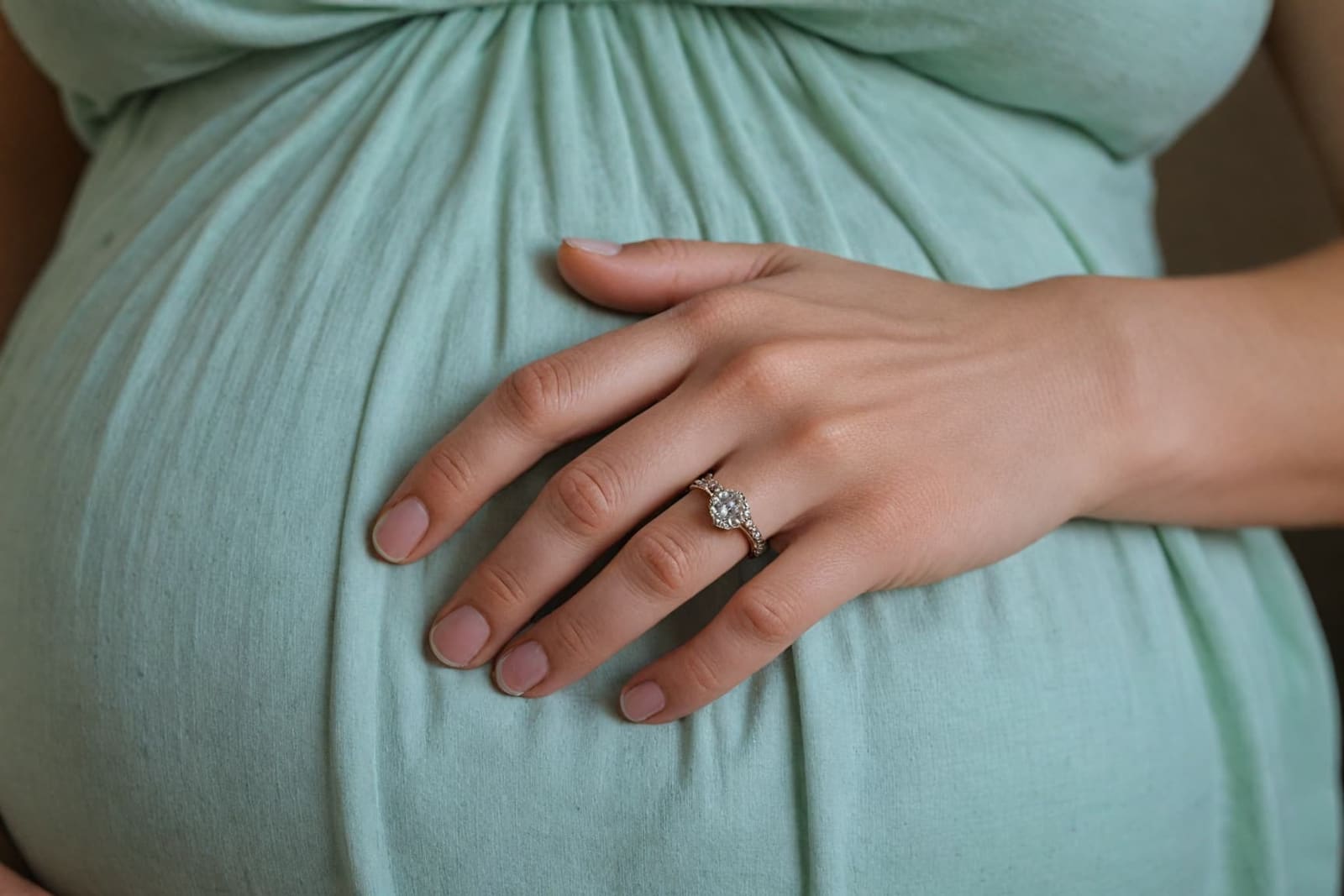
Pregnancy brings incredible changes to your body, and some of these changes can make wearing your favorite jewelry both uncomfortable and potentially dangerous. While many expecting mothers worry about giving up their wedding rings or special pieces, understanding when and why to remove jewelry isn’t about unnecessary restrictions—it’s about protecting your health and your baby’s safety. Medical experts recommend removing tight-fitting jewelry by the second trimester when swelling typically begins, and all jewelry must come off during labor and delivery for safety reasons. However, many pieces can be worn safely throughout pregnancy with the right precautions, and there are excellent alternatives available for those sentimental items you can’t bear to part with.
Why Remove Jewelry During Pregnancy
Jewelry removal during pregnancy isn’t just a precaution—it’s a medical necessity that can prevent serious complications ranging from permanent nerve damage to life-threatening emergencies. The physical changes your body undergoes create perfect conditions for jewelry-related injuries that can escalate quickly from minor discomfort to requiring emergency room intervention. Medical professionals see these complications regularly, and the consequences can affect not just your immediate health but your long-term wellbeing and ability to care for your newborn.
- Tight jewelry acts like a tourniquet, cutting off blood circulation and creating ring tourniquet syndrome, where fingers can lose blood flow completely within hours of initial tightness. Emergency departments report cases requiring immediate ring cutting to prevent finger amputation, as tissue death begins when circulation is compromised for more than a few hours. The pressure from a tight ring or bracelet compresses arteries, veins, and nerves simultaneously, creating a cascade of problems that worsen rapidly.
- Swollen fingers trapped in rings can suffer permanent nerve damage from prolonged pressure on the delicate nerves that control finger movement and sensation. Even after successful ring removal, some women experience lasting numbness, tingling, or loss of fine motor control that affects their ability to perform daily tasks. The median nerve, which runs through your wrist and controls thumb movement, is particularly vulnerable to compression from tight bracelets and watches.
- Medical emergencies require immediate vascular access for IV lines, blood draws, and medication administration, but jewelry can block the exact spots where medical teams need to work quickly. During childbirth complications, seconds matter, and having to cut off jewelry wastes precious time that could mean the difference between a routine intervention and a life-threatening situation. Paramedics and emergency room staff are trained to cut first and preserve jewelry second when lives are at stake.
- Jewelry creates bacterial breeding grounds that increase infection risk during medical procedures, with studies showing hands wearing rings have ten times higher bacterial counts than bare hands. During pregnancy, your immune system is naturally suppressed to prevent your body from rejecting the baby, making you more susceptible to infections that could affect both you and your child. The areas under rings and around piercings are particularly difficult to sterilize completely.
- Metal jewelry can cause severe burns during surgical procedures when electrical equipment is used, as the metal conducts electricity and heat directly into your skin. Cesarean sections, which occur in about 32% of births, use electrocautery devices that can turn any metal jewelry into a branding iron. Even small earrings or hidden body piercings can cause third-degree burns that require additional surgery to repair.
- Jewelry interferes with critical monitoring equipment that tracks your baby’s heart rate and your contractions during labor, potentially masking signs of fetal distress that require immediate intervention. The electronic fetal monitors used during delivery are sensitive to metal interference, and even small pieces can create false readings that either cause unnecessary panic or, worse, hide real problems until it’s too late to act.
- Emergency intubation becomes dangerous when tongue or lip piercings are present, as they can break loose and become choking hazards or damage the breathing tube. Oral piercings also increase the risk of dental damage during emergency procedures and can interfere with proper mask seal if emergency oxygen is needed. Anesthesiologists may refuse to proceed with planned procedures if oral jewelry cannot be removed safely.
The reality is that pregnancy complications can develop suddenly and without warning. What starts as a routine prenatal visit can quickly become an emergency situation requiring immediate medical intervention. Having jewelry that needs to be cut off not only delays critical care but can also result in additional injuries from the removal process itself. The emotional attachment to jewelry is understandable, but the physical risks during pregnancy make removal a medical imperative rather than a lifestyle choice.
When to Remove Jewelry During Pregnancy
Pregnancy creates several critical moments when jewelry becomes more than just uncomfortable—it becomes a genuine health risk. Your body’s rapid changes can transform a beloved piece into a medical emergency, sometimes within hours. Recognizing these key situations and acting promptly can prevent complications ranging from minor skin irritation to serious circulation problems that require emergency intervention. The timing varies for each woman, but certain milestones and warning signs should trigger immediate action.
- During labor and delivery, all jewelry must be removed due to strict hospital safety protocols that protect against electrical burns from surgical equipment, interference with medical monitoring devices, and the need for emergency IV access. Most hospitals will cut off jewelry that cannot be removed, so it’s better to take everything off before heading to the hospital when contractions begin. Emergency situations during childbirth require immediate access to veins, and jewelry can delay life-saving treatments.
- Remove tight rings and bracelets by 20 weeks of pregnancy when fluid retention typically starts, as pregnancy causes your body to produce 50% more blood and fluids, leading to swelling that can make jewelry dangerously tight. The swelling often happens gradually, so a ring that feels fine in the morning might be uncomfortably snug by evening. Some women experience sudden overnight swelling that can trap rings permanently without emergency removal.
- Take off jewelry immediately when experiencing any swelling in hands, feet, or face, as this indicates your body is retaining excess fluid that will only worsen as pregnancy progresses. Signs include rings leaving marks on your skin, difficulty moving your fingers, numbness or tingling, or any change in skin color around jewelry. Waiting even a day can make removal impossible without cutting.
- All body piercings near surgical sites must come out before cesarean sections because they interfere with sterile surgical fields and can cause complications during the procedure. Belly button piercings are particularly problematic and should be removed by the third trimester even if you’re planning a vaginal delivery, as emergency C-sections can become necessary. Nipple piercings can interfere with breastfeeding and should be discussed with your healthcare provider.
- Remove jewelry before any medical imaging such as MRI scans, as metal can create dangerous heating effects and image distortion that could mask important medical information. Some ultrasound procedures may also require jewelry removal if the pieces interfere with proper imaging of your baby. Even seemingly harmless pieces like small earrings can create artifacts that interfere with diagnostic accuracy.
- Take off jewelry immediately if you develop new skin sensitivities because pregnancy hormones can trigger metal allergies that never bothered you before, with nickel being the most common culprit affecting up to 18% of women. These reactions can cause painful rashes, blistering, and long-term skin damage if the jewelry isn’t removed promptly. Pregnancy makes your immune system more reactive, so allergic responses can be more severe than before.
- Remove all jewelry when entering the third trimester if you have risk factors including carrying multiples, having high blood pressure, diabetes, or excessive weight gain, as these conditions increase swelling risk significantly. Summer pregnancies also require earlier removal due to heat-related fluid retention. Your healthcare provider may recommend even earlier removal based on your individual risk profile.
- Take off toe rings and ankle bracelets when foot swelling begins as feet and ankles often swell dramatically in late pregnancy, and jewelry in these areas is easily forgotten until it becomes painfully tight. Toe rings are particularly dangerous because toes have limited circulation to begin with, and even mild swelling can cut off blood flow completely.
The key to safe jewelry wearing during pregnancy is proactive removal rather than reactive. Once swelling begins, you’re already behind the curve, and what seems like minor tightness can become a medical emergency within hours. Planning ahead and removing jewelry before problems develop protects both your health and your treasured pieces from damage during emergency removal procedures.
Most Dangerous Jewelry During Pregnancy
Not all jewelry poses equal risks during pregnancy, and knowing which pieces demand your immediate attention can help you prioritize what to remove first and what might be safe to keep wearing longer. The location, material, and fit of each piece determines its risk level, with some items becoming dangerous much earlier in pregnancy while others remain relatively safe throughout. Smart planning means focusing your attention on the highest-risk pieces first while developing strategies for the items that matter most to you emotionally.
- Wedding and engagement rings top the danger list because they’re worn constantly, often fit snugly even before pregnancy, and carry such emotional significance that women delay removal until emergency intervention becomes necessary. These rings are responsible for the majority of pregnancy-related jewelry emergencies, as the combination of sentimental value and finger swelling creates a perfect storm for ring tourniquet syndrome. The circular design means there’s no give when swelling occurs, unlike other jewelry that might have some flexibility.
- Tennis bracelets and bangles become circulation hazards as wrist swelling progresses, particularly because many women don’t notice gradual arm swelling as readily as finger swelling. The constant pressure against the delicate vessels and nerves in your wrist can cause carpal tunnel-like symptoms that persist long after pregnancy. Fixed-size bracelets are especially problematic because they can’t expand with your changing body dimensions.
- Watches with metal bands or tight leather straps can become deeply embedded in swollen wrists, and the buckle mechanisms often make emergency removal more complicated than simple cutting. Smart watches and fitness trackers are increasingly causing problems because women wear them constantly for health monitoring during pregnancy. The sensors on the back of these devices can also cause skin reactions when trapped against swollen skin for extended periods.
- Toe rings and ankle jewelry are easily forgotten until they become painfully tight, and feet often swell more dramatically than hands during pregnancy. Toes have naturally limited circulation, so even minor swelling can quickly compromise blood flow. Ankle bracelets can cut into swollen ankles and become buried under fluid retention, making them invisible until they’re causing serious circulation problems.
- Body piercings near the abdomen require early attention as your belly expands and skin stretches, potentially tearing piercing sites or causing the jewelry to migrate into uncomfortable positions. Belly button piercings that seemed healed for years can suddenly become irritated and infected as your skin stretches. Naval jewelry can also interfere with prenatal monitoring equipment and must be removed for any abdominal surgery.
- Nipple piercings can complicate breastfeeding plans by blocking milk ducts or creating additional openings that increase mastitis risk. Even if you plan to remove them before delivery, scar tissue from piercings can affect milk flow and make latching more difficult for your baby. Some lactation consultants recommend removing nipple jewelry by the second trimester to allow the tissue to heal completely before breastfeeding begins.
- Loose-fitting necklaces generally remain safe throughout pregnancy unless they’re heavy enough to cause neck strain or long enough to pose entanglement risks during medical procedures. However, chokers and tight necklaces can become uncomfortable as neck swelling occurs, and any necklace with pendants might interfere with chest monitoring during labor. The key is ensuring they can be quickly removed if needed.
- Small stud earrings usually pose minimal risk but can become problematic if ear swelling occurs or if they interfere with oxygen mask placement during emergencies. Dangling earrings can get caught on medical equipment or bedding during labor, potentially tearing the earlobe. Heavy earrings can also cause discomfort when lying on your side for extended periods during delivery.
- Costume jewelry requires immediate evaluation because it often contains high levels of nickel, lead, and other metals that can cause severe allergic reactions during pregnancy when your skin becomes more sensitive. The hormonal changes of pregnancy can trigger new metal allergies, and costume jewelry is most likely to contain the problematic metals that cause reactions. Additionally, the plating on costume jewelry can wear off more quickly during pregnancy due to increased skin acidity and sweating.
The pattern is clear: anything that fits snugly now will become too tight as pregnancy progresses, and anything near a potential surgical site needs to come off well before delivery. Prioritizing removal of the highest-risk pieces early in pregnancy gives you time to find meaningful alternatives while protecting yourself from the most dangerous complications. Remember that swelling can happen suddenly, especially in the third trimester, so don’t wait until jewelry feels tight to take action.
Safe Jewelry Alternatives for Pregnancy
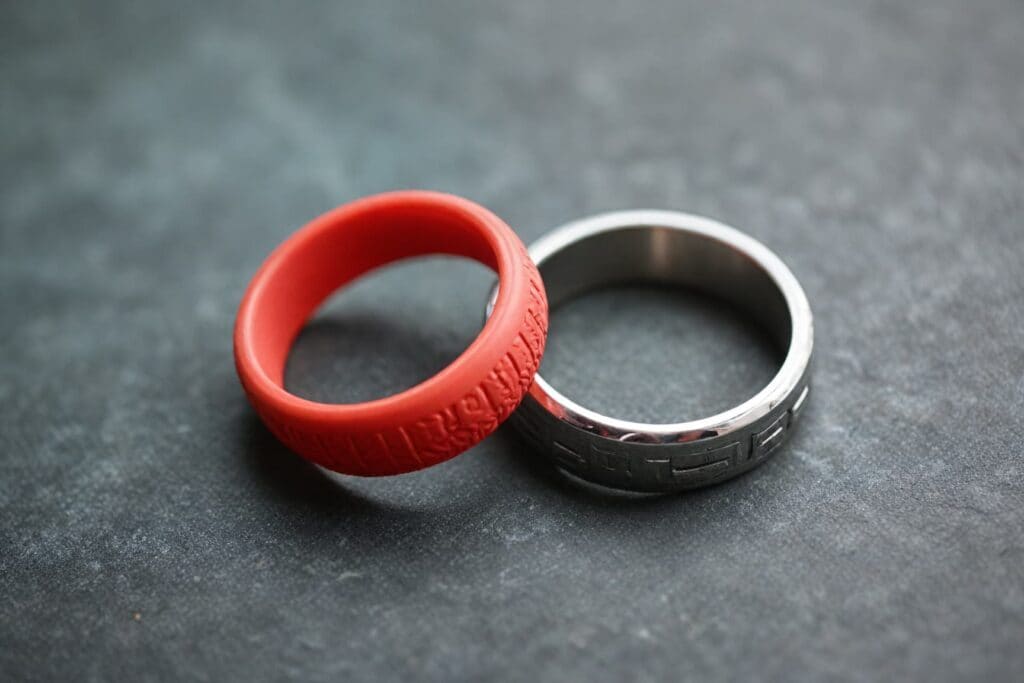
The emotional attachment to meaningful jewelry doesn’t have to end with pregnancy, and modern innovations have created excellent alternatives that let you maintain the symbolism while protecting your health. These alternatives aren’t just stopgap measures—many women continue using them long after pregnancy because they discover the practical benefits extend far beyond the nine months of expecting. The key is finding options that feel authentic to you while providing the safety and flexibility your changing body needs.
- Medical-grade silicone rings have revolutionized pregnancy jewelry with their ability to stretch up to 400% while maintaining their shape and breaking under extreme pressure to prevent injury. Leading brands like Enso Rings and ROQ create FDA-approved options that look remarkably similar to traditional wedding bands but expand automatically with swelling. These rings are heat-resistant, waterproof, and designed to tear apart at 19-20 pounds of pressure, well before they could cause circulation problems.
- Adjustable rings with hidden stretch bands allow you to increase the size gradually as your fingers swell, then return to original size after pregnancy. These clever designs hide elastic or spring mechanisms inside traditional-looking bands, letting you wear something that appears identical to your original ring while accommodating size changes. Many jewelers now offer retrofit services to add adjustable features to existing rings.
- Wearing your original rings on a necklace keeps them close to your heart while completely eliminating circulation risks, and many women find this placement even more meaningful during pregnancy. Specialty pregnancy necklaces are designed with strong chains and secure clasps specifically for holding rings, often incorporating additional charms to mark the pregnancy journey. This option also makes the rings easily accessible for special occasions when you want to wear them briefly.
- Ring guards and sizers provide temporary solutions for rings that are only slightly loose, using small devices that slip inside the band to reduce size or add bulk around the finger. These plastic or metal inserts can be adjusted as your swelling fluctuates throughout the day or as pregnancy progresses. Professional jewelers can also add temporary sizing beads that can be removed after pregnancy without damaging the original ring.
- Hinged and wrap-style rings open and close to accommodate swelling while maintaining the appearance of a traditional band. These designs use small hinges or overlapping sections that can expand when needed but look like solid rings when worn. Some are specifically designed for pregnancy and include subtle expansion mechanisms that aren’t visible during normal wear.
- Magnetic therapy bracelets and necklaces offer some women relief from pregnancy discomforts while replacing traditional jewelry, though scientific evidence for therapeutic benefits remains limited. These pieces typically use adjustable closures or stretchy materials that accommodate swelling while providing an alternative to removed jewelry. They’re particularly popular with women who found wearing jewelry helped with nausea or other pregnancy symptoms.
- Temporary tattoo rings and henna designs provide a completely risk-free way to maintain the symbolic presence of a wedding ring without any physical object on your finger. These options are especially popular for women who work with their hands or in medical fields where even silicone rings might be problematic. Professional henna artists can create intricate ring designs that last several weeks and can be refreshed as needed.
- Fabric and cord alternatives like braided hemp, silk, or cotton can be tied around fingers or wrists to represent removed jewelry while being easily adjustable or removable as needed. These natural materials are less likely to cause allergic reactions and can be personalized with beads, charms, or specific knots that hold meaning. Many cultures have traditional cord ceremonies that make this option particularly meaningful.
- Smart jewelry alternatives combine technology with safety, offering fitness tracking and communication features in flexible, pregnancy-safe designs. These devices often use soft silicone bands and can monitor health metrics important during pregnancy while replacing traditional jewelry pieces. Some include emergency contact features that can be valuable during pregnancy complications.
- Custom pregnancy jewelry sets designed specifically for expecting mothers often feature adjustable sizing, hypoallergenic materials, and designs that accommodate body changes. These pieces are created with pregnancy challenges in mind and often include matching items that can be worn throughout the journey and kept as meaningful mementos afterward. Many come with sizing guides and adjustment instructions for each trimester.
The goal isn’t to replace your beloved jewelry permanently but to find meaningful alternatives that keep you safe while honoring the emotional significance of the pieces you’ve temporarily set aside. Many women discover that their pregnancy alternatives become permanent favorites because of their comfort and practicality, while others happily return to their originals after their bodies have fully recovered. The important thing is having options that make you feel like yourself while protecting your health and your baby’s wellbeing.
Jewelry You Can Keep Wearing While Pregnant
Many jewelry pieces can remain part of your pregnancy wardrobe with minimal risk, and knowing which items get the green light can help ease concerns about losing all your favorite accessories. The key factors that make jewelry pregnancy-safe include loose fit, location away from medical intervention sites, and materials that won’t cause reactions as your body changes. Smart choices in this category let you maintain your personal style while focusing removal efforts on truly problematic pieces.
- Loose-fitting necklaces remain safe throughout pregnancy as long as they don’t restrict your neck or interfere with breathing, and most actually become more comfortable as your chest expands. Chains longer than 18 inches typically pose no circulation risks and won’t interfere with most medical procedures. However, avoid anything heavy enough to cause neck strain or chains that could get caught in medical equipment during delivery.
- Small stud earrings generally pose minimal risk and rarely interfere with medical care, making them one of the safest jewelry categories during pregnancy. Post-style earrings are less likely to get caught on clothing or bedding during rest, and they don’t typically cause circulation problems even if minor ear swelling occurs. The main consideration is ensuring they can be quickly removed if emergency oxygen masks are needed.
- Loose bracelets and bangles with room to move can often be worn safely if they slide easily up and down your arm and don’t leave marks on your skin. The test is simple: if you can slip two fingers under the bracelet comfortably, it’s probably safe to continue wearing. However, monitor your arms daily for any signs of swelling, especially during hot weather or after long periods of standing.
- Pendant necklaces away from the chest area typically remain comfortable and safe, though very long pendants might interfere with belly monitoring equipment during prenatal visits. Pendants that rest above the breast area are generally fine throughout pregnancy and won’t complicate medical procedures. Consider the weight and ensure the chain is strong enough to support any pendant without breaking.
- Earrings without nickel or problematic metals are usually safe for women without existing metal sensitivities, though pregnancy can trigger new allergic reactions to previously tolerated materials. Surgical steel, titanium, and gold over 14 karats are typically the safest options. Watch for any signs of irritation, redness, or itching around pierced areas, as pregnancy hormones can increase sensitivity.
- Adjustable or stretchy pieces designed to expand with body changes often work well throughout pregnancy, including elastic cord bracelets, adjustable chain necklaces, and rings with flexible sizing elements. These pieces adapt to your changing body without becoming dangerously tight. Many are specifically designed for active lifestyles and can accommodate the fluid fluctuations common in pregnancy.
- Jewelry made from hypoallergenic materials like pure titanium, surgical stainless steel, or platinum typically remain safe even as skin sensitivity increases during pregnancy. These materials are less likely to cause reactions and are often used in medical implants, making them pregnancy-friendly choices. Avoid anything labeled as “hypoallergenic” without specific material information, as this term isn’t regulated.
- Pieces worn in areas that don’t typically swell such as upper ears or areas away from joints and circulation points often remain comfortable throughout pregnancy. Cartilage piercings in the upper ear rarely cause problems unless they’re heavily weighted or made from reactive materials. The key is choosing locations where pregnancy-related swelling is minimal or non-existent.
- Lightweight, non-restrictive ankle jewelry can sometimes be worn safely if your ankles don’t swell significantly, though this varies greatly between women and often changes as pregnancy progresses. Monitor your ankles daily, especially in the evening when swelling peaks. If you notice any tightness or indentation marks, remove ankle jewelry immediately.
- Religious or cultural jewelry with personal significance can often be modified to remain safe rather than removed entirely, preserving important spiritual or cultural connections during pregnancy. Many religious pieces can be worn on longer chains, converted to pins, or modified with adjustable elements. Work with jewelers familiar with religious jewelry to find safe alternatives that maintain spiritual meaning.
- Vintage or antique pieces made from quality materials often use better metals and construction than modern costume jewelry, making them potentially safer options during pregnancy. However, have older pieces tested for lead content, as vintage jewelry sometimes contains materials now known to be harmful. Professional evaluation can determine if cherished vintage pieces are safe to continue wearing.
The general rule for safe pregnancy jewelry is that if it feels comfortable now and doesn’t restrict movement or circulation, it can probably be worn safely with regular monitoring. The key is daily awareness of how pieces feel and look on your body, removing anything that shows signs of becoming tight or causing irritation. Remember that what feels fine in the morning might become uncomfortable by evening as daily swelling fluctuates, so check your jewelry throughout the day and don’t hesitate to remove pieces that no longer feel right.
Professional Tips for Safe Jewelry During Pregnancy
Healthcare professionals and jewelry specialists have developed proven strategies for managing jewelry safely during pregnancy, and their combined expertise can help you navigate this transition with confidence. These recommendations come from years of treating pregnancy complications and working with expectant mothers to find practical solutions. Following professional guidance can prevent most jewelry-related problems while preserving the pieces that matter most to you.
- Remove rings before they feel tight rather than waiting for discomfort, as jewelry that feels fine in the morning can become dangerously constrictive by evening due to normal daily swelling fluctuations. Emergency room physicians report that most ring removal cases involve women who waited until the jewelry was already causing pain or circulation problems. The general rule is if you’re thinking about whether a ring is getting tight, it’s already time to take it off.
- Use the cold water technique for stuck rings by submerging your hand in ice water for several minutes to reduce swelling before attempting removal, but never force jewelry off as this can worsen swelling and cause injury. The cold causes blood vessels to constrict temporarily, often providing just enough reduction in finger size to allow safe removal. If this doesn’t work within 10 minutes, seek professional help rather than continuing to struggle.
- Document your jewelry with photos and measurements before pregnancy so you have accurate records for insurance purposes and to help jewelers with any necessary modifications later. Include close-up shots of unique details, settings, and any existing wear patterns. Professional appraisals done before pregnancy can be invaluable if pieces need to be cut off during emergencies, as insurance claims are easier with recent documentation.
- Establish relationships with emergency jewelry services in your area, including 24-hour jewelers and hospital jewelry removal specialists, before you need them. Many hospitals have specific protocols for jewelry removal and work with local jewelers who can cut pieces safely while preserving as much of the original as possible. Having these contacts ready eliminates the stress of searching during an emergency.
- Clean jewelry thoroughly before storing it during pregnancy, as skin oils, lotions, and environmental factors can cause tarnishing or damage during extended storage periods. Proper cleaning and storage in anti-tarnish containers or cloth bags helps preserve pieces while they’re not being worn. This is especially important for silver pieces, which can develop permanent staining if stored dirty.
- Consult your healthcare provider about timing for jewelry removal based on your specific risk factors, medical history, and pregnancy progression, as individual circumstances can significantly affect recommendations. Women with gestational diabetes, high blood pressure, or carrying multiples may need to remove jewelry earlier than the general guidelines suggest. Your doctor can provide personalized timing based on your health status.
- Test alternative materials before committing to pregnancy jewelry replacements, especially if you have sensitive skin or known allergies, as pregnancy can trigger new reactions to previously tolerated materials. Request sample pieces or wear test jewelry for short periods before purchasing expensive alternatives. Many companies offer trial periods or return policies specifically for pregnant women trying to find suitable alternatives.
- Keep detailed records of skin reactions or sensitivities that develop during pregnancy, including photos and notes about which materials cause problems, as this information will be valuable for future pregnancies and jewelry choices. Dermatologists find that pregnancy-related sensitivities often predict post-pregnancy reactions, so tracking patterns helps guide long-term jewelry decisions.
- Schedule professional jewelry cleaning before pregnancy and after delivery to remove buildup that can harbor bacteria or cause skin irritation during sensitive periods. Professional cleaning also allows jewelers to check for loose stones, worn prongs, or other issues that could become problems during pregnancy when you’re less likely to notice small changes in jewelry condition.
- Create an emergency jewelry removal kit containing dental floss, lubricating gel, ice packs, and contact information for emergency services, keeping it easily accessible throughout pregnancy. Include a small flashlight and magnifying glass to help see what you’re doing if removal becomes necessary in poor lighting. Practice the dental floss technique before you need it, as the process can be tricky under stress.
- Plan jewelry storage organization that keeps removed pieces secure but easily accessible for special occasions when you might want to wear them briefly. Use labeled containers or jewelry boxes with compartments to prevent tangling and damage. Consider a small safe or safety deposit box for extremely valuable pieces that won’t be worn for extended periods.
- Communicate with your healthcare team about any jewelry you’re reluctant to remove, as they may be able to suggest safer alternatives or modified wearing schedules that address both medical concerns and emotional needs. Many doctors are willing to work with patients to find compromises, especially for culturally or religiously significant pieces.
Professional consensus emphasizes that prevention is always easier than treatment when it comes to jewelry-related pregnancy complications. The small inconvenience of early removal pales in comparison to the potential consequences of waiting too long, and the peace of mind that comes from following expert recommendations allows you to focus on the more important aspects of your pregnancy journey. Remember that these professionals have seen the worst-case scenarios and their advice is designed to prevent you from experiencing those complications.
When to Resume Wearing Jewelry After Pregnancy
The journey back to wearing your pre-pregnancy jewelry isn’t as simple as slipping rings back on after delivery, and many women are surprised by how long their bodies take to return to baseline. The recovery process involves more than just waiting for swelling to subside—hormonal changes, weight fluctuations, and structural changes in your body can permanently alter how jewelry fits. Planning for this transition period helps set realistic expectations and prevents disappointment when beloved pieces don’t fit quite the same way they used to.
When to Resume
The timeline for safely returning to your original jewelry varies dramatically between women and depends on multiple factors beyond simple swelling reduction. Your body needs time to stabilize after the dramatic changes of pregnancy and childbirth, and rushing back to restrictive jewelry can cause the same circulation problems you worked to avoid during pregnancy. Smart timing protects both your comfort and your jewelry from potential damage during the adjustment period.
- Wait at least 6-8 weeks before attempting to wear pre-pregnancy rings as this is when most post-delivery swelling begins to resolve, though many women need significantly longer before rings fit comfortably. The initial weeks after delivery often bring additional swelling from IV fluids administered during labor, making immediate jewelry fitting impossible. Your fingers may actually be more swollen immediately after birth than they were in late pregnancy.
- Breastfeeding mothers should expect longer delays as prolactin and other nursing hormones continue affecting fluid retention and joint looseness for months after delivery. These hormones maintain the body changes that accommodated pregnancy, and jewelry sizing often doesn’t stabilize until several months after weaning. Many nursing mothers find their ring size fluctuates with milk supply changes and hormonal cycles.
- Resume wearing jewelry gradually starting with the loosest pieces such as necklaces and loose bracelets before attempting rings or anything that fits snugly around joints. This approach helps you gauge how your body is responding to jewelry wear without risking circulation problems. Start with short wearing periods and gradually increase as comfort allows.
- Monitor for signs that it’s too early to resume including any jewelry leaving marks on skin, difficulty removing pieces after wear, numbness or tingling, or visible swelling around jewelry sites. These symptoms indicate your body isn’t ready for that level of restriction, even if the jewelry technically fits. Better to wait another few weeks than risk injury or having to cut off stuck jewelry.
- Consider your daily activities when timing jewelry resumption as new mothers often experience hand swelling from repetitive motions like lifting babies, pushing strollers, and frequent hand washing. Sleep deprivation and stress can also cause unpredictable swelling patterns that make jewelry fit inconsistently. Choose times when your routine is more stable for testing jewelry comfort.
- Plan around baby safety concerns when deciding which pieces to resume wearing first, as infants begin grabbing everything within reach around 3-4 months old. Dangly earrings, sharp-edged pieces, and loose necklaces can pose safety hazards during feeding and cuddling. Many mothers find it practical to delay wearing grabby-baby hazards until their children are older.
The most important lesson about timing jewelry resumption is that your body sets the schedule, not your calendar or emotional attachment to pieces. Pushing too hard or too fast often results in discomfort, potential injury, or damaged jewelry from forced removal. Give yourself permission to take as much time as your body needs, and remember that the pregnancy alternatives that served you well can continue being useful during the transition period. Many women find that alternating between original pieces and pregnancy alternatives based on daily comfort becomes a practical long-term approach.
Permanent Changes
Many women experience lasting physical changes that affect jewelry fit permanently, making some adjustments to their collection necessary rather than temporary. These changes aren’t defects or problems—they’re normal adaptations from the incredible process your body has completed. Recognizing which changes are likely to be permanent helps you make informed decisions about modifications versus waiting for further recovery.
- Ring sizes may change permanently for up to 20% of women due to weight redistribution, joint structure changes from relaxin hormone, or lasting fluid retention patterns that develop during pregnancy. Even women who return to their exact pre-pregnancy weight sometimes find their fingers are a different size due to changes in bone spacing or soft tissue distribution. These changes are typically small but enough to require professional resizing.
- Ribcage expansion often remains permanent after pregnancy as the ribs spread to accommodate the growing uterus and often don’t return to their original position completely. This affects how certain necklace lengths feel and may make previously comfortable chokers or shorter chains feel restrictive. Many women find they prefer longer necklace lengths permanently after pregnancy.
- Foot size frequently increases permanently due to weight changes, arch flattening from carrying extra weight, and ligament stretching that doesn’t fully reverse after delivery. This affects ankle bracelet fit and toe ring sizing, with many women finding they need larger sizes permanently. The changes are often more noticeable in women who had significant weight gain or carried multiples.
- Skin sensitivity patterns may establish permanently with some women developing lasting metal allergies triggered during pregnancy’s hormonal changes. Nickel sensitivity is particularly common and often persists long after delivery, requiring permanent switches to hypoallergenic metals. Testing previously tolerated jewelry on small skin areas can help identify new sensitivities before they cause reactions.
- Breast size changes affect necklace positioning and comfort permanently for many women, particularly those who breastfeed for extended periods. Pendant necklaces may sit differently, and certain chain lengths may become uncomfortable. These changes often necessitate permanent adjustments to necklace collections rather than temporary accommodations.
- Professional resizing becomes necessary for rings that no longer fit properly after 6 months of stable sizing, with quality jewelers able to adjust most pieces by several sizes without compromising structural integrity. However, some vintage pieces, tension settings, or heavily decorated bands may not be good candidates for resizing. Alternative solutions like ring guards or replacement pieces may be more practical for these items.
- Lifestyle changes may make certain jewelry impractical permanently as the demands of motherhood often require more practical, low-maintenance jewelry choices. Many mothers find they prefer pieces that won’t get caught in baby carriers, can withstand frequent hand washing, and pose no safety risks during childcare activities. These practical considerations often influence long-term jewelry preferences more than physical changes alone.
Accepting permanent changes doesn’t mean mourning the loss of your pre-pregnancy jewelry collection—it means evolving your style to match your transformed life. Many women discover that the modifications required lead to more comfortable, practical jewelry choices that they prefer long-term. Professional jewelers can often adapt beloved pieces to work with your new dimensions, preserving sentimental value while ensuring comfort. The changes your body has made are marks of the incredible journey you’ve completed, and your jewelry collection can adapt to honor both your past and your future as a mother.
Common Pregnancy Jewelry Misconceptions
Pregnancy folklore includes numerous misconceptions about jewelry that can cause unnecessary worry or, worse, lead to dangerous decisions based on false information. These myths often spread through social media, well-meaning relatives, and cultural traditions that haven’t been updated with modern medical knowledge. Separating fact from fiction helps you make informed decisions based on scientific evidence rather than outdated beliefs or misunderstood correlations.
- The myth that wearing necklaces causes umbilical cord complications is completely false and has no basis in medical science, yet it persists across many cultures and causes unnecessary anxiety for expecting mothers. Nuchal cords, where the umbilical cord wraps around a baby’s neck, occur in 20-30% of all pregnancies due to normal fetal movement in the womb, not because of anything the mother wears or does. Multiple medical studies have confirmed no correlation between maternal jewelry wearing and umbilical cord positioning.
- The belief that all jewelry must be removed immediately upon pregnancy confirmation is an overreaction that ignores the actual timeline of pregnancy-related body changes and the quality differences between jewelry types. High-quality jewelry made from inert metals like gold, platinum, or surgical steel poses no inherent risk during early pregnancy when swelling hasn’t yet begun. The danger lies specifically in tight-fitting pieces and reactive materials, not jewelry wearing in general.
- The misconception that costume jewelry is just as safe as fine jewelry during pregnancy can lead to serious health problems, as costume pieces often contain high levels of nickel, lead, cadmium, and other toxic metals that become more problematic during pregnancy. Research shows that pregnancy increases skin absorption of these metals, and the developing baby is particularly vulnerable to heavy metal exposure. The “hypoallergenic” labels on costume jewelry are often meaningless marketing terms without regulatory oversight.
- The false claim that jewelry removal prevents stretch marks has no scientific foundation, as stretch marks result from rapid skin expansion and genetic predisposition, not from wearing accessories. This myth may stem from confusion about tight clothing causing skin irritation, but jewelry worn in typical locations has no impact on stretch mark development. Stretch marks occur in the deeper layers of skin where jewelry contact doesn’t reach.
- The myth that gold jewelry changes color during pregnancy to indicate baby gender is pure superstition without any basis in chemistry or biology, though it remains surprisingly persistent in many families. Gold’s color is determined by its alloy composition and doesn’t change based on hormonal fluctuations or baby characteristics. Any perceived color changes are likely due to skin tone variations, lighting differences, or the placebo effect of looking for changes that aren’t actually there.
- The belief that magnetic jewelry provides pregnancy health benefits lacks scientific support, despite marketing claims about improved circulation and reduced swelling. No peer-reviewed studies have demonstrated that magnetic fields from jewelry have therapeutic effects during pregnancy, and some magnetic jewelry contains problematic metals that can cause skin reactions. The perceived benefits are likely due to the placebo effect or the removal of tighter jewelry being replaced by more comfortable magnetic alternatives.
- The false assumption that all body piercings must be removed immediately upon pregnancy confirmation ignores the differences between piercing locations and healing status. Well-healed piercings in areas not affected by pregnancy changes can often be maintained safely with appropriate jewelry changes. The key factors are location relative to potential surgical sites, healing status, and material quality, not the simple presence of piercings.
- The misconception that pregnancy “ruins” your jewelry permanently through some mysterious process causes unnecessary distress about beloved pieces. Pregnancy itself doesn’t damage jewelry chemically or structurally—the main risks are physical damage from emergency removal procedures or loss of sentimental pieces during hospital stays. Proper planning and early removal actually protects jewelry from damage while keeping you safe.
- The myth that cultural or religious jewelry provides mystical protection that outweighs medical safety concerns can lead to dangerous decisions about jewelry removal during pregnancy. While respecting cultural significance is important, no jewelry has supernatural protective properties that justify risking circulation problems or surgical complications. Most religious and cultural traditions can be honored through safe alternatives that maintain spiritual meaning without physical risk.
- The false belief that jewelry causes morning sickness or other pregnancy symptoms has no medical basis, though some women report feeling better after removing tight pieces during early pregnancy. The relief likely comes from eliminating physical discomfort rather than jewelry having any direct effect on hormonal pregnancy symptoms. If removing jewelry seems to help with nausea, it’s probably because you’re more comfortable overall, not because of any mystical jewelry-symptom connection.
- The misconception that expensive jewelry is automatically safer ignores the fact that some luxury pieces contain the same problematic materials as costume jewelry, particularly vintage pieces that may contain lead or other materials now known to be harmful. Price doesn’t always correlate with safety, and even expensive pieces can become dangerous if they’re too tight or in problematic locations during pregnancy.
These myths persist because they often contain a grain of truth that gets distorted through retelling, or because they address real anxieties about pregnancy in ways that feel like they give women control over uncertain situations. The reality is that evidence-based decisions about jewelry during pregnancy provide much better protection than following folklore, and understanding the actual risks helps you focus your attention on genuine concerns rather than imaginary ones. When in doubt, consult your healthcare provider with specific questions about your individual situation rather than relying on general myths or anecdotal advice from non-medical sources.
Conclusion
Jewelry safety during pregnancy requires balancing medical risks with personal comfort and cultural significance, but the good news is that most restrictions are temporary and manageable with proper planning. The key is understanding that your body undergoes dramatic changes that can turn beloved pieces into health hazards, sometimes within hours. By removing tight-fitting jewelry by the second trimester, choosing safe alternatives for sentimental pieces, and following medical guidelines for complete removal during labor and delivery, you can protect both your health and your treasured jewelry from emergency damage.
The transition back to wearing your original pieces after pregnancy takes patience, as swelling can persist for months and some women experience permanent size changes that require professional resizing. However, the temporary inconvenience of jewelry modifications pales in comparison to the potential consequences of circulation problems, surgical complications, or emergency removal procedures. Modern alternatives like medical-grade silicone rings and adjustable jewelry have made this transition much easier, often providing comfort and practicality that many women continue to appreciate long after pregnancy ends.
Remember that pregnancy-related jewelry decisions aren’t about vanity or unnecessary restrictions—they’re about ensuring you can safely care for yourself and your new baby without complications from preventable jewelry-related injuries. Every woman’s experience is different, so work with your healthcare provider to create a personalized plan that addresses your specific risk factors and honors the pieces that matter most to you. The small sacrifices you make now in jewelry wearing will seem insignificant compared to the joy of holding your healthy baby, knowing you made choices that prioritized both of your wellbeing throughout the pregnancy journey.