Anyone who walks into a watch boutique today and asks for a specific steel sports watch has a decent chance of being told, politely, that it simply isn’t available. Not because that week’s stock is sold out, but because a piece like it might never actually sit in the case waiting for a walk-in customer at all. This strange situation — where a store sells a product but won’t sell it to just anyone who wants it — has become one of the most talked-about quirks of the watch world, and understanding why it happens says a lot about how brands, factories, and human desire for rare things actually work together.
What Is a Watch Waitlist?
A watch waitlist is a list of customers who want to buy a specific watch that isn’t currently available to purchase on demand. Instead of walking in and paying for the watch that day, a buyer’s name gets added to a list held by the store or the brand, and they get contacted — sometimes months or years later — when a watch becomes available for them.
Unlike a waitlist for a restaurant table, this isn’t handled by a simple sign-up sheet in the order people arrive. Authorized dealers usually decide who gets called first based on things like how much someone has already spent at that store, whether they have a personal relationship with the staff, and whether the dealer believes the buyer actually wants to wear the watch rather than resell it immediately for a profit.
In practice, many of these “lists” aren’t even a formal document at all. They’re closer to a mental or digital record a sales associate keeps of loyal customers, preferences, and past purchases, which is why two people who ask for the exact same watch on the exact same day can end up with completely different wait times based on their history with that specific store.
Why Don’t Brands Make More Watches?
Brands limit production because mechanical watches are genuinely difficult and slow to build, and because scarcity itself makes a watch feel more special. A single movement inside a mechanical watch can be made of well over a hundred tiny parts, many of which are still finished, polished, and assembled by hand rather than a machine.
That means a factory can’t simply flip a switch and double its output the way a phone manufacturer might. Rolex, one of the largest and most efficient watchmakers on earth, still turns out somewhere near a million pieces annually, yet Patek Philippe stays closer to 60,000, and a boutique-scale name like Richard Mille finishes only a few thousand watches in the same span. When millions of people want a watch and only a fraction of that number can be made, a waitlist is almost guaranteed.
It’s worth separating two different kinds of scarcity, because they aren’t quite the same thing. Rolex, Audemars Piguet, and Patek Philippe are large operations with hundreds or thousands of employees, so their waitlists exist mainly because worldwide demand has outgrown even a sizable factory’s output. Truly independent watchmakers are a different story: someone like Kari Voutilainen or a young F.P. Journe in his early years might build only a handful of watches a year, essentially alone or with a tiny team, so their scarcity comes from being one pair of hands rather than from demand outrunning a factory.
Jean-Frédéric Dufour, Rolex’s CEO, has stated publicly that the company doesn’t cap output on purpose just to make its watches feel more exclusive. Even so, the gap between what factories can physically produce and what buyers want has become the defining feature of shopping for a new luxury watch today.
What Stops Brands From Producing More Watches?
Brands can’t quickly scale up production because the skilled workers who hand-finish these watches take years to train, and that training bottleneck is a much harder limit than money or floor space. Building a new factory building is relatively fast and simply a matter of budget, but filling it with people capable of polishing a case by hand or assembling a tiny movement to a fraction of a millimeter’s tolerance is not something that happens on a construction timeline.
Rolex has actually expanded its production meaningfully over the decades, adding facilities and increasing output as demand grew. The brand is currently building a fifth manufacturing complex in Bulle, Switzerland, a project reportedly worth around a billion Swiss francs that is expected to employ roughly 2,000 people once it opens near the end of the decade, alongside smaller temporary sites it has already opened to add capacity sooner. That kind of investment shows brands aren’t entirely opposed to scaling up. But even a well-funded expansion still has to work through the same slow pipeline: recruiting people, training them for years inside a workshop, and only then trusting them with finishing work on a watch that might sell for tens of thousands of dollars. Rushing that process risks the exact reputation for quality that makes the watch desirable in the first place, so brands tend to grow carefully rather than flooding the market.
Why Have Watch Waitlists Gotten Longer?
Waitlists exploded in length after luxury watch demand surged worldwide, especially during the years around the COVID-19 pandemic, when many watch brands’ secondary market prices shot up dramatically. People stuck at home with extra savings turned to watches as both a hobby and an investment, and resale prices for models like the Rolex Daytona, the Patek Philippe Nautilus, and the Audemars Piguet Royal Oak climbed to several times their original retail price.
That price jump on the resale market pulled in even more buyers who saw watches less as jewelry for the wrist and more as something that could make them money. Brands responded by tightening control over who gets to buy their most popular pieces in the first place, which is part of why several major names — including Audemars Piguet and independent watchmaker F.P. Journe — shifted toward selling more directly through their own boutiques instead of through outside retailers. Owning that relationship with the customer lets a brand decide exactly who receives a rare watch, rather than leaving that decision up to a store that might sell to the highest bidder.
Audemars Piguet is a good example of just how far this shift went. The brand now sells its watches only through its own AP Houses and boutiques rather than through independent multi-brand jewelers, meaning every buyer deals directly with Audemars Piguet’s own staff instead of a third-party shop. That kind of tight control lets a brand manage its waitlist, and its image, far more precisely than it could when outside retailers were making their own sales decisions.
Do All Luxury Watches Have Waitlists?
No — waitlists are almost always tied to specific, especially popular models rather than an entire brand’s whole catalog. A brand like Rolex still makes plenty of watches, such as certain Oyster Perpetual or Datejust models, that can often be bought the same day without any wait at all.
It’s usually the steel sports watches with a strong reputation and instant name recognition — think Submariner, Daytona, GMT-Master II, Nautilus, or Royal Oak — that come with the longest lines. These models tend to hold their value extremely well on the resale market, sometimes selling for more than their original price, which only adds fuel to demand. A dressier or less famous reference from the very same brand might sit in a display case with no waitlist whatsoever.
Brands sitting just below that tier, like Tudor or Omega, have historically been easier to walk in and buy, even though they’re respected Swiss watchmakers with serious mechanical credentials. A Bloomberg report from 2022 noted that shortages had begun spreading beyond Rolex, Audemars Piguet, and Patek Philippe into brands like Zenith, Omega, and IWC as well, which shows that which watches are “hard to get” can shift over time as trends and demand move around the industry.
How Long Is the Average Watch Waitlist?
Wait times vary enormously depending on the brand and model, ranging from a few months to, in rare cases, close to a decade. Some of the most sought-after Rolex sports models have historically carried waits of one to three years at authorized dealers, while certain Patek Philippe references have reportedly required buyers to wait as long as six to eight years.
| Brand | Typical Annual Production | Example Wait Time (Popular Models) |
|---|---|---|
| Rolex | Roughly 1 million watches | Several months to a few years |
| Audemars Piguet | Roughly 40,000 to 50,000 watches | Often years for steel Royal Oak models |
| Patek Philippe | Roughly 60,000 watches | 1 to 8 years, depending on the reference |
| Richard Mille | A few thousand watches | Often years, with strict client vetting |
These numbers shift constantly as brands adjust production and as demand for particular models rises or cools off, so any specific timeframe should be treated as a general pattern rather than a guarantee.
How Can Buyers Skip a Watch Waitlist?
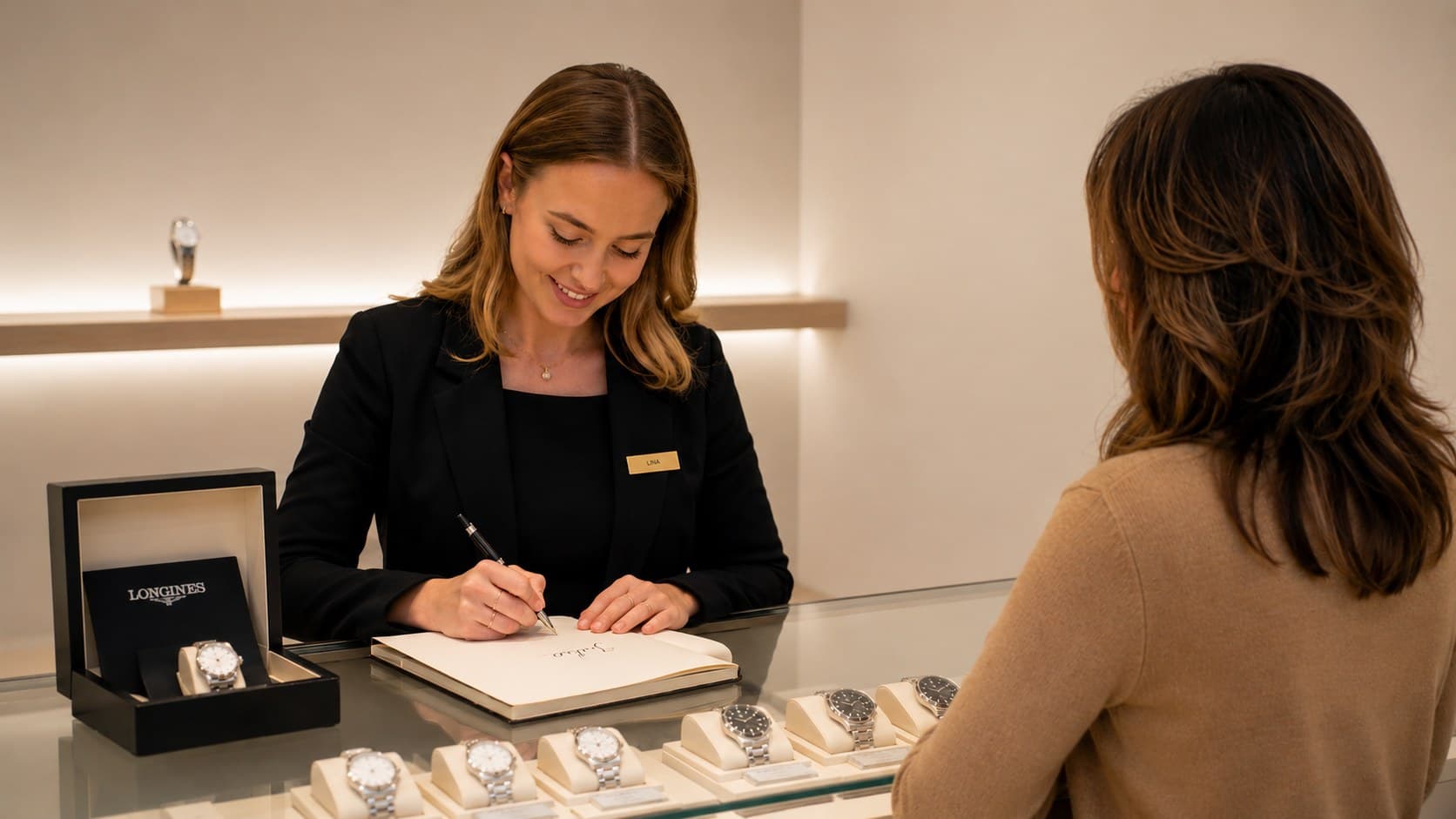
Buyers can sometimes shorten or avoid a wait by building a purchase history with an authorized dealer, buying the watch secondhand from a reputable pre-owned seller, or considering a similar model that isn’t currently in high demand. Building a relationship with a dealer often means buying other watches, straps, or accessories from that store over time, since dealers tend to prioritize customers who have already shown loyalty to the brand.
Buying pre-owned is the most direct workaround, though it usually comes at a premium price compared to what the watch would have cost brand new — sometimes closing much of the price gap that made waiting seem worthwhile in the first place. During the peak demand years around 2021 and 2022, some collectors reported resale prices for the most in-demand references reaching roughly five times their original retail cost, though those extreme premiums have cooled significantly since then as the secondary market settled back down.
There’s also no shame in simply choosing a different reference or a different brand entirely; some of the most beautifully made watches in the world have no waitlist at all, just less social media buzz around them.
What Happens If a Buyer Turns Down a Watch They’re Offered?
Turning down a watch when a dealer finally offers it can set a buyer back to the end of the list, or sometimes off it completely. Because dealers see this as a sign the buyer isn’t a serious, reliable customer, even a reasonable reason for saying no — the wrong dial color, bad timing, tight finances — can cost someone the spot they waited years to reach. Anyone on a waitlist for a specific watch should be ready to say yes when the call finally comes.
Frequently Asked Questions
Is a watch waitlist the same as a watch being sold out?
Not quite. “Sold out” usually means a specific batch of watches has all been sold and no more are coming, while a waitlist means the watch is still being made, just not fast enough to meet demand right away, so buyers are queued up for future stock.
Do luxury brands make watches artificially scarce on purpose?
Most major brands publicly deny deliberately limiting supply just to create hype, and the slow, hand-finished nature of mechanical watchmaking genuinely limits how fast they can produce pieces. That said, keeping demand slightly ahead of supply does help protect a brand’s prestige and resale value, whether or not it’s an intentional strategy.
Does joining a waitlist guarantee a buyer will eventually get the watch?
No. Many waitlists function more like a pool of interested, relationship-based customers than a strict first-come, first-served line, so being on the list is no guarantee a dealer will ever call with an offer.
Why do some watches sell for more used than new?
When demand for a specific model far outpaces what a brand can produce, buyers who don’t want to wait turn to the resale market, where sellers can charge above the original retail price. This premium tends to shrink or disappear for models that aren’t in short supply.
Will watch waitlists ever go away?
They could shorten if demand cools or if a brand ramps up production, and that has already happened with certain models that were once nearly impossible to find. But for the rarest, most iconic pieces from the most established makers, some form of waiting is likely to remain part of buying the watch for the foreseeable future.
Conclusion
Watch waitlists exist because the world’s most desirable timepieces are still built the slow, old-fashioned way, by skilled hands assembling hundreds of tiny parts, while millions of new buyers have discovered watches as both a passion and an investment over the past several years. That mismatch between limited handmade supply and growing global demand, not some secret trick to make watches feel cooler, is the real force behind the long lines at Rolex, Patek Philippe, and their peers. For anyone shopping today, the smartest approach is understanding that the wait is usually tied to a handful of famous references rather than an entire brand, and that plenty of equally well-made watches are sitting on shelves right now with no line at all.