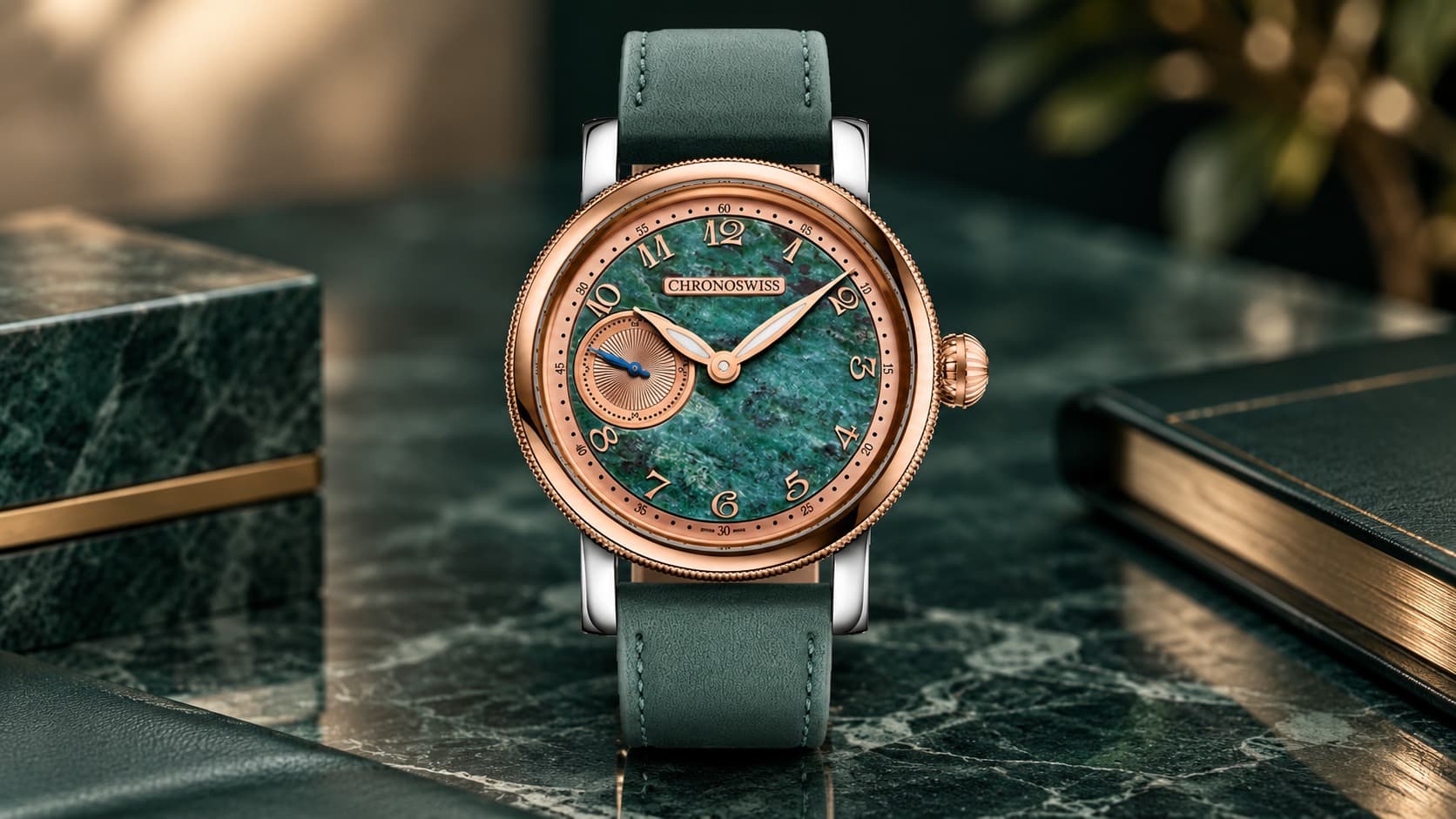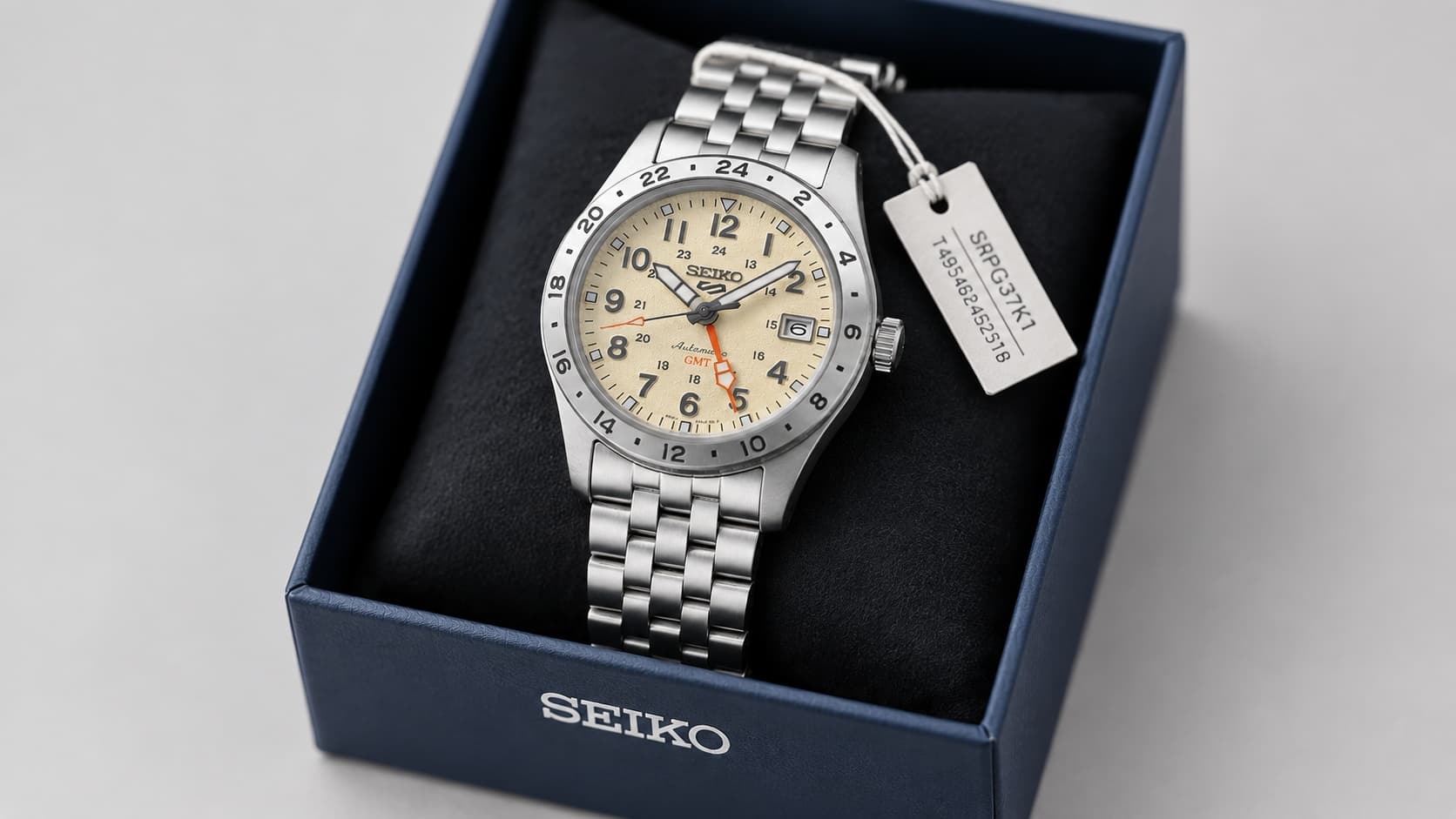
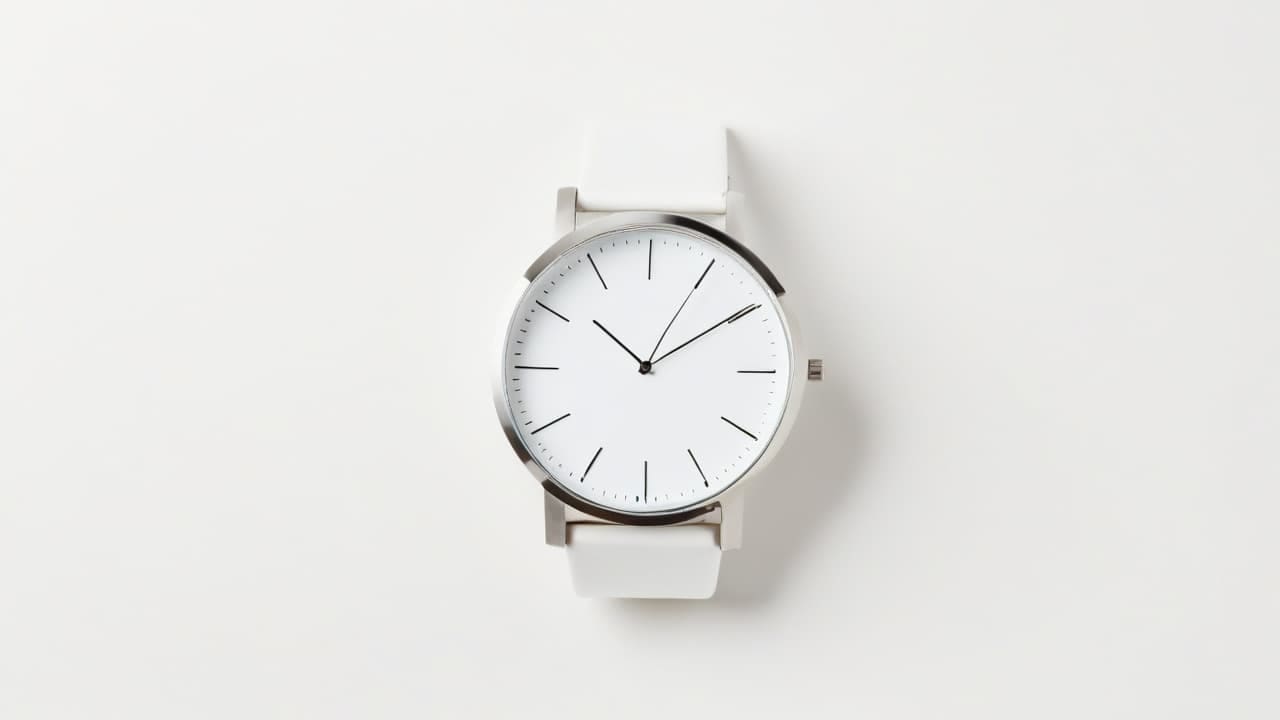
Fashion watches represent a distinct category in the timekeeping world where contemporary style takes precedence over horological heritage or technical complexity. These timepieces prioritize trendy aesthetics, seasonal color palettes, and contemporary styling, typically priced between $20-500 to make them accessible to style-conscious consumers. Unlike luxury watches that emphasize centuries of craftsmanship and mechanical innovation, or sports watches designed for extreme functionality, fashion watches serve as affordable accessories that complement modern wardrobes and personal style expressions. Fashion watches allow consumers to build extensive collections matching different outfits and occasions without breaking the bank, making them particularly appealing to younger demographics and those seeking versatile timepieces that can adapt to changing fashion trends.
Key Characteristics of Fashion Watches
Fashion watches create their identity through style-focused design decisions that put visual appeal ahead of technical achievements, with brands prioritizing contemporary aesthetics and affordable pricing over horological heritage. This approach involves specific choices in manufacturing, materials, and marketing that result in timepieces designed as seasonal accessories rather than lifetime investments, targeting consumers who want stylish accessories without luxury price points.
- Visual appeal drives every design decision in fashion watches, with brands creating timepieces that match current trends rather than timeless aesthetics. Companies release new color combinations, case finishes, and dial patterns each season to stay relevant with changing fashion preferences. This approach means fashion watches often feature bold colors, decorative elements, and contemporary styling that might look dated in luxury timepieces but feels fresh and current for trend-conscious buyers.
- Manufacturing happens primarily in large factories using automated processes to keep costs low while maintaining consistent quality. Most fashion watches use the same basic quartz movements from a handful of suppliers, allowing brands to focus resources on exterior design rather than internal mechanisms. This standardization enables faster production times and lower prices compared to watches with unique or hand-assembled movements.
- Materials selection balances cost efficiency with acceptable appearance and durability for the target price range. Fashion watches typically use stainless steel cases with basic plating, mineral crystal instead of sapphire, and synthetic or low-grade leather straps. These choices create attractive timepieces at accessible prices while accepting shorter lifespans compared to premium materials used in luxury watches.
- Brand development focuses heavily on lifestyle marketing and social media presence rather than horological expertise or heritage. Fashion watch companies invest more in influencer partnerships, Instagram campaigns, and celebrity endorsements than in research and development or traditional watchmaking skills. This marketing approach builds emotional connections with consumers who see watches as style accessories rather than precision instruments.
- Target demographics center on younger consumers aged 18-45 who prioritize current style over long-term durability. Fashion watches appeal to people building their first watch collections, those wanting multiple timepieces for different occasions, and buyers who prefer updating their accessories regularly rather than investing in heirloom pieces. This consumer base values affordability and variety over exclusivity or technical sophistication.
- Seasonal design cycles mirror clothing fashion with new collections launching multiple times per year. Fashion watch brands constantly introduce fresh designs to maintain consumer interest and encourage repeat purchases, creating planned obsolescence through style changes rather than technical limitations. This approach keeps brands relevant in fast-moving fashion markets while generating consistent sales from style-conscious consumers.
Fashion watches serve consumers who want stylish, affordable timepieces that complement their wardrobe choices without requiring significant financial investment. The emphasis on contemporary design, accessible pricing, and trend responsiveness creates a distinct market category that prioritizes immediate style impact over long-term value or technical excellence, appealing to buyers who view watches as fashion accessories rather than precision instruments or investment pieces.
Fashion Watches vs Other Watch Categories
Fashion watches occupy a specific market position that differs significantly from luxury timepieces, sports watches, and smartwatches in terms of pricing, construction quality, intended use, and target audience. These differences become apparent when examining the philosophy, materials, and long-term value proposition of each category, helping consumers choose the right type of timepiece for their needs and budget.
- Fashion watches prioritize style and affordability with typical pricing between $20-500, using basic quartz movements and cost-effective materials like mineral crystal and standard leather straps. Luxury watches emphasize horological craftsmanship with prices starting around $1,000 and reaching tens of thousands, featuring mechanical movements, sapphire crystals, and premium materials that can last generations with proper maintenance.
- Sports watches focus on functionality and durability with features like GPS tracking, heart rate monitoring, superior water resistance often exceeding 200 meters, and rugged construction designed for extreme conditions. Fashion watches typically offer basic splash protection at 3-5 ATM and minimal additional features beyond timekeeping and date display, making them unsuitable for serious athletic activities.
- Smartwatches provide comprehensive technology integration including smartphone connectivity, health tracking, payment capabilities, customizable digital displays, and regular software updates. Fashion watches maintain traditional analog displays with extended battery life measured in years rather than daily charging requirements, appealing to users who prefer classic aesthetics over technological features.
- Investment potential varies dramatically between categories, with luxury watches from established brands potentially appreciating 50-150% over time while fashion watches depreciate to 10-20% of retail value within months. Sports watches retain moderate resale value based on functionality and brand reputation, while smartwatches face rapid obsolescence as newer models with enhanced features replace older versions.
- Durability expectations differ significantly across watch types, with fashion watches typically lasting 2-5 years with regular wear compared to luxury timepieces designed for decades of use. Sports watches emphasize robust construction for harsh environments, while smartwatches require replacement every 3-5 years due to technological advancement and battery degradation.
- Service and repair options reflect the underlying value proposition of each category, with luxury watches supported by extensive service networks and readily available parts for decades. Fashion watches often cost more to repair than replace, while sports watches receive manufacturer support for several years, and smartwatches require specialized technical service that may become unavailable as models age.
The choice between fashion watches and other categories depends on individual priorities regarding style, functionality, durability, and budget. Fashion watches excel at providing attractive, affordable accessories for style-conscious consumers, while other watch types serve different needs ranging from serious timekeeping investment to specialized functionality or cutting-edge technology integration.
Fashion Watch Advantages and Disadvantages
Fashion watches offer distinct advantages for consumers seeking stylish accessories at accessible prices, but these benefits come with significant limitations that affect long-term value and durability expectations. Evaluating both positive and negative aspects helps consumers make informed decisions about whether fashion watches align with their priorities, lifestyle needs, and budget considerations.
- Affordable accessibility enables consumers to achieve luxury aesthetics at fraction of premium timepiece costs, with attractive options available from $20-500 that make watch collecting feasible for most budgets. This pricing allows building extensive collections to match different outfits and occasions without requiring major financial commitment, particularly appealing to younger consumers and those exploring watch ownership for the first time.
- Style variety provides extensive options across colors, designs, and contemporary aesthetics that align with current fashion trends while offering instant brand recognition. Fashion watches enable frequent updates as personal style evolves or seasonal preferences change, creating opportunities for self-expression through timepiece selection without long-term commitment to expensive pieces.
- Immediate availability through widespread retail distribution means consumers can purchase fashion watches from department stores, online retailers, and specialty shops without lengthy waiting periods or limited production concerns. This accessibility extends to replacement parts and battery service at local shops, though repair economics often favor replacement over restoration.
- Low-stakes experimentation allows consumers to try different watch styles, sizes, and brands without significant financial risk, helping develop personal preferences before potentially investing in premium timepieces. This learning opportunity proves valuable for understanding what features, aesthetics, and brands appeal to individual tastes and lifestyle needs.
- Poor build quality results from cost-cutting measures during manufacturing, including basic materials, minimal quality control, and standardized components that prioritize profit margins over longevity. Most fashion watches cost under $5 to manufacture but retail for $150-300, representing markup percentages exceeding 1000% that leave little budget for premium components or construction quality.
- Short operational lifespans average 2-5 years with regular wear, as basic components and materials deteriorate faster than premium alternatives used in higher-quality timepieces. Leather straps typically require replacement within 12-18 months, water resistance degrades over time, and overall reliability decreases as cost-effective components age and wear.
- Terrible resale values see popular models selling for 10-20% of retail pricing on secondary markets despite relatively recent purchase dates. This dramatic depreciation makes fashion watches poor investments compared to alternatives, with some brands like Daniel Wellington seeing $200 retail watches selling for under $25 on used markets.
- Limited repair economics often make replacement more cost-effective than restoration when problems arise, as service costs frequently approach 50-75% of new watch pricing. Local repair shops may lack specific parts or expertise for fashion watch brands, while manufacturer service programs typically focus on warranty claims rather than long-term support.
- Questionable durability for active lifestyles becomes apparent through basic water resistance ratings, fragile crystal materials, and strap construction that may not withstand sports activities or demanding work environments. Fashion watches work best as occasional accessories rather than daily wear timepieces for consumers with active or demanding lifestyles.
The fundamental trade-off involves accepting reduced quality and longevity in exchange for trendy designs and affordable pricing that enables frequent updates as fashion preferences evolve. Fashion watches serve consumers who prioritize immediate style impact and collection variety over long-term value retention or exceptional durability, making them suitable for specific lifestyle approaches to accessory ownership.
Best Fashion Watch Brands
The fashion watch market centers around several key players who have established distinct brand identities through strategic positioning, targeted marketing, and specific design philosophies. These brands range from established manufacturers with extensive licensing portfolios to newer direct-to-consumer companies that have disrupted traditional retail models through social media marketing and minimalist aesthetics.
- Fossil Group dominates the fashion watch landscape as both manufacturer and licensing powerhouse, producing timepieces for Michael Kors, Armani Exchange, Diesel, DKNY, Kate Spade, and Tory Burch alongside their own Fossil, Skagen, and Michele brands. This vertical integration allows control over quality standards and pricing across multiple market segments while leveraging economies of scale to compete effectively against smaller brands.
- Michael Kors leads the aspirational luxury segment with glamorous designs targeting fashion-conscious women aged 25-45, featuring oversized faces, gold and rose gold tones, and crystal accents priced between $120-400. The brand’s jet set lifestyle positioning appeals to consumers seeking luxury aesthetics at accessible price points, distributed through high-end department stores and dedicated boutiques.
- Daniel Wellington revolutionized fashion watch marketing through minimalist Swedish design and influencer-driven social media campaigns, targeting millennials and Gen Z consumers with clean aesthetics and interchangeable straps priced $99-249. Their direct-to-consumer model demonstrates how contemporary brands can bypass traditional retail channels while building strong brand recognition among younger demographics.
- MVMT captures the young professional market with modern, minimalist timepieces for urban consumers aged 22-40, emphasizing clean lines and contemporary materials priced $95-250. Acquired by Movado Group in 2018, MVMT exemplifies the consolidation trend as established watch companies acquire successful startup brands to expand their market reach.
- Swatch maintains unique positioning as Swiss-made fashion watches priced $50-150, offering artistic collaborations, limited editions, and collectible designs that appeal to creative consumers seeking self-expression through colorful, trend-forward timepieces. Their plastic case construction and bold graphics create distinctive products that stand apart from traditional metal fashion watches.
- Timex combines American heritage with affordable pricing in the $30-200 range, offering both classic designs and contemporary fashion pieces that appeal to budget-conscious consumers seeking reliable timepieces. Their Indiglo night-light technology and water resistance capabilities provide practical advantages while maintaining fashion-forward styling across multiple collections.
- Anne Klein focuses specifically on women’s fashion watches with delicate designs, smaller case sizes, and elegant styling priced between $50-150. The brand emphasizes workplace-appropriate timepieces and coordinated jewelry sets that appeal to professional women seeking sophisticated accessories without luxury pricing.
These brands have carved out distinct market positions through different approaches to design, pricing, and consumer targeting, creating options for various demographics and style preferences within the broader fashion watch category. Success in this competitive market requires balancing attractive design with affordable pricing while building brand recognition through effective marketing and distribution strategies.
Common Fashion Watch Features and Specifications
Fashion watches share several standard characteristics that distinguish them from other timepiece categories, with manufacturers selecting specific components and features that balance cost efficiency, attractive appearance, and reliable performance. These choices reflect the priorities of fashion watch buyers who value contemporary styling and affordability over technical sophistication or long-term durability.
- Quartz movements power virtually all fashion watches due to superior accuracy within ±15-20 seconds per month compared to mechanical movements, extended battery life lasting 2-5 years, and minimal maintenance requirements. These battery-powered systems utilize crystal oscillation at precisely 32,768 vibrations per second, converted to accurate timekeeping through electronic circuits while producing the characteristic tick-tick motion that distinguishes quartz from smooth mechanical hand movement.
- Case construction typically uses 316L stainless steel for its excellent corrosion resistance, hypoallergenic properties, and reasonable cost, enabling attractive brushed or polished finishes that mimic luxury watch aesthetics. Budget alternatives include zinc alloy or brass alloy cases with plating, while premium fashion watches may feature titanium construction or ceramic materials that provide enhanced durability and scratch resistance.
- Mineral crystal protects most fashion watch dials with moderate scratch resistance rated at MOHS hardness level 5, offering adequate protection for daily wear at affordable manufacturing costs. This crystal type can be polished to remove minor scratches and provides clear dial visibility, though it remains inferior to sapphire crystal’s superior durability used in higher-end timepieces.
- Water resistance typically ranges from basic splash protection at 3 ATM (30 meters) to light swimming capability at 5 ATM (50 meters), with sports-oriented fashion watches reaching 10 ATM (100 meters) for more serious water activities. These ratings represent laboratory test conditions rather than real-world performance, and most fashion watches should avoid significant water exposure due to basic seal construction.
- Interchangeable strap systems enable customization through quick-release mechanisms or standard spring bars, allowing users to switch between leather, metal mesh, fabric, or silicone options to match different outfits or occasions. This versatility particularly appeals to younger demographics who value personalization and variety in their accessories.
- Basic complications beyond timekeeping include date displays, day-date combinations, and simple chronograph functions, while avoiding complex features like moon phases or multiple time zones that would increase manufacturing costs. Some fashion watches incorporate decorative sub-dials that enhance visual appeal without adding functional complexity.
- Contemporary sizing trends favor larger case diameters between 36-44mm for both men’s and women’s models, reflecting fashion preferences for bold statement pieces rather than delicate traditional timepieces. This oversized approach creates stronger visual impact while accommodating modern design aesthetics that emphasize presence and contemporary styling.
These standardized features create consistent expectations for fashion watch performance and appearance while enabling manufacturers to achieve attractive price points through economies of scale. The combination of reliable quartz timekeeping, durable stainless steel construction, and customizable styling options provides practical functionality wrapped in contemporary design that appeals to style-conscious consumers seeking affordable accessories.
Materials Used in Fashion Watches
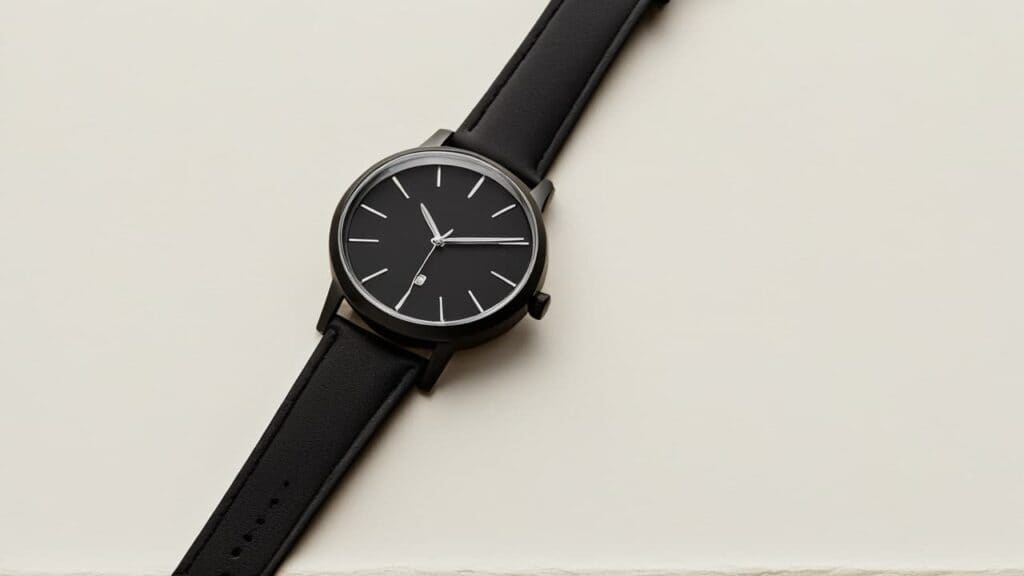
Fashion watch construction relies on specific material choices that balance attractive appearance, acceptable durability, and cost-effective manufacturing to achieve the affordable price points that define this market segment. These materials represent compromises between premium components used in luxury timepieces and the budget constraints necessary to maintain accessibility for style-conscious consumers.
- Stainless steel dominates case construction using primarily 316L grade steel, which provides excellent corrosion resistance, hypoallergenic properties for sensitive skin, and sufficient durability for daily wear at reasonable manufacturing costs. This material accepts various finishes including brushed, polished, or PVD coating that creates attractive gold, rose gold, or black appearances without using precious metals, enabling luxury aesthetics at fashion price points.
- Alternative case materials include zinc alloy and brass alloy with electroplating that reduces costs while maintaining acceptable appearance for entry-level fashion watches priced under $100. Premium fashion watches may feature aluminum for lightweight comfort, titanium for enhanced durability and hypoallergenic properties, or ceramic construction that provides scratch resistance and contemporary styling appeal.
- Mineral crystal serves as the standard dial protection for most fashion watches, offering moderate scratch resistance rated at MOHS hardness 5-6 while maintaining clear visibility and affordable production costs. This material can withstand normal daily wear and can be polished to remove minor surface scratches, though it remains more vulnerable than sapphire crystal used in luxury timepieces.
- Leather straps typically use genuine leather with basic tanning processes rather than premium grades, resulting in attractive initial appearance but limited longevity of 12-18 months with regular wear. Synthetic leather alternatives provide water resistance and consistent appearance while reducing costs, though they may lack the natural feel and aging characteristics preferred by some consumers.
- Metal bracelet construction uses the same stainless steel as cases with folded links rather than solid construction to reduce material costs and weight. These bracelets provide durability and professional appearance while accepting some flexibility and potential stretching over time compared to solid link bracelets found on luxury watches.
- Fabric and NATO-style straps gain popularity for their breathability, comfort, and extensive color options that enable easy style customization. These woven nylon materials resist moisture and maintain appearance through washing, appealing to active consumers and those seeking casual styling options that complement contemporary fashion trends.
- Silicone and rubber strap materials provide water resistance, easy cleaning, and comfort for sports-oriented fashion watches while maintaining bright colors and contemporary styling. These synthetic materials resist deterioration from perspiration and environmental exposure while offering flexibility and lightweight wear characteristics.
- Movement components use standardized quartz calibers from established suppliers like Miyota, Ronda, or PC Industries, ensuring reliable timekeeping performance while controlling costs through volume purchasing. These mass-produced movements provide accuracy and longevity appropriate for fashion watch applications without the complexity or expense of mechanical alternatives.
The material choices in fashion watches reflect deliberate compromises that prioritize visual appeal and affordability over maximum durability or premium construction quality. These selections enable attractive timepieces at accessible price points while providing sufficient quality for the intended lifespan and usage patterns of fashion-conscious consumers who value contemporary styling over long-term investment potential.
How Much Should You Spend on a Fashion Watch?
Fashion watch pricing spans a wide range that reflects different quality levels, brand positioning, and feature sets, with strategic budget allocation enabling consumers to maximize value while avoiding common purchasing mistakes. The relationship between price and quality in fashion watches doesn’t follow linear patterns, making informed spending decisions crucial for satisfaction and long-term value.
- Entry-level pricing between $20-75 includes basic Timex models, promotional pricing from established brands, and direct-import options that provide fundamental timekeeping with minimal style impact. These watches typically use basic materials, simple designs, and cost-cutting construction that limits durability to 1-3 years, making them suitable for occasional wear or experimental purchases rather than primary timepieces.
- Mid-range options priced $75-200 represent the fashion watch sweet spot, offering optimal balance between style, quality, and affordability across core collections from Daniel Wellington, MVMT, and Swatch. This segment provides recognizable branding, contemporary design, and acceptable build quality for consumers seeking fashionable timepieces without premium pricing, typically lasting 3-5 years with regular wear.
- Premium fashion watches between $200-500 include Michael Kors collections, limited edition pieces, and specialized features like solar power or sapphire crystal that compete with entry-level luxury brands. These timepieces appeal to consumers seeking elevated design and materials while remaining within accessible pricing, though they still face the same resale value limitations as lower-priced alternatives.
- Cost-per-wear calculations provide realistic value assessment by dividing purchase price by expected usage frequency over anticipated lifespan, helping consumers evaluate whether higher-priced options justify additional expense. A $150 watch worn daily for 3 years costs approximately $0.14 per wear, while occasional-use timepieces may exceed $5 per wearing depending on purchase price and usage patterns.
- Brand markup percentages reveal significant profit margins in fashion watch pricing, with manufacturing costs typically representing 5-15% of retail prices while marketing, distribution, and profit account for the remainder. This markup structure means consumers pay primarily for brand recognition and design rather than material value or construction quality.
- Alternative spending strategies include purchasing fewer, higher-quality pieces from respected brands like Casio, Timex, or Seiko at similar prices, offering better materials, longer lifespans, and established service networks. Entry-level mechanical watches from Orient or Seiko provide automatic movements and traditional craftsmanship at fashion watch pricing for consumers interested in horological value.
- Seasonal pricing fluctuations create opportunities for significant savings through end-of-season clearances, holiday promotions, and brand-direct sales that can reduce retail prices by 30-60%. Patient consumers can build collections more affordably by timing purchases around predictable sales cycles rather than paying full retail prices.
- Total ownership costs include potential strap replacements averaging $15-40, battery service every 2-3 years costing $15-30, and complete replacement within 3-5 years as components deteriorate. These additional expenses add 20-40% to initial purchase costs over typical fashion watch lifespans, affecting true value calculations.
- Value comparison with alternatives reveals that fashion watch pricing often overlaps with superior options including citizen solar watches, basic luxury pieces from established brands, or feature-rich smartwatches that provide greater functionality. Consider these alternatives before committing to fashion watch purchases, particularly in the $200-500 price range where competition intensifies.
Smart budget allocation involves honestly assessing intended use patterns, style priorities, and long-term expectations while considering total ownership costs rather than just initial purchase prices. The goal involves finding timepieces that provide satisfactory style impact and reliability within realistic budget constraints while avoiding overspending on fundamentally disposable accessories that won’t retain significant value over time.
Current Fashion Watch Trends
Current fashion watch trends reflect broader style movements and consumer preferences for personalization, with 2024-2025 seeing significant shifts toward bold color choices, vintage-inspired designs, and increased emphasis on customizable elements. These trends influence everything from case sizes and color palettes to strap materials and dial aesthetics, creating opportunities for consumers to express individual style while staying current with contemporary fashion movements.
- Ultra-thin profiles dominate current design preferences as manufacturers pursue sleek, barely-there aesthetics that complement contemporary minimalist styling. This architectural approach emphasizes clean lines and sophisticated proportions while eliminating unnecessary decorative elements, creating timepieces that feel modern and unobtrusive while maintaining visual impact through refined proportions rather than bulk.
- Oversized watches for women represent a major shift from traditional delicate timepieces, with female consumers embracing larger case sizes traditionally associated with men’s watches. This boyfriend watch trend reflects broader fashion movements toward gender-neutral accessories and bold statement pieces that command attention through presence rather than intricate detailing.
- Vibrant red emerges as the standout color for 2025, influenced by cultural celebrations and designed for maximum visual impact across dial colors, strap options, and accent details. Blue dials continue strong growth with popularity increases exceeding 25%, ranging from navy to royal blue shades that complement both casual and professional wardrobes while providing versatile styling options.
- Green tones evoke vintage British racing heritage while neutral safari colors offer versatile styling that transcends seasonal fashion cycles. These earth-inspired palettes appeal to consumers seeking timepieces that coordinate with multiple outfits while reflecting contemporary interest in natural and sustainable design aesthetics.
- Vintage revival influences embrace retro-inspired designs with clean lines and timeless aesthetics designed to transcend seasonal trends. This classic approach appeals to consumers seeking investment pieces that won’t appear outdated as fashion cycles evolve, emphasizing enduring style over momentary trend adoption through subtle vintage cues rather than obvious retro styling.
- Mesh bracelets experience significant growth projected for 2025, offering Milanese-style construction that provides smooth, comfortable wear while enabling infinite adjustability. These metal mesh designs complement minimalist aesthetics while providing practical advantages over traditional link bracelets, appealing to consumers who value both comfort and contemporary styling.
- Interchangeable elements enable personalization through customizable straps, bezels, and sometimes watch faces, allowing consumers to modify their timepieces for different occasions or seasonal preferences. This versatility particularly appeals to younger demographics who value self-expression and variety in their accessories while maximizing value from single watch purchases.
- Sustainable materials gain traction through recycled metals, eco-friendly leather alternatives, and solar-powered movements that eliminate battery replacement needs. These environmentally conscious options appeal to millennials and Gen Z consumers who prioritize ethical consumption while maintaining style preferences and contemporary aesthetics.
These trends reflect evolving consumer preferences for personalization, sustainability, and bold self-expression while maintaining the affordability and accessibility that define the fashion watch market. Successful brands adapt quickly to these movements while ensuring new designs remain commercially viable and appealing to their target demographics across different style preferences and lifestyle needs.
Fashion Watch Selection: What to Consider Before Buying
Selecting the right fashion watch requires considering personal style preferences, lifestyle needs, and practical factors that affect daily wearability and long-term satisfaction. The extensive variety available in the fashion watch market means consumers can find options that perfectly match their aesthetic goals and functional requirements while staying within budget constraints.
- Style compatibility with existing wardrobe determines how frequently and effectively a fashion watch integrates into daily outfits, making it essential to consider dominant colors, aesthetic preferences, and formality levels of typical clothing choices. Minimalist designs with neutral colors offer maximum versatility across casual and professional settings, while bold statement pieces work better for consumers who enjoy attention-grabbing accessories and varied styling approaches.
- Metal coordination with other jewelry creates cohesive accessory combinations that enhance overall appearance rather than creating conflicting elements. Consumers who primarily wear gold jewelry should select watches with gold-toned cases and bracelets, while those preferring silver accessories benefit from stainless steel or white metal finishes that complement existing pieces without clashing.
- Case size selection affects both comfort and visual proportion, with larger cases making stronger style statements while potentially overwhelming smaller wrists. Women’s fashion watches typically range from 26-40mm diameter, while men’s options span 38-44mm, though oversized trends blur traditional gender distinctions and enable personal preference to guide sizing decisions.
- Occasion appropriateness varies significantly between different fashion watch styles, with classic designs featuring clean dials and leather straps suitable for professional environments while sport-inspired models with bright colors and rubber straps work better for casual settings. Consider primary intended use when selecting between dress-oriented versus casual-focused designs.
- Strap versatility through interchangeable options maximizes styling possibilities from single watch purchases, enabling switches between leather for formal occasions, metal mesh for professional settings, and fabric or silicone for casual activities. Brands offering multiple strap options provide better long-term value and adaptability as style preferences evolve.
- Budget allocation should account for total ownership costs including potential strap replacements, battery service, and relatively short lifespan that may require replacement within 3-5 years. Consider whether investing slightly more in mid-range fashion watches provides meaningfully better quality or if entry-level options serve intended purposes adequately.
- Brand reputation affects purchase confidence and potential service availability, with established companies like Fossil Group brands offering better distribution and support compared to unknown online retailers. Research brand reviews and return policies before purchasing, particularly for direct-to-consumer companies that may have limited physical presence.
- Comfort factors including weight, strap materials, and case thickness influence daily wearability and long-term satisfaction with fashion watch selections. Try on similar styles when possible to assess personal preferences for different materials and proportions, as comfort significantly impacts how frequently watches get worn.
- Color trends versus timeless choices require balancing current fashion appeal against potential dated appearance as trends change. Bold trending colors offer immediate style impact but may look outdated quickly, while neutral options provide longer-term versatility at the cost of reduced fashion-forward appeal.
Successful fashion watch selection involves honestly assessing personal style priorities, lifestyle needs, and budget constraints while considering how different options integrate with existing accessories and clothing choices. The goal involves finding timepieces that enhance personal style expression while providing acceptable quality and durability for intended use patterns and ownership expectations.
Fashion Watch Care: Cleaning and Maintenance
Proper maintenance significantly extends fashion watch lifespan and preserves appearance, though economic considerations often limit extensive service investment given the affordable pricing and shorter operational expectations. Simple daily care practices and periodic professional attention maximize value from fashion watch purchases while maintaining presentable appearance for social and professional settings.
- Daily protection involves removing watches during activities that expose them to moisture, chemicals, or physical impact that could damage basic seals and materials common in fashion timepieces. Avoid wearing fashion watches during showering, swimming, or cleaning activities, as basic water resistance ratings don’t provide reliable protection against prolonged moisture exposure or temperature changes that affect seal integrity.
- Regular cleaning with soft microfiber cloths eliminates perspiration, dirt, and body oils that accelerate material deterioration and create unsightly buildup around case edges and strap connections. Weekly cleaning prevents accumulation of contaminants that can cause skin irritation, strap degradation, and corrosion of plated surfaces that affect both appearance and longevity.
- Proper storage in individual compartments with soft lining prevents scratches from contact with other jewelry or hard surfaces while maintaining stable temperature and humidity conditions. Avoid extreme temperatures, direct sunlight, and areas near magnetic fields from speakers or electronic devices that can affect quartz movement accuracy and damage sensitive components.
- Battery replacement every 2-3 years prevents acid leakage that destroys internal components even if watches continue running adequately. Professional replacement costs $15-30 but maintains water resistance seals and prevents corrosive damage from deteriorating batteries, making this service worthwhile for fashion watches worth $75 or more.
- Strap maintenance varies significantly by material type and directly impacts overall watch appearance and comfort. Leather straps benefit from monthly conditioning with appropriate leather care products and complete replacement every 12-18 months as perspiration and moisture cause cracking and deterioration that cannot be reversed through cleaning alone.
- Professional service becomes cost-effective when total service costs remain below 30-50% of replacement pricing, though this threshold means many fashion watches under $100 favor replacement over repair. Basic cleaning services cost $25-50, while water resistance testing adds $15-25, making professional maintenance viable primarily for mid-range and premium fashion watches.
- Moisture protection requires immediate action if water enters watch cases, with quick professional attention potentially preventing total loss from corrosion damage. Remove watches immediately if moisture appears under crystals and seek professional service within 24-48 hours, as delayed action often results in irreparable damage to movements and dial components.
- Movement care involves avoiding strong magnetic fields, extreme temperature changes, and physical shocks that can affect quartz crystal oscillation and internal component alignment. While quartz movements resist most environmental factors better than mechanical alternatives, basic protection practices help maintain accuracy and prevent premature failure.
- When to replace versus repair depends primarily on economic factors, with repair costs exceeding 50% of replacement pricing generally favoring new watch purchases. Consider age, condition, and emotional attachment when making repair decisions, as sentimental value may justify service costs that don’t make pure economic sense.
Effective fashion watch care balances reasonable maintenance efforts with realistic expectations about lifespan and repair economics. The goal involves maximizing enjoyment and utility from these affordable accessories while accepting their fundamentally disposable nature compared to investment-grade timepieces designed for decades of use and service.
Conclusion
Fashion watches serve specific consumer needs for affordable, trendy timepieces that complement contemporary lifestyles without requiring luxury watch investment or smartwatch complexity. These style-focused accessories excel at providing immediate fashion impact through contemporary designs, accessible pricing, and trend-responsive aesthetics that appeal to consumers building collections or seeking variety in their accessories. The $20-500 price range enables experimentation with different styles, brands, and colors while maintaining reasonable financial risk, making fashion watches particularly suitable for younger demographics and those prioritizing wardrobe coordination over long-term value retention.
However, consumers must approach fashion watch purchases with realistic expectations about quality limitations, short lifespans, and poor resale values that reflect the fundamental trade-offs between affordability and durability. The emphasis on visual appeal over technical excellence results in timepieces designed as seasonal accessories rather than lifetime investments, with typical operational periods of 2-5 years and depreciation rates exceeding 80% within months of purchase. These limitations don’t necessarily disqualify fashion watches but require honest assessment of individual priorities regarding style impact versus long-term value.
For consumers who prioritize immediate style benefits and accept disposable accessory approaches, fashion watches provide unmatched variety and affordability in contemporary timepiece design. Success with fashion watch purchases depends on selecting appropriate brands and price points while maintaining realistic expectations about quality, durability, and economic value compared to alternatives from established watchmaking companies or emerging smartwatch technologies that may better serve different lifestyle needs and priorities.