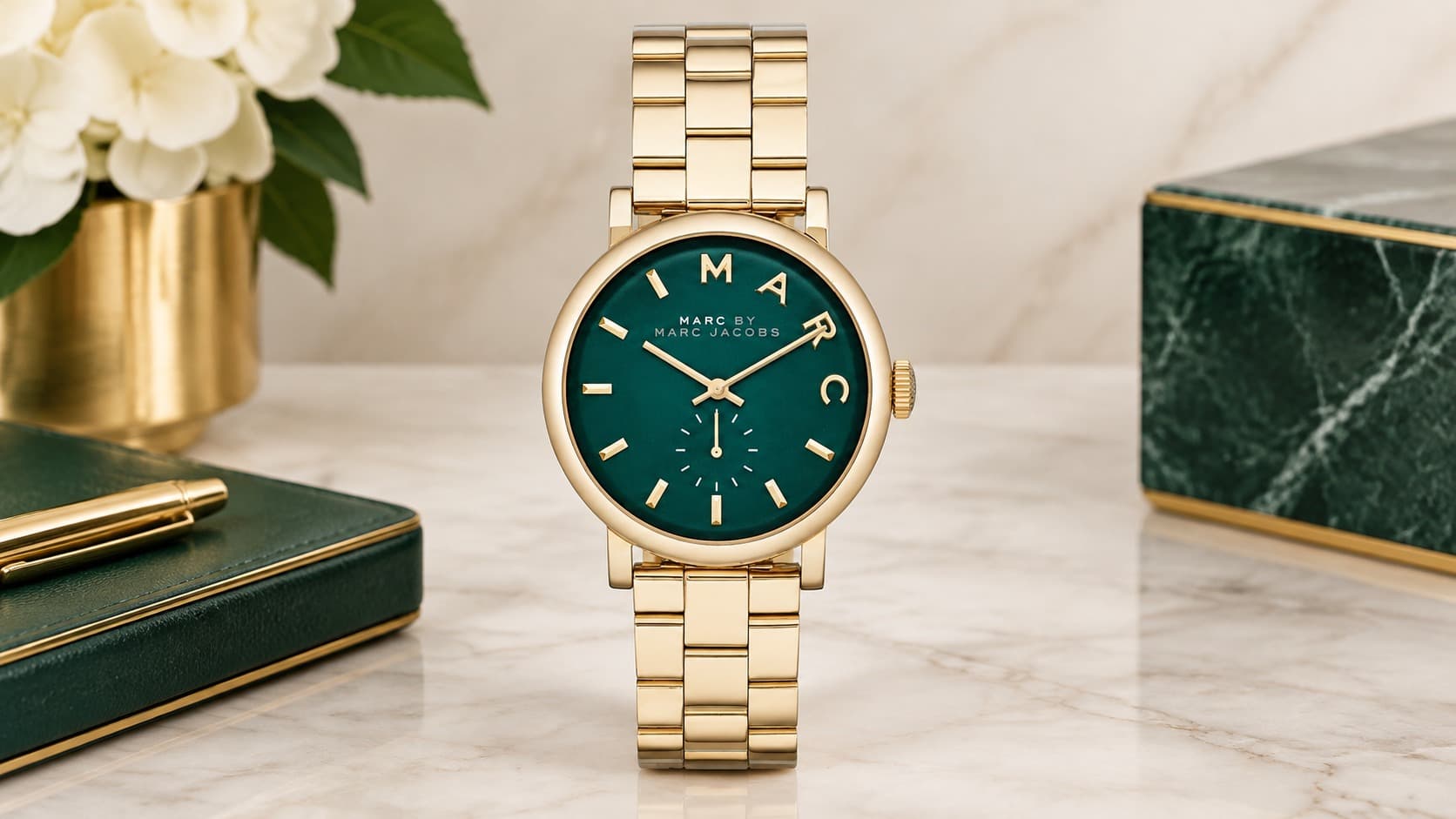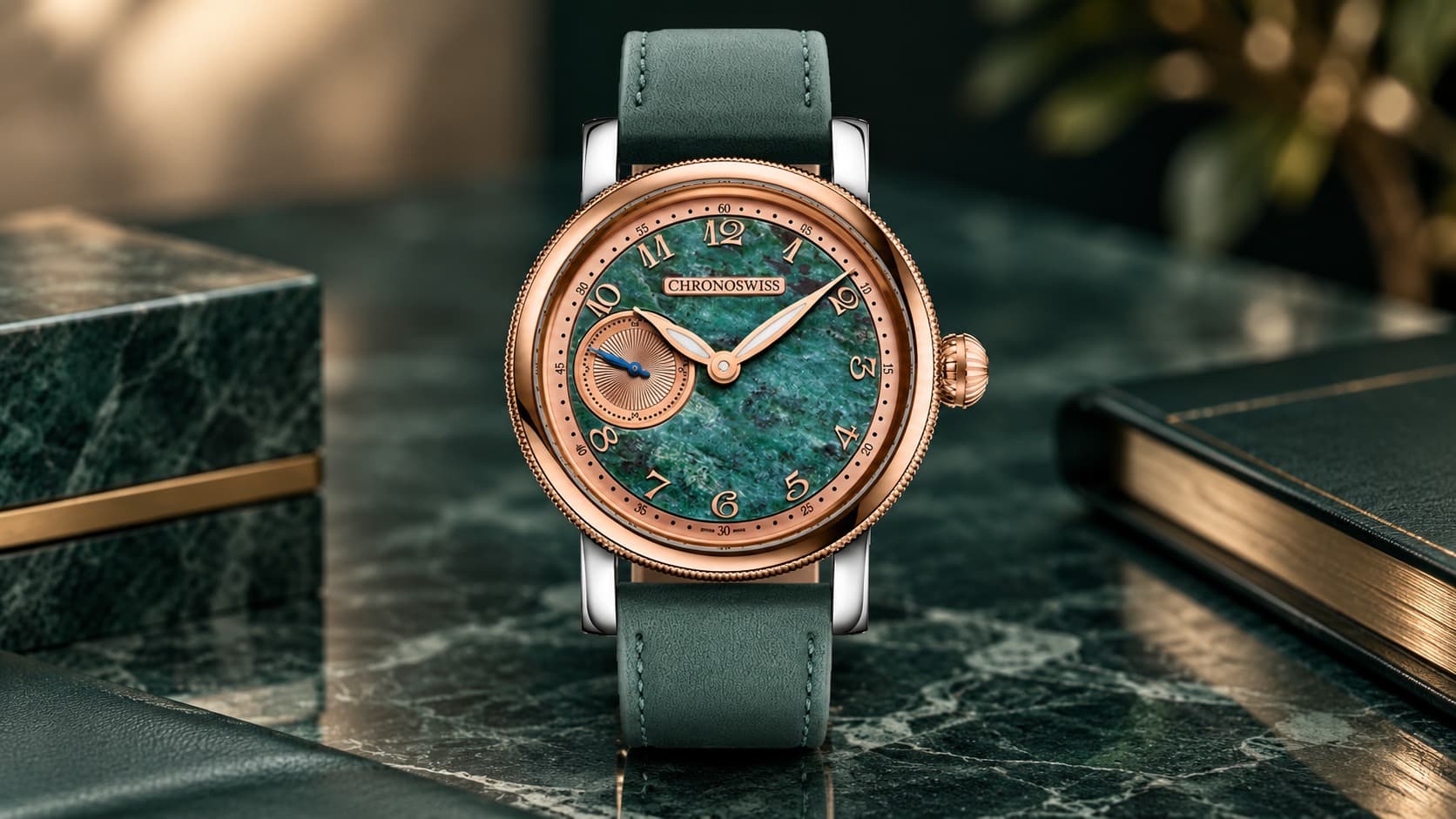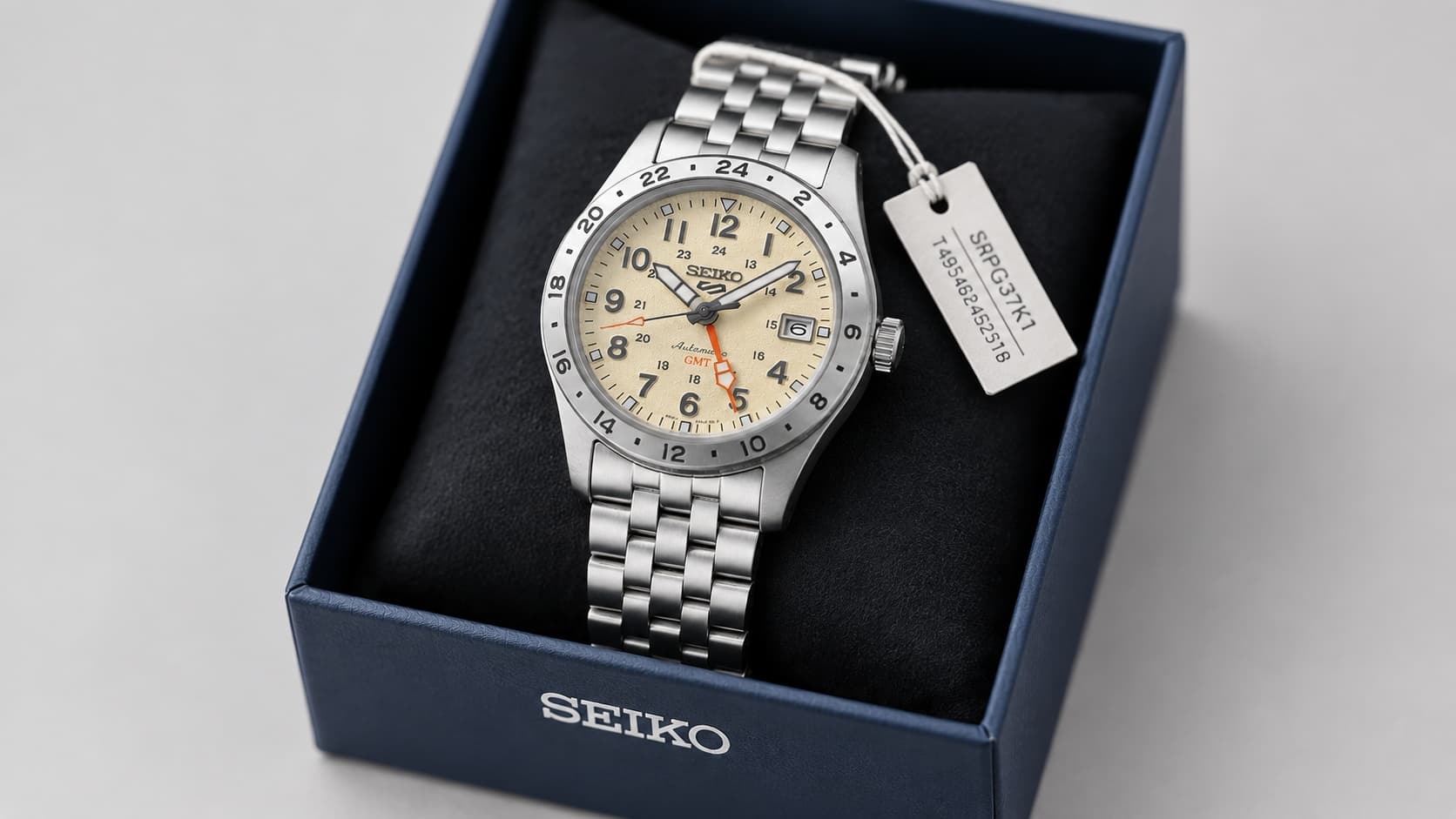

Japanese watchmaking represents one of the most remarkable success stories in modern horology, transforming from a post-war rebuilding effort into a global powerhouse that revolutionized timekeeping technology. While Swiss watches often dominate luxury conversations, Japanese manufacturers have consistently delivered exceptional quality, groundbreaking innovation, and unmatched value at affordable price points. From pioneering quartz movements to solar-powered technology and virtually indestructible designs, Japanese brands have repeatedly proven that precision engineering and cutting-edge features don’t require premium pricing. This exploration reveals why affordable Japanese watches represent some of the best value propositions in the watch industry today.
Understanding Japanese Watch Quality Standards
Japanese watch manufacturing operates under sophisticated quality frameworks that blend traditional precision manufacturing with cutting-edge technology testing protocols. The Japanese Industrial Standards system establishes baseline requirements for timepiece production, but leading manufacturers like Seiko, Citizen, and Casio implement significantly more stringent internal testing procedures that often surpass international benchmarks. This approach reflects the broader Japanese manufacturing philosophy of continuous improvement and technological innovation, creating timepieces that deliver exceptional reliability regardless of their market positioning.
- Japanese manufacturers achieve accuracy tolerances in their quartz movements within plus or minus 15 seconds per month, which substantially exceeds the plus or minus 30 seconds typically required by international chronometer standards. This level of precision results from advanced crystal oscillator technology and temperature compensation systems that maintain consistent timekeeping across varying environmental conditions.
- Water resistance testing protocols implemented by Japanese brands involve multiple pressure cycles, temperature variations between extreme hot and cold conditions, and prolonged submersion tests that simulate real-world aquatic environments rather than simple laboratory pressure chambers. These comprehensive evaluations ensure reliable performance for diving and water sports applications across all price ranges.
- Shock resistance evaluation includes drop testing from multiple heights and angles, vibration exposure that simulates transportation and daily wear stresses, and impact resistance testing that exceeds standard requirements. Casio’s development of the G-Shock series exemplifies this approach, with each model undergoing destruction testing to ensure virtually indestructible performance.
- Manufacturing precision standards incorporate automated quality control systems that monitor dimensional accuracy, surface finish quality, case assembly tolerances, and movement timing throughout production. Human inspection complements automated systems, with skilled technicians performing final verification checks that maintain consistency across millions of units annually.
- Temperature performance testing subjects completed watches to extreme temperature cycles ranging from minus 20 to plus 60 degrees Celsius, ensuring accurate operation in diverse climatic conditions. This testing protocol identifies potential issues with lubricant viscosity, metal expansion rates, and electronic component stability before products reach consumers.
- Magnetic field resistance evaluation exposes watches to electromagnetic fields significantly stronger than typical consumer electronics, verifying that timekeeping accuracy remains unaffected by smartphones, computers, and household appliances. This testing became increasingly important as electronic devices proliferated in daily life.
- Durability assessment involves accelerated aging processes that compress years of typical wear into weeks of intensive testing, including continuous operation cycles, repeated function activation, and material stress analysis. These procedures identify potential long-term reliability issues and validate manufacturer warranty claims.
Japanese watch quality standards represent a comprehensive approach to timepiece manufacturing that prioritizes practical performance over traditional prestige markers. This methodology has enabled brands to deliver exceptional value propositions, with entry-level models often exhibiting reliability characteristics typically associated with luxury timepieces. The integration of rigorous testing protocols with efficient mass production techniques ensures consistent quality delivery across diverse price points, establishing Japanese watches as benchmarks for dependable timekeeping worldwide.
Essential Features of Japanese Watches
Japanese watchmaking excellence manifests through innovative technological features that prioritize practical functionality over traditional prestige, delivering advanced capabilities at accessible price points. These distinctive characteristics reflect decades of engineering expertise focused on solving real-world timekeeping challenges while maintaining exceptional reliability standards. Japanese manufacturers have consistently pioneered breakthrough technologies that later became industry standards, establishing features that define modern horology.
- Solar power systems harness any available light source to generate electrical energy, eliminating traditional battery requirements and creating environmentally sustainable timepieces. These systems incorporate advanced photovoltaic cells positioned beneath specially designed translucent dials that maintain aesthetic appeal while capturing sufficient light for operation. Power storage capabilities enable watches to function for months in complete darkness, with some models operating over a year without light exposure.
- Radio-controlled timekeeping connects watches to atomic clock networks worldwide through miniaturized antenna systems that automatically synchronize time with unprecedented accuracy. These receivers can detect signals from multiple global transmission stations, adjusting automatically for time zones and daylight saving changes. The technology ensures accuracy within seconds over decades of operation while requiring no user intervention.
- Hybrid movement technologies combine mechanical and electronic elements to achieve superior performance characteristics impossible with traditional approaches alone. These systems might utilize mechanical energy generation with electronic regulation, or electronic power systems with mechanical display mechanisms, creating timepieces that offer the best attributes of both technologies.
- Advanced material innovations incorporate lightweight yet durable substances like specialized titanium alloys, hardened mineral crystals, and corrosion-resistant coatings that enhance long-term durability. Surface treatments can increase scratch resistance beyond traditional materials while maintaining workability for complex case designs. These materials often provide hypoallergenic properties beneficial for sensitive skin conditions.
- Multi-functional sensor integration allows watches to measure environmental conditions including altitude, atmospheric pressure, temperature, and compass direction through miniaturized electronic components. These sensors provide accurate readings useful for outdoor activities while maintaining compact watch dimensions. Data display systems present information clearly without compromising timekeeping functionality.
- Enhanced water resistance engineering utilizes multiple sealing technologies including specialized gasket materials, screw-down crowns, and reinforced case construction that maintains integrity under extreme conditions. Testing procedures simulate real-world aquatic environments rather than simple laboratory pressure testing, ensuring reliable performance for professional diving and water sports applications.
- Shock absorption systems protect delicate internal components through innovative case construction, internal dampening mechanisms, and component mounting techniques that dissipate impact forces. These designs enable watches to withstand drops, vibrations, and impacts that would damage conventional timepieces while maintaining accurate operation.
- Temperature compensation mechanisms automatically adjust electronic oscillation frequencies based on environmental conditions, maintaining consistent accuracy across extreme temperature ranges. These systems counteract the natural tendency of timekeeping elements to vary with thermal changes, ensuring reliable performance in diverse climates.
Japanese watch features emphasize practical utility and technological advancement rather than superficial complications, creating timepieces that genuinely improve user experience through engineering excellence. This philosophy results in watches that deliver sophisticated functionality at price points traditionally associated with basic timepieces, making advanced horological technology accessible to consumers regardless of budget constraints. The integration of multiple innovative features within individual models demonstrates Japanese manufacturers’ commitment to comprehensive solutions rather than isolated technological achievements.
Top Affordable Japanese Watch Brands
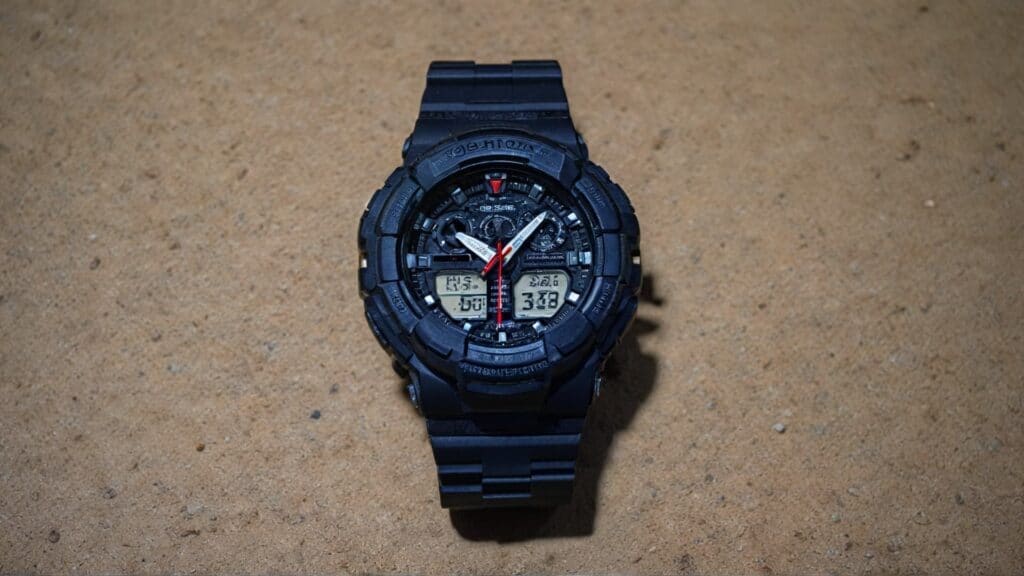
Japanese watchmaking dominance in the affordable sector stems from three major manufacturers that have consistently delivered exceptional value through technological innovation and manufacturing efficiency. These companies have built global reputations by offering features traditionally found in luxury timepieces at accessible price points, making sophisticated watchmaking technology available to diverse consumer segments. Each brand maintains distinct characteristics that appeal to different user preferences while sharing common commitments to reliability and practical functionality.
Seiko
Seiko represents the foundation of modern Japanese watchmaking, establishing industry benchmarks for both technological advancement and affordable precision since 1881. The company pioneered numerous innovations that became global standards, including the first quartz movement that revolutionized the entire watch industry during the 1970s. Today, Seiko maintains its position as the most comprehensive affordable watch manufacturer, offering everything from basic mechanical timepieces to advanced solar-powered models across multiple distinct collection categories.
- The Seiko 5 series serves as the entry point for mechanical watch enthusiasts, delivering automatic movements with day-date complications, water resistance, and durable construction at prices typically under 200 dollars. These watches feature the famous five attributes that define the collection: automatic winding, day-date display, water resistance, recessed crown positioning, and robust case construction that ensures long-term reliability.
- Prospex professional sports watches target serious outdoor enthusiasts and professionals requiring specialized functionality, including ISO-certified dive watches with water resistance ranging from 200 to 1000 meters. This collection incorporates advanced materials like titanium cases, sapphire crystals, and sophisticated movements including Spring Drive technology that combines mechanical energy with electronic regulation for exceptional accuracy.
- Presage dress watches emphasize traditional Japanese craftsmanship through techniques like enamel dial production, lacquer finishing, and specialized polishing methods that create luxury-level aesthetics at mid-range prices. These timepieces showcase Seiko’s commitment to preserving traditional artisan skills while incorporating modern mechanical movements with extended power reserves and enhanced accuracy.
- Solar-powered models across multiple collections eliminate battery replacement requirements through photovoltaic cells that convert any light source into electrical energy, ensuring continuous operation for months without exposure to illumination. Advanced versions include radio-controlled timekeeping that synchronizes with atomic clock networks for unprecedented accuracy.
- In-house movement production enables Seiko to control quality and costs while incorporating proprietary technologies like Kinetic systems that generate electrical power through wrist motion, delivering quartz accuracy with automatic convenience. This vertical integration extends to component manufacturing including springs, crystals, and specialized oils used in movement lubrication.
- Price ranges span from under 100 dollars for basic automatic models to approximately 500 dollars for advanced solar chronographs, making sophisticated horological technology accessible regardless of budget constraints. Limited edition and special variants occasionally exceed these ranges while maintaining exceptional value propositions compared to international competitors.
Seiko’s comprehensive approach to affordable watchmaking demonstrates how technological innovation and manufacturing efficiency can deliver exceptional value without compromising quality or functionality. The brand’s ability to offer in-house movements, advanced materials, and specialized complications at accessible prices establishes benchmarks that competitors struggle to match. This combination of heritage craftsmanship, modern technology, and practical pricing makes Seiko the natural starting point for consumers seeking reliable, feature-rich timepieces that deliver long-term satisfaction and performance.
Citizen
Citizen has established itself as the premier innovator in sustainable watch technology, pioneering solar power systems that eliminated traditional battery requirements while advancing environmental responsibility in horology. The company’s focus on practical technology solutions addresses real-world user needs through features like atomic timekeeping, perpetual calendars, and advanced material development. Citizen’s commitment to technological advancement extends beyond basic timekeeping to encompass comprehensive solutions for modern lifestyle demands.
- Eco-Drive solar technology represents the most significant advancement in watch power systems, converting any light source into electrical energy that powers sophisticated complications for extended periods without battery replacement. Modern implementations can operate complex chronograph functions and perpetual calendar displays while maintaining decades of operation through ambient lighting alone, creating truly maintenance-free timepieces.
- Promaster professional series addresses specific activity requirements through specialized models for aviation, diving, and land-based adventures, incorporating features like altimeters, depth gauges, compass functions, and GPS navigation capabilities. These tool watches combine rugged construction with advanced sensor technology while maintaining water resistance ratings suitable for professional use in extreme environments.
- Atomic timekeeping synchronization through radio signal reception ensures accuracy within seconds over years of operation by automatically connecting with global time standard networks. This technology adjusts for time zone changes, daylight saving transitions, and leap year corrections without user intervention, creating timepieces that remain precisely synchronized with official time standards worldwide.
- Advanced titanium development includes proprietary Super Titanium alloys that achieve surface hardness five times greater than stainless steel while maintaining lightweight characteristics and hypoallergenic properties. Specialized coating processes enhance scratch resistance and corrosion protection, creating cases that maintain pristine appearance despite heavy use in challenging conditions.
- Perpetual calendar complications automatically account for varying month lengths, leap years, and century adjustments through sophisticated mechanical programming that remains accurate until the year 2100. These complex functions operate through Eco-Drive power systems, eliminating the maintenance requirements typically associated with traditional perpetual calendar mechanisms.
- Price positioning focuses on the 200 to 800 dollar range where Citizen delivers advanced technology typically found in luxury timepieces, including features like sapphire crystals, titanium construction, and multi-function sensor capabilities. Entry-level models begin around 150 dollars while still incorporating solar power technology and water resistance suitable for recreational activities.
Citizen’s technological leadership demonstrates how innovation can create practical solutions that enhance user experience while addressing environmental concerns through sustainable power systems. The company’s ability to integrate complex functions within affordable packages establishes new standards for value in the watch industry. This commitment to advancing horological technology while maintaining accessible pricing makes Citizen the ideal choice for consumers seeking cutting-edge features without premium pricing structures.
Casio
Casio revolutionized watch durability and functionality through digital technology applications that created entirely new categories of timepieces designed for extreme conditions and specialized activities. The company’s engineering philosophy prioritizes practical functionality over traditional aesthetics, resulting in watches that deliver unmatched toughness and feature density. Casio’s innovations extend beyond simple timekeeping to encompass comprehensive tool capabilities that serve professional and recreational users across diverse applications.
- G-Shock construction methodology incorporates multiple shock absorption layers, vibration dampening materials, and impact-resistant component mounting that enables watches to withstand drops, impacts, and continuous vibration that would destroy conventional timepieces. Development testing includes repeated drop tests from varying heights and continuous vibration exposure to validate durability claims that often exceed military specifications.
- Multi-Band atomic timekeeping receives radio signals from six global transmission stations, automatically synchronizing with atomic clock networks in Japan, North America, Europe, and China for worldwide accuracy maintenance. This system operates through miniaturized antennas built into watch cases that connect with transmission stations during optimal signal conditions, typically during nighttime hours.
- Solar charging systems power digital displays and complex functions through photovoltaic cells integrated into watch faces, eliminating battery replacement requirements while supporting features like GPS navigation, Bluetooth connectivity, and environmental sensor capabilities. Advanced models can operate for months in complete darkness while maintaining full functionality.
- Environmental sensor integration provides accurate measurements of atmospheric pressure, altitude, temperature, and compass direction through miniaturized electronic components that deliver professional-grade readings. These sensors enable watches to serve as comprehensive navigation tools for outdoor activities while maintaining compact dimensions suitable for daily wear.
- Digital display versatility accommodates multiple time zones, stopwatch functions with split-second accuracy, countdown timers, and alarm systems that can be customized for specific activities or schedules. Advanced models incorporate smartphone connectivity for automatic time adjustment, notification display, and fitness tracking capabilities.
- Price accessibility ranges from approximately 50 dollars for basic G-Shock models to 400 dollars for advanced versions with GPS, solar power, and comprehensive sensor suites. This pricing structure makes virtually indestructible timepieces available to budget-conscious consumers while offering premium features for professional applications.
Casio’s digital innovation demonstrates how electronic technology can enhance watch functionality while achieving durability levels impossible with traditional mechanical approaches. The company’s focus on practical tool capabilities rather than luxury positioning creates timepieces that deliver genuine utility for active lifestyles. This combination of extreme durability, advanced functionality, and affordable pricing establishes Casio as the definitive choice for users requiring reliable performance in challenging conditions.
Orient
Orient has carved a unique position in affordable mechanical watchmaking by focusing exclusively on traditional automatic movements while maintaining price points that make luxury craftsmanship accessible to budget-conscious enthusiasts. As a subsidiary of Seiko Epson Corporation, Orient benefits from advanced manufacturing capabilities while preserving its distinct identity through classic design philosophies and in-house movement development. The brand emphasizes mechanical purity and traditional horological values without the premium pricing typically associated with hand-assembled timepieces.
- In-house automatic movement production centers around reliable calibers that deliver consistent performance through proven mechanical engineering rather than complex complications, focusing on fundamental timekeeping excellence with features like hand-winding capability, hacking seconds, and extended power reserves that often exceed 40 hours of continuous operation.
- Bambino dress watch collection exemplifies Orient’s approach to affordable elegance through dome-shaped crystals, polished cases, and classic dial layouts that evoke vintage luxury aesthetics while incorporating modern manufacturing precision. These timepieces deliver sophisticated appearance and reliable automatic operation at prices typically under 200 dollars, making them exceptional value propositions for formal wear.
- Mako and Ray diving watch series provide ISO-certified water resistance and unidirectional rotating bezels through robust construction that meets professional diving standards while maintaining affordability through efficient manufacturing processes. These models incorporate luminous displays, screw-down crowns, and solid link bracelets that deliver professional functionality at recreational pricing.
- Kamasu and Kano sport watches bridge the gap between dress and tool watch categories through versatile designs that incorporate ceramic bezels, sapphire crystals, and enhanced water resistance while maintaining classic proportions suitable for daily wear. These models demonstrate Orient’s ability to integrate premium materials within affordable packages.
- Sun and Moon complication watches showcase Orient’s mechanical expertise through astronomical displays that track lunar phases and day-night cycles using traditional gear trains rather than electronic systems, creating complex functions through pure mechanical engineering at prices significantly below Swiss competitors offering similar complications.
- Price positioning typically ranges from 120 to 350 dollars across most collections, with occasional limited editions or premium materials pushing prices slightly higher while maintaining exceptional value compared to equivalent Swiss or German mechanical timepieces. This pricing structure makes Orient an ideal entry point for consumers seeking mechanical watch ownership without luxury market premiums.
Orient’s commitment to mechanical excellence at affordable prices demonstrates how traditional watchmaking can remain accessible through efficient manufacturing and focused product development. The brand’s emphasis on proven movement designs and classic aesthetics appeals to enthusiasts who prioritize mechanical authenticity over modern complications. This dedication to horological fundamentals while maintaining budget-friendly pricing establishes Orient as the premier choice for consumers seeking authentic mechanical watch ownership without financial barriers.
Japanese Watch Retailers
Finding reliable retailers for Japanese watches involves navigating various purchasing channels that offer different advantages in terms of pricing, authenticity guarantees, and warranty coverage. The retail landscape includes authorized dealers who provide full manufacturer support, specialized Japanese importers offering unique domestic market models, and online marketplaces with varying levels of authenticity assurance. Understanding these different retailer categories helps consumers make informed decisions based on their priorities regarding cost, warranty protection, and access to specific models.
- Authorized dealers provide the highest level of purchase security through official brand partnerships that guarantee authentic products, full manufacturer warranty coverage, and established customer service relationships. These retailers offer warranties ranging from two to five years depending on the brand, with service available through certified technician networks. Physical authorized dealers allow hands-on examination before purchase, while online authorized retailers combine convenience with authenticity assurance at competitive pricing within manufacturer guidelines.
- Japanese domestic market specialists focus on importing watches originally intended for the Japanese market, providing access to unique models, exclusive colorways, and limited editions unavailable through standard international distribution. Established JDM retailers have built strong reputations through reliable service and authentic product delivery, often providing detailed specifications and professional customer support from staff knowledgeable about Japanese watch culture and manufacturing specifications.
- Warranty considerations vary significantly between retailer types, with authorized dealers offering full international manufacturer coverage while JDM specialists may provide either international warranty cards or Japan-only coverage requiring return shipping for service. International warranty options typically command premium pricing but ensure domestic service availability, while Japan-only warranties offer cost savings with potential service complications for non-Japanese customers.
- Gray market retailers sell authentic Japanese watches outside authorized distribution channels, typically offering substantial discounts of twenty to forty percent below retail pricing but without manufacturer warranty support. While these watches are genuine products, they often lack official warranty documentation and may present service challenges, requiring careful evaluation of retailer reputation, return policies, and alternative warranty options before purchase.
- Online marketplace platforms host various retailer types including authorized dealers, gray market sellers, and private individuals, requiring careful seller verification and authenticity assessment. Reputable online retailers typically provide detailed seller ratings, customer reviews, and return policies that help buyers evaluate reliability and authenticity before completing transactions through established payment protection systems.
- Pricing structures reflect the different business models, with authorized dealers adhering to manufacturer-suggested retail prices with limited discount availability, JDM specialists offering competitive pricing on exclusive models, and gray market retailers providing significant savings at the cost of warranty coverage. Shipping costs, import duties, and currency exchange rates can significantly impact total purchase costs when buying from international retailers.
Selecting the appropriate Japanese watch retailer requires balancing individual priorities regarding cost, warranty protection, and product availability while considering risk tolerance for potential authenticity or service issues. Authorized dealers offer maximum security and support at premium pricing, making them ideal for buyers prioritizing warranty coverage and customer service. Japanese market specialists provide access to unique models with moderate risk considerations, while gray market options deliver substantial cost savings for buyers willing to accept reduced warranty protection and potential service limitations.
Japanese Watch Maintenance: Essential Tips
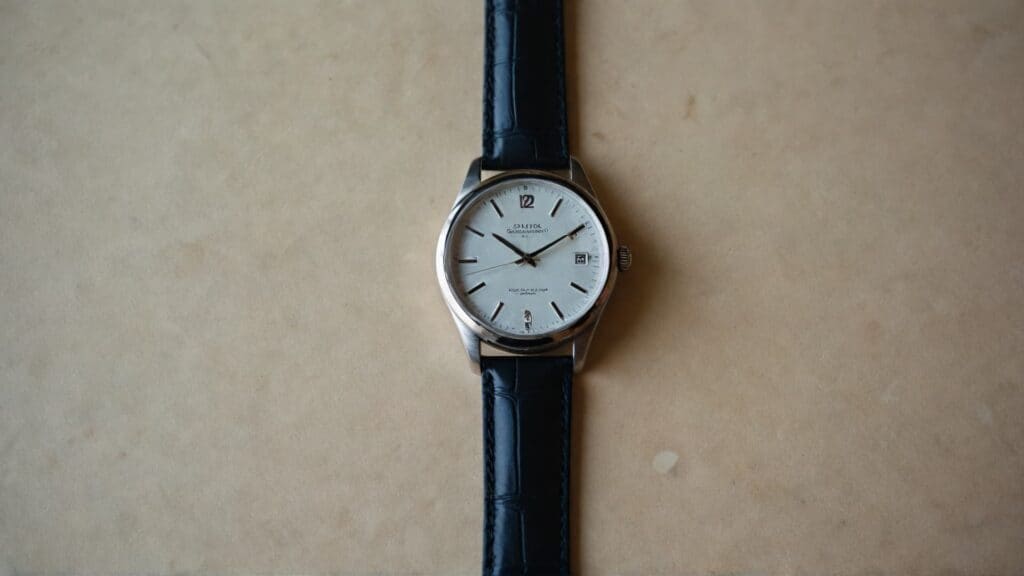
Japanese watches are renowned for their reliability and durability, but proper maintenance ensures optimal performance and extends operational lifespan regardless of the movement type or complexity level. Maintenance requirements vary significantly between mechanical automatic watches, solar-powered timepieces, and digital models, with each category requiring specific care approaches and service intervals. Understanding these differences enables watch owners to maintain their timepieces effectively while avoiding unnecessary service costs or potential damage from improper care procedures.
- Regular cleaning maintains both aesthetic appeal and functional performance through removal of accumulated dirt, sweat, and environmental contaminants that can affect moving parts and case integrity. External cleaning involves wiping cases and bracelets with soft, dry cloths after wear, while deeper cleaning requires disassembly for thorough case and movement cleaning by qualified technicians. Water-resistant models rated at five bars or higher can be cleaned under running water, but lower-rated timepieces require careful moisture avoidance during cleaning procedures.
- Service intervals depend heavily on movement type and usage patterns, with mechanical automatics typically requiring professional overhaul every three to five years, while quartz and solar models can extend service intervals significantly longer. Seiko recommends two to three year service intervals for mechanical movements, particularly for dive watches used in challenging environments, while Citizen Eco-Drive models may operate for decades with minimal intervention beyond battery cell replacement after ten or more years of service.
- Battery replacement for quartz models should occur immediately when power loss becomes apparent, as depleted batteries can leak corrosive chemicals that damage movement components and require expensive repairs. Professional battery replacement ensures proper gasket replacement and water resistance testing, maintaining watch integrity while extending operational reliability. Solar-powered watches use rechargeable cells that typically last over ten years but eventually require replacement when charging capacity diminishes despite adequate light exposure.
- Movement lubrication degrades over time regardless of usage frequency, with oils and greases breaking down due to temperature cycling, humidity exposure, and natural aging processes that can cause increased friction and component wear. Professional service includes complete disassembly, ultrasonic cleaning, fresh lubrication application, and reassembly with timing adjustment to manufacturer specifications. Delaying necessary service can result in catastrophic movement failure requiring complete replacement rather than economical restoration.
- Water resistance maintenance requires periodic gasket replacement and pressure testing to ensure continued protection against moisture ingress, particularly for dive watches exposed to saltwater environments. Gaskets deteriorate through normal aging and environmental exposure, losing elasticity and sealing effectiveness over time. Professional testing validates water resistance claims and identifies potential seal failures before water damage occurs, preventing costly movement replacement or restoration procedures.
- Storage considerations include avoiding extreme temperature fluctuations, magnetic field exposure, and impact situations that can affect timekeeping accuracy and component integrity. Automatic watches benefit from regular wearing or winder usage to maintain lubrication distribution, while long-term storage should involve partial winding to prevent mainspring degradation. Digital models require occasional button operation to prevent contact corrosion and display function verification.
- Professional service selection involves choosing qualified technicians with access to genuine replacement parts and proper testing equipment rather than general repair services lacking specialized knowledge. Authorized service centers provide manufacturer-approved procedures and warranty coverage, while independent specialists may offer cost advantages for out-of-warranty repairs. Service costs often approach or exceed replacement costs for entry-level models, making repair versus replacement decisions important considerations for budget-conscious owners.
Proper Japanese watch maintenance balances preventive care with professional service requirements, ensuring reliable operation while minimizing long-term ownership costs through appropriate service interval management. Understanding specific maintenance needs for different movement types enables informed decisions about care procedures and service timing. Regular attention to basic maintenance requirements combined with professional service when necessary preserves watch functionality and appearance for decades of reliable operation, making Japanese timepieces exceptional long-term value propositions for conscientious owners.
Common Japanese Watch Misconceptions
Several persistent misconceptions about Japanese watches continue to influence consumer perceptions despite overwhelming evidence contradicting these outdated beliefs. These myths often stem from historical contexts that no longer reflect current manufacturing realities, marketing-driven stereotypes, or incomplete understanding of horological development across different regions. The most pervasive misconception positions Japanese watches as inferior alternatives to Swiss timepieces, suggesting they represent budget substitutes lacking sophistication or quality, when modern Japanese watchmaking demonstrates technical capabilities that often exceed international standards.
- Japanese watches are cheap alternatives to Swiss timepieces - Objective performance comparisons frequently favor Japanese movements in accuracy testing, reliability assessments, and long-term durability studies conducted by independent organizations. Japanese quartz movements routinely achieve accuracy levels that surpass expensive Swiss mechanical alternatives, while Japanese automatic movements like those found in premium collections meet or exceed chronometer standards without requiring formal certification processes that add cost without improving performance.
- Swiss manufacturers lead technological innovation - Japanese manufacturers actually pioneered breakthrough developments including the first commercial quartz movement, solar power systems, radio-controlled timekeeping, and kinetic energy generation that revolutionized global watchmaking standards. Swiss manufacturers often adopt Japanese-developed technologies years after their initial introduction, demonstrating the leadership role of Japanese research and development efforts in advancing horological capabilities across the industry.
- Japanese manufacturing quality is inferior - Japanese watches consistently demonstrate superior reliability in independent testing, with failure rates significantly lower than comparable Swiss timepieces across similar price ranges. Japanese manufacturing processes incorporate advanced quality control systems, automated precision assembly, and comprehensive testing protocols that ensure consistent output quality across millions of units annually, achieving uniformity impossible through traditional hand-assembly methods.
- Japanese watches lack investment value - Vintage Japanese timepieces increasingly command premium prices among collectors who recognize their historical significance and technical innovations. Modern Japanese watches from premium lines often retain value better than equivalent Swiss timepieces due to superior build quality, lower initial depreciation rates, and growing recognition of their technical superiority among educated consumers and horological experts.
- Japanese movements lack complexity and sophistication - Japanese manufacturers produce some of the most sophisticated mechanical complications available, including proprietary technologies that combine mechanical and electronic elements in ways that other manufacturers have been unable to replicate successfully. These innovations demonstrate technical capabilities that exceed traditional watchmaking approaches while delivering superior accuracy and reliability in real-world applications.
- Japanese watches are less durable than alternatives - Extensive real-world evidence demonstrates Japanese watches withstanding extreme conditions better than alternatives from other regions, particularly in professional applications where reliability takes precedence over luxury aesthetics. Military and professional organizations frequently specify Japanese timepieces for critical applications due to their proven performance under stress, environmental resistance, and consistent operation in challenging conditions.
- Higher prices indicate superior quality - Japanese manufacturers achieve luxury-level specifications at fractions of equivalent costs from other regions, offering exceptional performance-to-price ratios that represent genuine value propositions. This pricing approach delivers superior functionality at accessible levels, making advanced horological features available to broader consumer markets without compromising quality or performance standards.
These misconceptions persist primarily through marketing inertia and incomplete consumer education rather than objective performance differences between Japanese and international watchmaking capabilities. Modern Japanese watches represent technological sophistication and manufacturing excellence that often exceeds traditional standards while maintaining accessibility that makes advanced horological features available to broader consumer markets. Understanding these realities enables informed purchasing decisions based on actual performance characteristics rather than outdated stereotypes that no longer reflect current manufacturing capabilities and market positions in the global watch industry.
Future of Affordable Japanese Watches
The future of affordable Japanese watches appears exceptionally promising, driven by continued technological innovation, evolving consumer preferences, and expanding global recognition of Japanese manufacturing excellence. Japanese manufacturers are uniquely positioned to capitalize on emerging trends in wearable technology, sustainable manufacturing, and smart device integration while maintaining their core strengths in reliability, precision, and value delivery. Market forecasts indicate sustained growth opportunities as consumers increasingly prioritize functional sophistication over traditional luxury branding, favoring Japanese approaches to practical innovation and accessible pricing.
Smartwatch integration represents the most significant technological frontier for Japanese manufacturers, with companies like Casio and Citizen developing hybrid approaches that combine traditional timekeeping with digital connectivity features. The Japanese smartwatch market is projected to reach 1.9 billion dollars by 2033 with a compound annual growth rate of 4.7 percent, driven by health consciousness, aging population demographics, and smartphone integration demands that align perfectly with Japanese strengths in sensor technology and power management systems.
- Hybrid technology development - Japanese manufacturers are pioneering approaches that blend traditional mechanical watchmaking with smart technology integration, creating timepieces that offer digital connectivity without sacrificing the aesthetic appeal and reliability of conventional watches. These hybrid solutions maintain extended battery life through solar charging systems while providing essential smart features like notification display, fitness tracking, and automatic time synchronization that enhance daily utility.
- Sustainable manufacturing leadership - Environmental consciousness drives innovation in materials science and production processes, with Japanese companies leading development of recycled materials, renewable energy manufacturing, and circular economy principles in watch production. Citizen’s partnership with environmental organizations demonstrates commitment to reducing ecological impact while maintaining quality standards, positioning Japanese brands as responsible choices for environmentally conscious consumers.
- Advanced sensor integration - Future Japanese watches will incorporate increasingly sophisticated sensor arrays for health monitoring, environmental measurement, and activity tracking while maintaining the compact form factors and extended battery life that characterize traditional timepieces. These developments leverage Japanese expertise in miniaturization and power efficiency to create comprehensive monitoring capabilities without the bulk or frequent charging requirements associated with typical smartwatches.
- Artificial intelligence implementation - Manufacturing processes increasingly utilize artificial intelligence for quality control, precision assembly, and predictive maintenance that enhances production efficiency while maintaining the consistency and reliability standards expected from Japanese timepieces. AI-driven design optimization enables rapid prototyping and testing of new complications and features while preserving the fundamental reliability characteristics that define Japanese watchmaking excellence.
- Global market expansion - Growing international recognition of Japanese watch quality creates opportunities for premium positioning and market share growth in regions traditionally dominated by Swiss manufacturers, particularly as consumers become more educated about objective performance characteristics versus brand heritage marketing. This expansion benefits from Japan’s reputation for technological innovation and manufacturing excellence across multiple industries.
- Customization and personalization - Advanced manufacturing capabilities enable increased customization options for consumers seeking personalized timepieces, from interchangeable components to custom dial designs and specialized complications tailored to specific activities or preferences. Digital manufacturing techniques allow economical small-batch production that makes personalized watches accessible at affordable price points.
- Energy innovation - Continued development of alternative power sources beyond traditional solar cells, including kinetic energy harvesting, thermal differential generators, and ultra-efficient battery technologies that extend operational periods and reduce maintenance requirements. These advances build upon Japanese leadership in energy-efficient electronics and sustainable power systems.
- Market democratization - Japanese manufacturers continue expanding access to sophisticated horological features through efficient production methods and technological innovation that delivers luxury-level capabilities at accessible pricing, making advanced watchmaking features available to broader consumer segments worldwide. This approach contrasts with traditional luxury positioning by prioritizing functional value over exclusivity branding.
The convergence of these trends positions Japanese watch manufacturers to maintain and expand their leadership in affordable precision timekeeping while adapting to evolving consumer expectations for connectivity, sustainability, and personalization. Their established strengths in manufacturing efficiency, technological innovation, and practical design philosophy provide strong foundations for navigating future market developments while continuing to deliver exceptional value propositions that make sophisticated timekeeping accessible to diverse global markets.
Conclusion
The landscape of affordable Japanese watches represents one of the most compelling value propositions in modern horology, combining decades of manufacturing expertise with continuous technological innovation. From Seiko’s pioneering quartz revolution to Citizen’s groundbreaking solar power systems and Casio’s virtually indestructible digital timepieces, Japanese manufacturers have consistently delivered functionality that exceeds expectations while maintaining accessible pricing. These brands have proven that exceptional quality, advanced features, and reliable performance need not require luxury-level investment, making sophisticated timekeeping available to consumers across all economic segments.
Understanding the true capabilities of Japanese watches dispels persistent misconceptions that position them as inferior alternatives to traditional luxury brands. Objective performance testing consistently demonstrates Japanese superiority in accuracy, durability, and technological sophistication, while manufacturing processes that emphasize precision and consistency deliver reliability that often surpasses more expensive competitors. The integration of innovative features like atomic timekeeping, solar power generation, and advanced sensor capabilities showcases Japanese leadership in practical horological advancement, creating timepieces that solve real-world challenges rather than simply displaying traditional craftsmanship.
Looking forward, Japanese watch manufacturers are exceptionally well-positioned to capitalize on emerging trends in sustainable manufacturing, smart technology integration, and global market expansion while preserving their core commitment to value delivery. The combination of established manufacturing excellence, ongoing technological innovation, and expanding international recognition creates opportunities for continued growth and market leadership. For consumers seeking reliable, feature-rich timepieces that deliver exceptional performance without premium pricing, Japanese watches represent the optimal intersection of quality, innovation, and accessibility in the contemporary watch market.