Best Orient Watches: Japan’s Affordable Luxury Timepieces

Discover the best Orient watches covering top models, buying tips, care advice, and why these Japanese mechanical timepieces offer exceptional value.

We include products we think are useful for our readers. If you buy through links on this page, we may earn a small commission.

Read more

Affiliate Disclosure: This post may contain affiliate links, which means we may receive a commission if you click a link and purchase something that we have recommended. While clicking these links won't cost you any extra money, they help us keep this site up and running. We only recommend products or services that we genuinely believe will add value to our readers. Thank you for supporting us!

Transparency: We are a participant in various affiliate programs, including the Amazon Services LLC Associates Program, an affiliate advertising program designed to provide a means for us to earn fees by linking to Amazon.com and affiliated sites. Our editorial content is not influenced by affiliate partnerships, and we strive to provide honest and unbiased reviews and recommendations.

To learn more about our vetting process, please visit our Affiliate Disclosure Statement

Article Content

Orient Three Star automatic watch with black dial, Arabic numerals, day-date display, and stainless steel bracelet

Orient watches represent one of Japan’s most respected yet underrated watchmaking traditions, offering exceptional mechanical timepieces at accessible prices. Founded in 1950, Orient has built a reputation for creating reliable, beautifully crafted watches that compete with much more expensive Swiss alternatives. Unlike many budget watch brands that rely on mass-produced movements, Orient manufactures their own in-house calibers, ensuring quality control and unique character in each timepiece. Whether you’re a first-time mechanical watch buyer or an experienced collector looking for excellent value, Orient offers something special—authentic Japanese craftsmanship without the premium price tag of luxury brands.

Orient Watch Company History

The roots of Orient stretch back over a century to 1901, when Shogoro Yoshida opened his modest watch shop called “Yoshida Watch Shop” in Tokyo’s Ueno district. Initially focused on importing and selling pocket watches from overseas, this small business would eventually grow into one of Japan’s most respected watchmaking companies. Yoshida’s entrepreneurial spirit and keen eye for quality timepieces laid the foundation for what would become a manufacturing powerhouse known for producing exceptional mechanical watches at accessible prices.

  • Shogoro Yoshida established his first watch business in 1901 as an importer and retailer of pocket watches in Tokyo, gradually expanding into case manufacturing by 1912 as he recognized the potential for domestic production rather than relying solely on foreign imports.
  • The transition to manufacturing began in 1920 when Yoshida founded Toyo Tokei Manufacturing Company, initially producing table clocks and precision instruments before expanding into wristwatch production in 1934 with the construction of a modern four-story factory in Hino.
  • World War II brought significant disruption to the company’s operations, as the factory was converted to produce military equipment, and post-war economic difficulties ultimately forced Toyo Tokei Manufacturing to close its doors in 1949, leaving hundreds of skilled workers without employment.
  • In 1950, the former employees of the Hino factory united to establish Tama Keiki Company, demonstrating remarkable resilience and determination to continue their craft, successfully launching production of their first wristwatch model called the “New Orient” that same year.
  • The company officially adopted the Orient Watch name in April 1951, simultaneously introducing the prestigious Orient Star line that would become synonymous with quality and precision, marking the true beginning of the modern Orient brand identity.
  • A pivotal moment came when Orient invited Professor Emeritus Tamotsu Aoki of Tokyo University to serve as advisor in 1951, bringing academic rigor and horological expertise that dramatically improved the reliability and technical sophistication of Orient timepieces.
  • International expansion began in 1955 with a trade agreement with China, followed by exports to Taiwan, the United States, Canada, Iran, and Brazil throughout the 1950s, establishing Orient as a global brand with overseas sales eventually surpassing domestic market performance.
  • In 2001, Seiko Epson Corporation acquired a majority stake in Orient, completing full ownership in 2009 and fully integrating the company in 2017, providing access to advanced manufacturing technology while preserving Orient’s unique design philosophy and independent operation.

This remarkable journey from a small Tokyo watch shop to an internationally recognized manufacturer demonstrates Orient’s unwavering commitment to mechanical watchmaking excellence. Even during the quartz crisis of the 1970s and 1980s when many competitors abandoned traditional horology, Orient remained dedicated to producing mechanical timepieces. Today, as part of the Seiko Epson family, Orient continues to honor its heritage while embracing modern manufacturing techniques, ensuring that each watch maintains the quality and character that has defined the brand for over seven decades.

Why Choose Orient Watches

Orient has carved out a unique position in the global watch market by focusing on what matters most to serious watch enthusiasts: authentic mechanical movements produced entirely in-house, exceptional build quality that rivals much more expensive timepieces, and designs that blend traditional Japanese aesthetics with modern functionality. While many brands in Orient’s price range rely on purchased movements from external suppliers, Orient maintains complete control over their manufacturing process from start to finish. This commitment to vertical integration allows them to offer genuine horological value that would typically cost several times more from Swiss or German manufacturers.

  • Orient manufactures all their mechanical movements in-house at their Akita facility in Japan, giving them complete control over quality, precision, and reliability while allowing them to offer authentic mechanical timepieces at prices that would be impossible if they purchased movements from external suppliers.
  • The brand’s unwavering focus on mechanical watchmaking sets them apart from competitors who shifted to quartz during the 1970s crisis, as Orient continued developing and refining their automatic and manual wind calibers even when electronic movements dominated the market.
  • Japanese craftsmanship principles of precision, attention to detail, and long-term durability are embedded in every Orient timepiece, with strict quality standards ensuring each watch can provide decades of reliable service when properly maintained.
  • Orient’s value proposition delivers Swiss-level mechanical complexity and finishing quality at entry-level prices, making genuine automatic movements accessible to buyers who might otherwise be limited to basic quartz alternatives in their budget range.
  • The brand’s design philosophy emphasizes timeless aesthetics over trendy elements, creating watches that remain stylistically relevant for years rather than becoming dated fashion accessories, with collections like the Bambino showcasing vintage-inspired elegance that transcends temporary style movements.
  • Orient’s commitment to accessibility means they produce watches for everyday wear rather than exclusive luxury pieces, focusing on practical features like robust water resistance, comfortable case sizes, and reliable daily functionality that appeals to real-world users.
  • The integration with Seiko Epson Corporation has enhanced Orient’s technical capabilities without compromising their unique identity, providing access to advanced manufacturing technologies like MEMS silicon escapements while preserving the distinctive character that makes Orient watches recognizable.
  • Orient’s approach to complications emphasizes useful features over showiness, incorporating practical elements like power reserve indicators, day-date displays, and GMT functions that enhance daily usability rather than simply adding complexity for its own sake.

This combination of authentic in-house manufacturing, Japanese quality standards, and accessible pricing creates a value equation that few brands can match. Orient watches offer genuine mechanical satisfaction without the premium pricing typically associated with traditional watchmaking, making them ideal for both newcomers to mechanical timepieces and experienced collectors seeking reliable daily wear options. The brand’s consistency in delivering quality across their entire range ensures that whether you choose an entry-level Bambino or a sophisticated Orient Star, you receive the same commitment to excellence that has defined Orient for over seven decades.

Top 10 Best Orient Watches

Orient’s diverse catalog offers something for every watch enthusiast, from elegant dress pieces to robust diving instruments. These ten models represent the cream of Orient’s current lineup, showcasing the brand’s commitment to mechanical excellence, distinctive design, and exceptional value. Each watch demonstrates why Orient has earned such a devoted following among both newcomers to mechanical timepieces and seasoned collectors seeking reliable daily companions.

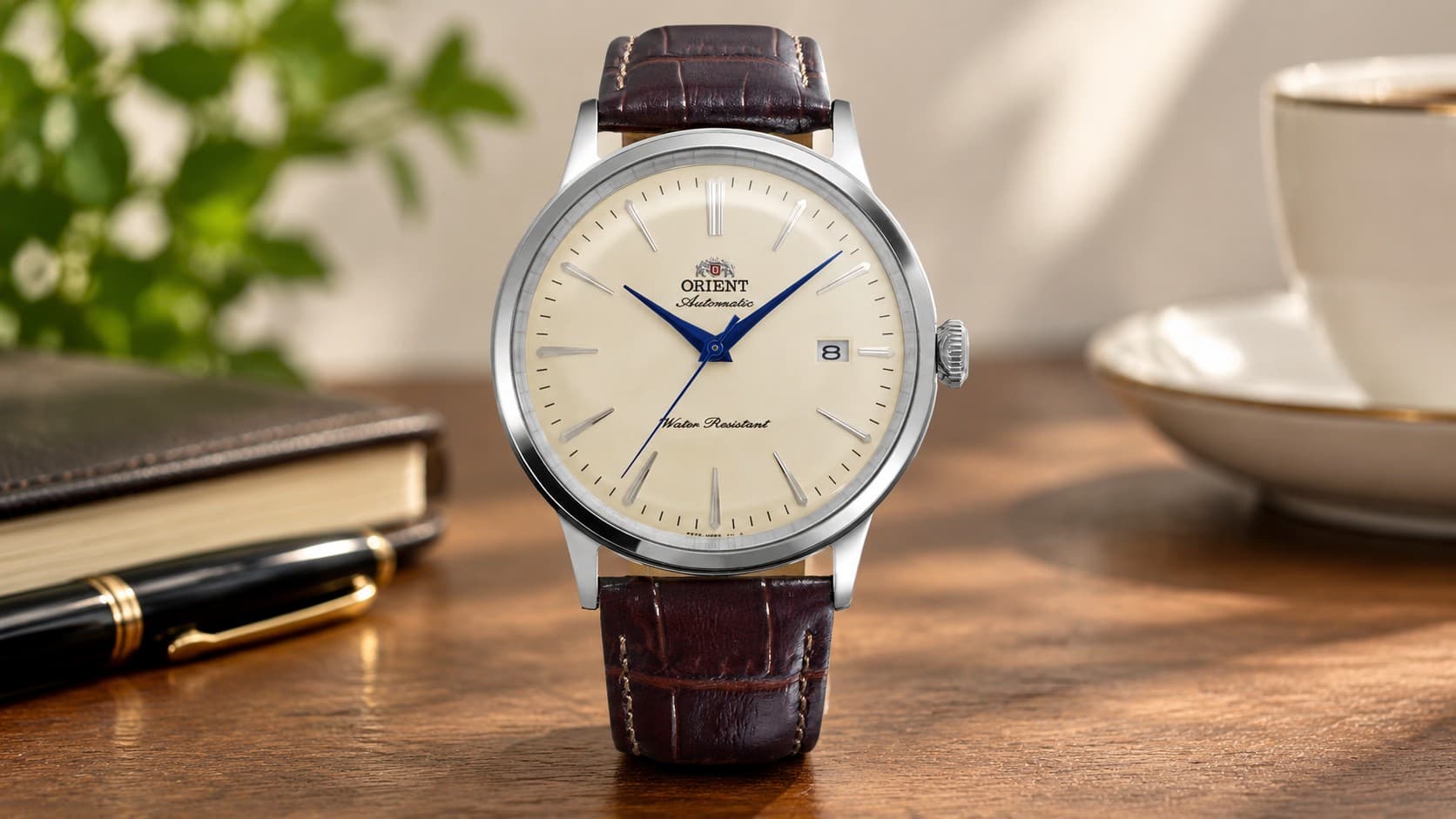
  • Orient Bambino Version 4 – The quintessential dress watch that perfectly embodies Orient’s design philosophy, featuring a 40.5mm stainless steel case with a beautifully domed crystal that creates stunning light play across the sunburst dial, powered by the reliable F6724 automatic movement with 40-hour power reserve, available in multiple dial colors including classic white, deep blue, and elegant black, typically priced around $150-180, making it one of the most accessible entry points into quality mechanical watchmaking.
  • Orient Kamasu (Mako III) – Orient’s modern interpretation of the classic dive watch, housed in a robust 41.8mm steel case with 200-meter water resistance and a unidirectional rotating bezel, equipped with the upgraded F6922 movement that includes hacking seconds and hand-winding capabilities, featuring applied indices with excellent lume application and a choice of striking dial colors including deep blue, forest green, and classic black, priced approximately $200-250.
  • Orient Sun & Moon Version 3 – A sophisticated complications piece that elevates Orient’s dress watch game with its mesmerizing day/night indicator at 4 o’clock, powered by the F6B24 movement that displays the celestial cycle through a beautifully designed aperture showing golden sun and silver moon phases, housed in a 42.5mm case with exhibition caseback revealing the decorated automatic movement, offering 50-meter water resistance and typically priced around $250-300.
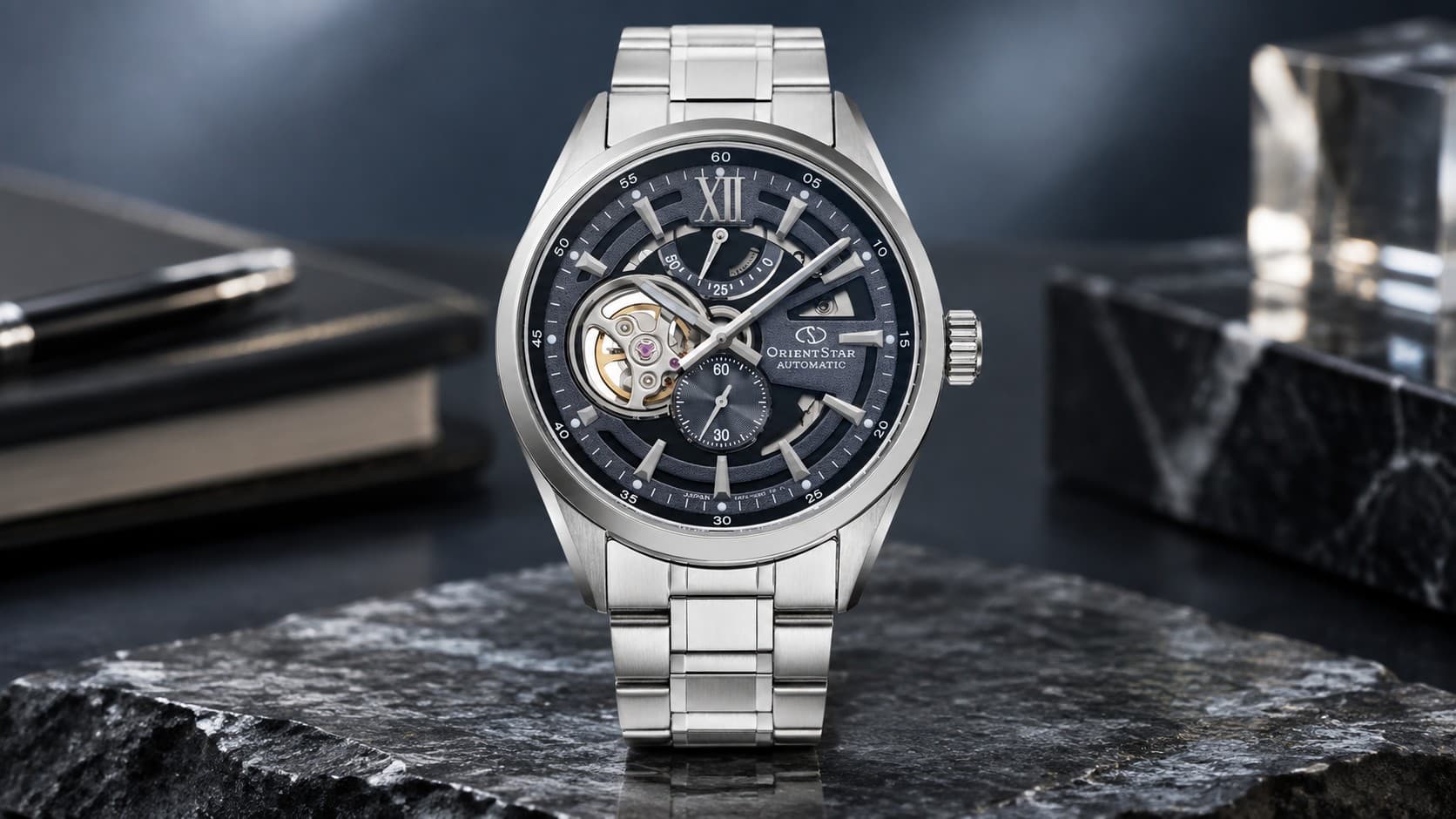
  • Orient Star Classic – The premium tier of Orient’s lineup featuring enhanced finishing and advanced complications, showcasing superior case and bracelet finishing with a mix of brushed and polished surfaces, equipped with high-grade movements like the caliber F6T22 with power reserve indicator, available in various configurations including GMT and retrograde models, representing exceptional value in the $400-600 range while competing with watches costing significantly more.
  • Orient Ray II – A proven dive watch that has earned legendary status among budget-conscious enthusiasts, featuring a distinctive coin-edge bezel and 41.5mm case with 200-meter water resistance, powered by the reliable F6922 automatic movement with day-date display, known for its excellent lume performance and comfortable fit on smaller wrists, available in multiple dial variations and typically priced around $180-220.
  • Orient Defender 2 – A modern field watch that combines military-inspired design with contemporary functionality, featuring a matte-finished IP-coated case with 100-meter water resistance and mineral crystal protection, equipped with the F6724 movement and practical complications including 24-hour time display and day-date function, designed for everyday durability and adventure use, priced approximately $220-250.
  • Orient Bambino 38 – A refined smaller version of the classic Bambino designed for those preferring more compact proportions, featuring a 38.5mm case with only 12mm thickness for elegant under-cuff wear, maintaining the signature domed crystal and clean dial aesthetics while offering improved wearability for smaller wrists, powered by the F6724 movement and available on both leather straps and steel bracelets, priced around $200-230.
  • Orient M-Force – Orient’s most robust sports watch designed for extreme conditions, featuring a heavily protected case construction with crown guards and enhanced shock resistance, equipped with 200-meter water resistance and a distinctive design that stands apart from typical dive watches, powered by reliable automatic movements and built to withstand serious abuse while maintaining accurate timekeeping, representing Orient’s tool watch philosophy at its finest, priced in the $300-400 range.
  • Orient Flight – A pilot-inspired timepiece featuring aviation aesthetics with slide rule bezel functionality, housed in a substantial case designed for cockpit use with excellent legibility and practical complications, equipped with the 48743 automatic movement and day-date display, offering 100-meter water resistance and comfortable leather strap, appealing to aviation enthusiasts and those seeking distinctive styling, typically priced around $250-300.
  • Orient Contemporary – A modern interpretation of classic watchmaking that bridges dress and casual wear, featuring sleek case designs with contemporary proportions and clean dial layouts, equipped with reliable automatic movements and practical features like date display and 50-meter water resistance, available in various dial colors and case finishes to suit different preferences, representing Oriental’s evolution toward modern aesthetics while maintaining traditional values, priced approximately $180-250.

These ten models showcase Orient’s remarkable ability to deliver genuine mechanical watch satisfaction across multiple price points and style preferences. From the accessible elegance of the Bambino to the premium refinement of Orient Star pieces, each watch represents exceptional value in its respective category. The consistent thread throughout Orient’s lineup is their commitment to in-house movement production, ensuring that regardless of which model you choose, you’re getting authentic Japanese craftsmanship and reliability that will serve you well for years to come.

What to Consider When Buying an Orient Watch

Choosing the right Orient watch requires understanding several key factors that will determine your satisfaction with the timepiece for years to come. Unlike many budget brands that offer limited options, Orient provides genuine choices across movements, sizes, and complications that can significantly impact your wearing experience. Taking time to consider these elements before purchasing will ensure you select a watch that fits both your lifestyle and preferences perfectly.

  • Movement Type and Features – Orient offers both their older Cal. 46 series and newer F6 series movements, with the newer versions providing important upgrades like hacking seconds (stop function when pulling the crown) and hand-winding capability, which were absent in earlier models, making watches like the updated Mako II and Ray II significantly more user-friendly than their predecessors, while Orient Star models feature even more advanced calibers with complications like power reserve indicators and GMT functions.
  • Case Size and Proportions – Orient watches range from compact 38mm dress pieces to substantial 42.5mm sports models, with most popular options sitting around 40-42mm in diameter, but equally important is the lug-to-lug measurement which affects how the watch sits on your wrist, with watches like the Bambino 38 offering better proportions for smaller wrists while larger sports models may overwhelm slender arms despite their attractive specifications.
  • Water Resistance Requirements – Consider your actual needs rather than impressive numbers, as Orient’s dress watches typically offer 30-50 meters (suitable for daily wear and light splashing), dive watches provide 200 meters (adequate for swimming and recreational diving), while field watches like the Defender offer 100 meters (perfect for outdoor activities), with higher ratings mainly providing peace of mind rather than practical necessity for most users.
  • Crystal Material and Durability – Newer Orient models increasingly feature sapphire crystals that resist scratches from daily wear, while older or entry-level pieces may use mineral glass that can show wear over time, making this an important consideration for long-term satisfaction, especially if you plan to wear the watch frequently or in demanding environments where crystal damage is more likely.
  • Budget and Value Positioning – Orient’s pricing typically ranges from $150-300 for regular models and $400-600 for Orient Star pieces, representing exceptional value in mechanical watchmaking, but be aware that stepping up to Orient Star provides significantly enhanced finishing, better movements, and superior materials that justify the higher cost for those seeking a more premium experience without luxury pricing.
  • Collection and Style Preferences – Determine whether you prefer classic dress aesthetics (Bambino collection), robust sports functionality (Kamasu, Ray, Mako series), military-inspired field watches (Defender line), or sophisticated complications (Sun & Moon models), as Orient’s distinct collections serve different style needs and wearing occasions, making it important to choose based on your primary intended use.
  • Strap and Bracelet Considerations – Many Orient watches come with basic leather straps that may require upgrading, while bracelet versions often provide better long-term value despite higher initial cost, with some models offering both options to suit different preferences, and the standard 20mm or 22mm lug widths making aftermarket strap selection relatively easy and affordable.
  • Long-term Serviceability – As a major Japanese manufacturer with global distribution, Orient watches can be serviced by most competent watchmakers, with parts generally available and service costs remaining reasonable compared to luxury brands, making them practical choices for those who want reliable mechanical timepieces without the complexity and expense of exotic movements or limited production pieces.

Understanding these factors will help you navigate Orient’s extensive catalog and select a watch that truly suits your needs. The brand’s strength lies in offering genuine choice within each price category, but this also means taking time to research specific models and their features. Whether you prioritize classic styling, modern functionality, or maximum value for money, Orient’s lineup includes options that deliver authentic mechanical watch satisfaction without the premium pricing of luxury alternatives.

Best Places to Buy Orient Watches

Orient automatic watch featuring open heart display, white dial with gold accents, and two-tone stainless steel bracelet

Purchasing an authentic Orient watch requires careful attention to where you shop, as the popularity of these timepieces has unfortunately led to a significant counterfeit market. Choosing the right retailer not only ensures you receive a genuine product but also guarantees proper warranty coverage and after-sales support. Understanding the various purchasing options and their respective advantages will help you make an informed decision while avoiding the disappointment and financial loss associated with fake watches.

  • Authorized Online Retailers – Orient Watch USA serves as the official online distributor for North America, offering the complete current catalog with full warranty coverage and customer support, while other established authorized online dealers like Island Watch, Teddy Baldassarre, and Serious Watches provide competitive pricing and excellent service with genuine products, often featuring sales and bundle deals that authorized brick-and-mortar stores may not offer.
  • Brick-and-Mortar Jewelry Stores – Traditional watch retailers and jewelry stores that carry Orient provide the advantage of hands-on examination before purchase, allowing you to assess size, comfort, and build quality in person, though selection may be limited compared to online options and prices might be higher due to overhead costs, making this option ideal for first-time buyers who need to determine proper fit and style preferences.
  • Major E-commerce Platforms – While some large online marketplaces do carry authentic Orient watches through authorized sellers, buyers must exercise extreme caution as these platforms also host unauthorized vendors selling counterfeits, requiring verification that the specific seller is listed on Orient’s authorized dealer list and ensuring proper warranty coverage rather than purchasing from third-party marketplace sellers.
  • International Dealers and Gray Market Sources – Watches purchased from international dealers or gray market sources may offer lower prices but often come without valid warranty coverage in your region, requiring careful consideration of the trade-off between savings and protection, particularly important for Orient watches since authorized service may be limited for watches purchased outside official distribution channels.
  • What to Avoid When Shopping – Steer clear of unfamiliar websites offering prices significantly below market value, sellers on marketplace platforms without extensive positive feedback and return policies, any retailer that cannot provide proper documentation and warranty cards, and deals that seem “too good to be true” since authentic mechanical watches have inherent manufacturing costs that limit how low prices can realistically go.
  • Verification and Authentication Tips – Always check the seller against Orient’s official authorized dealer list available on their website, ensure the watch comes with proper packaging including the correct Orient box and documentation, verify that warranty cards are properly filled out with matching serial numbers, and be aware that authentic Orient watches should have quality finishing, properly applied logos, and movements that match the specifications for the specific model.
  • Warranty and Service Considerations – Only watches purchased from authorized dealers qualify for Orient’s international warranty, which typically covers manufacturing defects for two years, while unauthorized purchases may leave you without recourse for repairs or service, making the potential savings from unauthorized dealers often not worth the risk of receiving a product without proper support.
  • Seasonal Sales and Best Buying Times – Authorized dealers often offer the best prices during major shopping periods like Black Friday, end-of-year clearances, and new model releases when older inventory is discounted, while maintaining full warranty coverage and authentic products, making patience and timing potentially more valuable than seeking out suspiciously low prices from questionable sources.

The key to successfully purchasing an Orient watch lies in balancing price, authenticity, and service support. While it may be tempting to pursue the lowest possible price, the peace of mind that comes with buying from authorized sources typically outweighs modest savings from riskier channels. Orient’s reputation for value means that even at full retail prices, these watches represent excellent value in the mechanical timepiece market, making the small premium for authorized purchase a worthwhile investment in long-term satisfaction and support.

Orient Watches Value Retention

When considering Orient watches from an investment perspective, it’s important to set realistic expectations about their financial performance in the secondary market. Unlike luxury Swiss brands that can appreciate significantly over time, Orient watches should primarily be viewed as excellent value purchases rather than traditional investment vehicles. However, understanding their resale characteristics can help you make informed decisions and potentially minimize depreciation if you decide to sell your watch later.

  • Realistic Value Retention Expectations – Orient watches typically retain 40-60% of their original purchase price on the secondary market when in good condition, which is actually quite respectable for watches in their price range, significantly outperforming fashion watches that often lose 80% or more of their value, making Orient a sensible choice for those who want mechanical quality without devastating depreciation.
  • Factors Affecting Resale Value – Popular models like the Bambino, Kamasu, and established dive watches tend to hold value better than less common references, while condition plays a crucial role with well-maintained examples commanding premium prices, and original packaging, documentation, and accessories can add 10-15% to resale value, particularly important since Orient watches are affordable enough that small additions make meaningful percentage differences.
  • Market Demand and Recognition – Orient’s growing reputation among watch enthusiasts has strengthened resale values in recent years, as more people recognize the brand’s quality and in-house movement manufacturing capabilities, creating a solid secondary market supported by active online communities and forums where Orient watches are frequently bought, sold, and traded.
  • Limited Editions and Special Models – Certain Orient pieces like anniversary editions, discontinued colorways, or unique collaborations can maintain higher percentages of their original value due to relative scarcity, while Orient Star models generally perform better in resale markets than regular Orient pieces due to their premium positioning and enhanced finishing quality.
  • Depreciation Timeline – Most Orient watches experience their steepest depreciation in the first year after purchase, similar to automobiles, but then stabilize and depreciate much more slowly, meaning purchases made with long-term ownership in mind face less severe value loss than those sold quickly after acquisition.
  • Comparison to Competitors – Orient watches typically hold value better than other brands in similar price ranges, including many Invicta, Fossil, or fashion brand timepieces, though they don’t match the retention rates of premium Swiss brands like Omega or Tudor, positioning them well within their market segment for value-conscious buyers.
  • Geographic Market Variations – Resale values can vary significantly by region, with Oriental watches often commanding higher prices in markets where the brand has stronger recognition, such as Asia and among enthusiast communities, while general consumer markets may offer lower resale values due to less brand awareness.
  • Condition and Maintenance Impact – Well-maintained Orient watches with regular servicing, original straps or bracelets, and minimal wear can achieve the higher end of resale value ranges, while neglected pieces or those requiring significant repairs may struggle to find buyers even at heavily discounted prices, emphasizing the importance of proper care.
  • Investment Strategy Considerations – Rather than viewing Orient watches as financial investments, consider them as purchases that provide excellent use value with reasonable resale potential, allowing you to enjoy quality mechanical timepieces for years while retaining a meaningful portion of your investment should you choose to upgrade or change direction in your collection.

The key insight about Orient watches and value retention is that they perform exactly as they should within their market position – providing outstanding initial value that translates into respectable resale performance. While you shouldn’t expect dramatic appreciation like rare Rolex or Patek Philippe pieces, Orient watches offer something perhaps more valuable: the ability to own and enjoy quality mechanical timepieces without the anxiety of watching massive depreciation erode your investment. This makes them ideal for people who want to enter mechanical watch ownership, experiment with different styles, or simply enjoy reliable timepieces without the pressure of treating every purchase as a major financial decision.

How to Care for Orient Watches

Proper care and maintenance are essential for ensuring your Orient watch provides decades of reliable service while preserving its appearance and functionality. As mechanical timepieces with hundreds of precisely engineered components, Orient watches require more attention than quartz alternatives, but following basic maintenance practices will keep your investment running smoothly and looking great. Understanding both daily care routines and long-term service requirements will help you get the maximum lifespan and enjoyment from your timepiece.

  • Daily Handling and Operation – Wind your Orient watch before putting it on your wrist to avoid unnecessary stress on the crown and stem, with most models requiring approximately 30 crown rotations for full power, and avoid setting the date between 8 PM and 4 AM when the movement’s calendar mechanism is actively changing, which could damage the delicate gear train if forced during this transition period.
  • Regular Cleaning and Hygiene – Wipe your watch frequently with a soft, dry cloth to remove sweat, dirt, and oils that can accumulate from daily wear, paying special attention to areas around the case back, crown, and strap connections where moisture tends to collect, and for watches with rotating bezels, use a soft toothbrush to gently remove debris from the gaps without using alcohol or harsh chemicals.
  • Water Resistance Considerations – Even if your Orient watch has water resistance ratings, avoid operating the crown or pushers when the watch is wet, remove the watch during activities where it might get wet if it only has basic 30-50 meter resistance, and ensure the crown is properly secured before any water exposure, remembering that water resistance can degrade over time and should be tested during service intervals.
  • Strap and Bracelet Care – Metal bracelets should be cleaned regularly as corrosion of the pins can cause links to fail and the watch to fall off your wrist, while leather straps require protection from moisture and direct sunlight to prevent deterioration, discoloration, and odor development, with immediate blotting of any moisture using a soft cloth rather than rubbing which can fade the leather.
  • Movement Service Requirements – Orient recommends professional servicing every 3-5 years to ensure proper lubrication, cleaning, and regulation of the movement, with this interval maintaining optimal timekeeping accuracy and preventing premature wear of internal components, though watches that are worn daily and kept running may require less frequent service than pieces that sit unused for extended periods.
  • Storage and Environmental Protection – When not wearing your Orient watch, store it in a cool, dry place away from magnetic fields generated by electronics, computers, or speakers, as magnetization can significantly affect timekeeping accuracy, and consider using a watch winder for automatic pieces if you don’t wear them regularly to keep the movement lubricated and prevent lubricants from settling.
  • Professional Service Network – Orient maintains authorized service centers globally that use genuine parts and follow factory specifications, though most competent independent watchmakers can also service Orient movements since they use standard mechanical principles, with service costs typically ranging from $150-300 depending on the complexity of work required and local labor rates.
  • Signs Your Watch Needs Service – Watch for symptoms like significant timekeeping deviation (more than 30 seconds per day fast or slow), crown or winding resistance, moisture inside the crystal, or unusual noises from the movement, any of which indicate the need for professional attention rather than continued use which could cause additional damage and increase repair costs.
  • Longevity Expectations – With proper care and regular servicing, Orient watches can provide reliable service for decades, with many vintage examples from the 1960s and 1970s still running today, demonstrating the durability of well-maintained mechanical movements, though neglect or improper handling can significantly reduce lifespan and lead to costly repairs that may exceed the watch’s value.

The key to Orient watch longevity lies in understanding that these are precision mechanical instruments that reward careful treatment and regular maintenance. While the initial learning curve for mechanical watch care may seem daunting to those accustomed to quartz timepieces, the habits quickly become second nature and the reward is owning a timepiece that can last for generations. The relatively affordable service costs for Orient watches make proper maintenance economically sensible, ensuring that your investment continues providing satisfaction and reliable timekeeping for years to come.

Orient Watches FAQ

Understanding common questions about Orient watches helps potential buyers make informed decisions and current owners get the most from their timepieces. These frequently asked questions address the most common concerns and curiosities about Orient’s reliability, manufacturing, servicing, and overall value proposition.

  • Are Orient watches reliable? – Yes, Orient watches are highly reliable mechanical timepieces that can provide decades of service with proper care. They typically maintain accuracy within +25/-15 seconds per day, which is excellent for mechanical watches in their price range, and many Orient watches from the 1960s are still running today.
  • How long do Orient watches last? – With regular maintenance every 3-5 years, Orient watches can last for generations. The main factors affecting longevity are proper care, regular servicing, and avoiding severe impacts or magnetic fields, while neglected watches may experience premature wear requiring costly repairs.
  • Are Orient watches made in Japan? – Yes, all Orient movements are manufactured in-house at Seiko Epson’s facility in Yuzawa, Akita, Japan, ensuring genuine Japanese craftsmanship and quality control, though some final assembly may occur at other facilities depending on the specific model.
  • What’s the warranty on Orient watches? – Orient watches typically come with a 2-year international warranty covering manufacturing defects when purchased from authorized dealers. Orient Star models sometimes offer extended 3-year coverage, but warranty is non-transferable and only applies to original purchasers from authorized retailers.
  • Can Orient watches be serviced anywhere? – While Orient has authorized service centers globally, most competent watchmakers can service Orient movements since they follow standard mechanical principles. Authorized service ensures genuine parts and factory specifications, with costs typically ranging from $150-300.
  • Are Orient watches good for beginners? – Orient watches are excellent entry points into mechanical timepieces, offering authentic automatic movements at accessible prices. This allows newcomers to experience traditional watchmaking without major financial commitment while learning proper care for mechanical watches.
  • Do Orient watches need daily winding? – Most Orient watches are automatic, winding themselves through wrist movement during daily wear. They have 40+ hour power reserves, running overnight and through weekends if worn regularly, though newer models include manual winding capability for convenience.
  • How accurate are Orient watches? – Orient mechanical watches typically maintain accuracy within +25/-15 seconds per day, with many performing better than specifications. Accuracy depends on wear position, winding level, and individual movement regulation, making them competitive with other mechanical watches in their price range.
  • What’s the difference between Orient and Orient Star? – Orient Star represents the premium tier with enhanced finishing, advanced movements with complications like power reserve indicators, superior materials including sapphire crystals, and more sophisticated construction, typically costing 2-3 times more than standard Orient models.
  • Can Orient watch straps be easily replaced? – Yes, most Orient watches use standard 20mm or 22mm strap widths with conventional spring bar attachments, making aftermarket replacement simple and affordable. Orient also stocks original replacement straps and bracelets for most current models.
  • Do Orient watches hold their value? – Orient watches typically retain 40-60% of their purchase price in good condition, which is respectable for their price range. Popular models like the Bambino and dive watches maintain stronger resale values due to enthusiast demand and growing brand recognition.
  • Are Orient watches suitable for swimming and diving? – Orient dive watches with 200-meter water resistance are suitable for recreational swimming and diving, meeting ISO standards. Dress models with 30-50 meter ratings should be limited to everyday wear and light water exposure, with proper crown security essential.

These answers reflect Orient’s position as a serious mechanical watch manufacturer that provides excellent value and reliability. The brand’s commitment to traditional watchmaking, combined with modern manufacturing quality, makes Orient watches suitable for a wide range of users from beginners to experienced collectors.

Conclusion

Orient watches represent one of the most compelling value propositions in the mechanical watch market today. Throughout this comprehensive guide, we’ve explored how this Japanese manufacturer has built a reputation for delivering authentic horological experiences at accessible prices. From the elegant Bambino dress watches to the robust Kamasu dive pieces, Orient consistently demonstrates that quality mechanical timepieces don’t require luxury brand premiums. Their commitment to in-house movement manufacturing, traditional design aesthetics, and reliable construction creates watches that satisfy both newcomers to mechanical horology and experienced collectors seeking dependable daily companions.

The brand’s positioning between entry-level fashion watches and premium Swiss alternatives fills a crucial gap in the market. Orient’s focus on mechanical excellence while competitors diversify into quartz and smart technology has created a unique niche for enthusiasts who value traditional watchmaking principles. Whether you’re drawn to the vintage-inspired charm of the Sun & Moon collection, the tool watch reliability of their dive pieces, or the refined sophistication of Orient Star models, the brand offers genuine choice without compromising on fundamental quality or authenticity.

Orient watches succeed because they deliver exactly what they promise: honest, well-built mechanical timepieces that provide years of reliable service and satisfaction. In an industry often dominated by marketing hype and inflated pricing, Orient’s straightforward approach to creating quality watches at fair prices has earned them a devoted following among those who appreciate substance over spectacle. For anyone seeking to experience the joy of mechanical watchmaking without breaking the bank, Orient watches offer an ideal entry point into a lifelong passion for horological excellence.

Nobbier logo

Subscribe To Our Weekly Newsletter

Get notified about new articles