Walk past almost any handbag counter and the same pattern repeats on bag after bag: a grid of soft, puffy diamonds stitched into the leather, like a cozy blanket turned into a purse. That’s quilting, and it’s one of the most recognizable design details in fashion history. It shows up on everything from designer icons costing thousands of dollars to affordable totes at the mall, and it’s stuck around for almost a century because it does something clever — it looks good and makes the bag stronger at the same time.
What Is a Quilted Leather Bag?
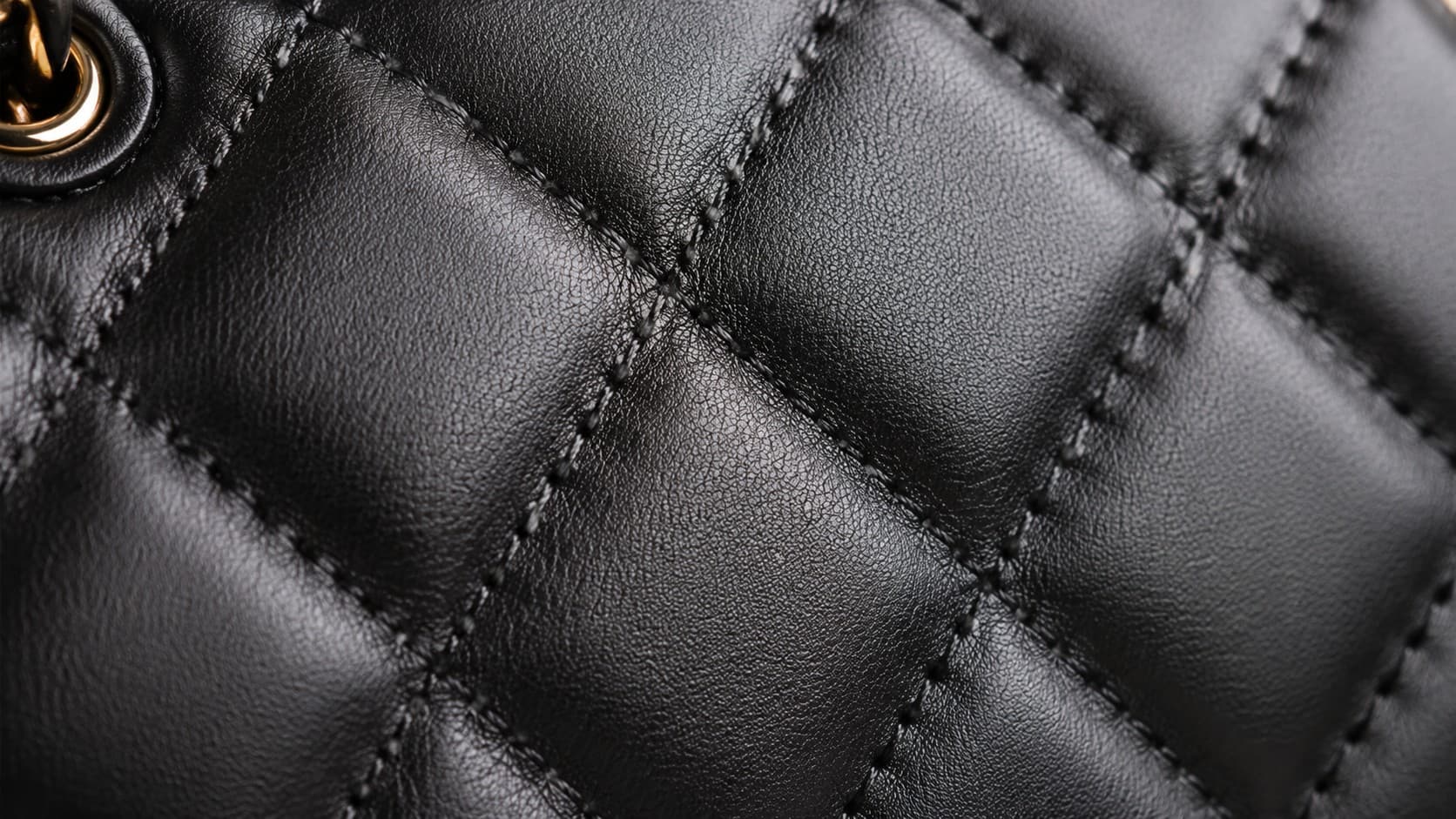
A quilted leather bag is a bag where the leather has been stitched in a repeating pattern — usually diamonds, sometimes squares or chevron stripes — with a layer of soft padding sewn in between the leather and the lining. That padding gives quilted bags their slightly puffy, cushioned look and feel, instead of lying flat like plain leather.
The stitching isn’t just decoration. Underneath the outer leather sits a thin layer of batting or foam, and the stitch lines hold that padding in place, the same way a quilted blanket is stitched so the stuffing doesn’t bunch up in one corner. On a bag, this construction does two jobs: it cushions whatever sits inside, and it reinforces the leather so the surface resists sagging, creasing, and everyday wear better than a single flat panel would.
On higher-end bags, the stitching is often sewn by hand using a slow, precise straight-line technique rather than run through a machine, with each diamond completed as a whole shape instead of trailing off at the edge of a panel. That’s a small detail, but it’s one of the easiest ways to spot careful craftsmanship — cheaper, machine-quilted bags will sometimes cut diamonds in half at the seams just to save fabric, while better-made bags plan the leather panels around keeping every diamond whole.
The Origin of the Quilted Bag
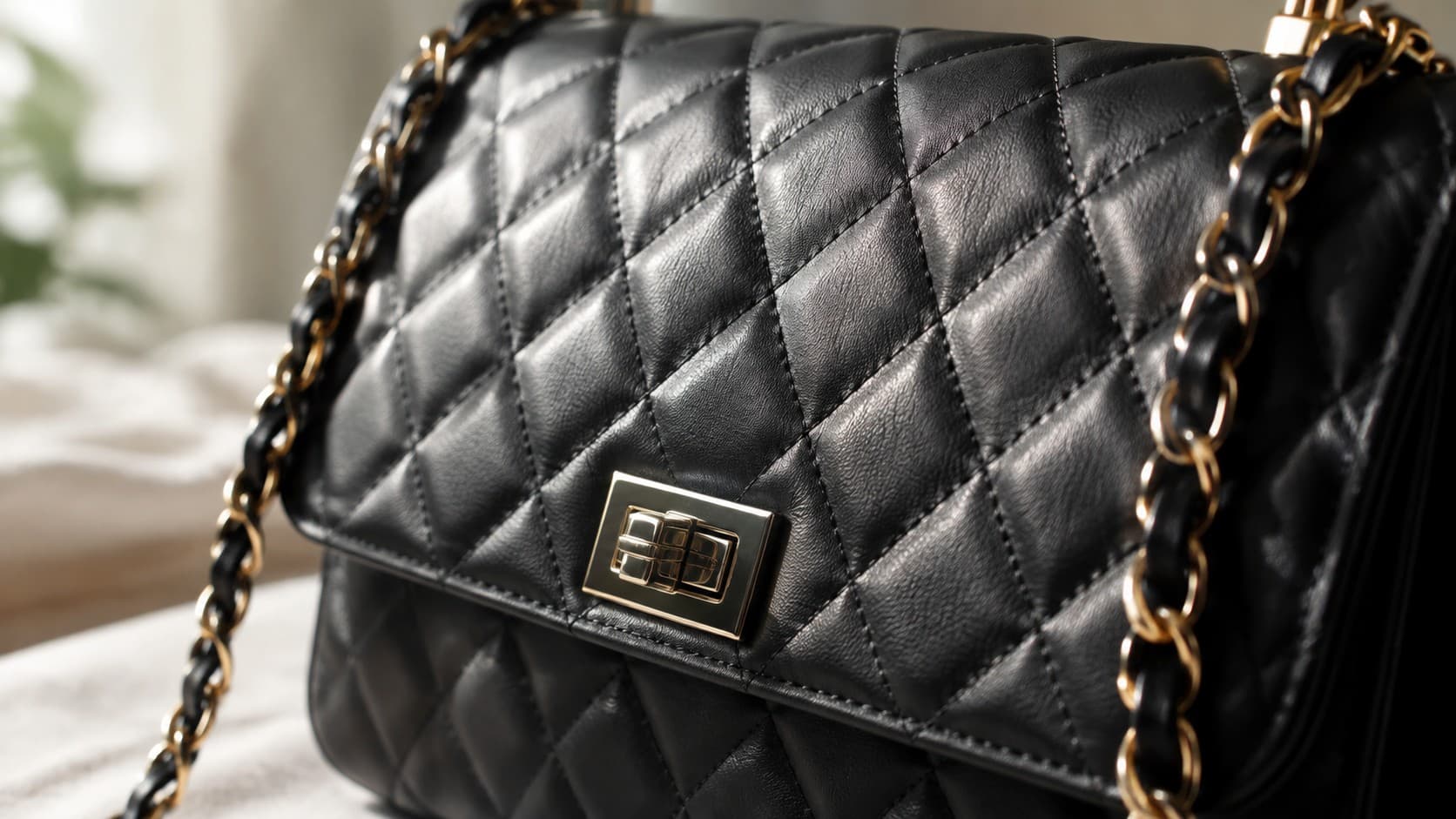
Quilting on handbags became famous because of one specific bag: the Chanel 2.55, released by Coco Chanel in February 1955. The name itself comes from that release date — the second month of 1955.
Before that bag existed, most fashionable handbags of the era had to be carried by a handle or clutched under the arm, which meant a woman’s hands were never really free. Chanel had already experimented with a solution in 1929, producing a small evening bag in quilted jersey fabric with a thin chain strap for her own personal use. That early version stayed largely a personal accessory rather than a wide release. By 1955, Chanel revived and reworked the idea for the wider market, rebuilding it in leather, lengthening the chain so it could sit comfortably on the shoulder, and refining the diamond stitching into the pattern still recognized today. The choice of diamonds wasn’t random — Chanel had grown attached to that shape years earlier through her time around horses, where similar stitching appeared on stable gear and racecourse jackets, and she had already folded the pattern into some of her clothing lines during the 1920s.
Once the design caught on, other fashion houses and everyday handbag makers picked up the same quilting technique, and it spread far beyond one brand. Other houses developed their own signature take on it — Dior, for instance, built its “Cannage” quilting into the Lady Dior bag in 1995, a pattern traced back to the woven cane chairs used to seat guests at Christian Dior’s early runway shows. Diamond quilting, chevron (zigzag) quilting, and square quilting now appear on bags across every price point, not just on luxury leather goods.
Diamond Quilting vs. Chevron Quilting
Diamond quilting is stitched in a straight, crisscrossing grid to form complete four-sided diamonds, while chevron quilting is stitched in sharp, angled “V” shapes that stack into a zigzag pattern. Both use the same padded construction underneath — the difference is entirely in the direction the stitching runs.
Diamond quilting reads as more classic and formal, since it’s the original pattern from the 1955 bag and has stayed closely associated with traditional, structured designs. Chevron is a newer variation that became popular decades later for having a sharper, more graphic look, and it tends to draw the eye toward a bag’s hardware or center closure rather than spreading attention evenly across the surface the way diamonds do. Neither pattern is more durable than the other — padding and stitch density matter far more for strength than which direction the lines run.
Why Is the Diamond Pattern So Common?
The diamond shape spreads stress evenly across the leather, which is why it became the standard quilting pattern instead of squares or stripes. Each diagonal stitch line pulls in two directions at once, so the tension from a heavy phone or a set of keys gets distributed across several seams rather than concentrated on just one.
The effect is similar to the difference between one long straight seam and a crisscrossed net. A single straight line of stitching can only resist pulling from one direction before the fabric around it starts to strain. A diamond grid braces the leather from multiple angles at once, so no single seam does all the work. That’s a big part of why a well-made quilted bag holds its shape for years instead of going baggy and shapeless the way an unstructured leather tote can.
Is Quilted Leather Stronger Than Regular Leather?
In most everyday situations, yes — the padding and stitching in quilted leather help it resist dents, creases, and sagging better than a single flat panel of leather does. The stitched sections act almost like tiny internal seams that stop the leather from stretching out of shape when weight presses against it from inside the bag.
That said, “more durable” doesn’t mean “indestructible.” The quality of a quilted bag still depends heavily on the leather itself, the thread used for stitching, and how tightly and evenly the quilting was sewn. A quilted bag made from thin, low-grade leather with loose stitching can still wear out faster than a plain bag made from thick, full-grain leather. Quilting improves how a given piece of leather performs — it doesn’t turn cheap material into premium material.
What Materials Are Used in Quilted Bags?
Most quilted leather bags use one of a few main outer materials, and the padding underneath is almost always foam, cotton batting, or a thin layer of felt.
- Genuine leather (most often lambskin or calfskin) is the classic choice for quilted bags because it’s soft enough to hold the padded diamond shape without cracking at the stitch lines.
- Faux leather (polyurethane or PVC-based) is used for more affordable quilted bags and vegan alternatives; modern versions can look very close to real leather, though they generally don’t age or develop the same rich patina over time.
- Caviar leather, a leather treated to create a pebbled, grainy texture, is sometimes used for quilted bags because the texture hides small scratches better than smooth leather.
- Canvas or nylon shows up on more casual and sportier quilted bags, since these materials are lighter and often more water-resistant than leather, though they don’t offer the same structure or long-term durability.
The padding layer underneath matters just as much as the outer material — thin, uneven padding makes the diamonds look flat and the bag feel stiff, while properly cut padding keeps every diamond puffed evenly across the whole bag. Foam padding tends to hold its shape longer than cotton batting, which can compress and flatten a little after years of heavy use, though the difference is rarely noticeable outside of comparing an old bag to a brand-new one side by side.
How to Spot Good Quality Quilting
The clearest signs of well-made quilting are evenness across the diamonds, stitching that lines up properly at the seams, and padding that feels firm rather than lumpy. On a well-made bag, every diamond across a panel is roughly the same size, the rows line up straight rather than drifting off at an angle, and the leather feels evenly cushioned rather than bunched up in some spots and flat in others.
A few details separate careful quilting from rushed quilting. Full, uncut diamonds across a panel — rather than halves sliced off at a seam — usually signal a bag built with more planning. Stitch length is another giveaway: individual stitches along a single row should be close to identical in length and spacing, since noticeably uneven stitches point to a machine process rushed through without much setup. Thread ends and loose loops tend to surface first at corners and panel edges, making those spots worth a closer look. Padding quality shows up under light pressure too — a diamond that’s gently pressed should spring back to its puffed shape right away, while padding that stays dented or feels crunchy points to lower-quality foam that will flatten with age.
None of this requires expert knowledge of leather goods. The difference between careful and rushed quilting is usually visible to the naked eye once the stitching gets a close look rather than a glance at the bag’s overall shape.
How to Clean and Care for a Quilted Leather Bag
A quilted leather bag should be wiped down regularly with a dry, soft cloth, with a leather-specific cleaner used sparingly and worked in small circles along the stitch lines rather than scrubbed across them. The stitching is the most vulnerable part of a quilted bag — too much moisture or harsh rubbing can loosen threads or cause the padding underneath to shift.
A few care habits matter specifically for quilted pieces:
- Soaking the bag or leaving it near direct heat can cause the padding layer to warp or the leather around the stitches to shrink unevenly.
- Storing the bag lightly stuffed with tissue paper or a bag pillow keeps the quilted diamonds in shape instead of letting them collapse flat during storage.
- Extended direct sunlight can fade leather unevenly and make the stitching stand out against discolored panels.
- A loose stitch is best repaired quickly by a leather specialist, since one loose thread can unravel an entire quilted line if left alone.
A quilted bag’s stitching functions as a support structure. Gentle treatment of the seams tends to extend the life of the padding, shape, and surrounding leather as well.
Quilted Leather vs. Smooth Leather Compared
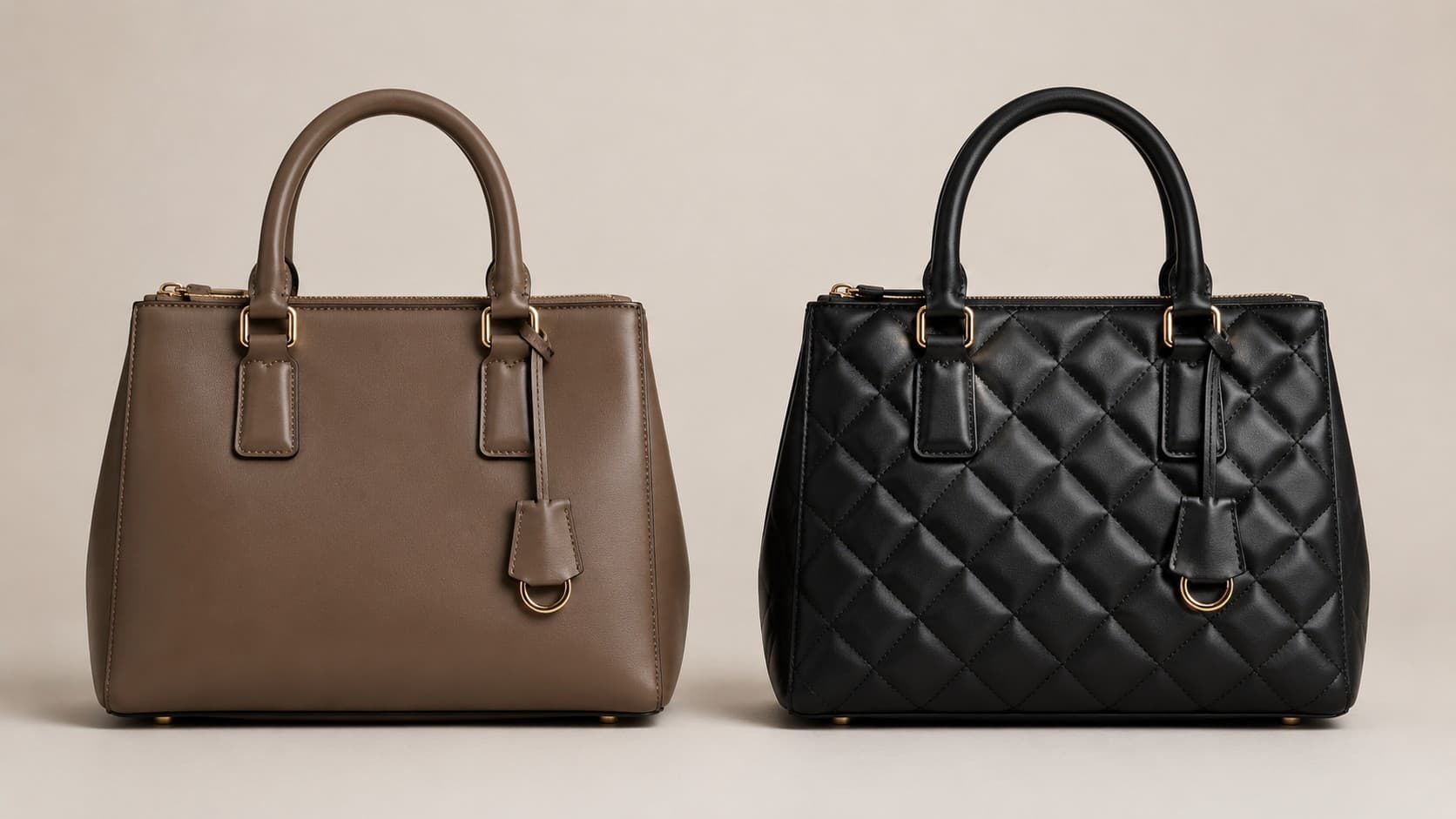
Neither is objectively better — the right choice depends on daily use. Quilted leather tends to hide minor scuffs and shows less obvious sagging over time, while smooth leather shows off the natural grain of the material more clearly and often develops a more visible patina with age.
Bags that get carried daily and knocked around in a car or on public transport tend to fare better in quilted leather, thanks to its padded, forgiving structure. Smooth, unpadded leather better rewards a slower kind of wear — the gradual color change and softening that leather enthusiasts often prize — since there’s no stitching or padding breaking up the surface as that transformation happens.
Frequently Asked Questions
Does quilting make a bag heavier?
Slightly, yes — the padding layer sewn between the leather and the lining adds a small amount of extra weight compared to an unpadded bag of the same size. The difference is usually only a few ounces, easily lost once the bag is loaded with everyday items.
Can quilted leather bags be repaired if the stitching comes loose?
Yes, a leather repair specialist can typically re-stitch a loose section of quilting without replacing the whole panel. Fixing it early matters, since a single loose thread can unravel further and let the padding underneath shift out of place.
Is quilted leather real leather?
Not always — quilting is a stitching technique, not a material, so it can be applied to genuine leather, faux leather, or fabric. The product’s material listing is the only reliable way to confirm this, since “quilted leather” on its own doesn’t guarantee the bag is made from real animal hide.
Why do some quilted bags cost so much more than others?
Price differences usually come down to the type of leather, the density and quality of the padding, and how the quilting was sewn — hand-stitched quilting with tight, even diamonds takes far more time and skill than machine-stitched patterns on lower-cost bags. Brand name and hardware quality, like metal chain straps or clasps, factor heavily into the final price as well.
Do quilted bags go out of style?
The diamond quilting pattern has stayed in near-constant rotation in fashion since the 1950s, making it one of the more timeless handbag details rather than a passing trend. Specific colors, sizes, and hardware finishes shift with seasonal trends, but the underlying quilted construction has proven to be a lasting design choice rather than a fad.
Conclusion
Quilted leather bags earned their staying power the honest way — the padded, stitched construction genuinely holds up better to daily use than flat leather, and the diamond pattern remains one of the most flattering, recognizable shapes in handbag design. From the history behind the stitching to the durability it adds and the details that separate careful craftsmanship from a rushed job, the appeal comes down to real padding, distributed stress, and a technique with roots stretching back to 1920s equestrian gear — the kind of substance that explains why the pattern outlasted nearly every trend that came after it.