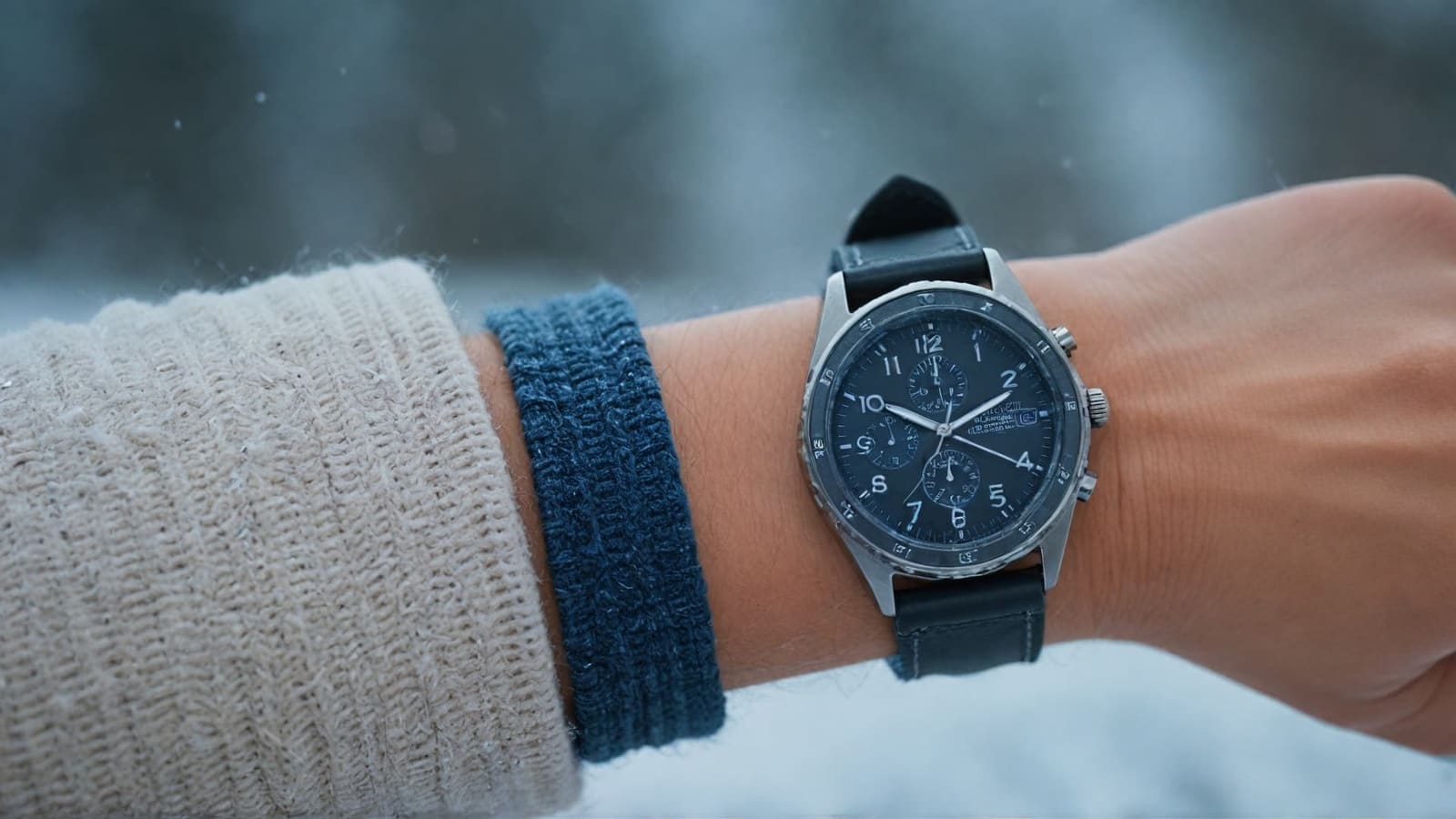
Temperature changes can dramatically affect your watch’s performance, accuracy, and longevity. Whether you’re dealing with freezing winter mornings or scorching summer heat, learning how temperature impacts different watch components helps you protect your timepiece and maintain its precision. From mechanical movements with hundreds of tiny parts to modern quartz and smartwatch technology, every type of watch responds differently to temperature variations. Here’s exactly what happens inside your watch when temperatures change, how to recognize temperature-related problems, and most importantly, how to protect your investment from permanent damage.
How Cold Temperature Affects Your Watch
Cold temperatures create multiple challenges for watch performance, with effects ranging from temporary timing issues to permanent component damage. When temperatures drop below freezing, the delicate balance of oils, metals, and electronic components inside your watch begins to shift in ways that can compromise both accuracy and longevity. Battery-powered watches face particular difficulties as chemical reactions slow down, while mechanical timepieces struggle with thickened lubricants and contracted metal parts. Recognizing how cold affects your specific watch type helps you take appropriate precautions before problems develop.
- Battery performance drops dramatically in quartz watches - Cold weather reduces battery chemistry efficiency by up to 50%, causing watches to run slow or stop completely. A battery that normally lasts 2-3 years might need replacement after just one harsh winter. The chemical reactions inside batteries slow down significantly when temperatures drop below 20°F (-6°C), and some batteries stop working entirely until they warm up again.
- Lubricants become thick and create resistance - Watch oils are designed to work at room temperature, but in cold conditions these lubricants turn viscous like thick honey. This creates resistance that makes gears struggle to turn, causing the watch to run slower than normal. The increased friction also wears down delicate components faster and can eventually damage jeweled bearings that cost hundreds of dollars to replace.
- Metal contraction affects timing precision - Different metals contract at different rates when cooled, creating timing irregularities because the precisely calibrated spacing between components changes. The balance wheel shrinks and becomes lighter, typically making mechanical watches run slower. Even high-quality Swiss movements can lose 30-60 seconds per day when exposed to freezing temperatures for extended periods.
- Condensation forms when moving between temperatures - Taking a cold watch into a warm building causes moisture to condense inside the case, creating fog on the crystal. This indicates water vapor has entered the movement, which can cause corrosion on steel parts and interfere with electronic components. The moisture can also freeze if you go back outside, potentially cracking delicate components.
- Watch bands become brittle and crack - Leather straps lose flexibility and can crack when bent in cold weather, while rubber bands become stiff and prone to breaking at the lugs. Even expensive alligator leather bands can develop permanent damage after repeated exposure to freezing temperatures, requiring costly replacement.
Cold weather damage often appears gradually, making prevention far more effective than attempting repairs after exposure. While modern watches are engineered to handle reasonable temperature variations, extreme cold pushes even premium timepieces beyond their design limits. The most important factor is avoiding sudden temperature transitions, which cause more stress than gradual changes across the same temperature range. Proper cold weather protection requires minimal effort but can save hundreds of dollars in repair costs while ensuring your watch continues functioning reliably throughout winter months.
How Hot Temperature Affects Your Watch
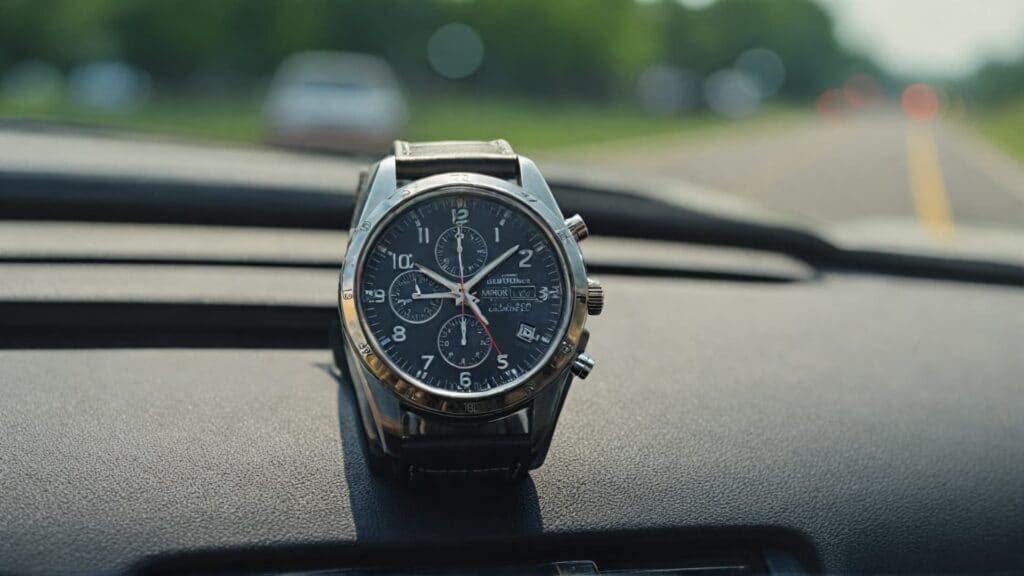
Heat poses serious threats to watch components through multiple simultaneous mechanisms that can cause both immediate and delayed damage. Unlike cold exposure, which often creates reversible problems, heat damage frequently results in permanent component degradation that requires expensive professional repair. The combination of metal expansion, lubricant breakdown, and electronic stress creates a cascade of problems that worsen with exposure duration and temperature intensity. Watches left in cars or exposed to direct sunlight face particularly severe risks that can destroy movements within hours.
- Metal expansion throws off timing accuracy - When heated, metal components expand at different rates, causing the balance wheel to grow larger and change its weight distribution, making mechanical watches run faster. The case expands more than the movement, creating stress on mounting points. Temperature increases of just 20°F can make a watch gain several minutes per day, and extreme heat can cause permanent deformation of delicate components.
- Lubricants thin out and lose protective properties - Heat causes watch oils to become watery and break down chemically, losing their ability to protect metal parts from friction. At temperatures above 100°F (38°C), synthetic lubricants start degrading, while natural oils can completely evaporate at higher temperatures. This leaves metal parts grinding against each other, accelerating wear and potentially causing permanent damage to expensive jeweled bearings.
- Battery problems from swelling and chemical breakdown - Heat causes battery chemicals to expand and become more reactive, leading to swelling that can damage the movement housing. Batteries may leak corrosive chemicals that destroy electronic circuits and metal components permanently. Quartz watches exposed to temperatures above 120°F (49°C) often need complete movement replacement rather than simple battery changes.
- Water resistance fails from seal deterioration - High temperatures accelerate the aging of rubber gaskets that maintain water resistance, causing them to become hard and brittle. This creates gaps where moisture can enter the case, leading to corrosion and electronic damage. A watch that was water-resistant to 100 meters might start leaking after prolonged heat exposure, requiring expensive seal replacement.
- Extreme conditions from cars and direct sunlight - Car dashboards can reach 180°F (82°C) in summer sun, while direct sunlight can heat watch cases to 140°F (60°C) or higher. These temperatures far exceed normal operating ranges and can cause immediate damage including crystal cracking, case warping, and complete movement failure. Even brief exposure to these extreme conditions can cause permanent damage.
Heat damage prevention requires vigilance because the effects often don’t become apparent until significant damage has occurred. The gradual nature of heat-related deterioration means components weakened by high temperatures may fail weeks or months after exposure, making the original cause difficult to identify. Investment in heat protection pays immediate dividends through maintained accuracy and long-term savings through avoided repair costs. Simple habits like never leaving watches in vehicles and avoiding direct sunlight exposure provide effective protection against one of the most common causes of expensive watch damage.
How Temperature Affects Different Watch Types
The technology inside your watch determines how it responds to temperature changes, with each type facing distinct vulnerabilities and protective requirements. Mechanical movements rely on precise physical tolerances that shift with temperature, while electronic watches depend on circuits and batteries that each react differently to heat and cold. Smartwatches combine multiple temperature-sensitive systems that can fail independently or interact in complex ways. Knowing your watch’s specific technology helps predict potential problems and choose appropriate protective strategies tailored to its unique characteristics.
- Mechanical watches are sensitive to lubrication and metal expansion - Traditional mechanical movements contain 100-300 individual parts, each requiring specific lubrication and precise spacing. The balance wheel, which controls timing accuracy, changes diameter with temperature, altering oscillation rates. Cold weather makes these watches run slower while heat makes them run faster. High-end mechanical watches often include temperature compensation features, but budget mechanical watches can gain or lose several minutes per day in extreme temperatures.
- Quartz watches primarily suffer from battery and circuit problems - The quartz crystal that keeps time is relatively stable across temperatures, but the electronic circuits and battery are vulnerable. Cold weather can reduce battery life by 50% or more, while heat can cause permanent battery damage and circuit board failures. However, quartz movements are generally more temperature-resistant than mechanical ones, typically maintaining better accuracy across wider temperature ranges.
- Smartwatches face complex electronic and battery challenges - These devices combine temperature-sensitive touchscreens, processors, and rechargeable batteries that each respond differently to temperature changes. Cold weather dramatically reduces battery life and can make touchscreens unresponsive, while heat can cause processor throttling, charging problems, and permanent battery degradation. Many smartwatches have built-in temperature sensors that shut down the device to prevent damage.
- Dive watches and tool watches offer better temperature resistance - Professional-grade watches designed for extreme conditions typically include better sealing, temperature-resistant lubricants, and materials chosen specifically for stability across temperature ranges. However, even these watches have limits and can suffer damage from extreme temperatures that exceed their design specifications.
- Vintage and antique watches require special temperature consideration - Older watches often use lubricants and materials that are more temperature-sensitive than modern alternatives. Vintage mechanical watches may have brass or steel components that expand and contract more than modern alloys, while old seals and gaskets are particularly vulnerable to temperature damage.
Watch type determines both vulnerability patterns and appropriate protection strategies, making it essential to match your care approach to your timepiece’s specific technology. While all watches benefit from temperature protection, the specific risks and warning signs vary significantly between mechanical, quartz, and electronic timepieces. Professional-grade tool watches offer enhanced temperature resistance compared to fashion or dress watches, but even the most robust timepieces have limits that should be respected. Matching your protection strategy to your watch’s technology and intended use ensures optimal performance and longevity across all weather conditions.
Signs of Temperature Damage in Watches
Temperature damage manifests through various symptoms that range from obvious timing problems to subtle changes that indicate developing issues. Some effects appear immediately after exposure, while others develop gradually as weakened components fail under normal use. Learning to recognize these warning signs early can mean the difference between simple adjustments and expensive movement replacement. The key is distinguishing between temporary effects that resolve naturally and permanent damage requiring professional intervention.
- Timing accuracy problems that persist after returning to normal temperature - If your watch continues running fast or slow hours after temperature exposure, internal components may be damaged. Mechanical watches might gain or lose more than 30 seconds per day, while quartz watches might stop keeping time entirely. Temporary timing issues that resolve when the watch warms up or cools down are normal, but persistent problems indicate component damage requiring professional repair.
- Fogged crystal or visible moisture inside the case - Condensation on the inside of the crystal indicates water has entered the movement, which can cause corrosion and electronic damage. The fog might appear and disappear with temperature changes, but any moisture inside the case means the seals have failed. This requires immediate professional attention because water can cause permanent damage to movements, especially in quartz and electronic watches.
- Complete stoppage that doesn’t resolve with warming or cooling - If your watch stops working entirely and doesn’t restart when returned to normal temperature, internal damage has likely occurred. This could be battery failure from extreme heat, lubricant solidification from extreme cold, or component damage from expansion and contraction. Mechanical watches might have damaged mainsprings or escapements, while quartz watches often suffer circuit board damage.
- Physical damage to case, crystal, or band - Extreme temperatures can cause visible cracking in watch crystals, case warping, or band deterioration. Plastic and acrylic crystals are particularly vulnerable to temperature stress, while metal cases might show discoloration or warping. Leather bands may crack or become permanently stiff, and rubber bands might develop surface cracks or become brittle.
- Battery compartment swelling or corrosion in quartz watches - Heat-damaged batteries often swell, creating visible bulging in the case back or causing the watch to sit differently on your wrist. Battery leakage creates white or green corrosion around battery contacts, which can spread to destroy the entire movement. Any signs of battery swelling or corrosion require immediate professional attention to prevent total movement destruction.
- Unusual sounds or feeling when winding or setting - Temperature damage to mechanical watches often creates grinding, clicking, or resistance when winding the crown or setting the time. The rotor in automatic watches might sound different or feel sluggish when the watch is moved. These symptoms indicate lubrication problems or component damage that requires professional cleaning and lubrication.
Early detection of temperature damage significantly improves repair outcomes and reduces costs, making symptom recognition a valuable skill for any watch owner. Many temperature-related problems can be addressed effectively if caught quickly, but delayed attention often leads to cascading failures that destroy entire movements. The investment in professional evaluation when symptoms appear pays for itself by preventing minor issues from becoming major expenses. Regular monitoring of your watch’s performance helps establish normal behavior patterns that make temperature-related changes easier to identify and address promptly.
Safe Temperature Limits for Watches
Every watch has specific temperature limits beyond which performance suffers and damage becomes likely, though these ranges vary significantly based on construction quality and intended use. Manufacturers design watches with safety margins, but repeated exposure to extreme temperatures gradually degrades components even within rated limits. Professional and tool watches typically handle wider temperature ranges than dress or fashion timepieces, while vintage watches often have narrower safe ranges due to aged materials and older design standards. Knowing these limits helps you make informed decisions about when additional protection becomes necessary.
- Optimal operating range for most watches is 32°F to 95°F (0°C to 35°C) - Within this range, most watches maintain their rated accuracy and experience minimal stress on components. Mechanical watches keep their best time, quartz watches maintain normal battery life, and smartwatches operate at full functionality. This range covers normal indoor and outdoor temperatures in most climates throughout the year.
- Caution zone extends from 20°F to 140°F (-7°C to 60°C) - Watches will continue working in this range but may experience reduced accuracy, shortened battery life, or other performance issues. Brief exposure usually doesn’t cause permanent damage, but extended periods at these temperatures can accelerate wear and reduce component lifespan. Professional-grade tool watches often handle this range better than dress watches or fashion timepieces.
- Danger zone begins below 0°F or above 160°F (-18°C or 71°C) - These temperatures pose immediate risks of permanent damage to any watch type. Battery-powered watches often stop working entirely, while mechanical watches may suffer component damage from extreme expansion or contraction. Even brief exposure to these temperatures can cause problems that require professional repair.
- Storage temperatures can be more extreme than operating temperatures - When not being worn, watches can typically handle wider temperature ranges because they’re not expected to maintain accuracy. Most watches can be stored safely between -10°F and 120°F (-23°C to 49°C) without immediate damage, though long-term storage at temperature extremes will accelerate aging of lubricants and seals.
- Specific limits vary by watch construction and quality - Luxury Swiss watches often include temperature compensation and premium materials that extend safe operating ranges. Tool watches designed for professional use typically handle wider temperature ranges than dress watches. Vintage watches may have narrower safe ranges due to older materials and lubricants that weren’t designed for modern temperature extremes.
- Rapid temperature changes are more damaging than gradual ones - Moving from a heated car to freezing outdoor temperatures creates more stress than gradual cooling over hours. The thermal shock of rapid temperature changes can crack crystals, damage seals, and cause condensation inside the case. Allowing 10-15 minutes for gradual temperature adjustment significantly reduces these risks.
Respecting temperature limits significantly extends watch life and maintains accuracy over years of use, while pushing beyond these boundaries inevitably leads to problems and expenses. The difference between safe and dangerous temperatures is often smaller than people expect, making awareness of these ranges crucial for effective protection. While modern watches demonstrate remarkable resilience, they remain precision instruments with definite physical limits that should be respected. Conservative temperature protection based on these ranges ensures reliable performance and helps preserve both function and value over decades of ownership.
Best Ways to Prevent Watch Temperature Damage
Effective temperature protection combines simple daily habits with strategic planning for extreme conditions, creating layers of defense that prevent most damage before it occurs. The most successful protection strategies focus on developing automatic behaviors rather than relying on remembering specific actions during stressful or emergency situations. Small adjustments to daily routines and seasonal preparations provide comprehensive protection without significant inconvenience or expense. The goal is making temperature protection second nature so your watch stays safe regardless of weather conditions or unexpected situations.
- Remove your watch before entering extreme temperature environments - Take off your watch before entering saunas, hot tubs, or unheated spaces in winter. Even brief exposure to temperatures above 140°F (60°C) or below 0°F (-18°C) can cause damage. Store the watch in a temperature-controlled environment like your car’s glove compartment or an interior pocket close to your body temperature.
- Allow gradual temperature adjustment when moving between environments - When coming inside from cold weather, let your watch gradually warm up before exposing it to additional heat sources. Similarly, when leaving air conditioning for hot outdoor temperatures, allow 10-15 minutes for adjustment. This prevents thermal shock that can crack crystals and damage seals.
- Never leave watches in cars during temperature extremes - Car interiors can reach 180°F (82°C) in summer sun or drop below outdoor temperatures in winter. Dashboards and seats create particularly dangerous hot spots that can cause immediate damage. Always take your watch with you or store it in a temperature-controlled location when leaving vehicles.
- Use proper storage techniques for seasonal watches - Watches not worn regularly should be stored at stable room temperature with low humidity. Avoid attics, basements, or garages where temperature fluctuations are common. Store mechanical watches in running condition or have them serviced before long-term storage to prevent lubricant settling and component corrosion.
- Invest in temperature-resistant straps for extreme conditions - NATO straps, silicone bands, and high-quality leather with proper treatment handle temperature extremes better than standard straps. Metal bracelets are generally most temperature-resistant but can become uncomfortably hot or cold against skin. Having season-appropriate straps extends both comfort and watch protection.
- Consider watch rotation for different seasons and activities - Use rugged tool watches for outdoor winter activities and reserve delicate dress watches for climate-controlled environments. Quartz watches often handle temperature extremes better than mechanical ones, making them better choices for extreme weather conditions.
- Maintain regular service schedules to ensure temperature resistance - Fresh lubricants and properly maintained seals provide better temperature protection than aged components. Professional servicing every 3-5 years ensures your watch maintains its designed temperature resistance and catches developing problems before they become expensive repairs.
Consistent temperature protection habits require minimal effort but provide enormous benefits in terms of maintained accuracy, avoided repair costs, and extended watch life. The key lies in developing routines that become automatic rather than trying to remember specific precautions during extreme weather events. Simple practices like removing watches before entering extreme environments and allowing gradual temperature adjustment prevent the vast majority of temperature-related damage. The small inconvenience of these protective measures pays lasting dividends through decades of reliable timekeeping and preserved watch value.
What to Do When Your Watch Gets Temperature Damaged
Swift action after temperature exposure can minimize damage and improve repair outcomes, but knowing the difference between helpful responses and potentially harmful reactions is crucial for effective damage control. Some temperature effects are temporary and resolve naturally, while others require immediate professional intervention to prevent permanent destruction. The first few hours after exposure are critical for preventing minor problems from becoming major failures. Proper response depends on accurately assessing the type and severity of damage while avoiding well-meaning actions that might worsen the situation.
- For condensation or fogging inside the crystal, act immediately - Place the watch in a dry, room-temperature environment and do not attempt to heat it quickly. Remove the crown to the winding position if it’s a mechanical watch to allow moisture to escape, but never use hair dryers, ovens, or other heat sources that can cause additional damage. If fogging persists after 24 hours at room temperature, seek professional help immediately because moisture can cause permanent corrosion.
- If the watch stops working after cold exposure, warm it gradually - Bring the watch slowly to room temperature by keeping it close to your body or in an interior pocket. Never use direct heat sources like radiators or hot water, which can cause thermal shock. Many watches will resume normal operation once warmed, but if problems persist after reaching room temperature, professional evaluation is needed.
- For heat-exposed watches, cool them slowly and inspect for damage - Move the watch to a cool, dry location and allow natural cooling over 30-60 minutes. Check for obvious damage like crystal cracks, case warping, or strap deterioration. If the watch appears physically undamaged and resumes normal operation, monitor its accuracy over the next few days for delayed heat damage effects.
- Document the exposure and symptoms for professional repair - Record the temperature conditions, duration of exposure, and any symptoms observed. This information helps repair technicians diagnose problems and determine appropriate repair strategies. Take photos of any visible damage for insurance claims or warranty discussions.
- Know when professional help is essential versus optional - Seek immediate professional attention for any visible moisture inside the case, physical damage to the crystal or case, or persistent timing problems after temperature normalization. Battery swelling, corrosion, or complete stoppage also require professional repair. Minor timing variations that resolve within 24 hours often don’t require immediate professional attention.
- Understand repair versus replacement decisions - Temperature damage repairs can range from simple battery replacement to complete movement overhaul. For inexpensive watches, replacement might be more cost-effective than repair. For valuable watches, professional repair is usually worthwhile even for extensive damage. Get written estimates before authorizing expensive repairs.
- Check warranty and insurance coverage for temperature damage - Many watch warranties exclude damage from “misuse,” which might include temperature exposure. However, some homeowner’s insurance policies cover watch damage, and specialized watch insurance often covers temperature-related problems. Review your coverage before paying for repairs that might be covered.
Acting quickly and appropriately after temperature exposure significantly improves outcomes and reduces repair costs, making post-exposure care as important as prevention. The key is recognizing when professional help is essential versus when natural recovery is possible, avoiding both unnecessary panic and dangerous delays. Proper documentation of exposure conditions and symptoms helps repair professionals diagnose problems accurately and efficiently. When in doubt, professional evaluation provides peace of mind and often prevents minor issues from developing into major expenses that could exceed the watch’s value.
Protecting Expensive Watches from Temperature
Luxury and high-value timepieces demand enhanced protection strategies because repair costs can reach thousands of dollars and some components are simply irreplaceable. Premium watches often incorporate advanced materials and compensation mechanisms, but these sophisticated systems have their own vulnerabilities and limits that must be respected. The financial investment in expensive watches justifies more conservative protection approaches and specialized care routines. Vintage and collectible pieces face additional challenges from aged components and materials that have become more fragile over time.
- Luxury Swiss movements often include temperature compensation but still have limits - High-end brands like Rolex, Patek Philippe, and Omega engineer temperature resistance into their movements, but these protections have boundaries. Compensation systems can be overwhelmed by extreme temperatures, and the complex mechanisms that provide these protections can themselves be damaged by temperature abuse. Even the best luxury watches should not be treated as immune to temperature damage.
- Vintage watches are particularly vulnerable due to aged components - Older timepieces often use lubricants, seals, and materials that have deteriorated over decades, making them more susceptible to temperature damage than when new. Vintage Rolex, Omega, or other collectible watches may have irreplaceable components that cannot be repaired or sourced if damaged. Conservative temperature protection is essential for maintaining both function and collectible value.
- Complications like perpetual calendars and minute repeaters face additional risks - Complex mechanisms with multiple moving parts and delicate adjustments are more vulnerable to temperature-induced timing disruptions. A damaged perpetual calendar might require months of specialist repair work costing more than most people’s entire watch collections. These complications should be treated with extreme caution in any temperature extreme.
- Insurance and documentation become critical for high-value pieces - Expensive watches should be professionally appraised and insured specifically for temperature damage risks. Maintain detailed records of service history, as this documentation can significantly impact insurance claims and resale value. Some collectors maintain climate-controlled storage specifically for their most valuable pieces.
- Professional servicing intervals should be shortened for valuable watches - While average watches can go 5-7 years between services, expensive watches benefit from more frequent professional maintenance to ensure optimal temperature resistance. Fresh lubricants and properly maintained seals provide the best protection against temperature damage, and the cost of frequent servicing is insignificant compared to major repair expenses.
- Consider professional storage solutions for the most valuable pieces - Bank safety deposit boxes, professional watch storage services, and home climate-controlled safes provide optimal temperature protection for watches not worn regularly. The cost of professional storage is minimal compared to the potential loss from temperature damage to irreplaceable vintage or ultra-luxury pieces.
The extra precautions required for expensive watches reflect both their financial value and their often irreplaceable nature, making conservative protection strategies essential for preserving these investments. Luxury timepieces represent significant financial commitments that deserve proportionate protection efforts, while vintage pieces may hold historical or sentimental value that cannot be restored once lost. Professional storage, enhanced insurance, and more frequent servicing provide appropriate protection levels for high-value timepieces. The cost of comprehensive protection remains minimal compared to potential repair expenses or the permanent loss of irreplaceable components.
Common Myths About Watches and Temperature
Widespread misconceptions about temperature effects on watches can lead to poor decisions that result in unnecessary damage or missed opportunities for protection. Many commonly accepted “facts” are either completely incorrect or apply only to specific circumstances, while some genuinely helpful advice gets dismissed as myth. Social media and online forums often perpetuate these misconceptions, making it important to distinguish between science-based facts and well-meaning but incorrect folklore. Separating truth from fiction helps watch owners make informed decisions about protection and care.
- Putting a fogged watch in rice will remove internal moisture - Rice cannot remove moisture that has already entered a sealed watch case, and this delay in proper treatment allows corrosion to begin. The moisture visible as fogging indicates the watch’s seals have already failed, requiring professional attention to prevent permanent damage. Rice only works for removing moisture from unsealed devices like phones, not from watch movements.
- Expensive watches are immune to temperature damage - While luxury watches often include better materials and temperature compensation, they still have operating limits and can be damaged by extreme temperatures. Some complications in expensive watches are actually more vulnerable to temperature damage than simple movements. Price does not guarantee unlimited temperature resistance.
- Quartz watches are generally more temperature-resistant than mechanical ones - The quartz crystal that regulates timing is highly stable across temperature ranges, while mechanical balance wheels and springs are more sensitive to temperature changes. However, quartz watches still suffer from battery and electronic circuit problems in extreme temperatures, so they’re not immune to temperature damage.
- Freezing temperatures will permanently damage any watch - Most quality watches can handle brief exposure to freezing temperatures without permanent damage, though accuracy may be temporarily affected. The real danger comes from rapid temperature changes and extended exposure to extreme cold, not brief encounters with freezing weather.
- Dashboard heat is more dangerous than most people realize - Car dashboards regularly reach temperatures that can permanently damage watches, often exceeding 160°F (71°C) in direct sunlight. This temperature level can cause immediate battery damage, seal failure, and component warping that requires expensive repair or complete movement replacement.
- Winding a stopped watch will fix temperature damage - If temperature exposure has caused a watch to stop, forcing the movement through winding can cause additional damage to already-stressed components. Temperature-stopped watches should be allowed to normalize temperature naturally, and persistent problems require professional evaluation rather than forced operation.
- Gradual temperature change is much safer than rapid change - Thermal shock from rapid temperature transitions causes more damage than gradual changes across the same temperature range. Allowing 15-30 minutes for adjustment when moving between temperature extremes significantly reduces damage risk compared to immediate exposure.
Accurate knowledge about temperature effects helps watch owners make informed protection decisions while avoiding potentially harmful advice from well-meaning but misinformed sources. The science behind temperature effects is straightforward, but misconceptions persist because they often contain elements of truth that make them seem credible. Relying on verified facts rather than popular myths prevents unnecessary damage and ensures effective protection strategies. Critical evaluation of temperature-related advice helps separate genuine expertise from speculation, leading to better outcomes for watch care and protection.
Winter and Summer Watch Care Tips
Each season presents unique temperature challenges that require specific protective strategies and maintenance approaches tailored to changing weather conditions. Developing seasonal routines helps prevent temperature-related problems while ensuring optimal performance throughout the year. The key is anticipating seasonal challenges and preparing appropriately rather than reacting to problems after they develop. Regional climate variations require customized approaches, as desert heat, northern winters, and coastal humidity each present different protective requirements for optimal watch care.
- Winter care focuses on cold protection and moisture prevention - Keep watches close to body temperature when outdoors by wearing them under sleeve cuffs or jacket sleeves. Avoid rapid warming when coming indoors; instead, allow gradual temperature adjustment over 15-20 minutes. Check battery levels before winter begins, as cold weather reduces battery life significantly. Consider switching to mechanical watches for extended outdoor activities since they don’t rely on temperature-sensitive batteries.
- Spring maintenance should address winter damage and prepare for warmer weather - Have watches professionally inspected after harsh winters to check for seal integrity and lubrication condition. Replace watch bands that may have been damaged by winter conditions, as cracked leather or brittle rubber can fail suddenly. Clean watches thoroughly to remove salt residue from winter roads and chemicals that can cause corrosion over time.
- Summer protection emphasizes heat avoidance and sun protection - Never leave watches in cars, even briefly, as interior temperatures can exceed safe limits within minutes. Use breathable straps like NATO nylon or perforated leather to improve comfort and reduce heat retention against skin. Apply sunscreen carefully to avoid getting chemicals on watch cases and bands, as some sunscreen ingredients can damage finishes and seals.
- Fall preparation involves winterizing and service scheduling - Replace batteries in quartz watches before cold weather reduces their efficiency. Schedule professional servicing during moderate weather when temperature stress is minimal. Inspect and replace watch straps that might not handle winter conditions, switching to more durable materials for harsh weather months.
- Year-round habits that provide consistent protection - Develop the habit of removing watches before temperature extremes become dangerous rather than trying to remember during stressful situations. Maintain multiple watches suitable for different seasonal conditions rather than exposing one expensive piece to year-round temperature stress. Keep service records and monitor accuracy changes that might indicate developing temperature-related problems.
- Regional climate considerations require customized approaches - Desert climates require more focus on heat protection and UV resistance, while northern climates need enhanced cold weather strategies. Coastal areas must address humidity and salt air effects in addition to temperature concerns. High-altitude locations face greater temperature extremes and UV exposure that require additional protective measures.
Seasonal care routines become invaluable habits that provide year-round protection while adapting to changing weather conditions and regional climate challenges. The investment in developing these routines pays lasting dividends through improved watch performance, reduced repair costs, and extended timepiece life. Success lies in creating consistent habits that address each season’s specific challenges rather than trying to remember appropriate actions during weather emergencies. Proper seasonal care ensures your watch remains reliable and accurate regardless of weather conditions, providing dependable timekeeping throughout all seasons and climate variations.
Conclusion
Temperature effects on watches represent one of the most preventable yet potentially expensive sources of damage that watch owners face. From the immediate accuracy problems caused by extreme heat or cold to the gradual component degradation that leads to costly repairs, temperature exposure creates risks that can compromise both function and value. The good news is that most temperature-related damage can be avoided through simple protective habits and seasonal care routines that require minimal effort but provide enormous benefits.
The key to effective temperature protection lies in developing automatic behaviors rather than relying on memory during stressful situations. Simple practices like removing watches before entering extreme environments, allowing gradual temperature adjustment, and choosing appropriate timepieces for different seasons prevent the vast majority of problems. When damage does occur, quick recognition and appropriate response can minimize repair costs and prevent minor issues from becoming major failures.
Whether you own a simple quartz watch or a complex luxury timepiece, temperature protection represents one of the best investments you can make in your watch’s longevity and performance. The small inconveniences of protective measures pale in comparison to the potential costs of temperature damage, which can range from expensive repairs to complete movement replacement. By respecting your watch’s temperature limits and developing consistent protective habits, you ensure reliable timekeeping and preserved value for decades to come.