Wearing jewelry in saunas or steam rooms poses serious burn risks and can permanently damage valuable pieces. The science behind metal heat conductivity makes all jewelry dangerous at sauna temperatures, with medical evidence showing that even brief exposure can cause severe burns requiring surgery. Expensive metals offer no protection against heat transfer, while extreme temperatures permanently damage gemstones and metal settings. Understanding the risks, safe storage options, and emergency procedures helps prevent the injuries and jewelry damage that occur when people ignore safety warnings.
Can You Wear Jewelry in a Sauna?
Medical research from Helsinki Burn Centre documented serious sauna burn injuries, with many requiring surgical treatment. Emergency room doctors see jewelry-related burns regularly because people underestimate how quickly metal heats up in saunas. The rule is simple but critical: all jewelry must come off before entering any heated environment above normal room temperature. Even expensive jewelry or pieces with sentimental value pose the same dangerous risks, and brief exposure doesn’t provide protection against burns or jewelry damage.
- Sauna temperatures of 150-195°F and steam room temperatures of 110-120°F are hot enough to cause immediate burns when metal touches skin. Burns can start at just 111°F, which means every type of heated wellness facility exceeds safe temperatures for jewelry contact. The high humidity in steam rooms makes burns happen faster because sweat can’t evaporate to cool your skin naturally, and the moisture creates better heat transfer between hot metal and skin tissue.
- All metals used in jewelry become dangerous heat conductors in sauna conditions, with silver being the worst offender, followed by gold, copper, and even stainless steel. These metals heat up much faster than skin can detect the danger, so by the time you feel the jewelry getting hot, it’s already hot enough to cause burns. The metal continues heating up even after you notice the temperature because the sauna air is so much hotter than your body.
- Burn injuries from jewelry happen within 30 seconds to 2 minutes of sauna exposure, depending on the metal type and jewelry size. Rings cause finger burns that can require skin grafts in severe cases, while necklaces create burn patterns across the chest and neck. Earrings are particularly dangerous because ear tissue is thin and sensitive, and facial burns from hot jewelry often leave permanent scars that are difficult to hide or treat.
- Wedding rings and religious jewelry cause some of the most severe burn injuries because people refuse to remove them, thinking sentimental value somehow protects against physics. Emergency rooms regularly treat patients with ring burns so severe that the rings must be cut off by medical staff. Body piercings create additional risks because they can’t be quickly removed once they become hot, and the piercing channels can trap heat against tissue.
- Quick sauna sessions don’t prevent jewelry burns because metal heats up immediately upon exposure to hot air. Even a 5-minute session provides plenty of time for jewelry to reach dangerous temperatures. The “quick in and out” approach actually increases risk because people don’t take proper precautions when they think exposure will be brief, and they often stay longer than originally planned once they’re inside the sauna.
The unanimous recommendation from medical professionals, sauna manufacturers, and jewelry experts is complete removal of all metal objects before entering heated environments. This isn’t overcaution or liability protection – it’s based on documented burn injuries and jewelry damage that happens regularly to people who thought they would be the exception to the rule. Removing jewelry takes less than a minute, while treating jewelry burns can take weeks or months and often results in permanent scarring or disfigurement that could have been completely prevented.
Why Metal Gets Dangerous in Sauna Heat
Metal jewelry becomes a serious burn hazard in saunas because of basic physics that can’t be avoided or minimized through careful behavior. When you enter a sauna, the extreme temperature difference between the hot air and your body creates conditions where metal objects heat up much faster than your skin can detect danger. This isn’t about spending too much time in the sauna or having particularly sensitive skin – it’s about fundamental properties of metal that make jewelry dangerous at sauna temperatures regardless of individual factors or precautions.
- Saunas operate at 150-195°F while your body temperature stays around 98.6°F, creating a 50-100°F temperature gap that drives rapid heat transfer into any metal touching your skin. Steam rooms maintain 110-120°F with 100% humidity, which prevents your body from cooling through sweat evaporation and makes hot metal feel even hotter against your skin. The temperature difference means that jewelry will always try to match the air temperature, not your body temperature, making overheating inevitable rather than accidental.
- Metal conducts heat much faster than human skin can sense temperature changes, so jewelry reaches burning temperatures before your nerves can register the heat and warn you to remove it. Silver heats up the fastest, followed by gold and copper, while even supposedly “cooler” metals like stainless steel and platinum still conduct heat fast enough to cause burns. Your skin simply cannot keep up with how quickly metal temperature rises in hot environments.
- Humid conditions in steam rooms make burns worse because the moisture on your skin creates better contact between hot jewelry and tissue, while also preventing natural cooling that would normally happen through sweat evaporation. The combination of heat and humidity essentially creates the worst possible conditions for jewelry contact, where metal stays hotter longer and causes more severe tissue damage than the same temperature in dry conditions.
- Small jewelry pieces like thin chains or wire earrings can actually be more dangerous than larger pieces because they concentrate heat into smaller contact areas, creating intense hot spots against skin. A thin gold chain touching your neck can create a burn line across your throat, while small earrings can cause deep burns in ear tissue that take weeks to heal and often leave permanent marks.
- Jewelry continues to hold dangerous heat for several minutes after leaving the sauna, meaning you can get burned even after your session ends if you put hot jewelry back on too quickly. Dense metals like gold and platinum retain heat longer than lighter metals, but all jewelry needs time to cool down to safe temperatures before it can be safely worn again without risk of delayed burns.
- Your body’s natural response to heat makes burn injuries worse because hot environments cause blood vessels to expand and skin to become more sensitive to damage. This means that jewelry burns in saunas tend to be more severe and take longer to heal than similar burns that might happen under normal temperature conditions, and the increased blood flow can make even minor burns become infected more easily.
The science is clear that wearing jewelry in hot environments creates unavoidable risks that can’t be managed through shorter sessions, expensive materials, or careful monitoring. The fundamental properties of metal and human tissue mean that sauna temperatures will always create dangerous conditions for jewelry contact, making complete removal the only safe approach to prevent serious burns and permanent jewelry damage.
Most Dangerous Jewelry Metals in Saunas
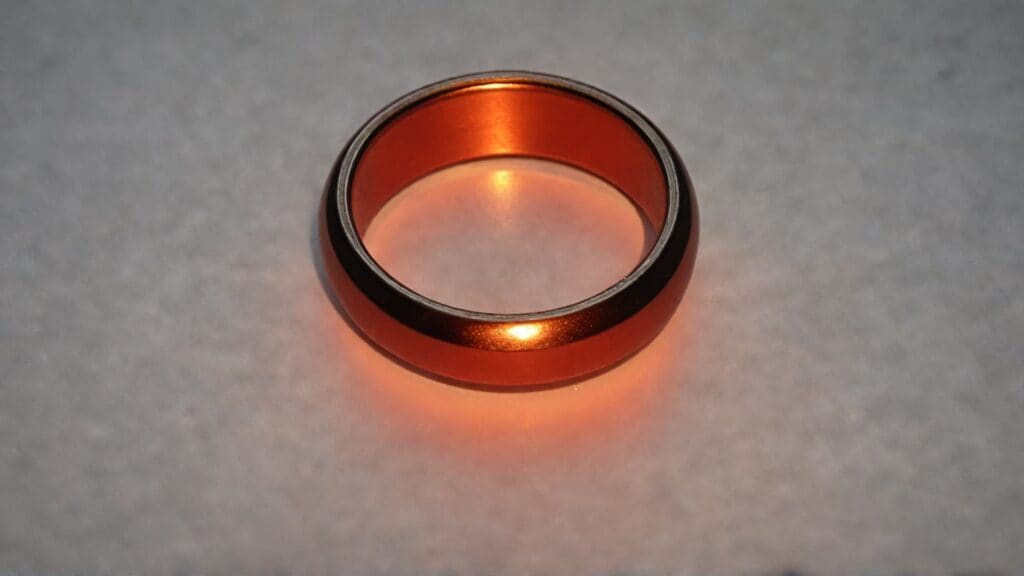
Every metal commonly used in jewelry becomes dangerous at sauna temperatures, but some create burn hazards faster and more severely than others. The idea that certain “premium” metals or specific alloys might be safer in hot environments is a dangerous myth that has led to serious injuries. Understanding which metals pose the greatest immediate risks can help explain why professional safety guidelines make no exceptions for any metal jewelry, regardless of cost, craftsmanship, or material composition.
High-Risk Metals
Silver jewelry creates the most immediate and severe burn risk because it conducts heat faster than any other common jewelry metal. Pure silver and sterling silver both heat up almost instantly when exposed to sauna temperatures, reaching dangerous levels within 15-30 seconds of exposure. Gold jewelry, especially higher karat gold, becomes dangerously hot within 30-60 seconds and retains heat longer than most other metals after sauna sessions end. Rose gold and white gold alloys heat up just as quickly as yellow gold, despite marketing claims about different thermal properties.
- Silver reaches burning temperatures fastest because it has the highest thermal conductivity of common jewelry metals, making silver chains, rings, and earrings particularly dangerous in heated environments. Sterling silver heats almost as quickly as pure silver, so the slight alloy difference provides no meaningful safety benefit. Silver jewelry also stays hot longest after sauna exposure, continuing to pose burn risks for 10-15 minutes after leaving heated areas.
- Gold jewelry becomes dangerously hot within 30-60 seconds regardless of karat rating, with 18K and 22K gold actually heating faster than 14K gold due to higher pure gold content. White gold, rose gold, and yellow gold all pose identical burn risks despite color differences, since the thermal properties depend on gold content rather than appearance. Gold’s density means it retains dangerous heat levels for 5-10 minutes after sauna sessions, making it unsafe to put back on immediately after cooling down.
- Platinum jewelry reaches burn-causing temperatures within 45-90 seconds and retains heat longer than gold due to its extreme density and thermal mass. Despite marketing claims about platinum’s “superior properties,” it offers no safety advantages in hot environments and actually poses greater risks during the cooling period because it takes longer to return to safe temperatures. Platinum’s reputation for durability doesn’t extend to burn prevention.
- Stainless steel jewelry, often marketed as “hypoallergenic” or “safe,” becomes hot enough to cause burns within 60-90 seconds of sauna exposure. Surgical steel, titanium alloys, and other “medical grade” metals all heat up quickly enough to cause serious burns, despite health-focused marketing that suggests these materials might be safer options for sensitive individuals.
Why These Metals Are Dangerous
The thermal properties that make metals useful for jewelry manufacturing are exactly what makes them dangerous in hot environments. Metals are chosen for jewelry because they’re durable, malleable, and conduct heat efficiently – but this last property becomes a serious liability when exposed to sauna temperatures. Even metals marketed as “safe” or “hypoallergenic” pose identical burn risks because thermal conductivity is a fundamental physical property that can’t be changed through alloy composition or surface treatments.
- Heat conductivity ratings show why no jewelry metal is safe at sauna temperatures, with silver conducting at 429 watts per meter-kelvin, gold at 318 W/m·K, and even “cooler” metals like stainless steel still conducting at 80 W/m·K. For comparison, human skin conducts heat at only 0.2-0.4 W/m·K, meaning even the “safest” jewelry metals conduct heat 200 times faster than skin tissue can detect or respond to thermal danger.
- Time-to-burn measurements show that silver jewelry reaches dangerous temperatures in 15-30 seconds, gold in 30-60 seconds, platinum in 45-90 seconds, and stainless steel in 60-90 seconds when exposed to typical sauna conditions. These timeframes are shorter than most people’s reaction times, meaning burns often occur before people realize their jewelry has become dangerously hot.
- Real burn cases from emergency departments show that expensive jewelry causes just as severe injuries as cheaper pieces, with documented cases of severe burns from high-end platinum wedding rings, custom gold necklaces, and sterling silver earrings. Medical reports consistently show that metal type affects burn timing but not burn severity, with all metals capable of causing second and third-degree burns given sufficient contact time.
- Alloy composition doesn’t provide safety benefits because the base metals in all jewelry alloys are good heat conductors, and even small percentages of highly conductive metals like silver or copper can make entire pieces dangerous. “Nickel-free” or “hypoallergenic” alloys often contain copper or silver, which actually increase thermal conductivity and burn risk compared to standard alloy formulations.
The fundamental physics of metal thermal conductivity means that no jewelry metal can remain safe at sauna temperatures, regardless of price, purity, or marketing claims about special properties. Emergency medical data confirms that burns from expensive precious metals are just as severe as burns from costume jewelry, and the only effective prevention is complete removal of all metal objects before entering heated environments.
How Different Jewelry Creates Different Burns
Different types of jewelry create unique burn patterns and safety challenges in heated environments, with some pieces posing greater immediate dangers than others. The location where jewelry contacts skin, the amount of surface area involved, and how easily pieces can be removed all affect injury severity and treatment requirements. Emergency room doctors can often identify the type of jewelry involved in sauna burns just by looking at the burn pattern, as each jewelry category creates characteristic injury shapes that correspond to how the pieces contact skin during heat exposure.
Rings
Rings create some of the most severe sauna-related burn injuries because they trap heat against finger skin while becoming increasingly difficult to remove as heat causes finger swelling. The circular contact pattern of rings means that burns often extend completely around fingers, creating circumferential injuries that can damage underlying tendons, nerves, and blood vessels. Wedding bands and engagement rings cause particularly serious injuries because people often refuse to remove them until burns become severe enough to require emergency medical intervention.
- Finger tissue is especially vulnerable to heat damage because it has less fat padding than other body areas, meaning hot rings make direct contact with sensitive nerve endings and blood vessels close to the skin surface. Ring burns often require skin grafts because the circumferential injury pattern damages too much tissue for natural healing, and finger burns frequently result in permanent nerve damage that affects hand function and sensation.
- Heat causes fingers to swell, making hot rings impossible to remove without medical intervention, which means the burning continues for extended periods while people struggle to get rings off their swollen fingers. Emergency rooms regularly use ring cutting tools to remove wedding bands from burned fingers, destroying both the jewelry and often requiring multiple surgeries to repair the underlying tissue damage.
- Thick bands concentrate more heat than thin rings because they have greater thermal mass, but thin rings can actually create deeper burns because they focus heat into smaller contact areas. Wide wedding bands create broader burn areas that affect more tissue, while thin rings can burn completely through skin layers in the narrow contact zone where metal touches finger.
- Ring removal becomes extremely difficult once burning starts because pain makes people reluctant to manipulate the jewelry, while swelling makes removal physically impossible without cutting the ring off. Professional jewelers report that heat-damaged rings usually cannot be repaired because emergency removal techniques destroy the metal structure, meaning severe ring burns often result in total loss of valuable jewelry.
Necklaces and Chains
Necklaces and chains create extensive burn patterns across the chest, neck, and throat areas because they contact large amounts of sensitive skin surface. Chain-style jewelry is particularly dangerous because each individual link becomes a separate heat source, creating multiple burn points along the entire length of the chain. The weight of pendants or charms concentrates additional heat into specific areas, often causing deeper burns at the lowest point where gravity pulls hot metal most tightly against skin.
- Chain links create distinctive burn patterns that look like connected dots or lines across the chest and neck, with each link leaving its own burn mark on skin tissue. Fine chains with many small links can create dozens of individual burn points, while heavier chains with larger links cause fewer but more severe burn areas where each link contacts skin.
- Neck and throat tissue is extremely sensitive to heat damage because the skin is thin and blood vessels are close to the surface, making necklace burns particularly painful and slow to heal. Burns across the throat area can affect swallowing and speaking, while neck burns often leave visible scars that are difficult to hide and may require cosmetic surgery to minimize.
- Pendant weight creates concentrated pressure points where heavy charms or medallions press against chest skin, often causing the deepest and most severe burns in jewelry-related injuries. Religious medallions, lockets, and decorative pendants frequently cause burns that extend deeper into tissue because the weight holds hot metal firmly against skin throughout the heat exposure.
- Long chains that extend down the chest create burn patterns that can affect breast tissue and may interfere with breathing if swelling occurs across the upper chest area. Choker-style necklaces create burns around the entire neck circumference, which can be life-threatening if swelling affects the airway or major blood vessels in the neck area.
Earrings
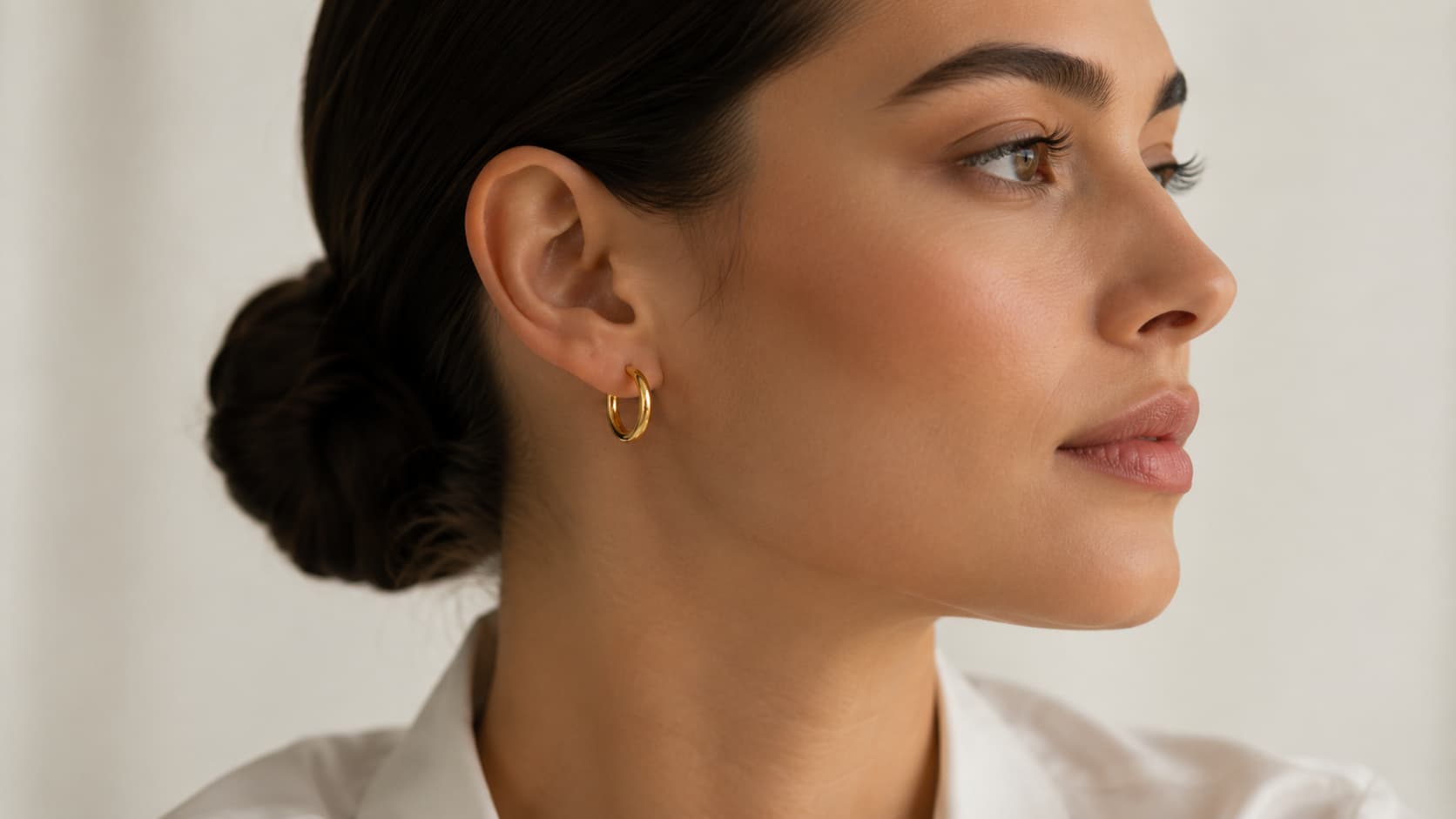
Earrings pose unique dangers because ear tissue is thin, highly sensitive, and cannot be protected from heat contact when jewelry becomes hot. The ear’s complex structure means that burns can affect hearing, balance, and facial nerve function, while the visibility of ear burns makes scarring particularly problematic for appearance and self-confidence. Post-style earrings and hoops create different burn patterns, but both types can cause permanent disfigurement and require specialized medical treatment to prevent complications.
- Ear tissue has minimal fat padding and many nerve endings close to the surface, making earring burns extremely painful and prone to infection because the ear’s complex shape makes proper wound care difficult. Earlobe burns often heal poorly because of constant movement from talking, eating, and sleeping, while cartilage burns in the upper ear can cause permanent deformity and hearing problems.
- Post earrings drive hot metal directly into piercing channels, often causing burns inside the ear that are impossible to see or treat properly until serious complications develop. The post and backing both become hot, creating burns on both sides of the ear simultaneously, and the tight fit of many earrings makes them difficult to remove quickly when burning starts.
- Hoop earrings create circular burn patterns around ear openings and can cause burns along the entire ear edge where the hoop touches skin during movement. Large hoops that touch the neck or face can create burns in multiple locations, while small hoops concentrate heat into the immediate ear area and often cause deeper tissue damage.
- Facial burns from earrings are particularly problematic because they’re highly visible and difficult to hide during the healing process, often requiring months of treatment and sometimes cosmetic surgery to minimize scarring. Ear cartilage burns can cause permanent changes to ear shape and may affect hearing ability if internal ear structures are damaged by heat or subsequent infection.
Bracelets and Bangles
Bracelets and bangles create burn injuries across wrist and forearm areas where major blood vessels and tendons are close to the skin surface. The wrist’s complex anatomy means that burns can affect hand function, circulation, and nerve sensation, while the constant movement of hands and arms during daily activities makes bracelet burns particularly slow to heal. Tennis bracelets and chain-style bracelets create multiple burn points along their length, while solid bangles cause circumferential burns similar to ring injuries.
- Wrist pulse points are especially vulnerable to burn damage because major arteries run close to the skin surface, making bracelet burns potentially dangerous to circulation and requiring immediate medical evaluation to prevent complications. Burns over pulse points often cause more pain and take longer to heal because of constant blood flow changes that affect tissue recovery.
- Watch bands and metal watch cases become extremely hot in sauna conditions, with leather or fabric bands often shrinking from heat exposure and trapping hot metal components against wrist skin. Digital watches with metal cases and bands pose the same burn risks as traditional jewelry, and the complex shapes of watch components can create unusual burn patterns that are difficult to treat effectively.
- Bangle bracelets slide along the arm during movement, potentially spreading burns across larger skin areas as hot metal moves against tissue. Multiple bangles worn together increase burn severity because they trap heat between metal surfaces and create more extensive contact areas where multiple pieces touch skin simultaneously.
- Tennis bracelets with multiple metal settings create dozens of individual burn points where each stone setting contacts skin, often resulting in complex burn patterns that require specialized treatment to prevent scarring. The flexibility of tennis bracelets means they conform closely to wrist shape, ensuring maximum skin contact and heat transfer during sauna exposure.
The location and design characteristics of different jewelry types create predictable injury patterns that emergency medical professionals recognize immediately. Understanding these risks helps explain why safety guidelines make no exceptions for specific jewelry styles, as each type poses serious burn dangers that can result in permanent injury, scarring, and loss of function in affected body areas.
Real Risks and Safety Concerns
The documented medical evidence from emergency departments worldwide shows that jewelry-related burns in saunas and steam rooms are not rare accidents but predictable injuries that occur regularly when people ignore safety warnings. Hospital burn units treat dozens of jewelry burn cases annually, with many requiring surgical intervention, skin grafts, and months of recovery time. These injuries follow predictable patterns based on jewelry type and body location, creating a clear medical picture of how and why these burns occur, their typical severity levels, and the long-term consequences that patients face during recovery.
Burn Injuries
Medical research from Helsinki Burn Centre documented 216 patients treated for sauna-related contact burns over 13 years, with over 36% requiring surgical treatment despite relatively small burn areas. The rapid heat transfer from metal jewelry to skin tissue creates burn injuries that often appear deceptively minor initially but develop into serious wounds requiring extensive medical intervention. Emergency room physicians report that jewelry burns tend to be deeper and more severe than patients expect because metal’s thermal conductivity drives heat deep into tissue layers faster than surface appearance suggests.
- First-degree burn symptoms from jewelry contact include immediate intense pain, skin redness, and swelling that typically appears within minutes of contact with overheated metal, but these surface symptoms often mask deeper tissue damage that becomes apparent over the following 24-48 hours as the full extent of thermal injury develops. The circular or linear burn patterns from rings and chains are diagnostic signs that help medical professionals immediately identify jewelry-related thermal injuries.
- Second-degree burn risks increase dramatically with contact duration, with jewelry burns progressing from surface damage to deep tissue injury within 60-120 seconds of sustained contact with metal heated to sauna temperatures. These burns involve skin layers deep enough to cause permanent scarring, nerve damage, and require specialized wound care that can take 2-6 weeks to heal completely, often leaving visible marks that persist for months or years.
- Most vulnerable body areas for jewelry burns include the neck, wrists, fingers, and ears because these locations have thin skin, prominent bone structures close to the surface, and limited blood circulation that reduces the body’s ability to dissipate heat through increased blood flow. Finger burns from rings are particularly severe because the circular injury pattern can damage tendons, nerves, and blood vessels that control hand function and sensation.
- Timing of burn development shows that serious tissue damage begins within 30 seconds of contact with jewelry heated to 130°F or higher, progresses to second-degree burns within 60-90 seconds, and can cause third-degree burns requiring skin grafts if contact continues beyond 2-3 minutes. The progression happens faster than most people’s pain tolerance allows them to endure, but panic and difficulty removing hot jewelry often extends contact time beyond safe limits.
- Pain progression from jewelry burns typically starts as intense heat sensation, rapidly progresses to severe burning pain that can cause shock and panic, then often decreases as nerve endings are damaged by prolonged heat exposure, creating a false sense that injury is lessening when tissue damage is actually becoming more severe. This pain pattern often leads people to underestimate injury severity and delay seeking medical treatment.
Hygiene Issues
The combination of high temperatures, moisture, and body contact creates ideal conditions for bacterial growth and infection in jewelry worn during sauna sessions. Even brief exposure to heated, humid environments can contaminate jewelry with bacteria and fungi that continue multiplying long after the sauna session ends, creating ongoing health risks each time contaminated jewelry is worn. The deep cleaning required to sterilize jewelry after heat exposure often damages delicate pieces and may not effectively remove all harmful microorganisms.
- Bacterial growth accelerates exponentially in warm, moist conditions created by sauna environments, with common skin bacteria like Staphylococcus and Streptococcus multiplying rapidly on jewelry surfaces and in hard-to-clean areas like chain links, stone settings, and engraved details. These bacteria can cause serious skin infections, especially if jewelry burns create open wounds that provide direct entry points into tissue.
- Skin irritation and infection risks increase dramatically when jewelry traps moisture and bacteria against skin during and after sauna sessions, creating conditions similar to those that cause diaper rash or athlete’s foot but in areas where jewelry makes prolonged skin contact. The combination of heat damage and bacterial contamination often leads to infected wounds that require antibiotic treatment and extended healing times.
- Difficulty cleaning jewelry properly after heat exposure means that standard jewelry cleaning methods may not remove all bacteria and contaminants absorbed during sauna sessions, while aggressive cleaning techniques needed for sterilization can damage delicate settings, remove protective coatings, or cause gemstones to loosen from their mountings. Professional cleaning may be required, adding significant cost to what should have been prevented through removal.
- Sweat and bacteria trapped under jewelry create acidic conditions that accelerate metal corrosion and can cause chemical reactions that irritate skin and cause allergic responses even in people who normally tolerate jewelry well. The combination of salt from perspiration, heat, and trapped moisture creates ideal conditions for developing new metal sensitivities that can make jewelry unwearable even after healing is complete.
- Fungal infections can develop in jewelry that has been exposed to warm, humid conditions and not properly sterilized, with organisms like Candida thriving in the environment created between jewelry and skin during sauna sessions. These infections are often difficult to diagnose and treat because they develop slowly and may be mistaken for allergic reactions or simple skin irritation.
Jewelry Damage
Heat exposure causes permanent damage to jewelry that often exceeds repair costs and may completely destroy pieces with significant sentimental or monetary value. The thermal stress, chemical reactions, and structural changes that occur during sauna exposure create damage that continues developing even after jewelry is removed from heat, making the full extent of destruction apparent only days or weeks later when metal fatigue and chemical reactions reach completion.
- Permanent discoloration affects most jewelry metals exposed to sauna conditions, with silver developing black or gray tarnish that may penetrate deep enough into the metal to resist standard cleaning methods, while gold alloys can develop green or brown discoloration from copper oxidation that permanently changes the metal’s appearance. White gold may turn yellow as protective rhodium plating is damaged by heat and humidity.
- Metal warping from thermal expansion and contraction cycles creates permanent shape changes in delicate jewelry pieces, with thin chains developing kinks or weak spots, ring bands becoming oval instead of round, and earring posts bending in ways that make them unwearable or unsafe. The repeated heating and cooling cycles that occur during sauna sessions create metal fatigue that weakens structural integrity throughout the piece.
- Gemstone damage from thermal shock, dehydration, or chemical changes often requires complete stone replacement because heat-damaged gems cannot be restored to their original condition through any treatment method currently available. The cost of replacing damaged gemstones typically exceeds the jewelry’s original value, especially when custom cutting or matching is required for unusual stones.
- Setting loosening occurs as metals expand and contract at different rates, causing prongs to bend, bezels to gap, and mounting points to develop stress cracks that may not be immediately visible but lead to stone loss weeks or months later when the damaged settings finally fail completely. Professional jewelers report that heat-exposed jewelry often requires complete remounting of stones due to structural damage.
- Warranty voiding from heat damage means that manufacturer guarantees, extended service plans, and insurance coverage may be denied for jewelry damaged in saunas because heat exposure is typically classified as misuse or abuse that voids all protection plans. The financial loss from warranty denial often exceeds the cost of replacement, especially for high-value pieces with comprehensive coverage plans.
The medical, hygiene, and financial risks associated with wearing jewelry in heated environments create a compelling case for complete removal that extends far beyond simple burn prevention to encompass serious health, safety, and economic considerations that can affect jewelry owners for months or years after a single sauna session.
The Truth About “Heat-Safe” Jewelry Materials
While some non-metal materials can theoretically withstand higher temperatures than skin contact allows, the reality is that no jewelry material becomes truly “safe” in sauna conditions. People often look for alternatives to metal jewelry, hoping to find materials that won’t cause burns while still allowing them to wear accessories in heated environments. However, every material used in jewelry manufacturing has specific temperature limits, hygiene concerns, and safety issues that make wearing any jewelry in saunas inadvisable regardless of material composition.
Non-Metal Options
Silicone jewelry has become popular among people seeking “sauna-safe” alternatives, but even medical-grade silicone has temperature limits that can be exceeded in hot saunas or through prolonged exposure. Wood jewelry might seem like a natural, heat-resistant option, but moisture damage and bacterial growth create serious hygiene and safety concerns in humid environments. Ceramic and glass jewelry can withstand high temperatures without conducting heat like metals, but these materials become extremely brittle when heated and can shatter unexpectedly, creating injury risks from sharp fragments.
- Silicone jewelry can technically withstand temperatures up to 200°F before beginning to degrade, which covers most sauna conditions, but the material becomes uncomfortably hot against skin well before reaching its melting point and can trap moisture against skin in ways that promote bacterial growth. Medical-grade silicone used in quality jewelry is safer than cheap silicone that may contain toxic additives, but even premium silicone can become hot enough to cause discomfort and skin irritation during extended sauna sessions.
- Wood jewelry absorbs moisture rapidly in steam rooms and high-humidity saunas, causing pieces to swell, warp, and potentially break while worn, which can create sharp edges or splinters that injure skin. Treated wood contains chemicals that may become toxic when heated, while untreated wood becomes a breeding ground for bacteria and fungi in warm, moist conditions that are difficult to clean properly after sauna exposure.
- Ceramic and porcelain jewelry pieces can theoretically handle sauna temperatures without conducting heat dangerously, but thermal shock from rapid temperature changes can cause these materials to crack or shatter unexpectedly, creating sharp fragments that can cause cuts and puncture wounds. The brittle nature of ceramic materials makes them particularly dangerous if they break while being worn, especially near sensitive areas like the face, neck, or hands.
- Plastic jewelry made from materials like acrylic or resin has low melting points that can be exceeded in hot saunas, causing pieces to soften, deform, or release toxic fumes when overheated. Many plastic jewelry materials contain dyes, stabilizers, or other chemical additives that become harmful when heated above normal temperatures, creating inhalation and skin contact risks that may not be immediately apparent.
Why Even “Safe” Materials Have Limits
The fundamental problem with any jewelry in sauna environments extends beyond simple heat resistance to include hygiene, comfort, and practical safety concerns that make all jewelry problematic in heated, humid conditions. Even materials that don’t conduct heat like metals still present risks through bacterial growth, chemical reactions, structural failure, and interference with the body’s natural cooling processes that can create health and safety problems.
- Temperature tolerance doesn’t guarantee comfort or safety because materials can become uncomfortably hot against skin even without reaching dangerous temperatures, and prolonged contact with warm materials can cause skin irritation, rashes, and pressure sores that develop over time rather than immediately. Non-metal materials may not cause instant burns, but they can still create cumulative damage through extended heat exposure.
- Bacterial and fungal growth accelerates rapidly in warm, moist conditions created by sauna environments, turning porous materials like wood, fabric, or lower-grade plastics into breeding grounds for microorganisms that can cause serious skin infections. These materials are often impossible to sterilize properly after sauna exposure, creating ongoing health risks each time contaminated jewelry is worn.
- Material degradation under heat and humidity conditions can cause jewelry to break, release toxic chemicals, or develop sharp edges that create injury risks during or after sauna sessions. Even “stable” materials can undergo chemical changes when exposed to extreme temperatures that make them unsafe for skin contact or inhalation.
- Hygiene concerns with non-metal materials include difficulty cleaning thoroughly after exposure to sweat and bacteria, potential for chemical leaching from heated plastics or treated materials, and absorption of body oils and bacteria that can cause ongoing skin problems. Many alternative materials cannot be cleaned with standard jewelry cleaning methods and may require special treatment that removes protective coatings or finishes.
- Interference with natural cooling processes occurs when any jewelry material prevents sweat evaporation or air circulation against skin, reducing the body’s ability to regulate temperature effectively and potentially contributing to overheating or heat exhaustion. This is particularly problematic with close-fitting pieces like rings, tight bracelets, or choker necklaces that cover significant skin surface area.
- Structural failure risks increase with alternative materials because thermal expansion, moisture absorption, and chemical changes can weaken jewelry construction in ways that aren’t immediately visible but lead to sudden breakage that can cause injuries. Glued joints, elastic components, and surface treatments often fail under sauna conditions, creating sharp edges, loose parts, or complete jewelry failure.
The search for “sauna-safe” jewelry materials ultimately misses the point that optimal sauna experiences require complete freedom from accessories that can interfere with natural body processes, create hygiene concerns, or pose any safety risks. Professional sauna designers, medical professionals, and safety experts universally recommend complete jewelry removal not just to prevent burns, but to ensure the healthiest and safest possible experience in heated environments.
What Happens to Different Gemstones in Heat
Gemstones face catastrophic and often irreversible damage when exposed to sauna temperatures, with many stones suffering permanent changes that destroy their appearance, value, and structural integrity. The high temperatures and humidity levels in saunas create conditions that can crack gemstones, alter their colors, damage treatments that enhance their appearance, and cause settings to fail in ways that result in complete stone loss. Understanding gemstone vulnerabilities helps explain why even the most expensive jewelry must be removed before entering heated environments, as heat damage often costs more to repair than the original stone’s value.
- Heat-sensitive stones like pearls, opals, turquoise, and amber suffer immediate and permanent damage at sauna temperatures because they contain water or organic materials that react destructively to heat exposure. Pearls contain about 4% water that’s essential to their structure, and heat causes this moisture to evaporate rapidly, leading to cracking, loss of luster, and permanent chalky appearance that cannot be restored through any treatment method.
- Opals contain 3-21% water content that gives them their characteristic play of color, but sauna heat causes this water to evaporate and creates internal stress that leads to a process called “crazing” where networks of tiny cracks spread throughout the stone. Ethiopian opals are particularly vulnerable and can lose their vibrant colors permanently, turning dull brown or gray when the water content is lost through heat exposure.
- Color-changing risks affect many popular gemstones including amethyst, which can turn yellow or brown when heated, and citrine, which may fade or change to unwanted colors under sustained heat exposure. Even diamonds can experience color changes if they’ve been treated to enhance or modify their natural color, with heat potentially reversing expensive treatments and dramatically reducing stone value.
- Treatment failure represents a major financial risk because many modern gemstones undergo treatments to improve their appearance, and these treatments often break down under heat exposure. Oil-filled emeralds lose their treatments and reveal internal flaws, clarity-enhanced diamonds risk fracture filling failure, and dyed stones can lose their artificial colors entirely when heated beyond treatment stability limits.
- Thermal shock cracking occurs when gemstones experience rapid temperature changes, causing different parts of the stone to expand and contract at different rates and creating internal stress that leads to fractures. This type of damage is particularly common with included stones like emeralds and can occur even with brief temperature exposure if the change is dramatic enough.
- Organic gemstones including coral, amber, jet, and ivory are especially vulnerable to heat damage because they’re derived from living organisms and contain materials that break down chemically when heated. Amber can become cloudy or develop surface cracks, while coral can lose its color and develop a chalky texture that destroys its natural beauty and makes it unsuitable for jewelry use.
- Setting failure becomes more likely as heat causes metal mountings to expand and contract, loosening prongs and bezels that hold gemstones securely in place. Many expensive stones are lost in saunas when settings fail due to thermal expansion, and the combination of heat, moisture, and metal expansion creates ideal conditions for stone loss that may not be noticed until after leaving the sauna.
- Natural versus lab-created stone differences in heat sensitivity mean that synthetic stones may react differently to temperature exposure than their natural counterparts, but both types can suffer permanent damage that destroys their value and appearance. Lab-created stones often have different internal structures that may make them more or less vulnerable to specific types of heat damage.
- Glue and adhesive failures in assembled jewelry become common in heated environments because modern jewelry construction often relies on adhesives to secure components, and these materials lose their bonding strength when heated beyond their design limits. Doublets, triplets, and composite stones that rely on adhesive layers are particularly vulnerable to separation and complete destruction under sauna conditions.
- Inclusions and internal flaws in gemstones can act as stress concentration points during thermal expansion, causing stones to crack along inclusion lines in ways that completely destroy otherwise valuable gems. Even minor inclusions that don’t affect a stone’s beauty under normal conditions can become catastrophic failure points when the stone is heated beyond its thermal tolerance limits.
The gemstone damage caused by sauna exposure is almost always permanent and irreversible, with repair costs often exceeding the stone’s original value when restoration is even possible. Professional gemologists report that heat-damaged stones usually cannot be restored to their original condition, making prevention through complete jewelry removal the only practical approach to protecting valuable gemstone investments from thermal destruction.
Steam Room vs. Sauna: Both Dangerous for Jewelry
While both steam rooms and saunas create dangerous conditions for jewelry, the different heat and humidity combinations in each environment create distinct risks that affect how quickly burns occur and how severely jewelry is damaged. Steam rooms operate at lower air temperatures but with 100% humidity that prevents natural cooling and creates unique thermal transfer conditions, while traditional saunas use higher temperatures with low humidity that allows rapid heat buildup in metal objects. Understanding these differences helps explain why jewelry must be removed for both environments, despite their different approaches to creating heat stress on the human body.
- Dry heat in traditional saunas reaches 150-195°F with humidity levels between 10-20%, creating conditions where metal jewelry heats up rapidly through direct thermal transfer from hot air, while the low humidity allows sweat evaporation that can create false confidence about safety until jewelry reaches dangerous temperatures. The dry conditions mean that metal objects can become extremely hot very quickly, often reaching burn-causing temperatures within 30-60 seconds of exposure.
- Humid heat in steam rooms maintains 110-120°F temperatures but with 100% relative humidity that prevents sweat evaporation and creates water condensation on jewelry surfaces that acts as a thermal conductor between hot air and skin. The saturated air prevents the body’s natural cooling mechanism through sweating, making even moderately hot jewelry feel much hotter against skin that cannot cool itself through evaporation.
- Faster corrosion occurs in steam room environments because the combination of heat, moisture, and salt from perspiration creates ideal conditions for metal oxidation and chemical reactions that can permanently damage jewelry finishes and structural integrity. Sterling silver tarnishes rapidly in humid heat, while gold alloys containing copper develop green discoloration, and even stainless steel can show corrosion spots after repeated steam room exposure.
- Skin sensitivity increases dramatically in humid conditions because moisture prevents normal temperature regulation and makes skin more susceptible to burn injuries at lower temperatures than would cause damage in dry conditions. The inability to cool through sweating means that even moderately hot jewelry can cause burns in steam rooms at temperatures that might be tolerable in dry environments.
- Moisture penetration into jewelry components accelerates damage to settings, adhesives, and internal mechanisms in watches or complex pieces, while the humid environment provides ideal conditions for bacterial growth in porous materials and hard-to-clean jewelry components. Water can enter sealed areas like watch cases or hollow jewelry pieces, causing internal damage that may not become apparent until long after the steam room session.
- Temperature measurement differences between steam rooms and saunas can be misleading because the high humidity in steam rooms makes the actual heat stress on the body much higher than air temperature readings suggest, while dry sauna heat allows for more accurate temperature perception until metal objects reach dangerous levels. The “wet bulb” effect in steam rooms means that 115°F with 100% humidity can feel like and cause damage equivalent to much higher dry temperatures.
- Condensation effects in steam rooms create water films on jewelry surfaces that increase thermal conductivity and can trap heat against skin for extended periods, while also creating conditions where bacteria and other microorganisms can multiply rapidly in the warm, moist environment created between jewelry and skin. This moisture can also cause jewelry to stick to skin in ways that make removal difficult and painful.
- Recovery time after exposure differs between environments, with steam room jewelry often requiring longer cooling periods because the moisture prevents rapid heat dissipation, while sauna-heated jewelry in dry conditions may cool more quickly once removed from the heat source but can retain dangerous internal temperatures longer due to higher peak heating levels.
Both steam rooms and saunas create unacceptable risks for jewelry wearing, but the different mechanisms of heat transfer and the varying effects of humidity on human thermal regulation mean that jewelry can cause burns through different pathways in each environment. The consistent factor is that both environments exceed safe temperatures for jewelry contact with skin, making complete removal necessary regardless of which type of heated facility is being used.
How to Store Jewelry Safely During Saunas
Proper jewelry storage during sauna sessions requires careful consideration of security, temperature control, and accessibility to ensure valuable pieces remain safe while you enjoy heated wellness facilities. Most people focus on the health risks of wearing jewelry in saunas but overlook the practical challenges of safely storing pieces that may have significant monetary or sentimental value. Poor storage decisions can result in theft, temperature damage from inadequate protection, or loss due to inadequate security measures that leave expensive jewelry vulnerable while owners are occupied with their sauna experience.
- Locker safety considerations extend beyond basic security to include temperature control, as many spa and gym lockers are located in areas that experience elevated temperatures from nearby saunas and steam rooms, potentially exposing stored jewelry to heat levels that can cause damage even when not worn. Metal lockers can conduct heat from adjacent heated areas, while poor ventilation in locker rooms can create humid conditions that promote tarnishing and corrosion in stored jewelry.
- Temperature-controlled storage areas away from heated facilities provide the safest environment for jewelry during sauna sessions, but these areas may not be available in all facilities or may require advance arrangements that many casual sauna users don’t anticipate. Hotel room safes, car storage, or off-site security options may be necessary for valuable pieces when adequate storage isn’t available at the sauna facility itself.
- Container selection for jewelry storage should prioritize both security and protection from environmental factors, with hard-sided cases providing better protection than soft pouches, while anti-tarnish materials can prevent chemical damage during storage periods that may extend beyond the sauna session to include travel time and other activities. Waterproof containers protect against humidity and accidental moisture exposure that can occur in locker room environments.
- Security protocols for valuable pieces should include photographing jewelry before storage for insurance purposes, using multiple locking mechanisms when possible, and avoiding storage of extremely valuable items in facilities without adequate security measures or surveillance systems. Many insurance policies require specific security measures for coverage to remain valid, making proper storage both a practical and financial necessity.
- Facility evaluation should include assessment of locker room security, surveillance systems, staff presence, and previous theft reports before deciding whether to bring valuable jewelry to specific sauna facilities, as some locations may have higher risk profiles that make off-site storage the only prudent option for expensive pieces. Research facility security measures and theft history before visiting with valuable jewelry.
- Access planning should consider how stored jewelry will be retrieved after sauna sessions when you may be relaxed, possibly dehydrated, and less alert to security concerns that require careful attention during the retrieval process. Plan jewelry storage and retrieval procedures in advance rather than making decisions while affected by heat exposure and relaxation that can impair judgment about security measures.
- Backup storage options provide additional security for situations where primary storage plans fail due to facility limitations, equipment problems, or unexpected circumstances that require alternative arrangements for jewelry protection. Having secondary plans reduces the temptation to wear jewelry in saunas when preferred storage options aren’t available.
- Staff notification about valuable stored items can provide additional security layers at facilities with trustworthy management, but this approach requires careful evaluation of staff reliability and facility security protocols to ensure that disclosure doesn’t create additional theft risks from unscrupulous employees or other facility users who might overhear conversations about valuable items.
The goal of safe jewelry storage during sauna sessions extends beyond preventing immediate theft to encompass protection from environmental damage, insurance compliance, and peace of mind that allows full enjoyment of the sauna experience without constant worry about jewelry security. Proper planning for jewelry storage should be considered an essential part of sauna preparation, similar to bringing appropriate clothing and hydration supplies.
Expert Advice on Preventing Jewelry Burns
Professional sauna operators, emergency medical personnel, and jewelry experts have developed comprehensive safety protocols based on decades of treating preventable injuries and damage caused by jewelry in heated environments. These expert recommendations go beyond simple removal advice to include systematic approaches for ensuring complete safety, proper preparation techniques, and emergency procedures that can prevent serious injuries when mistakes occur. Following professional guidelines eliminates virtually all jewelry-related risks while ensuring that sauna experiences remain safe and beneficial for health and wellness.
- Pre-sauna jewelry removal checklists should include systematic inspection of all body areas where jewelry might be worn, including often-forgotten items like toe rings, ankle bracelets, belly button piercings, and medical alert jewelry that people may consider “permanent” accessories. Professional spa staff recommend checking hands, wrists, neck, ears, face, ankles, and torso areas systematically to ensure no metal objects remain on the body before entering heated areas.
- Ring removal techniques for tight-fitting jewelry should be performed before entering sauna areas when fingers are at normal temperature and size, as heat-induced swelling can make removal impossible without medical intervention or ring cutting that destroys the jewelry. Soap, cold water, and gentle twisting motions work best for stuck rings, while ice can reduce finger swelling if rings have already become difficult to remove due to pre-existing swelling or poor fit.
- Body temperature monitoring helps prevent the heat stress that can impair judgment and make people forget about jewelry removal or ignore warning signs of overheating that increase burn risks and reduce reaction times for emergency jewelry removal. Professional sauna users recommend limiting initial sessions to 10-15 minutes and exiting immediately if dizziness, nausea, or confusion develop that could impair safety awareness.
- Professional jeweler recommendations emphasize that prevention costs nothing while repair or replacement of heat-damaged jewelry often exceeds original purchase prices, especially for pieces with sentimental value that cannot be truly replaced regardless of financial compensation. Jewelers report that heat damage typically voids warranties and creates repair challenges that may require complete reconstruction of damaged pieces.
- Emergency contact procedures should include knowing how to reach medical help quickly if burns occur, having facility staff contact information readily available, and understanding what immediate care measures can be safely attempted versus situations that require professional medical intervention. Many sauna facilities have specific emergency protocols that users should understand before beginning sessions.
- Cooling protocols for overheated jewelry that is accidentally exposed to sauna conditions require gradual temperature reduction rather than rapid cooling that can cause additional thermal shock damage to both jewelry and any skin still in contact with hot metal. Remove hot jewelry carefully if possible and allow natural air cooling rather than using ice or cold water that can cause additional damage.
- Documentation procedures for jewelry damage or injuries should include immediate photography of damaged pieces and any injuries, collection of witness information if available, and prompt notification of insurance carriers and facility management while details remain clear and evidence is preserved. Many insurance claims are denied due to inadequate documentation or delayed reporting of incidents.
- Training recommendations for facility staff include recognition of jewelry-related burn symptoms, proper first aid procedures for thermal injuries, and protocols for helping patrons remove hot jewelry safely without causing additional damage to either the person or the jewelry involved in the incident. Staff training can prevent minor incidents from becoming major medical emergencies.
- Recovery planning for post-sauna jewelry handling includes allowing adequate cooling time before putting jewelry back on, inspecting pieces for heat damage before wearing them again, and recognizing signs that professional jewelry inspection may be needed to ensure structural integrity hasn’t been compromised by accidental heat exposure. Even brief heat exposure can cause invisible damage that develops into problems over time.
- Facility selection criteria should include evaluation of safety protocols, staff training levels, emergency response capabilities, and overall security measures that affect both immediate safety and jewelry protection throughout the sauna experience. High-quality facilities invest in comprehensive safety measures that reduce risks for all types of potential incidents.
Expert safety protocols recognize that human error and unexpected situations can occur despite careful planning, so comprehensive safety approaches include prevention, emergency response, and recovery procedures that minimize consequences when problems arise. Following professional recommendations eliminates the vast majority of jewelry-related risks while providing backup procedures for handling the small percentage of situations where additional problems might develop.
What to Do When You Forget Jewelry Removal
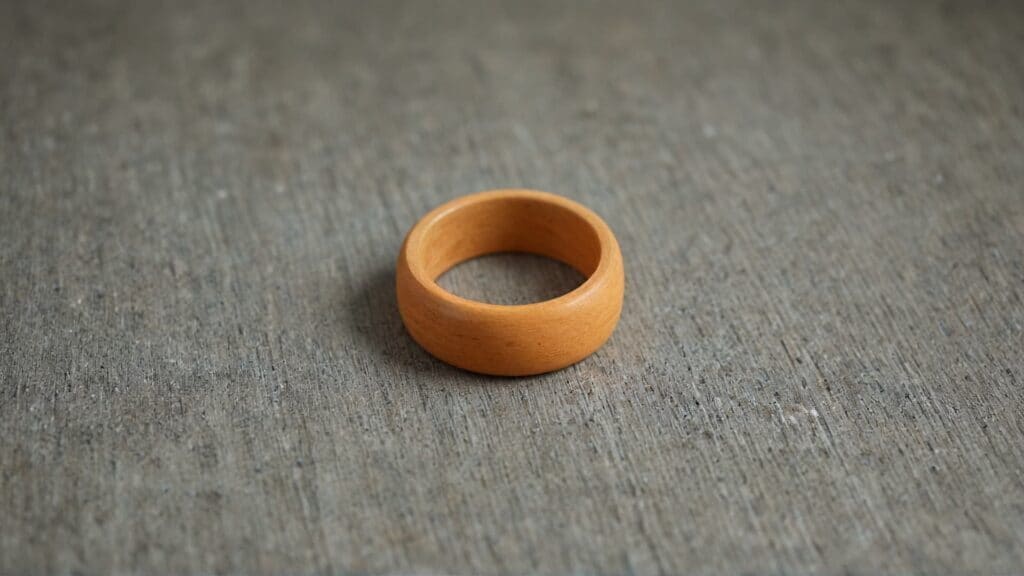
Discovering that you’re wearing jewelry while already in a sauna or steam room creates an emergency situation that requires immediate, careful action to prevent serious burns and permanent jewelry damage. The natural panic response can lead to dangerous mistakes that worsen injuries or cause additional problems, so having a clear action plan is essential for anyone who uses heated wellness facilities regularly. Emergency response procedures developed by medical professionals and sauna safety experts focus on minimizing exposure time while preventing the hasty decisions that often turn minor incidents into serious injuries requiring extensive medical treatment.
- Immediate exit procedures require leaving the heated environment as quickly as possible without running or making sudden movements that could cause accidents on potentially slippery surfaces, while remaining calm enough to avoid panic decisions that often lead to additional injuries or jewelry damage. Speed is essential, but safety during exit prevents creating additional emergency situations that complicate the original problem.
- Safe jewelry removal techniques when metal is already hot focus on protecting skin from additional burns while removing pieces as quickly as possible, using clothing, towels, or other barriers to avoid direct skin contact with overheated metal that continues heating even after leaving the sauna. Never attempt to remove jewelry with bare hands when pieces are visibly hot or causing pain, as this often results in burns to fingers and hands in addition to the original contact area.
- Emergency cooling methods for metal jewelry should focus on air cooling rather than rapid temperature reduction through ice or cold water that can cause thermal shock damage to both jewelry and skin tissue still in contact with hot metal. Remove jewelry to a cool, dry area and allow natural cooling for 10-15 minutes before handling, while monitoring any skin areas that were in contact for developing burn symptoms.
- When to seek immediate medical help versus attempting self-removal depends on burn severity, jewelry accessibility, and whether pieces can be removed without causing additional injury, with any situation involving visible tissue damage, jewelry stuck to skin, or pieces that cannot be removed easily requiring professional medical intervention rather than continued self-treatment attempts. Emergency rooms have specialized tools and expertise for safely removing jewelry from burned tissue.
- Pain assessment guidelines help determine injury severity and appropriate response levels, with immediate intense pain indicating serious burns that require medical attention, while delayed or increasing pain often signals developing tissue damage that will worsen without proper treatment. Numbness or loss of sensation may indicate nerve damage that requires immediate professional evaluation rather than home treatment.
- Burn documentation procedures should begin immediately with photographs of affected areas and damaged jewelry if possible, along with recording exact exposure times, temperatures if known, and symptoms experienced during and after the incident. This documentation becomes essential for medical treatment, insurance claims, and preventing similar incidents in the future.
- Professional removal services available through emergency rooms, urgent care centers, and some jewelry stores can safely remove stuck jewelry using specialized cutting tools and medical expertise that prevent additional injury while preserving as much of the jewelry as possible for potential repair or insurance purposes. Attempting to force removal often causes more damage than professional intervention.
- First aid measures for jewelry burns include immediate cooling of affected skin with cool (not cold) water, loose covering with clean, dry bandages to prevent infection, and over-the-counter pain medication for minor discomfort, while avoiding ice, butter, or other home remedies that can worsen burn injuries or interfere with medical treatment if professional care becomes necessary.
- Recovery monitoring involves watching for signs of infection, increasing pain, or other complications that develop over the 24-48 hours following the incident, with any worsening symptoms requiring medical evaluation even if initial injuries seemed minor. Jewelry burns often develop complications that aren’t immediately apparent but become serious problems without proper medical monitoring.
- Prevention planning for future sauna sessions should include systematic jewelry checks, reminder systems like phone alarms or written checklists, and buddy systems with friends or family members who can verify complete jewelry removal before entering heated areas. Learning from mistakes prevents repeat incidents that often have more serious consequences.
The key to managing jewelry-in-sauna emergencies lies in rapid response combined with careful decision-making that prioritizes both immediate safety and long-term health outcomes. Professional emergency protocols emphasize that most jewelry-related sauna injuries can be minimized through proper immediate response, but delayed or inappropriate treatment often leads to complications that require extensive medical intervention and extended recovery periods.
Debunking Common Sauna Jewelry Myths
Dangerous misconceptions about jewelry safety in saunas persist despite overwhelming medical evidence and professional warnings, often leading people to make risky decisions based on false beliefs rather than documented facts. These myths develop from misunderstanding the physics of heat transfer, overestimating the protective value of expensive materials, and wishful thinking that somehow bypasses the fundamental properties of metal and human tissue. Emergency room physicians report that many jewelry burn victims believed one or more of these common myths, demonstrating how misinformation can directly contribute to preventable injuries.
- The “expensive jewelry doesn’t get as hot” myth assumes that premium materials like platinum or high-karat gold somehow resist heat better than cheaper metals, when in reality thermal conductivity is a fundamental physical property that remains constant regardless of jewelry cost or craftsmanship quality. A $10,000 platinum wedding band conducts heat just as efficiently as a $50 stainless steel ring, and both reach dangerous temperatures at exactly the same rate when exposed to sauna conditions.
- The “quick sessions are safe” misconception dramatically underestimates how rapidly metal jewelry reaches burn-causing temperatures, with many people believing that 5-10 minute sauna sessions don’t provide enough time for dangerous heating to occur. Medical research shows that jewelry can reach burn-causing temperatures within 30-90 seconds of sauna exposure, meaning even the briefest sessions provide more than enough time for serious injuries to develop.
- The “water cooling prevents burns” fallacy leads people to believe that splashing water on jewelry or themselves provides protection against overheating, when water actually increases thermal conductivity and can make burns worse by creating steam that transfers heat more efficiently than dry air. Wet metal in contact with skin creates ideal conditions for severe burns because water eliminates the small air gaps that normally provide some insulation between jewelry and tissue.
- The “my jewelry never feels hot” dangerous thinking ignores the fundamental problem that metal conducts heat faster than nerve endings can detect temperature changes, meaning jewelry reaches burn-causing temperatures before pain sensors can register the danger and trigger protective responses. By the time jewelry feels uncomfortably hot, it has already exceeded safe contact temperatures and begun causing tissue damage that may not become apparent for several minutes.
- The “gold-plated is safer” myth assumes that thin gold coatings somehow change the thermal properties of base metals like copper or silver that actually conduct heat faster than solid gold, making gold-plated jewelry potentially more dangerous than solid gold pieces. The base metal determines thermal conductivity, and gold plating provides no meaningful protection against heat conduction while often containing nickel or other metals that become toxic when heated.
- The “body jewelry is different” misconception suggests that piercings, medical alert bracelets, or religious jewelry somehow pose different risks than decorative pieces, when all metal objects conduct heat equally regardless of their purpose or personal significance. Medical alert bracelets cause the same severe burns as fashion jewelry, and the inability to quickly remove permanent piercings actually increases injury severity when overheating occurs.
- The “gradual heating is safe” belief leads people to think that slowly entering progressively hotter areas allows jewelry to heat up safely along with body temperature, when gradual heating actually allows jewelry to reach higher final temperatures and increases total heat exposure time that worsens burn severity. Thermal equilibrium in saunas means jewelry eventually matches air temperature regardless of heating rate.
- The “certain metals don’t conduct heat” fantasy ignores basic physics and leads people to believe that stainless steel, titanium, or other “medical grade” metals are somehow immune to thermal conductivity, when these materials still conduct heat efficiently enough to cause serious burns at sauna temperatures. Marketing claims about “hypoallergenic” or “safe” metals refer to chemical reactions, not thermal properties.
- The “jewelry warnings are liability protection” cynicism assumes that universal safety recommendations from medical professionals, sauna manufacturers, and jewelry experts represent legal caution rather than genuine safety concerns based on documented injuries and scientific evidence. This attitude leads people to ignore legitimate warnings that could prevent serious injuries and permanent disfigurement.
- The “natural materials are always safe” assumption extends to wooden, stone, or ceramic jewelry that can still cause injuries through thermal shock, structural failure, or interference with natural cooling processes, while also creating hygiene concerns and potential chemical exposures when heated beyond normal temperatures. No jewelry material becomes completely safe in extreme heat conditions.
These persistent myths demonstrate how wishful thinking and misinformation can override scientific evidence and professional expertise, leading people to make dangerous decisions that result in preventable injuries. Understanding why these myths are factually incorrect helps reinforce the importance of following evidence-based safety guidelines rather than hoping that personal circumstances somehow exempt individuals from well-documented physical laws and medical risks.
Treating Burns from Hot Jewelry Contact
Despite careful planning and awareness of risks, jewelry-related sauna accidents can still occur through human error, emergency situations, or unexpected circumstances that catch even safety-conscious individuals off guard. When burns or injuries do happen, the immediate response during the first few minutes often determines the severity of long-term consequences and recovery time required. Medical professionals emphasize that proper emergency care can minimize damage from jewelry burns, while incorrect first aid or delayed treatment often worsens injuries and creates complications that require extensive medical intervention to resolve.
- Immediate first aid for jewelry burns should begin with rapid cooling of affected skin using cool (not cold) running water for 10-20 minutes to stop the burning process and reduce tissue damage, while avoiding ice or very cold water that can cause additional thermal shock damage to already injured tissue. Remove clothing or jewelry from the burn area only if it comes off easily without sticking to skin, as forcing removal can tear damaged tissue and worsen the injury significantly.
- Burn severity assessment helps determine whether professional medical care is immediately necessary or if home treatment might be appropriate for minor injuries, with first-degree burns showing redness and pain but no blistering, second-degree burns developing blisters within hours of injury, and third-degree burns showing white or charred skin that may be painless due to nerve damage. Any burn larger than the palm of your hand, burns on face or hands, or burns that show white or black areas require immediate emergency medical attention.
- Emergency removal decisions for jewelry stuck to burned skin should always favor seeking professional medical help rather than attempting forced removal that can tear tissue and create infection risks, as emergency rooms have specialized tools and anesthetic options that allow safe removal without additional damage. Jewelry that has partially melted, embedded in tissue, or cannot be removed without significant pain requires professional intervention rather than continued self-treatment attempts.
- Pain management for jewelry burns includes over-the-counter pain relievers like ibuprofen or acetaminophen for minor burns, but severe pain that interferes with normal function or doesn’t respond to standard pain medication often indicates serious tissue damage requiring prescription pain management and professional medical evaluation. Numbness or complete absence of pain in burned areas may indicate nerve damage that requires immediate medical attention.
- Infection prevention measures become critical within the first 24-48 hours after jewelry burns occur, including keeping burn areas clean and dry, applying antibiotic ointment if recommended by medical professionals, and monitoring for signs of infection like increasing redness, warmth, swelling, or pus formation that indicate bacterial contamination requiring antibiotic treatment. Jewelry burns are particularly prone to infection due to the deep tissue damage and contamination from metal contact.
- Medical documentation requirements for jewelry burn injuries should include photographs of burns and damaged jewelry, detailed records of when and how the injury occurred, and documentation of all treatment provided for insurance purposes and potential legal claims against facilities with inadequate safety warnings or procedures. Many insurance policies require prompt reporting and proper documentation for coverage of medical expenses and jewelry replacement costs.
- Professional treatment options for severe jewelry burns include specialized burn centers with expertise in thermal injury management, plastic surgery consultations for burns that may require skin grafts or cosmetic reconstruction, and occupational therapy for hand or finger burns that affect function and mobility. Early referral to specialists often produces better long-term outcomes than delayed treatment when complications have already developed.
- Recovery timeline expectations vary significantly based on burn severity, with first-degree burns typically healing within 7-10 days, second-degree burns requiring 2-6 weeks for complete healing, and third-degree burns potentially requiring months of treatment including multiple surgeries and extensive rehabilitation. Jewelry burns often heal more slowly than other thermal injuries due to the deep tissue damage caused by sustained metal contact.
- Scar management strategies should begin early in the healing process with proper wound care, sun protection, and potentially prescription scar reduction treatments that work best when started before scars fully mature, which typically occurs 6-12 months after initial injury. Plastic surgery for scar revision may be necessary for burns in visible areas or those that affect function.
- Long-term monitoring for jewelry burn complications includes watching for keloid scar formation, ongoing pain or numbness that may indicate nerve damage, and functional limitations in hands or fingers that could require occupational therapy or additional surgical intervention. Some complications from jewelry burns don’t become apparent until months after the initial injury when scar tissue matures and may begin restricting movement or causing ongoing pain.
The most important aspect of managing jewelry burn accidents is recognizing that professional medical evaluation is almost always preferable to self-treatment, especially given the tendency for jewelry burns to cause deeper tissue damage than their surface appearance initially suggests. Early, appropriate medical care minimizes long-term complications and often produces much better cosmetic and functional outcomes than delayed treatment after complications have already developed.
Conclusion
The evidence overwhelmingly demonstrates that wearing jewelry in saunas or steam rooms poses serious, unavoidable risks that no precautions can adequately address. Medical research documenting hundreds of severe burn cases, materials science explaining rapid heat transfer in metals, and unanimous professional recommendations all point to the same conclusion: complete jewelry removal is the only safe approach. The physics of thermal conductivity cannot be negotiated or minimized through expensive materials, brief exposure times, or careful monitoring. When metal jewelry encounters sauna temperatures of 150-195°F, burns become inevitable rather than merely possible, often occurring faster than protective reflexes can respond.
Beyond the immediate burn risks, the financial and emotional costs of jewelry damage add compelling practical reasons for removal. Heat exposure can permanently destroy gemstones, warp metal settings, and void warranties, with repair costs typically exceeding $150-500 per incident when restoration is even possible. The combination of medical expenses for burn treatment, jewelry replacement or repair costs, and potential insurance complications creates financial consequences that far exceed the minor inconvenience of jewelry removal. Professional jewelers, emergency physicians, and sauna safety experts universally emphasize that prevention costs nothing while the consequences of jewelry-related incidents can affect victims for months or years.
The simple act of removing all jewelry before entering heated environments eliminates virtually every documented risk while preserving both personal safety and jewelry integrity. This isn’t overcaution or liability protection – it’s a evidence-based safety requirement supported by decades of medical research and professional experience. The few minutes required for proper jewelry removal and storage provide complete protection against burns, permanent scarring, jewelry damage, and the complex medical and financial problems that result from preventable accidents. Your safety and your jewelry’s preservation both depend on keeping them separated from high-heat environments.