Hand sanitizer became a daily essential during the COVID-19 pandemic, with most people now using it 15-25 times per day compared to just 3-6 times before 2020. This dramatic increase in usage revealed an unexpected side effect that caught many ring wearers off guard: jewelry damage that had never been a concern with occasional sanitizer use. The 60-70% alcohol concentration required for effective germ-killing can gradually break down protective coatings on rings, accelerate metal tarnishing, and permanently damage delicate gemstones like pearls and opals. While some ring materials like platinum and high-karat gold can handle frequent sanitizer exposure with minimal issues, others like white gold and sterling silver show visible damage within weeks of regular contact. The challenge isn’t choosing between health and jewelry protection - it’s learning how to maintain excellent hygiene while preserving your precious rings through simple, practical strategies that work in real-world situations.
Does Hand Sanitizer Damage Rings?
Yes, hand sanitizer can damage rings, but the severity depends on your ring’s materials and your sanitizing habits. The issue became widespread during COVID-19 when people started using sanitizer 15-25 times daily instead of the usual 3-6 times. Most hand sanitizers contain 60-70% alcohol, which is necessary to kill germs effectively but can also break down jewelry materials over time. The damage typically develops gradually over weeks or months, making it easy to miss until significant wear has already occurred. Different ring materials react very differently to alcohol exposure - some can handle frequent contact with minimal issues, while others can be permanently damaged within days of regular use.
- Alcohol-based sanitizers are gentler on jewelry than chlorine-based ones, but both can cause problems with regular use. The 60-70% alcohol found in most hand sanitizers is strong enough to dissolve protective coatings on jewelry and speed up the normal wear that happens over time. Chlorine-based sanitizers are much harsher and can cause immediate damage to most ring materials.
- Yellow gold (14-karat and higher) holds up well to sanitizer exposure because pure gold doesn’t react with alcohol at all. Higher-karat gold has more pure gold in it, so it resists chemical reactions better. You might notice the surface looking a bit duller with very heavy sanitizer use, but there’s usually no permanent damage to the gold itself.
- Platinum is the most sanitizer-resistant precious metal because it’s naturally resistant to chemicals and doesn’t need any protective coatings that can wear off. Healthcare workers and others who sanitize constantly often choose platinum rings for this reason. The only issue is that sanitizer residue can build up and make the ring look cloudy, but this washes off easily.
- White gold gets damaged faster than other precious metals because it depends on a thin coating called rhodium plating to look bright and silvery. Hand sanitizer wears away this coating much faster than normal - instead of lasting 2-5 years like it should, the coating might only last 6-18 months with frequent sanitizer use. When it wears off, you’ll see the yellowish gold underneath.
- Sterling silver tarnishes much faster when exposed to sanitizer, especially if the sanitizer contains extra antimicrobial ingredients. Normal silver tarnishing takes months to show up, but with regular sanitizer exposure, you might see dark spots and discoloration in just 1-2 weeks, particularly in humid weather.
- Hard gemstones like diamonds, rubies, and sapphires can handle sanitizer without permanent damage because they’re very hard (7 or higher on the hardness scale) and don’t absorb liquids. The main problem is that sanitizer residue builds up on their surface and makes them look cloudy or dull, but this comes off with proper cleaning.
- Soft or organic gemstones like pearls, opals, and coral get seriously damaged by alcohol because they’re made of natural materials that alcohol can dissolve or dry out. Pearls lose their shiny coating, opals can crack or lose their color play, and coral becomes brittle. Most of this damage can’t be fixed once it happens.
- Any plated jewelry (gold-plated, silver-plated, etc.) wears out extremely fast with sanitizer use because the coating is already very thin to begin with. Normal plating might last 6-24 months, but frequent sanitizer exposure can wear it down to 2-8 weeks for silver-plated items and 2-8 months for gold-plated pieces.
The key takeaway is that you don’t have to choose between staying healthy and protecting your jewelry. The most effective protection method is simple: remove your rings before applying sanitizer, wait for your hands to dry completely, then put them back on. This approach works for any type of ring material and prevents damage while maintaining proper hygiene. For people who can’t remove rings frequently due to work requirements or other factors, focusing on materials like platinum, high-karat gold, or alternative metals like titanium can minimize damage risks. The most important thing is recognizing which materials are in your rings so you can make informed decisions about when extra protection is worth the effort.
Hand Sanitizer Effects on Different Ring Types and Metals
The chemistry behind sanitizer damage isn’t complicated, but it helps explain why some rings hold up perfectly while others show problems within weeks. Hand sanitizer works by using alcohol to break down the protective membranes around germs, essentially dissolving them. Unfortunately, this same dissolving action can affect the protective coatings, treatments, and even the base materials in your jewelry. The concentration matters too - the 60-70% alcohol required for effective sanitization is strong enough to cause chemical reactions with many jewelry materials. Additionally, most sanitizers contain other ingredients like glycerin, fragrances, and moisturizers that can build up on jewelry surfaces and create ongoing problems even after the alcohol evaporates.
Precious Metals
Gold, silver, and platinum react very differently to sanitizer exposure based on their purity, any protective coatings they have, and their natural chemical properties. The key factor is that most jewelry isn’t made of pure metals - they’re mixed with other metals to make them stronger and more durable, and these alloy metals often react with sanitizer even when the primary metal wouldn’t.
- 14k gold and higher generally resists sanitizer damage well because pure gold is chemically inert and doesn’t react with alcohol. However, gold jewelry is mixed with other metals (alloys) to make it harder and more durable. The higher the karat number, the more pure gold and the less reactive alloy metals. This is why 18k and 24k gold pieces show virtually no damage from sanitizer use, while 10k and 12k gold may develop discoloration or stress corrosion over time.
- White gold faces unique challenges because it relies on rhodium plating for its appearance. White gold is actually yellow gold mixed with white metals like palladium or nickel, then coated with rhodium to achieve that bright, silvery look. Hand sanitizer acts like a mild paint stripper on this coating, gradually wearing it away. Normal rhodium plating lasts 2-5 years with regular wear, but frequent sanitizer exposure can reduce this to 6-18 months depending on the plating quality and frequency of exposure.
- Sterling silver tarnishes dramatically faster when exposed to sanitizer because silver naturally reacts with sulfur compounds in the air to form dark silver sulfide. Hand sanitizer accelerates these reactions and can introduce additional chemicals that cause tarnishing. While normal tarnishing might take 3-6 months to become noticeable, regular sanitizer exposure can cause visible darkening within 1-2 weeks, especially in areas where sanitizer pools or in humid environments.
- Platinum stands up exceptionally well to sanitizer exposure because it’s naturally white, doesn’t require plating, and is highly resistant to chemical reactions. Platinum is often used in medical implants precisely because of its chemical stability. The only issue with sanitizer is residue buildup that can make the metal look dull or cloudy, but this is purely surface-level and easily removed with soap and water.
- Rose gold shows moderate vulnerability due to its copper content, which can react with sanitizer ingredients to cause slight color shifts from pink toward green or brown tones. The higher the copper content, the more noticeable this effect becomes. Most rose gold contains 25% copper (in 18k rose gold) to 37.5% copper (in 14k rose gold).
The metals that hold up best to sanitizer are either very pure (high-karat gold) or naturally resistant to chemicals (platinum). Those with coatings like white gold or high copper content like rose gold need more careful handling to prevent visible damage over time.
Gemstones
Natural and lab-created gemstones respond to sanitizer based primarily on their hardness, porosity, and whether they’re organic or mineral-based materials. The hardest, non-porous stones generally do fine, while softer or organic stones can suffer permanent damage that significantly reduces their beauty and value.
- Diamonds, rubies, and sapphires handle sanitizer exposure without permanent damage because they’re extremely hard (9-10 on the Mohs scale for diamonds, 9 for rubies and sapphires) and have non-porous crystal structures. These stones won’t absorb sanitizer or suffer chemical damage. The main issue is residue buildup that makes them appear cloudy or reduces their sparkle, but proper cleaning completely restores their appearance.
- Pearls suffer severe and often permanent damage from alcohol exposure because they’re made of nacre, an organic compound that alcohol can dissolve. The sanitizer breaks down the layers that give pearls their luster and color, causing them to become dull, chalky, or discolored. White pearls often turn yellow or gray, and this damage typically appears within 1-2 weeks of regular exposure and cannot be reversed.
- Opals are extremely vulnerable because they contain 6-10% water in their structure, and alcohol draws out this water, causing the stone to crack, craze, or lose its fire (color play). The damage can happen quickly - sometimes within days of repeated exposure. Once an opal cracks or loses its water content, the damage is permanent and the stone’s value drops significantly.
- Emeralds face damage because most are treated with oils or resins to improve their clarity and fill natural inclusions. Hand sanitizer dissolves these treatments, making inclusions more visible and reducing the stone’s overall beauty and value. Even untreated emeralds can be affected because they’re relatively soft (7.5-8 on Mohs scale) and often have inclusions that can trap sanitizer.
- Other vulnerable stones include turquoise, coral, amber, moonstone, and tanzanite because they’re either organic materials, porous, or soft enough for sanitizer to cause surface damage. Turquoise is particularly susceptible because it’s porous and can absorb sanitizer, leading to permanent discoloration.
The pattern with gemstones is straightforward: harder mineral stones like diamonds and sapphires are safe, while organic stones like pearls and opals are at serious risk. If your ring contains any organic or treated stones, extra care during sanitizer use can prevent expensive damage.
Alternative Materials
Modern ring materials like stainless steel, titanium, and silicone have become increasingly popular, partly because they’re designed to withstand chemical exposure better than traditional materials. However, quality matters significantly with these materials, and not all alternative options perform equally well with frequent sanitizer exposure.
- Stainless steel and titanium are excellent choices for frequent sanitizer users because these medical-grade materials are designed to resist corrosion and chemical damage. They maintain their appearance indefinitely even with constant sanitizer exposure, which is why they’re popular in healthcare settings and with people who have metal allergies.
- Silicone rings show mixed results depending on quality and sanitizer type. Medical-grade silicone generally handles sanitizer well, though it may temporarily swell and return to normal size as the alcohol evaporates. Lower-quality silicone can become cloudy, change texture, or degrade with high alcohol concentrations. Some silicone rings are specifically designed to be sanitizer-resistant.
- Plated jewelry of any type faces the highest risk because the decorative coating is extremely thin - typically only 0.5-2.5 microns thick. Hand sanitizer acts like a mild abrasive and chemical stripper, wearing away this coating much faster than normal wear would. Gold-plated jewelry might last 6-24 months normally, but frequent sanitizer exposure can reduce this to 2-8 months. Silver-plated items fare even worse, sometimes showing wear in just 2-8 weeks.
Alternative materials generally offer better sanitizer resistance than traditional precious metals and gemstones, but quality is crucial. Medical-grade materials like surgical steel and titanium provide the best protection, while plated items of any type should be avoided if you sanitize frequently.
Why Hand Sanitizer Damages Some Rings But Not Others
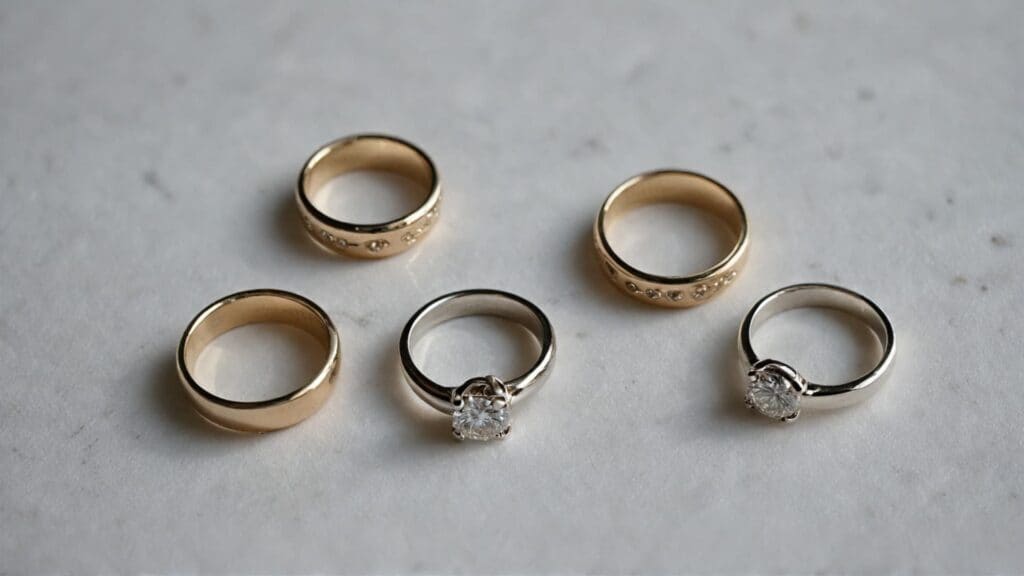
The damage hand sanitizer causes to jewelry isn’t random - it follows predictable chemical and physical processes that help explain why certain materials are vulnerable while others remain unaffected. The 60-70% alcohol concentration in effective sanitizers is high enough to act as a solvent, meaning it can dissolve certain substances on contact. This same property that makes sanitizer effective against germs also makes it potentially harmful to jewelry materials. Additionally, the repeated application of sanitizer creates cumulative effects that build up over time, which is why damage often appears gradually rather than immediately after a single use.
- Alcohol functions as a powerful solvent that can dissolve protective coatings and treatments applied to jewelry during manufacturing. Rhodium plating on white gold, oil treatments in emeralds, and protective lacquers on silver all contain organic compounds that alcohol can break down. Each sanitizer application removes microscopic amounts of these coatings, and over weeks or months, this adds up to visible wear and loss of protection.
- Chemical reactions accelerate dramatically in alcohol-rich environments because alcohol increases the mobility of molecules and provides a medium for reactions to occur. Metals that normally tarnish slowly in air react much faster when alcohol is present. The sanitizer also increases oxygen solubility around the jewelry, which promotes oxidation reactions that cause tarnishing, corrosion, and color changes in susceptible metals.
- Residue buildup creates ongoing damage even after the alcohol evaporates because most hand sanitizers contain inactive ingredients like glycerin, aloe vera, fragrances, and moisturizing agents. These substances can accumulate in ring settings, between prongs, and on stone surfaces where they continue to create a corrosive environment. This residue also attracts dirt and oils from your skin, creating an abrasive paste that gradually wears away at jewelry surfaces.
- Cumulative effects matter more than single exposures because jewelry damage from sanitizer is primarily a wear process rather than an immediate chemical reaction. One application might remove a few molecules of rhodium plating, but it’s not visible. However, 50 applications over two weeks can remove enough plating to show the underlying metal. This is why people often don’t notice problems until they’ve been using sanitizer regularly for weeks or months.
- Concentration and contact time both influence damage rates in predictable ways. Higher alcohol concentrations cause faster damage, which is why 70% sanitizers are harder on jewelry than 60% versions. Longer contact time also increases damage - sanitizer that pools around rings or isn’t allowed to dry completely causes more problems than quick applications that evaporate rapidly.
- Temperature and humidity affect how sanitizer interacts with jewelry materials because chemical reactions generally happen faster in warm conditions and humidity can slow alcohol evaporation. This means jewelry damage tends to be worse in summer months or in humid climates where sanitizer stays wet longer on your hands and rings.
- The pH level of different sanitizer formulations can cause additional chemical reactions with certain metals and gemstones. Most sanitizers are slightly acidic (pH 6-7), which can accelerate corrosion in metals like copper and silver. Some sanitizers contain additional antimicrobial agents that are more alkaline and can cause different types of chemical damage.
- Mechanical wear occurs alongside chemical damage because dried sanitizer residue acts like fine sandpaper against jewelry surfaces. Each time you rub your hands together or touch objects, this residue grinds against your rings. Over time, this mechanical action can cause scratching, dulling, and loss of surface detail, especially on softer metals like gold and silver.
This scientific background explains why some jewelry materials are more vulnerable than others and why damage patterns are so predictable. Materials with stable chemical structures (like platinum and diamonds) resist both the chemical and mechanical effects of sanitizer, while materials that depend on coatings or have reactive components (like white gold and pearls) show damage relatively quickly. The key insight is that damage is almost always cumulative rather than immediate, which means early detection and prevention can save your jewelry from serious harm.
Best Ways to Keep Rings Safe While Using Hand Sanitizer
The most effective ring protection doesn’t require expensive products or complicated routines - it’s about developing simple habits that become second nature. The challenge most people face isn’t knowing what to do, but remembering to do it consistently when they’re focused on staying healthy and managing daily tasks. Creating systems that make protection automatic removes the guesswork and reduces the mental load of constantly deciding whether to remove rings or not. The goal is finding an approach that works reliably in your specific situation, whether you’re sanitizing occasionally or dozens of times per day.
- Ring removal remains the gold standard for protection because it completely eliminates contact between sanitizer and your jewelry. Remove rings before applying sanitizer, wait 20-30 seconds for your hands to dry completely, then replace them. This method works for any ring material and prevents all types of sanitizer damage. The key is making removal convenient by setting up small dishes or ring holders near sanitizer dispensers at home, work, and in your car.
- Strategic timing makes removal more practical by clustering sanitizer use during natural jewelry-off periods. Take rings off before meals, exercise, or household cleaning tasks when you’d normally remove them anyway, then sanitize during these times. This reduces the total number of removal/replacement cycles while still maintaining good hygiene practices throughout the day.
- When removal isn’t practical, turn stones to face your palm during sanitizer application to minimize direct contact with the most vulnerable parts of your jewelry. This technique works particularly well for engagement rings and other pieces with prominent gemstones. Apply sanitizer to the backs of your hands first, then rub into palms and fingers to reduce the amount that contacts ring surfaces directly.
- Use minimal sanitizer amounts to reduce exposure while maintaining effectiveness. A dime-sized amount is sufficient for proper hand coverage - more doesn’t improve germ-killing but does increase jewelry exposure. Apply sanitizer away from rings when possible, focusing on fingertips and palm centers rather than ring areas, then distribute it evenly.
- Choose your battles based on ring value and vulnerability rather than treating all jewelry the same. Reserve extra protection efforts for expensive pieces, family heirlooms, or rings with vulnerable materials like pearls or white gold. Less valuable or more resistant pieces can tolerate occasional sanitizer contact without significant concern.
- Create removal stations throughout your daily environment to make protection convenient and automatic. Keep small dishes near bathroom sinks, sanitizer dispensers at work, car cup holders, and entryway tables. Having designated spots eliminates the fumbling and increases the likelihood you’ll actually use them consistently.
- Soap and water should be your first choice when available because it’s equally effective for most hygiene needs and actually helps clean your rings while protecting your health. Mild dish soap removes oils and residue while being completely safe for all jewelry materials. Reserve sanitizer for situations when soap and water aren’t accessible.
- Hand wipes can be gentler on jewelry than liquid sanitizers while still providing effective germ control. Choose alcohol-based wipes over chlorine-based when possible, and look for versions with lower alcohol concentrations (60% rather than 70%) if jewelry protection is a priority. The reduced contact time with wipes compared to liquid sanitizer also minimizes exposure.
- Protective gloves eliminate the conflict between hygiene and jewelry care in high-sanitizer environments like healthcare settings or when caring for sick family members. Disposable nitrile or vinyl gloves allow you to maintain strict hygiene protocols while keeping your rings completely protected from chemical exposure.
The most successful protection strategies are those that fit naturally into your existing routines rather than requiring major lifestyle changes. Start with one or two techniques that seem most practical for your situation, practice them until they become automatic, then add additional protection methods if needed. Remember that you don’t need perfect protection - even reducing sanitizer contact by 50% can significantly extend your jewelry’s lifespan and appearance. The key is consistency rather than perfection, and finding an approach you can maintain long-term without feeling frustrated or burdened.
Signs Your Ring Is Damaged by Hand Sanitizer
Catching sanitizer damage early can mean the difference between a simple cleaning and an expensive repair or replacement. Most people don’t realize their rings are being affected until the damage becomes obvious, but there are subtle warning signs that appear weeks before major problems develop. Learning to spot these early indicators helps you take action before minor issues become permanent damage. The challenge is that sanitizer damage often mimics normal wear and aging, so it’s easy to dismiss early signs as just part of owning jewelry.
- Loss of shine and brilliance is usually the first noticeable sign across all types of jewelry materials. Your ring may look dull or lackluster even immediately after cleaning, or it might not catch light the way it used to. This happens because sanitizer residue builds up in microscopic scratches and pores on the metal surface, scattering light instead of reflecting it cleanly. On gemstones, this appears as a cloudy or hazy look that makes even diamonds appear less sparkly.
- Color changes in metals develop gradually and can be subtle at first. White gold may show slight yellowish tints where the rhodium plating is wearing thin, typically starting around the band bottom where rings contact surfaces most. Sterling silver develops dark spots or patches rather than the even, overall tarnishing that happens naturally. Rose gold might shift from pink toward greenish or brownish tones, particularly around areas where sanitizer pools.
- Surface texture changes indicate more serious damage and typically appear after several weeks of heavy sanitizer exposure. The metal may feel rougher than normal, or you might notice tiny pits or holes forming in the surface. Gold and silver can develop a matte or grainy appearance instead of their normal smooth finish. These changes usually start in high-contact areas like the band bottom and inner surfaces.
- Gemstone issues manifest differently depending on the stone type but generally involve changes to clarity, color, or surface quality. Pearls lose their luster and may develop a chalky or matte appearance, sometimes with visible color changes from white to yellow or gray. Opals may show surface crazing (tiny cracks), loss of color play, or development of dull, cloudy areas. Even hard stones like diamonds can appear cloudy from residue buildup.
- Setting problems can develop as sanitizer affects the metal around stones, potentially causing prongs to weaken or become more brittle. You might notice stones feeling loose or hear them rattling slightly when you shake your hand. Visual inspection may reveal gaps between stones and their settings, or prongs that look thinner or more pointed than before.
- Residue buildup creates a sticky or filmy feeling that regular hand washing doesn’t eliminate. Your rings might feel different when you touch them, or you may notice that dirt and oils stick to them more readily than before. This residue often appears as a whitish or grayish film, particularly in crevices around stones or in decorative details.
- Scratching and wear patterns accelerate beyond normal expectations because sanitizer residue acts like fine abrasive compound. You might notice new scratches appearing more frequently, or existing scratches becoming deeper and more visible. Engraved details or surface textures may start to look softer or less defined.
- Professional cleaning becomes less effective when sanitizer damage is involved because the problems go beyond surface dirt and oils. If your jewelry doesn’t return to its original appearance after professional cleaning, or if it dulls again unusually quickly after cleaning, this suggests chemical damage rather than just accumulated grime.
Recognizing these signs early allows you to modify your sanitizing habits and seek appropriate care before damage becomes irreversible. Minor dulling and residue buildup are usually correctable with proper cleaning and care adjustments, while color changes in metals and damage to organic gemstones often require professional intervention or may be permanent. The key is regular inspection of your jewelry - a quick weekly check in good lighting can catch problems while they’re still manageable and help you decide whether to continue your current sanitizing routine or make protective changes.
How to Clean Rings After Hand Sanitizer Exposure
Even with the best protection habits, some sanitizer contact with your rings is inevitable in today’s world. The difference between minor, reversible damage and serious problems often comes down to how quickly and effectively you respond when sanitizer does touch your jewelry. Proper cleaning after exposure removes harmful residues before they can build up and cause lasting damage, while regular maintenance prevents small issues from becoming expensive repairs. The good news is that most sanitizer-related jewelry problems are completely preventable with simple cleaning techniques that take just a few minutes and use common household items.
- Immediate rinsing with lukewarm water is your first line of defense when sanitizer contacts your rings. Hold the ring under gentle running water for 15-30 seconds to dilute and wash away alcohol and other chemicals before they can cause damage. Don’t use hot water, which can shock gemstones, or cold water, which doesn’t remove residues as effectively. This simple step can prevent most acute damage if done within a few minutes of exposure.
- Gentle dish soap cleaning removes residues that water alone can’t eliminate because many sanitizer ingredients are designed to stick to surfaces. Use a few drops of mild dish soap (Dawn or similar grease-cutting formulas work well) with a soft-bristled toothbrush to gently clean around stones and in crevices where residue accumulates. Focus on areas under stones, around prongs, and in any decorative details where buildup is most likely.
- Thorough rinsing after soap cleaning prevents new residue formation because soap left on jewelry can attract dirt and oils just like sanitizer residue does. Rinse under lukewarm running water for at least 30 seconds, ensuring all soap bubbles are gone. Pay special attention to hard-to-reach areas where soap can get trapped and cause problems later.
- Proper drying techniques prevent water spots and additional damage that can compound sanitizer-related problems. Pat rings dry with a soft, lint-free cloth rather than rubbing, which can scratch softened metal surfaces. Allow rings to air dry completely before storing them, as trapped moisture can cause additional tarnishing or corrosion, especially in silver jewelry.
- Weekly deep cleaning prevents cumulative damage even when you’re careful about immediate post-exposure care. Soak rings in warm, soapy water for 10-15 minutes to loosen built-up residue that daily cleaning might miss. Use a soft toothbrush to gently scrub all surfaces, then rinse thoroughly and dry completely. This routine maintenance can extend your jewelry’s lifespan significantly.
- Professional ultrasonic cleaning every 6-12 months removes residues that home methods can’t reach, particularly in complex settings with multiple stones or intricate details. Professional cleaners use specialized equipment and solutions that can dissolve stubborn buildup without damaging delicate materials. This service typically costs $20-50 and can restore your jewelry’s original appearance even after months of sanitizer exposure.
- Avoid harsh chemicals that can cause more damage than the original sanitizer exposure. Never use bleach, ammonia, acetone, or other strong solvents on jewelry, as these can cause immediate and permanent damage to most materials. Stick to mild dish soap, jewelry-specific cleaning solutions, or professional services for anything beyond basic maintenance.
- DIY cleaning solutions can be effective for stubborn residue when used carefully and appropriately for your jewelry materials. A mixture of equal parts white vinegar and water can help remove buildup from gold and platinum jewelry, but should never be used on pearls, opals, or other sensitive stones. Soak for no more than 10 minutes, then brush gently and rinse thoroughly.
- Regular inspection during cleaning helps catch problems early before they become serious enough to require professional repair. Look for loose stones, worn prongs, color changes in metals, or surface damage to gemstones. Check that stones are secure by gently tapping the ring - loose stones often make a subtle rattling sound that’s easier to hear than feel.
- Storage between cleanings affects how well your jewelry withstands future sanitizer exposure. Store clean, dry rings in fabric-lined jewelry boxes or soft pouches to prevent scratching and tarnishing. Avoid storing different metals together, as they can cause galvanic corrosion. Keep jewelry in low-humidity environments when possible, as moisture accelerates many types of damage.
The most important principle is that quick action prevents permanent damage in most cases. Sanitizer that sits on jewelry for hours or days causes exponentially more harm than sanitizer that’s rinsed off within minutes. By developing consistent cleaning habits and responding promptly to exposure, you can maintain your jewelry’s appearance and value even while prioritizing your health and safety. Regular maintenance also helps you spot developing problems early, when they’re still correctable with simple interventions rather than expensive professional repairs.
Best Habits for Ring Wearers Who Use Hand Sanitizer
Developing sustainable habits that protect your rings while maintaining good hygiene requires finding the right balance for your specific lifestyle and responsibilities. The most successful approaches are those that work seamlessly with your existing routines rather than adding complicated new steps that you’ll eventually abandon. Different situations call for different strategies - what works for someone who sanitizes occasionally won’t necessarily work for a healthcare worker or teacher who must sanitize dozens of times daily. The key is creating flexible systems that adapt to your changing needs while providing consistent protection for your jewelry.
- Morning preparation sets you up for success throughout the day by taking care of jewelry maintenance when you have time and attention to spare. Apply hand lotion before putting on rings to create a slight protective barrier between your skin and the metal, which can help reduce direct contact with sanitizer later. Check that stones are secure and settings are tight, as early detection of loose stones prevents loss and reduces the need for emergency repairs.
- Establish consistent removal routines tied to existing habits rather than trying to remember arbitrary jewelry care tasks. Remove rings before washing dishes, showering, or applying lotion - activities you already do regularly - and sanitize during these natural jewelry-off periods. This approach reduces the total number of removal/replacement cycles while ensuring you sanitize when it’s most convenient and safe for your rings.
- Create workplace systems that accommodate both hygiene requirements and jewelry protection by understanding your specific environment’s needs and constraints. If your job allows jewelry but requires frequent sanitizing, set up a small ring dish at your workstation and develop a routine of removing rings before sanitizer-heavy tasks like cleaning or food preparation. For jobs that prohibit hand jewelry entirely, invest in a secure storage solution and save ring-wearing for off-duty hours.
- Strategic timing throughout the day minimizes protection burden while maintaining hygiene standards. Cluster sanitizer use around natural break periods - before meals, after using restrooms, or when arriving at new locations. This reduces the frequency of ring removal while ensuring you sanitize at appropriate intervals for health protection.
- Evening maintenance prevents overnight damage accumulation and helps you spot developing problems before they become serious. Give rings a quick rinse with soap and water if they’ve been exposed to sanitizer during the day, then dry them thoroughly before storing. This simple routine removes residue that could cause damage while you sleep and keeps your jewelry looking its best.
- Travel adaptations account for increased sanitizer use and less controlled environments that make jewelry protection more challenging. Pack a small jewelry case for secure storage during frequent sanitizing periods like airport security or hotel stays. Consider leaving valuable or vulnerable pieces at home during trips where you’ll be sanitizing frequently or using unfamiliar sanitizer formulations.
- Social considerations help you maintain protection habits even when others around you aren’t concerned about jewelry care. Explain your routine briefly to family members or coworkers so they understand why you remove rings before group sanitizing activities. Having others aware of your needs makes it easier to maintain consistent habits without feeling self-conscious.
- Seasonal adjustments accommodate changing sanitizer needs throughout the year. Cold and flu season typically requires more frequent sanitizing, so you might need to be more vigilant about ring protection during these months. Summer activities often involve more hand washing and sanitizing before eating outdoors, while winter weather can make ring removal more cumbersome with gloves and coats.
- Emergency protocols for high-risk situations ensure you can maintain hygiene standards when jewelry protection isn’t possible. If you’re caring for someone who’s ill or working in a contaminated environment, prioritize health over jewelry and plan for professional cleaning or repair afterward if needed. Know when to choose safety over ring protection and don’t feel guilty about making that choice.
- Communication with family members and close contacts helps create supportive environments for jewelry protection. Let household members know where you keep ring storage dishes and ask them to respect your protection routines. This is particularly important for couples where one person sanitizes more frequently than the other, or in families with children who may need frequent hand cleaning assistance.
The most effective long-term approach combines multiple strategies rather than relying on any single method. Start with techniques that feel most natural and practical for your situation, then gradually add additional protection methods as they become habitual. Remember that consistency matters more than perfection - protecting your rings 80% of the time is infinitely better than having a perfect system you only follow 20% of the time. The goal is developing sustainable practices that you can maintain long-term without feeling burdened or stressed about jewelry care.
Alcohol-Free Hand Sanitizers: Are They Safe for Rings?
The sanitizer market has evolved significantly since 2020, offering more options for people who want effective germ protection without compromising their jewelry. However, navigating these alternatives requires understanding the trade-offs between jewelry safety, germ-killing effectiveness, and practical considerations like cost and availability. Not all “gentle” or “jewelry-safe” products deliver on their promises, and some alternatives that are marketed as safer for jewelry may be less effective against certain pathogens. The key is making informed decisions based on your specific health risks, jewelry value, and lifestyle needs rather than assuming that gentler automatically means better.
- Alcohol-free sanitizers use benzalkonium chloride as their active ingredient instead of ethyl or isopropyl alcohol, making them gentler on jewelry materials while still providing antimicrobial protection. These products don’t dissolve protective coatings or accelerate tarnishing the way alcohol-based versions do, but they may be less effective against certain viruses including some strains of coronavirus. They work well for routine use when alcohol-based sanitizer isn’t specifically required by health authorities.
- Lower alcohol concentration sanitizers (60% vs 70%) provide a middle ground between maximum effectiveness and jewelry protection. The CDC requires at least 60% alcohol for effectiveness, so products at this minimum level cause less jewelry damage than higher-concentration versions while still meeting health guidelines. The difference in sanitizing power is minimal for most everyday situations, but the reduction in jewelry damage can be significant over time.
- Foam sanitizers often contain less alcohol per application than gel or liquid versions, reducing the total amount of chemical exposure your rings receive while maintaining effective hand coverage. The foam format also tends to evaporate more quickly, shortening contact time with jewelry. However, some foam products achieve their texture with additional chemicals that may affect certain jewelry materials differently than standard formulations.
- Specialty jewelry-safe products are specifically formulated to minimize damage to gold, silver, and gemstones while maintaining antimicrobial effectiveness. These products typically cost 2-3 times more than standard sanitizers and may have limited availability, but early user reports suggest they cause significantly less jewelry damage. The trade-off is higher cost and the need to verify that they meet your specific hygiene requirements.
- Natural alternative ingredients like ethyl lactate or citric acid appear in some jewelry-safe formulations as gentler antimicrobial agents. While these may be less harsh on jewelry, their effectiveness against specific pathogens can vary significantly. These products work best for routine hand cleaning rather than high-risk situations where maximum germ-killing power is essential.
- Timing-based approaches using standard sanitizer can be jewelry-friendly without requiring special products. Apply alcohol-based sanitizer and immediately rinse hands with water after the required 20-second contact time, then dry thoroughly before replacing rings. This method provides full antimicrobial effectiveness while minimizing jewelry exposure time.
- Combination strategies offer the most flexibility by using different products for different situations. Keep alcohol-free sanitizer for routine use when jewelry protection is a priority, but carry alcohol-based backup for high-risk exposures or when specifically required by health protocols. This approach balances jewelry care with health needs without compromising either priority.
- Cost and availability considerations affect long-term feasibility of alternative products. Specialty jewelry-safe sanitizers can cost $15-25 per bottle compared to $2-5 for standard versions, making them expensive for frequent users. Alcohol-free alternatives are more widely available but still cost more than conventional products and may not be covered by employer-provided supplies.
- Effectiveness verification is crucial when choosing alternatives because not all products that claim to be antimicrobial actually meet scientific standards for pathogen elimination. Look for products that specify their active ingredients and concentrations, have EPA registration numbers, or cite specific testing against relevant pathogens. Avoid products that make vague claims about being “natural” or “gentle” without providing effectiveness data.
- Healthcare setting requirements may limit your options regardless of jewelry concerns, as many medical facilities specify exact sanitizer types that must be used. In these situations, focus on mechanical protection methods like ring removal rather than trying to use alternative products that may not meet institutional requirements.
The decision to use alternative sanitizers should be based on your specific risk profile rather than jewelry value alone. If you’re in a high-risk environment or caring for vulnerable individuals, effective pathogen elimination takes priority over jewelry protection. However, for routine daily use, gentler alternatives can provide adequate protection while significantly reducing jewelry damage. The most practical approach for most people is using jewelry-safe alternatives when possible while maintaining access to standard alcohol-based sanitizer for situations where maximum effectiveness is essential.
Professional Ring Repair for Hand Sanitizer Damage
Recognizing when jewelry problems require professional intervention can save you significant money and prevent minor issues from becoming irreparable damage. Many people wait too long to consult professionals, either hoping problems will resolve themselves or fearing expensive repair costs, but early intervention is almost always more cost-effective than emergency repairs. Professional jewelers have specialized tools, techniques, and knowledge that can address sanitizer damage in ways that aren’t possible at home. Additionally, some types of damage that appear severe to untrained eyes may be easily correctable, while seemingly minor issues might indicate serious underlying problems that require immediate attention.
- Loose stones require immediate professional attention regardless of the cause because the risk of stone loss increases dramatically once settings become compromised. Sanitizer exposure can weaken prong settings over time by corroding the metal or making it more brittle. If you notice stones moving, rattling, or feeling less secure than usual, stop wearing the ring immediately and see a jeweler within a few days. Emergency stone tightening typically costs $25-75, while replacing a lost stone can cost hundreds or thousands of dollars.
- Significant metal discoloration that doesn’t improve with gentle cleaning often indicates chemical damage that requires professional assessment and possible restoration. White gold showing extensive yellow areas needs rhodium replating, which costs $45-150 depending on the piece’s complexity. Sterling silver with deep black staining may need professional polishing or refinishing. Rose gold that has shifted to green or brown tones might need alloy adjustment or protective coating application.
- Visible structural changes like bent prongs, cracked shanks, or worn areas suggest that sanitizer exposure has weakened the metal beyond normal wear patterns. These problems require professional evaluation to determine whether repair is possible or if replacement is necessary. Prong repair typically costs $15-50 per prong, while shank replacement can range from $150-500 depending on the ring’s complexity and materials.
- Gemstone damage including cracks, chips, or permanent cloudiness needs expert evaluation to determine the extent of damage and available treatment options. Some gemstone treatments can restore clarity or minimize damage visibility, while others may require stone replacement. Professional gemstone evaluation typically costs $50-150 and helps you make informed decisions about repair versus replacement.
- Insurance claims for jewelry damage require professional documentation and appraisal to establish the cause and extent of damage. Many homeowner’s and renter’s insurance policies cover jewelry damage from chemicals, but you’ll need professional assessment to support your claim. Keep detailed records of your sanitizer use patterns and any protective measures you attempted to take.
- Annual jewelry health checks provide preventive care that can catch developing problems before they become serious. Professional cleaning, prong tightening, and setting inspection typically cost $50-150 per piece but can prevent major repairs and extend your jewelry’s lifespan significantly. These services are particularly valuable for pieces exposed to frequent sanitizer use.
- Rhodium replating for white gold should be scheduled proactively rather than waiting for extensive wear to develop. If you use sanitizer frequently, plan for replating every 12-18 months instead of the typical 2-5 years. The cost ranges from $45-150, and the process usually takes 1-2 weeks. Some jewelers offer package deals for regular maintenance that can reduce per-service costs.
- Professional ultrasonic cleaning can remove sanitizer residue that home cleaning methods can’t eliminate, particularly in complex settings with multiple stones or intricate details. This service typically costs $20-50 and can restore your jewelry’s original appearance even after months of sanitizer exposure. However, ultrasonic cleaning isn’t safe for all gemstone types, so professional evaluation is important.
- Finding qualified professionals requires research beyond just looking for the nearest jewelry store. Look for jewelers certified by the American Gem Society, Jewelers of America, or similar professional organizations. Ask about their experience with sanitizer-related damage and request references from other customers who’ve had similar repairs. Get written estimates for any work over $100.
- Repair versus replacement decisions depend on multiple factors including the piece’s sentimental value, repair costs relative to replacement cost, and the likelihood of future problems. Generally, repairs costing more than 50% of replacement value aren’t economically justified unless the piece has significant sentimental importance. However, family heirlooms and custom pieces may be worth any repair cost to preserve their original character.
- Documentation for valuable pieces should include before-and-after photos of any damage and professional cleaning or repair services. This information helps with insurance claims, warranty issues, and future maintenance planning. Keep receipts for all professional services and maintain a file with your jewelry’s purchase documentation, appraisals, and service history.
The key to successful professional relationships is communication and realistic expectations. Explain your sanitizer use patterns to help jewelers understand the source of damage and recommend appropriate solutions. Don’t wait until damage becomes severe - early intervention almost always produces better results at lower cost. Remember that professional services are investments in preserving your jewelry’s value and appearance, not just expenses to be minimized.
Conclusion
Hand sanitizer and rings can coexist safely when you understand the risks and take appropriate precautions. The key insight is that damage is almost always preventable rather than inevitable - it’s about making informed choices based on your ring’s materials and your sanitizing frequency. Materials like platinum, high-karat gold, and hard gemstones can handle occasional sanitizer exposure with minimal issues, while white gold, sterling silver, and organic stones like pearls require more careful protection. The most effective approach combines simple removal habits with proper cleaning techniques and regular maintenance, creating a system that protects your jewelry without compromising your health.
The good news is that protecting your rings doesn’t require expensive products or complicated routines. The most successful strategy remains straightforward: remove rings before applying sanitizer, wait for your hands to dry completely, then put them back on. When removal isn’t practical, focus on minimizing contact time and cleaning thoroughly afterward. For people who must sanitize frequently, choosing jewelry materials that can withstand chemical exposure or investing in professional maintenance can significantly extend your rings’ lifespan and appearance.
Remember that your health always comes first - never compromise infection control for jewelry preservation. However, with the right knowledge and habits, you can maintain excellent hygiene while keeping your precious rings looking beautiful for years to come. The strategies outlined in this guide work whether you’re dealing with a simple wedding band or an expensive engagement ring, and the principles apply regardless of how often you need to sanitize. By developing consistent protective habits and staying alert to early signs of damage, you can enjoy both peace of mind about your health and confidence in your jewelry’s long-term care.