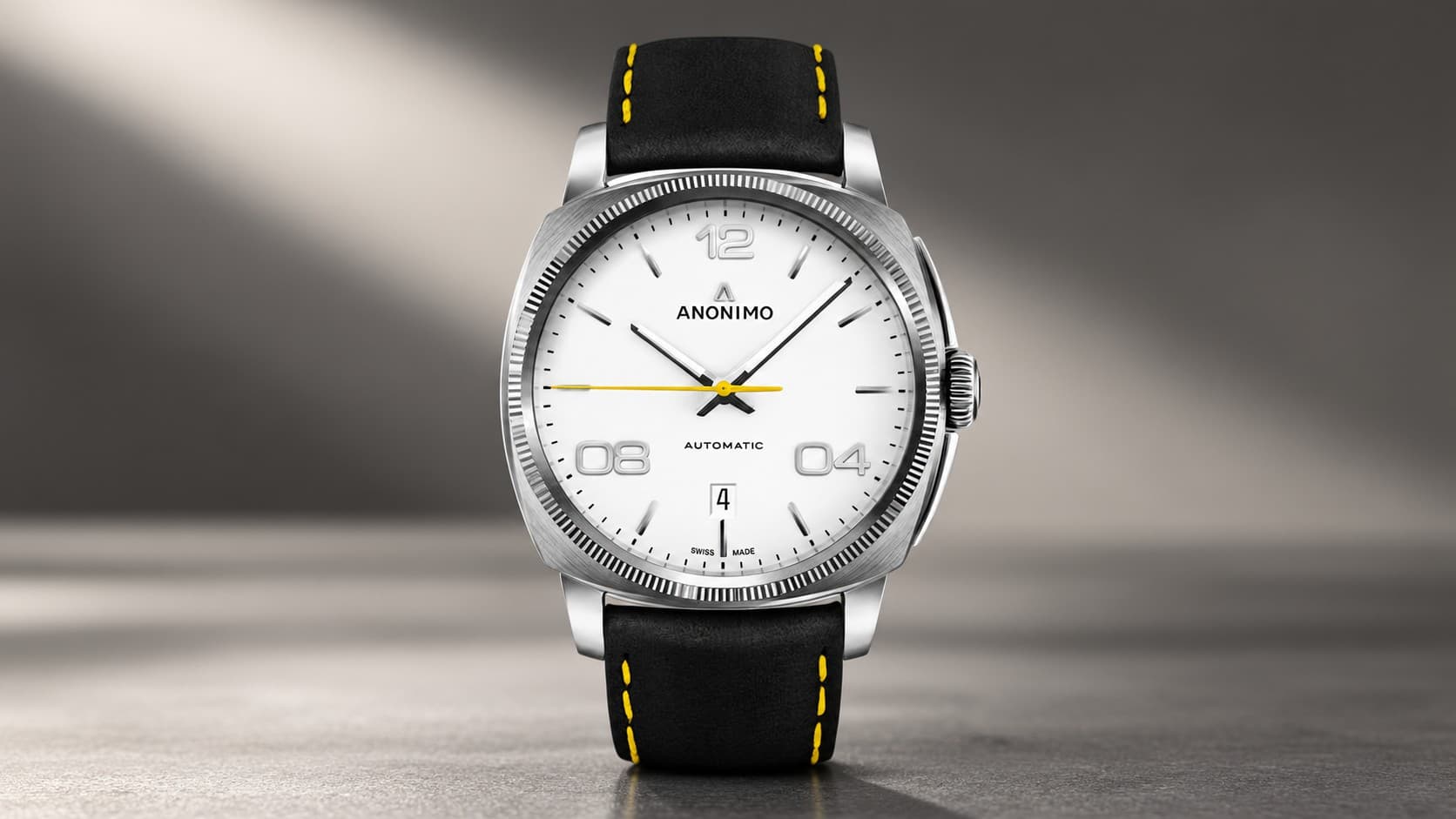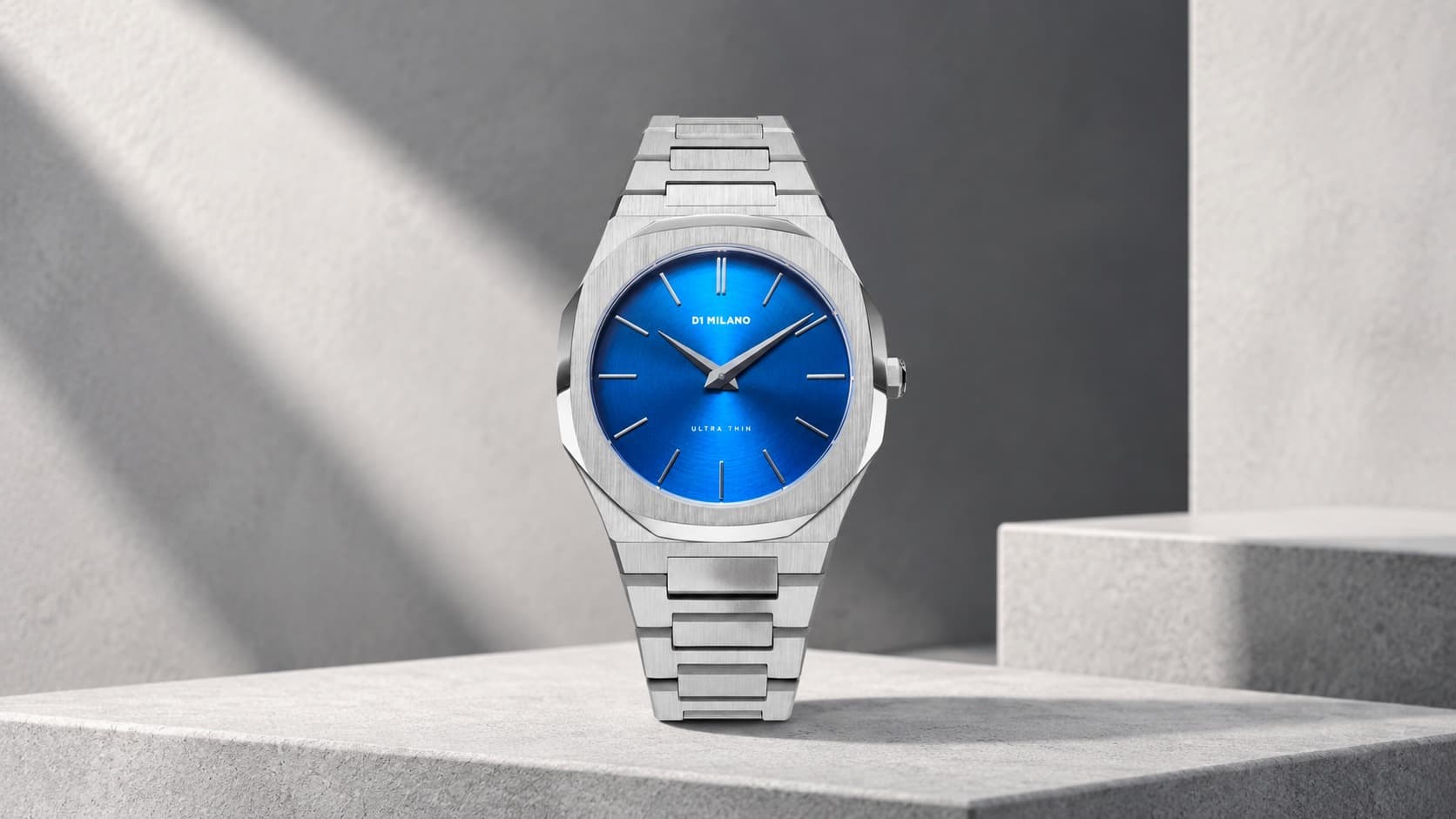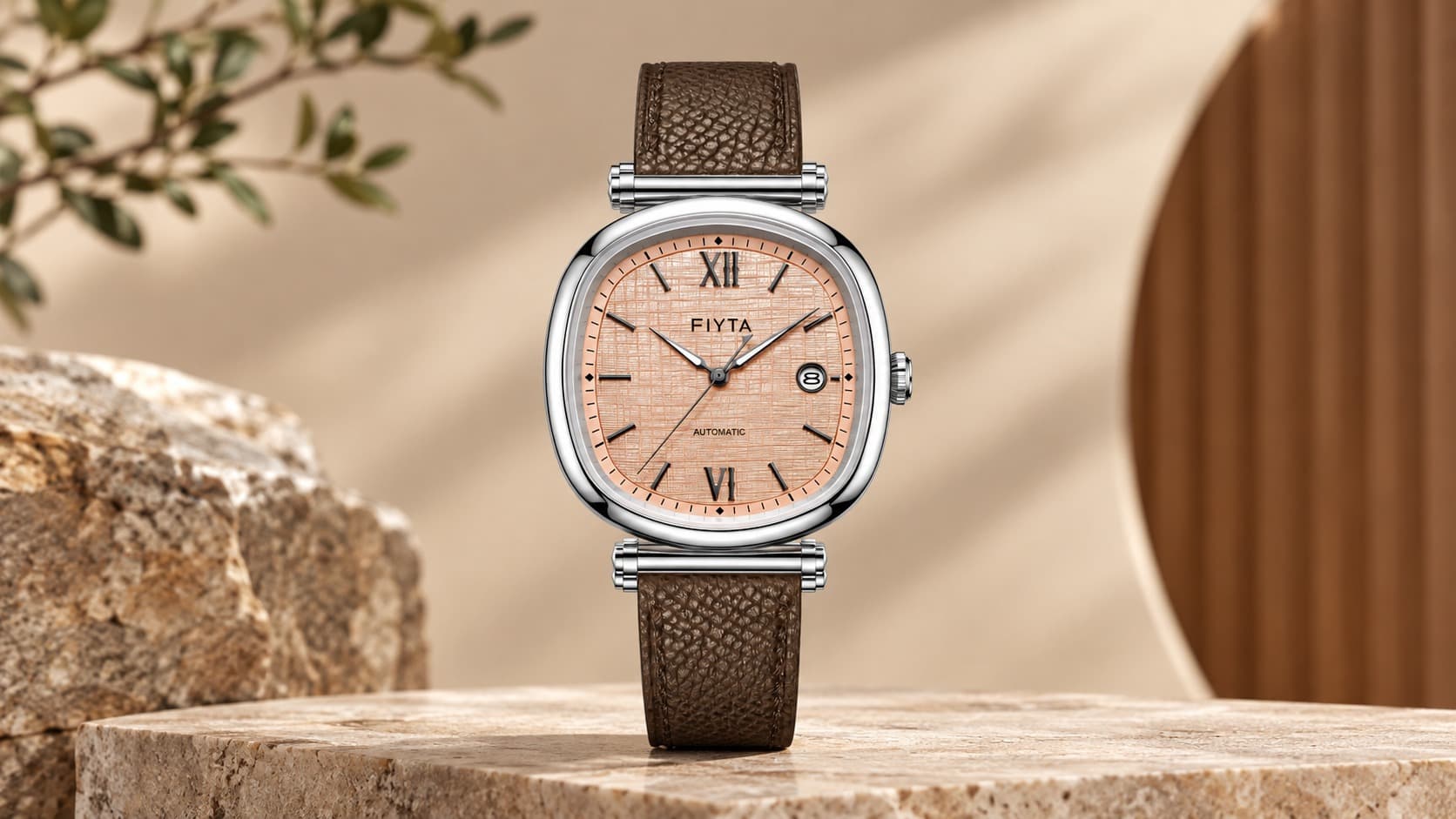
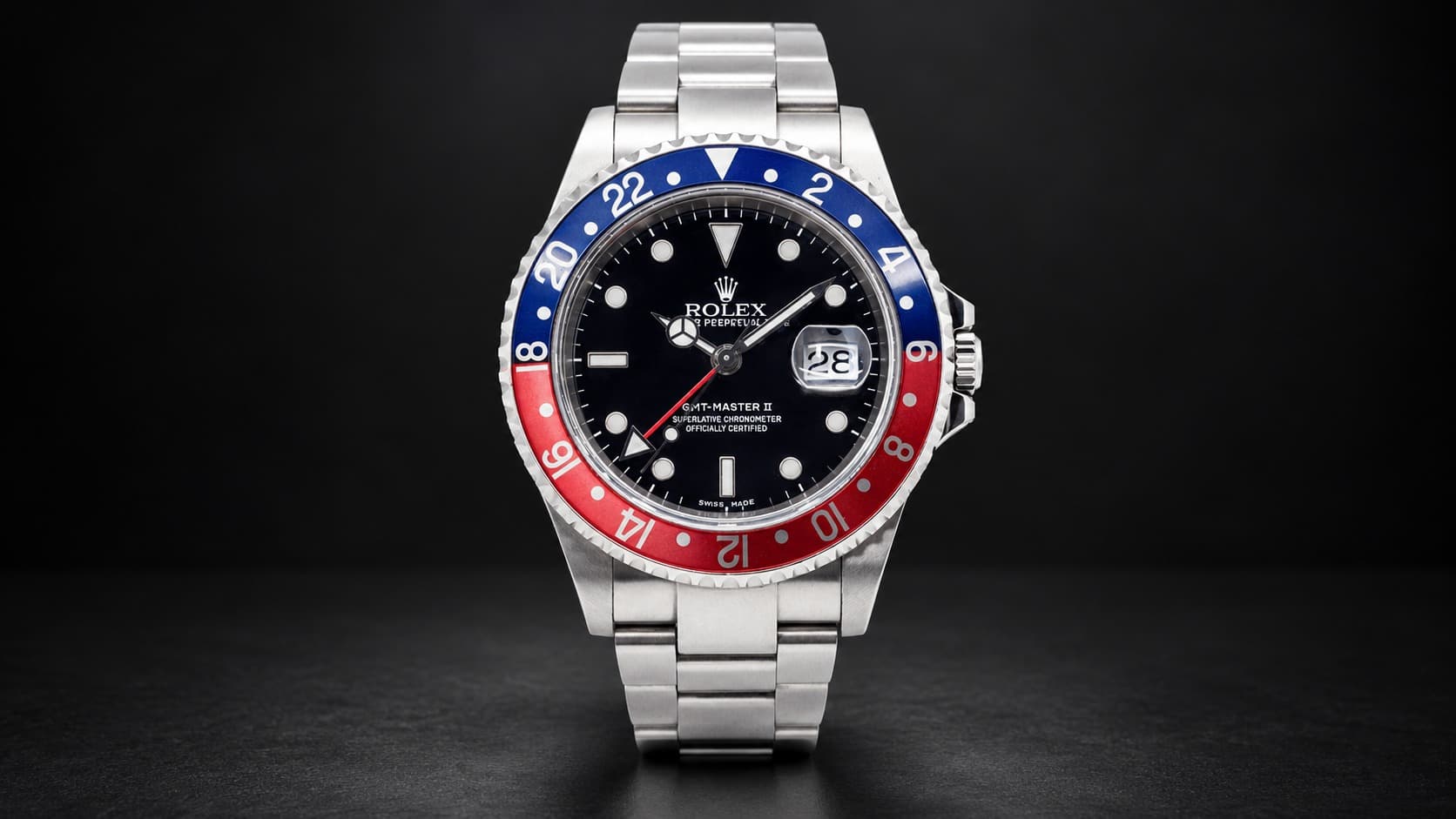
The word “homage” surfaces constantly on watch forums and in watch review videos, even though plenty of people who use it couldn’t define it on the spot. It sounds fancy, almost like it’s trying to avoid saying something else. That’s because it kind of is. A homage watch takes the shape and style of a famous, often very expensive watch, and builds something new around it, usually for a fraction of the price. Understanding what separates a homage from a fake matters, because the two get mixed up constantly, and the difference isn’t just about semantics. It’s the line between something perfectly legal and something that can get seized at customs.
Homage Watch: Definition and Meaning
A homage watch is a timepiece that borrows the design of a famous watch but sells under its own brand name. The case shape, the dial layout, the bezel style, even the hands can look strikingly close to the original. What makes it a homage rather than a copy is honesty: the maker never pretends to be the brand it’s inspired by.
The comparison to a cover song fits well. A band can perform a Beatles song in its own style, credit the Beatles as the songwriters, and still sell tickets to the show, and nobody leaves confused about who wrote the original. A homage watch works on the same principle. The brand on the dial is real, it’s just not the brand that invented the design in the first place.
This idea isn’t new to watches either. Car designers copy silhouettes from older models all the time, and furniture makers have been reinterpreting classic chair designs for decades. Watches just happen to be one of the categories where the practice has its own name and its own dedicated fan base.
Homage vs. Counterfeit: Key Differences
The difference comes down to one thing: branding. A homage watch uses its own name and logo. A fake, usually called a counterfeit, prints someone else’s trademarked name and logo on the dial to trick buyers into thinking it’s the real thing.
A watch that borrows a design language but sells under its own brand is an homage, while a watch that reproduces another maker’s name and logo to pass as that maker’s product is a counterfeit. That one choice changes everything legally. Trademark law protects brand names and logos, not shapes or general design ideas. A watch can look like a Rolex Submariner in almost every way and still be completely legal, as long as it says something else on the dial.
The practical differences break down clearly side by side:
| Feature | Homage Watch | Counterfeit Watch |
|---|---|---|
| Brand name on dial | Its own brand | Copies a real luxury brand |
| Logo used | Original logo | Stolen trademarked logo |
| Legal status | Legal | Illegal |
| Intent | Inspired by a design | Trying to deceive buyers |
| Where it’s typically sold | Openly, on normal retail sites | Usually gray-market or black-market sellers |
Because a homage never claims to be something it isn’t, it can be sold openly, shipped across borders, and resold without the legal risk that comes with owning a counterfeit.
Are Homage Watches Legal?
Yes, homage watches are legal as long as they don’t use another brand’s protected trademarks. Trademark protection generally covers names, logos, and specific branded details, not the overall shape of a case or the general layout of a dial.
This is why a crown-shaped logo on a watch is such a big deal in this debate. If a homage brand slapped a five-pointed crown on its dial, it would instantly cross the line from homage into counterfeit, no matter how different the rest of the watch looked. The second a maker copies a registered logo or name, the product stops being a tribute and becomes a trademark violation.
This isn’t just a modern argument, either. In a federal case decided in 1974, Rolex sued the Japanese company Ricoh Time Corporation over a trident-shaped logo it considered too close to its own crown trademark, along with a general watch design Rolex argued copied its look. The court sided with Ricoh, ruling that Rolex’s overall watch configuration wasn’t distinctive enough to deserve trademark protection and that Ricoh had clearly labeled its watches under its own name. The ruling remains a useful real-world marker of where the legal line sits: a shape alone rarely wins in court, but copying a brand’s actual trademark does.
There are still gray areas. Some designs, like the general look of a dive watch with a rotating bezel, have become so standard across the entire industry that no single brand can claim ownership of the concept itself. Rolex didn’t invent every dive watch feature, and a watch sharing those basic traits isn’t automatically a homage to Rolex specifically. The clearest homages are the ones that intentionally echo one particular iconic model, case shape and all, rather than simply existing in the same general category.
What Makes Homage Watches Appealing?
People buy homage watches mainly for the price, the style, and the fun of collecting without spending a fortune. A luxury dive watch from a major Swiss brand can cost several thousand dollars. A homage version of that same general design might cost under $500, and sometimes well under $200.
For a lot of collectors, it’s not about pretending to own the expensive version. It’s about appreciating a design that has stood the test of time. Someone might genuinely love the look of a 1960s pilot’s watch but have no interest in spending a mortgage payment to get it. A well-made homage lets them enjoy that same aesthetic on a Tuesday morning without worrying about scratching a watch worth more than their car.
A few things tend to draw people toward homages specifically:
- Price – most homages cost a small fraction of the original they’re inspired by.
- Everyday durability – buyers often feel freer wearing a homage during sports, travel, or manual work.
- Entry point into the hobby – many collectors start with homages before eventually buying higher-end pieces.
- Appreciation of design history – some buyers are more interested in the shape and story than the brand name itself.
For most buyers, a homage isn’t a placeholder for a watch they can’t yet afford. It’s simply a style they like, worn on its own terms.
Best-Known Homage Watch Brands
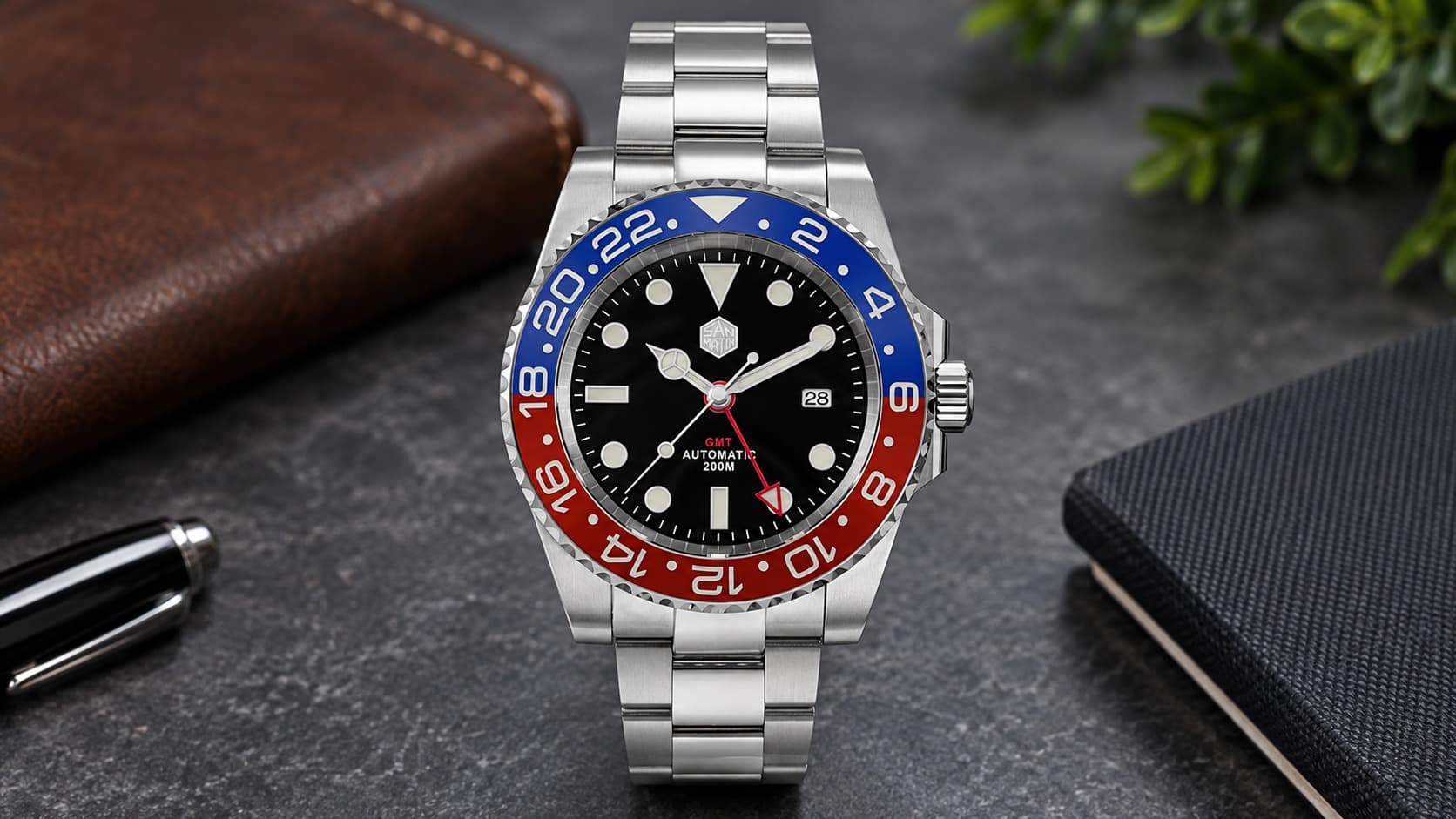
Several brands have built their entire reputation around producing well-made homage watches. Steinhart, a German company, is especially known for dive watches that closely echo classic Submariner styling, built with solid Swiss movements and metal cases. San Martin and Pagani Design, both based in China, have become popular for budget-friendly homages covering a wide range of iconic dive and pilot watch styles, often priced well under $300.
Not every homage brand plays it exactly the same way. Baltic, a French brand, leans toward capturing the general charm of mid-20th-century watches rather than cloning one specific famous model, which puts it closer to the “inspired by an era” end of the homage spectrum. Alpha, a Hong Kong-based company that’s been making homages since the early 1990s, sits at the other end, building its entire lineup around direct tributes to specific Rolex, Omega, and Panerai designs under its own name.
These brands aren’t hiding what they do. Their marketing often directly acknowledges which classic designs inspired a given model, which is part of what keeps them on the right side of the legal and ethical line. A brand that’s upfront about its inspiration is behaving very differently from one quietly trying to pass off a fake as the real thing.
Is It Ethical to Buy a Homage Watch?
Most watch collectors consider buying a homage ethical, as long as the brand is honest about what it is and isn’t deceiving customers. The core ethical question usually mirrors the legal one: does the product try to trick someone into thinking it’s the original?
Some people still feel uneasy about homages, arguing that copying another company’s design so closely, even with a different name, undercuts the years of work and investment that went into the original. Others see it as flattery, pointing out that the original brand’s design has become so beloved that other companies want to build their own version of it. There isn’t a universal answer here, and reasonable collectors land on different sides of that debate.
What almost everyone agrees on is the line that matters most: honesty about branding. A company selling a $150 dive watch under its own name is doing something very different from a seller advertising a “1:1 replica Submariner” dripping with a fake crown logo. The first is a business model. The second is fraud.
Downsides of Buying a Homage Watch
The biggest trade-off with a homage watch is resale value. Watches from established luxury brands often hold their value well, and some even appreciate over time because the brand name itself carries weight in the secondhand market. A homage watch, no matter how well made, rarely holds that same value once it’s time to resell it, because buyers are paying for the design more than the badge.
Service and repairs are another thing worth thinking about before buying. Major watch brands usually have authorized service centers, trained technicians, and a steady supply of original parts, sometimes for decades after a model stops being made. Homage brands, especially smaller or newer ones, don’t always have that same infrastructure, so a broken movement or a cracked crystal can be harder and sometimes slower to fix properly.
Quality control also varies more widely across the homage world than it does among established luxury brands. A homage from a well-regarded maker like Steinhart or San Martin can be genuinely well built, with tight tolerances and reliable movements. But because the homage category includes everything from careful, reputable manufacturers to rushed budget operations, buyers can’t assume consistent quality just because two watches look similar on the outside. Checking reviews and the specific brand’s track record matters more here than it does with a long-established luxury name.
Frequently Asked Questions
Is a homage watch the same as a replica?
Not exactly. “Replica” often gets used loosely to mean either a legal homage or an illegal counterfeit, which causes a lot of confusion. In the stricter, more accurate sense, a true replica reproduces another brand’s design and often its branding too closely, while a proper homage keeps its own distinct name and logo.
Can a watch brand sue over a homage design?
Brands can and sometimes do pursue legal action, but usually only when they believe their trademarks, specific patented features, or exact branding have been copied rather than just the general look of a watch. Case shapes and dial layouts are much harder to protect legally than names and logos, which is why most homages that avoid using a real brand’s marks stay on the right side of the law.
Do homage watches use the same quality materials as the originals?
It varies widely by brand and price point. Some homage makers use solid stainless steel cases and reliable automatic movements, while cheaper options may use lower-grade materials or simpler quartz movements. As with most products, price is usually a reasonable indicator of build quality, though it’s worth researching a specific brand before buying.
Will customs confiscate a homage watch?
Generally no, because homage watches don’t carry counterfeit trademarks. Customs seizures target items that infringe on registered brand names and logos, which is exactly what a proper homage avoids by using its own branding.
How can a homage be told apart from a counterfeit marketed as one?
The dial, the crown, and any engraving on the case back usually give it away, since a genuine homage never carries another brand’s actual logo or name. A listing that uses phrases like “1:1” or “super clone,” or shows a watch wearing a famous brand’s actual crown symbol, is almost certainly a counterfeit being marketed with softer language.
The Bottom Line
Homage watches occupy a strange but entirely legitimate corner of the watch world, built on the simple idea that a brand can admire a classic design without pretending to have created it. The legal line is clear even when the ethical debate isn’t: honesty about the name on the dial separates a tribute from a trick. For anyone drawn to a famous watch shape but not the famous price tag, that distinction is exactly what makes homage watches worth understanding before buying one.