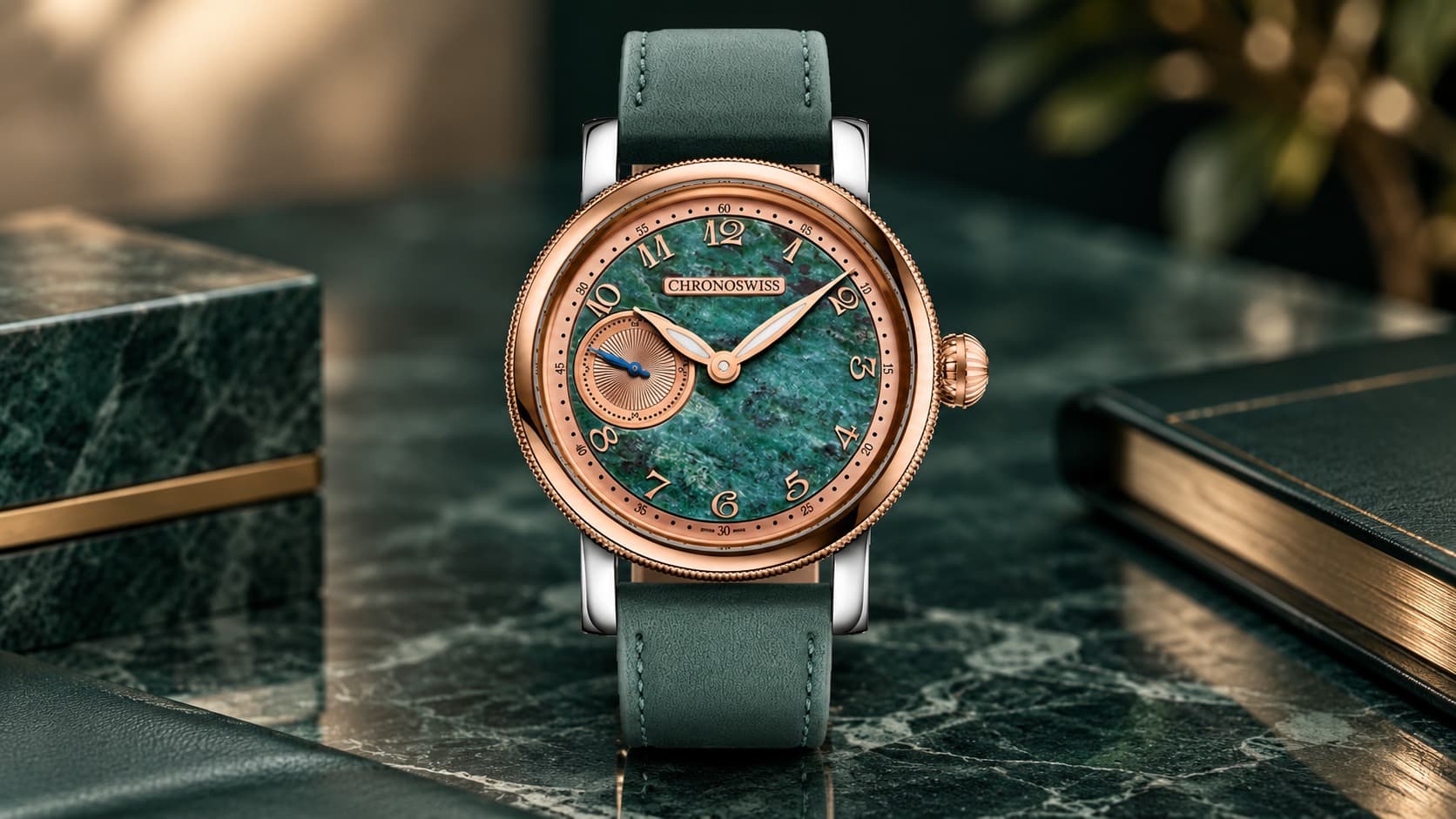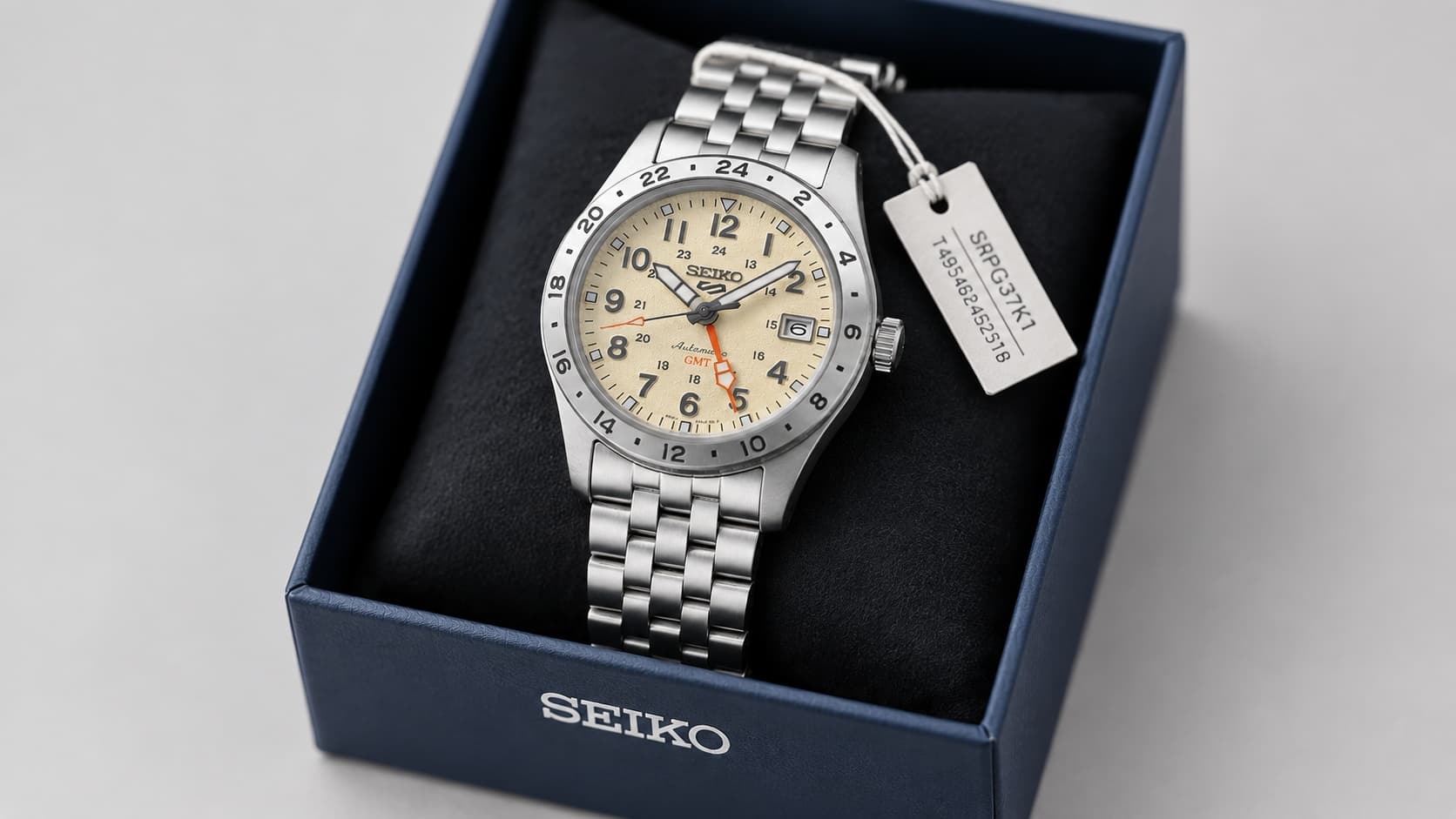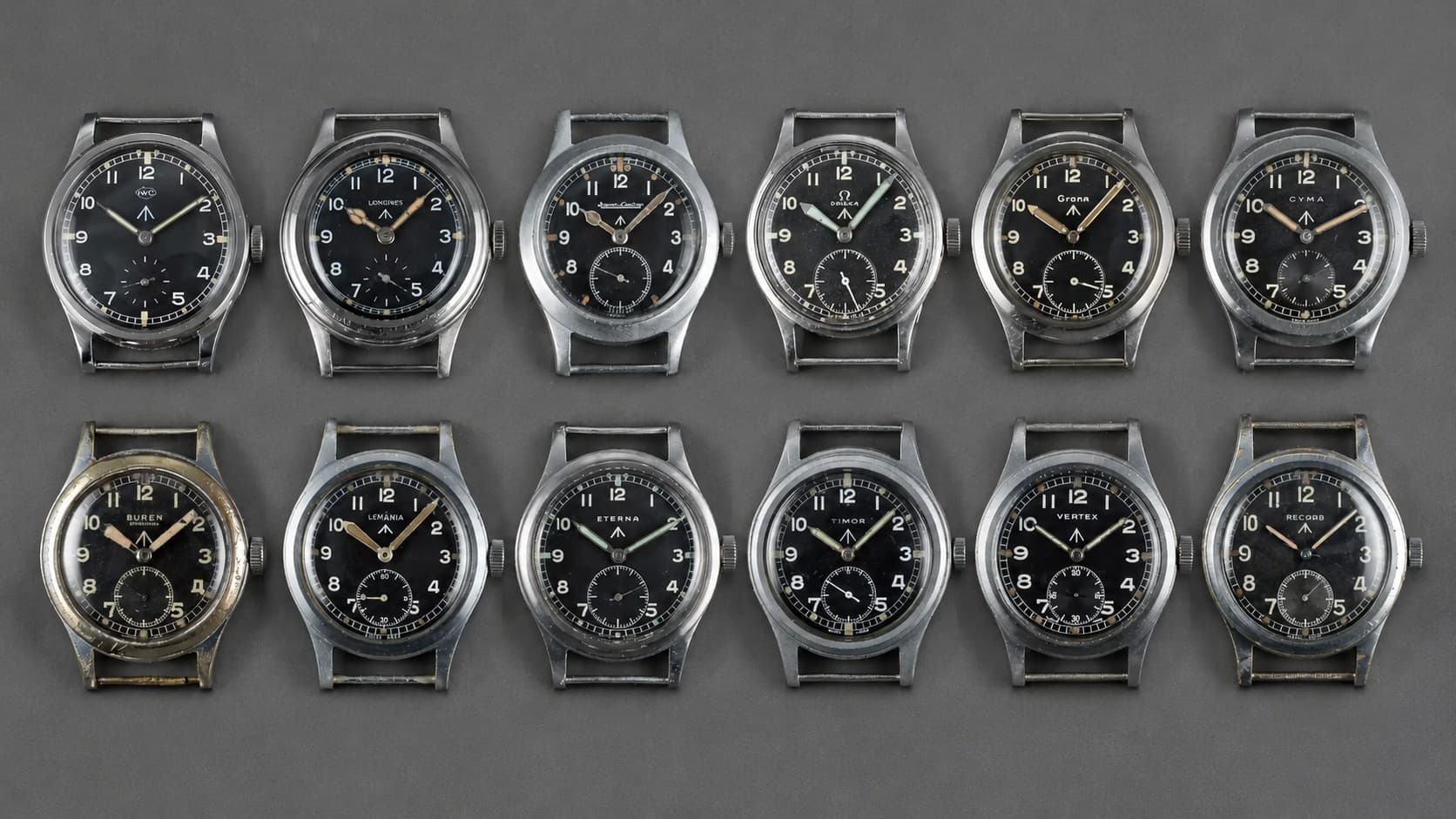
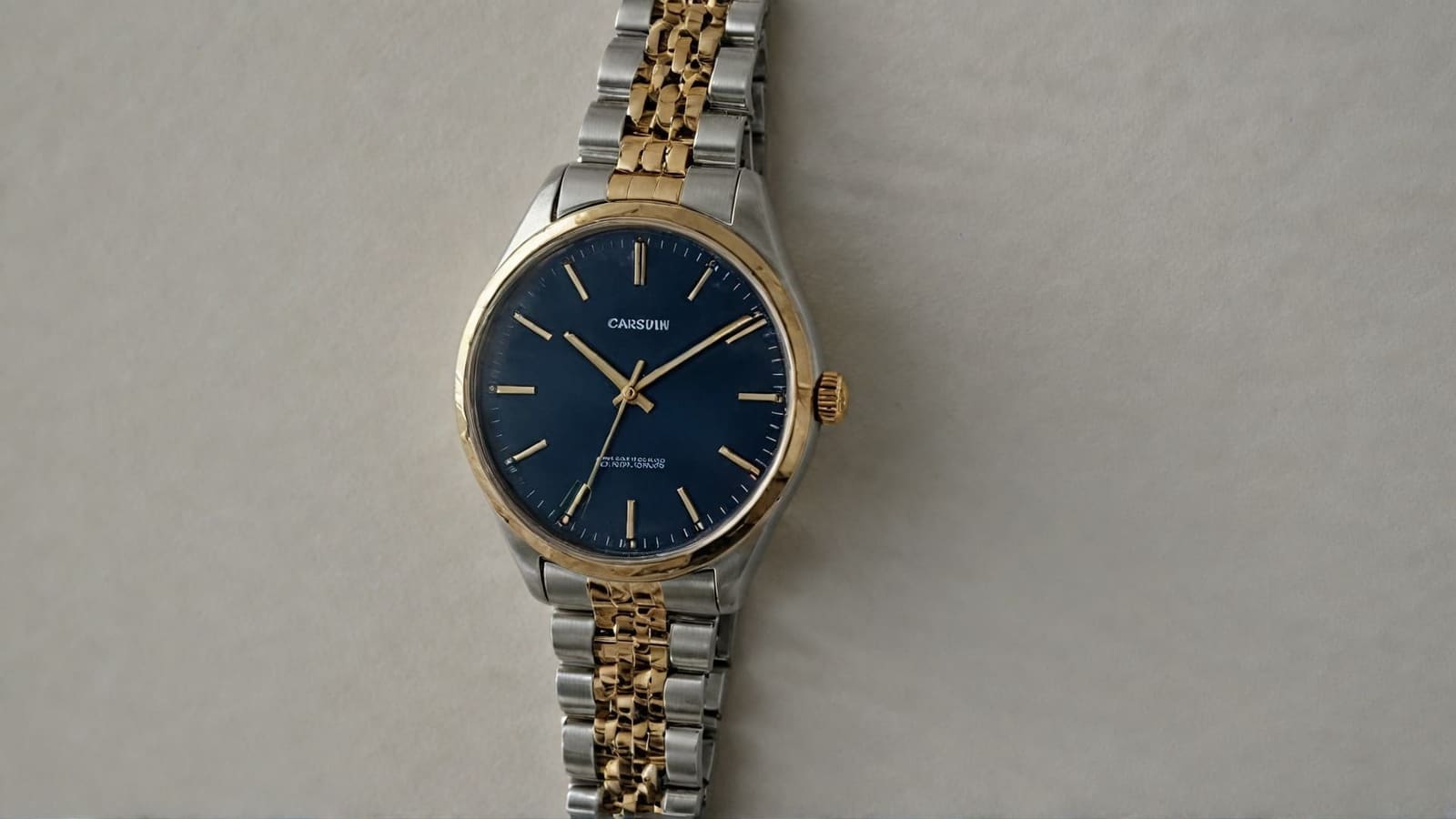
The materials used in your watch directly impact its durability, comfort, appearance, and price. From traditional stainless steel and leather to modern ceramic and carbon fiber, each material brings distinct advantages and limitations that affect how your watch performs in daily use. Understanding these materials helps you choose a timepiece that matches your lifestyle, whether you need something rugged for outdoor activities, elegant for formal occasions, or hypoallergenic for sensitive skin.
Best Watch Case Materials
The case is your watch’s protective shell, housing the delicate movement and determining much of the timepiece’s character, durability, and price point. Case materials range from affordable stainless steel that offers excellent everyday durability to precious metals that make a luxury statement, each bringing distinct advantages in weight, scratch resistance, corrosion protection, and aesthetic appeal. Modern watchmaking has expanded beyond traditional materials to include high-tech options like ceramic and carbon fiber, giving consumers unprecedented choice in balancing performance, style, and budget considerations.
Stainless Steel
Stainless steel stands as the most popular and versatile case material in modern watchmaking, offering exceptional durability and corrosion resistance at accessible price points. This iron-based alloy creates a protective chromium oxide layer that prevents rust and tarnishing, making it ideal for daily wear in various environments from office settings to outdoor adventures.
- Most quality watches use 316L stainless steel, a marine-grade alloy containing molybdenum for enhanced corrosion resistance that was originally developed for harsh marine environments. This makes it perfect for watches exposed to sweat, water, and daily wear without developing rust, discoloration, or pitting that affects appearance and durability over time.
- High-end manufacturers like Rolex use 904L steel, originally developed for aerospace and chemical industries, which offers superior corrosion resistance and a brighter, more lustrous finish that maintains its appearance longer than standard grades. This premium steel is harder to machine but provides noticeably better polish retention and scratch resistance.
- Stainless steel resists scratches better than precious metals like gold or silver but will show wear over time, especially on brushed surfaces that reveal daily contact marks. Professional polishing can remove most surface scratches and restore the original finish, though deep gouges may require specialized refinishing techniques.
- Stainless steel watches have substantial weight that many people associate with quality and durability, typically weighing 50-100% more than titanium equivalents. This weight provides a solid, premium feel but can become uncomfortable during extended wear, exercise sessions, or for people with smaller wrists who prefer lighter timepieces.
- High-grade stainless steel (316L and above) is generally safe for sensitive skin and considered hypoallergenic, though people with severe nickel allergies should verify the specific alloy composition since lower-grade steels may contain problematic nickel levels that can cause skin reactions or discoloration.
- Stainless steel cases hold their value well in the resale market and are easily refinished by professional watchmakers, making them excellent long-term investments. The material’s widespread availability and established refinishing techniques mean maintenance costs remain reasonable compared to exotic materials.
- Regular cleaning with mild soap and water keeps stainless steel looking new, while periodic professional polishing every few years can remove accumulated scratches and restore the original brushed or polished finish. Avoid harsh chemicals or abrasive cleaners that can damage protective coatings or surface treatments.
Stainless steel represents the sweet spot in watch materials, offering professional appearance, exceptional durability, and reasonable pricing that makes it accessible to most watch enthusiasts. Its proven track record across decades of watchmaking, combined with modern metallurgy improvements, ensures that a quality stainless steel watch can serve as a reliable companion for years or even decades. Whether you’re choosing your first serious timepiece or adding to an established collection, stainless steel provides the foundation for a watch that will perform consistently while maintaining its aesthetic appeal through regular use and the inevitable bumps and scrapes of daily life.
Titanium
Titanium revolutionizes watch wearing with its remarkable strength-to-weight ratio and biocompatible properties, making it the preferred choice for active individuals and those with sensitive skin. This aerospace-grade metal weighs roughly half as much as stainless steel while offering superior corrosion resistance and scratch resistance, though it comes with unique maintenance considerations and higher costs.
- Titanium cases can weigh 40-50% less than equivalent stainless steel cases, making large watches comfortable for all-day wear and dramatically reducing wrist fatigue during extended activities like hiking, sports, or long work days. This weight reduction is particularly noticeable in watches over 42mm diameter, where steel versions can feel cumbersome but titanium versions remain comfortable and unobtrusive.
- Medical-grade titanium is completely hypoallergenic and biocompatible, making it safe for people with metal allergies and explaining its widespread use in medical implants, surgical instruments, and jewelry for sensitive individuals. Unlike stainless steel, titanium contains no nickel or other common allergens, making skin reactions virtually impossible even with prolonged contact.
- Titanium naturally resists scratches better than stainless steel due to its harder surface and unique crystal structure, maintaining its appearance longer under normal wear conditions while developing a subtle, attractive patina over years of use. This natural aging process is prized by many collectors who appreciate the individual character each watch develops through wear.
- While titanium resists initial scratches exceptionally well, deep scratches are difficult to polish out and require specialized diamond-paste polishing techniques and equipment that many local watchmakers don’t possess. This means professional refinishing is more expensive and less commonly available, though the superior scratch resistance means refinishing is needed less frequently.
- Titanium forms an extremely stable titanium dioxide oxide layer that provides superior protection against saltwater, sweat, chlorine, and environmental corrosion compared to any steel alloy. This makes titanium watches ideal for marine activities, swimming, tropical climates, and individuals with acidic skin that can cause corrosion in other metals.
- Titanium can be anodized to create various permanent colors without surface coatings that might chip or wear off, and accepts surface treatments like sandblasting, brushing, and texturing exceptionally well. These treatments create unique aesthetic effects that remain durable over time and can be refreshed without affecting the underlying metal integrity.
- The difficulty of machining titanium’s hard, “gummy” properties and specialized manufacturing requirements result in significantly higher costs compared to stainless steel, often doubling or tripling the price of equivalent watches due to increased production time, specialized tooling, and higher material costs from aerospace suppliers.
Titanium represents the pinnacle of modern watch case materials for those who prioritize comfort and performance over traditional luxury aesthetics. Its unique combination of lightness and strength makes it particularly appealing for sports watches, tool watches, and daily wearers who want to forget they’re wearing a timepiece while maintaining maximum durability. While the initial investment is higher than stainless steel alternatives, titanium’s exceptional durability, comfort, and skin-friendly properties often justify the premium for active individuals or those seeking a truly comfortable long-term wearing experience without compromising on performance or longevity.
Gold (Yellow, White, Rose)
Gold represents the pinnacle of traditional luxury in watchmaking, offering timeless elegance and intrinsic value that has captivated humanity for millennia. Available in different colors and karat weights, gold provides unmatched prestige and investment potential, though it requires careful consideration of purity levels, maintenance needs, and lifestyle compatibility due to its softer nature compared to modern alloys.
- Gold purity is measured in karats, with 24k being pure gold, 18k containing 75% gold (most common in luxury watches), 14k containing 58.3% gold (popular in mid-range pieces), and 10k containing 41.7% gold (minimum legally considered “gold” in many countries). Higher karat weights offer better tarnish resistance and value retention but are softer and more susceptible to scratches and dents from daily wear.
- Yellow gold maintains the classic, warm appearance that most people associate with luxury watches, created by alloying pure gold with copper and silver in traditional proportions. This timeless color complements warm skin tones beautifully and represents the most traditional choice for dress watches and formal occasions, though it shows scratches more readily than harder metals.
- White gold achieves its silvery appearance through alloying gold with palladium, nickel, or other white metals, then often plating with rhodium for enhanced brightness and scratch resistance. The rhodium plating may wear off over 2-5 years with regular use, requiring professional re-plating to maintain the bright white appearance, though the underlying white gold remains valuable.
- Rose gold creates its distinctive pinkish hue by adding higher proportions of copper to the gold alloy, resulting in a warmer, more romantic appearance that has gained tremendous popularity in recent years. This alloy tends to be slightly harder than yellow gold due to the copper content, offering better scratch resistance while maintaining the luxury appeal and warm aesthetic that complements most skin tones.
- Solid gold cases hold excellent intrinsic value based on current gold prices and craftsmanship, making them legitimate investment pieces that can appreciate over time. However, gold-plated watches only have a thin layer of gold over base metal, offering the appearance without the value, while gold-filled watches contain more gold than plating but still lack the investment potential of solid gold pieces.
- Gold’s natural softness means it scratches and dents more easily than stainless steel or titanium, requiring more careful handling and potentially more frequent polishing to maintain appearance. Professional polishing can restore gold’s luster, but excessive polishing over decades can remove significant amounts of material, affecting case proportions and potentially reducing value.
- Gold requires regular cleaning with gentle methods to maintain its luster, as skin oils, lotions, and environmental contaminants can dull the surface over time. Avoid harsh chemicals, chlorine, and abrasive materials that can damage gold alloys, and consider professional cleaning and inspection annually to address any issues before they become serious problems.
Gold watches represent the ultimate expression of traditional luxury and craftsmanship, offering unmatched prestige and the satisfaction of owning a timepiece with genuine intrinsic value. While gold requires more careful handling than modern materials and commands premium pricing, its timeless appeal, investment potential, and emotional significance make it the preferred choice for special occasions, heirloom pieces, and collectors who appreciate the finest traditional materials. The choice between yellow, white, and rose gold often comes down to personal preference and wardrobe coordination, as all offer the same luxury credentials and long-term value retention.
Platinum
Platinum stands as the most prestigious and durable precious metal in watchmaking, offering uncompromising luxury with exceptional resistance to tarnishing, scratching, and wear. This rare metal costs significantly more than gold due to its scarcity and difficulty to work with, but provides unmatched longevity and maintains its appearance better than any other precious metal used in timepieces.
- Platinum used in watches is typically 95% pure (950 platinum), making it much purer than 18k gold and naturally hypoallergenic with no risk of skin reactions or discoloration. This high purity level means platinum watches retain their intrinsic value exceptionally well and will never tarnish, corrode, or change color over time, unlike white gold which may yellow as rhodium plating wears away.
- Platinum’s density makes it approximately 60% heavier than gold and twice as heavy as stainless steel, creating an unmistakable substantial feel that luxury watch enthusiasts prize. This weight immediately communicates quality and exclusivity, though some wearers find large platinum watches uncomfortably heavy for daily use or extended wearing periods.
- Platinum develops a unique patina over time called a “patina of wear” that many collectors consider highly desirable, as tiny surface scratches create a subtle matte finish that reduces glare and adds character. Unlike damage on other metals, this patina is considered a feature rather than a flaw, and professional polishing can restore the original mirror finish if desired.
- The rarity of platinum makes it 10-30 times rarer than gold, contributing to its premium pricing and exclusive status in the luxury watch market. This scarcity, combined with complex extraction and refining processes, means platinum watches typically cost 2-3 times more than equivalent gold models, making them true luxury items reserved for the most discerning collectors.
- Platinum’s exceptional durability means it resists wear better than gold, making it ideal for watches intended as lifetime pieces or family heirlooms. The metal’s strength allows for intricate engraving and fine details that remain sharp over decades of wear, while its stability ensures case proportions and fit remain consistent throughout the watch’s lifetime.
- Working with platinum requires specialized skills and equipment, as the metal has a higher melting point than gold and different working properties that demand experienced craftsmen. This complexity adds to manufacturing costs and means repairs or modifications require specialists familiar with platinum’s unique characteristics, potentially limiting service options compared to more common materials.
- Platinum maintains its appearance with minimal maintenance, requiring only periodic cleaning with mild soap and soft brushes to remove accumulated dirt and oils. Professional polishing every few years can restore the original mirror finish if desired, though many owners prefer the natural patina that develops with wear as a mark of authenticity and character.
Platinum represents the absolute pinnacle of precious metal watchmaking, offering uncompromising quality, rarity, and durability that justifies its premium positioning in the luxury market. While the initial investment is substantial, platinum’s exceptional longevity, resistance to wear, and inherent rarity make it an excellent choice for significant purchases like wedding watches, milestone celebrations, or investment pieces intended to appreciate over time. The metal’s unique properties ensure that a platinum watch will maintain its beauty and functionality for generations, making it the ultimate expression of horological luxury and craftsmanship.
Ceramic
Ceramic revolutionizes modern watchmaking with its exceptional scratch resistance and lightweight properties, offering space-age technology in an elegant package that maintains its appearance better than traditional metals. This high-tech material, originally developed for aerospace applications, provides unique aesthetic possibilities and performance benefits, though it comes with specific limitations that potential buyers should understand.
- High-tech ceramic used in watches is typically zirconia-based and fired at extremely high temperatures, creating a material that rates 8-9 on the Mohs hardness scale, making it significantly more scratch-resistant than stainless steel (5.5-6.5) and approaching the hardness of sapphire crystal. This means ceramic cases maintain their pristine appearance through years of daily wear that would leave metal cases covered in scratches and scuffs.
- Ceramic offers exceptional lightweight comfort, weighing approximately 50% less than stainless steel while maintaining superior strength and rigidity. This combination makes large ceramic watches surprisingly comfortable for extended wear, allowing manufacturers to create substantial timepieces that don’t cause wrist fatigue during long days or active pursuits.
- The material accepts vibrant, permanent colors that won’t fade, chip, or wear off like painted or plated surfaces, with black ceramic being most common, followed by white, and increasingly popular colored variants. These colors are integral to the material itself rather than surface treatments, ensuring consistent appearance throughout the watch’s lifetime even with heavy use.
- Ceramic’s brittleness represents its primary limitation, as the material can shatter or chip from impacts that would merely dent or scratch metal cases. While ceramic resists everyday scratches exceptionally well, a hard impact against concrete, metal, or stone surfaces can cause irreparable damage that typically requires complete case replacement rather than repair.
- The manufacturing process for ceramic cases involves multiple stages of pressing, firing, and diamond-tool machining, making production time-consuming and expensive compared to traditional metal machining. This complexity contributes to higher prices for ceramic watches and limits design flexibility, as certain shapes and features are difficult or impossible to achieve with ceramic materials.
- Ceramic maintains excellent chemical resistance, proving immune to corrosion from saltwater, sweat, chlorine, and most chemicals that can affect metal cases over time. This makes ceramic watches ideal for marine environments, swimming, and tropical climates where metal cases might suffer corrosion or discoloration from environmental exposure.
- Temperature stability gives ceramic watches consistent performance in extreme conditions, as the material doesn’t expand and contract like metals, maintaining precise fit and finish regardless of environmental temperature changes. This stability also contributes to improved long-term accuracy, as case dimensions remain constant and don’t affect movement regulation over time.
Ceramic represents the cutting edge of modern watch case materials, offering unmatched scratch resistance and unique aesthetic possibilities that appeal to technology enthusiasts and style-conscious wearers alike. While the brittleness factor requires more careful handling than metal alternatives, ceramic’s exceptional appearance retention and lightweight comfort make it increasingly popular for both sports watches and luxury timepieces. The investment in ceramic technology pays dividends for users who prioritize maintaining pristine appearance over years of wear, making it an excellent choice for special occasions watches or daily wearers who want to minimize visible signs of use.
Carbon Fiber
Carbon fiber brings aerospace technology to watchmaking, offering an ultra-lightweight yet incredibly strong alternative that showcases cutting-edge manufacturing techniques and distinctive aesthetics. This composite material, consisting of carbon fibers woven together and bonded with resin, provides exceptional strength-to-weight ratios that surpass traditional metals while creating unique visual patterns that emphasize technical sophistication and modern design philosophy.
- Carbon fiber cases can weigh 70-80% less than equivalent stainless steel cases while maintaining superior tensile strength and impact resistance, making even large watches virtually unnoticeable on the wrist. This extreme lightness allows manufacturers to create substantial timepieces with complex complications that remain comfortable during extended wear, sports activities, or professional use where weight matters.
- The distinctive woven pattern visible in carbon fiber creates a unique aesthetic that immediately identifies the high-tech nature of the material, with different weaving patterns (twill, plain weave, forged carbon) offering various visual effects. This technical appearance appeals to automotive enthusiasts, pilots, and technology professionals who appreciate the material’s performance credentials and modern sophistication.
- Carbon fiber offers excellent vibration damping properties that can actually improve timekeeping accuracy by reducing the transmission of shocks and vibrations to the delicate movement inside. This technical advantage, combined with the material’s stability across temperature ranges, makes carbon fiber particularly valuable for sports watches and professional timepieces used in demanding environments.
- The material provides superior chemical resistance compared to metals, proving immune to corrosion from saltwater, acids, and most environmental contaminants that can affect traditional case materials over time. This resistance extends to UV radiation, ensuring that carbon fiber cases maintain their appearance and structural integrity even with extensive outdoor exposure.
- Manufacturing carbon fiber cases requires specialized techniques including autoclave curing, precision machining with diamond tools, and careful quality control to prevent delamination or structural weaknesses. This complexity makes carbon fiber cases expensive to produce and limits design flexibility, as certain shapes and features require different manufacturing approaches than traditional machining.
- Carbon fiber’s composite nature means that deep scratches or damage typically cannot be polished out like metal cases, though the material’s high scratch resistance means such damage is rare under normal use conditions. Any structural damage usually requires complete replacement rather than repair, making careful handling important despite the material’s inherent strength.
- Temperature stability and low thermal expansion give carbon fiber cases consistent performance across extreme temperature ranges, maintaining precise fit and finish from arctic cold to desert heat. This stability also contributes to improved long-term durability, as the material doesn’t suffer from thermal stress that can affect metal cases over many heating and cooling cycles.
Carbon fiber represents the pinnacle of modern materials technology in watchmaking, offering unmatched lightness and strength that appeals to performance-oriented users and technology enthusiasts. While the specialized manufacturing requirements result in premium pricing and limited repair options, carbon fiber’s exceptional properties and distinctive appearance make it increasingly popular for sports watches, aviation timepieces, and cutting-edge luxury models that emphasize technical innovation over traditional materials. The investment in carbon fiber technology pays dividends for users who demand ultimate performance and appreciate the material’s unique blend of high-tech functionality and striking visual appeal.
Best Watch Band & Strap Materials
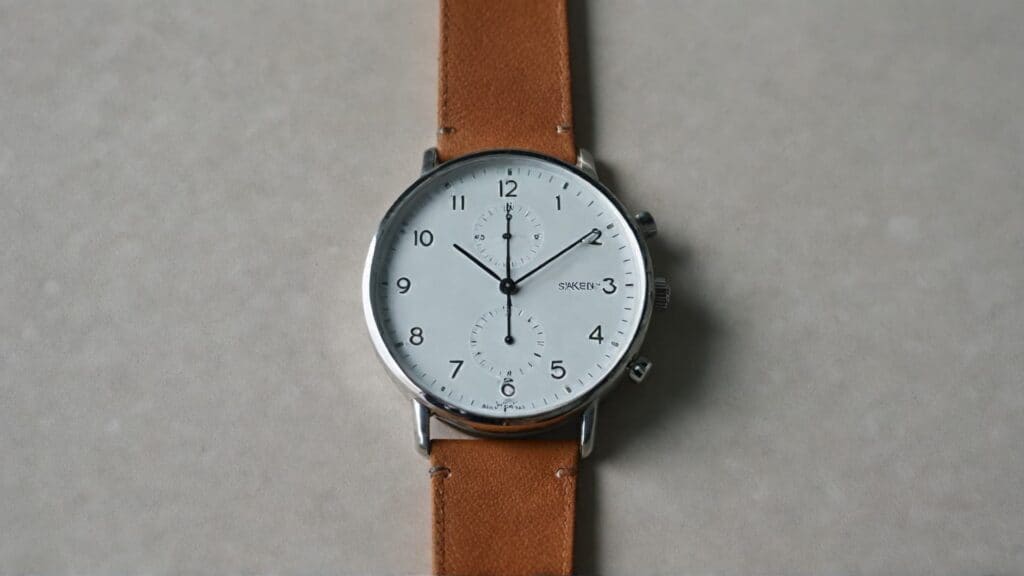
The band or strap connects your watch to your wrist and significantly impacts comfort, durability, and overall wearing experience throughout each day. Band materials range from traditional leather that offers classic elegance and breathability to modern rubber compounds designed for extreme sports and water resistance. The choice between metal bracelets, fabric straps, leather bands, and synthetic materials affects everything from formal appropriateness to maintenance requirements, with each option bringing distinct advantages in comfort, longevity, style versatility, and price points that cater to different lifestyles and preferences.
Leather
Leather straps represent the most traditional and versatile option in watch bands, offering unmatched comfort, breathability, and classic elegance that complements both casual and formal attire. Quality leather develops character over time, molding to your wrist shape while aging gracefully, though different leather types and treatments provide varying levels of durability, water resistance, and maintenance requirements that affect long-term satisfaction and replacement frequency.
- Genuine leather represents the most basic grade, often using lower-quality hides with heavy processing that may include artificial grains or heavy finishing to hide imperfections. While affordable, genuine leather straps typically last 6-12 months with regular wear before showing significant signs of cracking, stretching, or deterioration, making them suitable for budget-conscious buyers or occasional wear situations.
- Top-grain leather removes the outermost layer of the hide and applies an artificial grain pattern, offering better durability than genuine leather while maintaining reasonable pricing. These straps typically last 12-18 months with daily wear and provide good comfort and appearance, though they lack the natural aging characteristics and premium feel of full-grain alternatives.
- Full-grain leather preserves the complete hide surface with all natural grain patterns intact, representing the highest quality option that develops beautiful patina over years of wear. These premium straps can last 2-5 years or more with proper care, offering superior comfort, breathability, and aging characteristics that make each strap unique, though they command premium pricing.
- Exotic leather options including alligator, crocodile, ostrich, and shark provide distinctive textures and patterns that create luxury statement pieces with exceptional durability and unique aesthetics. These premium materials can last decades with proper care and often cost more than the watch itself, making them investment pieces that add significant value and exclusivity to any timepiece.
- Water resistance varies dramatically between leather types, with untreated leather suffering damage from moisture, sweat, and humidity that can cause cracking, stretching, and odor development. Treated leather straps offer improved moisture resistance but still require careful drying after exposure to water, while some modern leather treatments provide near-waterproof performance for active lifestyles.
- Comfort advantages include natural breathability that prevents moisture buildup against the skin, flexibility that adapts to wrist movement throughout the day, and soft texture that becomes more comfortable over time. Quality leather straps also distribute weight evenly across the wrist, reducing pressure points that can develop with rigid metal bracelets during extended wear.
- Maintenance requirements include regular cleaning with appropriate leather cleaners, conditioning every few months to prevent cracking and maintain flexibility, and proper drying techniques after moisture exposure. Rotation between multiple straps extends lifespan significantly, as leather benefits from rest periods that allow complete moisture evaporation and prevent accelerated wear from constant use.
Leather straps offer timeless elegance and superior comfort that makes them the preferred choice for dress watches, vintage timepieces, and daily wear situations where breathability and flexibility matter more than water resistance or extreme durability. While leather requires more maintenance than synthetic alternatives and needs periodic replacement, the comfort, style versatility, and classic appeal justify the ongoing investment for most watch enthusiasts. The wide range of quality levels and price points ensures that leather options exist for every budget, from affordable genuine leather for casual use to exotic full-grain options that represent lifetime investments in luxury and craftsmanship.
Metal Bracelets
Metal bracelets provide the most durable and secure connection between watch and wrist, offering unmatched longevity and integration with metal watch cases that creates a cohesive, premium appearance. These engineered links distribute weight evenly while providing excellent security and professional aesthetics, though comfort, adjustability, and maintenance requirements vary significantly between construction methods and quality levels that affect long-term satisfaction and value.
- Solid link construction uses fully formed metal pieces throughout the bracelet, providing maximum durability, weight, and premium feel that luxury watch buyers expect. These bracelets can last decades without structural issues and maintain their appearance through extensive wear, though the substantial weight may become uncomfortable during extended periods and the higher material costs result in premium pricing.
- Hollow link construction reduces weight and material costs by creating links with hollow interiors, making bracelets more comfortable for daily wear while maintaining reasonable durability for most users. Quality hollow links provide excellent longevity for typical use patterns, though they may dent more easily than solid construction and can feel less substantial, potentially affecting the perceived value of the overall timepiece.
- Stainless steel bracelets offer excellent corrosion resistance, scratch tolerance, and compatibility with most skin types, making them ideal for daily wear in various environments from office settings to outdoor activities. The material accepts both brushed and polished finishes that can be restored through professional refinishing, ensuring long-term appearance maintenance and value retention.
- Clasp mechanisms include deployment clasps that provide security and ease of use, fold-over clasps that offer traditional simplicity and reliability, and adjustable clasps with micro-adjustment positions for perfect fit throughout the day. Higher-quality clasps include safety mechanisms to prevent accidental opening and fine adjustment systems that accommodate wrist size changes from temperature, activity, and time of day.
- Sizing adjustments typically require removing or adding links using specialized tools, with quality bracelets including extra links and proper tools for home adjustment. Professional sizing ensures optimal fit and appearance, as improper link removal can affect bracelet balance and may damage connecting pins or screws that require expensive repair or replacement.
- Maintenance involves regular cleaning to remove accumulated dirt, oils, and debris that can affect clasp operation and appearance, with ultrasonic cleaning providing deep cleaning for hard-to-reach areas between links. Periodic inspection of pins, screws, and clasp mechanisms helps identify wear before failure occurs, while professional servicing every few years can restore optimal operation and appearance.
- Comfort considerations include link flexibility that affects how the bracelet drapes around the wrist, overall weight distribution that prevents pressure points, and edge finishing that prevents sharp corners from catching on clothing or causing skin irritation. Quality bracelets include comfortable link geometry and smooth edge finishing that makes extended wear pleasant rather than burdensome.
Metal bracelets represent the ultimate in durability and security for valuable timepieces, offering decades of reliable service with minimal maintenance requirements and excellent integration with metal watch cases. While the initial investment is higher than leather or synthetic alternatives, metal bracelets provide superior long-term value through exceptional longevity and the ability to restore original appearance through professional refinishing. The weight and adjustment complexity may not suit all users, but for those who prioritize durability, security, and classic aesthetics, metal bracelets offer unmatched performance and timeless appeal that justifies the premium investment.
Rubber/Silicone
Rubber and silicone straps revolutionize active watch wearing with exceptional water resistance, comfort, and durability that withstands extreme conditions while maintaining flexibility and hypoallergenic properties. These synthetic materials excel in sports applications, marine environments, and situations where traditional materials would fail, offering easy maintenance and consistent performance across temperature extremes and chemical exposure that would damage leather or corrode metal components.
- High-quality rubber straps use vulcanized natural rubber or advanced synthetic compounds that provide exceptional tear resistance, flexibility, and longevity under demanding conditions including saltwater exposure, extreme temperatures, and chemical contact. These premium materials can last 3-5 years with intensive use while maintaining their original properties and appearance, though lower-quality rubber may degrade quickly when exposed to UV radiation or ozone.
- Silicone straps offer superior chemical resistance and temperature stability compared to natural rubber, maintaining flexibility from arctic conditions to desert heat while resisting degradation from sunscreen, chlorine, and other chemicals that swimmers and outdoor enthusiasts encounter regularly. Medical-grade silicone provides excellent biocompatibility for sensitive skin and extended contact periods without causing reactions or discoloration.
- Water resistance represents the primary advantage of rubber and silicone straps, as these materials remain completely unaffected by moisture, saltwater, chlorine, and submersion that would damage leather or cause corrosion in metal components. This makes them ideal for swimming, diving, surfing, and marine activities where other strap materials would require removal or suffer permanent damage.
- Comfort benefits include lightweight construction that reduces overall watch weight, flexibility that moves naturally with wrist motion during sports activities, and smooth surfaces that don’t trap dirt, sweat, or debris against the skin. Quality rubber straps also provide excellent grip that prevents watch rotation during active movement while remaining comfortable during extended wear periods.
- Easy maintenance requires only soap and water cleaning to remove accumulated dirt, oils, and debris, with most rubber and silicone straps being dishwasher safe for deep cleaning when necessary. UV exposure represents the primary threat to rubber longevity, causing brittleness and cracking over time, though modern compounds include UV stabilizers that extend lifespan significantly compared to older formulations.
- Color and texture options have expanded dramatically in recent years, with manufacturers offering everything from classic black and military colors to bright fashion statements and textured surfaces that improve grip and aesthetics. Many rubber straps now feature color-through construction that prevents visible wear at stress points, while others incorporate decorative elements or brand-specific patterns.
- Temperature performance allows rubber and silicone straps to remain flexible and comfortable across extreme temperature ranges that would make leather brittle or metal uncomfortable to touch. This stability makes them excellent choices for outdoor activities, travel to extreme climates, and professional applications where temperature variations are common throughout the day.
Rubber and silicone straps represent the optimal choice for active lifestyles, water sports, and situations where durability and performance matter more than traditional aesthetics or luxury appeal. While these materials may not provide the classic elegance of leather or premium feel of metal bracelets, their exceptional functionality, easy maintenance, and reasonable pricing make them indispensable for sports watches and casual timepieces. The wide variety of quality levels and design options ensures that rubber and silicone straps can complement everything from budget fitness trackers to luxury dive watches, providing reliable performance and comfort across all price points and use cases.
Fabric/NATO Straps
Fabric straps, particularly NATO-style military straps, offer exceptional versatility, comfort, and security through their unique single-piece construction that passes under the watch case and provides backup retention even if spring bars fail. These textile options combine breathability, lightweight comfort, and easy customization with military-proven durability and the ability to completely transform a watch’s appearance instantly through simple strap changes that require no tools or permanent modifications.
- NATO strap construction features a single continuous piece of woven nylon that passes under both spring bars and around the wrist, creating a backup retention system that prevents watch loss even if one spring bar fails during active use. This military-developed design has proven itself through decades of field use in demanding conditions, offering security that metal bracelets and traditional two-piece straps cannot match.
- Breathability advantages make fabric straps ideal for hot climates, intense physical activity, and extended wear periods where leather would become uncomfortable and rubber might trap moisture against the skin. The woven construction allows air circulation that keeps the wrist dry and comfortable, while quick-drying properties mean fabric straps remain pleasant even after exposure to water or heavy perspiration.
- Material options range from basic nylon webbing that provides military durability at budget prices to premium materials including seat belt nylon, parachute cord, and even exotic textiles like shark mesh or carbon fiber weaving. Higher-quality materials offer improved comfort, durability, and aesthetics while maintaining the fundamental advantages of fabric construction and easy maintenance.
- Color and pattern variety allows nearly unlimited customization options, with manufacturers offering everything from traditional military colors and camouflage patterns to bold fashion statements and brand-specific designs. This variety makes it possible to own multiple straps for different occasions while spending less than a single premium leather strap, enabling extensive personalization and style flexibility.
- Adjustment simplicity requires only pulling the strap through metal rings or buckles to achieve perfect fit, with excess strap length tucked under retaining loops to prevent flapping or catching. This system accommodates significant wrist size changes throughout the day and allows sharing watches between people with different wrist sizes without permanent modifications or professional adjustment.
- Maintenance requirements include only machine washing or hand cleaning with soap and water to remove accumulated dirt, sweat, and odors that build up during active use. Most fabric straps dry quickly and maintain their appearance and properties through numerous washing cycles, though some specialized materials may require gentle care to preserve specific treatments or finishes.
- Security features of NATO construction mean the watch remains attached to the wrist even if spring bars break, pins bend, or attachment points fail, providing peace of mind during high-activity situations where watch loss would be catastrophic. This backup retention system has prevented countless watch losses during military operations, sports activities, and outdoor adventures where traditional attachment methods might fail.
- Cost effectiveness allows watch enthusiasts to own multiple straps for different occasions, activities, and style preferences without significant investment, making fabric straps excellent options for experimenting with different looks or maintaining backup straps for travel and active use. Quality NATO straps cost a fraction of premium leather or metal alternatives while providing excellent functionality and durability.
Fabric straps represent the ultimate in versatility and practicality for watch enthusiasts who value function, security, and style flexibility over traditional luxury materials. While fabric may not provide the premium feel of metal bracelets or classic elegance of leather, the combination of military-proven security, exceptional comfort, easy maintenance, and unlimited customization options makes fabric straps indispensable tools for active users and style-conscious wearers alike. The ability to instantly transform any watch’s appearance and personality through simple strap changes, combined with budget-friendly pricing and proven durability, ensures that fabric straps remain popular choices across all segments of the watch market.
Exotic Materials
Exotic strap materials push the boundaries of traditional watchmaking by incorporating luxury materials, innovative synthetics, and unique natural substances that create distinctive aesthetics and specialized performance characteristics. These premium options range from rare animal skins that have adorned luxury goods for centuries to cutting-edge synthetic materials that offer unprecedented durability and functionality, each bringing unique properties that justify their premium pricing through exceptional craftsmanship, rarity, or performance advantages.
- Alligator leather represents the pinnacle of luxury strap materials, with genuine American alligator offering distinctive square scales and exceptional durability that can last decades with proper care. The natural scale pattern creates a unique texture that’s impossible to replicate artificially, while the leather’s density and structure provide superior longevity compared to conventional hide. Premium alligator straps often cost more than entry-level watches but offer investment-grade quality and prestige that appreciates over time.
- Crocodile leather provides similar luxury appeal with slightly different scale patterns and textures, sourced from various species including Nile, saltwater, and American crocodiles that each offer distinct characteristics. The leather requires extensive processing and finishing that can take weeks to complete, resulting in straps that combine exceptional durability with unique natural beauty that develops character through wear while maintaining structural integrity for years.
- Ostrich leather features distinctive quill follicle patterns that create a luxurious bumpy texture unlike any other material, combined with exceptional softness and flexibility that makes it extremely comfortable for daily wear. The natural oils in ostrich leather provide inherent water resistance and prevent cracking that affects other exotic materials, while the unique texture pattern ensures that each strap has individual character that cannot be duplicated.
- Shark leather offers superior durability and water resistance compared to conventional leather, with natural texture patterns that provide excellent grip and distinctive aesthetics. The dense fiber structure of shark skin creates naturally antibacterial properties and exceptional tear resistance, making it ideal for sports watches and marine applications where other exotic materials would be impractical or suffer damage from moisture exposure.
- Stingray leather provides one of the most durable natural materials available, with distinctive pearl-like bumps and incredible tear resistance that exceeds even synthetic materials in many applications. The natural calcium deposits in stingray skin create a unique texture and appearance that’s virtually indestructible under normal use, while the leather’s natural properties make it naturally water-resistant and antibacterial.
- Metal mesh straps, particularly Milanese mesh, offer the breathability of fabric with the durability and prestige of metal construction, using intricately woven stainless steel wires that create flexible, comfortable bands. The mesh construction allows air circulation while providing excellent security and longevity, with magnetic or traditional buckle closures that enable infinite adjustment for perfect fit throughout the day.
- Wooden watch straps bring natural beauty and lightweight comfort through carefully selected and treated woods that provide unique grain patterns and environmental sustainability. Modern wood treatments ensure water resistance and durability while maintaining the natural characteristics that make each strap unique, though these materials require more careful handling than synthetic alternatives and may not suit all lifestyle applications.
- Carbon fiber straps extend the high-tech aesthetic of carbon fiber cases while providing exceptional strength-to-weight ratios and distinctive woven patterns that emphasize technical sophistication. These straps resist scratches, chemicals, and temperature extremes while remaining lightweight and comfortable, though the specialized manufacturing processes result in premium pricing and limited repair options if damage occurs.
Exotic strap materials represent the ultimate expression of personal style and luxury in watch accessories, offering unique combinations of aesthetics, performance, and craftsmanship that justify their premium positioning in the luxury market. While these materials require higher initial investments and often more specialized care than conventional options, their distinctive appearance, exceptional durability, and exclusivity make them worthwhile investments for collectors and enthusiasts who appreciate the finest materials and craftsmanship. The choice of exotic materials allows watch owners to create truly personalized timepieces that reflect individual taste and style preferences while enjoying the superior performance and longevity that these premium materials provide.
Best Watch Crystal Types
The crystal serves as your watch’s window to the dial while protecting the delicate hands and markers from dust, moisture, and physical damage that could affect both appearance and functionality. Crystal materials range from basic acrylic that offers affordability and easy maintenance to synthetic sapphire that provides nearly scratchproof protection, with each option balancing factors like scratch resistance, clarity, cost, and repairability that significantly impact the watch’s long-term appearance, maintenance requirements, and overall value proposition.
Sapphire Crystal
Sapphire crystal represents the premium standard in watch protection, offering exceptional scratch resistance and optical clarity that maintains pristine appearance through years of daily wear and harsh conditions. This laboratory-grown synthetic sapphire ranks 9 on the Mohs hardness scale, making it nearly scratchproof under normal use conditions and explaining its widespread adoption in luxury timepieces where long-term appearance and durability justify the premium manufacturing costs.
- Scratch resistance approaching diamond hardness means sapphire crystals resist damage from virtually all materials encountered in daily life, including keys, coins, concrete, and metal objects that would scratch mineral or acrylic crystals immediately. Only diamond, corundum, and specialized cutting tools can scratch sapphire, making visible damage extremely rare under normal wearing conditions and ensuring the crystal maintains perfect clarity for decades.
- Optical clarity surpasses mineral glass and acrylic alternatives, providing distortion-free viewing of the dial with minimal light refraction that could affect readability or aesthetic appeal. High-quality sapphire crystals transmit over 99% of visible light while maintaining perfect flatness across the entire surface, ensuring optimal dial visibility under all lighting conditions without the optical distortions that can affect cheaper alternatives.
- Anti-reflective coatings applied to sapphire crystals further enhance readability by reducing surface reflections that can obscure dial details in bright lighting conditions. These specialized coatings, typically applied to the inner surface to prevent wear, can reduce reflections by 90% or more while maintaining the crystal’s scratch resistance and optical properties for improved functionality in outdoor and high-light environments.
- Manufacturing complexity requires specialized equipment and processes to grow synthetic sapphire boules and machine them into precise crystal shapes, contributing to higher costs compared to mineral or acrylic alternatives. The hardness that provides excellent scratch resistance also makes sapphire difficult to machine, requiring diamond-coated tools and precise techniques that increase manufacturing time and costs significantly.
- Shatter resistance represents sapphire’s primary limitation, as the material can crack or shatter from impacts that would merely chip mineral glass or bounce off acrylic crystals. While extremely rare under normal use, dropping a watch onto concrete or striking it against hard surfaces can cause irreparable damage that requires complete crystal replacement by qualified professionals with specialized equipment.
- Replacement costs for damaged sapphire crystals significantly exceed mineral or acrylic alternatives due to material costs and specialized installation requirements that demand precision equipment and expert skills. Many manufacturers charge $200-500 or more for sapphire crystal replacement, making careful handling important despite the material’s excellent scratch resistance and normal durability.
- Heat resistance allows sapphire crystals to withstand extreme temperature changes without cracking or optical distortion that can affect other crystal materials, making them ideal for watches used in demanding environments including aviation, diving, and industrial applications where temperature extremes are common.
Sapphire crystal represents the ultimate in watch protection for users who prioritize long-term appearance and functionality over initial cost considerations. While the premium pricing and potential for impact damage require consideration, sapphire’s exceptional scratch resistance and optical clarity provide unmatched performance for daily wear timepieces that should maintain pristine appearance through years or decades of use. The investment in sapphire crystal technology pays dividends for luxury watch owners and daily wear enthusiasts who want to minimize visible signs of wear while enjoying optimal dial visibility and readability under all conditions.
Mineral Crystal
Mineral crystal provides an excellent balance between cost, durability, and optical clarity that makes it the preferred choice for mid-range watches and practical timepieces where budget considerations must be balanced with reasonable protection and appearance. This chemically strengthened glass offers significantly better scratch resistance than acrylic while remaining much more affordable than sapphire, creating a practical middle ground that suits most users’ needs and expectations.
- Hardness rating of approximately 5.5-6 on the Mohs scale provides good scratch resistance against common materials like plastic, wood, and soft metals, though the crystal will show scratches from harder materials including sand, concrete, keys, and coins that contact the surface during normal wear. This level of protection suits most daily wear situations while keeping costs reasonable for watches in the $100-1000 price range.
- Optical clarity approaches sapphire quality while remaining significantly more affordable, providing clear dial viewing with minimal distortion that maintains good readability and aesthetic appeal. The glass composition allows excellent light transmission and color accuracy that preserves the intended appearance of dial colors and finishes without the slight tinting that can affect some acrylic crystals over time.
- Manufacturing efficiency uses established glass-making techniques that keep production costs low while maintaining consistent quality and availability, making mineral crystal practical for mass-produced watches that need reliable protection without premium pricing. The material can be shaped, polished, and installed using conventional equipment that most watch manufacturers and service centers already possess.
- Scratch repair possibilities exist for minor surface scratches through polishing compounds and techniques that can restore acceptable appearance, though deep scratches typically require professional attention or complete replacement. This repairability represents an advantage over sapphire, where scratches are rare but essentially permanent, and provides a cost-effective maintenance option for heavily used timepieces.
- Impact resistance exceeds sapphire crystal performance, as mineral glass tends to chip rather than shatter completely when subjected to impacts that would destroy sapphire crystals. While chips are visible and affect appearance, they typically don’t compromise the crystal’s protective function immediately, allowing continued use until replacement becomes convenient or necessary.
- Replacement costs remain reasonable compared to sapphire alternatives, with most service centers able to source and install mineral crystals for $50-150 depending on size and shape requirements. The widespread availability and conventional installation techniques mean replacement doesn’t require specialized equipment or extensive downtime that can affect expensive watch servicing.
- Chemical resistance provides good protection against common substances including cleaning products, cosmetics, and environmental contaminants that might affect dial or movement components if the crystal failed. The glass composition resists most household chemicals and maintains its optical properties without clouding or discoloration that can develop in some plastic alternatives over time.
Mineral crystal represents the practical choice for most watch users who want reliable protection and good optical performance without the premium costs associated with sapphire or the limitations of acrylic alternatives. While mineral crystal will show more wear than sapphire over time, its reasonable scratch resistance, excellent optical clarity, and affordable replacement costs make it ideal for daily wear watches, sports timepieces, and situations where practicality matters more than ultimate durability. The balance of performance and cost ensures that mineral crystal remains popular across a wide range of watch categories and price points.
Acrylic/Plexiglass
Acrylic crystal, also known as plexiglass or plastic crystal, offers unique advantages in vintage watch applications and budget timepieces where cost, safety, and easy maintenance outweigh the limitations of lower scratch resistance. This polymer material dominated watchmaking for decades before mineral and sapphire alternatives became widespread, and continues to provide practical benefits in specific applications where its unique properties justify continued use despite modern alternatives.
- Scratch susceptibility represents acrylic’s primary limitation, as the soft plastic surface shows scratches from virtually any contact with harder materials including fingernails, paper, and clothing fibers that leave visible marks during normal handling. While this makes acrylic unsuitable for users who prioritize pristine appearance, the ease of scratch removal often compensates for the material’s tendency to show wear quickly.
- Scratch removal simplicity allows users to restore acrylic crystals to like-new condition using readily available polishing compounds, fine abrasives, or even toothpaste in emergency situations. The soft material responds well to hand polishing techniques that can eliminate scratches in minutes, making maintenance possible without professional service or expensive replacement procedures that other crystal materials require.
- Shatter resistance provides excellent safety characteristics, as acrylic crystals tend to crack or deform rather than creating sharp fragments that could cause injury during impacts or accidents. This safety advantage made acrylic popular in military applications and children’s watches where impact resistance and user safety outweighed appearance concerns and scratch resistance requirements.
- Vintage authenticity makes acrylic crystals essential for properly restoring historic timepieces where original appearance and period-correct materials matter more than modern performance advantages. Many collectors specifically seek acrylic crystals for vintage watches to maintain historical accuracy and preserve the original character that mineral or sapphire replacements would compromise.
- Manufacturing economy allows acrylic crystals to be produced at very low costs using simple molding and machining techniques that keep watch prices affordable for entry-level timepieces and fashion watches. The material’s low cost and easy processing make it practical for watches where crystal quality isn’t a primary selling point or where frequent replacement is expected.
- Optical properties provide adequate clarity for dial viewing, though acrylic may develop slight yellowing or clouding over years of UV exposure that can affect appearance and readability. The material’s refractive index differs from glass alternatives, creating slight optical distortion that’s noticeable in side-by-side comparisons but rarely problematic in actual use situations.
- Temperature performance allows acrylic crystals to flex with temperature changes without cracking, though extreme heat can cause permanent deformation or melting that requires replacement. The material’s flexibility provides some impact protection but also means the crystal may develop permanent indentations from severe impacts that would shatter harder materials.
- Weight reduction contributes to overall watch lightness that some users prefer, particularly in large sports watches or children’s timepieces where every gram matters for comfort and wearability. The density difference between acrylic and glass alternatives is small but noticeable in precision applications or when weight distribution affects wearing comfort.
Acrylic crystals serve specific niches in modern watchmaking where their unique combination of affordability, safety, and easy maintenance outweighs the limitations of lower scratch resistance and optical quality. While most users prefer the superior performance of mineral or sapphire alternatives, acrylic remains valuable for vintage restorations, budget timepieces, children’s watches, and applications where easy maintenance and impact safety matter more than pristine appearance. The ability to restore scratched acrylic crystals to perfect condition using simple techniques provides ongoing value that can offset the material’s tendency to show wear more readily than modern alternatives.
Watch Mechanism Materials
The internal components of a watch represent the heart of timekeeping precision, comprising hundreds of precisely engineered parts that work together to measure and display time accurately over years or decades of continuous operation. These components must withstand constant motion, temperature variations, and the effects of gravity while maintaining tolerances measured in fractions of millimeters, requiring specialized materials that combine durability, precision, and resistance to wear, corrosion, and magnetic interference that could affect timekeeping accuracy.
Movement Materials
Movement materials represent the pinnacle of precision engineering, requiring exceptional dimensional stability, wear resistance, and magnetic properties that enable accurate timekeeping through billions of operating cycles over the watch’s lifetime. These carefully selected alloys and synthetic materials must maintain their properties under constant stress while operating in confined spaces where even microscopic wear particles could disrupt the delicate balance required for precise time measurement.
- Stainless steel components form the backbone of most modern watch movements, providing excellent corrosion resistance and dimensional stability for plates, bridges, and structural elements that support the entire mechanism. High-grade stainless steel maintains its shape and surface finish through decades of operation while resisting the effects of humidity, temperature changes, and chemical exposure that could affect movement accuracy or longevity over time.
- Brass components offer excellent machinability and traditional craftsmanship appeal in many movement parts including plates, wheels, and decorative elements where precise forming and finishing are critical for both function and aesthetics. The material’s natural lubricity and stable dimensions make it ideal for components that require precise tolerances, though modern movements increasingly use stainless steel for improved corrosion resistance and magnetic properties.
- Nickel-based alloys provide specialized properties for critical components including mainsprings and balance springs where elasticity, fatigue resistance, and magnetic immunity are essential for accurate timekeeping. These advanced materials maintain consistent performance across temperature ranges and resist the magnetic fields that can affect traditional steel components, ensuring stable regulation regardless of environmental conditions.
- Silicon components represent cutting-edge movement technology, offering exceptional dimensional stability, magnetic immunity, and self-lubricating properties that eliminate the need for traditional oils in escapement components. Silicon’s unique properties allow for more precise manufacturing tolerances and improved long-term accuracy, though the specialized manufacturing techniques result in higher costs that limit adoption to premium timepieces.
- Titanium components provide lightweight strength and superior magnetic resistance for specialized applications including rotors in automatic movements and structural elements where weight reduction improves performance. The material’s biocompatibility and corrosion resistance also make it ideal for movement components that might be exposed to moisture or skin contact during service procedures.
- Gold components serve both functional and decorative purposes, with gold-plated or solid gold elements providing superior corrosion resistance and luxury aesthetics in high-end movements. Gold’s excellent electrical conductivity and chemical stability make it valuable for electrical contacts and specialized components where reliability and prestige justify the premium material costs.
- Jewel bearings made from synthetic ruby or sapphire provide virtually frictionless pivots for moving components, with their extreme hardness and smooth surfaces enabling decades of operation without measurable wear. These synthetic gems, identical to natural stones except for their laboratory origin, offer consistent quality and properties that natural stones cannot match, while their immunity to magnetism and chemicals ensures stable performance throughout the movement’s lifetime.
Movement materials represent the culmination of centuries of horological development, combining traditional craftsmanship with modern materials science to create mechanisms capable of remarkable precision and longevity. The careful selection and processing of these specialized materials enables mechanical watches to achieve accuracy within seconds per day while operating continuously for decades with minimal maintenance. The investment in premium movement materials justifies itself through improved reliability, accuracy, and longevity that makes quality timepieces valuable long-term investments rather than mere accessories, ensuring that well-made movements continue functioning accurately long after their original owners are gone.
Watch Coatings and Treatments
Surface coatings and treatments enhance watch materials by improving their appearance, durability, and performance characteristics beyond what base materials can provide alone. These advanced processes range from decorative finishes that create unique colors and textures to functional coatings that provide superior hardness, corrosion resistance, and wear protection, allowing manufacturers to combine the best properties of different materials while creating distinctive aesthetics that would be impossible with traditional materials and finishing techniques alone.
PVD (Physical Vapor Deposition)
PVD coating revolutionizes watch finishing by depositing ultra-thin layers of advanced materials onto base metals, creating surface properties that dramatically exceed those of the underlying material while maintaining precise dimensional control and exceptional adhesion. This high-tech process, originally developed for aerospace and cutting tool applications, enables watchmakers to achieve exotic colors, superior hardness, and enhanced corrosion resistance that transforms affordable base materials into premium-performing surfaces.
- Process technology uses vacuum chambers and plasma energy to vaporize coating materials at the molecular level, allowing them to condense onto watch components as extremely thin, uniform layers that bond at the atomic level with the substrate. This precise control enables coating thicknesses measured in microns while maintaining perfect dimensional accuracy and surface finish quality that traditional plating methods cannot achieve.
- Color options extend far beyond natural metal appearances, with PVD capable of producing deep blacks, rich golds, warm browns, and even exotic colors like blue, purple, and green that are impossible with conventional finishing techniques. These colors result from the optical properties of the coating materials themselves rather than dyes or pigments, ensuring they won’t fade, chip, or wear off like painted surfaces.
- Hardness improvements can increase surface hardness by 300-500% compared to the base material, with some PVD coatings achieving hardness levels approaching ceramic materials while maintaining the flexibility and impact resistance of the underlying metal. This dramatic improvement in scratch resistance helps watches maintain their pristine appearance through years of daily wear that would leave uncoated surfaces heavily marked.
- Adhesion excellence results from the atomic-level bonding that occurs during the PVD process, creating coating adhesion that’s actually stronger than many base materials themselves. Properly applied PVD coatings won’t peel, flake, or delaminate like electroplated finishes, though they can wear through at high-contact areas after years of intensive use, revealing the base material underneath.
- Thickness control allows PVD coatings to be applied in layers as thin as 0.5-5 microns, maintaining precise fit and finish of watch components while adding negligible weight or dimensional changes. This precision enables coating of complex watch parts including movement components, bracelet links, and case details without affecting their function or requiring post-coating machining.
- Durability advantages include excellent chemical resistance, UV stability, and wear resistance that maintains appearance and performance through environmental exposure that would damage traditional finishes. PVD coatings resist corrosion from saltwater, sweat, and household chemicals while maintaining their color and surface properties without the periodic maintenance that precious metal plating requires.
- Environmental benefits make PVD coating more environmentally friendly than traditional electroplating processes, as the vacuum-based system produces no liquid waste streams and uses minimal chemical processing. The coating materials are also typically more biocompatible than traditional plating solutions, reducing skin sensitivity issues for users with metal allergies.
- Repair considerations require complete stripping and reapplication of PVD coatings when damage occurs, as the thin coating layers cannot be spot-repaired or polished like thicker electroplated finishes. This makes careful handling important despite the coating’s excellent durability, and repair costs can be significant due to the specialized equipment and processes required for proper reapplication.
PVD coating represents one of the most significant advances in watch finishing technology, enabling affordable timepieces to achieve premium appearance and performance characteristics that were previously available only in precious metal watches. While the initial coating process requires specialized equipment and expertise, the resulting durability and aesthetic options justify the investment for both manufacturers and consumers who want long-lasting beauty and protection. The technology continues advancing with new coating materials and processes that promise even better performance and more exotic finishes for future watch applications.
DLC (Diamond-Like Carbon)
DLC coating applies one of the hardest materials known to science onto watch surfaces, creating an ultra-thin layer that approaches diamond’s legendary hardness while maintaining the flexibility and toughness needed for practical watch applications. This advanced carbon-based coating, developed for cutting tools and aerospace applications, provides unmatched scratch resistance and distinctive aesthetics that have made it increasingly popular in luxury sports watches and tool watches where ultimate durability justifies the premium coating costs.
- Hardness characteristics approach those of natural diamond, with DLC coatings typically measuring 2000-4000 HV (Vickers hardness) compared to 200-300 HV for hardened stainless steel, providing scratch resistance that exceeds even ceramic materials in most practical applications. This exceptional hardness means DLC-coated surfaces resist damage from virtually any material encountered in daily use, maintaining mirror-like finishes through years of intensive wear.
- Carbon structure creates the coating’s remarkable properties through a network of carbon atoms bonded in diamond-like configurations that provide exceptional strength and stability at the molecular level. The sp3 carbon bonds that characterize diamond are responsible for the coating’s hardness, while the manufacturing process allows control of the exact carbon structure to optimize specific properties for watch applications.
- Adhesion technology uses specialized surface preparation and deposition techniques to ensure permanent bonding between the DLC coating and the substrate material, preventing the delamination issues that can affect other hard coatings. Proper surface preparation and intermediate bonding layers create coating systems that are actually stronger than many base materials, ensuring long-term durability under demanding conditions.
- Appearance options include various shades of black and gray that create distinctive aesthetics impossible with traditional finishing techniques, from deep matte blacks that absorb light completely to subtle gray tones that provide sophisticated elegance. The coating’s optical properties can be fine-tuned during application to achieve specific visual effects while maintaining the exceptional hardness and durability characteristics.
- Friction reduction provides additional performance benefits beyond hardness, as DLC’s low coefficient of friction reduces wear between moving parts and can actually improve mechanical efficiency in some applications. This property makes DLC valuable for movement components and rotating bezels where reduced friction contributes to smoother operation and extended component life.
- Chemical inertness makes DLC coatings virtually immune to corrosion, chemical attack, and environmental degradation that can affect other coating materials over time. The stable carbon structure resists acids, bases, solvents, and environmental contaminants while maintaining its properties across extreme temperature ranges that might affect other surface treatments.
- Biocompatibility advantages make DLC coatings ideal for users with sensitive skin or metal allergies, as the chemically inert carbon surface eliminates skin reactions that can occur with metal surfaces. This property, combined with the coating’s antibacterial characteristics, makes DLC particularly valuable for sports watches and timepieces used in medical or food service environments.
- Manufacturing complexity requires specialized vacuum deposition equipment and precise process control that contributes to higher costs compared to conventional coating methods. The equipment investment and processing time needed for quality DLC application limit its use to premium timepieces where the performance benefits justify the additional manufacturing expense.
- Repair limitations mean that damaged DLC coatings typically require complete removal and reapplication rather than spot repair, as the thin coating layers cannot be locally restored without specialized equipment. While the coating’s exceptional durability makes damage rare under normal use conditions, impacts that do cause coating failure often require factory-level service capabilities for proper restoration.
DLC coating represents the ultimate in protective watch finishes, providing unmatched hardness and durability that justifies its use in the most demanding watch applications. While the specialized manufacturing requirements result in premium pricing, the coating’s exceptional performance and distinctive appearance make it increasingly popular among serious watch enthusiasts who demand maximum protection and unique aesthetics. The technology continues evolving with new deposition techniques and carbon structures that promise even better performance and broader application possibilities for future timepiece protection and decoration.
Choosing Watch Materials: Lifestyle and Budget Tips
Selecting the optimal materials for your watch requires careful consideration of how you live, work, and play, as the wrong material choices can lead to discomfort, premature wear, or disappointment with your timepiece’s performance over time. The best watch materials balance your practical needs with aesthetic preferences while staying within budget constraints, ensuring that your investment provides years of satisfaction rather than regret. Understanding how different materials perform in real-world conditions helps you make informed decisions that align with your lifestyle and expectations rather than falling for marketing claims or superficial appeal.
Lifestyle Considerations
Your daily activities and environment significantly impact which watch materials will provide optimal performance and satisfaction over time, making lifestyle assessment the most important factor in material selection. Different materials excel in specific conditions while potentially failing in others, so honest evaluation of how you’ll actually use your watch ensures you choose materials that enhance rather than limit your timepiece experience.
- Active lifestyle demands prioritize durability and comfort over luxury aesthetics, making titanium cases, rubber straps, and sapphire crystals ideal for sports, outdoor activities, and physical work where impacts, moisture, and constant movement are common. These materials resist damage from the bumps, scrapes, and environmental exposure that would quickly degrade leather straps or precious metal cases, while their comfort characteristics prevent the watch from becoming a burden during extended activities.
- Office environments favor professional appearance and comfort during long wearing periods, making stainless steel cases with leather straps or metal bracelets optimal for business settings where appearance matters but extreme durability isn’t essential. These combinations provide the gravitas and sophistication expected in professional environments while offering reasonable durability for daily commuting and office activities without excessive weight or maintenance requirements.
- Water exposure frequency determines strap material selection more than any other factor, as leather deteriorates rapidly with regular moisture contact while rubber and metal options thrive in aquatic environments. Daily swimmers, surfers, or workers in humid conditions require completely waterproof strap materials, while occasional water exposure can be accommodated with treated leather or quick-change strap systems that allow material switching.
- Climate considerations affect material comfort and durability, with hot, humid environments favoring breathable straps and corrosion-resistant cases, while cold climates may make metal bracelets uncomfortably cold against the skin. Desert conditions demand UV-resistant materials and sand-resistant finishes, while tropical environments require maximum corrosion protection and quick-drying capabilities that maintain comfort despite constant humidity.
- Maintenance preferences should align with material requirements, as some users enjoy the ritual of leather conditioning and metal polishing while others prefer the set-and-forget nature of synthetic materials and treated surfaces. High-maintenance materials like exotic leather or polished precious metals require regular attention to maintain their appearance, while ceramic, titanium, and quality synthetic materials maintain their properties with minimal care.
- Budget allocation affects material quality within each category, as even stainless steel varies dramatically in quality between price points, while budget constraints may necessitate compromising on crystal quality or strap materials to afford a better case material. Understanding where to prioritize spending ensures you get the best overall package rather than overspending on less important features while skimping on daily-use materials.
- Longevity expectations should match material capabilities, as some materials like precious metals and sapphire crystals can last generations with proper care, while others like rubber straps and acrylic crystals are essentially consumable items that require periodic replacement. Aligning material selection with your intended ownership period prevents disappointment and ensures appropriate value for your investment timeline.
Lifestyle considerations ultimately determine whether expensive materials provide real value or represent wasteful spending on features you won’t use or appreciate. A construction worker benefits more from a titanium case and rubber strap than gold and leather, while an executive may find the reverse true for their needs. Honest assessment of your actual wearing patterns, environmental exposure, and maintenance willingness ensures that material selection enhances your watch experience rather than creating ongoing frustration or premature replacement needs.
Skin Sensitivity
Skin sensitivity and metal allergies affect millions of watch wearers, making material biocompatibility a critical consideration that can determine whether a timepiece becomes a beloved daily companion or an expensive reminder of poor material choices. Understanding common allergens and hypoallergenic alternatives prevents skin reactions while ensuring long-term wearing comfort that allows you to enjoy your watch without health concerns or discomfort.
- Nickel allergies represent the most common watch-related skin sensitivity, affecting an estimated 10-15% of the population with reactions ranging from mild irritation to severe dermatitis that can develop after years of symptom-free wear. Lower-grade stainless steels often contain significant nickel content that can cause problems even for people who previously wore watches without issues, making alloy verification essential for sensitive individuals.
- Hypoallergenic materials including titanium, high-grade stainless steel (316L or better), platinum, and medical-grade ceramics provide safe alternatives for people with known sensitivities or those who want to prevent sensitivity development over time. These materials either contain no allergens or have allergen content below threshold levels that typically don’t trigger reactions even in sensitive individuals.
- Testing procedures can identify potential sensitivities before purchase, including patch testing by dermatologists or simple contact tests where suspected allergen materials are held against the skin for extended periods. Many jewelry stores also offer temporary wearing programs that allow testing watches for several days to identify any sensitivity issues before making final purchase decisions.
- Progressive sensitivity development means that people can become allergic to materials they previously tolerated without problems, particularly with extended exposure to lower-quality alloys that slowly sensitize the immune system over time. This makes choosing hypoallergenic materials important even for people without current sensitivities, as prevention is much easier than managing established allergies.
- Contact area considerations extend beyond just the case back to include buckles, links, and any metal components that touch the skin during normal wear, as sensitivity reactions can occur at any contact point regardless of case material quality. Comprehensive material evaluation ensures that all skin-contact components meet hypoallergenic standards rather than creating problems at unexpected locations.
- Protective barriers including case back shields, strap materials that prevent metal contact, and protective coatings can enable wearing of otherwise problematic materials, though these solutions may affect comfort, aesthetics, or long-term durability. Clear protective films, leather case back covers, and fabric straps can isolate problematic materials while maintaining watch functionality and appearance.
- Sweat interaction amplifies sensitivity reactions by creating acidic conditions that increase metal leaching and skin penetration, making material selection particularly important for active wearers or those in hot climates where perspiration contact is frequent. Moisture-wicking strap materials and quick-drying designs help minimize the contact time and chemical concentration that contribute to sensitivity reactions.
- Professional consultation with dermatologists or allergists can provide definitive identification of specific sensitivities and recommend appropriate materials for individual situations, particularly for people with complex allergy profiles or severe reactions that might be triggered by unexpected materials. Medical professionals can also provide treatment options and monitoring for people who must wear potentially problematic materials for professional or personal reasons.
Skin sensitivity considerations should never be ignored or minimized, as watch-related dermatitis can develop into serious medical conditions that require professional treatment and may create permanent sensitivities that affect future material choices. Choosing appropriate hypoallergenic materials from the beginning prevents these problems while ensuring that your watch investment provides years of comfortable wearing without health complications or the need for expensive material replacements due to sensitivity development.
Style Preferences
Personal style preferences ultimately determine which technically excellent materials will provide long-term satisfaction and versatile wearing options that complement your wardrobe and lifestyle aesthetic. Understanding how different materials convey specific style messages and work with various clothing styles ensures that your watch becomes a coherent part of your personal presentation rather than an awkward accessory that conflicts with your intended image.
- Formal aesthetics traditionally favor precious metals, leather straps, and classic proportions that convey sophistication and respect for traditional craftsmanship, making gold or platinum cases with high-quality leather straps the preferred choice for business attire and formal occasions. These materials provide the gravitas and elegance expected in professional environments while demonstrating attention to quality and detail that colleagues and clients notice and appreciate.
- Casual versatility requires materials that work across a range of clothing styles and social situations, making stainless steel cases with interchangeable strap options ideal for users who want one watch for multiple occasions. Quality stainless steel provides enough sophistication for business casual environments while accepting sport straps for active pursuits, creating maximum flexibility from a single timepiece investment.
- Sports aesthetics emphasize function and durability over luxury appeal, making titanium, ceramic, and synthetic materials appropriate choices that demonstrate serious commitment to performance and active lifestyle priorities. These materials convey competence and practical thinking while providing the durability needed for actual sports use rather than merely fashionable athletic appearance.
- Vintage character appeals to enthusiasts who appreciate historical design and traditional craftsmanship, making materials like acrylic crystals, leather straps, and specific metal finishes essential for achieving authentic period appearance. Modern alternatives may offer superior performance but compromise the historical accuracy and emotional connection that vintage enthusiasts value above practical advantages.
- Color coordination affects how well different materials integrate with personal wardrobe choices and skin tone, as warm metals like gold and rose gold complement different color palettes than cool metals like stainless steel and platinum. Understanding these relationships ensures that your watch enhances rather than conflicts with your clothing choices and natural coloring.
- Personal expression opportunities allow creative individuals to use unique materials and combinations to demonstrate personality and individual style preferences that distinguish them from conventional choices. Exotic straps, colored ceramics, and unusual metal treatments provide conversation starters and personal statements that reflect creativity and willingness to explore beyond traditional boundaries.
- Investment considerations should balance personal preferences with resale value and long-term satisfaction, as highly personal or trendy material choices may not age well or appeal to future buyers if circumstances change. Classic materials and combinations tend to maintain broader appeal and better value retention while still allowing personal expression through specific models and brands.
- Wardrobe integration requires considering how often different materials will coordinate with your existing clothing and planned purchases, ensuring that your watch investment gets maximum use rather than sitting unworn because it doesn’t match your style evolution. Versatile materials and neutral colors typically provide better long-term satisfaction than bold choices that may quickly become tiresome or limiting.
Style preferences should guide but not override practical considerations, as the most beautiful materials provide little satisfaction if they can’t withstand your lifestyle demands or cause ongoing comfort problems. The ideal approach balances aesthetic desires with functional requirements and budget realities, creating a thoughtful selection that provides years of satisfaction across all aspects of watch ownership and use.
How to Care for Different Watch Materials
Proper care and maintenance procedures vary dramatically between different watch materials, requiring specific techniques and products that preserve each material’s unique properties while preventing damage from inappropriate cleaning methods or environmental exposure. Understanding material-specific maintenance requirements ensures optimal appearance and longevity while avoiding costly mistakes that could permanently damage expensive timepieces or void manufacturer warranties through improper care procedures.
- Stainless steel cases and bracelets respond well to mild soap and water cleaning with soft brushes to remove accumulated dirt and oils, followed by thorough rinsing and drying to prevent water spots and mineral deposits. For deeper cleaning, ultrasonic cleaners with appropriate solutions can reach into bracelet links and case crevices, though professional cleaning ensures optimal results without risk of damage to seals or movement components.
- Gold surfaces require gentle cleaning with specialized jewelry cleaners or mild soap solutions that won’t damage the precious metal or remove material through abrasive action, avoiding harsh chemicals or abrasive materials that could scratch the relatively soft gold surface. Professional polishing may be needed periodically to restore luster and remove accumulated scratches, though excessive polishing over time can reduce case thickness and affect proportions.
- Titanium cases benefit from simple soap and water cleaning with soft cloths, as the material’s corrosion resistance and surface hardness make it relatively easy to maintain without special products or techniques. Avoid abrasive cleaners or steel wool that could damage the surface finish, and be aware that titanium scratches differently than steel and may require specialized polishing techniques if restoration becomes necessary.
- Ceramic components can be cleaned with mild abrasives and soap solutions that would damage other materials, taking advantage of the material’s exceptional hardness and chemical resistance to achieve deep cleaning results. However, avoid impacts or pressure that could cause chipping or cracking, and remember that ceramic damage typically requires complete replacement rather than repair.
- Leather straps need careful cleaning with appropriate leather cleaners and conditioners that preserve flexibility while removing dirt and oils, avoiding water saturation that could cause cracking, stiffening, or permanent damage to the leather structure. Regular conditioning helps maintain leather suppleness and prevents cracking, while proper drying techniques after moisture exposure prevent bacterial growth and odor development.
- Rubber and silicone straps tolerate aggressive cleaning including soap, mild bleach solutions, and even dishwasher cleaning that effectively removes bacteria and odors without material damage. These synthetic materials benefit from regular deep cleaning that prevents bacterial buildup and maintains hygiene, particularly important for sports watches exposed to sweat and moisture.
- Fabric straps can typically be machine washed or hand cleaned with standard laundry detergents, taking advantage of textile construction that responds well to conventional cleaning methods. Remove the strap from the watch before washing to prevent moisture damage to the case or movement, and ensure complete drying before reinstallation to prevent trapped moisture issues.
- Crystal surfaces require different approaches based on material type, with sapphire crystals tolerating more aggressive cleaning than mineral glass or acrylic alternatives that may scratch or cloud from inappropriate cleaning agents. Use appropriate crystal cleaners and soft cloths to maintain optical clarity without introducing scratches that could affect readability or appearance.
- Harsh chemicals including bleach, ammonia, acetone, and industrial solvents can cause permanent damage to most watch materials through corrosion, discoloration, or chemical breakdown that affects both appearance and structural integrity. Even household cleaners may contain ingredients that react negatively with specific materials, making ingredient verification essential before using any cleaning product on valuable timepieces.
- Abrasive materials including steel wool, scouring pads, and coarse polishing compounds can scratch even hard materials like stainless steel and titanium, creating permanent surface damage that requires professional polishing or refinishing to correct. Always use the gentlest cleaning method that achieves desired results, progressing to more aggressive techniques only when necessary and with full understanding of potential risks.
- Extreme temperatures can cause thermal shock in ceramic materials, rapid expansion or contraction in metals that affects seals and gaskets, and degradation of rubber or plastic components that may become brittle or soft depending on exposure conditions. Avoid leaving watches in hot cars, near heating sources, or in freezing conditions that exceed the materials’ designed operating ranges.
- Magnetic fields from speakers, MRI machines, induction cooktops, and magnetic phone cases can magnetize steel movement components and affect timekeeping accuracy, sometimes requiring professional demagnetization to restore proper function. While some modern movements include antimagnetic features, prolonged or intense magnetic exposure can still cause problems that may not be immediately apparent.
- Professional servicing schedules vary based on material characteristics and usage patterns, with precious metals requiring specialized polishing techniques, ceramic components needing replacement rather than repair when damaged, and complex coatings like PVD or DLC requiring factory-level service for proper restoration. Understanding these material-specific service requirements helps plan appropriate maintenance while identifying qualified service providers who possess necessary skills and equipment.
- Regular inspection helps identify developing issues including scratches, discoloration, strap wear, or seal degradation before they become serious problems requiring expensive repair or replacement. Early intervention often prevents minor issues from becoming major repairs while maintaining optimal appearance and function throughout the watch’s service life.
Proper care and maintenance procedures tailored to specific materials ensure optimal performance and appearance while preventing damage from inappropriate cleaning methods or environmental exposure. Understanding material-specific requirements helps develop appropriate care habits that preserve both function and aesthetics throughout the watch’s intended lifespan, maximizing value and satisfaction from your timepiece investment.
Common Watch Material Issues and How to Fix Them
Understanding typical issues that affect different watch materials helps identify problems early and implement appropriate solutions before minor issues become major repairs or permanent damage. Material-specific problems often develop gradually and may not be immediately obvious, making regular inspection and awareness of warning signs essential for maintaining optimal watch condition and preventing costly repairs that could exceed the timepiece’s value.
- Surface scratches on stainless steel can often be removed through careful polishing with appropriate compounds and techniques, using progressively finer abrasives to restore original surface finishes without removing excessive material. Professional polishing achieves optimal results while maintaining original case proportions, though repeated polishing over many years can eventually affect case dimensions and value.
- Deep scratches that penetrate beyond surface finishes may require professional refinishing or may be permanent depending on depth and location, with some scratches being too deep for safe removal without compromising case integrity. Professional assessment helps determine repair feasibility and costs, allowing informed decisions about restoration versus acceptance of the damage.
- Gold surfaces show scratches more readily than harder materials but can typically be restored through professional polishing that removes material to eliminate scratches and restore original luster. However, excessive polishing over time removes gold and can affect case proportions, making careful handling important for preserving long-term value and appearance.
- Titanium scratches require specialized polishing techniques and compounds that differ from steel processing, with some scratches being difficult or impossible to remove due to the material’s unique properties. Professional titanium polishing services may be limited in availability and more expensive than conventional polishing, making prevention more important than cure.
- Ceramic surfaces resist scratching exceptionally well but cannot be repaired if deep scratches or chips occur, typically requiring complete component replacement for restoration. The excellent scratch resistance makes damage rare under normal conditions, but impact damage when it occurs usually necessitates expensive replacement rather than repair.
- Skin discoloration from watch contact typically results from metal oxidation or chemical reactions between skin acids and lower-quality materials, creating green or black marks that indicate material degradation or allergic reactions. This discoloration often signals the need for material upgrade to hypoallergenic alternatives or better-quality alloys that resist skin acid corrosion.
- UV exposure can cause gradual fading or yellowing in some materials including certain plastics, rubbers, and dyes used in straps or dial elements, with the damage being cumulative and potentially irreversible over extended exposure periods. Protective storage and limited sun exposure help preserve original colors while preventing degradation that affects both appearance and material integrity.
- Water staining particularly affects porous materials like leather and some metals that can develop water spots, mineral deposits, or moisture-related discoloration that may be permanent depending on severity and treatment timing. Prompt cleaning and proper drying techniques prevent most water-related discoloration while preserving material integrity.
- Leather strap replacement typically becomes necessary every 6 months to 3 years depending on quality, usage, and care procedures, with signs including cracking, stretching, odor development, or loss of flexibility that affects comfort and security. High-quality leather with proper care can last several years, while budget leather or intensive use may require more frequent replacement to maintain acceptable appearance and function.
- Rubber strap degradation shows through surface tackiness, cracking, or loss of elasticity that affects fit and comfort, typically developing after 2-5 years depending on environmental exposure and chemical contact. UV exposure accelerates rubber degradation, making outdoor use patterns important factors in replacement timing and material selection for optimal longevity.
- Metal bracelet replacement rarely becomes necessary due to wear, though link damage, clasp failure, or excessive stretching may require professional repair or replacement to maintain security and appearance. Quality metal bracelets can last decades with proper care, though daily wear may eventually cause link wear or clasp mechanism degradation that affects function.
- Movement problems including timing irregularities, stopped operation, or visible damage to hands or dial elements require professional diagnosis and repair using specialized tools and expertise that home users cannot safely provide. Attempting movement repairs without proper training and equipment often causes additional damage that increases repair costs and may make restoration impossible.
- Water damage requires immediate professional attention to prevent corrosion and movement damage that can develop rapidly once moisture enters the watch case, with prompt action being critical for minimizing damage and restoration costs. Home attempts to address water damage often worsen the situation by driving moisture deeper into mechanisms or causing additional contamination.
- Case damage including dents, cracks, or coating failure may require specialized repair techniques and equipment that exceed home capabilities, particularly for exotic materials or complex finishes that demand professional expertise. Professional assessment helps determine repair feasibility while ensuring appropriate techniques preserve watch value and function.
Understanding these common problems and their solutions helps maintain optimal watch condition while making informed decisions about repair versus replacement when issues occur. Regular inspection and appropriate preventive measures prove more effective and economical than repair procedures for most material-related problems, ensuring long-term satisfaction and value retention from your timepiece investment.
Future Watch Materials and Innovations
The watchmaking industry continues evolving through breakthrough materials and manufacturing techniques that promise unprecedented performance characteristics, environmental sustainability, and aesthetic possibilities that could revolutionize how we think about timepiece construction and functionality. These emerging technologies range from bio-based materials that reduce environmental impact to nanomaterials that offer properties impossible with conventional substances, while advanced manufacturing techniques enable precision and customization previously unattainable in traditional watchmaking processes.
- Graphene integration represents one of the most promising developments in watch materials, with this single-atom-thick carbon layer offering exceptional strength, electrical conductivity, and transparency that could revolutionize everything from case construction to movement components. Graphene’s remarkable properties include being 200 times stronger than steel while remaining incredibly lightweight and flexible, potentially enabling ultra-thin watches with unprecedented durability and novel functionality including built-in sensors and energy harvesting capabilities.
- Bio-based materials derived from renewable sources including mushroom leather, lab-grown wood alternatives, and plant-based polymers offer sustainable alternatives to traditional materials while potentially providing superior performance characteristics. These eco-friendly innovations could replace petroleum-based plastics and animal-derived leather with materials that biodegrade naturally while offering improved durability, comfort, and customization options that align with growing environmental consciousness among consumers.
- Nanomaterials including carbon nanotubes and nanocrystalline ceramics promise exceptional strength and unique properties at the molecular level, potentially creating watch components that are virtually indestructible while remaining incredibly lightweight. These materials could enable new design possibilities including flexible cases, self-healing surfaces, and components with programmable properties that adapt to environmental conditions or user preferences.
- Smart materials with shape-memory properties and self-healing capabilities could create watch components that automatically adjust to temperature changes, repair minor damage, or change properties based on environmental conditions. These adaptive materials might enable watches that automatically resize to fit changing wrist dimensions, repair surface scratches, or optimize their properties for different activities and environments.
- 3D printing advances using metal powders, ceramic compounds, and exotic alloys enable unprecedented design freedom and customization possibilities that traditional manufacturing cannot achieve. Additive manufacturing techniques could allow completely personalized watch cases with internal structures optimized for specific functions, enabling mass customization while reducing waste and manufacturing complexity.
- Recycled and upcycled materials including ocean plastic, recycled metals, and repurposed carbon fiber offer sustainable alternatives while potentially providing unique aesthetic characteristics and storytelling elements that appeal to environmentally conscious consumers. These materials could reduce the watch industry’s environmental footprint while creating distinctive products with meaningful narratives about sustainability and resource conservation.
- Advanced coatings including self-cleaning surfaces, antimicrobial treatments, and adaptive opacity films could enhance functionality while reducing maintenance requirements and improving hygiene for sports and medical applications. These functional coatings might enable watches that never need cleaning, automatically adjust their visibility based on lighting conditions, or provide health monitoring capabilities through skin contact sensors.
- Synthetic biology approaches could eventually enable grown materials with precisely controlled properties, potentially creating leather-like substances from bacteria, wood-like materials from fungi, or even entirely new material categories designed specifically for watch applications. These biotechnology advances might produce materials with impossible combinations of properties while eliminating environmental impacts associated with traditional material extraction and processing.
- Metamaterials with engineered properties not found in nature could enable optical cloaking, negative thermal expansion, or unprecedented electromagnetic shielding that creates entirely new functionality possibilities for watch design. These artificially structured materials might allow watches to become invisible to certain wavelengths, maintain perfect dimensional stability across temperature ranges, or provide complete protection from electromagnetic interference.
- Quantum materials including superconductors and quantum dots could eventually enable revolutionary functionality including perfect timekeeping accuracy, energy storage without degradation, and novel display technologies that provide unprecedented clarity and power efficiency. While still largely experimental, these exotic materials might eventually enable watches with capabilities that seem impossible with current technology.
- Manufacturing innovations including molecular assembly, atomic-scale precision machining, and AI-designed material structures promise manufacturing capabilities that could create perfect materials with zero defects and properties optimized for specific applications. These advanced production techniques might enable watches built atom by atom with perfect precision and customized properties that exceed anything possible with current manufacturing methods.
- Sustainability integration drives development of closed-loop manufacturing processes, biodegradable components, and materials designed for complete recyclability that minimize environmental impact throughout the product lifecycle. These approaches could create watches that have net-positive environmental impact while maintaining or exceeding current performance standards.
Future materials and innovations promise to transform watchmaking from traditional craft-based manufacturing to high-tech production using materials and techniques that were science fiction just decades ago. While many of these technologies remain experimental or expensive, the rapid pace of development suggests that breakthrough materials will continue emerging to create watches with unprecedented capabilities, sustainability, and personalization options. The convergence of materials science, biotechnology, and advanced manufacturing techniques ensures that the next generation of timepieces will offer possibilities that current technology cannot imagine, potentially revolutionizing not just how watches are made but what they can do and how they integrate with our daily lives and environmental responsibilities.
Conclusion
Understanding watch materials empowers you to make informed decisions that align with your lifestyle, preferences, and budget while ensuring long-term satisfaction with your timepiece investment. From the everyday durability of stainless steel to the cutting-edge performance of ceramic and carbon fiber, each material brings unique advantages and considerations that affect everything from comfort and maintenance to style and longevity. The key lies in honestly assessing your actual needs rather than being swayed by marketing claims or fleeting trends, choosing materials that enhance rather than complicate your watch-wearing experience while providing the performance characteristics most important to your specific use patterns.
The care and maintenance requirements for different materials vary significantly, with some demanding regular attention while others maintain their appearance with minimal intervention. Learning proper care techniques for your chosen materials prevents damage while preserving both function and aesthetics throughout the watch’s service life, often making the difference between a timepiece that ages gracefully and one that shows premature wear. Professional servicing becomes essential for complex materials and repairs, making it important to understand service requirements and costs when selecting materials that match your maintenance capabilities and expectations.
The future of watch materials promises exciting developments that could revolutionize both performance and sustainability while opening new possibilities for customization and functionality. Whether you choose traditional materials with proven track records or embrace modern innovations with cutting-edge capabilities, understanding material properties and characteristics ensures that your watch serves as a reliable companion that reflects your personal style while meeting your practical needs. The investment in quality materials pays dividends through enhanced durability, comfort, and satisfaction that justify thoughtful material selection for any timepiece purchase.