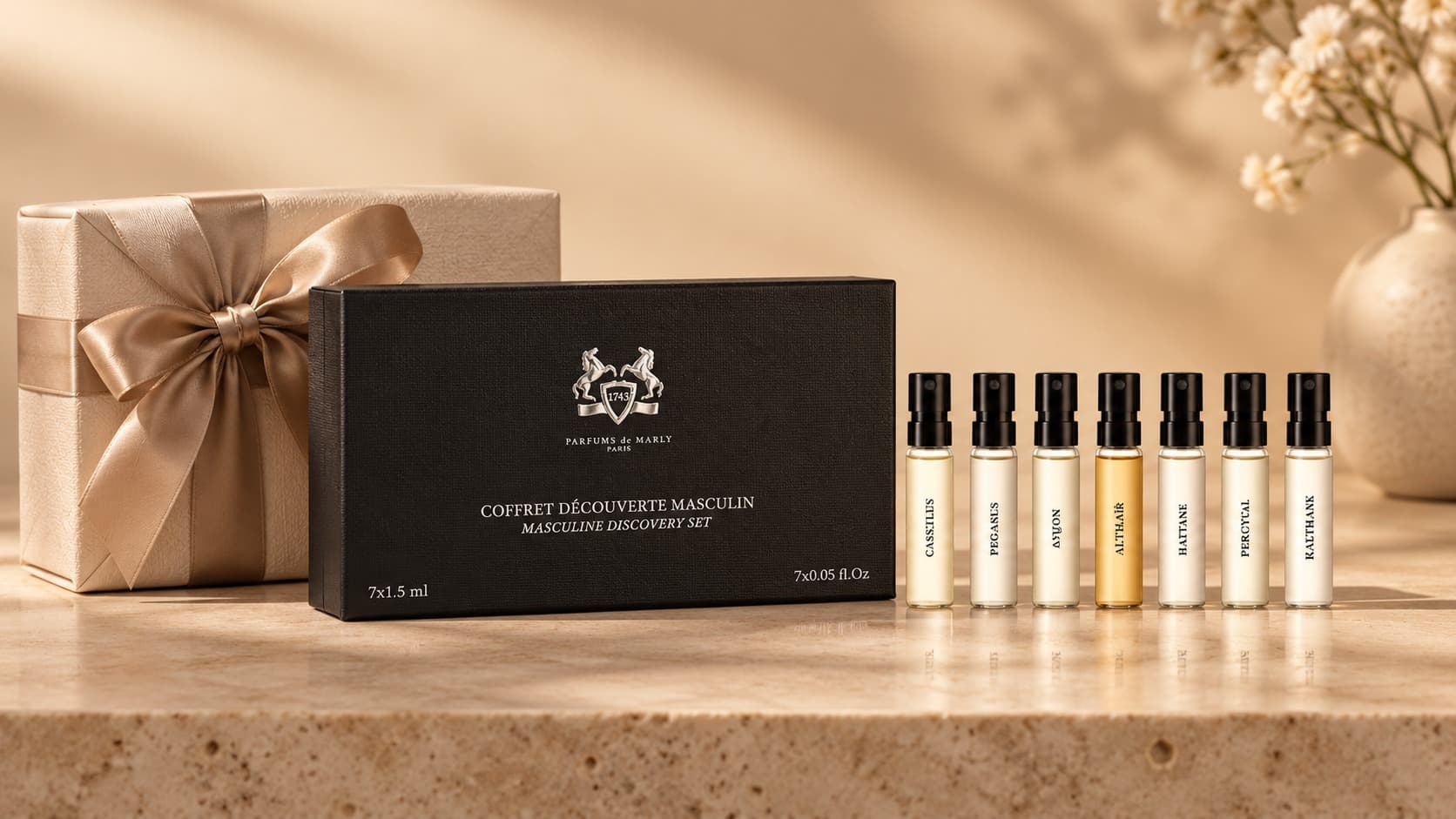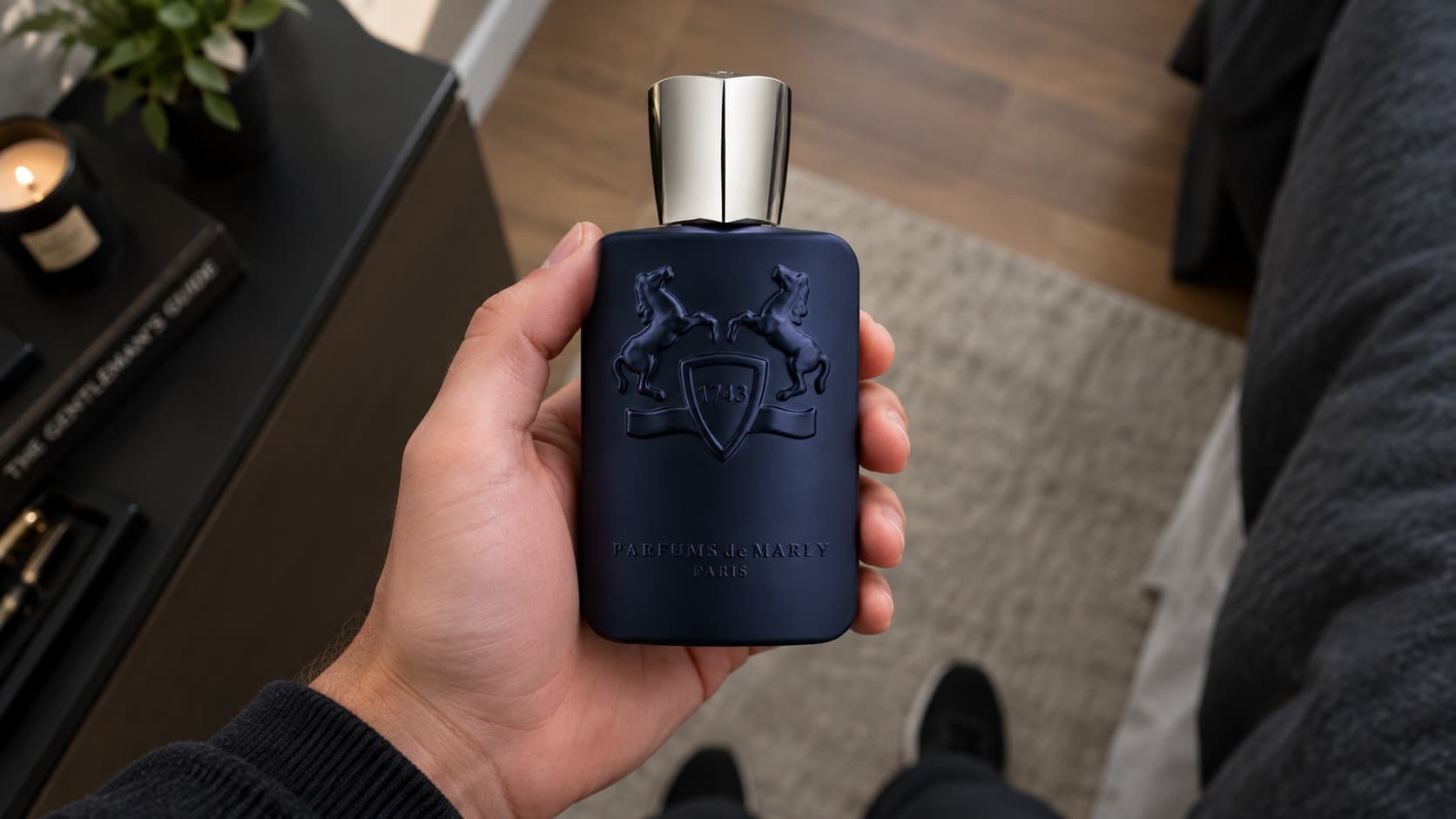
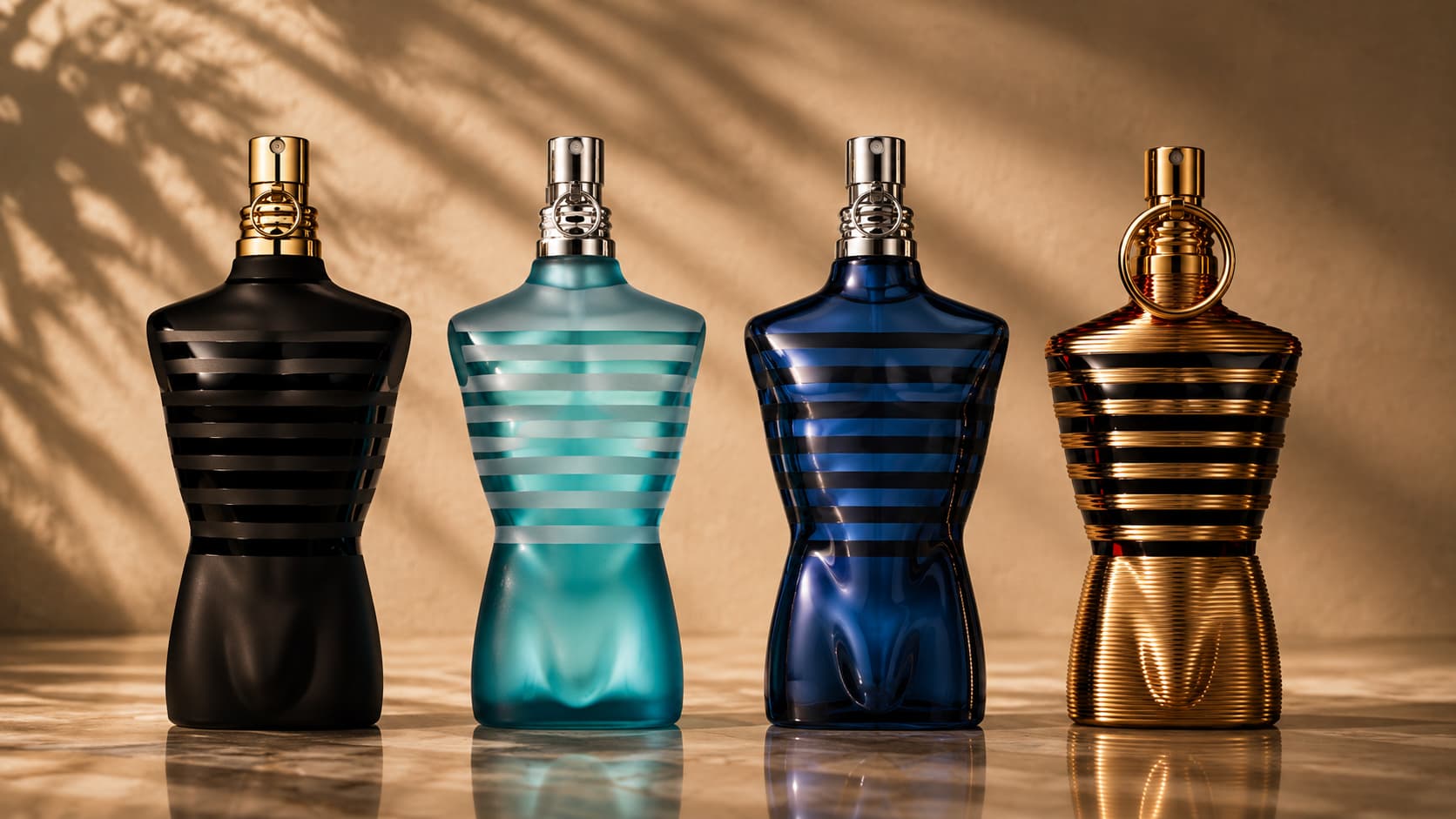
The fragrance aisle of any department store often holds a strange pattern: five or six bottles sharing almost the same name, the same shape, and a family resemblance in their labels, distinguished only by a different colored cap or an extra word tacked onto the end. This is not a mistake, and it is not a knockoff. It is a deliberate move by the perfume house, and the industry has a specific word for it: a flanker. The term explains why so many perfume lines balloon into a dozen near-identical bottles, and why two versions of what looks like “the same” perfume can smell nothing alike.
What Is a Flanker Fragrance?
A flanker is a new perfume that a brand releases using the name, bottle design, or scent DNA of an already popular fragrance. In perfumery, the term refers to a newly created perfume that shares some attributes of an already existing perfume, whether that’s the name, the packaging, or the notes. It functions much like a spin-off, the way a TV show produces a spin-off series that keeps some characters but tells a new story.
The word itself actually comes from outside the beauty world. In marketing, flanker is borrowed from military and sports language, where it describes something that supports or defends an existing position rather than replacing it. A flanker perfume works the same way: it stands alongside the original bestseller, supporting it, rather than trying to knock it off the shelf.
A family tree offers a useful comparison. The original perfume is the parent. Every flanker released after it is a child that inherited some traits, perhaps the same last name and the same general “personality,” but with its own twist, whether that’s a fruitier opening, a sweeter base, or a lighter, more summery feel.
Why Do Brands Make Flanker Fragrances?
Brands create flankers because it’s far cheaper and less risky than launching an entirely new perfume from scratch. Building an original fragrance means starting from zero: a new name that has to be trademarked, new bottle molds, new advertising, and a brand-new audience that has never heard of the scent before. A flanker skips most of that work because the name recognition, the bottle shape, and the loyal fanbase already exist.
Much of the heavy lifting was already done the first time around. The name is already trademarked, the vial shape is already molded and approved, and shoppers already recognize the design on sight, so a flanker mostly just needs a new juice inside a familiar-looking bottle. That’s a much smaller investment than developing and marketing a completely unknown fragrance, which is exactly why big houses lean on the strategy so heavily once a scent proves itself.
- Reusing what already sells. A flanker rides on the reputation of an existing bestseller instead of starting from nothing.
- Reaching new customers without alienating old ones. A shopper who finds the original too heavy or too woody might prefer a lighter, fruitier flanker, expanding the audience without changing the original formula that loyal fans already love.
- Keeping the brand visible on shelves. More bottles bearing a familiar name means more shelf space and more chances for a shopper to notice the brand.
- Giving perfumers room to experiment. A flanker lets the nose (the perfumer) try ideas that wouldn’t have fit the original formula, like a bolder middle note or a version built specifically for warm weather.
A flanker isn’t usually a random idea. Most are built to answer a specific gap, like an office-friendly version of a bold evening scent, or a warm-weather take on a heavier winter fragrance.
How Is a Flanker Different From the Original?
A flanker keeps a portion of the original scent’s structure but changes at least one major element, whether that’s the notes, the concentration, or the mood of the fragrance. It is not simply the same juice in a new bottle. A perfumer genuinely reformulates part of the composition, often adjusting the dosage of certain ingredients or swapping in new raw materials to shift the character of the scent while keeping enough of the original recognizable.
| Type of Change | What It Looks Like |
|---|---|
| Note swap | A new top note (like peach or coconut) replaces or joins the original citrus or floral opening |
| Concentration shift | An “Intense” or “Eau de Parfum” flanker uses a stronger, longer-lasting version of the same base |
| Seasonal twist | A “Summer” or “Sun” edition leans lighter and fresher for warm weather |
| Gendered version | A “Pour Homme” or “Pour Femme” flanker adapts a unisex or single-gender scent for the opposite audience |
| Packaging-only variation | The bottle color or cap design changes as a limited-edition release, with only minor formula tweaks |
Dolce & Gabbana’s Light Blue line is one of the clearest real-world examples of this. Light Blue launched in 2001, and the men’s version, Light Blue Pour Homme, followed in 2007. Starting in 2012, the brand began releasing limited-edition versions for both women and men on a regular basis, resulting in scents like Light Blue Sun, Light Blue Forever, and Light Blue Eau Intense, each one built on the same lemon-and-cedar backbone but pushed in a different direction with new notes like coconut, grapefruit, or raspberry.
Brands almost never print the word “flanker” anywhere on the actual box. It’s industry and enthusiast language, not retail language, so the term never appears on a shelf tag or in an ad campaign. The giveaway is always in the name and the bottle itself: a shared root name with a new word attached, a cap in a slightly different color, or a bottle silhouette obviously borrowed from a sibling scent.
Flanker vs. Dupe vs. Reformulation
These three terms get confused constantly, but they describe completely different things. A flanker is an official new release made by the same brand that owns the original. A dupe is a cheaper imitation made by a different, unrelated company trying to smell similar for less money. A reformulation is neither: it’s a quiet change made to the original perfume itself, under the exact same name and bottle, with no new product launched at all.
| Term | Made By | Sold As |
|---|---|---|
| Flanker | The original brand | A new, related product with its own name |
| Dupe | A different, unrelated company | A budget alternative inspired by the original scent |
| Reformulation | The original brand | The same product, same name, quietly altered inside |
Reformulations happen more often than most people realize, usually because certain raw ingredients get restricted by regulators or become too expensive to source, forcing the brand to adjust the recipe without changing the label. Unlike a flanker, a reformulation is never announced as something new, so the change tends to go unnoticed until a longtime wearer says an old favorite “doesn’t smell the same anymore,” even though the name and bottle haven’t changed at all.
Common Types of Flanker Fragrances
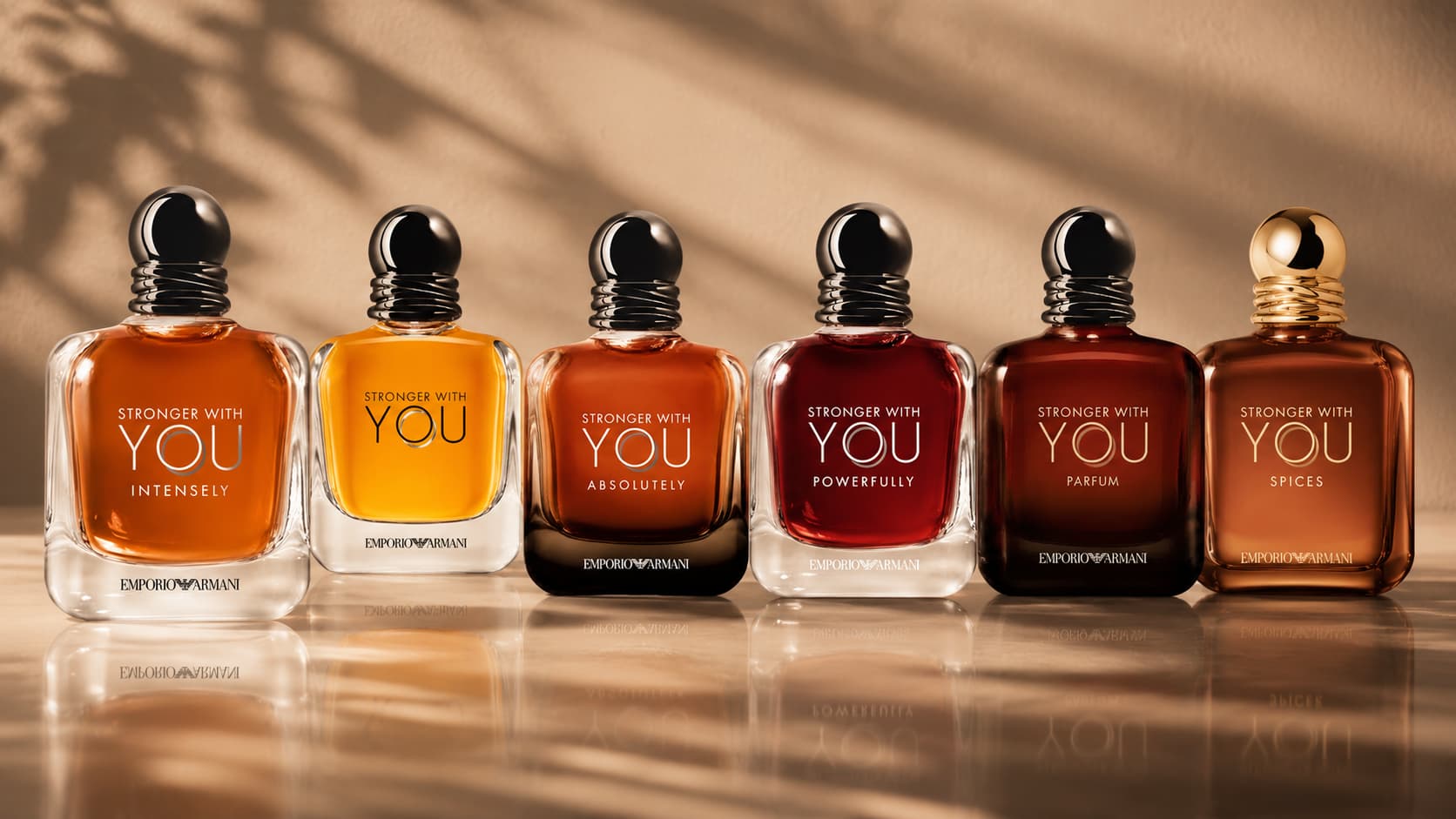
Most flankers fall into a handful of recognizable patterns. Each pattern signals something different about how the scent inside is likely to differ from the original.
Intense or Extreme Versions
These flankers use a higher concentration of fragrance oil, which usually means the scent is stronger and lasts longer on skin. They typically keep the same core notes as the original but turn up the volume, making the woods deeper, the sweetness richer, or the spice sharper.
Seasonal or Summer Editions
These are lighter, often limited-edition releases designed to feel fresher in hot weather. Brands frequently add notes like citrus, coconut, or aquatic accords, then pull the release from shelves once the season ends, which is part of why some flankers become hard to find again.
Gender-Flipped Versions
A brand takes a fragrance built for one gender and creates a companion scent marketed toward the other. Paco Rabanne’s 1 Million, launched for men in 2008, is a well-known case: its feminine counterpart, Lady Million, arrived in 2010 using strikingly similar bottle packaging to tie the two together visually.
Name-and-Notes Variations
Some of the most famous flanker families take an original perfume and branch it into wildly different directions over the years while keeping a shared name. Dior’s Poison, released in 1985, is a textbook example: it was followed over the decades by Tendre Poison in 1994, Hypnotic Poison in 1998, Pure Poison in 2004, and later Midnight Poison and Poison Girl, each one smelling quite different from the original despite sharing its name.
Issey Miyake followed a similar path with a slower pace. Its 1992 fragrance L’Eau d’Issey was followed by a men’s version, L’Eau d’Issey Pour Homme, in 1994, and then a floral take, L’Eau d’Issey Florale, arrived nearly two decades later in 2011. Jimmy Choo took the faster route: the brand’s debut 2011 fragrance was followed just two years later by a fruity-floral flanker called Exotic, showing how quickly a house can turn a fresh hit into a full scent family.
Should You Buy a Flanker Perfume?
A flanker is worth buying when the specific version genuinely fits the season, occasion, or mood it was built for, though testing it in person remains the only reliable way to know for certain. Flankers range from a very close match to the original to something almost unrecognizable, and reading the bottle alone cannot substitute for smelling it on skin.
- The concentration on the label matters most. An “Eau de Parfum” flanker of an “Eau de Toilette” original will almost always smell stronger and last longer, not necessarily better.
- The top three listed notes reveal the most about how the opening of the scent will differ from the original.
- The season it was designed for affects how it wears. A flanker released as a summer limited edition may feel too light or too simple in winter, and vice versa.
- Whether the release is limited or permanent determines availability. Limited editions get discontinued and can become harder to find, and pricier secondhand, once production stops.
Flankers aren’t a lesser version of a “real” perfume, and they aren’t a trick to sell the same bottle twice. They’re a genuine reformulation aimed at a specific mood, season, or audience, which means a flanker can end up being a better match for an individual’s taste than the original that inspired it.
Frequently Asked Questions
Is a flanker fragrance the same as the original?
No. A flanker shares part of the original’s scent profile, name, or bottle design, but a perfumer changes at least one major element, such as the notes, the concentration, or the overall mood, so it smells and wears differently from the original.
Where does the word “flanker” come from?
The term is borrowed from outside perfumery, originally used in military and sports contexts to describe something positioned alongside and supporting a main force. Perfume marketers adopted it to describe a new fragrance that supports an existing bestseller rather than replacing it.
Why do some flankers get discontinued so quickly?
Many flankers are released as limited editions tied to a specific season, like summer collections. Once that season ends, the brand typically pulls the fragrance from production, which is why some flankers become collector’s items or hard to find just a year or two after launch.
Do flankers cost more than the original perfume?
Not usually at launch. Flankers are typically priced similarly to the original because they reuse existing bottle molds and packaging. However, discontinued limited-edition flankers can become more expensive on the resale market once they’re no longer in production.
How can a flanker be identified just by looking at it?
The clearest signals are a shared name with an added word, such as “Intense,” “Sun,” or “Forever,” a bottle shape that closely mirrors an existing bestseller, or packaging in a similar color family with small design tweaks. These visual cues mark a fragrance as part of an existing line rather than a standalone release.
Conclusion
Flankers exist because perfume houses have learned that a beloved scent rarely has just one perfect version for every person, season, or mood. A flanker is a genuine reformulation built on an existing scent’s foundation, not a repackaged duplicate or a cheap cash-grab, which is why a wall of near-identical bottles usually represents years of deliberate variation rather than a marketing trick.