Best Rado Watches: Ceramic Innovation Since 1962

Discover the best Rado watches featuring revolutionary ceramic technology, Swiss innovation, pricing, and ceramic watch benefits for luxury timepieces.

We include products we think are useful for our readers. If you buy through links on this page, we may earn a small commission.

Read more

Affiliate Disclosure: This post may contain affiliate links, which means we may receive a commission if you click a link and purchase something that we have recommended. While clicking these links won't cost you any extra money, they help us keep this site up and running. We only recommend products or services that we genuinely believe will add value to our readers. Thank you for supporting us!

Transparency: We are a participant in various affiliate programs, including the Amazon Services LLC Associates Program, an affiliate advertising program designed to provide a means for us to earn fees by linking to Amazon.com and affiliated sites. Our editorial content is not influenced by affiliate partnerships, and we strive to provide honest and unbiased reviews and recommendations.

To learn more about our vetting process, please visit our Affiliate Disclosure Statement

Article Content

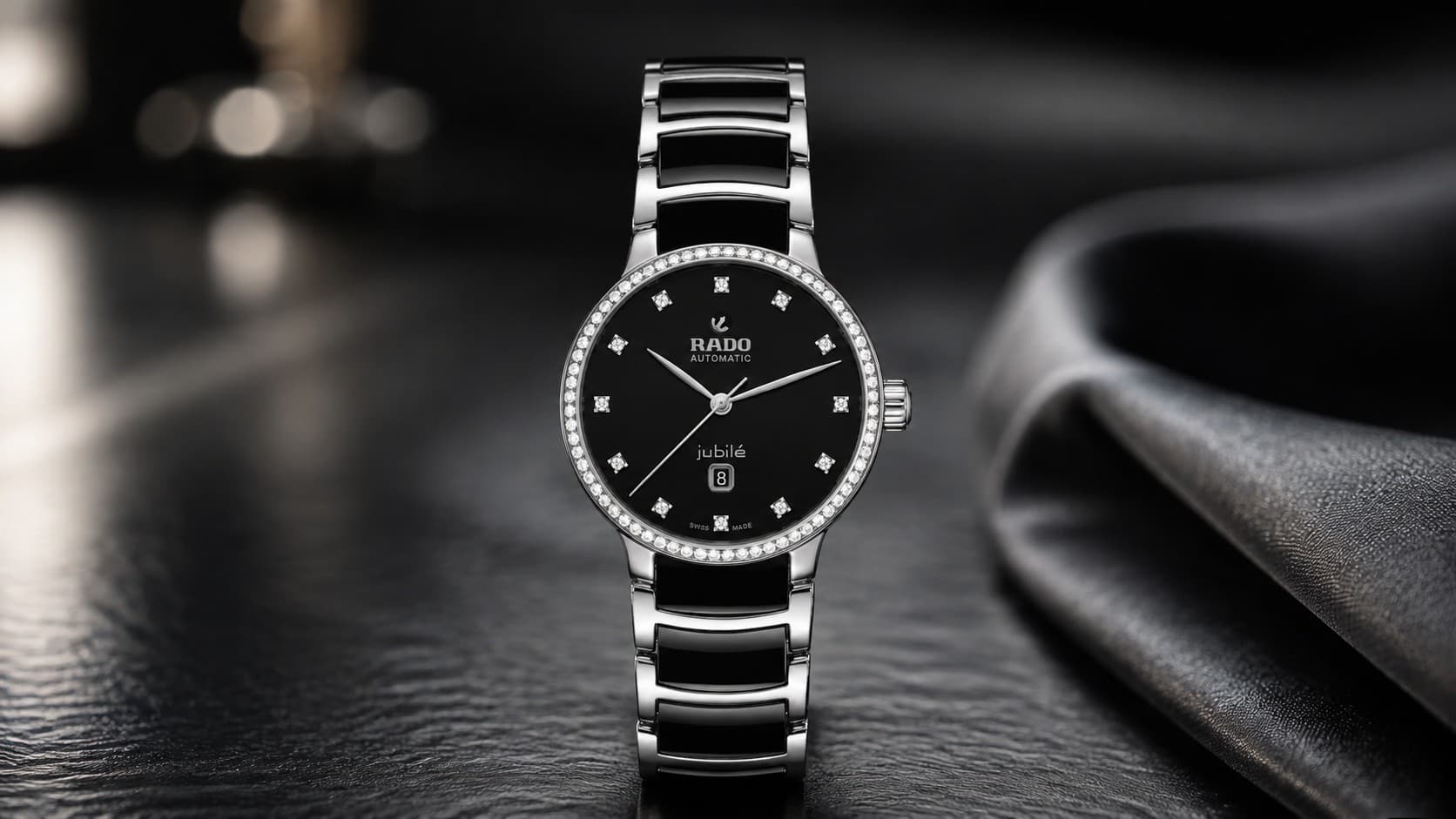
Rado Jubilé gold dress watch with diamond hour markers and date display showcasing Swiss luxury watchmaking craftsmanship

Rado has been the leader in ceramic watch technology since 1962, earning the nickname “Master of Materials” through decades of innovation that other Swiss brands still can’t match. While most luxury watchmakers focus on tradition and heritage, Rado built its reputation by solving real problems—creating timepieces that are virtually scratchproof, hypoallergenic, and surprisingly lightweight through advanced ceramic materials originally developed for aerospace applications. From the iconic Captain Cook dive watch to the ultra-thin True Thinline and the pioneering DiaStar that started it all, Rado offers distinctive alternatives to traditional steel and gold watches that deliver genuine practical benefits alongside Swiss quality and timeless design.

Rado Watch History: From 1917 to Ceramic Pioneer

Rado’s journey from humble movement manufacturer to ceramic innovator spans over a century, beginning when three Swiss brothers decided to create precision timepieces in a small Alpine town. Their story showcases how bold material experiments and relentless innovation can transform an entire industry’s approach to watchmaking.

  • Fritz, Ernst, and Werner Schlup founded their company as Schlup & Co. in 1917 in Lengnau, Switzerland, starting as specialists in watch movement production rather than complete timepieces. The brothers built their reputation on mechanical precision, eventually becoming one of the world’s largest movement suppliers by World War II’s end, with operations extending internationally including a dedicated American branch established in New York by 1937.
  • The transformation to Rado began in 1957 when the company launched its first branded watches, shifting from behind-the-scenes movement supply to complete timepiece creation. This transition established Rado’s signature aesthetic philosophy of clean, minimalist designs that would later perfectly complement revolutionary materials, setting the stage for future innovations that prioritized substance over ornamental complexity.
  • Revolutionary breakthroughs arrived in 1962 with two game-changing introductions that redefined Rado’s identity. The DiaStar 1 achieved worldwide recognition as the first scratch-resistant watch, incorporating tungsten carbide hardmetal and sapphire crystal technology previously reserved for industrial applications. Simultaneously, the Captain Cook diving watch targeted professional users including doctors, engineers, athletes, and deep-sea divers with robust 200-meter water resistance capabilities.
  • Corporate evolution continued when Swatch Group acquired Rado in 1986, providing resources for expanded research and development just as the company launched the Integral collection. This timing proved perfect, as the Integral became the first watch incorporating high-tech ceramic materials in bracelet construction, utilizing advanced compounds originally developed for supersonic aircraft applications.
  • Ceramic mastery reached new heights in 1990 with the Ceramica collection, featuring what industry experts consider the first completely ceramic watch construction including case, crown, and bracelet. This achievement required solving complex manufacturing challenges around ceramic machining, polishing, and assembly that had never been attempted in watchmaking.
  • Advanced material development accelerated throughout the 1990s with Cermet technology introduction via the 1993 Sintra collection, successfully combining titanium-based ceramics with metal alloys to create hybrid materials offering enhanced toughness. Plasma ceramic processing emerged during this period, enabling metallic surface appearances without incorporating actual metals through revolutionary high-temperature treatment processes.
  • Extreme innovation peaked in 2002 with the V10K project, achieving 10,000 Vickers hardness equivalent to industrial diamonds and earning Guinness World Record recognition as the planet’s hardest watch. This achievement demonstrated Rado’s commitment to pushing technological boundaries well beyond commercial necessity into pure materials science exploration.
  • Contemporary design integration began in the 2010s with the True Thinline series at just 4.9mm thickness, proving ceramic’s versatility in ultra-slim applications. Prestigious collaborations with Le Corbusier’s architectural foundation and internationally renowned designers like Jasper Morrison elevated Rado’s status in luxury design circles beyond traditional watchmaking boundaries.
  • Heritage revival surprised the industry in 2017 when Rado reintroduced the Captain Cook collection, generating unexpected enthusiasm among modern collectors and proving that 1960s diving watch aesthetics could resonate powerfully with contemporary tastes. The collection’s success established it as one of Rado’s most commercially successful modern offerings.
  • Manufacturing partnerships evolved to support advanced ceramic production, with Rado working closely with Comadur, a specialized Swiss facility operating some of only ten plasma ceramic ovens worldwide. These installations enable the 20,000°C processing temperatures required for Rado’s most advanced ceramic treatments, maintaining technological exclusivity through manufacturing scarcity.

Today’s Rado continues operations from its original Lengnau headquarters while leveraging Swatch Group resources for global distribution and advanced research capabilities. The company’s evolution from traditional movement manufacturing to ceramic leadership demonstrates how sustained commitment to materials innovation can create lasting competitive advantages in luxury markets. Rado’s willingness to invest in unproven technologies years before commercial viability was established has resulted in six decades of ceramic expertise that competitors still cannot replicate, securing the brand’s position as the definitive materials science leader in Swiss watchmaking.

What Makes Rado Watches Special and Unique

Rado’s distinction lies in their mastery of advanced materials that fundamentally change what’s possible in watchmaking, creating timepieces that offer properties unachievable through traditional metals. Their expertise spans multiple revolutionary technologies, from high-tech ceramics that resist scratching for decades to plasma processing that achieves metallic appearances without using any actual metal.

  • High-tech ceramic construction forms Rado’s core innovation, utilizing ultra-pure zirconium oxide that achieves 1,250 Vickers hardness—over six times harder than stainless steel and eight times harder than gold. This extreme hardness translates to virtually scratchproof surfaces that maintain pristine appearance indefinitely, while remaining 25% lighter than equivalent steel components for enhanced wearing comfort.
  • Plasma ceramic processing represents Rado’s most exclusive technology, exposing white ceramic components to 20,000°C plasma columns—four times hotter than the sun’s surface temperature. This three-hour bombardment with argon and hydrogen gases strips oxygen atoms from the ceramic structure, chemically altering the material to achieve genuine metallic luster without incorporating any metal content whatsoever.
  • Manufacturing complexity requires 2-4 weeks production time per ceramic component, beginning with materials measured to millionth precision tolerances. Components undergo injection molding at 1,000 bar pressure, followed by sintering at 1,450°C for one full week. The process causes precise 23-25% shrinkage, demanding exact mathematical calculations for achieving final dimensional specifications.
  • Ceramos technology combines 90% titanium carbide ceramic with 10% metal alloy binder, creating hybrid materials that provide superior scratch resistance compared to traditional hardmetal while maintaining significantly lower weight and improved impact resistance versus pure ceramics. This innovation allows Rado to offer ceramic benefits with enhanced durability for active wear.
  • Swiss movement integration showcases Rado’s horological expertise beyond materials science, incorporating reliable ETA quartz calibers and automatic movements with 80-hour power reserves. Many models feature the advanced Powermatic 80 movement with Nivachron balance spring technology, providing superior antimagnetic properties and extended running time between windings.
  • Hypoallergenic properties make Rado watches ideal for metal-sensitive wearers, as ceramic materials contain no nickel or other common allergens that cause skin reactions. The non-porous ceramic surface resists bacteria accumulation and remains completely inert against human skin chemistry, providing comfortable all-day wear without irritation concerns.
  • Temperature adaptation offers enhanced comfort through ceramic’s unique thermal properties, which quickly adjust to body temperature while providing excellent insulation against external temperature extremes. This characteristic eliminates the initial coldness associated with metal watches and maintains consistent comfort throughout daily wear.
  • Chemical resistance ensures ceramic components remain completely unaffected by UV rays, acids, salt water, and environmental factors that would degrade traditional materials over time. This immunity extends to cosmetics, cleaning products, and industrial chemicals that might contact the watch during normal use.
  • Design philosophy centers on functional beauty where form follows material properties rather than decorative trends. Rado’s minimalist aesthetic allows revolutionary materials to drive design decisions, creating timeless pieces that avoid fashion-driven styling in favor of enduring elegance that showcases material innovations.
  • Manufacturing exclusivity stems from Rado’s partnerships with specialized facilities like Comadur, which operates rare plasma ceramic ovens capable of achieving the extreme temperatures required for advanced ceramic processing. Only three such installations exist globally, making certain Rado technologies literally impossible for competitors to replicate.
  • Quality control processes include extensive testing for scratch resistance, impact tolerance, and thermal cycling to ensure ceramic components meet stringent Swiss standards. Each piece undergoes individual inspection using precision measurement tools, with rejected components recycled rather than compromised for cost savings.
  • Finishing techniques utilize diamond-tipped tools as the only materials harder than ceramic for machining operations, while polishing requires up to one week in specialized vibrating ceramic media baths. These processes achieve mirror-like surfaces that maintain their appearance indefinitely under normal wearing conditions.

Rado’s special character emerges from this comprehensive mastery of advanced materials combined with traditional Swiss watchmaking excellence. While other brands focus on heritage or complications, Rado’s identity centers on solving fundamental material limitations that have constrained watchmaking for centuries. Their ceramic expertise enables timepieces that look virtually identical after decades of wear as they did on purchase day, offering practical benefits that justify premium pricing through genuine technological advancement rather than marketing positioning alone.

Top 10 Best Rado Watches

Rado’s current collection showcases six decades of ceramic innovation across multiple categories, from heritage dive watches to ultra-modern dress pieces. Each model demonstrates different aspects of the brand’s materials expertise while catering to distinct wearing preferences and budgets.

  • Rado Captain Cook Automatic (37mm) represents the perfect entry point into Rado’s heritage collection, faithfully reproducing the 1962 original with contemporary reliability. These models feature fumé dials in green, blue, or brown, rotating timing bezels, and the iconic anchor logo. The stainless steel case houses the reliable Powermatic 80 movement with 80-hour power reserve, while maintaining authentic 1960s proportions that work beautifully on smaller wrists.
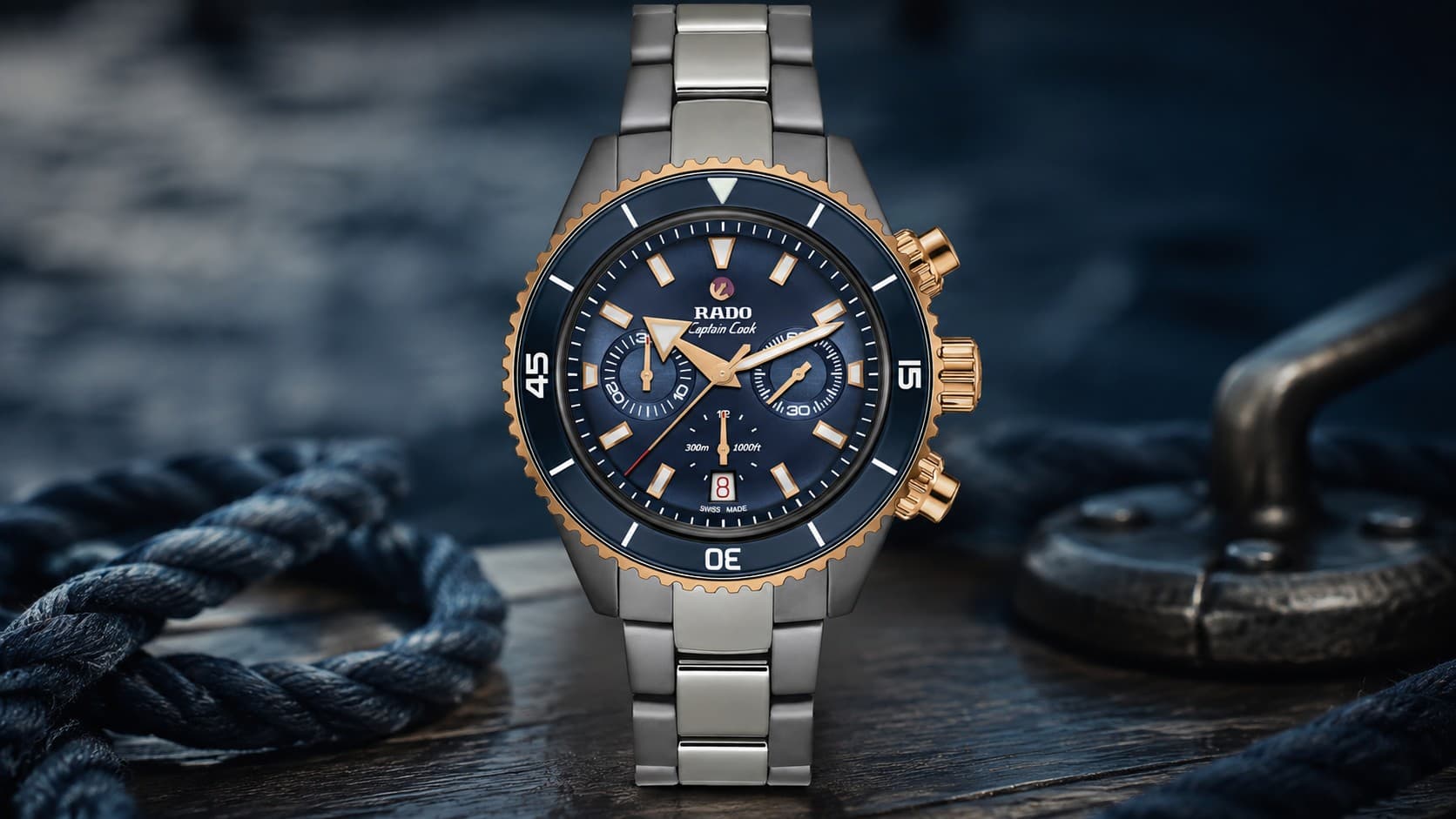
  • Rado Captain Cook High-Tech Ceramic (43mm) elevates the diving watch concept through monobloc ceramic construction. Available in matte black or plasma-treated metallic finishes, these pieces demonstrate Rado’s ceramic mastery in sport watch applications. The ceramic bezel remains permanently scratchproof while the case construction eliminates traditional weak points found in multi-piece steel alternatives.
  • Rado DiaStar Original Automatic celebrates 60 years of scratch-resistant innovation in its iconic oval case design. The 38mm case incorporates modern Ceramos bezels while housing the R764 automatic movement with 80-hour power reserve and antimagnetic Nivachron balance spring. Special editions include collaborations with designer Alfredo Häberli and vintage-inspired 1972 Tribute models with golden yellow CVD coating.
  • Rado True Thinline (39mm) achieves remarkable 4.9mm thickness through monobloc ceramic construction and precision quartz movements. Men’s models offer exceptional wearing comfort and elegant proportions, while True Thinline Colors variants in brown, blue, gray, and green ceramic with matching sunburst dials provide distinctive alternatives. The skeleton limited edition reveals movement architecture through transparent ceramic construction.
  • Rado Centrix Automatic provides exceptional versatility and accessibility across the collection for basic automatic models. The Open Heart version features skeletonized dials revealing movement details, while Day-Date and UTC complications add practical functionality. Centrix Chronograph models deliver Swiss sports functionality in approachable packages with reliable quartz movements.
  • Rado HyperChrome Automatic combines athletic aesthetics with ceramic technology across various sizes and materials for standard models. The HyperChrome Ultra Light weighs just 56 grams through silicon nitride construction and aluminum movement components. HyperChrome 1616 models revive 1960s Cape Horn design in modern 46mm ceramic cases with vintage-inspired details and contemporary functionality.
  • Rado Golden Horse 1957 Limited Edition celebrates the brand’s first collection with faithful 37mm reproduction limited to 1,957 pieces. Available in green, blue, red, and black fumé dials with period-correct beads-of-rice bracelets, these models capture authentic 1960s elegance while incorporating modern movement reliability and build quality.
  • Rado True Thinline Colors (30mm Women’s) offers ultra-slim elegance specifically proportioned for smaller wrists. The monobloc ceramic construction maintains structural integrity despite minimal thickness, while color options in brown, blue, and green provide distinctive alternatives to traditional black or white ceramic finishes.
  • Rado Integral Full Ceramic demonstrates seamless ceramic-to-bracelet integration from the pioneering 1986 collection. The flowing design eliminates traditional bracelet links in favor of continuous ceramic construction that feels remarkably comfortable while providing complete scratch resistance across the entire watch surface.
  • Rado DiaStar Original Open Heart combines heritage design with contemporary movement display through skeletonized dials. The automatic movement features 80-hour power reserve and antimagnetic properties, while cubic zirconia hour markers add subtle luxury details. This model perfectly balances traditional DiaStar aesthetics with modern technical features.

Each model in Rado’s lineup serves specific purposes within the collection, from accessible entry points like the Centrix series to technological showcases like the plasma ceramic Captain Cook variants. The brand’s strength lies in offering genuine ceramic innovation across multiple price points, ensuring that material benefits extend beyond flagship pieces into daily-wear options. Whether prioritizing heritage appeal, ultra-slim elegance, or cutting-edge ceramic technology, Rado’s current collection provides compelling options that demonstrate why the brand earned its “Master of Materials” reputation through decades of consistent innovation rather than marketing alone.

How to Choose the Right Rado Watch

Purchasing a Rado watch requires evaluating factors specific to ceramic timepieces that differ significantly from traditional steel or gold alternatives. The brand’s unique positioning between entry luxury and high-end ceramics creates distinct considerations around pricing, functionality, and long-term ownership costs.

  • Budget planning should account for Rado’s tiered pricing structure where entry-level models at $680-$1,500 include Centrix and basic True Thinline pieces, mid-range offerings at $1,500-$3,000 encompass Captain Cook and full ceramic collections, while premium pieces exceeding $3,000 feature complex chronographs and limited editions. Diamond-set models can reach $250,000+ for exceptional pieces with significant precious stone content.
  • Movement selection impacts both functionality and maintenance costs, with reliable ETA quartz calibers requiring only battery changes every 2-4 years versus Swiss automatic movements needing service every 5-7 years. Powermatic 80 automatics offer 80-hour power reserves and antimagnetic Nivachron balance springs, while specialized complications like dual time zones and chronographs add useful features at premium pricing.
  • Case sizing considerations become crucial with ceramic models, as the material properties typically result in larger dimensions compared to steel equivalents. Rado offers sizes from 23mm women’s models to 46mm sport watches, but ceramic’s visual weight differs from metal, often appearing more substantial on the wrist despite lighter actual weight.
  • Material durability requires accepting ceramic’s trade-offs between extreme scratch resistance and potential shattering from impacts that would merely dent steel alternatives. While ceramic maintains pristine appearance for decades, damage typically requires complete component replacement rather than refinishing, with repair costs often reaching 30-50% of original purchase price.
  • Lifestyle compatibility should factor ceramic’s unique properties including hypoallergenic benefits for metal-sensitive wearers, temperature adaptation that provides enhanced comfort, and complete resistance to UV rays, acids, and environmental factors. However, ceramic brittleness makes these watches less suitable for high-impact activities or manual labor where steel might be more appropriate.
  • Aesthetic preferences play a larger role with Rado than traditional brands, as ceramic’s distinctive appearance and feel differ markedly from metal alternatives. The brand’s minimalist design philosophy emphasizes material properties over decorative elements, creating timepieces that appeal to contemporary tastes while potentially limiting appeal for those preferring ornate traditional styling.
  • Water resistance varies significantly across collections, from basic 30-meter ratings on dress models to 300-meter capabilities on Captain Cook dive watches. Ceramic’s chemical inertness provides excellent long-term water resistance integrity, but gasket maintenance remains crucial for preserving ratings over time.
  • Warranty coverage through Rado’s expanded 5-year international program covers manufacturing defects but excludes damage from impacts or improper handling. Extended coverage requires purchase from authorized dealers and proper registration, with service exclusively through approved facilities to maintain warranty validity.
  • Regional availability affects both purchase options and future service access, as Rado maintains stronger presence in Asian markets compared to North American distribution. European buyers enjoy broader selection and service network access, while American consumers may face limited model availability and longer service turnaround times.
  • Ceramic-specific handling requires learning proper care techniques including avoiding contact with granite surfaces, nail files, and sand that can scratch ceramic despite its general scratch resistance. Proper storage prevents impact damage, while cleaning techniques differ from traditional metal watch maintenance.
  • Investment expectations should remain realistic, as Rado watches typically experience 30-50% immediate depreciation with limited long-term appreciation potential. Purchase decisions should prioritize wearing enjoyment and ceramic technology benefits rather than financial returns, as the luxury watch investment market concentrates heavily among heritage brands.
  • Service infrastructure varies globally, with ceramic component replacement requiring specialized facilities and extended turnaround times. Urban areas typically offer better service access, while remote locations may necessitate shipping watches for maintenance and repairs.

Successful Rado ownership depends on appreciating ceramic technology’s genuine benefits while accepting its limitations and maintenance requirements. The brand rewards buyers who value innovation, distinctive aesthetics, and practical advantages like permanent scratch resistance over traditional luxury markers like precious metals or heritage prestige. Careful consideration of these factors ensures purchase satisfaction and appropriate ownership expectations for decades of ceramic watch enjoyment.

Best Places to Buy Authentic Rado Watches

Purchasing a Rado watch through proper channels ensures authenticity, warranty coverage, and access to authorized service networks, while avoiding the significant risks associated with counterfeit ceramic timepieces that flood online marketplaces.

  • Official Rado retailers include the brand’s direct website at rado.com, which offers the complete current collection with full warranty coverage and international shipping to most markets. The official site provides detailed specifications, high-resolution imagery, and direct customer service support, making it the most reliable source for new purchases with guaranteed authenticity.
  • Authorized jewelry dealers maintain extensive Rado selections with knowledgeable staff who can explain ceramic technology benefits and assist with sizing decisions. These premium retailers often provide additional services like professional fitting, extended warranties, and trade-in programs for existing timepieces, while ensuring proper warranty registration and authentic product sourcing.
  • Department stores including major luxury retailers carry selective Rado models, typically focusing on popular collections like Centrix and Captain Cook. While offering convenient shopping locations and seasonal promotions, department stores may have limited selection and less specialized product knowledge compared to dedicated watch retailers.
  • International partners provide regional access through established networks, with authorized distributors serving major markets worldwide. These partnerships ensure local warranty service and culturally appropriate customer support while maintaining Rado’s quality standards across different regions and languages.
  • Pre-owned markets through established luxury watch platforms offer authenticated alternatives at approximately 50% discounts from retail pricing. These sources often provide better value than new purchases, particularly for discontinued models or limited editions that have appreciated beyond original pricing, though buyers should verify authentication guarantees.
  • Auction houses occasionally feature vintage Rado pieces through major international auctioneers, though market presence remains limited compared to major luxury brands. Auction purchases require careful condition assessment and authenticity verification, with successful bidding often requiring specialized knowledge of Rado’s ceramic technologies.
  • Ceramic authentication requires attention to specific details that distinguish genuine Rado pieces from sophisticated counterfeits. Authentic models feature 8-digit engraved serial numbers with precise depth and clarity, while fake examples often show poorly executed or stamped numbers with inconsistent formatting.
  • Case back verification provides reliable authentication, as genuine Rado watches never feature gold plating on steel case backs—a common error in counterfeit production. The engravings should show crisp, precise lettering with proper Swiss marking standards and correct model number formatting.
  • Crown examination reveals authenticity through engraved rather than applied logos, with genuine pieces showing precise depth and clean edges. Counterfeit crowns often feature glued-on logos that can be detected through careful inspection, while authentic pieces maintain engraving integrity even after years of use.
  • Dial markings should display only “Swiss” or specific model numbers, never “Swiss Made/Movement” combinations that indicate counterfeit production. Genuine Rado dials feature precise printing with consistent color saturation and proper logo placement according to model specifications.
  • Professional verification through Rado service centers provides definitive authentication for questionable pieces, particularly important given ceramic components’ high replacement costs. Authorized dealers can also verify authenticity while providing warranty coverage for new purchases.
  • Price guidelines help identify suspicious offers, as genuine ceramic Rado models maintain certain price floors due to manufacturing costs. Deals significantly below market value typically indicate counterfeit products, while legitimate discounts rarely exceed 30% except during authorized retailer promotions.
  • Documentation requirements include proper warranty cards with matching serial numbers, authentic packaging materials, and correct instruction manuals in appropriate languages. Counterfeit accessories often feature printing errors, incorrect logos, or substandard materials that reveal their fraudulent nature.
  • Online marketplace risks make general retail platforms extremely hazardous for Rado purchases. The prevalence of sophisticated ceramic counterfeits combined with limited buyer protection makes these venues unsuitable for expensive timepiece transactions, regardless of seller ratings or return policies.
  • Regional considerations affect both pricing and availability, with European markets typically offering broader selection and competitive pricing due to proximity to Swiss manufacturing. Asian markets, particularly India, receive strong official support with extensive authorized dealer networks, while North American distribution remains more limited.
  • Service network access should influence purchase location decisions, as warranty service requires authorized facilities with ceramic expertise. Urban areas typically provide better service access, while remote locations may necessitate shipping watches for maintenance and repairs.

Successful Rado purchasing requires prioritizing authorized channels despite potential premium pricing, as the risks associated with counterfeit ceramic watches far outweigh any potential savings. The complexity of Rado’s ceramic technology makes authentication challenging even for experts, making purchase source selection critical for ensuring genuine Swiss craftsmanship and proper warranty coverage.

Rado Watch Investment Potential and Resale Value

Rado Jubilé watch featuring black ceramic case with steel bracelet and diamond markers demonstrating ceramic technology innovation

Rado watches generally perform poorly as financial investments, experiencing significant depreciation that makes them unsuitable for buyers seeking monetary returns rather than personal enjoyment of ceramic technology and Swiss craftsmanship.

  • Market depreciation patterns show Rado watches typically losing 30-50% of retail value immediately upon purchase, with continued decline over subsequent years. Unlike heritage brands that maintain stronger resale values, Rado’s focus on materials innovation rather than traditional luxury markers limits collector interest and secondary market demand.
  • Luxury watch market concentration heavily favors established names, with the “Big Four” brands—Rolex, Patek Philippe, Audemars Piguet, and Richard Mille—controlling 43.9% of total market share. Rolex alone commands 30.3% market share with over CHF 10 billion annual sales, while Rado occupies a minor position outside the top 25 luxury manufacturers globally.
  • Limited collector interest stems from Rado’s relatively recent ceramic innovations compared to centuries-old heritage brands that dominate luxury collecting circles. The watch collecting community traditionally values historical significance, mechanical complications, and precious metal construction over modern material innovations, limiting Rado’s appeal among serious collectors.
  • Auction market presence remains minimal for Rado compared to established luxury brands, with occasional vintage pieces appearing at regional auctions but lacking the consistent demand that drives appreciation. Recent auction results show vintage Rado pieces ranging from $95 to $3,660, with Captain Cook examples achieving modest CHF 1,000 results.
  • Best-performing models within Rado’s range include Captain Cook collections due to diving watch heritage and growing appreciation for 1960s sport watch designs. DiaStar Original pieces with historical significance as the world’s first scratch-resistant watches maintain moderate collector interest, while limited edition collaborations generate niche appeal among design enthusiasts.
  • Ceramic-specific depreciation affects modern Rado models more severely than vintage steel pieces, as ceramic’s advanced technology fails to translate into investment appeal despite superior functional properties. High-tech ceramic models often experience steeper value decline due to specialized repair requirements and limited secondary market understanding.
  • Geographic market variations show stronger resale performance in Asian markets where Rado maintains higher brand recognition, particularly in India where the brand commands significant market presence. European markets provide moderate liquidity, while North American resale values tend toward the lower end of ranges.
  • Condition sensitivity plays a crucial role in Rado resale values, as ceramic’s scratch-resistant properties help maintain visual appeal over decades of wear. However, any ceramic damage dramatically reduces value since components require complete replacement rather than refinishing, often exceeding repair cost viability.
  • Market liquidity challenges mean Rado owners often face extended selling periods compared to mainstream luxury brands with active secondary markets. Limited dealer interest in trade-ins and reduced private buyer demand create difficulties for owners seeking to liquidate timepieces quickly.
  • Pre-owned value advantages make purchasing pre-owned Rado watches significantly more attractive than buying new, with 50% discounts common for recent models in excellent condition. This depreciation pattern favors buyers over sellers, creating opportunities for ceramic technology access at reasonable pricing.
  • Limited edition performance varies significantly depending on collaboration partners and production quantities, with design-focused partnerships typically maintaining better values than pure ceramic technology showcases. However, even successful limited editions rarely achieve appreciation beyond original retail pricing.
  • Vintage market potential shows modest growth for 1960s-1970s Rado pieces, particularly Captain Cook and early DiaStar models that represent significant horological milestones. These pieces benefit from historical importance and relative scarcity, though values remain far below comparable vintage pieces from major luxury brands.
  • Insurance considerations require realistic value assessments for coverage purposes, as replacement costs through authorized dealers significantly exceed secondary market values. Owners should base insurance coverage on replacement rather than resale values to ensure adequate protection.
  • Tax implications for luxury watch sales vary by jurisdiction but typically treat Rado sales as personal property with potential capital loss deductions rather than investment gains. Consult qualified tax professionals for specific guidance on luxury watch transaction treatment.
  • Alternative investment comparison shows traditional financial instruments significantly outperforming luxury watches for investment purposes, with even the strongest performing watch brands underperforming stock market indices over extended periods. Rolex represents the only watch brand showing consistent appreciation, while most others decline in real terms.

Realistic expectations for Rado ownership should focus entirely on personal satisfaction derived from ceramic technology, Swiss craftsmanship, and distinctive aesthetics rather than financial returns. The brand offers genuine value through innovation and quality construction, but buyers should accept significant depreciation as the cost of accessing advanced materials technology in luxury timepieces. Pre-owned purchasing provides the most sensible approach for value-conscious buyers seeking ceramic benefits without new-purchase premium pricing.

Rado Watch Care: Maintenance and Service

Rado’s ceramic timepieces require specialized care approaches that differ fundamentally from traditional steel watches, with proper maintenance ensuring decades of pristine appearance while avoiding costly ceramic component replacement.

  • Daily handling demands careful support of the watch case when removing or installing, avoiding grip pressure on bezels, crowns, or pushers that could stress ceramic components. While ceramic achieves extraordinary scratch resistance, the material remains brittle and can shatter from impacts that would merely dent steel alternatives, requiring protective awareness during active pursuits.
  • Cleaning procedures utilize mild soap water and microfiber cloths for regular maintenance, with ceramic surfaces responding well to gentle scrubbing that would damage traditional finishes. Avoid abrasive cleaners, ultrasonic baths not specifically designed for ceramic watches, and contact with granite countertops, sand, or nail files—among the few materials capable of scratching high-tech ceramic surfaces.
  • Service intervals follow 5-7 year recommendations for automatic movement maintenance, with annual water resistance testing ensuring gasket integrity and proper sealing. Quartz models require battery replacement every 24+ months, while automatic pieces benefit from regular winding to maintain lubricant distribution even when not worn daily.
  • Water resistance maintenance requires professional testing and gasket replacement at authorized service centers, as ceramic’s chemical inertness provides excellent long-term seal integrity but cannot compensate for deteriorated rubber components. Avoid crown operation underwater and ensure proper crown positioning before water exposure.
  • Professional service requirements include all movement work, ceramic component replacement, and water resistance restoration through Rado-authorized facilities exclusively. DIY maintenance should remain limited to basic cleaning and time setting, as ceramic components require specialized tools and expertise that general watch repair shops rarely possess.
  • Ceramic component replacement represents the most significant maintenance cost consideration, as damaged ceramic parts cannot be refurbished and require complete replacement. Repair costs typically range from $500-600+ for major components, often representing 30-50% of original purchase value depending on model complexity and regional service pricing.
  • Movement servicing costs vary by caliber complexity but generally include $180-400+ for standard overhauls, with ceramic models potentially incurring premium charges due to specialized handling requirements. Chronograph and complication services command higher fees, while simple three-hand automatics fall toward lower cost ranges.
  • Battery replacement for quartz models costs $15-50 depending on service location and model complexity, with ceramic cases requiring careful handling during case back removal and reinstallation. Ensure only authorized service centers perform battery changes to maintain water resistance integrity and avoid ceramic damage.
  • Storage recommendations emphasize stable environments away from magnetic fields, extreme temperatures, and potential impact sources. Separate storage from other watches prevents ceramic collision damage, while soft surfaces and protective cases minimize handling risks during transport or extended storage periods.
  • Magnetic field protection benefits from ceramic’s non-magnetic properties, though movements remain susceptible to magnetic interference requiring proper storage away from electronics, speakers, and magnetic closures. Modern Rado movements often incorporate antimagnetic components reducing this concern significantly.
  • Temperature considerations account for ceramic’s thermal expansion properties, which differ from metal components and can affect fit tolerances in extreme conditions. Avoid rapid temperature changes and prolonged exposure to excessive heat or cold that might stress ceramic-to-metal interfaces.
  • Travel precautions include protective case usage and avoiding checked luggage placement where impacts could damage ceramic components. Carry valuable ceramic watches in hand luggage with adequate padding, and consider travel insurance coverage for high-value pieces during international trips.
  • Warranty coverage through Rado’s 5-year international program requires authorized dealer purchase and proper registration, covering manufacturing defects while excluding damage from impacts, improper handling, or unauthorized service attempts. Maintain all documentation and service records for warranty claims and future resale purposes.
  • Insurance considerations should reflect replacement costs rather than depreciated values, as ceramic component damage often requires complete watch replacement rather than economical repair. Document condition with high-resolution photography and maintain purchase receipts for coverage verification.
  • Long-term ownership benefits include virtually maintenance-free ceramic surfaces that retain pristine appearance indefinitely under normal wearing conditions. Unlike metal watches requiring periodic refinishing, properly maintained ceramic timepieces look essentially identical after decades of wear as they did upon purchase.
  • Common maintenance mistakes include using inappropriate cleaning products, attempting DIY repairs, exposing watches to known ceramic hazards like granite surfaces, and ignoring service interval recommendations. These errors can result in expensive damage requiring complete component replacement rather than simple correction.
  • Seasonal considerations may require strap or bracelet adjustments as wrist sizes fluctuate with temperature and activity levels, with ceramic’s rigid properties making proper initial sizing crucial for long-term comfort. Professional sizing ensures optimal fit without stress concentration that could damage ceramic components.

Successful long-term Rado ownership rewards careful handling and proper maintenance with decades of scratch-free performance and reliable timekeeping. The initial investment in learning ceramic-specific care procedures pays dividends through reduced service costs and maintained appearance that justifies the premium pricing ceramic technology commands in luxury watchmaking.

Frequently Asked Questions About Rado Watches

Rado’s ceramic expertise and materials innovation often raise specific questions about ownership, maintenance, and value proposition compared to traditional luxury watches. These answers address the most common concerns potential buyers and current owners encounter.

  • Are Rado watches worth the money? Yes, Rado watches justify their pricing through genuine ceramic technology that provides scratch resistance, hypoallergenic properties, and lightweight comfort unavailable in steel alternatives. However, buy for the ceramic benefits and Swiss craftsmanship rather than investment potential, as these watches typically depreciate 30-50% immediately.
  • How long do Rado watches last? Properly maintained Rado watches function reliably for decades, with ceramic components maintaining pristine appearance indefinitely. Automatic movements need service every 5-7 years while quartz models require battery changes every 2-4 years, but ceramic cases essentially never wear out.
  • What’s the difference between Rado and other Swiss brands? Rado focuses exclusively on materials innovation rather than heritage or complications, earning the “Master of Materials” title through ceramic expertise competitors cannot match. While Omega emphasizes space heritage and Rolex builds on sport achievements, Rado’s identity centers on advanced ceramic technology.
  • Can ceramic watches be repaired if damaged? Ceramic components require complete replacement when damaged since they cannot be refinished like metal parts. Repair costs often reach 30-50% of original price, making impact protection crucial. However, ceramic’s extreme scratch resistance means normal wear rarely causes damage.
  • Which Rado collection is best for beginners? The Centrix collection offers the most accessible entry at $680-$1,100 with Swiss movements and ceramic accents. Captain Cook models at $1,490-$1,850 provide heritage appeal, while True Thinline pieces showcase ceramic innovation in elegant formats.
  • Do Rado watches need regular winding? Automatic models benefit from daily wear or winder usage, though Powermatic 80 movements provide 80-hour reserves allowing weekend breaks. Quartz models need no winding but require battery replacement every 2-4 years.
  • Are Rado watches suitable for sports activities? Ceramic’s brittleness makes them less suitable for high-impact sports where steel would be better. However, Captain Cook models offer 200-300m water resistance for swimming, and ceramic handles salt water and chlorine exposure without degradation.
  • How can I verify my Rado watch is authentic? Check for 8-digit engraved serial numbers, straight screw slots (not crossed), and case backs without gold plating on steel models. Professional verification through Rado service centers provides definitive authentication given sophisticated counterfeits.
  • What makes Rado’s ceramic different from other brands? Rado uses proprietary plasma processing at 20,000°C for metallic appearances without metal, plus Ceramos hybrid materials. They operate some of only 10 plasma ceramic ovens worldwide, making certain technologies impossible for competitors to replicate.
  • Why are Rado watches expensive compared to steel alternatives? Ceramic production requires 2-4 weeks per component with precision molding, week-long sintering at 1,450°C, and diamond-tool machining. Manufacturing complexity and specialized equipment create genuine cost justification beyond marketing.
  • Can I wear my Rado watch while swimming? Water resistance varies from 30m on dress models to 300m on dive watches. Ceramic provides excellent water resistance integrity, but avoid crown operation underwater and maintain gaskets properly regardless of rating.
  • What should I do if my Rado watch stops working? Contact authorized Rado service centers exclusively, as ceramic requires specialized handling. DIY attempts void warranty and risk expensive damage, while authorized facilities provide proper diagnosis and genuine parts.
  • How often should I service my Rado watch? Service automatic movements every 5-7 years and replace quartz batteries every 2-4 years. Annual water resistance testing ensures gasket integrity, with immediate attention for any timekeeping irregularities.
  • Do Rado watches hold their value? No, Rado watches perform poorly as investments with significant depreciation, making pre-owned purchasing more attractive. The focus on materials innovation rather than traditional luxury markers limits collector interest compared to heritage brands.
  • What’s the warranty coverage on Rado watches? Rado provides 5-year international warranty from authorized dealers, covering manufacturing defects but excluding impact damage. Service requires authorized facilities exclusively with proper registration for coverage claims.

These frequently asked questions highlight Rado’s unique position in luxury watchmaking, where cutting-edge materials technology provides genuine functional benefits while requiring specific care considerations. The brand rewards owners who appreciate ceramic innovation and Swiss craftsmanship while maintaining realistic expectations about investment potential and specialized maintenance requirements that distinguish these timepieces from traditional luxury alternatives.

Conclusion

Rado watches represent a unique proposition in luxury timepieces, offering genuine technological advancement through six decades of ceramic innovation that delivers practical benefits unavailable anywhere else in Swiss watchmaking. The brand’s “Master of Materials” reputation stems from authentic breakthroughs in plasma ceramic processing, Ceramos hybrid technology, and manufacturing expertise that competitors simply cannot replicate. While Rado may lack the heritage prestige of Rolex or the investment potential of Patek Philippe, their watches provide real value through scratch-resistant surfaces that maintain pristine appearance for decades, hypoallergenic properties for sensitive wearers, and distinctive aesthetics that stand apart from traditional luxury designs.

The current collection successfully balances accessibility with innovation, from entry-level Centrix models at $680 to sophisticated plasma ceramic Captain Cook pieces exceeding $4,000. Each price point delivers Swiss quality construction with varying degrees of ceramic technology integration, ensuring that material benefits extend beyond flagship pieces into daily-wear options. The Captain Cook’s heritage revival has proven particularly successful, demonstrating that Rado’s 1960s design legacy resonates powerfully with contemporary collectors while showcasing modern ceramic capabilities. Whether choosing the ultra-slim True Thinline, the pioneering DiaStar Original, or sport-focused HyperChrome models, buyers access technologies that fundamentally improve the wearing experience through reduced weight, permanent scratch resistance, and enhanced comfort.

Successful Rado ownership requires realistic expectations that prioritize personal satisfaction over financial returns, accepting that ceramic technology commands premium pricing while delivering modest resale values. The brand rewards buyers who appreciate innovation, distinctive materials, and practical advantages like decades of maintenance-free appearance over traditional luxury markers or investment potential. For watch enthusiasts seeking alternatives to conventional steel sport watches or gold dress pieces, Rado offers compelling options that demonstrate how materials science can enhance everyday timekeeping through genuine technological advancement rather than marketing positioning alone.

Nobbier logo

Subscribe To Our Weekly Newsletter

Get notified about new articles