Lorus is one of those watch names people see on a price tag and wonder about right away, because it doesn’t sound like a brand with much of a story. It actually has a fairly clear one, and it connects directly to one of the biggest names in the entire watch industry. Understanding where Lorus comes from, what it’s made of, and where it sits next to its sibling brands helps explain why so many of these watches show up on wrists, in vintage collections, and even in Disney watch archives decades after they were made.
Who Makes Lorus Watches?
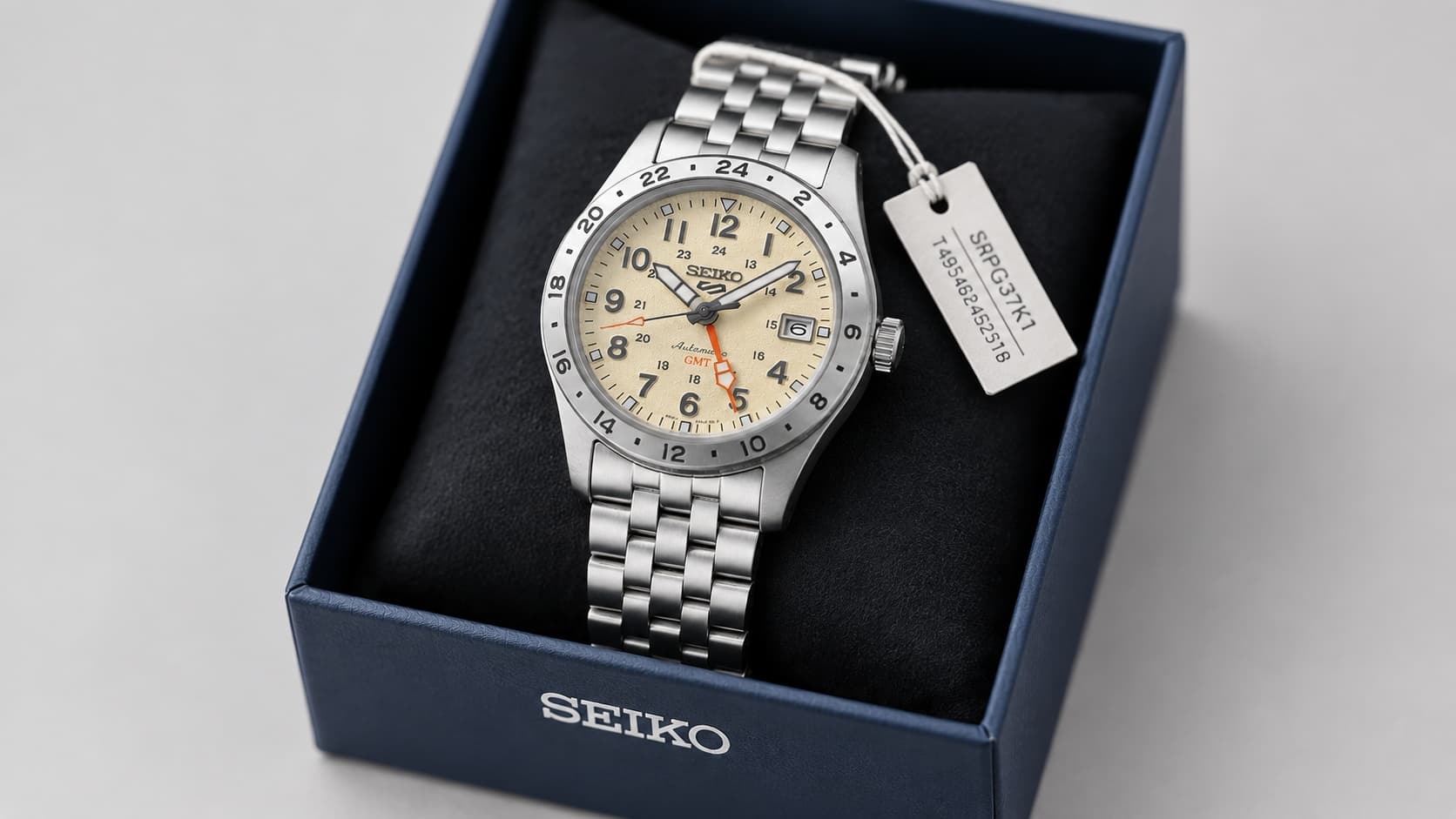
Lorus is made by Seiko, the Japanese watch company that has been building timepieces since 1881. Over the decades, Seiko has built out several sister brands for different markets, and Lorus, Pulsar, and Alba are three of the best known.
Seiko doesn’t sell every watch under its own name. Instead, it spreads its watchmaking across several brands, each aimed at a different kind of buyer. Lorus was built to sit at the more affordable end of that lineup, while still using components and know-how that trace back to Seiko’s factories. That connection is the main reason Lorus watches have a reputation for being sturdier and more accurate than most watches at a similar price point.
When Was Lorus Founded?
Lorus launched in 1982 as a Seiko brand aimed at younger, budget-conscious shoppers. Seiko wanted a line that felt fresh and approachable, something buyers could pick up without agonizing over the price tag.
The name actually goes back further than that, though, just not on wristwatches. Seiko put “Lorus” on a small line of export-market wall clocks and alarm clocks around 1977, years before it became a wristwatch brand in its own right in 1982. Once that official launch happened, growth was quick. Industry estimates put lifetime Lorus sales at well over 120 million watches, a figure that puts it among the higher-volume budget brands of the past few decades.
Is Lorus the Same Company as Seiko?
Lorus is not the same company as Seiko, but it is fully owned and manufactured by Seiko Watch Corporation. Think of it less like a separate business and more like a specific product line under one big roof.
That relationship matters because it explains why Lorus doesn’t feel flimsy for its price. A watch brand with no manufacturing backbone of its own usually has to cut corners somewhere just to hit a low price point. Lorus doesn’t have to, because it’s riding on infrastructure Seiko already built and refined over more than a century.
Where Are Lorus Watches Made?
Lorus watches come from Seiko’s manufacturing network, which spans Japan and several other Seiko-operated facilities across Asia. Seiko as a whole doesn’t build every watch in one country, and that applies to its sub-brands as well as to Seiko-branded pieces.
There’s no single published answer covering every Lorus model, since manufacturing location isn’t something the brand breaks down publicly line by line. Seiko’s highest-end watches, like Grand Seiko, are built entirely in Japan under close in-house control. Entry-level lines across the wider Seiko family generally draw on a broader set of facilities, though the exact split for Lorus specifically isn’t publicly documented in detail. The case back of an individual watch is the most direct way to confirm where that particular model was made.
What Kind of Watches Does Lorus Make?
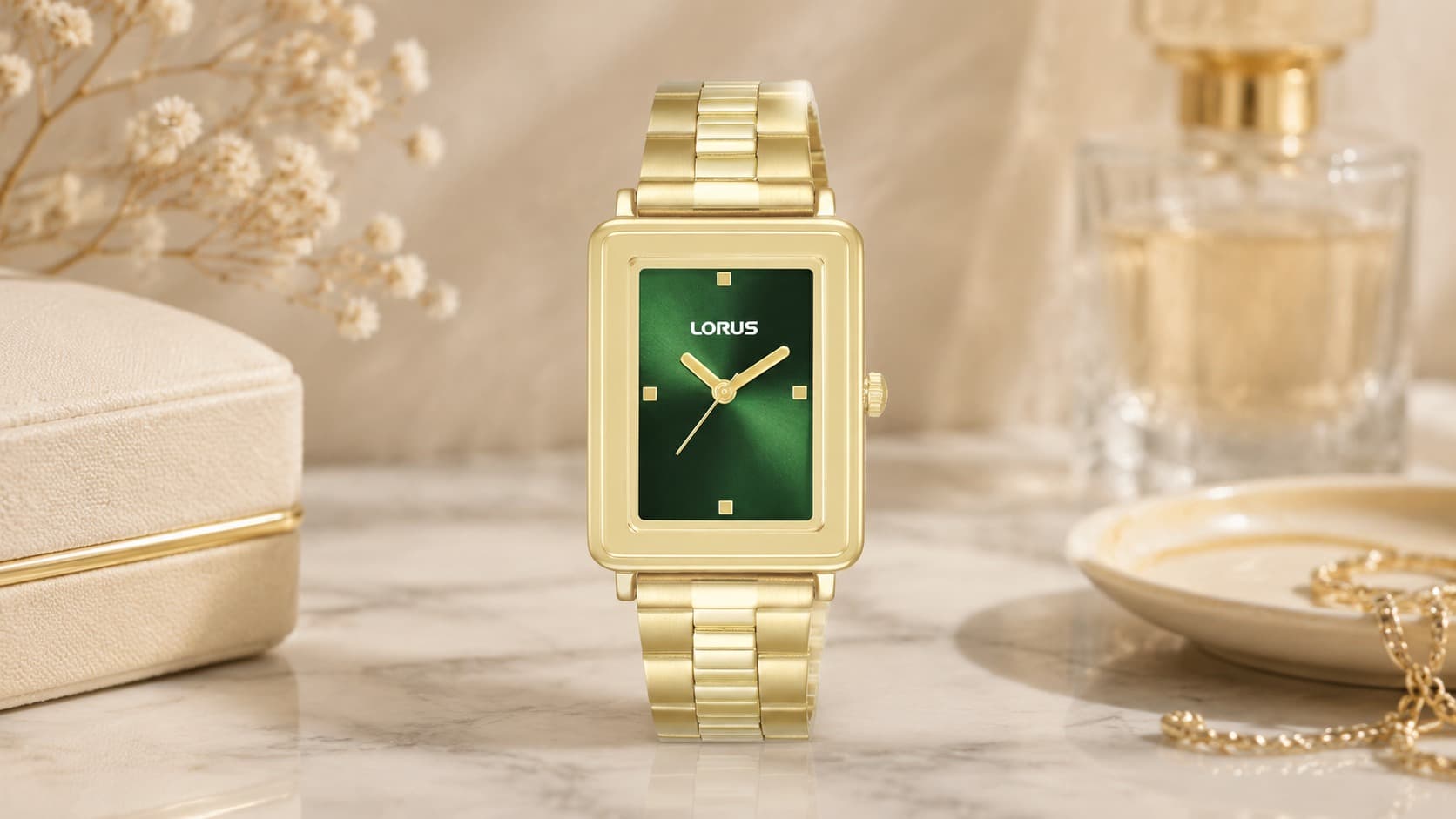
Lorus makes a wide mix of quartz watches, spanning sport styles, dress styles, chronographs, digital watches, and watches for kids. There’s no single “Lorus look,” because the brand has always aimed to cover as many everyday needs as possible rather than specialize in one niche.
Lorus has historically leaned on dependable quartz movements, since quartz keeps costs low and requires almost no maintenance from the wearer.
That said, quartz isn’t the whole story anymore. In recent years, some Lorus sport models have shipped with automatic (self-winding) movements borrowed from Seiko’s own mechanical lineup, including a version of the well-known Seiko 7S26 caliber used in the Seiko 5 line. That’s a meaningful detail for anyone who assumes “affordable brand” automatically means “basic quartz only.”
Most standard Lorus watches run on movements from Seiko’s own VX and VD calibre families, which are built by Seiko Epson, the same group that makes movements for other Seiko-branded lines. One example, the Lorus RM365HX9 chronograph, runs on an SII VD57 movement inside a compact 42mm case — a good illustration of how much thought goes into even Lorus’s budget chronograph models. Some models also use a feature called Lumibrite, a light-storing material on the hands and markers that soaks up sunlight or room light and glows in the dark afterward. It’s a small detail, but it shows Seiko doesn’t hold back its own technology just because a watch is sold under the cheaper Lorus name.
Lorus Watch Categories
Most Lorus watches fall into a few broad categories:
- Sport and chronograph watches — stopwatch functions, tougher cases, and often a rubber or resin strap.
- Classic and dress watches — simple dials, leather or metal bands, aimed at office or formal wear.
- Digital watches — LCD displays, alarms, and sometimes multiple time zones.
- Kids’ watches — smaller cases, bright colors, and often licensed characters.
The variety within a single category can be surprisingly wide, too. The Lorus RT383HX9, for instance, pairs a black-and-gold chronograph dial with a dressier feel, while the Lorus R2341NX9 goes the opposite direction with a digital display and a silicone strap built for sport and everyday wear. Same brand, same manufacturing standards, very different watches.
Lorus’s Disney Watch History
One detail that surprises a lot of people is Lorus’s long history making licensed Disney watches. For years, the brand produced Mickey Mouse, Minnie Mouse, and other character watches, some of which even played short musical tunes on the hour. Those vintage pieces have since become collectible in their own right, with well-preserved examples selling well above their original retail price among Disney watch collectors.
Are Lorus Watches Good Quality?
Lorus watches are generally reliable for their price, mainly because of the Seiko manufacturing behind them. They’re not built to compete with luxury Swiss watches, but that was never the goal.
Reliability, in this case, comes down to consistency rather than prestige. Seiko’s quartz movements have a strong reputation for keeping accurate time with minimal servicing, and that reputation carries over into Lorus. Features like scratch-resistant crystal, water resistance, and reinforced cases show up even on the brand’s cheaper models, which isn’t something every budget watch brand can say. The trade-off is that Lorus watches use simpler materials than higher-tier Seiko lines — expect stainless steel, resin, or plated finishes rather than sapphire crystal or solid gold.
Independent watch reviewers have noted the same thing when they’ve opened Lorus watches up. One UK review of the Lorus RXD425L8, a field-style watch, found a titanium case and 100 meters of water resistance on a model priced under £40 — specs that would be unusual at that price from a brand without Seiko’s backing. None of this makes Lorus a luxury brand, but it does explain why the watches tend to outlast their price tag.
How Much Do Lorus Watches Cost?
Lorus watches are priced as an entry-level, everyday brand, generally landing well under $150 for most models. The brand was built around that price range from the start.
| Watch Type | Typical Price Range |
|---|---|
| Digital or basic quartz | Under $40 |
| Everyday dress or sport quartz | $40–$100 |
| Chronograph models | $60–$150 |
| Vintage Disney or musical models (collector market) | $100–$300+ |
Prices shift depending on the retailer, the country, and whether a watch is new or part of the vintage collector market. Musical Mickey Mouse models from the 1980s and ’90s, for example, often sell for far more today than their original retail price, simply because they’re no longer being made and demand from collectors has grown.
How Does Lorus Compare to Seiko and Pulsar?
Lorus, Seiko, and Pulsar are three separate brands from the same parent company, each aimed at a different budget and buyer. Seiko sits at the top of that trio, Pulsar in the middle, and Lorus at the entry-level end.
| Brand | Typical Position | Notable Feature |
|---|---|---|
| Seiko | Mid-range to high-end | Wide range of movements, including mechanical and Spring Drive |
| Pulsar | Mid-range | Some Kinetic and advanced quartz technology |
| Lorus | Entry-level | Simple, affordable quartz, some automatic sport models |
None of these brands are competitors in the traditional sense, because they’re all designed and sold by the same company to reach different types of shoppers. Someone who wants a $2,000 mechanical watch and someone who wants a $30 digital watch are both potential Seiko Watch Corporation customers — they just end up looking at different shelves.
How to Take Care of a Lorus Watch
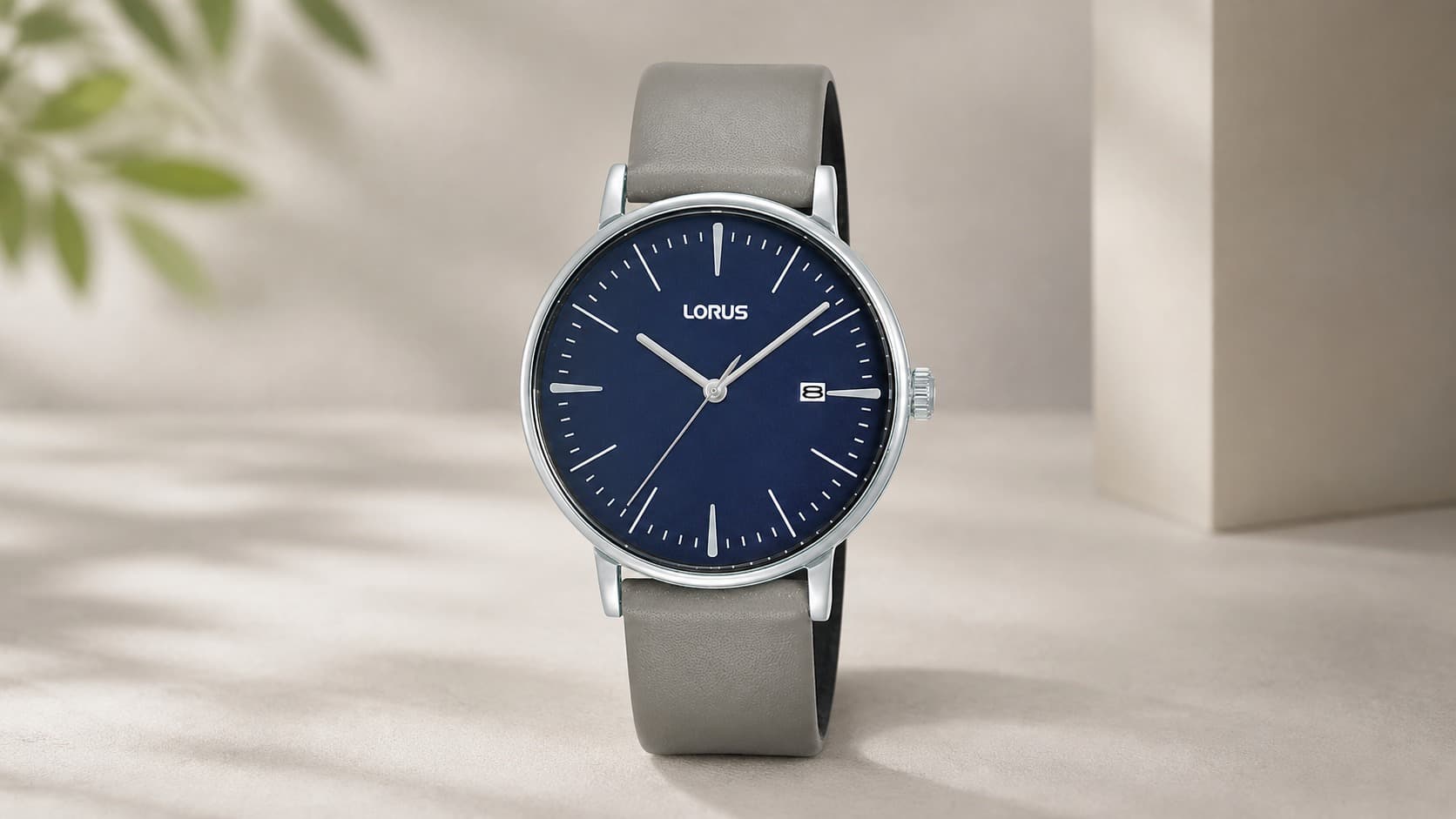
Basic care for a Lorus watch is the same as for most quartz watches: keep it away from extreme heat, avoid unnecessary knocks, and replace the battery instead of letting it leak. None of this requires special tools or a jeweler’s workshop.
Because most Lorus watches use simple quartz movements, they don’t need winding or regular servicing the way mechanical watches do. Water resistance ratings vary by model, and the case back or original documentation usually shows the exact rating for a given watch before it goes near water. Cleaning is straightforward too — a soft cloth with mild soap and water handles everyday grime on the case and strap, provided the watch’s water resistance rating allows it.
A quartz battery in a Lorus watch typically lasts one to two years before it needs replacing, which is normal for this type of movement. On models with Lumibrite hands or markers, the glow fades gradually after each charge, so a few minutes under a lamp or in daylight before dark keeps that feature performing as designed.
Frequently Asked Questions
Is Lorus a real Seiko brand?
Yes. Lorus is owned and manufactured by Seiko Watch Corporation, the same company behind Seiko and Pulsar. It launched in 1982 as an affordable option under the Seiko umbrella.
Are Lorus watches worth buying?
For an inexpensive, reliable everyday watch, Lorus is a solid pick because it benefits from Seiko’s manufacturing standards. It’s not aimed at collectors chasing prestige or mechanical craftsmanship, but as a dependable daily watch, it holds up well.
What movements do Lorus watches use?
Most Lorus watches run on quartz movements, which use a battery and a small quartz crystal to keep time accurately with almost no maintenance. Some newer sport models use automatic movements adapted from Seiko’s own mechanical calibers.
Why did Lorus make Disney watches?
Lorus built a long-running licensing partnership with Disney, producing Mickey Mouse, Minnie Mouse, and other character watches from the 1980s onward. Many of these, especially the musical versions, have become sought-after collector pieces today.
How is Lorus different from Pulsar?
Both are Seiko-owned brands, but Pulsar sits slightly above Lorus in price and technology, sometimes including Kinetic movements. Lorus focuses on the more affordable end, mostly with straightforward quartz watches.
Are Lorus watches made in Japan?
Some are, but not every model. Lorus draws on Seiko’s wider manufacturing network across Asia, and the case back of a specific watch is the clearest way to confirm where that one was made.
Conclusion
Lorus turns out to be a lot more than a random name on an inexpensive watch. It’s a direct product of Seiko’s manufacturing, built since 1982 to bring dependable, well-made watches to people who don’t want to spend a fortune. Between its everyday quartz lineup, its occasional automatic sport models, and its surprisingly deep history with Disney character watches, Lorus has carved out a specific and useful role: proof that a low price tag doesn’t have to mean low reliability.