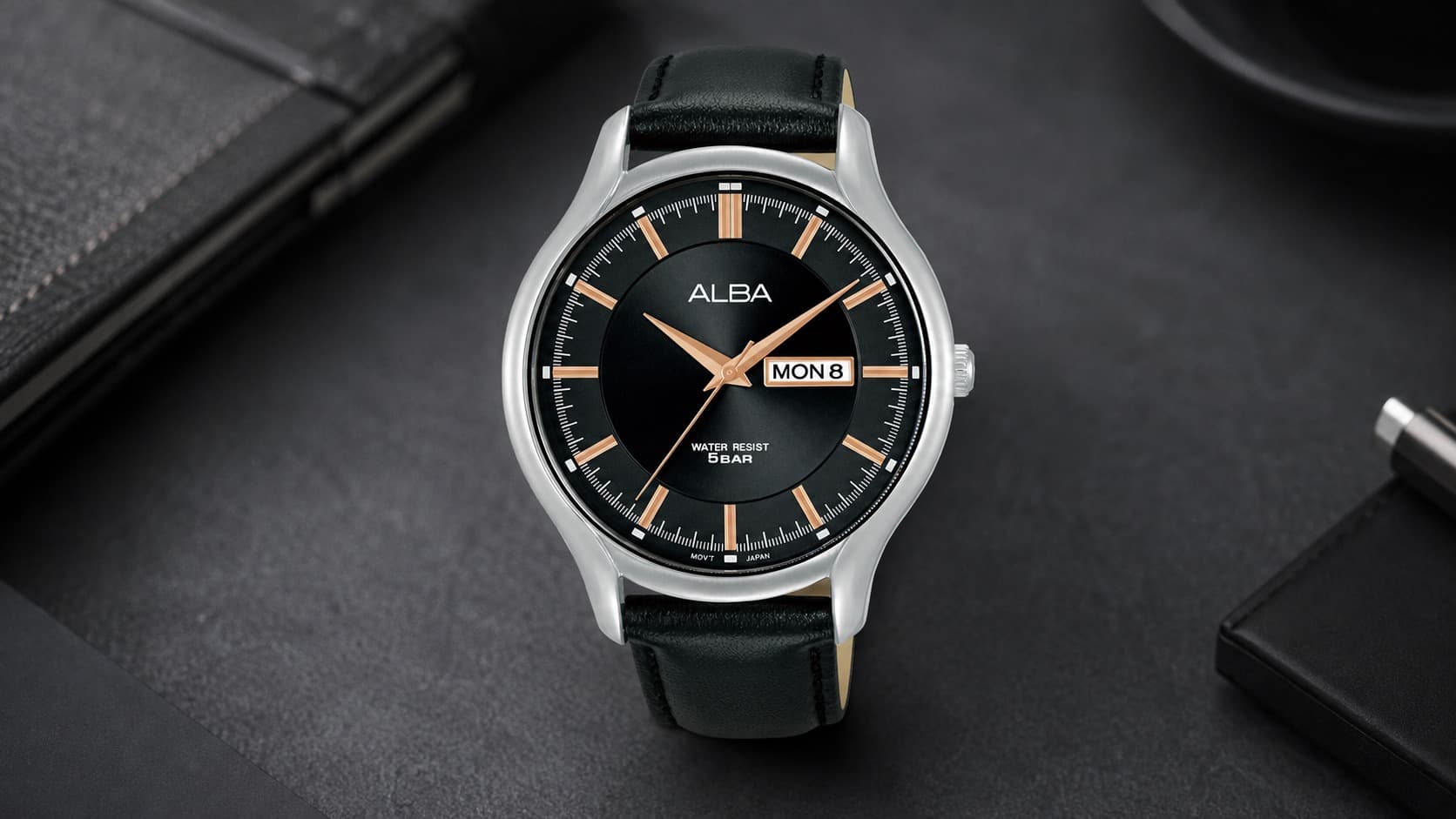
Most watch fans know Seiko, but far fewer have heard of Alba, even though it comes from the exact same company. Alba was built to give people real Seiko engineering at a lower price, and for decades it has quietly done exactly that across Asia and the Middle East while staying almost invisible in the West. Understanding how Alba fits into the Seiko family helps explain why some “budget” watches are backed by serious watchmaking know-how, while others are just cheap.
What Is Alba, and Is It Really Made by Seiko?
Yes, Alba is a genuine sub-brand of Seiko Watch Corporation, not a copycat or a licensed name. It launched in Japan in 1979 as its own distinct line under the Seiko umbrella.
Seiko created Alba as a separate, lower-priced line so it could reach younger buyers who wanted quality but couldn’t yet afford the main Seiko collections. The watches share Seiko’s family of movements but use fresher, more youthful styling, and the brand has mainly been sold across Asia and the Middle East. The strategy was simple: win over young customers early, then keep their loyalty as their income grows and they can afford pricier Seiko pieces later.
The name itself carries meaning too. “Alba” translates to “dawn” in both Italian and Spanish. That fits the original idea behind the brand: a fresh, hopeful starting point for people just beginning their watch-collecting journey.
Alba isn’t a dusty relic from the 1980s either. It’s still an active, working brand today, and it has continued releasing new designs across its mechanical, chronograph, and quartz ranges in recent years. That continued output is a good sign, since it means the brand still has real backing and demand rather than coasting on old stock.
Alba operates like Seiko’s approachable little sibling: same family, same core parts, a friendlier price tag.
Why Are Alba Watches So Well Designed for the Price
Alba watches often look far more expensive than their price suggests, and that’s not an accident. Seiko brought in serious outside design talent to shape the brand’s visual identity from very early on.
The line was aimed at younger customers, so Seiko recruited well-known outside designers, including Italian automotive designer Giorgetto Giugiaro, to help shape Alba’s look. Giugiaro built his reputation in the car world rather than watchmaking, with credits that include the Lamborghini Calà, the Maserati Spyder, and the DeLorean made famous by the “Back to the Future” films.
That car-design background shows up in Alba’s angular, geometric dial layouts from the 1980s, which still look sharp and collectible today. Some vintage Alba models even echoed the look of famous Seiko designs from that era at a fraction of the cost, including a model nicknamed the “Flap Duck” and a chunky sports model that mirrored the look of the watch worn by Ripley in the movie Aliens. Collectors hunting for those original Seiko icons today often pay far less for the Alba versions while still getting a similar retro look on the wrist.
What Movement Does Alba Use?
Alba’s automatic watches run on real Seiko-built mechanical movements, not generic outsourced parts. The most common one found in current Alba mechanical models is the Y676 caliber, which gives wearers a genuinely Seiko-grade mechanical experience without Seiko’s higher price tag.
This matters because a movement is the engine of a mechanical watch. It’s the tiny system of gears and springs that keeps time without a battery, and Seiko has been refining these designs for generations. Getting a Seiko-family movement in an entry-level watch means the accuracy and reliability are backed by real horological experience, not a mystery factory part.
Alba also makes quartz (battery-powered) and solar-powered watches, so the brand isn’t limited to mechanical fans. Buyers who want zero maintenance can pick a quartz or solar model instead, while those who enjoy the tradition of a hand-wound or self-winding watch can go for the mechanical line. Most current Alba models, whether quartz or mechanical, carry water resistance somewhere between 30 and 100 meters, which is plenty for daily wear, hand-washing, and rain, though not for serious diving.
How Much Does an Alba Watch Cost?
Alba watches typically run somewhere in the range of $50 to $200, depending on the model, region, and materials, though exact pricing varies by market since Alba doesn’t sell on one global price list. Simple quartz pieces tend to sit at the lower end of that range, while mechanical automatics with steel bracelets land closer to the top.
Prices shift quite a bit by country too, since Alba prices its watches for local markets rather than one global price list. Vintage Alba pieces from the 1980s and 1990s, especially rare quartz models with unusual complications like moonphase displays, can sell for slightly more than current-production watches once collector demand is factored in, though they still remain modest compared to vintage Seiko prices.
The Different Alba Watch Categories
Alba organizes its lineup around a few clear categories, and knowing them makes shopping much easier.
Alba Mechanical (Automatic) Collection
This is the heart of the brand for enthusiasts. These watches wind themselves through normal wrist movement throughout the day, so they don’t need a battery at all. Popular versions include colorful two-tone bezels sometimes nicknamed “Pepsi” (blue and red) or “Coke” (black and red) after the famous Rolex GMT colorways they visually reference, and they’re often described as some of the most sought-after beginner mechanical watches on the market today.
Alba Active and Sport Chronographs
A chronograph is simply a watch with a built-in stopwatch function, shown by extra small dials on the face. Alba’s sport chronograph models are built with an active lifestyle in mind, typically offering around 100 meters of water resistance alongside bold dial colors. That water resistance rating means the watch can handle swimming and heavy splashes, though it’s still not meant for scuba diving.
Alba Classic and Dress Models
These lean quieter and more formal, usually with slim cases, simple dials, and leather or mesh metal bands. They’re built for office wear, dinners, or anywhere a big sporty watch would look out of place. This range runs on quartz movements almost exclusively, since a thin, reliable dress watch benefits more from a battery’s steady accuracy than from mechanical winding.
Alba Women’s Collection
Alba also produces a dedicated women’s range spanning quartz dress pieces, mechanical models, and fashion-forward designs with smaller cases and lighter bracelets, giving the same Seiko-backed reliability in styles built for smaller wrists.
How Does Alba Compare to Seiko 5?
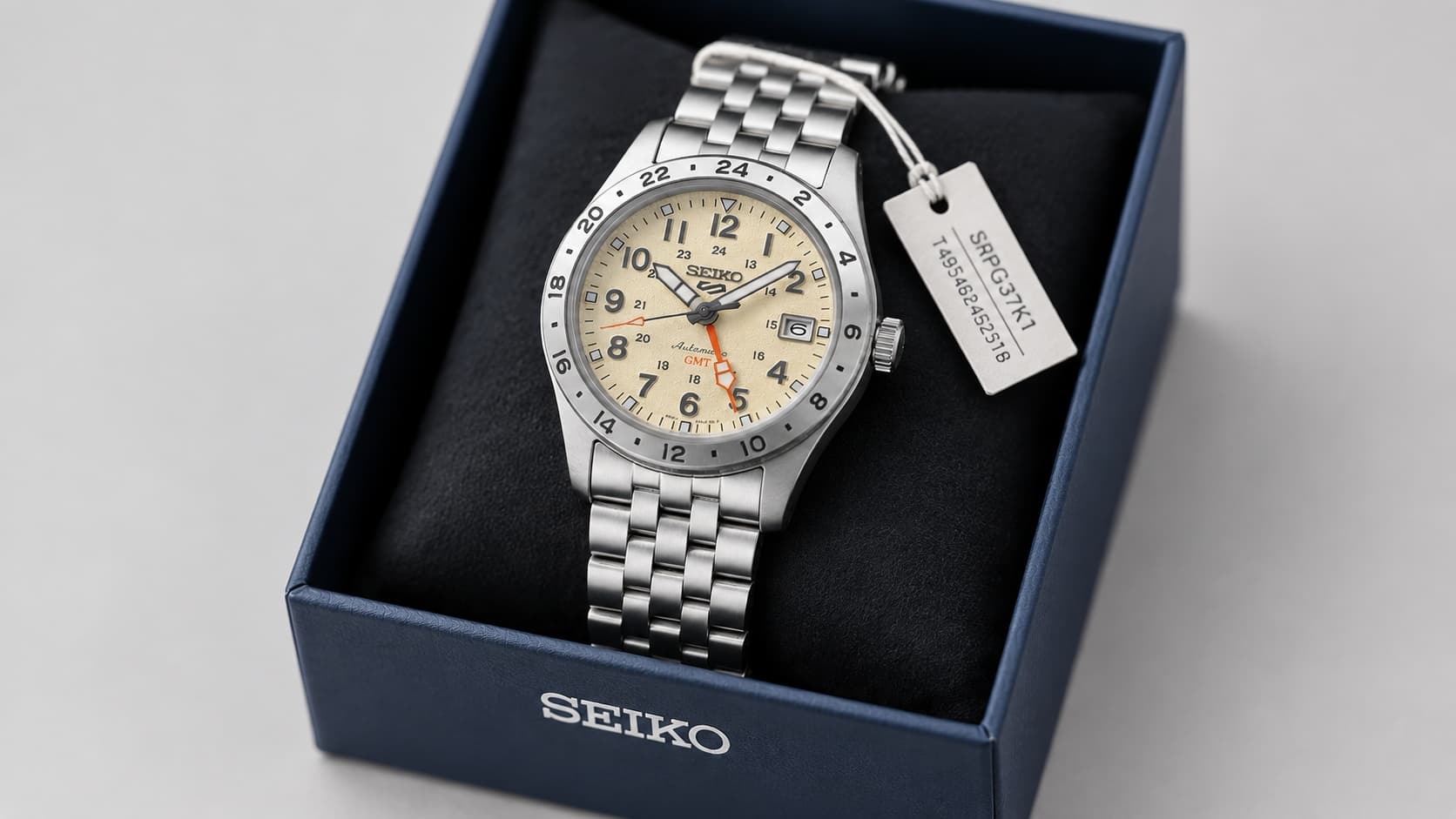
People often ask how Alba stacks up against Seiko’s famous entry-level line, Seiko 5, since both are affordable and both come from the same parent company.
| Feature | Alba | Seiko 5 |
|---|---|---|
| Parent company | Seiko Watch Corporation | Seiko Watch Corporation |
| Target market | Primarily Asia and the Middle East | Global, widely sold in the West |
| Typical movement | Seiko-family calibers like Y676 | Seiko 4R and NH series calibers |
| Brand positioning | Entry point, younger buyers | Entry point, global audience |
| Western availability | Limited, mostly import or specialty sellers | Wide, sold through official retailers worldwide |
They are cousins built from similar parts, but Seiko 5 was set up for worldwide distribution while Alba stayed focused on specific regional markets. Someone drawn to the idea of a Seiko 5 automatic but wanting to spend even less can often find a comparable feel in Alba’s mechanical range, just with less availability outside Asia.
Where Can You Find Alba Watches?
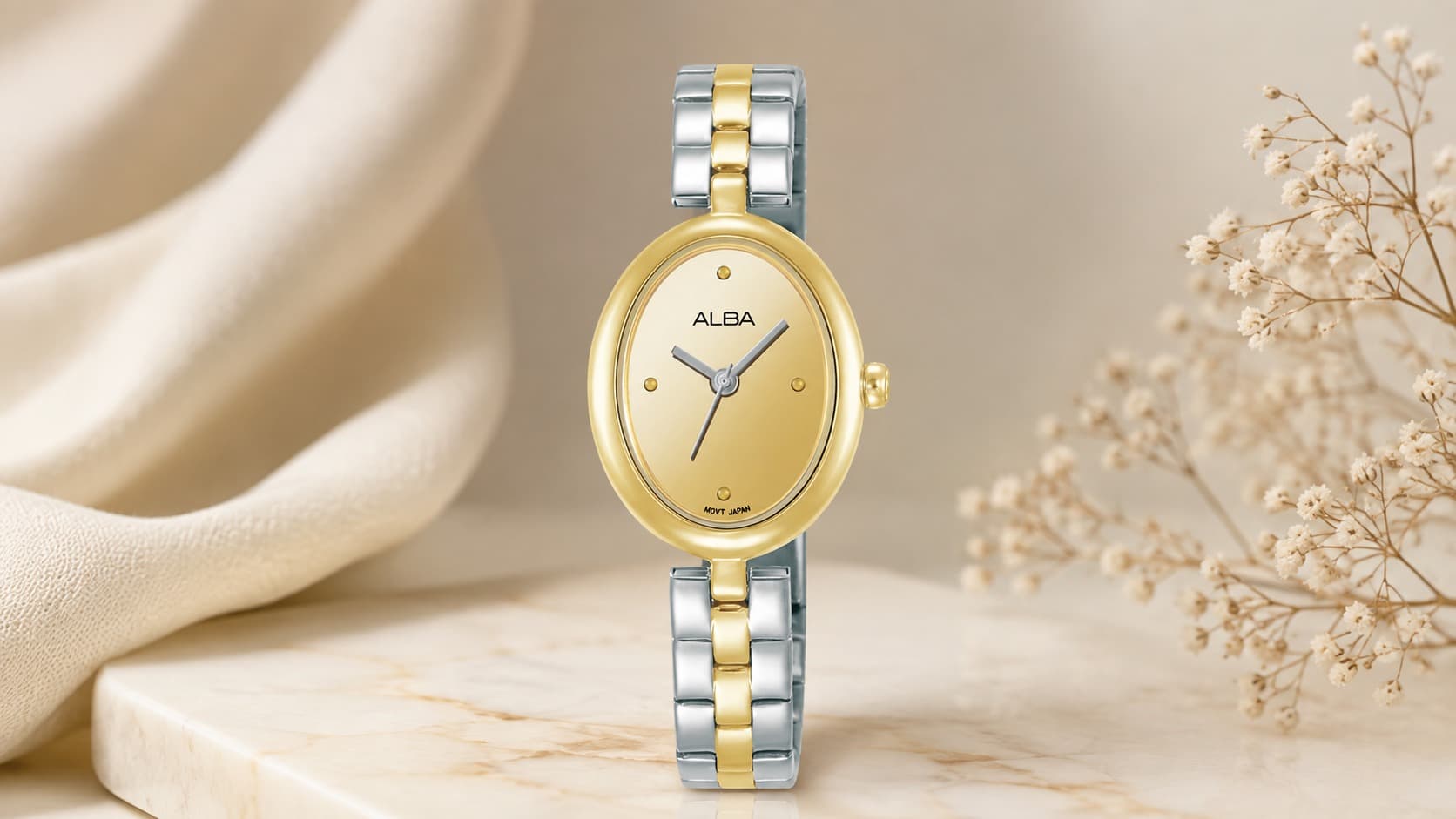
This is the biggest catch for many shoppers outside Asia. Alba doesn’t have the same wide network of official stores in the United States or Europe that Seiko does. Most Western buyers find Alba watches through importers, regional retailers who ship internationally, or secondhand marketplaces.
Because of that limited official distribution, it’s worth being extra careful about where a watch is coming from. Buying from an established, reviewable seller and checking return policies matters more with Alba than with a brand that has official stores on every corner. It also helps to check that the reference number on the listing matches official Alba naming patterns, since sellers occasionally mislabel other Seiko-family watches as Alba models, or vice versa, simply because the two brands share so much internal DNA.
Servicing is the other thing to think through before buying. Without a network of official Alba boutiques in the West, most repairs end up going through general watch repair shops rather than a brand-specific service center. That’s usually fine for routine work like battery swaps or strap changes, since those movements are simple and well understood by any competent watchmaker, but it’s worth budgeting a little extra time for anything more involved, like a full mechanical service.
Should You Buy an Alba Watch?
For the price, yes, especially for anyone curious about mechanical watches without wanting to spend a lot upfront. Getting a Seiko-family automatic movement, a stylish design lineage tied to a legendary car designer, and genuine Japanese engineering at a low cost is a rare combination. The tradeoff is limited availability outside Alba’s core markets and fewer official service centers if something needs repair down the road.
Frequently Asked Questions
Is Alba the same company as Seiko?
Not exactly the same company, but part of the same family. Alba is a sub-brand created and owned by Seiko Watch Corporation, meaning Seiko designs its movements and manufactures the watches, but markets them under a separate name and identity.
When was Alba founded?
Alba was founded in 1979 in Japan, created specifically to offer Seiko-level quality and value at a more accessible price for younger buyers.
What does the name “Alba” mean?
“Alba” means “dawn” in both Italian and Spanish, chosen to represent a fresh, hopeful start, fitting for a brand aimed at people buying one of their first real watches.
What movement do Alba automatic watches use?
Current Alba automatic models are commonly built around the Y676 movement, a Seiko-family caliber that powers the brand’s self-winding mechanical collection.
Is Alba available in the United States or Europe?
It’s possible but not simple. Alba focuses its official retail presence on Asia and the Middle East, so Western buyers typically rely on importers, regional online retailers, or secondhand listings rather than dedicated Alba stores.
Conclusion
Alba proves that a big watchmaker’s little sibling can still carry real weight. It shares Seiko’s movements, borrowed some of its design DNA from a legendary car designer, and built a loyal following by staying honest about what it is: an affordable way into genuine Japanese watchmaking. Anyone drawn to Seiko’s reputation but working with a tighter budget now has a clear reason to look up Alba’s mechanical and chronograph lines before settling on something else.