Your watch warranty protects you from manufacturing defects and movement problems, but it’s surprisingly easy to accidentally void this valuable coverage. Simple actions like opening the case back out of curiosity or wearing your “water-resistant” watch in the shower can immediately cancel warranty protection. Whether you own a $200 Seiko or a $20,000 Rolex, manufacturers use sophisticated detection methods to identify warranty-voiding actions, leaving you to pay out of pocket for repairs. Understanding these five common warranty killers can save you hundreds or thousands of dollars in unexpected repair costs.
What Is a Watch Warranty?
Watch warranties protect you from manufacturing defects and movement failures, but they’re much more limited than most people think. Manufacturer warranties typically last 2-5 years and only cover problems that aren’t your fault - like a crown that breaks off during normal use or a movement that stops working without any abuse. However, warranties never cover normal wear and tear, accidental damage, or problems caused by misuse, which is where most people get surprised when filing claims.
- Manufacturer warranties come directly from brands like Rolex, Omega, or Citizen and provide the strongest protection with international coverage. These warranties transfer between countries and are honored at authorized service centers worldwide. Dealer warranties are offered by the store where you bought the watch and may only cover basic defects for shorter periods, typically 1-2 years maximum.
- Luxury brands like Rolex and Omega now offer 5-year international warranties, while mid-range brands like Citizen provide 5-year coverage in select markets but only 1-year internationally. Budget brands often provide just 1-2 years of basic coverage. TAG Heuer offers 2-year standard warranty but extends to 5 years for their manufacture movements.
- Manufacturing defects include movement failures where the watch stops working without cause, crown problems like threading that strips during normal use, case defects such as loose case backs, and crystal defects like spontaneous cracking. These problems occur during normal use without any abuse or mishandling.
- Normal wear items are never covered and include scratches on the case or crystal from daily use, worn leather straps that crack or fade, bezels that lose color over time, gasket deterioration from age, and general cosmetic wear from regular handling. You’ll pay to replace these items regardless of when they occur.
- Water damage, physical impacts, unauthorized repairs, magnetic exposure, and opening the case back yourself immediately void warranty coverage across all manufacturers. These actions are considered user error or tampering, not manufacturing defects.
The biggest surprise for new watch owners is discovering how many common actions void warranty coverage entirely. Even taking your watch to a local jewelry store for a simple battery change can cancel your warranty if that store isn’t authorized by your watch manufacturer. This is why knowing the warranty-voiding actions becomes crucial for protecting your investment and avoiding expensive out-of-pocket repairs.
5 Common Mistakes That Cancel Your Watch Warranty Coverage
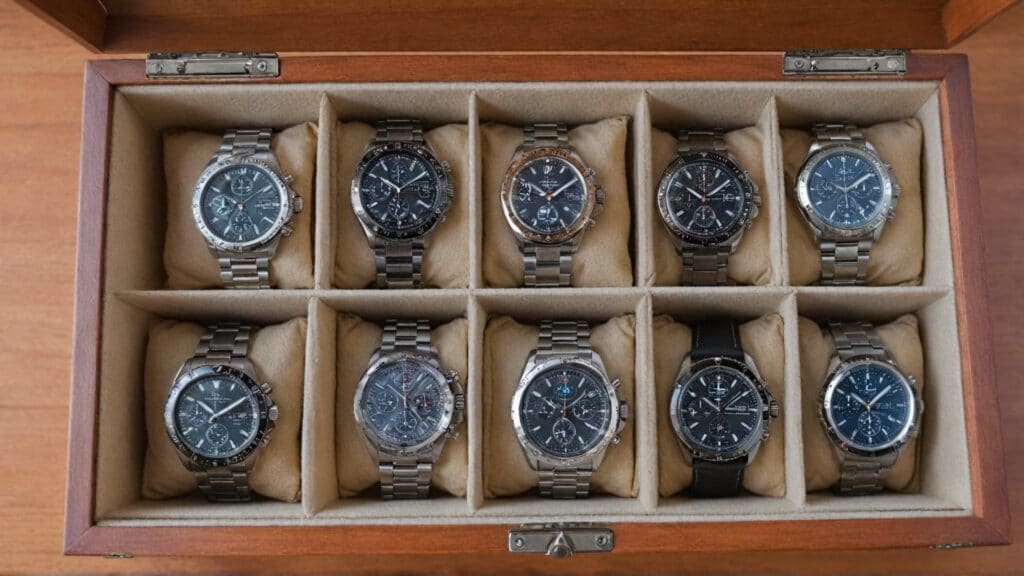
These five actions represent the most common ways watch owners accidentally void their warranty coverage, often without realizing the consequences until expensive repairs become necessary. Each of these warranty killers can be easily avoided with proper knowledge, but once they occur, manufacturers can detect the evidence and deny coverage even for unrelated future problems. From everyday activities that seem harmless to well-intentioned maintenance attempts, these warranty-voiding actions catch thousands of watch owners off guard every year.
Opening Your Watch Case Back Voids Warranty
Opening your watch case back yourself immediately voids your warranty, even if you’re just curious about the movement or trying to change a battery. All major manufacturers treat case back removal as tampering because it compromises the watch’s sealed environment and water resistance. Once opened, your watch loses its factory-sealed protection, and manufacturers can easily detect this violation during service inspections.
- Watch case backs require specific torque specifications that vary by manufacturer, and losing these precise settings compromises water resistance permanently. Even when reinstalled properly, gaskets suffer compression changes and seal surfaces can become contaminated with dust, oils from fingerprints, or microscopic debris that prevents proper sealing.
- Manufacturers use detection systems to identify unauthorized opening attempts. Omega places colored dots on case backs where red dots indicate factory sealing while blue dots show authorized service has occurred. Other brands use thread-locking compounds, witness marks, or special gasket arrangements that reveal tampering.
- Battery changes in quartz watches void warranties when performed by unauthorized technicians, even though this seems like a simple procedure. Manufacturers require specific tools, clean environments, and proper gasket replacement that most local shops cannot provide to factory standards.
- Water resistance immediately becomes compromised when case backs are removed because gaskets deform during the opening process and thread surfaces can be damaged by improper tools. Even professional watchmakers must pressure test watches after any case opening to verify water resistance restoration.
- Common temptations include curiosity about movement mechanics, attempting to remove dust or moisture, trying to fix rattling sounds, or performing DIY maintenance after watching online tutorials. These seemingly harmless actions all result in immediate warranty voiding.
- Tool marks on case backs, disturbed gaskets, missing or displaced components, and altered thread-locking compounds provide clear evidence of unauthorized opening that service technicians can identify during routine inspections.
The temptation to peek inside your watch or save money on battery changes can cost you thousands in voided warranty coverage. Manufacturers invest heavily in creating sealed environments for their movements, and any disruption to these systems represents a liability they won’t cover. Authorized service centers have specialized tools, clean rooms, and factory training to maintain these critical seals while preserving your warranty protection.
Water Damage Beyond Your Watch’s Rating
Water damage from exceeding your watch’s resistance rating instantly voids warranty coverage, and most people misunderstand what these ratings actually mean. A watch rated for 30 meters isn’t suitable for swimming, and even 100-meter ratings don’t guarantee protection in all water activities. Manufacturers design these ratings for specific conditions that rarely match real-world usage, making water damage one of the most common warranty voiders.
- Water resistance ratings reflect static pressure tests in laboratory conditions, not real-world scenarios with movement, temperature changes, or aging components. A 30-meter rating only handles splashes and light rain, while 50-meter ratings permit shallow swimming in pools. True swimming confidence requires 100-meter ratings or higher.
- Hot showers create the perfect storm for water damage through steam penetration and thermal expansion of seals. The combination of hot water vapor and temperature fluctuations causes gaskets to expand and contract, creating gaps that allow moisture infiltration even in watches rated for swimming.
- Swimming pool chemicals like chlorine prove more damaging to watch seals than saltwater, breaking down rubber gaskets and corroding metal components over time. Even brief pool exposure can compromise seals enough to allow future water ingress during normal activities.
- Operating crowns, pushers, or rotating bezels while underwater compromises water resistance regardless of depth rating. These moving parts create entry points for water when activated below the surface, and manufacturers specifically exclude this type of damage from warranty coverage.
- Temperature shock from jumping into cold water while wearing a hot watch, or moving from air conditioning to hot outdoor temperatures, causes rapid seal expansion and contraction that can create temporary gaps allowing water entry.
- Manufacturers detect water damage using liquid contact indicators that change color from white to red upon moisture exposure, internal sensors that activate when water is present, and corrosion analysis showing water damage patterns on movement components.
Modern watches advertise water resistance as a major selling point, but the reality of these ratings often disappoints consumers who assume their timepiece can handle any water activity. The gap between marketing claims and actual protection creates a minefield of warranty-voiding scenarios that catch even careful owners off guard when they discover their “waterproof” watch has suffered expensive water damage.
Unauthorized Watch Repairs Void Warranties
Taking your watch to an unauthorized repair shop or making any modifications automatically voids your warranty, even if the work is performed by skilled professionals using genuine parts. Manufacturers maintain strict control over who can service their watches and what modifications are acceptable, treating any unauthorized work as tampering that releases them from warranty obligations. This policy applies regardless of the quality of work performed or whether the repair actually causes any problems.
- Third-party repair shops, including experienced local jewelers and mail-in services, immediately void manufacturer warranties even when they provide excellent workmanship and use authentic parts. Only authorized service centers with official manufacturer certification can perform warranty-preserving repairs.
- Custom modifications like dial changes, aftermarket bezels, case refinishing, or movement decorations void warranties instantly regardless of their professional quality or monetary value. Even reversible modifications that don’t permanently alter the watch still trigger warranty cancellation.
- Frankenwatches assembled from multiple donor pieces face immediate warranty denial since manufacturers cannot verify the authenticity and condition of all components. These watches may function perfectly but lack the pedigree required for warranty coverage.
- Emergency repairs during travel present particular warranty risks when immediate service needs force owners to seek quick fixes from non-authorized technicians. Even minor repairs like crown replacement or crystal fixes void coverage if performed outside the authorized network.
- Independent repair services typically cost 30-50% less than authorized service but sacrifice warranty protection for immediate savings. Many owners discover this trade-off only after needing warranty service for unrelated problems later.
- Verifying authorized service requires checking manufacturer websites or calling customer service directly, as many repair shops falsely claim authorization or use misleading language about their manufacturer relationships.
The appeal of cheaper repairs and custom modifications can permanently eliminate warranty protection worth thousands of dollars on luxury timepieces. While federal consumer protection laws theoretically limit manufacturer restrictions on repair choices, the reality is that unauthorized service immediately ends warranty coverage across all major watch brands, leaving owners to weigh immediate savings against long-term protection.
Physical Damage That Voids Watch Warranties
Physical damage from drops, impacts, or extreme conditions instantly voids your warranty because manufacturers only cover defects in materials and workmanship, not damage from accidents or abuse. Even watches marketed as “shock-resistant” or “sports watches” have limited protection against real-world impacts, and manufacturers use sophisticated methods to distinguish between manufacturing defects and user-caused damage. Once physical damage occurs, you’re responsible for all repair costs regardless of other warranty coverage.
- Sports activities like golf, tennis, cycling, and contact sports frequently cause warranty-voiding damage despite manufacturers marketing watches specifically for these activities. The repetitive impacts and sudden jolts from these sports exceed the protection levels of most watch movements and cases.
- Workplace accidents in construction, healthcare, manufacturing, and even office environments result in warranty denial when watches encounter machinery, tools, or unexpected impacts. Daily hazards like hitting door frames, dropping tools, or luggage handling create damage patterns that clearly indicate external force.
- Manufacturing defects appear as systematic failures affecting multiple components or showing wear patterns consistent with internal problems, while user damage displays specific impact signatures like directional force marks, localized component damage, or tool marks from attempted repairs.
- Shock resistance standards like ISO 1413 require watches to withstand 1-meter drops onto hardwood surfaces with specific acceleration parameters, but these controlled tests don’t reflect real-world abuse scenarios. Most mechanical watches meet basic 5,000G shock resistance, but luxury watch marketing often emphasizes protection beyond actual capabilities.
- Environmental damage from extreme temperatures, chemical exposure, or rapid climate changes voids warranties even when no visible impact occurs. Saunas, car dashboard storage, exposure to cleaning chemicals, and thermal shock from temperature changes all cause component failures that manufacturers classify as user damage.
- Service technicians identify impact damage through microscopic examination revealing tool marks, gasket displacement, component misalignment, and force patterns that differ distinctly from manufacturing defects or normal wear progression.
The gap between marketing claims about durability and actual warranty coverage creates unrealistic expectations for many watch owners. While manufacturers promote their timepieces for active lifestyles and extreme conditions, the warranty fine print reveals that most physical damage scenarios void coverage, leaving owners surprised when their “indestructible” sports watch needs expensive repairs after normal athletic activities.
How Magnets Void Your Watch Warranty
Magnetic field exposure from everyday devices can magnetize your watch movement and void warranty coverage, as manufacturers classify magnetization as environmental damage rather than a manufacturing defect. Modern life surrounds us with magnetic fields from smartphones, laptops, speakers, and household appliances that can disrupt mechanical watch movements in seconds. Once magnetized, your watch may gain or lose significant time daily, and the damage requires professional demagnetization that isn’t covered under warranty.
- Smartphones generate magnetic fields of approximately 5 gauss at close range, while magnetic phone cases, wireless chargers, and tablet covers with magnetic closures pose even greater risks when watches are stored nearby. Many people unknowingly magnetize their watches by placing them next to charging phones overnight.
- Household magnetic sources include refrigerator magnets, microwave ovens, induction cooktops, magnetic knife holders, and speaker systems that can affect watches from several inches away. Even brief exposure to strong magnetic fields can magnetize sensitive movement components.
- Personal accessories with magnetic closures like purse clasps, jewelry boxes, wallet closures, and bag latches frequently magnetize watches when carried together. Women’s handbags with magnetic snaps represent a particularly common magnetization source that many owners never suspect.
- Workplace hazards include power tools, MRI machines, industrial equipment, magnetic separators, and electronic devices that generate strong magnetic fields. Healthcare workers, mechanics, and factory employees face higher magnetization risks from their work environments.
- Magnetized movements show symptoms of sudden time gain or loss measured in minutes per day rather than seconds, erratic timekeeping that varies throughout the day, complete stoppage despite proper winding, or irregular running that defies normal adjustment attempts.
- Professional demagnetization requires specialized equipment that generates controlled magnetic fields to neutralize magnetized components, while home demagnetizers provide limited effectiveness and may incompletely resolve the problem.
The invisible nature of magnetic fields makes this warranty voider particularly frustrating because damage occurs without any visible cause or user awareness. Watch manufacturers set minimum magnetic resistance standards, but everyday magnetic exposure often exceeds these thresholds, leaving owners with expensive demagnetization bills and voided warranties for what seems like normal use in our electronic world.
How to Protect Your Watch Warranty
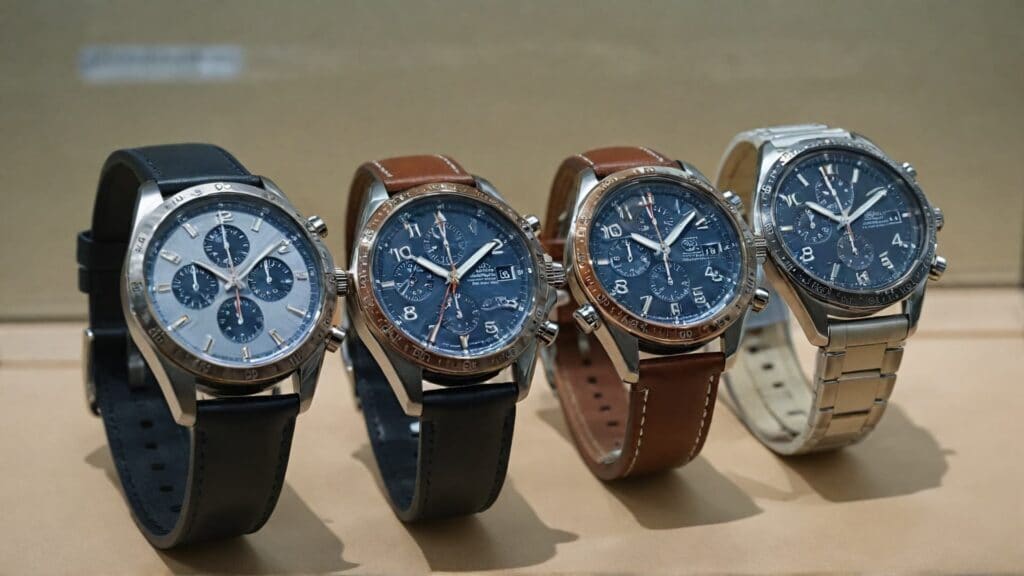
Maintaining your watch warranty requires understanding manufacturer requirements and following specific protocols for care, service, and documentation. Most warranty voiding happens accidentally through seemingly harmless actions or misunderstanding coverage limitations. Protecting your warranty means treating it as valuable insurance that requires active maintenance through proper handling, authorized service, and meticulous record keeping.
- Purchase from authorized dealers exclusively to ensure full warranty coverage and proper documentation, as gray market watches often lack valid warranty cards or have altered serial numbers that void coverage. Authorized dealers provide genuine warranty cards, proper registration, and access to manufacturer service networks.
- Register your watch immediately after purchase through manufacturer websites or warranty card submission, as many brands now require online registration within specific timeframes to activate extended warranty periods. Missing registration deadlines can reduce coverage from 5 years to just 1-2 years.
- Maintain all original documentation including purchase receipts, warranty cards, instruction manuals, and any service records throughout the warranty period and beyond. Photograph these documents and store copies separately, as lost paperwork can complicate warranty claims significantly.
- Use only authorized service centers for any maintenance, repairs, or battery changes, even for simple procedures that seem routine. Verify authorization through manufacturer websites or customer service calls rather than trusting repair shop claims about their certification status.
- Avoid water exposure beyond your watch’s rated capabilities, remove watches before hot showers or saunas, keep watches away from magnetic sources like phones and speakers, and handle timepieces carefully to prevent impacts that could cause internal damage.
- Document your watch’s condition with periodic photographs showing the case, dial, and any existing wear patterns to establish baselines for warranty claims. This evidence helps distinguish new damage from pre-existing conditions during service evaluations.
Your warranty represents significant value that can exceed thousands of dollars on luxury timepieces, making protection efforts worthwhile investments in long-term ownership costs. The small inconveniences of authorized service and careful handling pale compared to paying full repair costs when warranty coverage could have prevented major expenses. Treating warranty protection as seriously as the watch itself ensures maximum value from your timepiece investment.
What to Do If You Think You’ve Voided Your Warranty
Discovering potential warranty voiding doesn’t automatically mean your coverage is permanently lost, as manufacturers sometimes show flexibility depending on circumstances and damage severity. Your first response should focus on damage control, honest communication with the manufacturer, and exploring alternative protection options. Many situations that appear to void warranties can still result in covered repairs if handled properly through official channels.
- Contact the manufacturer’s customer service immediately to report the issue and explain circumstances honestly, as attempting to hide warranty-voiding actions often worsens outcomes when service technicians discover evidence during inspection. Early communication demonstrates good faith and may influence coverage decisions.
- Gather all documentation including purchase receipts, warranty cards, service records, and photographs showing the watch’s condition before and after the incident. Complete documentation helps manufacturers assess whether coverage exceptions might apply based on specific circumstances.
- Avoid attempting additional repairs or modifications that could compound warranty problems, as further unauthorized work eliminates any remaining flexibility manufacturers might offer for borderline cases. Stop all DIY efforts and seek professional guidance immediately.
- Request specific explanations for warranty denial decisions and ask about partial coverage options, as manufacturers sometimes cover certain repairs while excluding others based on damage assessment. Understanding exactly what coverage remains helps guide repair decisions.
- Explore alternative coverage through homeowner’s insurance, renter’s insurance, or specialized watch insurance policies that may cover accidental damage, theft, or other losses beyond manufacturer warranty limitations. These policies often provide broader protection than manufacturer warranties.
- Consider independent repair services from certified watchmakers who can provide quality repairs with service warranties on work performed, though these repairs permanently end any remaining manufacturer warranty coverage.
Warranty voiding isn’t always permanent or absolute, and manufacturers occasionally make exceptions based on customer relationships, damage circumstances, or repair complexity. The key lies in immediate, honest communication combined with thorough documentation and realistic expectations about coverage limitations. Even when manufacturer warranty ends, alternative protection and repair options can still provide cost-effective solutions for maintaining your timepiece.
Conclusion
Watch warranty protection requires active maintenance through careful handling, authorized service, and proper documentation, but even experienced collectors can accidentally void coverage through seemingly innocent actions. The five primary warranty killers - unauthorized case opening, water damage beyond ratings, unauthorized repairs, physical damage, and magnetic exposure - account for the vast majority of warranty claim denials across all manufacturers. These warranty-voiding scenarios often surprise owners who discover their careful watch maintenance didn’t include avoiding these specific pitfalls that manufacturers strictly enforce.
Federal consumer protection laws provide stronger rights than many consumers realize, particularly regarding repair choices and warranty dispute resolution, though prevention remains more effective than legal remedies after warranty voiding occurs. The Magnuson-Moss Warranty Act theoretically limits manufacturer restrictions on repair choices, but the reality of warranty enforcement still heavily favors manufacturers who can easily detect and prove warranty-voiding actions through sophisticated inspection methods. Knowing these legal protections helps during warranty disputes while emphasizing the importance of following manufacturer requirements.
Smart watch ownership means treating warranty coverage as valuable insurance that requires ongoing protection through informed decisions about care, service, and usage. The hundreds or thousands of dollars represented by warranty coverage on luxury timepieces justify the minor inconveniences of authorized service and careful handling, especially when compared to full repair costs that voided warranties cannot prevent. Your watch warranty represents one of the most valuable aspects of ownership, and protecting it properly ensures maximum value from your timepiece investment for years to come.