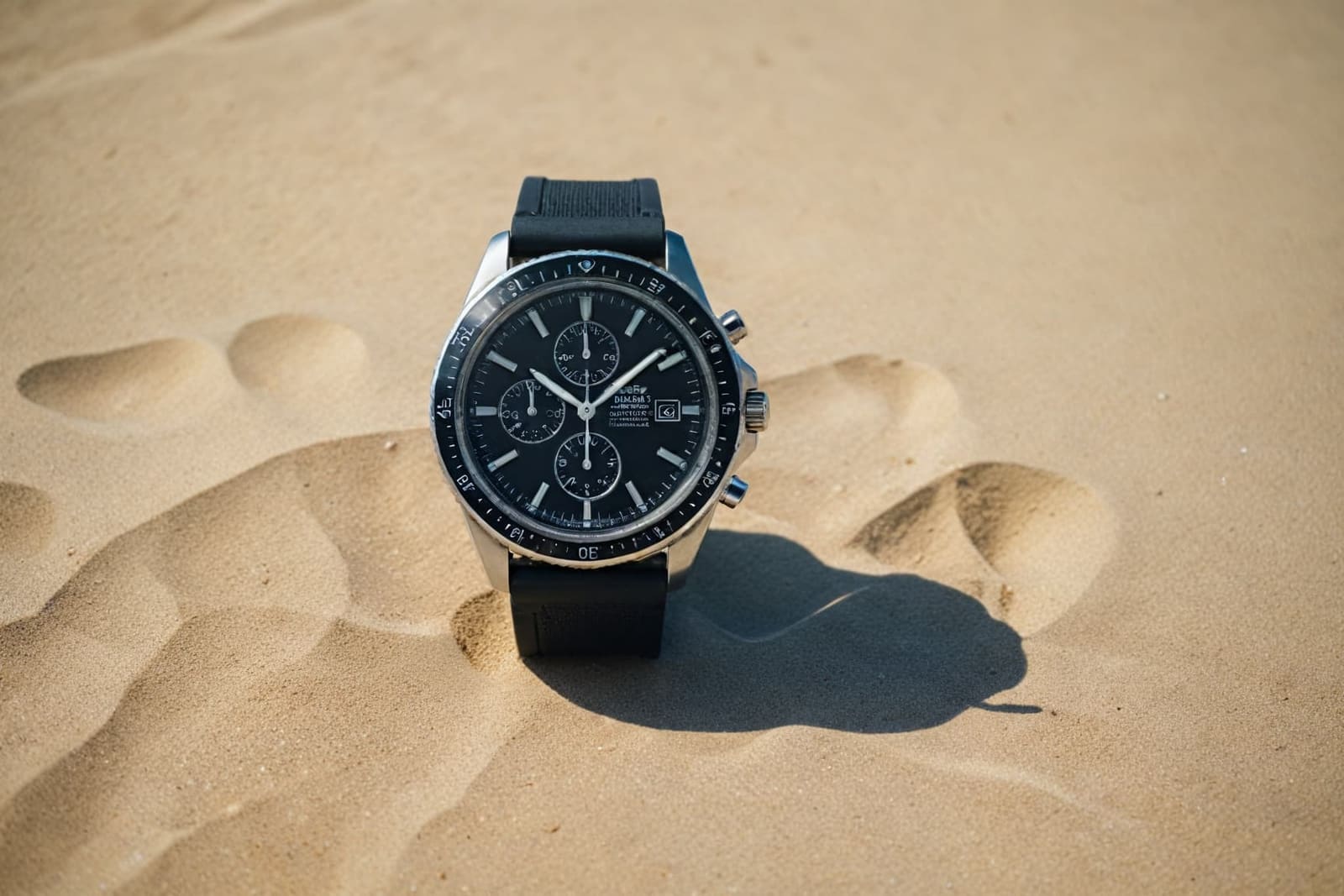
The allure of wearing your favorite timepiece during beach vacations is undeniable, but coastal environments present a perfect storm of watch-damaging conditions that can transform a relaxing getaway into an expensive repair nightmare. Salt water, abrasive sand particles, extreme UV radiation, and rapid temperature fluctuations work in tandem to attack watches through multiple destructive mechanisms – from corroding delicate internal components to infiltrating precision movements with microscopic debris. While the romantic notion of timing sunset walks or tracking diving adventures with your trusted watch remains appealing, the reality is that beach environments represent one of the most challenging conditions any timepiece will face. The combination of corrosive saltwater exposure, thermal shock from transitioning between hot sand and cold ocean, and the constant threat of sand infiltration creates a hostile environment where even well-engineered watches can fail without proper precautions.
Is It Safe to Wear Watches at the Beach?
Yes, you can safely wear a watch to the beach, but success depends entirely on choosing the right timepiece and following proper care protocols. The key lies in recognizing that not all watches are created equal when it comes to surviving harsh coastal environments, and that even the most robust timepieces require specific preparation and maintenance to ensure longevity. Beach conditions demand watches with genuine water resistance, corrosion-resistant materials, and construction designed to handle environmental extremes that would destroy inappropriate timepieces within hours of exposure.
- Dive watches rated 200m or higher are specifically built to handle everything the beach can throw at them. These watches feature multiple gasket seals, screw-down crowns, and cases made from marine-grade stainless steel or titanium that resists saltwater corrosion. Professional dive watches undergo individual pressure testing rather than batch sampling, and they’re designed to withstand rapid temperature changes from hot sand to cold water. You can swim, snorkel, surf, and dive with confidence, though even these robust timepieces need proper maintenance after saltwater exposure.
- Sports watches with 100m+ water resistance work well for most beach activities, especially if you’re not planning serious water sports. Models like Casio G-Shock, Citizen Promaster, or Garmin fitness watches combine solid water protection with shock resistance and easy-to-clean materials. They’re perfect for beach volleyball, casual swimming, kayaking, and general beach fun. While they might not have the premium materials of dive watches, they often cost much less and can take a beating better than luxury timepieces.
- Watches rated 30m-50m should never go near saltwater, despite what the numbers might suggest. These ratings are based on laboratory conditions with still water and gradual pressure increases. Real beach conditions involve waves, movement, temperature changes, and sand that can overwhelm these basic seals. Even splashing around in shallow water can cause water damage that costs hundreds to repair. These watches are fine for everyday wear but need to stay dry at the beach.
- Smart watches require extra attention but many modern models handle beach conditions surprisingly well. Apple Watch Series 2 and newer models are rated for saltwater swimming, and they automatically activate water lock mode when they detect submersion. Samsung Galaxy Watch and Garmin smartwatches also offer solid water resistance. The main concern is keeping charging ports clean of sand and salt, which requires thorough rinsing and drying after each beach day to prevent corrosion of the electrical contacts.
- Vintage watches, dress watches, and expensive complications should stay home no matter how much you love wearing them. Leather straps absorb saltwater and become brittle, thin cases offer minimal protection, and complex mechanisms like chronographs or moon phases are vulnerable to sand infiltration. Even brief saltwater exposure can cause thousands in damage to a luxury watch. Save these pieces for dry land and special occasions where you can properly care for them.
- Water resistance ratings are tested in perfect laboratory conditions that don’t match real beach use. A 100m rating means the watch survived static pressure equivalent to 100 meters underwater, but it doesn’t account for swimming motions, temperature shock, or worn gaskets. Dynamic pressure from swimming can easily exceed these ratings, which is why professionals recommend choosing watches with much higher ratings than you think you need.
- Temperature changes pose a hidden threat that many people don’t consider. When you move from hot sand (which can reach 140°F in direct sunlight) to cold ocean water, your watch case and gaskets expand and contract at different rates. This creates tiny gaps that can let water in, even on well-sealed watches. Metal bracelets also become dangerously hot in direct sun and can burn your skin, making rubber or fabric straps better choices for beach wear.
- Many professional surfers and divers keep separate watches just for beach use rather than risk their expensive everyday pieces. This approach makes financial sense when you consider that a $200 dedicated beach watch can prevent thousands in repair costs to your daily timepiece. It also means you don’t have to worry about every wave or sand encounter, letting you enjoy your beach time without constantly checking if your watch is okay.
The smart approach to beach watch wearing combines realistic expectations with proper preparation and maintenance. Even the toughest dive watch will eventually fail if you never rinse it with fresh water or ignore basic care requirements. Choose a watch that’s genuinely built for the conditions you’ll face, maintain it properly, and don’t push equipment beyond its limits just because the marketing says it’s “waterproof.” With the right watch and proper care, you can time your beach adventures reliably while protecting your investment for years of coastal fun.
Understanding Watch Water Resistance at the Beach
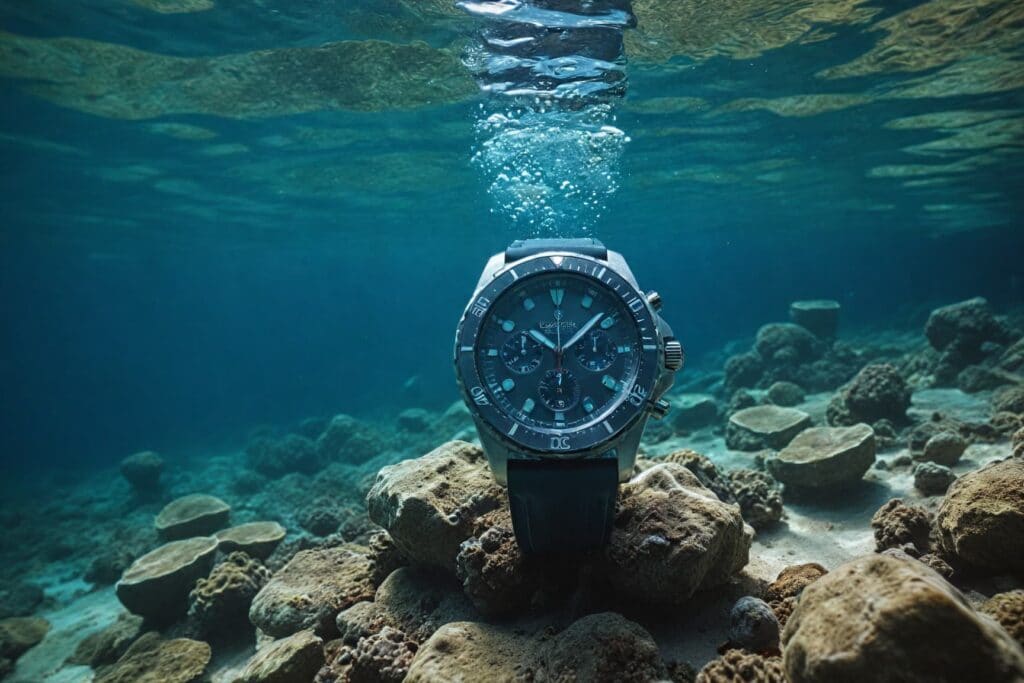
Water resistance serves as your watch’s primary protection against beach conditions, but the ratings system creates dangerous misunderstandings that lead to expensive failures. The numbers on your watch dial represent laboratory test conditions using stationary timepieces under controlled pressure increases, not real-world scenarios involving swimming motions, temperature fluctuations, and aging seals. Beach environments present dynamic challenges that can overwhelm even properly rated watches if you don’t understand the true limitations and safety margins built into these specifications.
- 30m (3 ATM) ratings are essentially splash-proof only and should never encounter intentional water contact at the beach. These watches can handle handwashing, light rain, and accidental splashes, but even aggressive washing with sandy hands can breach their minimal seals. The gaskets in these watches are designed for occasional moisture exposure, not the sustained humidity and salt air found at beaches. Many people mistakenly believe 30m means they can swim 30 meters deep, leading to catastrophic water damage that typically costs more to repair than the watch is worth.
- 50m (5 ATM) ratings allow brief shallow water contact but fail quickly under swimming conditions. While these watches can survive short periods of surface water exposure, the dynamic pressure created by swimming motions often exceeds their sealing capabilities. Wave action, diving into water, or even vigorous hand washing creates pressure spikes that overwhelm the basic gasket systems. These watches work for quick rinses or caught in rain, but sustained water activities will cause failure within minutes to hours of exposure.
- 100m (10 ATM) represents the absolute minimum for serious beach swimming and snorkeling activities. At this rating, watches feature enhanced gasket systems and stronger case construction designed to handle moderate water sports. However, even 100m-rated watches shouldn’t be used for scuba diving or high-velocity water sports like surfing, where impact forces and rapid pressure changes can exceed their capabilities. These watches need screw-down crowns fully secured before any water contact, as operating the crown underwater immediately compromises water resistance.
- 200m (20 ATM) ratings provide the safety margin needed for recreational scuba diving and serious water sports. Professional dive watches typically start at this rating because it accounts for dynamic pressure, temperature shock, and the reality that gaskets degrade over time. These watches feature multiple sealing systems, reinforced cases, and materials specifically chosen for saltwater resistance. Even at this rating, operating pushers or crowns underwater can cause immediate water infiltration, making user discipline essential for maintaining protection.
- Professional dive watches rated 300m+ include additional safety features like helium escape valves and enhanced pressure testing. These timepieces undergo individual pressure testing rather than batch sampling, ensuring each watch meets its full specifications. They feature ceramic or sapphire crystal bezels that resist pressure deformation, titanium or high-grade steel cases that handle thermal shock, and gasket systems designed for thousands of pressure cycles. However, even these watches require annual pressure testing and gasket maintenance to ensure continued protection.
- Temperature shock poses the greatest threat to water resistance integrity across all rating levels. Moving from hot sand (which regularly exceeds 60°C/140°F) to cold ocean water causes rapid expansion and contraction of case materials and gaskets. Rubber gaskets expand at rates ten times higher than steel cases, creating temporary gaps that allow water infiltration even in properly sealed watches. This thermal cycling accumulates damage over time, gradually reducing effective water resistance until sudden failure occurs.
- Dynamic pressure from swimming motions can exceed static test ratings by 300-500%. Laboratory tests apply pressure gradually to stationary watches, while real swimming involves rapid acceleration, direction changes, and impact with water that creates pressure spikes far beyond the watch’s rating. A simple dive into water from poolside can generate pressures equivalent to 30-50 meters of depth, explaining why 30m-rated watches fail immediately in swimming conditions.
- Gasket degradation occurs invisibly over time, reducing effective water resistance without warning signs. Rubber seals deteriorate from UV exposure, temperature cycling, and chemical contact with lotions, sunscreens, and cleaning products. Most manufacturers recommend gasket replacement every 2-3 years, but beach use accelerates this timeline to 12-18 months due to harsh environmental conditions. Professional pressure testing annually becomes essential for beach watches to catch gasket failure before water damage occurs.
The reality of water resistance ratings demands conservative interpretation and regular maintenance to ensure continued protection. Laboratory conditions bear little resemblance to beach environments, where thermal shock, dynamic pressure, and environmental contamination work together to challenge even robust sealing systems. Choose watches with ratings significantly higher than your intended use, maintain them professionally, and never operate controls underwater regardless of the stated specifications. Water resistance is not permanent or guaranteed, but rather a degrading protection that requires active maintenance to preserve your timepiece’s integrity against the unforgiving coastal environment.
Protecting Your Watch from Beach Sand Damage
Sand represents one of the most insidious threats to watch mechanisms because it infiltrates through the smallest gaps and causes progressive damage that often goes unnoticed until expensive repairs become necessary. Unlike water damage that typically shows immediate symptoms, sand contamination works slowly and silently, grinding away at delicate components while you continue wearing your watch. The microscopic particles act as abrasive media between moving parts, accelerating wear rates exponentially and compromising the precision that makes mechanical watches valuable. Even watches with excellent water resistance can fall victim to sand infiltration through gasket interfaces, crown mechanisms, and bezel assemblies that weren’t designed to exclude such fine particles.
- Fine tropical sand poses greater infiltration risks than coarse temperate beach sand due to particle size differences. Tropical beaches typically feature sand particles ranging from 0.1-0.5mm, while temperate beaches have coarser 0.5-2mm particles. The finer particles can penetrate gaps that would exclude larger sand grains, working their way into crown threads, pusher mechanisms, and even properly sealed case backs. Once inside these interfaces, fine sand acts like grinding paste, wearing away metal surfaces and creating larger gaps that allow more contamination to enter.
- Crown and pusher operations with sandy hands introduce particles directly into the movement. The crown shaft extends from outside the case through the tube and into the movement, creating a direct pathway for contamination when operated with dirty hands. Even screw-down crowns offer protection only when properly sealed, and most people unknowingly compromise this protection by adjusting time or date settings after handling sand. Chronograph pushers present even greater vulnerability because they’re designed to be operated frequently and have more complex sealing mechanisms that sand can overwhelm.
- Rotating bezels accumulate sand particles that damage both timing mechanisms and aesthetic finishes. Unidirectional dive bezels rely on precise tolerances between rotating and stationary components, with sand particles disrupting smooth operation and causing premature wear. The clicking mechanism that provides tactile feedback includes delicate springs and detents that sand can jam or damage. Even cleaning visible sand from bezel surfaces doesn’t remove particles trapped in internal mechanisms, where they continue causing damage during normal operation.
- Automatic winding systems suffer significant efficiency losses when sand infiltrates rotor bearings. The oscillating weight that powers automatic movements relies on smooth bearing operation to transfer energy from wrist motion to the mainspring. Sand particles increase friction in these bearings, reducing winding efficiency and forcing the movement to work harder to maintain power reserve. This increased stress accelerates wear throughout the entire gear train and can lead to premature service intervals or complete movement failure.
- Escapement mechanisms face critical timing disruption from even microscopic sand contamination. The escapement regulates timekeeping accuracy through precise contact between pallet stones and escape wheel teeth, with tolerances measured in hundredths of millimeters. Sand particles can disrupt this delicate interaction, causing timing errors, irregular amplitude, or complete stoppage. Because the escapement operates continuously, contamination damage accumulates rapidly and often requires complete movement servicing to correct.
- Calendar mechanisms prove especially vulnerable to sand jamming due to their complex gear interactions. Date wheels, day wheels, and month indicators rely on precise timing and smooth operation of multiple interconnected components. Sand particles can prevent proper advancement of calendar displays, cause wheels to bind against each other, or damage the delicate teeth that control calendar functions. Repairing sand-damaged calendar mechanisms often requires complete disassembly and replacement of multiple components.
- Bracelet links and strap attachment points trap sand particles that cause long-term corrosion and wear. Metal bracelets collect sand between links where it combines with saltwater and skin oils to create an abrasive paste that slowly wears away metal finishes and joint surfaces. Spring bars that attach straps to cases can corrode when sand and salt accumulate in the attachment points, leading to sudden strap failure and potential watch loss. Even rubber straps can suffer damage when sand particles work into buckle mechanisms or attachment hardware.
- Cleaning visible sand from external surfaces doesn’t address internal contamination that continues causing damage. Many people believe rinsing their watch with fresh water after beach use removes sand contamination, but this approach only addresses surface particles. Sand trapped in crown threads, pusher mechanisms, and bezel assemblies requires specific cleaning techniques using soft brushes and flowing water to dislodge embedded particles. Simply wiping or rinsing may actually force sand deeper into mechanisms rather than removing it.
- Professional cleaning becomes necessary when sand infiltration affects movement performance, but prevention costs far less than repair. Watch repair shops report that sand contamination ranks among the most expensive types of damage to correct because it typically requires complete movement disassembly, cleaning, and lubrication. Prevention through proper handling techniques, immediate post-beach cleaning, and avoiding crown operations with sandy hands can prevent thousands of dollars in repair costs while preserving your watch’s long-term accuracy and reliability.
Sand infiltration represents a gradual but serious threat that demands proactive prevention rather than reactive repair. The microscopic nature of sand particles allows them to penetrate defenses that would stop larger contaminants, while their abrasive properties cause cumulative damage that compounds over time. Successful sand protection requires changing your interaction habits with your watch in beach environments, implementing thorough cleaning protocols after each exposure, and recognizing that even properly sealed watches aren’t immune to this persistent threat. The investment in preventive care pays dividends in maintaining your timepiece’s precision and avoiding the heartbreak of discovering extensive internal damage from what seemed like harmless beach fun.
Why Salt Water is Worse for Watches Than Fresh Water
Salt water presents dramatically more aggressive conditions for watches compared to fresh water exposure, creating multiple attack vectors that can destroy even well-built timepieces through accelerated corrosion processes. The fundamental difference lies in salt water’s electrical conductivity and chemical composition, which transforms it from a simple moisture threat into an active corrosive agent that attacks metal components through electrochemical reactions. Fresh water primarily threatens watches through seal penetration and moisture damage, while salt water adds galvanic corrosion, chloride-induced pitting, and concentrated salt crystal formation that can cause permanent damage within hours of exposure. This distinction explains why many watches that survive years of swimming pool use fail rapidly when exposed to ocean conditions.
- Salt water’s electrical conductivity exceeds fresh water by 100-500 times, dramatically accelerating galvanic corrosion between different metals in your watch. Ocean water conducts electricity at approximately 50,000 microsiemens per centimeter compared to fresh water’s 100-500 microsiemens, creating a powerful electrolyte that drives current between dissimilar metals. When stainless steel cases contact aluminum components, gold plating over steel substrates, or titanium cases with steel bracelets, the salt water acts like battery acid, causing the more reactive metal to corrode preferentially while protecting the noble metal.
- Chloride ion concentration at 35,000 parts per million in seawater attacks the protective oxide layers that normally protect stainless steel from corrosion. These chloride ions are small enough to penetrate the microscopic passive layer that gives stainless steel its corrosion resistance, creating localized pitting that can penetrate deep into metal components. Once pitting begins, it becomes self-sustaining as the confined chemistry becomes increasingly acidic, explaining why small spots of corrosion can quickly develop into serious structural damage even on marine-grade materials.
- Crevice corrosion in salt water creates highly acidic local environments that attack even premium watch materials. Areas where metal surfaces contact each other, such as bracelet links, crown threads, and case back interfaces, become oxygen-starved when salt water penetrates. This oxygen depletion causes the local chemistry to become acidic (pH dropping below 3), creating conditions more corrosive than battery acid in these confined spaces. Even 316L marine-grade stainless steel suffers rapid degradation under these conditions.
- Salt crystal formation during evaporation concentrates corrosive effects and creates mechanical stress on watch components. When salt water evaporates from your watch, it leaves behind salt crystals that can be 10-100 times more concentrated than the original seawater. These crystals continue attracting moisture from the air, maintaining corrosive conditions long after the initial exposure. The crystals also expand as they form, creating mechanical stress that can damage gaskets, crack crystal coatings, and force apart fitted components.
- Temperature effects multiply salt water corrosion rates exponentially compared to fresh water environments. Warm tropical seawater doubles corrosion rates for every 10°C temperature increase, meaning that 30°C Caribbean water corrodes metals four times faster than 10°C North Atlantic water. This temperature effect combines with salt water’s inherent aggressiveness to create particularly challenging conditions in popular beach destinations where warm, clear water seems most inviting for watch wearing.
- Fresh water swimming pools present their own chemical challenges through chlorine and pH control additives. Pool water typically contains 1-3 parts per million of chlorine compounds that can attack rubber gaskets and metal components, though at much lower concentrations than seawater chlorides. Pool chemicals also include pH adjusters, algaecides, and clarifiers that can affect watch materials differently than natural fresh water. However, pool water’s controlled chemistry and immediate availability of shower facilities make it far less threatening than ocean exposure.
- Lake and river water varies dramatically in corrosiveness depending on dissolved mineral content and pollution levels. Natural fresh water can range from extremely pure mountain streams that pose minimal corrosion risk to mineral-rich lakes with high salt content approaching seawater levels. Industrial pollution, agricultural runoff, and urban contamination can introduce chemicals more aggressive than seawater, making local water quality an important consideration for watch safety during fresh water activities.
- Immediate post-exposure care differs significantly between salt and fresh water contamination. Fresh water requires basic drying and attention to moisture penetration, while salt water demands immediate thorough rinsing with fresh water to remove salt deposits before they can concentrate through evaporation. Salt water also requires specific attention to moving parts like bezels and crowns to ensure salt crystals don’t jam mechanisms as they form during the drying process.
- Long-term material degradation follows different patterns for salt versus fresh water exposure. Fresh water primarily affects rubber components through swelling and softening, while salt water attacks both rubber and metal components simultaneously. Gaskets exposed to salt water become brittle and crack rather than simply swelling, while metal components develop pitting and galvanic corrosion that fresh water cannot cause. This multi-vector attack explains why watches can survive years of fresh water use but fail rapidly in marine environments.
The chemical aggression of salt water transforms watch protection from a simple moisture barrier problem into a complex materials science challenge requiring specific alloys, enhanced sealing systems, and disciplined maintenance protocols. While fresh water threatens primarily through seal penetration and moisture damage that develops slowly, salt water actively attacks your watch through multiple simultaneous mechanisms that can cause irreversible damage within hours. This fundamental difference explains why marine chronometers require special certification, why dive watches cost significantly more than sport watches, and why proper post-saltwater care is absolutely critical for preserving any timepiece exposed to ocean conditions. The ocean gives no quarter to inadequate preparation or lazy maintenance, making respect for its corrosive power essential for any watch owner venturing into coastal waters.
How Heat and Sun Damage Beach Watches
Extreme heat and ultraviolet radiation at beaches create invisible but serious threats to watch components that can cause gradual degradation and sudden failures even without water contact. Direct sunlight can raise watch case temperatures above 60°C (140°F), well beyond the thermal limits of many lubricants, gaskets, and electronic components, while UV radiation systematically breaks down polymer materials through photochemical reactions. The combination of scorching sand, intense reflected sunlight, and prolonged exposure duration found at beaches creates thermal conditions more extreme than most watches encounter in normal daily wear. Many beach watch failures attributed to water damage actually result from heat and UV exposure that compromised sealing systems before any water contact occurred.
- Direct sunlight raises metal watch cases to dangerous temperatures that can cause immediate skin burns and long-term component damage. Stainless steel and titanium cases can exceed 70°C (158°F) in direct tropical sunlight, hot enough to cause second-degree burns on contact with skin. These extreme temperatures cause thermal expansion that stresses gaskets, affects lubricant viscosity, and can damage temperature-sensitive components like quartz crystals or electronic circuits. Dark-colored watches absorb more heat than light-colored models, with black PVD coatings reaching temperatures 10-15°C higher than polished steel cases under identical conditions.
- UV radiation systematically destroys rubber gaskets through photodegradation that makes them brittle and prone to cracking. Ultraviolet wavelengths between 280-400 nanometers break chemical bonds in polymer chains, causing rubber to lose elasticity and develop surface cracks that compromise sealing effectiveness. Nitrile rubber (Buna-N) shows visible degradation after 2-3 years of regular beach exposure, while premium fluoroelastomers like Viton maintain properties for 10+ years under identical conditions. This degradation occurs gradually and invisibly, often causing sudden seal failure without warning during water activities.
- Thermal expansion mismatches between different materials create temporary gaps that compromise water resistance. Metal cases expand at approximately 17 × 10⁻⁶ per degree Celsius, while rubber gaskets expand at 200 × 10⁻⁶ per degree, meaning gaskets expand more than ten times faster than the metal components they’re supposed to seal. During rapid temperature changes from air conditioning to hot sand to cold water, these differential expansion rates create temporary gaps that allow water infiltration even in properly assembled watches.
- Watch lubricants break down rapidly at elevated temperatures, causing increased friction and accelerated component wear. Synthetic lubricants typically maintain properties up to 60°C, but temperatures above this threshold cause viscosity changes and chemical breakdown that reduces lubrication effectiveness. Mineral oil-based lubricants perform worse, often becoming too thin to provide adequate protection or thick enough to increase friction significantly. Modern perfluoropolyether (PFPE) lubricants offer better thermal stability but still degrade when exposed to the temperature extremes common on tropical beaches.
- Dial and hand deterioration accelerates under intense UV exposure, causing fading, discoloration, and material breakdown. Printed dial markings can fade or change color within months of regular beach exposure, while luminous compounds lose brightness and can develop uneven patination. Aluminum hands anodized in bright colors show rapid fading, and plastic or composite dial elements become brittle and prone to cracking. Even premium watches with fired enamel dials can develop stress cracks from thermal cycling between extreme temperatures.
- Crystal coatings and treatments degrade under combined heat and UV exposure, reducing scratch resistance and optical clarity. Anti-reflective coatings on sapphire crystals can develop a purple or blue tint after extensive UV exposure, while the coatings themselves may begin flaking or developing uneven wear patterns. Acrylic crystals yellow significantly under UV exposure and become increasingly brittle, making them prone to cracking from minor impacts that would have been harmless when new.
- Electronic components in smartwatches face particular vulnerability to heat damage that can cause immediate failure or shortened lifespan. Lithium batteries experience accelerated capacity loss at temperatures above 45°C, while processors and sensors can suffer permanent damage or data corruption at temperatures exceeding 60°C. Most smartwatches will automatically shut down when internal temperatures reach critical levels, but this protection doesn’t prevent cumulative damage from repeated exposure to extreme conditions.
- Heat-induced pressure increases inside watch cases can overwhelm gasket sealing systems even without water contact. Air trapped inside watch cases expands significantly with temperature increases, creating internal pressure that pushes against gaskets from the inside. This pressure can force gaskets out of their seating grooves or cause them to extrude past case edges, compromising water resistance before any aquatic activities begin. Watches with poor case venting or aged gaskets are particularly susceptible to this heat-induced pressure failure.
- Thermal shock from rapid temperature transitions causes more damage than gradual temperature changes. Moving from air-conditioned environments to hot sand and then into cold water creates thermal stress that gradually fatigues metal components and gasket materials. This cycling effect accumulates damage over multiple beach visits, often causing sudden failure during what appears to be normal use. Professional dive watches include thermal shock testing in their certification process, but most sport watches aren’t designed for these extreme transitions.
- Reflected sunlight from sand and water doubles UV exposure intensity compared to normal outdoor conditions. Beach environments can expose watches to UV levels 150-200% higher than typical outdoor activities due to reflection from light-colored sand and water surfaces. This increased intensity accelerates all UV-related degradation processes, meaning that a week at the beach can cause more UV damage than months of normal outdoor wear. Watches worn on the top of the wrist receive particularly intense exposure as reflected light hits the dial and crystal directly.
Heat and UV protection requires proactive strategies including shade storage during peak sun hours, choosing light-colored cases that reflect rather than absorb heat, and selecting watches with UV-resistant materials like ceramic cases or sapphire crystals. The invisible nature of thermal and UV damage makes it particularly insidious because components can be severely compromised while still appearing normal, leading to sudden failures during water activities when protection is most critical. Professional beach athletes often carry UV-blocking watch covers or store timepieces in cooled containers during extreme exposure periods, recognizing that prevention costs far less than replacing heat-damaged components or entire movements degraded by thermal stress.
Best Watch Materials for Beach Use
Material selection fundamentally determines your watch’s survival chances in beach environments, with some alloys and compounds offering near-immunity to saltwater corrosion while others fail catastrophically within hours of exposure. The engineering behind beach-appropriate materials involves balancing corrosion resistance, thermal stability, impact strength, and manufacturing costs to create timepieces that can withstand decades of coastal abuse. Modern metallurgy and polymer science have produced materials specifically designed for marine applications, but these premium options often carry significant cost premiums that may not be justified for casual beach use. The key lies in understanding which material properties matter most for your specific beach activities and choosing watches that prioritize the right characteristics for your usage patterns.
- 316L stainless steel represents the minimum acceptable standard for serious saltwater exposure due to its molybdenum content that stabilizes protective oxide layers. This marine-grade alloy contains 2-3% molybdenum that prevents chloride-induced pitting corrosion, making it the foundation material for virtually all dive watches and marine chronometers. The “L” designation indicates low carbon content (under 0.03%) that reduces carbide formation and maintains corrosion resistance even after welding or machining. While 316L costs more than standard 304 stainless steel, its superior saltwater performance justifies the premium for any watch intended for regular beach use.
- Titanium offers superior saltwater immunity with self-healing oxide layers that reform automatically when damaged. Grade 2 titanium, commonly used in watches, provides excellent corrosion resistance while weighing 40% less than stainless steel, reducing stress on gaskets and case attachments. The titanium dioxide layer that forms naturally on the surface rebuilds itself within microseconds if scratched or abraded, providing permanent protection against saltwater attack. However, titanium’s lower hardness makes it more susceptible to scratching from sand abrasion, and its higher thermal expansion coefficient can stress gaskets during temperature changes.
- Ceramic cases provide complete immunity to saltwater corrosion and exceptional scratch resistance but sacrifice impact toughness. High-tech ceramics like zirconia or aluminum oxide offer hardness ratings of 8-9 on the Mohs scale, making them virtually scratchproof against sand abrasion while remaining completely inert to chemical attack. Ceramic’s low thermal conductivity also provides better temperature stability for internal components. The trade-off comes in brittleness, as ceramic cases can shatter from impacts that would merely dent metal cases, making them better suited for swimming than contact sports or climbing activities.
- Sapphire crystal delivers optimal optical clarity and scratch resistance with hardness second only to diamond on natural materials. Synthetic sapphire rates 9 on the Mohs scale compared to 7 for mineral glass, meaning it resists scratching from all common abrasives including sand, rocks, and metal objects. Anti-reflective coatings on sapphire provide superior readability in bright beach conditions, while the material’s thermal stability prevents stress cracking from temperature changes. The higher cost compared to mineral glass is justified for any watch expected to encounter sandy environments regularly.
- Mineral glass offers decent scratch resistance at lower cost but shows visible wear from sand exposure over time. Tempered mineral glass provides adequate protection for casual beach use and costs significantly less than sapphire crystal, making it appropriate for affordable beach watches that may face replacement rather than expensive repair. The material’s impact resistance actually exceeds sapphire crystal, making it better for contact sports where shattering risk outweighs scratch concerns. However, mineral glass will develop micro-scratches from sand that gradually reduce optical clarity and watch readability.
- Fluoroelastomer (FKM) rubber straps represent the premium choice for beach environments with exceptional resistance to heat, chemicals, saltwater, and UV radiation. These synthetic rubbers maintain flexibility and sealing properties from -40°C to +200°C while resisting degradation from sunscreen, saltwater, and UV exposure that destroys standard rubber compounds. FKM materials like Viton cost significantly more than standard rubber but can last 10+ years in beach conditions where conventional rubber fails within 2-3 years. The superior aging characteristics make FKM straps cost-effective despite higher initial investment.
- Silicone rubber provides good beach performance at moderate cost but attracts dust and lint that can be problematic in sandy environments. Medical-grade silicone offers excellent UV resistance, temperature stability, and chemical inertness while remaining flexible and comfortable for extended wear. The material’s low surface energy makes it easy to clean but also causes it to attract airborne particles that can be difficult to remove completely. Silicone straps work well for water sports but may require frequent cleaning in dusty or sandy conditions.
- NATO and fabric straps offer security through one-piece construction but aren’t waterproof and require thorough cleaning after saltwater exposure. These woven nylon straps prevent watch loss if spring bars fail because the watch remains attached to your wrist even with one broken connection point. However, fabric materials absorb saltwater and can retain salt crystals that cause skin irritation and fabric degradation if not rinsed thoroughly after each exposure. Quick-dry fabrics perform better than standard nylon but still require more maintenance than rubber alternatives.
- Carbon fiber cases provide excellent saltwater resistance with ultra-light weight but may conduct electricity when wet. Carbon fiber composites offer strength-to-weight ratios superior to titanium while remaining completely immune to corrosion, making them attractive for high-performance applications. The material’s directional strength properties provide excellent impact resistance in specific orientations while maintaining thermal stability. However, carbon fiber can become electrically conductive when saturated with saltwater, potentially creating galvanic corrosion with metal components or causing interference with electronic systems.
- Gold and platinum cases offer complete corrosion immunity but scratch easily from sand abrasion and carry high replacement costs. These noble metals provide permanent resistance to saltwater attack and never require protective coatings that can wear away over time. However, their softness (2.5-4 on the Mohs scale) makes them highly susceptible to scratching from sand contact, while their high cost makes damage expensive to repair. Gold and platinum work better for yacht owners who enjoy marine environments without direct sand contact than for active beach sports participants.
- PVD and DLC coatings enhance base material properties but can wear through to expose less resistant substrates. Physical Vapor Deposition (PVD) and Diamond-Like Carbon (DLC) coatings provide improved hardness and corrosion resistance over stainless steel, but these thin layers (typically 1-5 microns) can be abraded away by sand exposure. Once worn through, the underlying material may be less corrosion-resistant than uncoated alternatives. These coatings work well for occasional beach use but may not justify their cost premium for watches facing regular sand abrasion.
The optimal beach watch material combination balances performance requirements with cost considerations and intended usage patterns. For serious water sports and frequent beach exposure, titanium or 316L stainless steel cases with sapphire crystals and FKM rubber straps provide the best long-term value despite higher initial costs. Casual beach users can achieve adequate protection with mineral glass crystals and silicone straps at significant cost savings, accepting some cosmetic wear in exchange for lower replacement costs. The key is matching material properties to your specific beach activities rather than paying for premium materials you won’t fully utilize or choosing inadequate materials that compromise protection.
Which Watch Types Are Beach-Safe?
Different categories of watches vary dramatically in their ability to survive beach environments, with design priorities, construction methods, and target markets creating fundamental differences in environmental resistance that determine success or failure in coastal conditions. The distinction between tool watches engineered for harsh conditions and fashion timepieces designed for appearance creates a clear hierarchy of beach suitability that transcends price points and brand prestige. Professional marine users have learned through expensive experience that watch category matters more than cost when it comes to surviving saltwater, sand, and thermal extremes, leading to equipment choices that prioritize function over form. Understanding these categorical differences helps match your timepiece selection to intended beach activities while avoiding the costly mistake of exposing inappropriate watches to conditions that exceed their design parameters.
- Dive watches represent the gold standard for beach environments with ISO 6425 certification ensuring individual pressure testing, enhanced sealing systems, and materials specifically chosen for saltwater resistance. Professional dive watches undergo rigorous testing including thermal shock resistance, magnetic field immunity, and extended saltwater immersion that far exceeds requirements for other watch categories. Features like screw-down crowns, helium escape valves, and unidirectional timing bezels are engineered specifically for underwater use, making them naturally suited for beach conditions. Ratings typically start at 200m and extend to 3,900m for professional saturation diving, providing enormous safety margins for recreational beach activities.
- Sports watches offer excellent beach compatibility through robust construction, high water resistance ratings, and impact-resistant materials designed for active lifestyles. These timepieces typically feature 100m-500m water resistance, shock-resistant movements, and durable case materials like reinforced polymers or titanium alloys that handle beach abuse well. Many sports watches include specialized functions like tide information, stopwatch capabilities, and luminous displays optimized for outdoor visibility. While lacking the extreme depth ratings of dive watches, sports watches often provide better overall beach functionality through features like multiple alarms, countdown timers, and world time displays useful for beach activities.
- G-Shock and similar ultra-rugged watches provide legendary durability with 200m water resistance, shock protection to 20G forces, and mud/dust resistance that makes them nearly indestructible in beach conditions. These watches feature hollow case construction that allows internal components to float freely during impacts, preventing shock transmission that would damage conventional movements. Mineral crystal windows resist shattering better than sapphire, while resin cases and straps provide excellent chemical resistance and easy replacement when worn. Many models include tide graphs, moon phase data, and solar charging that eliminate battery concerns during extended beach expeditions.
- Military and tactical watches combine dive watch water resistance with enhanced shock protection and specialized features for demanding outdoor use. These timepieces often exceed civilian dive watch specifications through materials like ceramic-reinforced cases, tritium illumination for extended visibility, and movement protection systems designed for combat conditions. Features like GPS navigation, barometric pressure monitoring, and compass functions provide utility for beach exploration and water sports. The premium materials and construction translate to higher costs but provide unmatched durability for serious beach athletes and professional users.
- Smartwatches present variable beach compatibility depending on specific models, operating systems, and protective features built into each design. Apple Watch Series 2 and later models offer 50m water resistance with automatic Water Lock activation and confirmed saltwater compatibility, making them suitable for swimming and snorkeling. Samsung Galaxy Watch and Garmin fitness watches provide similar capabilities with enhanced fitness tracking for beach activities. However, touchscreen interfaces can malfunction when wet, charging ports require careful cleaning to prevent corrosion, and battery life may be reduced by GPS and cellular usage during beach activities.
- Luxury sport watches from brands like Rolex, Omega, and Tudor combine dive watch functionality with premium materials and finishing that may not justify the cost premium for pure beach use. These timepieces offer excellent water resistance and corrosion protection through materials like 904L steel or platinum cases, but their high replacement costs make them questionable choices for aggressive beach activities. The investment in premium movements and finishing provides benefits in accuracy and longevity that may be lost on casual beach users, while their theft appeal creates security concerns in public beach environments.
- Fashion and quartz sport watches vary widely in beach suitability depending on specific construction and water resistance ratings rather than brand positioning. Some fashion brands produce genuinely capable beach watches with adequate water resistance and durable construction, while others prioritize appearance over functionality in ways that make them unsuitable for water contact. Quartz movements generally handle shock and temperature variations better than mechanical movements, but case and gasket quality varies dramatically within this category. Always verify specific water resistance ratings and construction details rather than relying on general category assumptions.
- Dress watches should be completely avoided in beach environments regardless of brand prestige or water resistance claims. These timepieces prioritize thin profiles, elegant proportions, and refined materials that compromise environmental resistance for aesthetic appeal. Leather straps absorb saltwater and become permanently damaged, while thin cases provide minimal gasket protection and delicate movements can be damaged by thermal shock or impact forces. Even luxury dress watches from prestigious manufacturers like Patek Philippe or Vacheron Constantin are completely inappropriate for beach use despite their exceptional quality in other applications.
- Vintage and collectible watches require complete protection from beach environments due to irreplaceable components and historical significance. Older watches often lack modern gasket materials and sealing techniques that provide adequate protection against saltwater intrusion, while replacement parts may be unavailable or prohibitively expensive. The investment value and historical significance of vintage timepieces makes beach exposure an unacceptable risk regardless of their original specifications or current functionality. Even vintage dive watches that were state-of-the-art in their era typically can’t match modern sealing standards and material science advances.
- Complications like chronographs, GMT functions, and perpetual calendars create additional vulnerability points that can compromise water resistance and increase repair costs if damaged. Multiple pushers and crown positions provide more potential entry points for water and sand infiltration, while complex gear trains are more susceptible to contamination damage than simple time-only movements. Annual calendar and perpetual calendar mechanisms are particularly vulnerable to sand jamming that can require complete movement restoration. Consider whether complex functions provide beach utility that justifies their increased vulnerability and repair costs.
- Tool watch philosophy prioritizes function over form in ways that create superior beach performance despite often lower cost than luxury alternatives. Purpose-built tool watches from manufacturers like Citizen, Seiko, and Casio often provide better beach performance than luxury brands through materials selection, construction methods, and design priorities that emphasize durability over prestige. The lower emotional and financial investment also allows more aggressive use without the anxiety that accompanies risking expensive timepieces in challenging conditions.
Watch category selection for beach use should prioritize functional requirements over brand prestige or aesthetic preferences, recognizing that the most expensive or prestigious timepiece may be completely inappropriate for coastal environments. Professional users consistently choose purpose-built tool watches over luxury alternatives when facing demanding conditions, understanding that appropriate equipment selection pre
What Beach Activities Are Safe for Watches?
Different beach activities present varying levels of risk to your timepiece, requiring specific protective strategies and watch selection criteria to prevent damage while maintaining functionality for your intended use. The mechanical stresses, water pressure dynamics, impact forces, and environmental exposure duration vary dramatically between activities like casual sunbathing and aggressive surfing, making activity-specific preparation essential for watch survival. Professional athletes and recreational enthusiasts have developed proven strategies through trial and expensive error, demonstrating that successful beach watch use requires matching your timepiece capabilities to the specific demands of your chosen activities rather than hoping general water resistance will provide adequate protection.
- Swimming requires minimum 100m water resistance with preference for 200m ratings to handle dynamic pressure from stroke motions and diving entries. The pressure created by swimming strokes, flip turns, and water entry can exceed static depth ratings by 300-500%, making generous safety margins essential for reliable protection. Screw-down crowns must be fully secured before entering water, as even small amounts of unscrewing can compromise water resistance immediately. Avoid operating any pushers or crown functions while in water, as this creates direct pathways for water infiltration that can overwhelm even professional dive watch sealing systems.
- Snorkeling demands robust water resistance plus anti-fog features and secure strap systems to prevent loss during surface diving. The combination of saltwater immersion, temperature changes between surface and deeper water, and the physical activity of swimming with fins creates challenging conditions for watch sealing systems. Depth changes during surface diving create rapid pressure transitions that can stress gaskets, while the horizontal swimming position may allow air bubbles to collect under crystals if sealing isn’t perfect. Many snorkelers prefer NATO straps or locking clasps to prevent loss if standard spring bars fail from saltwater corrosion.
- Surfing presents extreme challenges requiring high-velocity water resistance, shock protection for wipeouts, and absolute strap security. Wave impacts can generate forces equivalent to concrete impacts while creating instantaneous pressure spikes far exceeding any laboratory test conditions. Professional surfers typically choose watches rated 200m minimum with military-grade shock resistance, avoiding any timepieces with exposed pushers or fragile complications. Rubber straps with locking mechanisms prevent loss during wipeouts, while simplified time-only functions reduce vulnerability compared to chronographs or GMT complications that offer more water entry points.
- Beach volleyball prioritizes shock resistance over water resistance, with sweat resistance and secure fit becoming equally important factors. The repetitive jumping, diving, and ball contact create sustained shock loads that can damage movements not designed for impact sports, while perspiration and sunscreen create chemical environments that attack rubber components and metal finishes. Many volleyball players prefer sport watches with negative display LCDs that remain readable in bright sunlight, shock-resistant quartz movements that maintain accuracy despite impacts, and washable resin cases that handle repeated cleaning without degradation.
- Kitesurfing and windsurfing combine high-velocity water impacts with potential equipment strikes that demand maximum protection. These sports create some of the most challenging conditions any watch will face, with high-speed water contact, equipment collision risks, and extended saltwater exposure during long sessions. Equipment lines and boards can strike watches with tremendous force, making shock resistance and case protection critical factors. Many participants choose simple dive computers or rugged sport watches rather than traditional timepieces, prioritizing function over form in these extreme conditions.
- Scuba diving requires professional dive watch certification with 200m minimum ratings, helium escape valves for saturation diving, and ISO 6425 compliance. Recreational scuba diving subjects watches to sustained pressure, rapid depth changes, and extended saltwater immersion that exceeds most sport watch capabilities. Professional dive watches undergo individual pressure testing rather than batch sampling, ensuring each unit meets its specifications under real diving conditions. The helium escape valve prevents case explosion during decompression from deep or saturation dives, while luminous materials must meet specific brightness and duration standards for underwater readability.
- Sunbathing focuses on heat resistance and UV protection rather than water resistance, with metal bracelet temperature becoming a primary safety concern. Direct sunlight can heat metal bracelets above 60°C (140°F), causing immediate skin burns and potential gasket damage from thermal expansion stress. Rubber or fabric straps provide better heat management, while light-colored cases reflect heat more effectively than dark PVD coatings. Watch storage in shade during peak sun hours protects internal components from temperature damage that can affect accuracy and component longevity.
- Beach running and fitness activities require sweat resistance, readable displays in bright conditions, and secure attachment during vigorous movement. Salt-laden perspiration can be as corrosive as seawater while providing sustained contact with watch components, making thorough post-exercise rinsing essential for preventing corrosion. Anti-reflective crystal coatings improve readability in bright beach conditions, while heart rate monitors and GPS functions must maintain accuracy despite electromagnetic interference from saltwater and sand. Many beach runners prefer dedicated fitness watches with replaceable bands rather than risking expensive daily timepieces.
- Beach photography and equipment activities present unique risks from sand infiltration combined with equipment handling requirements. Photographers need quick time reference while handling expensive camera gear, creating conflicts between watch protection and functional access. Sandy hands operating camera controls can transfer abrasive particles to watch surfaces, while equipment setup in sandy environments exposes watches to prolonged particle contamination. Many photographers choose simple, easily cleaned watches with minimal complications, accepting basic functionality in exchange for reduced vulnerability to sand damage.
- Fishing and boating activities combine saltwater spray, equipment handling, and potential impact from tackle or hardware. Fishing lines under tension can slice through watch straps, while tackle boxes and boat hardware present impact hazards that can crack crystals or damage cases. Saltwater spray provides sustained corrosive exposure without the dilution effects of full immersion, often concentrating salt deposits in crevices where they cause accelerated corrosion. Many anglers prefer waterproof tide watches with fishing-specific functions rather than expensive mechanical timepieces vulnerable to tackle damage.
Activity-specific watch selection and protection strategies prove far more effective than hoping general-purpose timepieces will survive specialized beach conditions. Professional athletes consistently choose purpose-built tool watches over luxury timepieces when engaging in demanding beach sports, recognizing that appropriate equipment prevents both performance limitations and expensive repairs. The key lies in honestly assessing your intended activities and choosing watches with capabilities that exceed rather than merely meet the expected demands, while implementing activity-specific protective measures that address the unique risks each beach pursuit presents to your timepiece.
How to Prepare Your Watch for the Beach
Systematic preparation before beach exposure prevents the majority of watch damage through proper inspection, configuration, and strategic planning that addresses potential failure points before they become expensive problems. Professional divers, surfers, and marine technicians follow established preparation protocols that dramatically extend equipment life while preventing catastrophic failures during critical activities. The investment of 10-15 minutes in proper preparation can save hundreds or thousands of dollars in repair costs while ensuring your timepiece performs reliably throughout your beach adventures. Most beach watch failures result from preventable oversights rather than equipment limitations, making thorough preparation the most cost-effective protection strategy available.
- Crown security verification represents the most critical pre-beach inspection because improper sealing causes immediate water damage. Screw-down crowns must be completely tightened with firm finger pressure, ensuring the crown sits flush against the case without any visible gaps or threads showing. Test crown security by gently pulling the crown away from the case while it’s in the locked position - properly secured crowns shouldn’t move at all. Push-pull crowns should be pressed firmly into their sealed position and checked for spring-back that indicates proper gasket compression. Even partially unsealed crowns compromise water resistance entirely, making this inspection non-negotiable.
- Crystal condition assessment identifies chips, cracks, or coating damage that can allow water infiltration under pressure. Examine the crystal surface under good lighting for any visible damage, paying particular attention to edges where impacts typically occur first. Small chips at crystal edges can propagate into major cracks under water pressure, while scratches in anti-reflective coatings can collect water that seeps into the case. Use a magnifying glass if available to inspect for hairline cracks that aren’t visible to naked eye examination. Any crystal damage warrants professional evaluation before beach exposure, as repair costs increase dramatically once water damage occurs.
- Gasket service history review determines whether sealing systems can handle intended beach activities safely. Most manufacturers recommend gasket replacement every 2-3 years for normal use, but beach exposure accelerates this timeline to 12-18 months due to UV damage, thermal cycling, and chemical exposure from sunscreens and saltwater. Check service records to determine when gaskets were last replaced, and consider professional pressure testing if service exceeds recommended intervals. Gaskets that appear fine externally can fail suddenly under pressure, making preventive replacement far more cost-effective than emergency repairs.
- Strap and bracelet inspection prevents loss during water activities while ensuring secure attachment under stress. Examine spring bars for corrosion, wear, or damage that could cause sudden failure when wet or under tension. Leather straps should be replaced with water-appropriate alternatives before beach exposure, as saltwater absorption causes permanent damage and bacterial growth. Check bracelet screws for tightness and apply thread locker if any movement is detected. NATO straps should be inspected for fraying or weak points that could fail under load. Many beach watch losses result from strap failures rather than watch damage.
- Movement and function testing identifies existing problems that beach conditions might exacerbate into complete failures. Wind manual watches fully and observe power reserve duration to ensure mainspring and gear train function properly. Test all complications including date, chronograph, and GMT functions to verify smooth operation before exposure to sand and saltwater that can jam delicate mechanisms. Quartz watches should display strong, steady seconds hand movement without hesitation or jumping that indicates weak battery or circuit problems. Address any functional issues before beach exposure, as repairs become more complex and expensive after environmental damage occurs.
- Water resistance testing by professionals provides definitive confirmation of sealing system integrity before critical use. Professional pressure testing costs $50-100 but can prevent thousands in water damage repairs by identifying gasket failures before they cause problems. Many watch shops offer quick pressure testing that provides immediate results, while some use gradual pressure increases that better simulate real diving conditions. Request testing to 150% of your intended use depth to ensure adequate safety margins. Annual testing becomes essential for watches regularly exposed to beach conditions.
- Backup watch consideration eliminates the risk-versus-function dilemma that compromises both safety and enjoyment. Many professionals maintain dedicated beach timepieces that provide essential timing functions without risking valuable or sentimental pieces. A $200 dive watch can prevent thousands in repair costs to your daily timepiece while providing superior beach performance through purpose-built materials and construction. Consider your watch’s replacement cost versus beach functionality when deciding whether to risk your primary timepiece in challenging coastal conditions.
- Essential accessories and tools preparation ensures you can address minor issues before they become major problems. Pack fresh water for immediate rinsing, soft brushes for sand removal, and replacement spring bars in case of strap failure. Bring shade storage options like watch rolls or protective cases to prevent heat damage during peak sun exposure. Include basic tools like spring bar removal tools and small screwdrivers for field adjustments. Professional athletes often carry backup batteries for quartz watches and portable pressure testing equipment for extended expeditions.
- Activity-specific configuration optimizes watch setup for intended beach activities while minimizing vulnerability. Remove unnecessary complications like chronograph subdials or GMT bezels that provide additional water entry points without functional benefit for your planned activities. Adjust bracelet fit for thermal expansion and potential swelling from sun exposure. Set timing bezels or digital alarms for planned activity durations. Consider using protective crystal guards or case covers for high-impact activities like surfing or beach volleyball.
- Documentation and insurance review protects your investment in case damage occurs despite proper preparation. Photograph your watch condition before beach exposure to document pre-existing condition for insurance purposes. Review homeowner’s or specialized watch insurance coverage to understand protection limits and claim procedures. Keep purchase receipts and service records accessible in case professional evaluation becomes necessary. Many expensive watch repairs are covered by insurance if proper documentation exists and maintenance records demonstrate responsible ownership.
- Weather and tide condition assessment helps you plan activities during optimal conditions that minimize equipment stress. Strong surf, extreme temperatures, or approaching storms create conditions that exceed most watch capabilities regardless of preparation quality. Monitor UV index levels and plan shade breaks during peak exposure periods to prevent heat damage. Check tide schedules to avoid getting caught in challenging conditions with valuable equipment. Professional beach athletes modify their activities based on environmental conditions rather than hoping equipment will overcome adverse circumstances.
Proper pre-beach preparation transforms watch protection from hopeful guessing into systematic risk management that addresses each potential failure mode before it can cause damage. The protocols developed by professional marine users prove that thorough preparation dramatically extends equipment life while preventing the majority of field failures that plague casual users. While preparation requires time and attention to detail, the investment pays immediate dividends in confidence and long-term dividends in equipment longevity, making systematic preparation the foundation of successful beach watch use.
How to Clean Your Watch After the Beach
Immediate and thorough post-beach care within 24 hours represents the most critical factor in preventing permanent damage to your timepiece, as saltwater residue and sand particles continue causing destruction long after your beach day ends. The invisible processes of salt crystal formation, electrochemical corrosion, and abrasive wear accelerate dramatically once contamination dries and concentrates, making time-sensitive cleaning protocols essential for preserving your watch’s integrity. Professional marine equipment operators follow established decontamination procedures that remove harmful residues before they can cause irreversible damage, recognizing that post-exposure care often matters more than initial equipment selection. The difference between watches that survive decades of beach use and those requiring expensive repairs within months often comes down to consistent execution of proper cleaning protocols rather than equipment quality.
- Immediate fresh water rinsing within one hour prevents salt crystal formation that concentrates corrosive effects far beyond original seawater exposure levels. As saltwater evaporates from your watch, dissolved salts concentrate into crystals that can be 10-100 times more corrosive than the original seawater, creating localized chemistry more aggressive than battery acid. These crystals also attract atmospheric moisture, maintaining corrosive conditions for days or weeks after initial exposure. Use flowing fresh water rather than submersion to avoid trapping contaminated water in crevices, and ensure water reaches all surfaces including bracelet links, crown interfaces, and bezel mechanisms.
- Bezel rotation during rinsing removes trapped sand and salt from timing mechanisms while preventing particle accumulation in detent springs. Rotate unidirectional bezels through their full range while fresh water flows over the interface, paying particular attention to the clicking mechanism that can jam from sand accumulation. Work the bezel back and forth several times to dislodge particles wedged between rotating and stationary components. For internal rotating bezels, operate the crown or pushers controlling the mechanism while rinsing to flush contamination from the gear train. Avoid forcing stuck bezels, as sand particles can cause permanent damage to timing mechanisms if excessive pressure is applied.
- Crown and pusher area cleaning requires special attention because these interfaces provide direct access to movement components. Unscrew and extend screw-down crowns while rinsing to flush sand and salt from threads and sealing surfaces, but avoid operating the crown in pulled positions that expose the movement to contamination. Clean pusher areas with soft brushes and flowing water, avoiding pressure that might force particles deeper into mechanisms. Dry these areas thoroughly before reassembly, as trapped moisture can cause internal corrosion even in water-resistant watches. Apply slight crown pressure while rinsing to ensure gasket surfaces receive adequate cleaning.
- Bracelet link cleaning addresses the complex geometry where sand and salt accumulate in crevices that resist simple rinsing. Disassemble removable bracelet sections when possible to access hidden surfaces where contamination concentrates and causes accelerated wear. Use soft brushes (old toothbrushes work well) with warm soapy water to scrub between links where simple rinsing cannot reach. Pay special attention to articulation points where metal surfaces rub together, as sand particles trapped here act like grinding paste that accelerates wear. Rinse thoroughly after scrubbing to remove loosened particles and soap residue.
- Strap and attachment point maintenance prevents corrosion and contamination buildup that can cause sudden failure during future activities. Remove rubber and fabric straps for separate cleaning, as sand particles can work between strap and case where they cause scratching and provide nucleation sites for corrosion. Clean spring bar attachment points with cotton swabs and fresh water, removing sand accumulation that can cause spring bar corrosion and sudden strap failure. Leather straps exposed to saltwater should be discarded and replaced, as salt absorption causes permanent damage and creates bacterial growth that can cause skin irritation.
- Gentle soap solution treatment removes sunscreen, skin oils, and organic contamination that can degrade rubber components over time. Use mild dish soap or specialized watch cleaning solutions that won’t attack rubber gaskets or metal finishes, avoiding harsh detergents or solvents that can cause gasket swelling or metal discoloration. Work soap solution into all surfaces with soft brushes, paying attention to areas where organic films can trap salt and sand particles. Rinse thoroughly with fresh water to remove all soap residue, as dried soap can attract dirt and create abrasive compounds when mixed with sand.
- Complete drying before reassembly prevents moisture entrapment that can cause internal corrosion even in water-resistant watches. Use compressed air or allow natural air drying in shade rather than heat sources that can damage rubber components or cause thermal stress. Ensure all crevices and interfaces are completely dry before screwing down crowns or reassembling bracelet sections. Pay particular attention to areas around gaskets where trapped moisture can cause accelerated aging and premature failure. Consider using desiccant packets or dry storage environments for watches that won’t be worn immediately after cleaning.
- Deep cleaning procedures for heavily contaminated watches may require partial disassembly and professional attention. If sand infiltration is suspected or visible in movement areas, avoid operating the watch and seek professional cleaning immediately, as continued use can distribute abrasive particles throughout the gear train. Professional ultrasonic cleaning can remove embedded contamination that manual cleaning cannot reach, but requires proper technique to avoid damage to gaskets and delicate components. Document contamination with photographs for insurance purposes if professional restoration becomes necessary.
- Weekly maintenance routines during extended beach vacations prevent contamination accumulation that overwhelms daily cleaning efforts. Perform thorough cleaning with disassembly every 7-10 days of regular beach use, even if daily rinsing seems adequate for visible contamination. Salt and sand accumulation occurs gradually in hidden areas where it can cause progressive damage that isn’t apparent until major repairs become necessary. Professional beach athletes often maintain cleaning logs that track contamination exposure and guide maintenance intervals based on activity intensity and environmental conditions.
- Inspection and documentation during cleaning identifies developing problems before they cause catastrophic failure. Look for signs of gasket deterioration, crystal damage, case scratches, or unusual wear patterns that indicate contamination infiltration or impact damage. Document any changes with photographs that can guide professional evaluation and insurance claims if necessary. Test crown and pusher operation for unusual resistance or grinding sensations that might indicate sand infiltration. Address any abnormalities immediately rather than hoping they’ll resolve with continued cleaning.
- Storage environment control after cleaning protects against humidity and temperature fluctuations that can stress recently cleaned components. Store cleaned watches in stable temperature and humidity conditions that won’t cause thermal stress on recently wetted gaskets and metal components. Avoid immediate exposure to extreme temperatures or humidity that can cause rapid expansion and contraction cycles. Consider using watch winders for automatic movements to prevent lubricant settling during extended storage periods between beach activities.
The effectiveness of post-beach care depends on consistency and attention to detail rather than expensive cleaning products or complex procedures. Professional marine equipment maintains decades of reliable service through disciplined execution of simple cleaning protocols, while expensive equipment fails rapidly when proper maintenance is neglected. The time investment in thorough post-beach cleaning pays immediate dividends in equipment reliability and long-term dividends in avoiding expensive repairs that result from contamination damage. Successful beach watch ownership requires viewing post-exposure cleaning as an essential part of each beach activity rather than an optional convenience that can be postponed or abbreviated without consequences.
How to Tell If Your Watch Was Damaged at the Beach
Recognizing early warning signs of beach-related damage allows for prompt professional intervention that can prevent minor problems from escalating into expensive movement restoration or complete watch replacement. Many beach watch failures develop gradually through cumulative exposure effects that initially present as subtle symptoms easily dismissed as normal wear or temporary conditions. Professional watchmakers report that early intervention for contamination damage typically costs $200-500, while delayed treatment after symptoms progress can require $1,500+ in movement restoration or replacement. The key lies in understanding which symptoms indicate serious underlying problems versus cosmetic issues that don’t threaten watch functionality or require immediate attention.
- Fogging or condensation inside the crystal indicates compromised water resistance that requires immediate professional attention to prevent movement corrosion. Even small amounts of moisture visible under the crystal signal that gasket seals have failed and water has penetrated the case, creating conditions for rapid corrosion of steel components and lubricant contamination. This moisture often appears temporarily after temperature changes and may seem to disappear, but the damage process continues even when fogging isn’t visible. Remove the watch from your wrist immediately, avoid wearing or winding it, and seek professional service within 24-48 hours to minimize internal damage.
- Crown or pusher stiffness beyond normal operation indicates sand infiltration into threading or sealing mechanisms that can cause progressive damage. Screw-down crowns should operate smoothly with consistent resistance throughout their travel, while pushers should provide crisp, positive action without grinding or excessive force requirements. Increased resistance, grinding sensations, or irregular operation typically indicates abrasive contamination that will worsen with continued use. Avoid forcing stuck controls, as this can drive sand particles deeper into mechanisms or damage delicate components, making professional cleaning more expensive and complex.
- Visible corrosion on case, bracelet, or clasp components signals that saltwater protection has failed and electrochemical damage is progressing. Initial corrosion often appears as small spots of discoloration, pitting, or white/green deposits on stainless steel surfaces, particularly around joints, threads, and crevice areas where saltwater concentrates. This visible damage represents only the surface manifestation of more extensive internal contamination that threatens movement components and gasket integrity. Document corrosion with photographs for warranty or insurance purposes, and seek professional evaluation to determine if internal components have been affected.
- Timekeeping irregularities including fast/slow operation, intermittent stopping, or erratic seconds hand movement suggest internal contamination affecting movement lubrication or gear train operation. Sand particles in the gear train create irregular friction that affects timing accuracy, while saltwater contamination can cause lubricant breakdown that increases wear and reduces power transmission efficiency. Quartz movements may display irregular stepping or weak amplitude in seconds hand movement when electronic components are affected by moisture or contamination. These symptoms often worsen gradually, making professional diagnosis essential before complete movement failure occurs.
- Bezel rotation problems including grinding, irregular clicking, or complete jamming indicate sand accumulation in timing mechanisms that can cause permanent damage if forced. Unidirectional bezels rely on precise spring and detent systems that sand particles can disrupt or jam completely, while bidirectional bezels use gear trains vulnerable to abrasive contamination. Irregular clicking patterns, missed detent positions, or grinding sensations during rotation all indicate contamination that requires professional cleaning. Continued operation of contaminated bezels accelerates wear and can damage components that are expensive to replace.
- Strap or bracelet deterioration including cracking, discoloration, or mechanical failure suggests chemical attack from saltwater, sunscreen, or UV exposure. Rubber straps may develop surface cracks, become brittle, or show color changes that indicate polymer degradation from UV radiation or chemical exposure. Metal bracelets can develop loose links, worn pivot points, or spring bar corrosion that threatens security. Leather straps exposed to saltwater typically show salt crystal deposits, stiffening, or bacterial growth that creates permanent damage and hygiene concerns requiring immediate replacement.
- Crystal damage including chips, cracks, or coating deterioration compromises water resistance and can lead to catastrophic failure under pressure. Small chips at crystal edges can propagate into major cracks under water pressure or temperature stress, while scratches in anti-reflective coatings can trap contaminants and reduce optical clarity. Hairline cracks may be barely visible but can fail suddenly under pressure, causing immediate water damage to movement components. Any crystal damage warrants immediate professional evaluation, as replacement before water infiltration costs far less than subsequent movement restoration.
- Gasket extrusion or visible seal displacement indicates thermal stress or pressure damage that compromises water resistance integrity. Gaskets may become visible around crown tubes, case backs, or crystal edges when thermal expansion or internal pressure forces them out of their seating grooves. This displacement creates immediate water entry paths that can cause rapid movement damage if the watch contacts water. Gasket problems often result from thermal shock or pressure damage that may have compromised other sealing systems requiring comprehensive professional evaluation.
- Unusual sounds including grinding, rattling, or irregular ticking suggest internal component damage from impact or contamination. Mechanical movements should produce consistent, regular sounds during operation, while unusual noises often indicate loose components, contamination damage, or impact-related problems. Grinding sounds typically indicate abrasive contamination, while rattling may suggest broken or displaced components. Quartz movements should operate silently, making any audible sounds during operation a sign of potential electronic or mechanical problems requiring professional diagnosis.
- Power reserve reduction in automatic watches indicates decreased winding efficiency from rotor bearing contamination or increased internal friction. Watches that previously maintained 40+ hour power reserves but now require daily winding may have sand contamination in automatic winding systems or increased friction from lubricant breakdown. This symptom often develops gradually, making it difficult to notice until power reserve drops significantly. Professional cleaning and lubrication can restore normal operation if addressed before wear damage becomes extensive.
- Temperature sensitivity including erratic operation in hot conditions or condensation formation during temperature changes indicates compromised sealing or internal contamination. Watches that previously operated normally in all temperatures but now show problems in hot conditions may have lubricant breakdown or gasket deterioration affecting performance. Condensation formation during normal temperature transitions often indicates moisture infiltration that wasn’t initially apparent but creates ongoing problems as conditions change.
- Magnetic interference or electronic malfunctions in smartwatches may indicate saltwater damage to circuits or sensors. Erratic GPS performance, sensor failures, charging problems, or unexpected shutdowns can result from saltwater corrosion of electronic components or connections. Unlike mechanical watch problems that develop gradually, electronic failures can be sudden and complete, making immediate professional attention critical for data recovery and component protection.
Early recognition and prompt professional response to damage symptoms dramatically improves repair outcomes while minimizing costs and preserving watch functionality. The tendency to hope problems will resolve themselves or improve with continued use typically leads to more extensive damage that requires complete movement restoration rather than simple cleaning and adjustment. Professional watchmakers emphasize that contamination damage progresses rapidly once it begins, making immediate attention the most cost-effective approach to preserving timepiece value and functionality after beach exposure incidents.
Affordable Beach-Safe Watches
Creating an effective beach watch strategy doesn’t require expensive luxury timepieces, as many affordable options provide superior coastal performance through purpose-built construction and materials specifically chosen for harsh environmental conditions. The sweet spot for beach watch value often lies in the $50-500 range where manufacturers prioritize functionality over prestige, resulting in timepieces that outperform watches costing ten times more in challenging coastal environments. Professional surfers, diving instructors, and marine technicians consistently choose affordable tool watches over luxury alternatives, recognizing that appropriate design and construction matter far more than brand prestige when facing saltwater, sand, and thermal extremes. Smart budget allocation allows you to maintain both a capable beach timepiece and protect valuable daily watches from unnecessary risk.
- Under $100 category champions include the legendary Casio G-Shock DW-5600E at approximately $50, offering 200m water resistance, 20G shock protection, and virtually indestructible resin construction. This watch has survived decades of military use, extreme sports, and professional abuse while maintaining accurate timekeeping and essential functions. The mineral crystal resists shattering better than sapphire, while the hollow case design allows internal components to float during impacts. Multiple alarms, stopwatch functions, and 10-year battery life eliminate maintenance concerns during extended beach expeditions, making it the benchmark for affordable beach watch performance.
- The Casio Duro MDV106 at $50 provides genuine dive watch functionality with 200m water resistance, rotating bezel, and stainless steel construction that rivals watches costing ten times more. This neo-turtle design offers excellent water resistance through screw-down crown and robust gasket systems, while the mineral crystal and stainless steel case handle beach abuse admirably. The large, luminous markers provide excellent underwater visibility, and the simple three-hand layout reduces complexity and potential failure points. Professional diving instructors often recommend this watch for student divers because it provides genuine capability without the anxiety of risking expensive equipment.
- Vostok Amphibia watches at $80-120 offer unique Russian engineering with 200m ratings and distinctive pressure-compensation systems that actually improve sealing under depth. These mechanical dive watches feature unusual case designs where water pressure helps seal the case rather than fighting against gaskets like conventional designs. The robust automatic movements handle shock and contamination well, while replacement parts remain inexpensive and readily available. The distinctive styling and mechanical heritage appeal to enthusiasts seeking character along with capability, though quality control can be variable requiring careful vendor selection.
- $100-300 range options dramatically expand capabilities while maintaining excellent value propositions for serious beach use. The Orient Kamasu at $150-200 provides 200m water resistance, sapphire crystal, and robust automatic movement in a classic dive watch package that competes with Swiss alternatives costing twice as much. Citizen Promaster series watches at $200-250 combine Eco-Drive solar charging with professional dive watch construction, eliminating battery concerns while providing genuine underwater capability. These watches offer significant material and construction upgrades over sub-$100 options while remaining affordable enough to use aggressively without anxiety.
- Seiko Prospex series watches in the $200-400 range provide legendary reliability with heritage diving watch designs that have proven themselves in professional use for decades. Models like the Turtle series offer cushion case designs optimized for comfort and protection, while Monster and Samurai designs provide aggressive styling with robust construction. All feature genuine dive watch movements, 200m+ water resistance, and build quality that supports decades of reliable service. The extensive aftermarket support allows customization and restoration that extends useful life far beyond typical watch lifespans.
- Garmin and Suunto fitness watches in the $200-500 range combine comprehensive beach functionality with activity tracking that enhances the overall beach experience. These devices typically offer 100m water resistance suitable for swimming and snorkeling, while GPS tracking, heart rate monitoring, and tide information provide utility beyond simple timekeeping. Solar charging options eliminate battery anxiety during extended beach expeditions, while robust construction handles impact and environmental exposure well. The fitness tracking data can enhance beach workouts and water sports performance while providing safety monitoring during solo activities.
- Luminox Navy SEAL series watches at $300-500 provide military-grade construction with tritium illumination that glows continuously for 25+ years without external charging. These timepieces feature carbon-reinforced cases, sapphire crystals, and Swiss movements in packages designed for special operations use in harsh environments. The self-powered illumination provides excellent visibility in all conditions without requiring external light charging, while the lightweight construction reduces fatigue during extended wear. Professional military and law enforcement endorsements validate their extreme environment capabilities.
- Cost-effective protection strategies focus on proper maintenance and appropriate use rather than expensive materials or premium brands. Fresh water rinsing after each use provides 90% of saltwater protection for minimal cost, while quality aftermarket rubber straps at $20-50 often outperform expensive original equipment in beach conditions. Regular gasket inspection and replacement every 18-24 months costs $50-100 but prevents catastrophic water damage that could total the watch. Professional pressure testing annually costs similar amounts but provides definitive confirmation of continued water resistance integrity.
- Dedicated beach watch philosophy eliminates the risk-versus-utility conflict that compromises both enjoyment and equipment protection. Maintaining a separate timepiece specifically for beach use allows aggressive activities without constantly worrying about damage to expensive daily watches. A $200 dedicated beach watch can prevent thousands in repair costs to luxury timepieces while providing superior beach performance through appropriate materials and construction. This approach also allows choosing watches with beach-specific features like tide information, sailing timers, or depth gauges that expensive dress watches don’t provide.
- Strategic feature selection prioritizes beach-relevant capabilities over complications that add vulnerability without utility. Simple three-hand designs with date provide essential functionality while minimizing water entry points and potential contamination damage. Rotating bezels offer timing capability more useful than chronographs for beach activities, while avoiding the vulnerability of multiple pushers. Solar charging eliminates battery replacement concerns, while robust quartz movements provide better shock resistance than delicate mechanical complications that add cost without beach-relevant utility.
- Brand reputation considerations should focus on tool watch heritage rather than luxury positioning when evaluating beach watch options. Manufacturers like Casio, Citizen, Seiko, and Orient have decades of experience building affordable tool watches that outperform luxury alternatives in harsh conditions. Their focus on functionality over prestige results in superior materials selection, construction methods, and quality control for environmental resistance. Luxury brands often prioritize finishing and complications over environmental resistance, making them poor value propositions for dedicated beach use.
- Upgrade path planning allows starting with basic capability and adding features as beach activities become more demanding or frequent. Beginning with a $50 G-Shock provides immediate beach capability while determining specific feature requirements through actual use experience. Upgrading to mechanical dive watches, solar charging, or specialized functions becomes cost-effective as usage patterns clarify genuine needs versus theoretical desires. This approach prevents over-investing in features that won’t be utilized while ensuring adequate protection for intended activities.
Budget-conscious beach watch selection proves that appropriate functionality doesn’t require premium pricing, with many affordable options providing superior coastal performance through engineering focused on environmental resistance rather than luxury appeal. The key lies in understanding which features provide genuine utility in beach conditions versus marketing-driven complications that add cost without corresponding benefit. Professional users consistently demonstrate that well-chosen affordable watches outperform expensive alternatives in demanding conditions, making smart budget allocation the foundation of effective beach watch strategy that protects both your timepiece investment and beach activity enjoyment.
Common Beach Watch Mistakes and How to Avoid Them
The most expensive beach watch failures result from preventable user errors rather than equipment limitations, with certain mistakes appearing repeatedly in professional repair shops as the primary causes of catastrophic damage. These errors often stem from misunderstanding water resistance ratings, overconfidence in watch capabilities, or simple oversights that compromise protection systems designed to keep timepieces safe in harsh coastal environments. Professional marine equipment operators have identified patterns of failure that cost users thousands of dollars annually, with the same mistakes appearing consistently across all price ranges and watch categories. Learning from these common errors can prevent the heartbreak and expense of discovering extensive damage to treasured timepieces that could have been easily avoided through proper technique and awareness.
- Operating crown or pushers underwater immediately compromises water resistance regardless of watch rating or manufacturer claims about submersible operation. Even professional dive watches lose their water resistance when crown or pusher seals are disturbed underwater, as these mechanisms are designed to be operated in air where atmospheric pressure helps maintain sealing. The pressure differential underwater can force water past gaskets faster than they can reseal, causing immediate flooding that destroys movements within minutes. This mistake accounts for approximately 40% of water damage claims on otherwise properly rated dive watches, making crown discipline the most critical safety protocol for beach watch use.
- Ignoring manufacturer guidelines about saltwater exposure duration and post-use care voids warranty protection and accelerates component degradation. Most watch manufacturers specify maximum saltwater exposure periods and mandatory fresh water rinsing requirements that users routinely ignore, assuming water resistance provides indefinite protection against all aquatic environments. Rolex specifies fresh water rinsing after each saltwater exposure, while Seiko recommends limiting continuous saltwater contact to specific durations based on model specifications. Failing to follow these guidelines not only voids warranty coverage but allows cumulative damage that leads to premature seal failure and movement contamination.
- Skipping post-beach cleaning allows salt crystal formation and sand accumulation that causes progressive damage long after initial exposure ends. Many users believe that water resistance provides permanent protection against contamination, not realizing that evaporating saltwater concentrates into crystals up to 100 times more corrosive than original seawater. Sand particles continue grinding between moving parts for days or weeks after beach exposure, causing wear that accumulates into expensive repair requirements. Professional repair shops report that delayed cleaning damage often costs 3-5 times more to repair than immediate contamination because abrasive particles have time to distribute throughout the movement.
- Assuming water resistance ratings represent safe operating depths rather than laboratory test conditions creates dangerous overconfidence in watch capabilities. The “50m” marking on a watch dial represents static pressure testing under controlled laboratory conditions, not a guarantee of safety at 50 meters depth during swimming activities. Dynamic pressure from swimming motions can exceed static ratings by 300-500%, while temperature shock and aging gaskets further reduce effective protection below published specifications. This misunderstanding leads users to exceed their watch’s actual capabilities, causing sudden failure during activities that seem well within the stated ratings.
- Thermal shock from rapid temperature transitions causes more damage than gradual environmental changes, yet users routinely expose watches to extreme thermal cycling. Moving directly from air-conditioned environments (20°C) to hot sand (60°C) and then into cold water (15°C) creates thermal stress that can cause gasket failure even in properly maintained watches. The differential expansion between metal cases and rubber gaskets can create temporary gaps that allow water infiltration, while repeated thermal cycling fatigues materials until permanent failure occurs. Professional users allow watches to acclimate gradually to temperature changes rather than subjecting them to shock transitions.
- Using inappropriate timepieces for beach activities because of emotional attachment or fashion preferences rather than functional suitability. Vintage watches, dress timepieces, and luxury complications have no place in beach environments regardless of their sentimental value or cost, yet users regularly risk irreplaceable pieces rather than choosing appropriate equipment. A $50,000 Patek Philippe has inferior beach performance compared to a $50 Casio G-Shock, making emotional decision-making a costly mistake that professional users avoid through disciplined equipment selection. The anxiety of protecting inappropriate equipment also reduces enjoyment of beach activities.
- Neglecting regular maintenance intervals accelerates component degradation in beach-exposed watches, leading to sudden failures that seem to occur without warning. Gaskets that provide excellent protection when new degrade gradually through UV exposure, thermal cycling, and chemical contact with sunscreens and saltwater. Most users never test water resistance or replace gaskets until failure occurs, not realizing that preventive maintenance costs $50-100 annually compared to $500-1500 for water damage repairs. Professional users maintain detailed service logs and perform annual pressure testing to catch degradation before it causes problems.
- Improper storage and transport expose watches to damage risks that negate careful use practices during beach activities. Throwing watches into beach bags with sand, sunscreen bottles, and sharp objects can cause crystal damage or case scratches that compromise water resistance. Extreme temperature storage in closed cars or direct sunlight can cause thermal damage to movements and gaskets before beach activities even begin. Professional users employ protective storage methods and temperature-controlled transport that maintains equipment integrity between uses.
- Overconfidence in smartwatch capabilities leads to usage beyond design parameters despite sophisticated electronic protection systems. Apple Watch and similar devices offer impressive water resistance for consumer electronics, but their touchscreen interfaces, charging ports, and electronic components face different failure modes than mechanical watches. Users often assume that water resistance ratings apply equally to electronic and mechanical systems, not realizing that saltwater can cause circuit board corrosion or charging port contamination that doesn’t affect mechanical timepieces. Professional users understand the limitations of electronic devices in harsh environments.
- Failure to recognize early warning signs of damage allows minor problems to escalate into catastrophic failures requiring complete movement restoration. Slight fogging, minor crown resistance, or small timing changes often indicate contamination that can be addressed inexpensively with immediate professional attention. Users typically ignore these symptoms or hope they’ll resolve naturally, allowing contamination to spread throughout the movement until complete restoration becomes necessary. Professional equipment operators maintain detailed performance logs that help identify problems before they cause permanent damage.
- False economy in choosing inappropriate watches or delaying necessary maintenance to save money typically results in much higher total costs than proper equipment and care. A $200 purpose-built dive watch will outperform and outlast a $2000 dress watch in beach conditions, making appropriate equipment selection the foundation of cost-effective beach watch ownership. Similarly, annual $100 maintenance prevents $1500 repair bills, making proper care the most economical long-term strategy. Professional users understand that appropriate equipment and preventive maintenance provide better value than hoping inadequate equipment will survive or deferring maintenance until failure occurs.
- Social media influence and marketing pressure leads users to choose watches based on appearance or brand prestige rather than functional suitability for intended use. Instagram-worthy luxury watches often provide inferior beach performance compared to purpose-built tool watches, while social pressure to display expensive timepieces conflicts with practical equipment selection. Professional users prioritize function over form when selecting equipment for demanding conditions, saving luxury timepieces for appropriate social and business situations where their aesthetic and prestige value provides genuine benefit.
The pattern of common beach watch mistakes reveals that user education and disciplined technique matter more than equipment specifications in preventing expensive failures. Professional marine equipment operators succeed through systematic approaches that prioritize appropriate equipment selection, proper use techniques, and consistent maintenance protocols over hoping that expensive equipment will overcome poor practices. Understanding and avoiding these common mistakes provides the foundation for successful beach watch ownership that protects both equipment investment and activity enjoyment while building confidence in your timepiece’s reliability when you need it most.
Professional Watch Maintenance After Beach Use
Extended beach use fundamentally alters the maintenance requirements for any timepiece, accelerating wear patterns and creating contamination challenges that exceed normal service protocols designed for daily wear conditions. Professional marine chronometer services and military equipment maintenance programs have developed specialized procedures that address the unique degradation mechanisms caused by saltwater exposure, sand infiltration, and thermal cycling found in coastal environments. These enhanced maintenance protocols can extend equipment life from typical 3-5 year service intervals to decades of reliable operation, but they require more frequent attention and specialized techniques that many standard watch repair facilities cannot provide. The investment in proper professional maintenance typically costs 10-20% of a watch’s value annually but prevents catastrophic failures that could require complete replacement or restoration costs exceeding the original purchase price.
- Annual pressure testing becomes mandatory for beach-exposed watches rather than the typical 3-5 year intervals recommended for normal use conditions. Saltwater exposure, thermal cycling, and UV radiation accelerate gasket degradation dramatically, with effective water resistance declining gradually until sudden failure occurs without warning. Professional pressure testing to 150% of intended use depth identifies gasket deterioration before it causes water damage, typically costing $50-100 compared to $500-1500 for water damage repairs. Many professional diving operations require monthly pressure testing for critical equipment, recognizing that gasket failure in demanding conditions can have serious safety consequences beyond simple equipment loss.
- Gasket replacement intervals compress from typical 3-5 years to 12-18 months for watches regularly exposed to beach conditions. UV radiation, thermal shock, and chemical contact with sunscreens and saltwater cause polymer degradation that reduces gasket effectiveness long before visible signs of deterioration appear. Professional marine equipment operators replace gaskets preemptively based on exposure hours rather than waiting for failure, understanding that prevention costs far less than emergency repairs. High-quality fluoroelastomer gaskets justify their premium cost through extended service life, often lasting 2-3 times longer than standard rubber seals in identical conditions.
- Movement servicing may require more frequent intervals due to accelerated lubricant degradation and potential contamination from environmental exposure. Salt infiltration can cause lubricant breakdown even in microscopic quantities, affecting timekeeping accuracy and accelerating component wear throughout the gear train. Professional watchmakers can detect early signs of contamination through amplitude testing and visual inspection that identify problems before they cause permanent damage. Complete movement services typically cost $300-800 for quality watches but prevent much more expensive restoration requirements that result from contamination damage spreading throughout the mechanism.
- Specialized cleaning procedures remove salt deposits and contamination that standard servicing protocols cannot address effectively. Ultrasonic cleaning with specific solutions designed for saltwater contamination can remove embedded salt crystals and organic residues that compromise sealing systems and accelerate corrosion. Professional marine equipment services use multi-stage cleaning processes that include degreasing, salt removal, and neutralization steps not found in standard watch service procedures. These enhanced cleaning protocols add cost but provide the thorough decontamination necessary for reliable long-term operation in harsh environments.
- Case and bracelet restoration addresses accelerated wear patterns and corrosion damage that develop from beach exposure. Saltwater etching, sand abrasion, and thermal stress create wear patterns different from normal use, often requiring specialized polishing techniques and surface treatments to restore protective finishes. Professional restoration can remove corrosion pitting, refinish worn surfaces, and apply protective coatings that extend component life in challenging environments. While cosmetic restoration is optional, functional restoration of sealing surfaces and threaded components is essential for maintaining water resistance integrity.
- Documentation and photographic records become essential for tracking degradation patterns and guiding maintenance decisions. Professional equipment operators maintain detailed logs that track exposure hours, environmental conditions, and performance changes that help predict maintenance requirements and identify developing problems. Digital photography of watch condition before and after service provides documentation for warranty claims and insurance purposes while creating a historical record of equipment condition. This documentation proves invaluable for determining appropriate maintenance intervals and identifying premature wear that might indicate design limitations or improper use.
- Preventive component replacement may be cost-effective for critical sealing elements even when they appear functional. Crowns, pushers, and crystal gaskets face the most severe environmental exposure and may warrant replacement based on time intervals rather than condition assessment. Professional diving equipment follows strict replacement schedules for life-safety components, while watch maintenance can adopt similar approaches for equipment facing regular harsh exposure. The cost of preventive replacement is typically 20-30% of failure-related repairs while providing much higher reliability.
- Warranty considerations require careful attention to manufacturer requirements and approved service providers. Many warranty terms specify saltwater exposure limits, required maintenance intervals, and approved service facilities that must be followed to maintain coverage. Some manufacturers void warranties for saltwater use beyond specific parameters, while others require documentation of proper maintenance to honor claims. Professional service through authorized facilities may cost more initially but preserves warranty protection that could save thousands if major component failure occurs.
- Insurance documentation and valuation updates reflect the enhanced maintenance investment and ensure adequate coverage for professional equipment. Specialized marine equipment insurance often provides better coverage than standard homeowner’s policies for watches regularly exposed to saltwater, recognizing the higher risk and maintenance costs involved. Professional appraisals should consider the enhanced maintenance history when determining replacement values, as properly maintained beach watches often retain higher values than similar pieces without documented care. Photographic documentation of condition and maintenance records supports insurance claims and valuation assessments.
- Service facility selection requires evaluation of specific experience with marine equipment and environmental damage rather than general watchmaking capabilities. Not all watch repair facilities have experience with saltwater contamination, thermal damage, or the specialized cleaning procedures required for beach-exposed equipment. Professional marine chronometer services, military equipment specialists, and manufacturer-authorized facilities typically provide better outcomes than general repair shops. The premium cost for specialized service is justified by superior outcomes and reduced risk of improper procedures that could cause additional damage.
- Timing and scheduling considerations optimize maintenance effectiveness while minimizing equipment downtime during peak use seasons. Professional equipment operators schedule major services during off-seasons when equipment isn’t needed, allowing adequate time for thorough service without pressure for rushed completion. Annual maintenance timing should consider beach usage patterns, with major services scheduled before peak exposure periods rather than after damage has occurred. Emergency repair capacity becomes important for equipment facing regular demanding use, making relationships with qualified service providers essential for maintaining operational capability.
- Cost-benefit analysis helps determine appropriate maintenance investment levels based on equipment value and usage intensity. Expensive luxury watches may justify premium maintenance services and exotic replacement materials, while affordable tool watches might be more cost-effectively replaced than extensively restored. Professional users typically maintain detailed cost tracking that guides decisions about maintenance versus replacement, component upgrading, and service provider selection. The goal is optimizing total cost of ownership rather than minimizing immediate expenses at the cost of long-term reliability.
Professional maintenance for beach-exposed watches requires a fundamentally different approach than standard watchmaking services, with specialized procedures, enhanced frequency, and systematic documentation that reflects the challenging operating environment. The investment in proper professional care typically represents 10-20% of equipment value annually but can extend useful life by decades while maintaining reliability in demanding conditions. Professional users understand that appropriate maintenance is an operational requirement rather than optional luxury, making systematic professional care the foundation of successful long-term beach watch ownership that provides confidence and reliability when equipment performance matters most.
Conclusion
Successfully wearing a watch to the beach requires a fundamental shift from hoping your timepiece will survive to systematically ensuring it can thrive in one of the most challenging environments any watch will face. The combination of saltwater corrosion, sand infiltration, thermal shock, and UV radiation creates a perfect storm of destructive forces that can destroy even well-engineered watches within hours if proper precautions aren’t taken. However, the research and real-world experience documented in this guide demonstrate that appropriate watch selection, disciplined preparation protocols, and consistent post-exposure maintenance can allow virtually any properly rated timepiece to survive decades of beach adventures while maintaining accuracy and reliability.
The key insight from professional marine users is that success depends more on systematic approach and user discipline than on expensive equipment or premium brand names. A $50 Casio G-Shock with proper care will outperform a $5,000 luxury watch that receives casual treatment, while appropriate post-beach cleaning protocols provide more protection than premium materials without maintenance. The most cost-effective strategy combines purpose-built tool watches for demanding beach activities with religious adherence to fresh water rinsing, regular gasket maintenance, and professional pressure testing that prevents expensive failures before they occur.
Beach watch ownership ultimately represents a balance between enjoying your timepiece in beautiful coastal environments and preserving its long-term functionality through intelligent risk management. The professionals who depend on their equipment in harsh marine conditions consistently demonstrate that this balance is achievable through education, appropriate equipment selection, and disciplined maintenance practices that transform beach watch wearing from a gamble into a reliable extension of your coastal lifestyle. With the knowledge and techniques outlined in this guide, your watch can become a trusted companion for countless beach adventures rather than a source of anxiety about potential damage and expensive repairs.