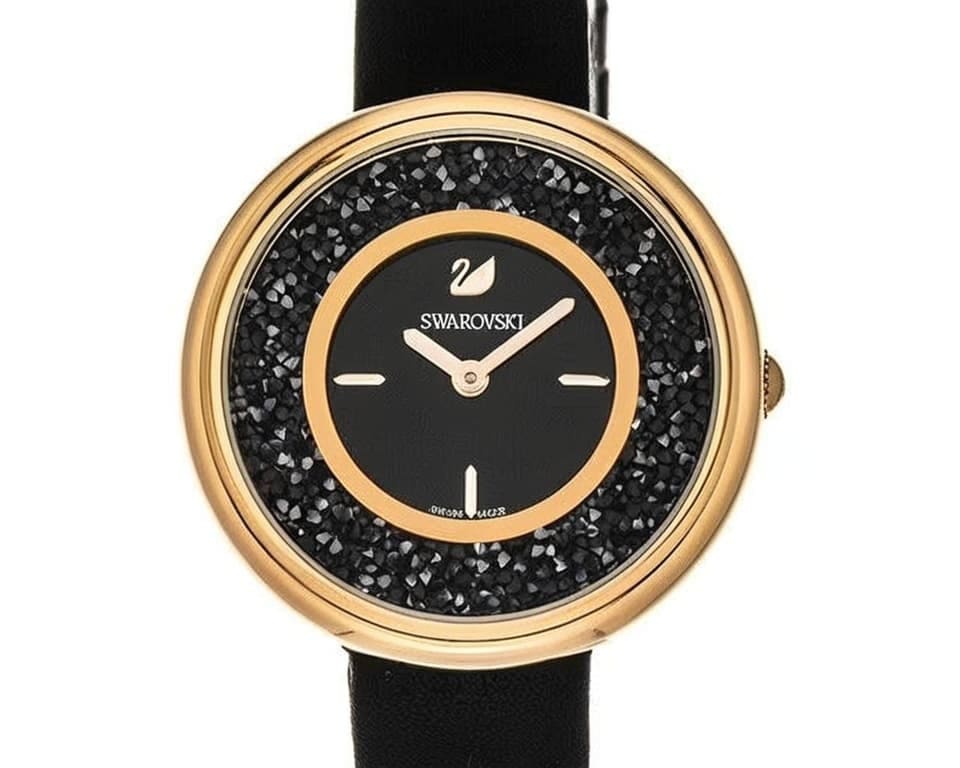
Swarovski watches represent a fascinating intersection where 130 years of Austrian crystal-cutting mastery meets Swiss watchmaking precision. While many know Swarovski for their sparkling crystal figurines and jewelry, their watch division has quietly established itself as a serious player in the accessible luxury market since 1999. These timepieces aren’t trying to compete with Rolex or Patek Philippe on horological complications—instead, they offer something entirely different: watches that shimmer with up to 3,460 individually hand-set crystals while maintaining Swiss Made quality standards. With prices ranging from $250 to $800, Swarovski watches occupy a unique space where fashion meets function, appealing to those who want their timepiece to be as much a statement of style as a tool for telling time.
From Crystals to Watches: Swarovski’s Story
The story of how a 19th-century crystal workshop became a global watchmaker reveals why Swarovski timepieces look nothing like traditional watches. This Austrian company built its reputation on making crystals sparkle brighter than anyone else, and when they finally entered watchmaking in 1999, they brought over a century of jewelry-making expertise with them. The path from cutting crystals for chandeliers to creating Swiss Made watches took over 100 years, passing through collaborations with Christian Dior, partnerships with fashion houses, and ultimately a complete transformation into a luxury lifestyle brand.
- Daniel Swarovski started the company in 1895 in Wattens, a small Austrian village, after inventing an electric machine that could cut crystals faster and more precisely than human hands ever could. He partnered with Armand Kosmann and Franz Weis to establish A. Kosmann, D. Swarovski & Co., choosing Wattens specifically because the nearby Inn River provided the massive amounts of hydroelectric power needed to run his cutting machines. His 1892 patent for this electric grinding machine revolutionized an industry that had relied on manual cutting for centuries, making it possible to produce affordable crystals with the brilliance that previously only expensive gemstones could achieve.
- By the early 1900s, the company had grown beyond just making decorative crystals and began supplying the European fashion industry with precisely cut stones for haute couture garments. The technical knowledge gained from cutting crystals led to the 1919 founding of Tyrolit, a separate company focused on industrial grinding wheels and abrasive tools. In 1949, Swarovski launched another spin-off called Swarovski Optik KG to manufacture high-end binoculars, rifle scopes, and telescopes, proving their grinding expertise could produce optical instruments requiring extreme precision.
- The 1956 collaboration with Christian Dior changed everything for Swarovski’s position in the fashion world. Dior wanted crystals that could shimmer with rainbow colors rather than just clear brilliance, so Swarovski developed the Aurora Borealis effect—a special metallic coating applied at extremely high temperatures that makes crystals reflect multiple colors depending on the viewing angle. This innovation made Swarovski the go-to supplier for top fashion designers, with their crystals appearing on everything from Oscar gowns to Broadway costumes throughout the following decades.
- The company replaced their original edelweiss flower logo with the now-famous swan symbol in 1989, marking a deliberate shift in brand identity. The edelweiss had represented their Austrian Alpine roots since 1899, but the swan communicated something different—elegance, transformation, and luxury rather than regional craftsmanship. This rebranding coincided with increased focus on consumer products like crystal figurines and jewelry rather than just being a supplier to other brands.
- When Swarovski launched watches in 1999, the first collections received lukewarm reception from both fashion critics and watch enthusiasts. The designs looked dated, and the heavy crystal embellishment felt more like jewelry that happened to tell time rather than actual watches. These early pieces failed to find a clear audience—too expensive for costume jewelry buyers but lacking the horological credibility that watch collectors valued. The attempt to simply add timekeeping functions to their existing jewelry design language didn’t work.
- Everything changed with the 2009 relaunch that Robert Buchbauer orchestrated after three years of development work. Instead of decorating watch cases with crystals as an afterthought, the new design team built watches where crystal integration was fundamental to the architecture. They partnered with Swiss movement manufacturers to ensure horological credibility, obtained Swiss Made certification, and developed new crystal-setting techniques that could withstand daily wear. The design philosophy shifted to target women who wanted versatile timepieces that could transition from office to evening, with crystals adding sparkle without overwhelming the design.
- The most dramatic change came in 2022 when the founding family hired their first-ever outside CEO. Alexis Nasard had previously worked in luxury beauty and brought a completely different perspective than the family members who had run Swarovski for 127 years. He immediately launched the “LUXignite” strategy, which involved painful restructuring—eliminating 6,000 jobs globally and closing 750 stores that didn’t align with the new premium positioning. The strategy aimed to move Swarovski upmarket, away from outlet malls and discount retailers toward exclusive boutiques and high-end department stores.
- The LUXignite approach redefined Swarovski as “Pop Luxury”—a term that deliberately breaks from traditional luxury’s serious, heritage-focused messaging. Instead of emphasizing decades of tradition or exclusivity, the new brand voice celebrates joy, color, creativity, and self-expression. This repositioning targets younger luxury consumers who grew up with social media and value brands that feel accessible and fun rather than intimidating. The watch collections became bolder, with more colorful dials, contemporary designs, and marketing that shows watches as fashion statements rather than investment pieces.
- The strategy has shown measurable success, with the company reporting €1.832 billion in revenue for 2023, representing 4% overall growth and 10% like-for-like growth when accounting for store closures. These numbers significantly outpaced the broader luxury goods market, suggesting the repositioning resonated with consumers. Recent partnerships with Kim Kardashian’s SKIMS brand and celebrity ambassadors like Ariana Grande and Bella Hadid demonstrate how far Swarovski has moved from its traditional Austrian crystal manufacturer image.
- The company expanded into new categories in 2024, signing a licensing deal with Coty for fragrances and beauty products set to launch in 2026. This move follows the same playbook that built successful beauty lines for brands like Calvin Klein and Marc Jacobs—leveraging brand recognition from one category into adjacent luxury markets. For the watch division, these partnerships bring exposure to new customer segments who might discover Swarovski timepieces through other product categories.
Today’s Swarovski operates 3,000+ retail locations across more than 170 countries, giving them distribution reach that most luxury watch brands can’t match. The watch division remains smaller than jewelry but has carved out a distinctive position where no direct competitors exist—who else makes Swiss Made watches covered in 1,300+ hand-set crystals? This history matters because it explains the fundamental difference between Swarovski watches and traditional timepieces. Rolex built their reputation on tool watches for deep-sea diving. Patek Philippe is about multi-generational heirloom complications. Swarovski comes from making things sparkle beautifully, and their watches reflect that jewelry DNA combined with legitimate Swiss watchmaking credentials earned over the past 25 years.
Swarovski Watch Features and Quality
Swarovski watches don’t compete on the same playing field as traditional luxury timepieces, and that’s exactly their strength. While most watch brands focus on in-house movements, centuries of horological heritage, or tool watch functionality, Swarovski built their timepieces around a completely different expertise—making crystals catch light in ways that nothing else can. Their watches feature genuine Swiss Made movements for reliability, but the real technology comes from 130 years of perfecting crystal cutting, setting techniques, and optical effects. What you’re buying isn’t just a timekeeping device; it’s a piece of wearable jewelry that happens to tell time accurately.
- Swarovski crystals contain 32% lead oxide compared to regular glass which contains only 12-28%, creating noticeably superior brilliance, weight, and light refraction. This high lead content gives the crystals their characteristic heft and allows them to bend light more dramatically, producing the intense sparkle that makes Swarovski crystals recognizable. The lead oxide also makes the material softer and easier to cut with extreme precision, enabling the complex faceting patterns that maximize light reflection. Regular glass or even cubic zirconia can’t match this combination of weight, clarity, and fire.
- Each crystal goes through machine cutting for dimensional accuracy, followed by individual hand-setting using traditional jewelry techniques without adhesives or glue. The machine cutting ensures every crystal has identical dimensions and facet angles, which is crucial when setting thousands of stones on a single watch dial. Skilled craftspeople then place each crystal into its setting using pressure alone, allowing the metal prongs or bezels to hold stones securely while permitting slight adjustments if needed. This hand-setting process takes considerably longer than automated techniques but allows for the precise alignment necessary to create seamless sparkle across curved surfaces.
- The company uses proprietary cutting patterns including their Xilion cut, which features additional facets specifically designed to maximize brilliance and light return. Traditional round brilliant cuts have 58 facets, but Swarovski’s Xilion cuts can have 100+ facets arranged in patterns developed through computer modeling and optical testing. These extra facets create more surfaces to reflect and refract light, resulting in crystals that appear brighter and more dynamic than standard cuts. The Xilion technology represents decades of research into how light behaves when passing through lead crystal at different angles.
- Special crystal coatings and effects include Aurora Borealis (rainbow iridescence), Crystal Transmission (allowing color underneath to show through), Volcano (red-orange fire effect), and Aurum (golden shimmer). These coatings are applied using vacuum deposition or chemical processes at controlled temperatures, creating thin metallic layers that interfere with light waves to produce color effects. The Aurora Borealis coating, still their most famous effect since 1956, uses a microscopically thin layer of metal that doesn’t diminish the crystal’s transparency while adding that signature rainbow shimmer. Each coating requires different application techniques and temperatures to achieve consistent results across production runs.
- Flagship models can incorporate up to 3,460 individually set crystals in full pavé settings that cover the entire dial, bezel, and sometimes even the bracelet. The Crystalline Lustre collection represents the peak of this crystal density, with stones set so closely together that virtually no metal shows between them. Achieving this level of coverage requires crystals cut to slightly different sizes to accommodate the curved surfaces of watch cases, with each position planned in advance like a complex jigsaw puzzle. The setting process for a single high-density pavé watch can take multiple days of work by experienced craftspeople.
- All Swarovski watches feature Swiss Made quartz movements sourced from established suppliers like ETA SA and Ronda, ensuring accuracy within ±15 seconds per month and reliable 2-3 year battery life. The company made a strategic decision not to develop in-house movements, instead partnering with the same Swiss manufacturers that supply many luxury brands. This approach allows them to offer guaranteed Swiss precision while focusing their R&D budget on crystal technology and design rather than movement development. The quartz movements also make sense for their target market—customers buying Swarovski watches prioritize aesthetics and worry-free accuracy over mechanical complexity.
- Cases use 316L stainless steel construction, the same marine-grade steel found in much more expensive luxury watches, providing corrosion resistance and durability for daily wear. This steel alloy contains molybdenum which makes it more resistant to chlorides and acids than standard stainless steel, important for watches exposed to perfumes, lotions, and perspiration. The 316L designation means low carbon content, which improves welding and polishing characteristics while preventing carbide precipitation that can cause corrosion. Despite the affordable price points, Swarovski doesn’t compromise on base metal quality.
- Water resistance ratings range from 30 to 50 meters (3-5 ATM) across collections, suitable for handwashing, rain, and brief swimming but not suitable for diving, showering, or water sports. The 30-meter rating means the watch can withstand splashes and brief immersion but shouldn’t be worn in the shower where hot water and soap can compromise seals. The 50-meter models offer slightly more protection and can handle swimming in pools, though the company recommends against pressing any buttons underwater. These ratings reflect the challenges of maintaining water resistance when cases feature extensive crystal settings that create more potential entry points for moisture.
- Design philosophy integrates jewelry-inspired aesthetics with functional timekeeping through faceted cases that mirror crystal cuts, crystal-set bezels, and the signature swan logo positioned at 12 o’clock. The cases themselves often feature beveled edges and polished surfaces that catch light like a cut gemstone, creating visual harmony with the crystal elements. This approach makes the watches instantly recognizable as Swarovski even from a distance—no other brand uses crystals so extensively while maintaining Swiss watchmaking standards. The swan logo serves both as brand identification and as a design element that balances the dial composition.
- Strap and bracelet options include Italian calfskin leather in multiple colors, stainless steel mesh bracelets, and solid link bracelets with deployment clasps or butterfly clasps for security. The leather straps use genuine Italian leather known for suppleness and durability, with quick-release spring bars on many models allowing easy strap changes without tools. Metal bracelets feature brushed and polished finishing techniques that add visual interest and help hide minor scratches from daily wear. The deployment clasps prevent the watch from accidentally opening and provide a more refined look than traditional pin buckles.
- Premium finishes include rose gold-tone PVD plating, champagne gold-tone finishes, and two-tone combinations that add warmth without the cost of solid precious metal. Physical Vapor Deposition (PVD) plating creates a molecular bond between the coating and base metal that’s more durable than traditional electroplating, resisting wear and maintaining color longer. The rose gold finish has become particularly popular in recent collections, offering a contemporary alternative to yellow gold that complements more skin tones. These finishes allow Swarovski to offer the look of precious metal watches at accessible price points.
- Crystal colors extend beyond clear stones to include jet black, light rose pink, light blue, emerald green, and other colored crystals that coordinate with dial colors and design themes. The colored crystals aren’t simply painted or coated—the color is embedded throughout the crystal during manufacturing, ensuring it won’t fade or chip away with wear. This allows designers to create ombre effects, contrasting accents, or fully colored crystal settings that add personality beyond the classic clear crystal sparkle. Seasonal collections often introduce limited-edition color combinations that align with fashion trends.
- Dial designs range from minimalist with simple hour markers to elaborately decorated with multiple crystal sizes, guilloche patterns, and sunray finishes that add depth. The sunray finish, also called soleillé, radiates outward from the dial center and changes appearance as light hits it from different angles, adding visual interest without overwhelming the crystal elements. Some dials feature printed or applied Arabic numerals for easier time reading, while others use crystal-set markers that maintain the jewelry aesthetic. The balance between legibility and decoration varies by collection, with some prioritizing fashion and others offering more practical everyday readability.
- Case sizes span from petite 30mm models suitable for smaller wrists to bold 46mm chronographs that make statement pieces, with most women’s collections clustering around 33-38mm. The size range accommodates different style preferences and occasions—smaller cases work well for formal business settings, while larger cases create dramatic visual impact for evening wear or casual styles. Chronograph models with their additional subdials typically require larger cases to maintain proportion and legibility. Swarovski provides case dimensions in their specifications, helping buyers choose appropriate sizes without needing to try on watches in person.
The combination of these elements creates watches that occupy their own category in the market. You won’t find another brand delivering Swiss accuracy, marine-grade steel construction, and 1,300+ hand-set crystals at $400-600 price points. Traditional watch brands might add a few crystals as hour markers, but they treat crystals as decoration rather than the main event. Fashion brands might create heavily crystal-decorated watches, but they typically use lower-quality stones and non-Swiss movements. Swarovski uniquely bridges both worlds—legitimate Swiss watchmaking credentials combined with crystal craftsmanship that no other company can match. Their watches aren’t trying to be heirlooms you pass down through generations or tool watches you wear while cave diving. They’re meant to make you feel glamorous when you check the time, to catch light during a presentation or dinner, and to spark conversations because they simply look different than any other watch on someone’s wrist.
Top 10 Best Swarovski Watches
Choosing the best Swarovski watches means looking at models that showcase what the brand does exceptionally well—combining Swiss reliability with crystal craftsmanship that ranges from subtle elegance to full-on sparkle. The watches listed here represent current and recent collections that remain available through authorized retailers, spanning different price points, styles, and crystal densities. Prices reflect current retail but can vary based on sales, regional pricing, and retailer discounts.
Crystalline Aura
This watch represents Swarovski’s signature style with over 1,300 clear crystals covering the dial in a dense pavé setting that creates continuous sparkle. The 35.5mm stainless steel case houses a Swiss Made quartz movement with 50-meter water resistance, while a stainless steel bracelet with deployment clasp creates a seamless jewelry piece. The white silver-tone dial disappears under the crystal coverage, with only subtle hour markers visible beneath the stones. Retail pricing sits around $549-599, positioning it as a mid-range option that delivers serious visual impact. This watch works best for occasions where you want your timepiece to be noticed—evening events, celebrations, or any situation where subtle isn’t the goal.
Crystalline Lustre
The Crystalline Lustre takes crystal density to the absolute maximum with approximately 3,460 clear crystals creating full pavé coverage across a 33mm stainless steel case. A white Italian calfskin leather strap provides clean contrast to the sparkling case and dial, with domed sapphire crystal glass adding dimension that enhances light refraction. Swiss Made movement and 30-meter water resistance mean you’ll need to remove it before swimming. At approximately $599-649, this watch justifies the premium with nearly triple the crystal count of standard models. The white leather strap makes this particularly suitable for bridal wear or formal white-tie events, while the 33mm case size works well for those who prefer smaller, more delicate proportions.
Octea Lux Chrono
The Octea Lux Chrono combines chronograph functionality with strategic crystal placement in a 39mm x 46mm rose gold-plated rectangular case. The purple sunray dial features three functional chronograph subdials for timing events up to 30 minutes, with crystals set around the bezel rather than covering the entire surface. A purple leather strap with rose gold hardware matches the dial, while the Swiss Made chronograph movement provides actual timing functionality. Water resistance reaches 50 meters, and pricing around $599-649 reflects the chronograph complication. This suits buyers who want Swarovski’s aesthetic but need real timing functionality for work or fitness, though the purple dial makes a bold statement.
Crystalline Wonder
The Crystalline Wonder brings approximately 1,000 crystals to a 36mm silver-tone stainless steel case with Arabic numerals providing better legibility than fully pavé dials. The dial features a gradient effect with crystal density highest at the outer edges, allowing printed Arabic hour markers to remain clearly visible for quick time checks. A stainless steel three-link bracelet with deployment clasp offers comfortable all-day wear. Swiss Made movement and 50-meter water resistance match higher-end models, while the $449-499 price point makes this more accessible. The Arabic numerals make this one of the most practical Swarovski watches for actually reading time quickly—important for work wear rather than just special occasions.
Octea Nova
The Octea Nova offers contemporary styling in a 33mm rose gold-plated stainless steel case with a pink dial and crystal-set bezel. This watch uses crystals as strategic accents rather than complete coverage—the bezel features a single row of stones while the dial remains clean except for crystal hour markers. The pink sunray dial coordinates with the rose gold-tone integrated bracelet, creating a modern jewelry-watch hybrid. Swiss Made 2-hand movement keeps things simple without date complications, while 30-meter water resistance and pricing around $399-449 makes this an accessible entry point. The cleaner dial makes time-reading much easier during quick glances compared to full pavé models.
Attract Watch
The Attract collection features 433 crystals creating full pavé coverage across both the bracelet and bezel of a 30mm rose gold-tone case—one of Swarovski’s smallest watches designed for petite wrists. The entire bracelet sparkles with crystal settings between each link, while the white dial provides contrast against the heavy crystal coverage. Swiss movement and 30-meter water resistance keep specifications consistent with other collections, though the integrated crystal-covered bracelet means you can’t swap straps. Pricing around $449-499 reflects extensive crystal work, while the 30mm size creates proportions that feel classic and refined rather than oversized. This works best as an accessory piece for formal occasions rather than daily wear.
Cosmopolitan
The Cosmopolitan line represents Swarovski’s entry-level pricing at around $299-349 while maintaining Swiss Made certification and genuine crystal embellishment. The 38mm stainless steel case features pavé crystal covering on the dial with lower density than Crystalline collections, while a stainless steel mesh bracelet with slide clasp provides contemporary styling and easy size adjustment. Multiple dial color options include silver, rose, and blue tones, with 30-meter water resistance suitable for daily wear. This achieves its lower price by using fewer crystals and simpler case finishing but doesn’t compromise on movement quality—making it ideal for buyers testing whether the brand’s aesthetic works for them.
Crystal Lake
The Crystal Lake takes a minimalist approach with a single large sapphire crystal serving as the dial in a 35mm champagne gold-tone case, creating a unique see-through effect where you can see the movement beneath. Rather than hundreds of small crystals, this design features one prominent crystal element with simple stick markers appearing to float over the crystal dial. Champagne gold-tone PVD plating extends to the matching mesh bracelet with slide clasp adjustment. Swiss Made movement and 50-meter water resistance match higher specifications, while pricing around $599-649 reflects the innovative crystal dial technology. This appeals to buyers wanting something recognizably Swarovski but less overtly sparkly than pavé options.
Octea Lux Sport Blue
The Octea Lux Sport targets active luxury with blue PVD coating on a 39mm stainless steel case and integrated bracelet design. The blue dial features white hands and hour markers for contrast, with crystals set around the bezel and functional chronograph subdials tracking seconds and elapsed minutes. The blue PVD coating creates a cohesive monochromatic look that’s unusual in Swarovski’s typically silver or gold-tone collections. Swiss Made chronograph movement and 50-meter water resistance suit the sport-inspired positioning, though this remains a fashion watch rather than professional sports equipment. Pricing around $549-599 reflects the chronograph complication, while the blue color appeals to buyers wanting something outside traditional feminine aesthetics.
Passage
The Passage represents classic dress watch styling with a thin 30mm round case in stainless steel, crystal-set bezel, and simple two-hand movement. The silver-white dial features printed Roman numerals providing clear time reading, with small crystals at each hour position adding subtle sparkle. A black leather strap with pin buckle keeps the design traditional and versatile, while the thin case profile slides easily under dress shirt cuffs for formal business environments. Swiss quartz movement and 30-meter water resistance provide basic functionality, with pricing around $299-349 making this one of the more affordable options. The Roman numerals and leather strap give this watch a timeless quality that won’t look dated, working well for conservative business settings.
These ten models represent the range of what Swarovski does well—from maximum crystal density that creates pure sparkle to more restrained designs where crystals accent rather than dominate. Your best choice depends on whether you want a watch for special occasions or daily wear, prefer bold statement pieces or subtle elegance, and how much crystal coverage feels right for your personal style. The Swiss Made movements mean all these watches tell time accurately regardless of price point, so your decision really comes down to aesthetics, crystal density, and how much wrist presence you want.
How to Choose a Swarovski Watch
Buying a Swarovski watch requires different considerations than purchasing a traditional timepiece because you’re investing in jewelry craftsmanship as much as timekeeping functionality. The crystal elements that make these watches special also create unique care requirements and limitations that don’t apply to standard watches. Price doesn’t necessarily indicate better timekeeping—a $299 Cosmopolitan keeps time just as accurately as a $649 Crystalline Lustre—so you’re really paying for crystal density, case finishing, and design complexity. Smart buyers focus on how the watch fits their lifestyle, whether the crystal coverage suits their daily activities, and if the size proportions work for their wrist.
- Case size matters significantly more with Swarovski watches than traditional timepieces because crystal coverage can make watches appear larger than their actual dimensions suggest. A 33mm watch with full pavé dial looks substantially bigger than a 33mm watch with a simple dial because the crystals create visual weight and light reflection that draws attention. Measure your wrist circumference before buying—wrists under 6 inches typically look best with cases 30-34mm, while 6.5-7 inch wrists can handle 35-38mm cases comfortably. Anything over 38mm starts feeling oversized for most people unless you specifically want bold statement proportions. Try watches on if possible, because photos don’t accurately convey how crystal-heavy models wear on the wrist.
- Crystal density directly impacts both visual impact and practicality for daily wear, with higher density creating more sparkle but also more fragility and maintenance needs. Full pavé models with 1,000+ crystals look spectacular but require careful handling to avoid loosening stones—you wouldn’t want to wear these while gardening, exercising, or doing household tasks. Models with crystal-set bezels and cleaner dials offer durability advantages while still providing Swarovski’s signature aesthetic. Consider honestly how you’ll use the watch—if it’s for special occasions only, maximum crystal coverage makes sense, but daily wearers should prioritize designs with strategic rather than complete crystal placement. Each crystal represents a potential maintenance point, so more stones means more things that could eventually need professional attention.
- Water resistance ratings of 30-50 meters might sound substantial but translate to different real-world limitations than those ratings mean on traditional sports watches. The 30-meter rating (3 ATM) means the watch can handle handwashing, rain, and accidental splashes but should be removed before swimming, showering, or any prolonged water exposure. The 50-meter rating (5 ATM) adds pool swimming to acceptable activities but still excludes hot showers, saunas, water sports, or pressing buttons underwater. The extensive crystal settings create more potential entry points for moisture compared to solid dial watches, making these ratings more conservative than similar specifications on dive watches. Remove your Swarovski watch before applying lotions, perfumes, or hairspray, as chemicals can damage both crystals and case finishes over time.
- Movement type doesn’t vary much across Swarovski collections since all models use Swiss Made quartz rather than mechanical or automatic movements. This simplifies the buying decision—you won’t find significant accuracy differences between models because they all use reliable ETA or Ronda quartz calibers. Battery life averages 2-3 years regardless of price point, and replacement costs $20-40 at authorized service centers. The lack of mechanical movements means you miss out on the craftsmanship appeal that watch enthusiasts value, but you gain worry-free accuracy and low maintenance requirements. Quartz movements also keep cases thinner than automatics would allow, contributing to the refined proportions that make these work as jewelry pieces. Don’t expect date complications, GMT functions, or other features common in traditional watches—Swarovski keeps movements simple to maintain focus on aesthetics.
- Bracelet and strap options affect both comfort and versatility, with metal bracelets offering permanence while leather straps provide seasonal flexibility. Stainless steel bracelets require professional link removal for proper sizing, typically costing $10-20 at jewelry stores or watch shops if not included with purchase. Mesh bracelets with slide clasps adjust without tools but can snag on clothing and show wear more quickly than solid link designs. Leather straps work better in cooler weather and formal situations but absorb moisture and oils from skin, requiring replacement every 1-2 years with regular wear. Many newer models feature quick-release spring bars allowing strap changes without tools, letting you swap between leather and metal based on outfit or season. Consider buying extra straps if you plan to wear the watch frequently—having multiple options extends the watch’s versatility.
- Finishing quality varies between entry-level and premium models, with differences visible in case polishing, bracelet finishing, and clasp mechanisms. Higher-priced models feature more refined brushing on bracelet links, better polished bevels on case edges, and smoother deployment clasp operation. The crystal setting quality remains consistently high across price points since that’s core to the brand, but surrounding elements show the cost differences. Examine case finishing under good lighting—you should see clean transitions between brushed and polished surfaces without rough edges or inconsistent textures. Check that bracelet links move smoothly without catching, and test clasp operation multiple times to ensure it opens and closes cleanly. These details matter more for watches you’ll wear regularly versus occasional special-event pieces.
- Color choices in both crystals and case finishes affect versatility and how quickly the watch might feel dated. Clear crystals on silver-tone stainless steel create the most timeless combination that works year-round and won’t look trendy in five years. Rose gold-tone finishes remain popular but read more fashion-forward and may eventually feel dated as metal tone preferences shift. Colored crystals and dials make bold statements but limit outfit coordination—a purple dial works with some wardrobes beautifully but clashes with others. Consider your existing jewelry when choosing metal tones—if you primarily wear yellow gold jewelry, a rose gold watch might not integrate well. The most versatile purchases match your predominant jewelry metal and use clear or neutral-colored crystals that won’t clash with changing fashion trends.
- Legibility becomes a real concern with full pavé dials where crystals cover the entire surface, making quick time checks difficult in low light or at angles. Watches with Arabic numerals, clear hour markers, or less dense crystal coverage provide better practical functionality for situations where you actually need to read the time quickly. Consider whether the watch serves primarily as jewelry or needs to function as your daily timepiece. If you wear it to work and check the time frequently during meetings, prioritize designs with visible markers and hands that contrast with the dial. For evening wear or special occasions where the watch is more accessory than tool, maximum sparkle makes sense even if time reading requires more effort. Some buyers solve this by owning both a practical daily watch and a sparkling Swarovski for occasions where appearance matters more than functionality.
- Warranty coverage runs two years internationally on all Swarovski watches, covering manufacturing defects but excluding damage from normal wear, accidents, or improper use. Keep your purchase receipt and any warranty cards—many retailers won’t honor warranty claims without proof of purchase from authorized dealers. The warranty doesn’t cover battery replacement, strap wear, scratches on case or crystal from daily use, or water damage resulting from exceeding the stated resistance rating. Unauthorized repairs or battery replacements by non-approved service centers void the warranty immediately, so always use Swarovski’s authorized service network for any work needed during the warranty period. Extended warranties sometimes available through retailers rarely provide value given the watch’s affordable replacement cost relative to extended warranty prices.
- Price expectations should align with realistic market positioning—these watches cost $250-800 new, placing them firmly in fashion watch territory rather than investment luxury. Sales and promotions regularly offer 20-30% discounts, especially during holiday seasons, so paying full retail isn’t necessary if you’re patient. Outlet stores sometimes carry previous season models at 40-50% off, though selection is limited and you’re buying last year’s designs. Online authorized dealers often price lower than boutique retail while still providing genuine products and warranty coverage. Set a budget before shopping because the range of options can make it easy to justify upgrading to more expensive models with higher crystal counts. Remember that resale value will be poor regardless of which model you buy, so purchase based on personal enjoyment rather than investment thinking.
- Authenticity verification becomes critical when buying from non-boutique sources, as counterfeit Swarovski products flood online marketplaces and unauthorized sellers. Genuine watches include a 16-digit authentication code verifiable at seal.crystals-from-swarovski.com, though sophisticated fakes sometimes use stolen codes from authentic products. The swan logo should appear crisp and precisely positioned at 12 o’clock without any blurring or misalignment. Packaging should include a branded box, instruction manual in multiple languages, warranty card, and often a polishing cloth—sparse packaging suggests grey market or counterfeit goods. Crystals on authentic pieces show no bubbles, cloudiness, or imperfections when examined closely, and they should feel heavier than similar-sized glass stones. If the price seems too good to be true—like 60-70% below retail from a seller with limited feedback—it probably indicates counterfeit merchandise.
- Seasonal collections versus permanent lines affect availability and future serviceability, with limited editions potentially becoming difficult to repair if discontinued components are needed. Permanent collections like Crystalline and Octea receive ongoing support with available replacement parts and consistent service options. Limited seasonal releases might feature special colors or designs that won’t be replicated, creating some collectibility within the Swarovski community but potentially complicating future repairs. If you’re buying a watch you plan to wear for years, sticking with permanent collection models ensures easier long-term service and potential strap or bracelet replacements. Limited editions make sense for collectors or those wanting something less commonly seen, accepting that future service might require more effort.
The best Swarovski watch purchase comes from honest assessment of how you’ll actually use it rather than aspirational thinking about how you wish you’d use it. If your lifestyle involves hands-on work, young children, or active hobbies, a heavily crystal-covered watch will spend more time in the box than on your wrist. If you attend formal events regularly and want something that photographs beautifully, maximum sparkle justifies the investment. Consider buying your first Swarovski watch from the mid-range—not the cheapest entry level but not the most expensive either—to test whether the brand’s aesthetic works for you before committing to premium models. The watches look different in person than in photos, especially regarding how much attention the crystals attract, so seeing one in person before buying helps set realistic expectations about wrist presence and sparkle levels.
Where to Buy Swarovski Watches
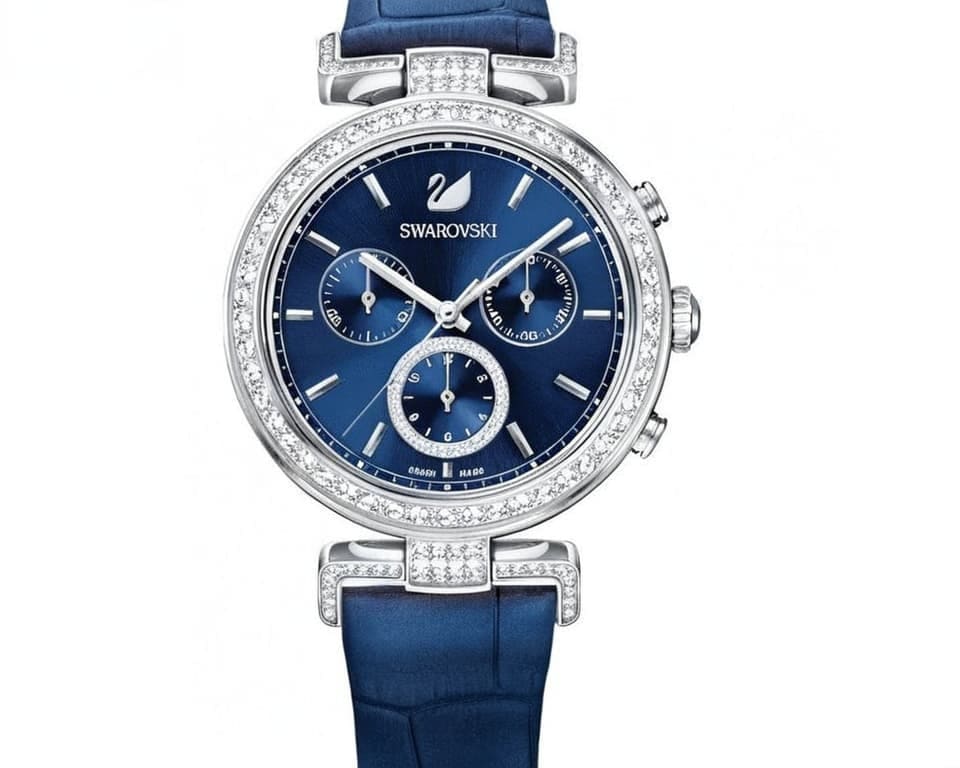
Finding the right place to purchase your Swarovski watch matters as much as choosing the right model because buying from unauthorized sources risks counterfeit products, voids warranties, and eliminates access to proper service networks. The brand maintains strict control over their distribution channels to protect brand integrity and ensure customers receive genuine products with full support. Prices remain relatively consistent across authorized retailers since Swarovski enforces minimum advertised pricing policies, though legitimate sales and promotions do occur seasonally. The convenience of online shopping needs to be balanced against the advantages of seeing these crystal-heavy watches in person before committing.
- Official Swarovski boutiques operate in major cities worldwide and shopping districts, offering the complete current collection with trained staff who understand the products thoroughly. These company-owned stores provide the full brand experience with elegant displays, proper lighting that showcases crystal brilliance, and specialists who can explain the differences between collections. You’ll find boutiques in premium shopping areas like Fifth Avenue in New York, Bond Street in London, and similar luxury retail districts globally. The advantage of boutiques includes seeing the entire range rather than the limited selection department stores might carry, plus access to exclusive releases that sometimes launch in company stores before reaching other retailers. Staff can properly size bracelets, explain care requirements, and process warranty claims directly without involving third parties. The trade-off comes with typically full retail pricing and limited negotiation room, though boutiques do participate in company-wide promotional events.
- The official Swarovski website ships internationally and provides the most current inventory with detailed specifications and multiple photos of each model. Online shopping through the brand’s own site guarantees authenticity and full warranty coverage while offering free shipping on orders above certain thresholds that vary by region. The website features virtual try-on tools for some models and comprehensive sizing guides to help remote purchases. Customer service through the official site handles returns efficiently and can answer technical questions about specific models. Pricing matches boutique retail, but the website typically features online-exclusive promotions and early access to sales for email subscribers. The main limitation comes from buying without physically seeing the watch, which matters significantly for Swarovski given how differently crystal coverage photographs versus appears in person.
- Authorized department store partners include high-end retailers that operate dedicated Swarovski counters or sections within their jewelry departments. These stores offer the convenience of shopping for multiple brands in one location and often run their own promotional events where Swarovski participates. Department store staff may have less specialized product knowledge than boutique employees, but they can still process warranty claims and arrange services through proper channels. Pricing typically matches official retail, though department stores sometimes offer additional discounts through their loyalty programs or during major sale events like Black Friday or Boxing Day. The selection usually includes best-selling models rather than the full catalog, so you might not find limited editions or newer releases immediately. Department stores provide the advantage of easier returns under their own policies, which are sometimes more flexible than buying direct from brand boutiques.
- Authorized jewelry retailers and specialty watch shops carry Swarovski as part of broader luxury accessory offerings, particularly stores focusing on gift items and bridal jewelry. These independent retailers must meet Swarovski’s standards for display and service to maintain authorization, ensuring they represent the brand appropriately. Smaller authorized dealers might offer more personalized service and potentially some price flexibility, especially if you’re purchasing multiple items or establishing a relationship for future purchases. They can provide professional sizing, battery replacement, and other basic services on-site rather than sending watches away. Verify authorization before buying by checking the retailer list on Swarovski’s website, as some jewelry stores sell Swarovski crystals or figurines but aren’t authorized for watches.
- Online authorized dealers operate established watch and jewelry websites offering competitive pricing on genuine Swarovski watches, sometimes 15-25% below boutique retail. These retailers purchase inventory through authorized channels and provide legitimate products, though the warranty situation varies. Some online dealers offer their own warranty rather than the manufacturer’s international warranty, which may provide similar coverage but requires working with the dealer rather than Swarovski directly for any issues. Read the warranty terms carefully before purchasing—manufacturer warranty coverage provides broader service options and international support compared to dealer warranties. These sites often have larger selections than individual boutiques and can source specific models not currently in stock at local stores. Customer reviews on these platforms help gauge actual watch size, crystal density appearance, and other details that specifications don’t convey.
- Duty-free shops in international airports stock Swarovski watches at tax-free prices that can represent genuine savings, particularly for travelers from high-VAT countries. Airport boutiques carry core collection pieces rather than the full range, focusing on popular models with broad appeal. The tax savings combined with occasional airport-exclusive promotions can make this worthwhile for international travelers, though you’re buying without the ability to easily return or exchange if the watch doesn’t meet expectations. Airport staff can provide basic information but may not have the specialized knowledge of dedicated boutique employees. Ensure you receive all proper documentation including warranty cards and receipts, as international warranty claims require proof of purchase from authorized retailers.
- Outlet stores operate in outlet malls and shopping centers, offering previous season models and overstock inventory at 30-50% discounts from original retail prices. Swarovski outlets provide legitimate products with full warranty coverage despite the reduced pricing—you’re buying last season’s designs or less popular colorways rather than defective merchandise. Selection varies dramatically between outlets and changes frequently as inventory sells through, so finding specific models requires luck and timing. Outlet prices make Swarovski watches significantly more accessible, bringing premium models into reach for buyers who found retail pricing too high. The trade-off involves accepting that you’re buying designs that didn’t sell at full price, which might indicate less timeless styling or colors that fell out of fashion. Visit outlets during major sale periods like holiday weekends when they often apply additional discounts to already-reduced outlet prices.
- Grey market sellers offer Swarovski watches at deep discounts through unauthorized channels, presenting both opportunities and significant risks. These sellers acquire inventory through parallel imports, overstock purchases, or other means outside official distribution, allowing them to undercut authorized pricing substantially. The watches themselves are usually genuine, but they typically come without manufacturer warranty coverage—you’re trading warranty protection for lower purchase price. Service becomes problematic because Swarovski’s authorized service network won’t honor warranties on grey market purchases, meaning you’ll pay full price for any repairs needed. Some grey market sellers provide their own limited warranties, but these lack the international coverage and service network access of official warranties. Consider grey market only if you’re comfortable with the risk of no warranty support and understand you’re saving money upfront but losing long-term protection.
- Online marketplaces host both legitimate sellers and counterfeiters, requiring careful vetting before purchasing. Some authorized retailers sell through these platforms at competitive prices, but many listings come from individual sellers reselling watches they no longer want. Pre-owned Swarovski watches offer the steepest discounts, often 40-60% below retail, but come with risks including unknown history, lack of warranty, and potential authenticity issues. Examine seller ratings carefully, looking for established accounts with numerous positive watch sales rather than new accounts or sellers with mixed feedback. Request additional photos showing the authentication code, swan logo details, and crystal quality close-ups before committing. Marketplace buyer protection helps but doesn’t guarantee you’ll receive an authentic watch, and disputes can be time-consuming. Only consider marketplace purchases if you’re experienced at authenticating luxury goods or willing to pay for professional authentication services after receipt.
- Social media sales through various platforms present the highest counterfeit risk despite sometimes appearing legitimate. Scammers create professional-looking accounts with stolen photos of genuine watches, collecting payment before disappearing or shipping fake products. Even apparently legitimate sellers may unknowingly possess counterfeit watches purchased from previous scammers, meaning their good intentions don’t guarantee authentic products. Never wire money, use payment apps without buyer protection, or send funds outside platform-protected payment systems. If someone claims to be an authorized dealer selling through social media at suspicious discounts, verify their authorization through Swarovski’s official dealer list before proceeding. The extreme caution required for social media purchases usually outweighs any potential savings—stick to established retailers unless you personally know the seller.
- Auction sites occasionally feature Swarovski watches in estate sales, charity auctions, or liquidation events, offering possibilities for deals on genuine pieces. Estate sales may include vintage Swarovski watches from the early 2000s when the brand first launched their watch division, providing collectibility for enthusiasts interested in the brand’s horological history. Authentication becomes critical with auction purchases since you’re often buying sight-unseen based on photos and descriptions from non-expert sellers. Many auction houses provide basic authentication but may not catch sophisticated counterfeits, so factor in potential authentication costs when determining if auction pricing actually saves money. Charity auctions for new watches donated by Swarovski or authorized retailers offer authenticity certainty with proceeds supporting good causes, though pricing sometimes exceeds retail as donors bid up items for charitable impact.
- International purchases through foreign retailers or while traveling abroad can offer savings depending on exchange rates and local pricing, but warranty coverage requires consideration. Swarovski provides international warranty coverage, meaning a watch purchased in Europe receives service in the United States and vice versa, as long as you retain proper documentation. However, some warranty terms vary by region, and service centers may require proof of purchase from authorized dealers in any country. Check current exchange rates and factor in any import duties or taxes that apply when bringing watches across borders—some countries impose luxury goods taxes that eliminate any purchase savings. If buying internationally, ensure the retailer provides documentation in English or your preferred language, as warranty claims may require original receipts showing purchase details clearly.
The safest purchasing approach involves buying from obviously authorized sources even if that means paying closer to retail prices, because the warranty protection and service access justify the premium over grey market discounts. For your first Swarovski watch, definitely buy from an authorized source to experience the brand properly with full support. Once you’re familiar with the brand and understand what you’re getting, you might consider grey market or secondary market purchases for additional watches where lack of warranty matters less. Counterfeit Swarovski watches continue proliferating online because the brand’s popularity makes them profitable to fake, so verification remains essential regardless of where you buy. When in doubt, pay the extra money for peace of mind from a source you trust rather than gambling on suspiciously cheap prices that might deliver counterfeit disappointment.
Do Swarovski Watches Hold Their Value
Swarovski watches fail as financial investments by almost every traditional measure, and buyers need to accept this reality before purchasing. These timepieces depreciate immediately and substantially upon purchase, following fashion accessory patterns rather than luxury watch appreciation curves. The conversation about Swarovski investment value is brief because there simply isn’t much positive to say—if you’re looking for watches that hold value or appreciate over time, you need to be shopping for Rolex, Patek Philippe, or Audemars Piguet instead. However, understanding exactly why and how much these watches depreciate helps set appropriate expectations and guides smarter purchasing decisions even when buying purely for personal enjoyment.
- New Swarovski watches lose 30-60% of retail value the moment you walk out of the store, similar to driving a new car off the lot. A $599 Crystalline Aura purchased today might resell for $250-400 depending on condition, and that’s if you find a buyer relatively quickly. The steep immediate depreciation reflects that you’re paying retail markup, brand positioning costs, and boutique overhead that evaporate in the secondary market where buyers shop purely on price. Unlike Rolex where waiting lists and artificial scarcity maintain values, Swarovski’s wide availability means buyers have no incentive to pay close to retail for used pieces when new ones ship immediately from dozens of authorized retailers. The depreciation hits hardest in the first year of ownership, then continues more gradually as the watch ages and shows wear.
- Secondary market platforms reveal realistic resale values with eBay completed listings showing Swarovski watches selling for $50-500 depending on model, age, and condition. Popular models in excellent condition with original boxes and papers command the higher end of that range, while older designs or watches with missing crystals, scratches, or no documentation sell for parts-level pricing. Mercari and Poshmark data shows similar patterns with 54-70% discounts from original retail prices being typical for pieces in good used condition. Professional resellers and pawn shops offer even less—expect offers around 40% of original retail maximum, and often much lower if they’re not confident about quick resale. These platforms show what buyers actually pay rather than optimistic asking prices, and the numbers consistently demonstrate poor value retention across all Swarovski watch collections.
- The lack of precious metal content fundamentally limits investment potential since you’re not buying intrinsic material value like you would with solid gold watches. Swarovski cases use stainless steel plated with gold-tone finishes rather than 18k gold, meaning the metal has minimal scrap value—maybe $5-10 for the steel itself. The crystals, despite their quality and hand-setting, are manufactured lead glass rather than natural gemstones, carrying essentially zero intrinsic value beyond their aesthetic contribution to the watch. Compare this to a gold Rolex where even if the brand suddenly lost all prestige, you’d still own several thousand dollars worth of precious metal. A Swarovski watch stripped of brand value equals basic steel, quartz movement, and glass crystals worth perhaps $50 in materials and components.
- Fashion accessory market positioning works against value retention because these watches are viewed as seasonal jewelry rather than timeless timepieces. Fashion accessories depreciate rapidly as styles change and new collections replace old designs in boutiques. Buyers shopping the secondary market want current designs that look modern and relevant, not pieces from five years ago that signal outdated taste. Swarovski’s frequent new releases and changing design languages mean older models quickly appear dated even if they’re mechanically sound. The brand’s positioning deliberately emphasizes trend-forward styling and seasonal collections rather than timeless design that transcends fashion cycles, which serves their business model of driving repeat purchases but destroys secondary market values.
- No established collector market exists for Swarovski watches like you find with traditional watch brands where enthusiasts seek specific references and vintage models. There’s no Swarovski equivalent to the Rolex Submariner or Omega Speedmaster where certain models become iconic and increase in value over decades. Watch collecting communities focus on horological significance, mechanical complexity, and brand heritage—attributes where Swarovski simply doesn’t compete. The handful of Swarovski collectors focus primarily on crystal figurines where retirement of specific designs creates some collectibility; watches haven’t achieved similar status. This absence of collecting demand means the only buyers for used Swarovski watches are people looking for affordable accessories, not investors or enthusiasts willing to pay premiums.
- Limited edition releases occasionally generate modest secondary market interest, but even these rarely sell above original retail prices. Special collaboration models like partnerships with designers or anniversary editions might maintain slightly better value retention than standard production, but you’re still looking at depreciation rather than appreciation. The “limited edition” label in fashion watches rarely carries the same weight as in traditional horology because production numbers aren’t typically disclosed and the limitations aren’t meaningful enough to create genuine scarcity. Swarovski produces limited editions more as marketing tools to drive seasonal interest than as collectible pieces with controlled production that might appreciate over time.
- Condition matters enormously for resale value because crystal-heavy watches show wear more obviously than simple steel sports watches. A missing crystal, loose stones, or scratches on the heavily polished case surfaces can reduce value by 30-50% beyond normal depreciation. Original packaging including box, papers, warranty card, and any included accessories adds 15-25% to resale value—buyers pay premiums for complete sets even on depreciated items. Unworn pieces with stickers still attached command the highest secondary market prices but still sell well below retail because buyers question why someone is selling an unworn watch rather than returning it to the retailer. Maintaining excellent condition doesn’t prevent depreciation but minimizes how severe that depreciation becomes.
- Service history and warranty status provide minimal impact on resale values unlike traditional luxury watches where service records significantly affect pricing. Most buyers of used Swarovski watches aren’t concerned about service history because the quartz movements require minimal maintenance and the watches cost little enough that replacement makes more sense than expensive repairs. A watch still under warranty might command a small premium, but many buyers aren’t even aware of or concerned about warranty coverage at secondary market price points. This reflects the fundamental nature of fashion watches as disposable accessories rather than investments requiring preservation—people buy them, wear them, and move on without the care and documentation that watch collectors maintain.
- Regional pricing variations create limited arbitrage opportunities but not enough to offset transaction costs and risks for most buyers. A watch selling for $599 in the United States might retail for €549 in Europe, which depending on exchange rates could represent savings, but parallel importing involves complications with warranty coverage and shipping costs. Online grey market dealers exploit these regional differences professionally, but individual buyers rarely profit from attempting similar strategies. Currency fluctuations work both directions—a watch purchased in one currency might actually lose value in your home currency by the time you’re ready to sell. The global nature of Swarovski’s authorized retailer network means price differences aren’t substantial enough to create reliable profit opportunities.
- Insurance and replacement considerations favor buying new over used because replacement cost coverage depends on current retail pricing not original purchase price. If your $600 Swarovski watch is stolen or damaged beyond repair, insurance pays based on current replacement cost, which equals the retail price of equivalent new models. This means paying $250 for a used watch that would cost $600 to replace new provides better insurance value, though you’re still insuring a rapidly depreciating asset. Specialized jewelry insurance costs roughly 1-2% of insured value annually, making a $600 Swarovski cost $6-12 yearly to insure—a questionable expense for a watch that will be worth $300 in two years. Most people cover Swarovski watches under homeowner’s or renter’s insurance personal property coverage rather than scheduling them separately.
- Smart buying strategies focus on minimizing initial cost rather than optimizing resale value, since depreciation is inevitable regardless of which model you choose. Buying previous season models from outlet stores at 40-50% off means you start closer to realistic market value rather than paying full retail markup. Purchasing during major sales events when authorized dealers offer 20-30% discounts reduces the gap between purchase price and eventual resale value. Grey market purchases at 25-30% below retail make financial sense if you’re comfortable without warranty, since you’re essentially paying closer to the watch’s actual market value from day one. These approaches don’t prevent losses but reduce the magnitude of the financial hit when you eventually sell or replace the watch.
- Emotional value and personal enjoyment represent the only reliable returns on Swarovski watch purchases, making them entirely justified expenses despite poor financial performance. If wearing a sparkling crystal-covered watch makes you happy when you check the time, that happiness has value even if the watch becomes worth half what you paid. The pleasure of receiving compliments, the confidence boost from wearing something beautiful, and the simple joy of owning an object you find attractive provide returns that balance sheets don’t capture. Treating the purchase as an expense for personal enjoyment rather than an investment removes the disappointment of watching value evaporate and allows you to simply appreciate the watch for what it is—attractive jewelry that tells time.
The investment case for Swarovski watches is essentially nonexistent, but that doesn’t make buying one irrational if you approach it correctly. These watches serve the same financial purpose as designer handbags, fashion jewelry, or premium cosmetics—you’re buying something that makes you feel good knowing it will eventually be discarded or replaced. The Swiss movements ensure these watches will continue functioning for 10-15 years with minimal maintenance, meaning your cost per wear could be quite reasonable if you actually use the watch regularly. Someone who buys a $500 Swarovski watch and wears it 200 times before tiring of the style has spent $2.50 per wearing—reasonable for an accessory that generates compliments and personal satisfaction. The mistake comes from buying Swarovski watches with any expectation they’ll retain value, appreciate, or serve as investments. Buy them because they’re beautiful and they make you happy, accept they’ll be worth a fraction of purchase price in a few years, and focus on enjoying them while they bring you pleasure rather than worrying about exit strategies.
Swarovski Watch Care and Maintenance
Swarovski watches require more attentive care than standard timepieces because the crystal elements that make them special also make them vulnerable to damage from everyday activities that wouldn’t harm traditional watches. The hand-set crystals can loosen with impacts, the polished finishes scratch more easily than brushed steel, and the intricate settings trap dirt and oils that diminish sparkle over time. Proper maintenance isn’t complicated or expensive, but it does demand consistent attention and some limitations on when and where you wear the watch. Neglecting basic care accelerates deterioration and can result in repair costs that approach the watch’s replacement value.
- Daily cleaning after each wear keeps crystals brilliant and prevents buildup that dulls their sparkle, requiring only a soft lint-free cloth and gentle circular motions. Microfiber cloths work perfectly—the same type used for eyeglasses effectively removes fingerprints, skin oils, and light dust without scratching. Wipe both the dial crystals and case surfaces, paying attention to areas around the bezel where dirt accumulates in crevices. This 30-second routine prevents oils from hardening into stubborn residue that requires more aggressive cleaning later. Keep a dedicated cloth with your watch storage so cleaning becomes automatic. The cloth itself needs washing every few weeks when saturated with oils—hand wash with mild soap and air dry completely before reusing.
- Water exposure requires strict adherence to rated limitations, with 30-meter rated watches needing removal before any swimming and 50-meter models acceptable for pool swimming but not showers or water sports. The ATM ratings on Swarovski watches are more conservative than traditional sports watches because extensive crystal settings create numerous potential water entry points. Even 50-meter resistance doesn’t protect against hot shower water, which expands seals and allows moisture penetration, or against pressure from water jets in pools. Remove your watch before washing dishes, doing laundry, or tasks involving prolonged hand submersion. If the watch gets wet beyond light splashing, dry it thoroughly with a soft cloth immediately rather than letting water evaporate naturally, which can leave mineral deposits on crystals and case surfaces.
- Chemical exposure from perfumes, lotions, hairsprays, cosmetics, and cleaning products damages both crystals and metal finishes, requiring the watch to be the last thing you put on when getting ready. The alcohol in perfumes and oils in lotions create film buildup on crystals that’s difficult to remove once hardened. Hairspray leaves particularly stubborn residue that dulls crystal brilliance and can discolor plated finishes. Apply all cosmetics, perfumes, and hair products first, wait a few minutes for them to dry completely, then put on your watch as your final accessory. Remove your watch before applying hand lotion, sunscreen, or insect repellent. Household cleaning chemicals pose even greater risks—chlorine bleach, ammonia-based cleaners, and harsh solvents can permanently damage both crystals and metal plating.
- Ultrasonic cleaning should never be used on Swarovski watches despite being safe for many jewelry types, because vibrations can loosen crystal settings and damage the delicate hand-setting work. Professional jewelers sometimes use ultrasonic cleaners on crystal jewelry, but watch crystals are set differently with less secure settings that can’t withstand ultrasonic vibrations. Steam cleaning poses similar risks, potentially loosening stones while introducing moisture into the case. Avoid jewelry cleaning machines at department stores that use ultrasonic or steam methods—these automated systems don’t discriminate between jewelry types and will damage your watch. Commercial jewelry cleaning solutions containing ammonia or harsh chemicals designed for precious metal jewelry can cloud crystals, damage plating, or weaken adhesives used in crystal setting.
- Proper cleaning for stubborn dirt involves only lukewarm water, minimal gentle pressure, and thorough drying—nothing more aggressive should be attempted at home. If regular cloth cleaning doesn’t remove accumulated grime, dampen a soft cloth with plain water and gently wipe affected areas. For crystal surfaces, use minimal pressure since aggressive rubbing can shift stones in their settings. Never submerge the entire watch even if water resistance suggests it’s safe—targeted cleaning with a damp cloth provides enough moisture without risking water penetration. After using water, immediately dry the watch thoroughly with a clean cloth, paying attention to areas where water pools around crystal settings or between bracelet links. Let the watch air dry for 30 minutes before storing to ensure no trapped moisture remains.
- Battery replacement every 2-3 years must be performed by authorized Swarovski service centers or qualified watchmakers to prevent movement damage and maintain water resistance. Watch batteries die gradually, first causing the seconds hand to jump in 2-4 second intervals rather than ticking smoothly—this symptom indicates you have weeks before the watch stops completely. Don’t wait until the watch stops because a completely dead battery can leak corrosive chemicals that damage the movement beyond repair. Battery replacement requires opening the case back, which compromises water resistance seals that need proper replacement. Authorized service typically costs $30-50 including new battery, seal replacement, and water resistance testing. Unauthorized replacement at mall kiosk repair stands might save $10-15 but risks improper seal installation and voided warranty coverage.
- Movement servicing every 5-7 years maintains long-term accuracy though many owners simply replace the entire watch rather than investing in comprehensive service. Quartz movements require far less service than mechanical watches but aren’t maintenance-free. Over time, lubricants dry out, gears accumulate wear, and components can fail. Complete movement service involves disassembly, cleaning, relubrication, and replacement of worn parts—costing $100-150 for basic quartz movements. Given that new Swarovski watches cost $300-600, many owners question whether servicing makes economic sense. The decision depends on sentimental attachment and whether the model is discontinued. For watches with emotional significance or discontinued designs you love, proper service maintains them for decades. For fashion purchases you’re ready to replace, putting service money toward something new makes more sense.
- Crystal replacement for lost or damaged stones requires professional service and can be surprisingly expensive relative to the watch’s value, with individual crystal replacement costing $20-50 depending on size and location. Swarovski maintains replacement parts for current collections, but discontinued models may not have matching crystals available. If multiple crystals have fallen out, replacement costs can exceed what you’d pay for a similar used watch in good condition. This makes preventive care crucial—once crystals start falling out, repair costs mount faster than the watch’s value. Minor crystal loss on edges might be acceptable to live with, but prominent missing crystals on the dial obviously detract from appearance. Some owners attempt DIY crystal gluing using jewelry adhesive, but this rarely matches original setting technique and complicates professional repair.
- Storage requires protecting the watch from scratches, impacts, temperature extremes, and humidity that can damage both crystals and movement. Store in the original box if available, or in a soft cloth pouch that prevents contact with other jewelry that could scratch the case or dislodge crystals. Avoid storing multiple watches together without individual pouches—Swarovski’s heavily polished cases scratch easily when rubbing against other metals. Keep stored watches in stable room temperature between 15-20°C (59-68°F) with moderate 40-50% humidity. Excessive heat softens lubricants and can affect crystal clarity, while extreme cold makes lubricants sluggish and can crack crystals. High humidity promotes internal corrosion and can cloud crystals. Anti-tarnish strips placed in storage containers slow oxidation of metal components.
- Magnetic field exposure from smartphones, computers, speakers, and magnetic purse clasps can affect quartz movement accuracy, requiring deliberate placement away from strong magnets. Modern quartz movements resist magnetization better than mechanical watches, but strong fields can still cause rate changes or permanent damage. Don’t store your watch on top of smartphones, laptops, or wireless charging pads. Magnetic purse clasps pose particular risks since watches often end up pressed against them for hours. If your watch suddenly runs fast or slow after previously keeping accurate time, magnetization might be the cause. Watch repair shops can test for magnetization and demagnetize the movement if needed, typically costing $20-30.
- Impact protection means removing the watch during sports, exercise, manual labor, or vigorous activity where impacts could loosen crystals or damage the case. The movement itself withstands normal wrist motion, but sudden shocks from dropping objects, contact sports, or striking the watch against hard surfaces risk damage. Individually set crystals are particularly vulnerable to impacts that can loosen settings or crack stones. Gardening, home renovation, moving furniture, and similar activities all present risks that outweigh wearing convenience. Get in the habit of removing your Swarovski watch before any activity more strenuous than office work or casual walking.
- Strap and bracelet care varies by material, with leather requiring different maintenance than metal bracelets. Leather straps absorb moisture from perspiration and become breeding grounds for bacteria if not allowed to dry between wearings. Rotate between multiple watches if possible, giving leather straps 24-48 hours to dry completely. When leather straps become dirty, wipe with a barely damp cloth—never soak them or use leather cleaners not specifically designed for watch straps. Leather typically needs replacement every 12-24 months with regular wear, costing $30-80 depending on whether you use genuine Swarovski straps or generic alternatives. Metal bracelets require cleaning between links where dirt accumulates—use a soft brush with plain water to clean between links, then dry thoroughly.
The care requirements for Swarovski watches aren’t burdensome, but they do demand more attention than basic timepieces. The crystal elements that make these watches beautiful also make them higher maintenance, requiring regular cleaning, careful wearing practices, and appropriate storage. Owners who treat Swarovski watches like robust tool watches inevitably end up with scratched cases, missing crystals, and diminished sparkle. Those who incorporate simple daily care and exercise reasonable caution can maintain like-new appearance for years. The most expensive care mistake is deferring battery replacement until the battery leaks and destroys the movement, turning a $40 service into a $150+ repair or complete replacement.
Frequently Asked Questions About Swarovski Watches
Common questions about Swarovski watches reveal what buyers most want to know before purchasing—from authentication concerns to maintenance requirements and realistic expectations about luxury positioning. These answers cut through marketing language to provide practical information based on the brand’s actual specifications, owner experiences, and industry standards. The questions cover everything from technical details about movements and water resistance to practical concerns about daily wear and long-term care.
Are Swarovski watches considered luxury timepieces?
Swarovski watches occupy the “accessible luxury” or “premium fashion watch” category rather than traditional luxury horology. They combine Swiss Made certification and genuine craftsmanship with price points between $250-800 that place them well below brands like Rolex, Omega, or Cartier. The luxury positioning comes from 130+ years of crystal expertise and Swiss movement quality rather than horological complications or precious metal construction. Think of them as luxury jewelry that tells time rather than luxury watches that happen to include decorative elements. This positioning works perfectly for their market—people who want something special for important occasions without the financial commitment of true luxury watches.
Do Swarovski watches use real crystals?
Yes, every Swarovski watch features genuine Swarovski crystals—precision-cut lead glass containing 32% lead oxide. These aren’t costume jewelry rhinestones or cheap glass, but manufactured crystals produced using proprietary techniques perfected over 130 years. The high lead content creates superior brilliance, weight, and light refraction compared to regular glass. Each crystal undergoes machine cutting for dimensional accuracy followed by individual hand-setting without adhesives. They’re not diamonds or sapphires, but they’re authentic precision crystals made by the world’s leading crystal manufacturer with the same quality used in Swarovski figurines and jewelry.
How long do Swarovski watch batteries last?
Battery life averages 2-3 years with normal use across all collections. Actual lifespan depends on wearing frequency and whether the watch has complications like chronograph functions that drain batteries faster. The first sign of dying battery is the seconds hand jumping in 2-4 second intervals rather than smooth ticks—this indicates a few weeks of remaining life. Replace batteries through authorized service centers rather than mall kiosks to ensure proper seal replacement that maintains water resistance. Battery replacement costs $30-50 including new seals and testing. Don’t wait until complete failure because dead batteries can leak corrosive chemicals that damage the movement beyond repair.
Can Swarovski watches be repaired if crystals fall out?
Yes, authorized service centers can replace individual crystals, though repair costs sometimes approach the price of similar used watches. Crystal replacement runs $20-50 per stone depending on size and location. Current production models have readily available replacement parts, while discontinued designs may require sourcing matching crystals from remaining inventory. If multiple crystals have fallen out, repair bills can reach $100-200, which needs weighing against the watch’s current value and sentimental importance. Prevention through careful wearing and proper storage costs nothing and avoids these repair decisions entirely.
Are Swarovski watches water-resistant?
Most Swarovski watches offer 30-50 meters of water resistance. The 30-meter (3 ATM) rating handles splashes, rain, and handwashing but requires removal before swimming or showering. The 50-meter (5 ATM) rating adds pool swimming but still excludes hot showers, water sports, and pressing buttons underwater. These ratings are more conservative than traditional sports watches because extensive crystal settings create additional water entry points. Remove the watch before applying sunscreen or lotions, as chemicals can damage both crystals and seals. If the watch gets wet, dry it immediately rather than letting water evaporate naturally.
How can I tell if my Swarovski watch is authentic?
Authentic watches feature a 16-digit authentication code verifiable at seal.crystals-from-swarovski.com, plus the swan logo positioned precisely at 12 o’clock. Genuine Swarovski crystals show no bubbles, cloudiness, or imperfections under close examination, with perfectly uniform faceting. The crystals feel noticeably heavier than regular glass due to 32% lead oxide content. Authentic packaging includes branded boxes, multi-language instruction manuals, warranty cards, and often polishing cloths. Prices dramatically below retail—60-70% off from unknown sellers—almost always indicate counterfeits. When in doubt, take the watch to an authorized boutique for professional authentication.
Do Swarovski watches need regular servicing?
Battery replacement every 2-3 years is the only truly necessary service. Comprehensive movement servicing every 5-7 years extends reliability but costs $100-150, leading many owners to simply replace the watch instead. Annual professional inspection costs $40-60 and catches developing problems—water resistance testing, seal inspection, and crystal tightness verification. For daily-wear watches or pieces with emotional significance, annual inspection makes sense. For occasional special-event watches, inspection every 2-3 years proves sufficient. The quartz movements require far less maintenance than mechanical watches.
What should I do if my Swarovski watch stops working?
First check that the crown is pushed in properly—if it’s pulled out to time-setting position, the movement stops. If crown position is correct, the battery has likely died and needs replacement at an authorized service center or reputable jeweler for $30-50. Don’t attempt DIY replacement because improper case opening damages water resistance seals. If the watch recently suffered impact damage or water exposure, the problem might be more serious than just a dead battery. If under warranty and stopped due to manufacturing defect rather than accident or normal battery depletion, warranty coverage may apply with proper purchase documentation.
Can I wear my Swarovski watch every day?
Daily wear is possible with less crystal-dense models and reasonable care. Remove the watch before exercise, manual labor, or sports where impacts could damage crystals. Daily wear requires commitment to regular cleaning since oils and dirt accumulate quickly on crystal surfaces. The watches show wear faster than robust timepieces—expect visible scratches on polished surfaces over time. Many owners rotate between a Swarovski for dress occasions and a more durable watch for active days. Leather straps wear out faster with daily use, requiring replacement every 12-18 months, while metal bracelets hold up better.
What’s the warranty coverage on Swarovski watches?
Swarovski provides 2-year international warranty covering manufacturing defects, requiring proof of purchase from authorized retailers. Coverage includes movement failures, crystal setting errors, and case finish problems from manufacturing flaws. It excludes accident damage, water infiltration from exceeding resistance ratings, normal wear including scratches, and battery replacement. Unauthorized repairs void warranty immediately. The warranty works internationally with original warranty card and purchase receipt. Grey market purchases typically lack manufacturer warranty, with sellers sometimes providing limited coverage without international support.
How do I clean my Swarovski watch at home?
Daily cleaning requires only a soft microfiber cloth and gentle circular motions after each wearing. For stubborn dirt, dampen a cloth with plain lukewarm water and gently wipe affected areas, then dry thoroughly immediately. Never submerge the watch or use running water directly on it. Avoid all commercial jewelry cleaners, ultrasonic machines, steam cleaners, and chemicals including soaps. For metal bracelet links, use a soft brush with plain water, followed by thorough drying. Stick with dry cloth for regular maintenance and barely damp cloth for occasional deeper cleaning—anything more aggressive risks damage.
Are Swarovski watches good gifts?
They make excellent gifts for people who appreciate fashion jewelry and sparkling accessories, particularly for milestone occasions like graduations, anniversaries, or birthdays. The recognizable brand name, beautiful packaging, and Swiss Made certification provide credibility while crystal elements add visual impact. They work particularly well for people who already wear Swarovski jewelry. Consider the recipient’s lifestyle—active jobs or young children might limit wearing opportunities, while frequent formal events make them treasured pieces. Include purchase documentation for warranty access. They’re less suitable as surprise gifts requiring sizing—gift cards let recipients choose their own style and ensure proper fit.
Conclusion
Swarovski watches succeed by refusing to compete in traditional watchmaking and instead creating their own category where crystal artistry meets Swiss precision. These aren’t timepieces for collectors hunting rare complications or investors seeking appreciation—they’re jewelry designed to sparkle on your wrist while keeping accurate time through reliable quartz movements. The brand’s 130-year crystal heritage translates into hand-setting techniques, proprietary cuts, and optical effects that no other watchmaker can replicate at any price point. When you buy a Swarovski watch, you’re accessing expertise that began with Daniel Swarovski’s 1892 electric cutting machine and evolved through collaborations with Christian Dior, expansion into luxury lifestyle products, and ultimately the LUXignite strategy positioning the brand as accessible Pop Luxury for contemporary consumers.
The practical reality of ownership means accepting significant depreciation, higher maintenance requirements than basic watches, and limitations on when you can safely wear these crystal-covered timepieces. A $599 Crystalline Aura will be worth perhaps $250-350 in two years, needs careful handling to prevent crystal loss, and can’t accompany you swimming, showering, or during active pursuits. But for the right buyer—someone who values how they feel when wearing something beautiful over investment returns or tool watch functionality—these compromises matter little. The watches deliver exactly what they promise: Swiss accuracy wrapped in sparkling crystal craftsmanship that catches light and attention in ways that traditional watches simply cannot. Daily cloth cleaning takes 30 seconds, battery replacement every few years costs $40, and basic care prevents most problems that would require expensive repairs.
Your decision to buy a Swarovski watch should come down to honest assessment of whether their aesthetic aligns with your personal style and lifestyle realities. If you attend formal events regularly, want jewelry that tells time, or simply love how crystals catch light, these watches justify their cost through years of wearing pleasure. If you need a watch for outdoor adventures, professional diving, or rough daily use, look elsewhere toward brands building tool watches for those purposes. Swarovski has carved out a unique position in the watch market that won’t appeal to everyone, but for those who connect with their crystal-forward design philosophy, these timepieces offer something genuinely different from the thousands of other watches available. Buy for the joy of wearing something beautiful, maintain it with reasonable care, and accept that its value lies in how it makes you feel rather than what it might someday be worth.