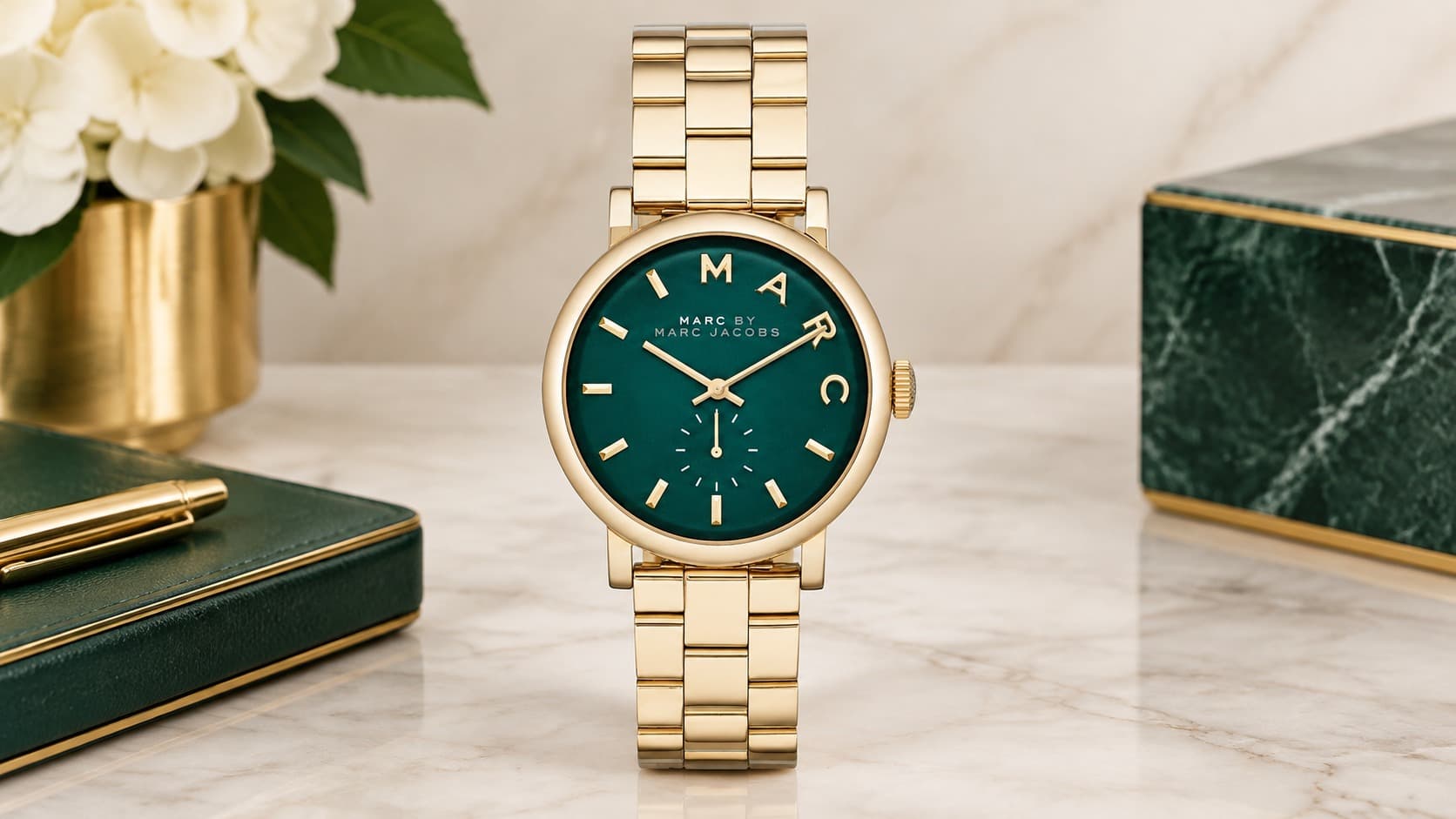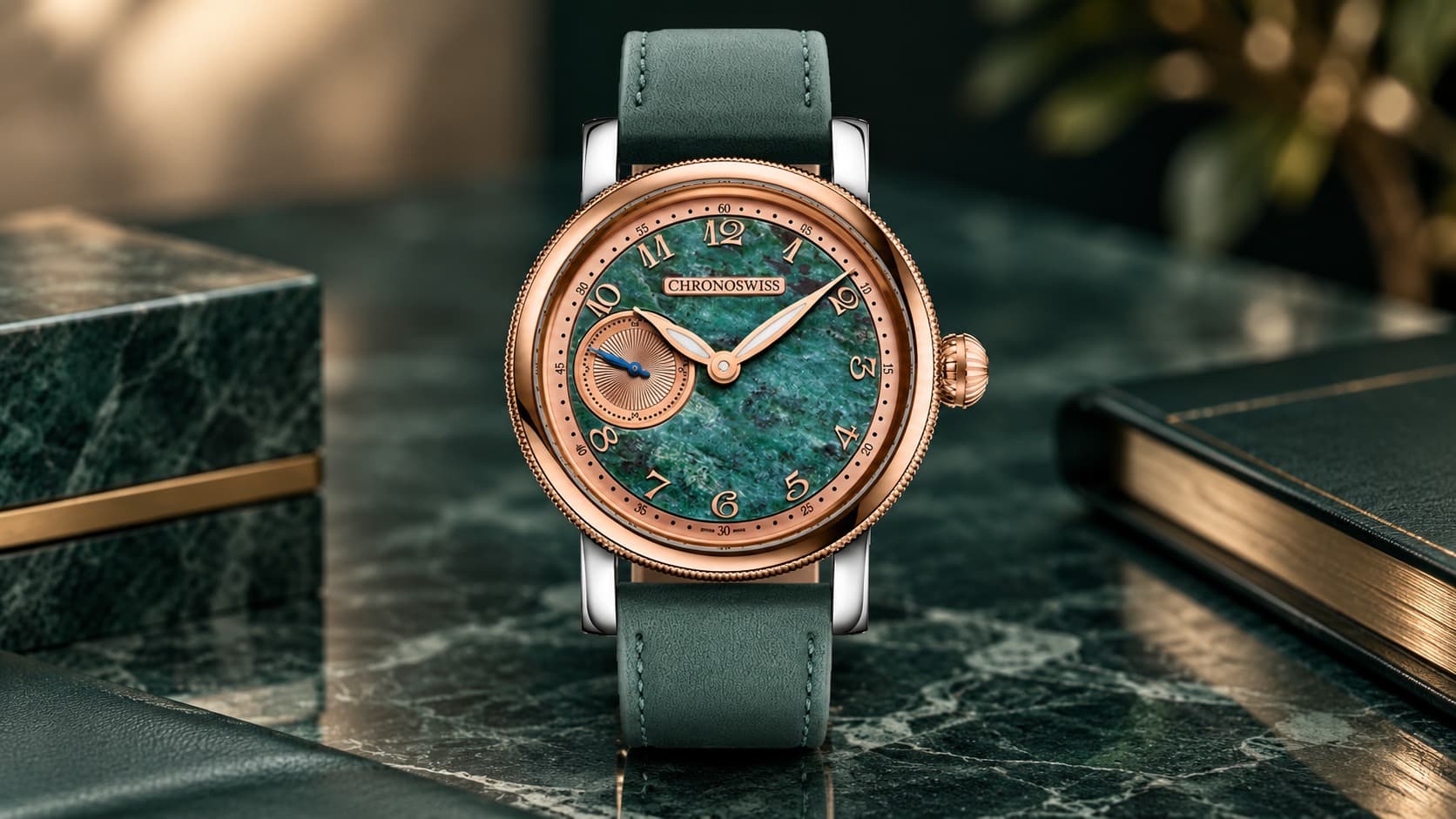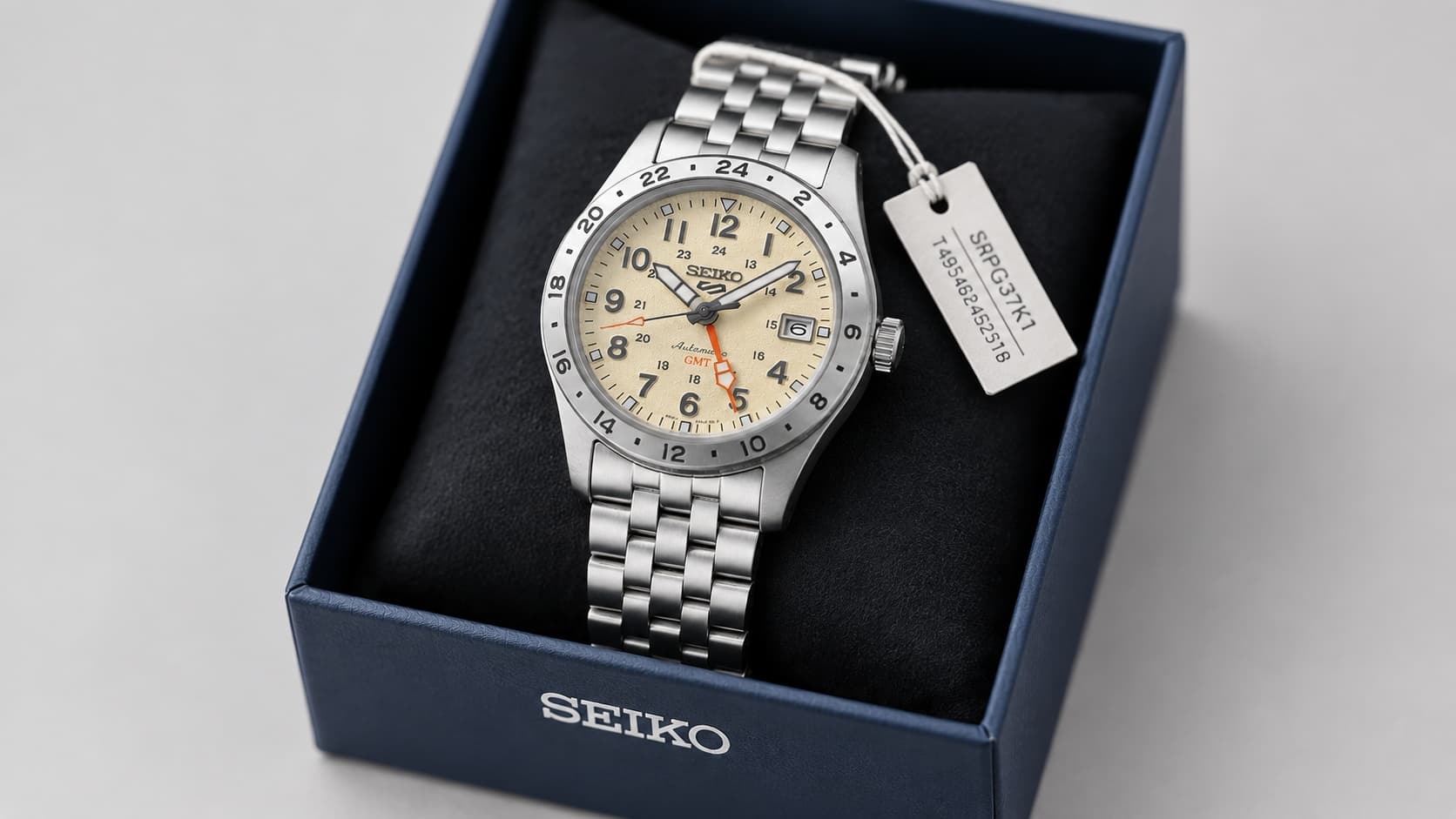
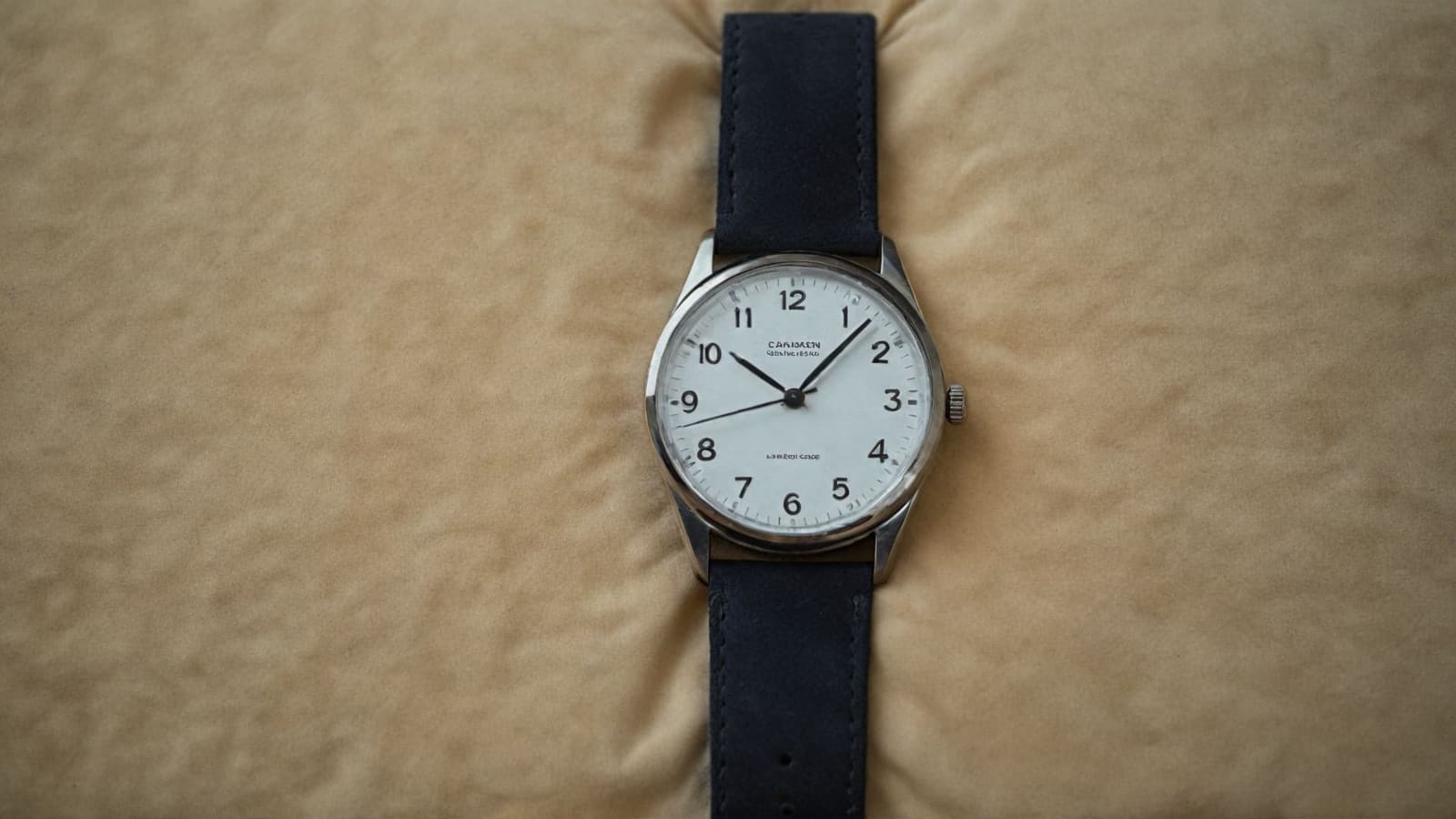
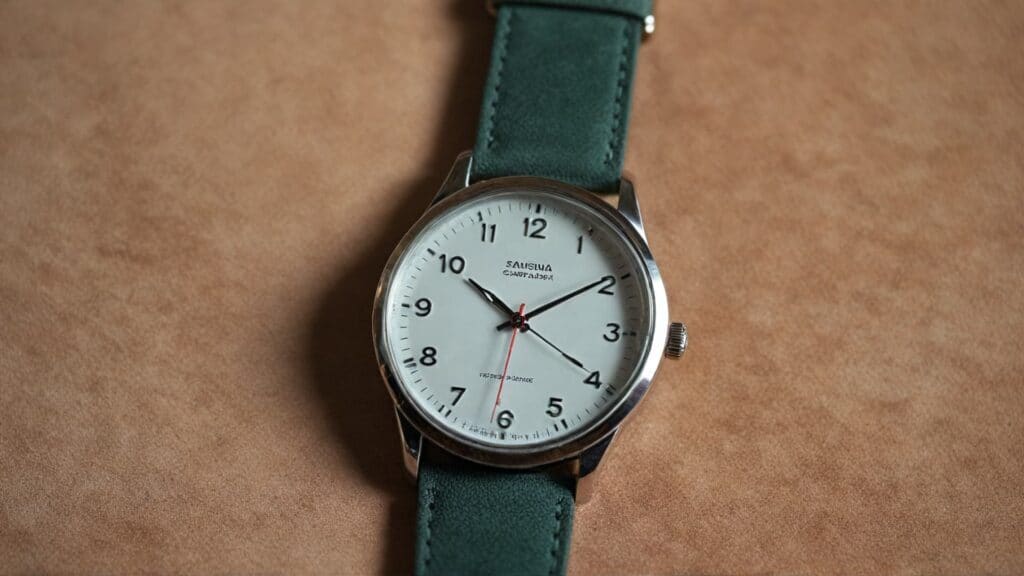
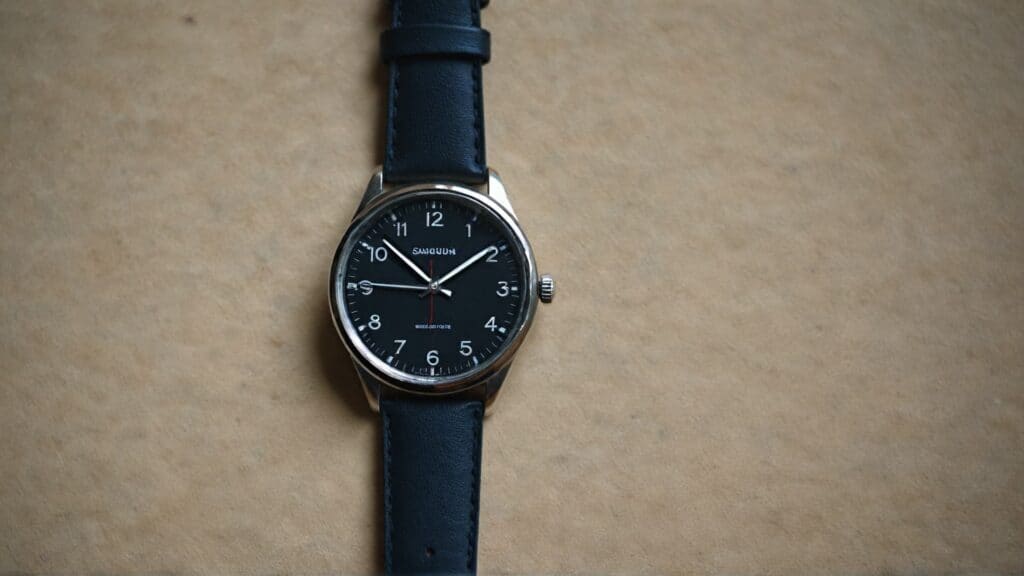
When browsing watch marketplaces, you’ll often see “naked” watches selling at attractive prices. A naked watch simply means a timepiece sold without its original box, papers, or documentation – just the watch itself. This term has become standard in watch communities and represents a significant part of the pre-owned market. While naked watches offer substantial savings of 10-30% compared to complete sets, they require careful consideration regarding authentication, resale value, and ownership goals. The naked watch market has grown with specialized buying strategies and authentication services that help bridge the gap between complete sets and watch-only sales.
Missing Items That Make Watches “Naked”
A naked watch refers specifically to a timepiece sold as “watch-only” without any of the original accessories, documentation, or packaging that would normally accompany a complete purchase. The absence of these components distinguishes naked watches from partial sets and creates both the pricing advantages and authentication challenges that define this market segment. The watch industry has developed precise terminology around these sales to help buyers know exactly what they’re purchasing and what documentation gaps they’ll need to address.
- Original manufacturer boxes are completely missing from the sale – Both the inner presentation case and outer shipping carton are gone. Luxury manufacturers design these containers with custom foam inserts, magnetic closures, and premium materials that protect the watch while creating an impressive unboxing experience. Swiss brands particularly excel at creating packaging that feels substantial and luxurious, with some collectors specifically seeking vintage boxes that have become collectible items themselves due to design changes over decades.
- Warranty cards and authenticity certificates are not included – These crucial documents contain serial numbers, model references, purchase dates, and authorized dealer stamps that verify legitimacy while enabling warranty claims. Modern cards feature sophisticated security elements including holograms, special inks, and digital verification systems that make counterfeiting extremely difficult. Without them, buyers must seek alternative authentication methods and lose any remaining manufacturer warranty coverage, regardless of the watch’s age.
- Technical manuals and operational guides are absent – Contemporary luxury timepieces come with comprehensive booklets explaining complications, maintenance schedules, and proper operation procedures. These publications often contain model-specific information about water resistance testing, chronograph functions, and caliber details that help owners maximize their investment. Vintage manuals have become particularly sought-after by collectors who value period-correct documentation that matches their timepiece’s production era.
- Presentation accessories and branded extras are missing – Manufacturers typically include branded polishing cloths, additional bracelet links, adjustment tools, and sometimes even magnifying glasses or travel pouches. High-end brands may provide leather document holders, certification booklets, or special presentation materials that enhance ownership pride. These accessories often cost hundreds of dollars to replace individually and contribute significantly to the complete ownership experience.
- Purchase receipts and transaction records are not available – Original sales documentation proves authorized dealer purchase and establishes legal ownership chain while providing essential insurance information. These receipts often contain specific model details, serial numbers, and pricing information that helps establish market value for insurance purposes. Without them, owners must rely on professional appraisals and alternative documentation methods to prove ownership and value.
- Service history and maintenance documentation is typically missing – Professional service records from authorized repair centers provide crucial information about previous maintenance, parts replacement, and authenticity verification. These documents become increasingly valuable as watches age, demonstrating proper care while identifying any modifications or non-original components. Authorized service centers maintain detailed records that can sometimes be retrieved, but this process requires time and may involve fees.
The watch community uses “naked” and “watch-only” as identical terms, both indicating complete absence of supplementary materials. This standardized language prevents confusion across different selling platforms and geographic markets where terminology might otherwise vary. Naked sales differ substantially from partial sets missing only specific components or complete packages that include everything from the original purchase. Each category carries distinct pricing implications and authentication requirements that buyers must consider when evaluating potential purchases. The precision of this terminology reflects the watch community’s sophisticated approach to secondary market transactions.
Why Do People Sell Naked Watches?
Most naked watches end up on the market because the original documentation and packaging gets lost over years or even decades of ownership. Watch boxes take up space, warranty cards seem unimportant after they expire, and instruction manuals often get thrown away during moves or cleaning. The reasons behind naked watch sales reveal common patterns that help explain why these deals exist and what buyers can expect when evaluating potential purchases.
- Lost paperwork over time is the most common reason – Watches change hands multiple times, and each transfer increases the chance that boxes and papers get separated from the timepiece. Original owners rarely think about future resale value when they toss a box in the attic or misplace warranty cards in junk drawers. After 10-20 years, finding these items becomes nearly impossible, especially when watches pass through inheritance or divorce settlements where documentation wasn’t prioritized.
- Inheritance sales create many naked watches – Family members who inherit watches often have no idea where the original boxes and papers might be stored. Elderly relatives may have discarded packaging years ago or stored documentation in places that family members never find. Estate sales frequently separate watches from their accessories, and heirs selling inherited pieces usually just want to liquidate quickly rather than search through decades of stored items.
- Emergency financial situations force quick sales – When people need money fast, they sell whatever valuable items they have immediately available. Searching for old boxes and papers takes time that sellers in financial distress don’t have. Pawn shops and quick-cash buyers typically only care about the watch itself, not the complete package, which encourages naked sales in these situations.
- Storage and space limitations lead to discarded boxes – Watch enthusiasts often prioritize storing the actual timepieces safely while treating boxes as disposable packaging. Large collections require significant storage space, and keeping every box and manual quickly becomes impractical. Many collectors throw away boxes after a few years, never anticipating that these items would become valuable in the resale market.
- International purchases create documentation gaps – Grey market dealers, international shipping, and customs processes can separate watches from their original packaging. Some dealers import watches individually to avoid customs fees, while others source timepieces through wholesale channels where documentation was already removed. Duty-free purchases and international travel can also create situations where boxes and papers get lost in transit.
- Professional dealers source watches without documentation – Watch dealers sometimes buy inventory in bulk from other dealers, estates, or wholesale sources where the documentation was previously separated. Even reputable dealers may acquire authentic watches through legitimate channels that simply don’t include the original accessories. These dealers then sell the watches as naked pieces rather than trying to reunite them with documentation they never had.
The reality is that most naked watches aren’t sold that way intentionally – they become naked through the normal process of ownership, storage, and resale over time. This explains why naked watches from reputable sellers can still be completely authentic and well-maintained. The missing documentation doesn’t necessarily indicate anything suspicious about the watch itself, just that the complete package got separated somewhere along its ownership history. For buyers, this creates opportunities to acquire quality timepieces at reduced prices when they’re willing to accept the documentation gaps.
Benefits of Naked Watch Purchases
Naked watches offer genuine advantages for buyers who know what they’re getting into and can work around the missing documentation. The cost savings alone make these purchases attractive, but several other benefits exist for collectors who prioritize the watch itself over having every original accessory. Smart buyers can leverage naked watch purchases to access higher-quality timepieces or build collections more affordably.
- Significant cost savings of 10-30% compared to complete sets – This discount represents real money that buyers can put toward higher-grade watches or additional pieces for their collection. A $10,000 Rolex Submariner might cost only $7,500-8,500 when sold naked, creating immediate savings of $1,500-2,500. These savings often allow buyers to step up to better models or acquire watches that would otherwise be outside their budget range.
- Access to watches that would otherwise be unaffordable – The naked discount can make luxury timepieces accessible to buyers who couldn’t justify the complete set pricing. Someone saving for their first Omega might find a naked Speedmaster within reach when the complete version remains too expensive. This opens doors to established brands and quality movements that provide better long-term satisfaction than settling for lesser alternatives.
- Less competition from other buyers – Many collectors avoid naked watches entirely, which means fewer people bidding on these pieces in auctions or responding to private sales. This reduced competition gives motivated buyers better negotiating power and more time to evaluate purchases. Popular models that generate fierce bidding wars when complete might attract only a handful of interested buyers when sold naked.
- Greater negotiating power due to perceived risks – Sellers know that naked watches appeal to fewer buyers and take longer to sell, making them more willing to accept reasonable offers. The authentication concerns and resale challenges that worry some buyers become negotiating points for informed purchasers who can handle these issues. Sellers often prefer quick sales at reduced prices rather than waiting months for buyers comfortable with naked purchases.
- Focus on the watch itself rather than accessories – Buyers who plan to keep watches long-term can prioritize condition, movement quality, and authenticity over having original boxes and papers. The watch’s mechanical condition, case integrity, and dial authenticity matter more for daily wear than having warranty cards or instruction manuals. This focus helps buyers identify genuinely good watches rather than getting distracted by complete but lower-quality alternatives.
- Opportunity to find rare or vintage pieces – Older watches rarely come with complete documentation anyway, so buying naked doesn’t represent the same penalty as it does with modern pieces. Vintage Rolex, Omega, and other collectible brands from the 1960s-1980s almost never include original papers, making naked purchases the standard rather than the exception. Collectors seeking specific vintage references often have no choice but to buy naked if they want to find these pieces at all.
For buyers who plan to keep their watches rather than flip them quickly, naked purchases make excellent financial sense. The immediate savings, reduced competition, and access to better models often outweigh the documentation concerns, especially when buyers can afford proper authentication and understand the long-term ownership implications. The key is matching naked purchases to the right buying situations and personal collecting goals.
Downsides of Naked Watch Purchases
Naked watches come with real downsides that buyers need to consider carefully before making purchases. While the cost savings are attractive, the missing documentation creates ongoing challenges that extend far beyond the initial transaction. These risks become more significant with expensive watches and can cause problems that last for years after purchase.
- Authentication becomes much more difficult and expensive – Without warranty cards and certificates, buyers must rely on professional authentication services that cost $100-300 per watch. Even expert authenticators sometimes struggle with sophisticated counterfeits when original documentation isn’t available for comparison. The authentication process takes time and doesn’t guarantee 100% accuracy, especially with newer fake watches that copy security features and serial numbers from genuine pieces.
- Resale value drops significantly below the original naked discount – Market research shows naked watches sell 13% slower than complete sets and face continued buyer skepticism when resold. The naked penalty compounds over time, meaning a watch bought at a 20% naked discount might only sell for 35-40% less than complete examples years later. This creates substantial losses for buyers who need to sell quickly or want to upgrade their collections.
- No warranty protection or manufacturer support – Authorized service centers require original warranty cards for any coverage, leaving naked watch owners responsible for all repair costs immediately. Even watches still within their warranty period become the owner’s financial responsibility without proper documentation. Some manufacturers refuse service entirely without papers, forcing owners to use independent watchmakers who may void future warranty options.
- Insurance complications and higher costs – Insurance companies often require original purchase documentation to establish value and authenticity for coverage. Naked watches typically need professional appraisals that cost $200-500, and insurers may limit coverage or charge higher premiums due to authentication concerns. Claims become more complicated when theft or damage occurs, as proving ownership and value without original documentation creates additional hurdles.
- Difficulty proving ownership if questions arise – Law enforcement and customs officials sometimes question expensive watches without proper documentation, especially during travel. Stolen watch databases can flag serial numbers, and proving legitimate ownership becomes challenging without purchase receipts or warranty cards. International travel with undocumented luxury watches can create customs delays and requires additional paperwork to avoid complications.
- Limited buyer pool when selling reduces negotiating power – Most potential buyers avoid naked watches, creating a smaller market when it’s time to sell. This reduced demand gives buyers significant negotiating leverage and often forces sellers to accept lower offers than anticipated. The limited market also means longer selling times and more difficulty finding serious buyers willing to complete transactions.
- Professional authentication requirements add ongoing costs – Every future sale or insurance claim may require new authentication services, creating recurring expenses that complete sets avoid. These costs accumulate over time and reduce the effective savings from the original naked purchase. Some authentication services have waiting periods or limited availability, creating delays when quick sales become necessary.
The risks associated with naked watches become more serious as watch values increase and ownership situations change. Buyers who seemed comfortable with authentication challenges during purchase often discover these issues create significant problems years later when life circumstances require selling or insurance claims. The convenience and peace of mind that comes with complete documentation becomes more valuable over time, especially for expensive timepieces where the stakes are higher.
How to Safely Buy a Naked Watch
Buying naked watches safely requires more preparation and due diligence than purchasing complete sets, but informed buyers can minimize risks through proper authentication and careful seller evaluation. The key is treating authentication as an essential part of the purchase process rather than an optional extra, while developing relationships with trusted professionals who can verify authenticity reliably.
- Use professional authentication services before completing any purchase – Established third-party authentication services typically charge $50-150 for verification with high accuracy rates, while brand service centers provide gold standard verification for around $150-200. Many services offer pre-purchase authentication where sellers send watches for verification before listing, giving buyers confidence in authenticity. Never rely solely on seller claims or amateur authentication attempts when dealing with expensive timepieces.
- Examine the seller’s reputation and transaction history carefully – Check feedback ratings, ask for references from previous sales, and verify the seller’s identity through multiple channels when possible. Established dealers with physical locations and long track records pose much lower fraud risks than anonymous online sellers. Professional dealers often provide their own authenticity guarantees and have relationships with authentication services that add credibility to transactions.
- Inspect weight and build quality as initial authenticity indicators – Genuine luxury watches use premium materials that create substantial heft that counterfeits struggle to replicate cost-effectively. Lightweight watches claiming to be solid gold or platinum immediately raise red flags. Case finishing, bracelet construction, and clasp operation should feel smooth and precise rather than rough or cheap.
- Verify serial numbers across multiple components match properly – Check that serial numbers on the case, movement, and bracelet correspond correctly and haven’t been altered or re-engraved. Cross-reference these numbers with manufacturer databases when available, and look for signs of tampering or inconsistent engraving depth. Mismatched or suspicious serial numbers often indicate frankenwatches or counterfeit pieces.
- Request detailed photographs of movement and dial under magnification – Genuine watches feature precise printing, clean dial layouts, and high-quality movement finishing that fakes cannot replicate accurately. Look for crisp logo details, proper font spacing, and correct color matching in dial elements. Movement photographs should show proper jewel settings, clean engraving, and appropriate finishing techniques for the claimed manufacturer.
- Ask specific questions about the watch’s history and condition – Inquire about previous ownership, service history, any modifications or repairs, and reasons for selling without documentation. Legitimate sellers can usually provide reasonable explanations for missing papers and honest assessments of condition. Evasive answers or inconsistent stories about the watch’s background should raise immediate concerns.
- Insist on return policies or escrow services for expensive purchases – Reputable sellers confident in their watches’ authenticity should offer reasonable return windows for professional authentication. Consider using escrow services for high-value transactions that protect both buyers and sellers during the authentication process. Sellers who refuse returns or escrow arrangements often have something to hide about their watches’ authenticity.
- Budget for immediate professional servicing and documentation – Plan to spend an additional $500-1,500 on professional service, authentication certificates, and proper insurance documentation after purchase. This investment helps establish the watch’s condition and provides alternative documentation for future reference. Many buyers discover that skipping immediate professional attention creates larger problems and expenses later.
The most important rule for naked watch purchases is buying the seller first, then the watch. A trustworthy seller with verifiable credentials can make naked purchases relatively safe, while even complete documentation from questionable sources creates significant risks. Taking time to properly authenticate and document naked purchases protects the investment and provides peace of mind for years of ownership.
Naked Watch Value vs. Complete Documentation
The price difference between naked watches and complete sets varies significantly by brand, model, and market conditions, but consistent patterns emerge across the luxury watch market. These pricing gaps reflect both the practical challenges of owning undocumented timepieces and the psychological value that collectors place on complete ownership experiences. Market data reveals specific percentages that help buyers evaluate whether naked discounts justify the trade-offs.
- Rolex watches show the largest naked penalties with 15-30% price gaps – A Rolex Submariner 16610 typically sells for $8,700 naked versus $10,250 complete, representing a $1,550 difference or 17.8% premium for documentation. GMT-Master II Pepsi models demonstrate even larger gaps, with naked examples selling for $12,500 while complete sets reach $15,500-16,000. The Rolex brand’s strict policies against reissuing documentation make these penalties particularly severe and permanent.
- Omega timepieces experience moderate 10-15% documentation premiums – Speedmaster Professional models trade around $4,350 naked versus $4,900 complete, showing a 13.2% gap that’s substantial but less dramatic than Rolex. Vintage Omega pieces from the 1960s-1970s show 15-25% premiums when complete documentation exists, though such packages are extremely rare. Modern Omega watches maintain smaller gaps because the brand offers more flexible documentation replacement options.
- Ultra-luxury brands face severe naked penalties of 25-40% – Patek Philippe, Audemars Piguet, and Vacheron Constantin watches lose enormous value without proper documentation due to authentication complexity and collector expectations. A $25,000 naked Patek Philippe might require $35,000+ to purchase complete, reflecting both the practical challenges and prestige factors involved. These brands’ Extract from Archives services can partially restore value but cost $500+ and take months to process.
- Mid-range luxury brands show 8-18% naked discounts – Tudor, Breitling, and IWC watches experience meaningful but manageable naked penalties that often make these purchases attractive for long-term owners. A Tudor Black Bay selling for $2,800 naked versus $3,200 complete represents a reasonable trade-off for buyers planning extended ownership. These brands typically offer better service support for naked watches than ultra-luxury manufacturers.
- Affordable and sports watches show minimal naked impact – Seiko, Citizen, Casio, and similar brands experience virtually no naked penalties because documentation carries little collector premium. A $300 Seiko diver sells for essentially the same price naked or complete, making naked purchases completely logical for these segments. Even higher-end Seiko models like Grand Seiko show only 5-8% naked discounts.
- Vintage watches often command premiums for any documentation – Pre-1980s timepieces with original papers can sell for 50-100% premiums over naked examples because complete documentation is so rare. A 1970s Rolex Daytona with original papers might sell for $75,000 while naked examples reach only $45,000-50,000. However, finding vintage pieces with authentic original documentation requires extreme caution due to widespread forgery.
- Market liquidity differences extend beyond pricing – Complete sets sell 15-25% faster than naked watches and attract more potential buyers, creating better negotiating positions for sellers. Naked watches often sit on the market for months longer, forcing sellers to reduce prices further or accept lower offers. This liquidity difference becomes particularly important during market downturns when buyers become more selective.
The financial impact of naked status compounds over time, as resale markets continue penalizing undocumented watches even when buyers paid naked prices originally. Collectors who buy naked watches often discover that selling them years later requires accepting even larger discounts than their original purchase price suggested. However, buyers planning long-term ownership can benefit significantly from naked pricing, especially when they invest in proper authentication and alternative documentation to minimize future complications.
Popular Watch Brands and Naked Pricing
Different watch brands experience varying levels of naked penalties based on their authentication complexity, documentation policies, and collector preferences. The impact ranges from minimal effects on affordable brands to substantial value losses for luxury manufacturers, with specific patterns that help buyers predict pricing and make informed decisions about which brands work best for naked purchases.
- Rolex suffers the most severe naked penalties due to strict company policies – The brand never reissues warranty cards under any circumstances and maintains complex authentication requirements that make naked purchases risky. Popular models like the Submariner, GMT-Master, and Daytona lose 20-30% of their value without papers, with vintage pieces showing even larger gaps. Rolex’s position as the most counterfeited luxury brand creates additional authentication challenges that drive naked discounts higher than other manufacturers.
- Omega shows moderate naked impact with better recovery options – The brand offers Extract from Archives services and more flexible authentication policies that reduce long-term naked penalties. Speedmaster models typically trade 10-15% below complete sets, while vintage Omega pieces can show 20-25% gaps when original documentation exists. Omega’s willingness to service naked watches and provide alternative documentation makes these purchases more attractive for long-term ownership.
- Patek Philippe and other ultra-luxury brands face extreme naked penalties – These manufacturers’ complex movements, limited production, and sophisticated counterfeiting make authentication extremely difficult without original papers. Naked penalties often reach 30-40% because collectors in this segment strongly prefer complete documentation and provenance. The brands’ Extract from Archives services cost $500+ and take 6-12 months, making immediate authentication challenging.
- Tudor benefits from Rolex association but shows smaller naked gaps – Despite sharing Rolex’s parent company, Tudor watches experience only 10-18% naked penalties because they’re less frequently counterfeited and easier to authenticate. Models like the Black Bay and Pelagos maintain reasonable values when naked, making them attractive options for buyers seeking Swiss quality without extreme documentation requirements. Tudor’s service policies also support naked watch owners better than Rolex.
- Breitling and IWC show manageable 12-20% naked discounts – These established Swiss brands maintain strong reputations but don’t face the extreme counterfeiting pressure that drives larger naked penalties. Their complex movements and distinctive designs make authentication more straightforward than ultra-luxury pieces. Both brands offer reasonable service support for naked watches and maintain active communities that help with authentication and parts sourcing.
- Japanese brands like Seiko and Citizen show minimal naked impact – Even high-end models like Grand Seiko experience only 5-10% naked penalties because documentation carries little premium in these segments. The brands’ excellent service networks and reasonable replacement part availability make naked purchases completely practical. Vintage Japanese watches often sell for similar prices regardless of documentation status.
- German brands like A. Lange & Söhne face significant naked challenges – The complexity of German movements and limited production numbers create authentication difficulties similar to Swiss ultra-luxury brands. Naked penalties often reach 25-35% because collectors value complete documentation highly and counterfeiting concerns exist. However, the brands’ excellent service departments can provide authentication and alternative documentation more readily than some Swiss manufacturers.
- Fashion and luxury conglomerate brands show variable naked impact – Brands like Cartier, TAG Heuer, and Montblanc experience 15-25% naked penalties depending on the specific model and market segment. Their diverse product ranges mean that sports models might show smaller gaps while jewelry watches face larger penalties. These brands’ extensive retail networks often provide better authentication support than independent manufacturers.
- Independent watchmakers and boutique brands face unique naked challenges – Small manufacturers often lack the service infrastructure to support naked watch authentication, making these purchases particularly risky. However, their limited production and direct customer relationships sometimes allow for better documentation recovery than large corporations. Buyers should research each independent brand’s policies and capabilities before considering naked purchases.
The brand-specific patterns in naked pricing reflect practical realities around authentication, counterfeiting, and service support rather than just collector preferences. Buyers can use these patterns to identify which brands offer the best naked purchase opportunities and which ones require extra caution or complete documentation to justify the investment.
When to Choose Naked Over Complete Sets
Naked watch purchases work best in specific situations where the cost savings outweigh the documentation challenges and long-term ownership goals align with the trade-offs involved. Smart buyers can identify scenarios where naked watches provide excellent value while avoiding situations where complete sets justify their higher prices despite the additional cost.
- Personal collection building for long-term ownership – Collectors who plan to keep watches for decades can maximize naked purchase benefits since resale concerns become irrelevant. The immediate 10-30% savings allow access to better models or additional pieces that wouldn’t be affordable at complete set pricing. Long-term owners can also invest in proper authentication and alternative documentation over time, gradually reducing the disadvantages of naked status.
- Budget-conscious entry into luxury watch collecting – First-time luxury buyers often find naked purchases provide access to established brands like Omega, Tudor, or Breitling that would otherwise exceed their budgets. A $3,000 budget might only reach entry-level complete sets but could secure mid-range naked pieces from prestigious manufacturers. This approach lets new collectors experience quality movements and Swiss craftsmanship without compromising on brand reputation.
- Vintage watch collecting where documentation is extremely rare – Pre-1980s timepieces rarely include original papers regardless of authenticity, making naked purchases the standard rather than the exception. Vintage Rolex, Omega, and other collectible brands from the 1960s-1970s almost never come with complete documentation, so buyers have no choice but to buy naked if they want these pieces. The naked penalty becomes meaningless when complete examples simply don’t exist.
- Focus on mechanical appreciation over investment potential – Watch enthusiasts who prioritize movement quality, craftsmanship, and daily wearing experience can ignore documentation concerns entirely. The watch’s timekeeping performance, build quality, and aesthetic appeal remain unchanged whether papers exist or not. These buyers often prefer spending their budgets on better movements rather than paying premiums for boxes and warranty cards.
- Professional authentication expertise or relationships – Buyers with access to trusted authentication services, watchmaker relationships, or extensive personal knowledge can safely evaluate naked watches without relying on original documentation. These experts can identify authentic pieces confidently and know how to source alternative documentation when needed. Their expertise eliminates many of the risks that make naked purchases problematic for inexperienced buyers.
- Specific model hunting where naked examples offer only options – Rare or discontinued models sometimes only appear on the market as naked pieces, forcing serious collectors to accept documentation gaps or miss acquisition opportunities entirely. Limited edition watches, vintage sports models, or specific dial variations might never appear complete, making naked purchases necessary for completing collections.
- Workshop or restoration projects where original condition matters less – Buyers planning significant modifications, restorations, or custom work can save money on naked examples since original documentation becomes irrelevant anyway. Custom dial work, case modifications, or movement swaps eliminate any future authenticity concerns that original papers might have addressed.
- Geographic markets where documentation carries less premium – Some regions or local markets show smaller price gaps between naked and complete watches, making naked purchases more attractive financially. Local authentication resources, different collector preferences, or market conditions can create opportunities where naked penalties are minimal.
Naked purchases should be avoided when planning quick resale, buying modern luxury pieces where documentation should exist, or when unable to afford proper authentication services. Investment-focused collecting strongly favors complete sets for liquidity and appreciation potential, while inexperienced buyers should generally stick to complete packages until they develop authentication expertise. The key is honestly evaluating personal collecting goals and matching them to the appropriate purchase strategy.
Expert Tips for Naked Watch Buyers
Professional watch dealers and experienced collectors have developed specific strategies for safely navigating naked watch purchases that minimize risks while maximizing value. These practical tips come from years of handling undocumented timepieces and can help buyers avoid common mistakes while building successful collections through naked purchases.
- Budget authentication costs as mandatory purchase expenses – Always include $200-500 for professional authentication, appraisal, and initial servicing when calculating naked watch budgets. This money isn’t optional - it’s essential for establishing authenticity and condition baselines that protect your investment. Many buyers focus only on the watch price and then feel surprised by authentication costs, leading to poor decisions about skipping proper verification.
- Build relationships with trusted authentication services before buying – Establish accounts with services like LegitGrails, brand service centers, and certified watchmakers before making purchases. Having these relationships ready speeds up the authentication process and provides reliable resources for future acquisitions. Many authentication services offer volume discounts or faster turnaround for established customers.
- Research specific model counterfeiting patterns and red flags – Different watch models face different types of counterfeiting, so learn the specific details that separate authentic pieces from fakes for your target watches. Rolex Submariner fakes focus on different elements than Omega Speedmaster replicas, requiring model-specific knowledge for proper evaluation. Online forums and collector communities provide excellent resources for learning these details.
- Prioritize seller reputation over watch appearance in decision making – A trusted dealer selling a naked watch presents much lower risk than an unknown seller offering complete documentation. Established sellers stake their reputations on authenticity and often provide their own guarantees that exceed the protection offered by original papers from questionable sources. Professional dealers also maintain relationships with authentication services and repair facilities.
- Document everything thoroughly with detailed photographs and records – Create comprehensive photo documentation showing serial numbers, movement details, case condition, and any unique characteristics immediately after purchase. This documentation helps with insurance claims, future sales, and authentication verification. Many buyers regret not photographing details that become important years later.
- Invest in proper insurance coverage with agreed value policies – Work with insurers who understand watch collecting and can provide agreed value coverage based on professional appraisals rather than replacement cost estimates. Naked watches often require specialized coverage that accounts for authentication challenges, making standard jewelry insurance inadequate for protection.
- Consider alternative documentation options like service certificates – Brand service centers often provide detailed service reports that serve as authenticity certificates when original papers are missing. These documents cost $150-300 but create valuable alternative documentation that helps with insurance and future sales. Some collectors find service certificates more useful than original warranty cards for practical purposes.
- Learn basic authentication skills but always verify with professionals – Develop knowledge about weight, finishing quality, movement details, and common fake indicators, but never rely solely on personal assessment for expensive purchases. Basic skills help identify obvious fakes quickly, while professional authentication catches sophisticated counterfeits that fool experienced collectors.
- Plan for long-term ownership and avoid quick-flip mentalities – Naked watches work best for collectors who plan extended ownership periods that allow time to build alternative documentation and enjoy the cost savings benefits. Quick resale plans often fail because naked watches take longer to sell and face continued buyer skepticism that reduces profit margins.
- Maintain detailed ownership records including all service and authentication documentation – Keep organized files with authentication certificates, service records, purchase receipts, and correspondence about each watch. This documentation becomes increasingly valuable over time and helps establish provenance chains that partially compensate for missing original papers. Many successful collectors treat documentation management as seriously as watch maintenance.
- Network with other collectors and join established watch communities – Active participation in forums, local clubs, and collector groups provides access to authentication resources, buying opportunities, and market knowledge that individual buyers can’t develop alone. These communities often share information about trusted sellers, authentication services, and specific model knowledge that proves invaluable for naked purchases.
The most successful naked watch buyers treat authentication and documentation as ongoing processes rather than one-time purchase requirements. Building expertise, relationships, and proper documentation over time transforms naked watches into well-documented pieces that approach complete set values while maintaining the original cost savings advantages.
Frequently Asked Questions About Naked Watches
Common questions about naked watches reveal the practical concerns that buyers face when considering these purchases. These real-world situations help clarify the implications of buying undocumented timepieces and provide guidance for specific scenarios that naked watch buyers encounter regularly.
Can you get warranty service on a naked watch?
Yes, all major manufacturers will service authentic watches regardless of documentation status after proper authentication. Rolex, Omega, and other brands authenticate naked watches at their service centers and provide service guarantee cards as alternative documentation. However, any remaining original warranty coverage is lost without proper papers, making all repairs the owner’s financial responsibility. Service centers may charge authentication fees of $100-200 before beginning repair work.
How much less is a naked Rolex worth compared to complete sets?
Rolex watches typically trade at 15-30% discounts when naked, with specific models showing different penalties. A Submariner 16610 selling for $10,250 complete might only bring $8,700 naked, representing a $1,550 value gap. GMT-Master II Pepsi models show even larger differences, with naked examples selling for $12,500 while complete sets reach $15,500-16,000. These penalties persist over time and often increase when reselling.
Are naked watches much harder to sell later?
Significantly yes, with market data showing naked watches sell 13% slower than complete sets and attract fewer potential buyers. The reduced buyer pool gives purchasers more negotiating power and often forces sellers to accept lower offers than anticipated. Many collectors avoid naked watches entirely, creating a smaller market that takes longer to find serious buyers willing to complete transactions.
What if you find the original papers years later?
Finding original papers after purchase can help restore some value, but reuniting watches with documentation requires proving the connection between specific pieces. Manufacturers never reissue original warranty cards, so any found papers must be authentic originals that match the watch’s serial numbers exactly. Even when legitimate papers surface, the market often remains skeptical about reunited packages unless the connection can be verified definitively.
Do naked watches need special insurance coverage?
Yes, naked watches typically require professional appraisals costing $200-500 to establish value for insurance purposes, and many insurers charge higher premiums due to authentication concerns. Standard jewelry insurance may not adequately cover naked watches, requiring specialized collectors’ policies that account for authentication challenges. Claims become more complicated when theft or damage occurs, as proving ownership and value without original documentation creates additional verification requirements.
Can you get certificates of authenticity for naked watches?
Professional authentication services provide certificates that help establish authenticity, but these documents don’t carry the same market value as original manufacturer papers. Brand service centers issue service guarantee cards after authentication that serve similar purposes for future reference. Some companies offer blockchain-based digital certificates, but market acceptance of these alternatives remains limited compared to original documentation.
Is it safe to travel internationally with naked luxury watches?
International travel with expensive undocumented watches can create customs complications and law enforcement questions, especially in countries with strict luxury goods regulations. Carrying professional authentication certificates, purchase receipts, and detailed photographs helps prove legitimate ownership when questioned. Some collectors register expensive watches with customs before travel to avoid complications during return trips.
Do naked vintage watches face the same penalties as modern pieces?
Vintage watches from before 1980 rarely come with original documentation regardless of authenticity, so naked status carries much smaller penalties in these segments. Pre-1970s pieces almost never include papers, making complete documentation extremely rare and valuable when it exists. However, vintage naked watches still require careful authentication due to widespread parts swapping and modification over decades.
Can independent watchmakers provide authentication for naked watches?
Qualified independent watchmakers can assess movement authenticity and condition, but their opinions carry less market weight than brand service center authentication. Many independent experts specialize in specific brands and can provide valuable insights, but buyers should verify credentials and seek multiple opinions for expensive pieces. Independent authentication works best as supplementary verification rather than primary authentication.
These frequently asked questions highlight the practical realities of naked watch ownership and help buyers prepare for the ongoing implications of purchasing undocumented timepieces. The answers reveal that while solutions exist for most naked watch challenges, these require additional time, expense, and expertise compared to buying complete sets.
Conclusion
Naked watches represent a compelling opportunity for informed collectors who prioritize timepiece quality over complete documentation packages. The consistent 10-30% savings create access to luxury brands and higher-grade models that might otherwise remain unaffordable, while the reduced competition from documentation-focused buyers provides better negotiating positions. However, these advantages come with real trade-offs including authentication challenges, reduced resale values, and ongoing documentation complications that buyers must address through professional services and careful planning. The key to successful naked purchases lies in matching this buying strategy to appropriate collecting goals and personal circumstances.
The brand-specific patterns in naked pricing reveal that some manufacturers handle undocumented watches better than others, with companies like Omega and Tudor offering more flexible authentication and service policies compared to Rolex or ultra-luxury brands. Vintage watches often present the best naked purchase opportunities since original documentation is extremely rare regardless, while modern luxury pieces require more careful consideration due to higher counterfeiting risks and stronger collector preferences for complete sets. Understanding these distinctions helps buyers identify which naked purchases offer genuine value versus those that might create long-term problems.
Successful naked watch collecting requires treating authentication and documentation as ongoing investments rather than optional extras, with budgets that include professional verification, proper insurance, and alternative documentation services. Buyers who develop expertise in specific brands, build relationships with trusted authentication services, and plan for extended ownership periods can maximize the benefits while minimizing the risks associated with naked purchases. For collectors focused on mechanical appreciation and long-term enjoyment rather than quick resale or investment returns, naked watches provide an excellent path to acquiring quality timepieces at substantial savings while building expertise in the secondary watch market.