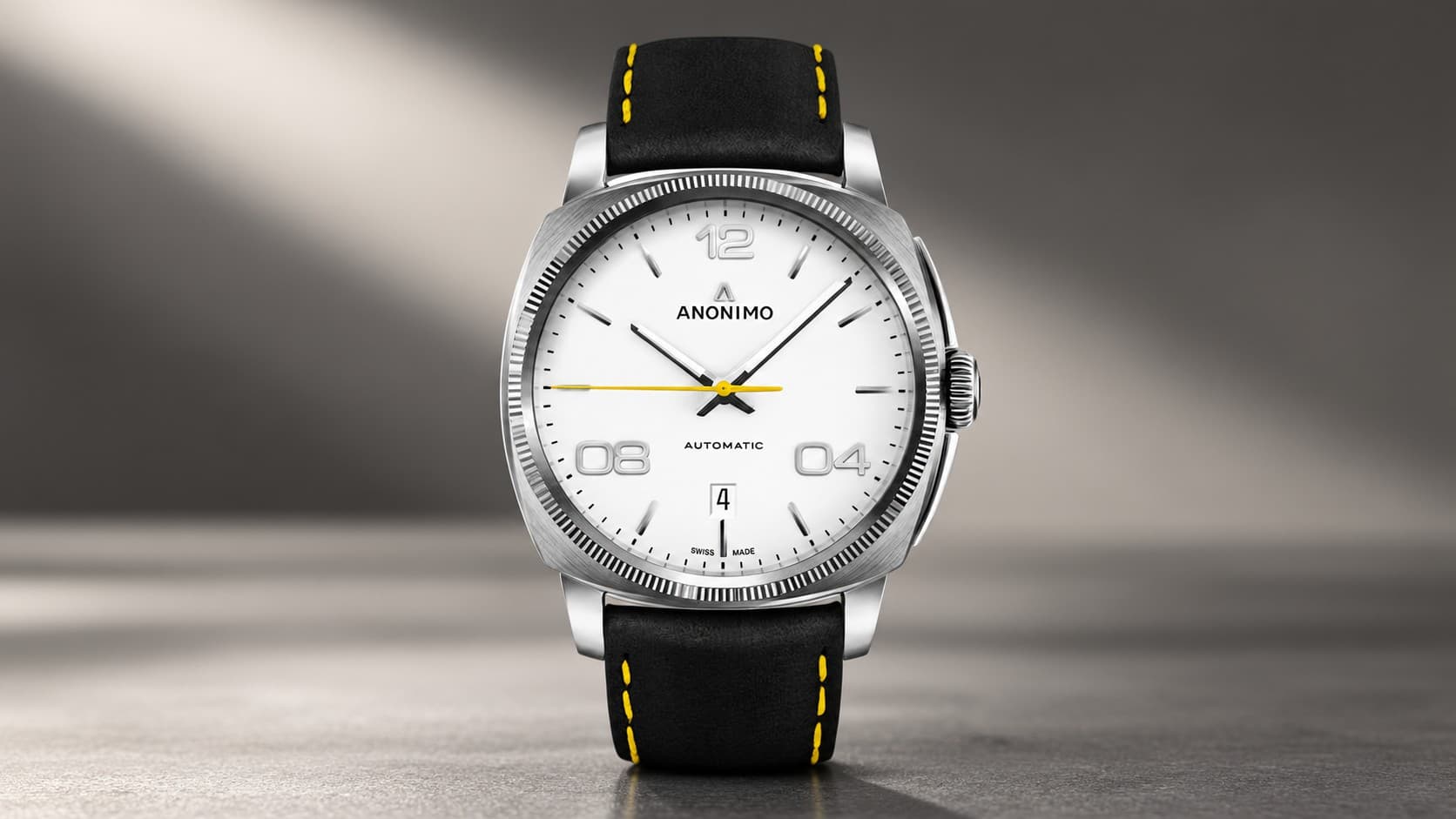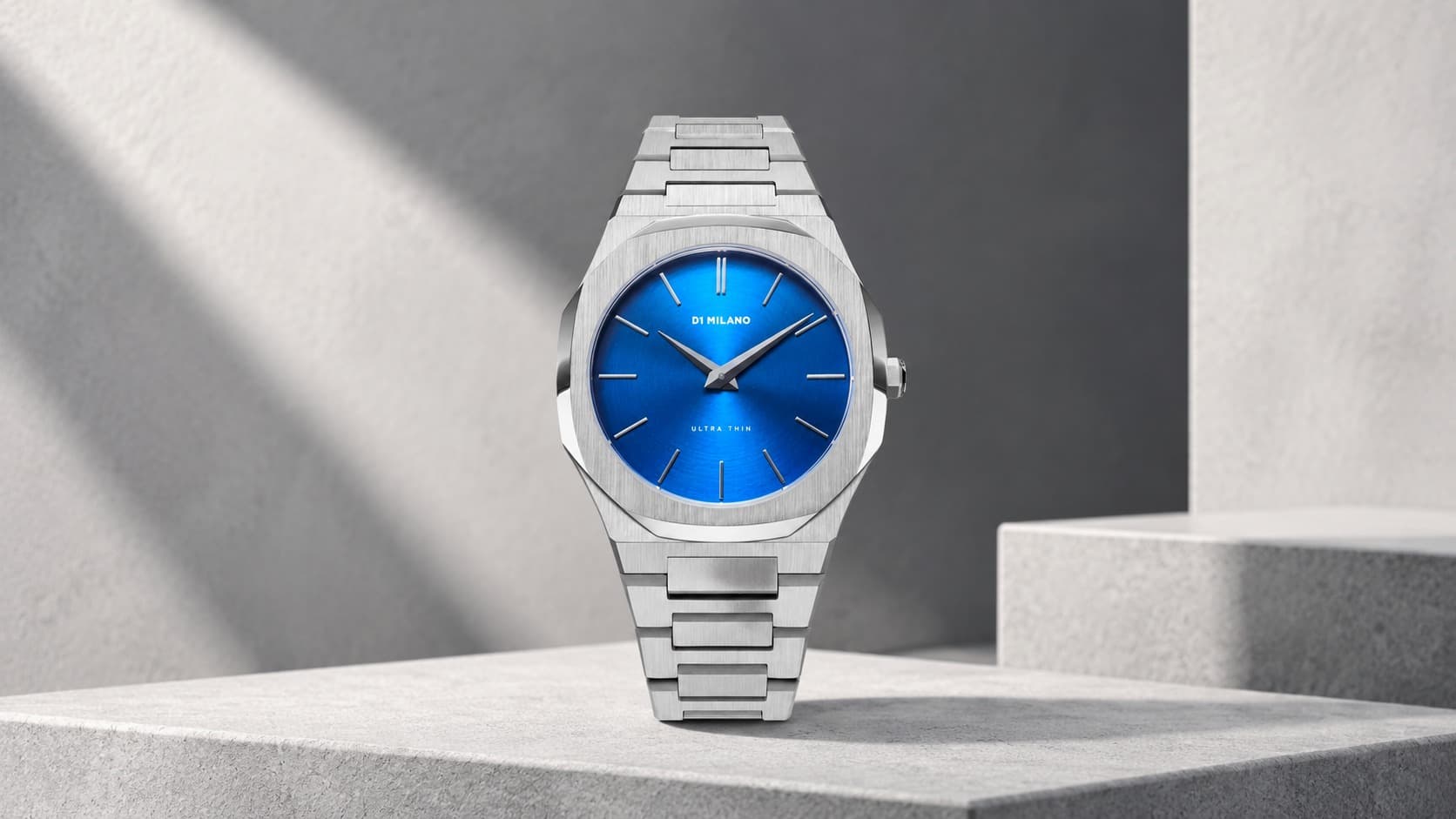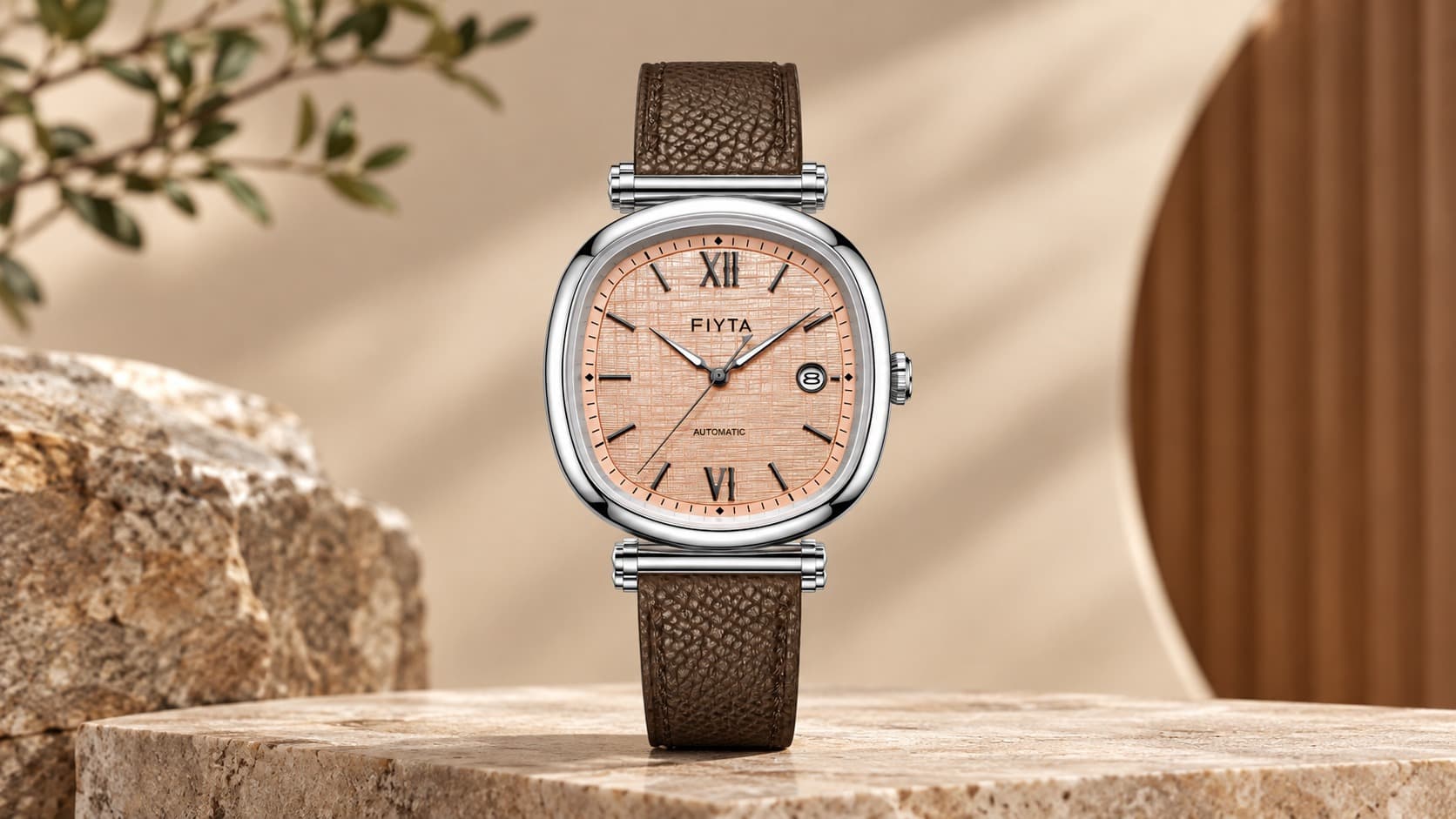
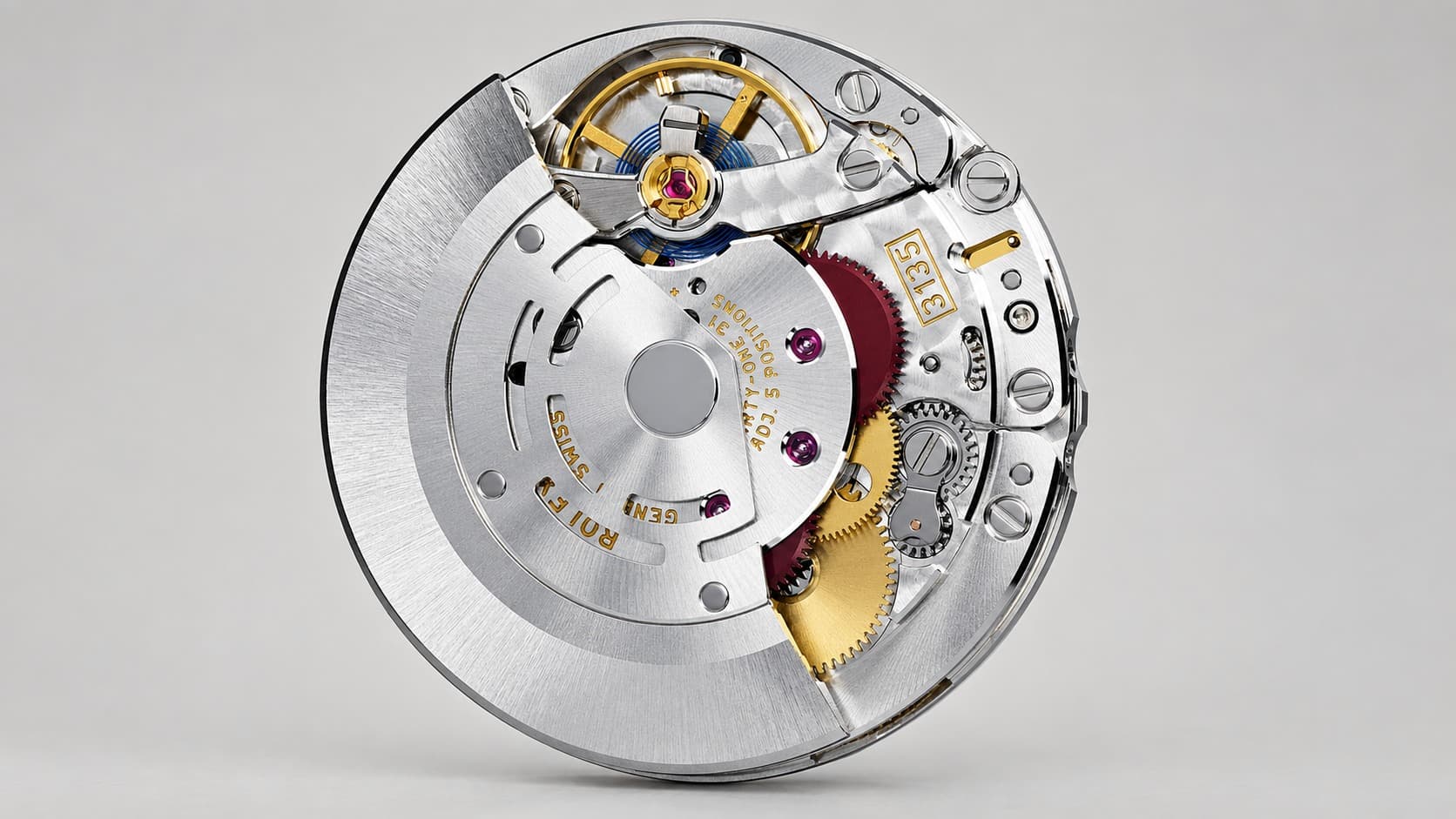
Every watch has a small engine hiding behind its dial, and that engine decides almost everything about how the watch behaves. It decides how accurate the time is, whether it needs winding, how long it will last, and even how much it costs. This engine is called the movement, and once the handful of types out there are understood, a lot of confusing watch jargon suddenly makes sense.
The Basics of a Watch Movement
A watch movement is the mechanism that makes the hands move and keeps time. It sits inside the case, hidden under the dial, and it is made of dozens to hundreds of tiny parts working together.
Watchmakers call this mechanism the “caliber” or “movement,” and it is the true heart of any watch. Everything else — the case, the strap, the crystal on top — is really just packaging built around this small machine. Some movements use batteries and electronics, while others run entirely on tiny springs and gears, the same basic idea watchmakers used hundreds of years ago.
Mechanical movements often contain small red or pink gemstones called jewels, usually synthetic rubies, placed at points where metal parts rub together. These jewels reduce friction and wear far better than bare metal would, which is why a movement’s box sometimes proudly states “17 jewels” or “21 jewels” on the dial or case back. Quartz movements need very few jewels, since they have far fewer moving parts grinding against each other.
The Three Main Types of Watch Movements
The three main types are quartz, mechanical, and spring drive. Quartz movements use a battery, mechanical movements use springs and gears, and spring drive movements mix both ideas together.
The table below compares the three types at a glance:
| Movement Type | Power Source | Needs Winding? | Typical Accuracy |
|---|---|---|---|
| Quartz | Battery (or solar cell) | No | Within a few seconds per month |
| Manual mechanical | Hand-wound mainspring | Yes, daily | A few seconds to a minute per day |
| Automatic mechanical | Wrist motion winds the spring | No, if worn regularly | A few seconds to a minute per day |
| Spring drive | Mainspring + electronic regulator | Yes or automatic, depends on model | About one second per day |
Solar and kinetic movements don’t get their own rows here because both are, underneath, quartz movements with a different charging method. That distinction affects charging and maintenance, but not the actual timekeeping mechanism itself.
Quartz Movements: How They Work
A quartz movement uses a battery to send electricity through a tiny sliver of quartz crystal, which vibrates at a precise rate. Those vibrations get counted by a small circuit, and every so many vibrations, the circuit sends a pulse that moves the second hand forward.
The quartz crystal inside vibrates exactly 32,768 times per second when electricity passes through it. That number was chosen because it is a power of two, which makes it easy for the circuit to divide down into one pulse per second. Because this vibration rate barely changes, quartz watches are extremely accurate, often losing or gaining only a few seconds over an entire month.
This whole idea became mainstream because of one watch: the Seiko Quartz-Astron, released in Tokyo on December 25, 1969. Seiko rated its timekeeping error at roughly five seconds of drift each month, an error so small that it added up to only about a minute across a full year, a massive leap over mechanical watches of that era. The watch sold for about the same price as a small car, but within a decade quartz technology had become cheap enough to put in nearly every affordable watch on the planet, permanently changing how the entire industry made timepieces.
Quartz movements are also cheap to produce compared to mechanical ones, which is why most affordable watches use them. The tradeoff is that the battery eventually dies and needs replacing, usually every one to three years.
A quartz watch and a $10,000 mechanical watch can both tell time perfectly well. The mechanical one just does it with tiny springs instead of electricity, which is why collectors value the craftsmanship over the accuracy.
Mechanical Movements: How They Work
A mechanical movement stores energy in a coiled metal spring and releases that energy slowly through a chain of gears to move the hands. No battery or electricity is involved anywhere in the process.
The spring is called the mainspring, and it acts like a tightly wound rubber band. As it unwinds, it pushes a series of gears, and a part called the escapement releases that energy in tiny, controlled ticks instead of all at once. This is why a mechanical watch’s second hand sweeps in small steps instead of jumping once per second like a quartz watch, and it’s also the source of the soft ticking sound audible when the watch is held close to the ear.
For most of watchmaking history, this was the only real option, since quartz technology didn’t reach wristwatches until 1969 (the sole notable exception being Bulova’s battery-powered, tuning-fork-driven Accutron, a separate electronic design introduced in 1960 that used neither a mainspring nor a quartz crystal). That long history is part of why mechanical watches still carry a sense of tradition and craftsmanship today, even though they are objectively less accurate than a cheap quartz watch. There are two ways to power that mainspring: winding it by hand, or letting the movement wind itself through the natural motion of the wrist.
Manual (Hand-Wound) Movements
A manual movement needs the crown turned regularly to keep the mainspring tight and the watch running. Skip a day or two of winding, and the watch will simply stop.
Most manual watches run for around 40 hours on a full wind, though some high-end models last much longer. Winding takes only a few seconds, and many people enjoy it as a small daily ritual. Manual movements also tend to be thinner than automatic ones, since they don’t need the extra rotating weight that automatics use.
Good practice is to wind the crown only until gentle resistance is felt, then stop immediately rather than forcing it further. Pushing past that point can strain or snap the mainspring, which is one of the more common (and avoidable) reasons a manual watch ends up needing repair.
Automatic (Self-Winding) Movements
An automatic movement winds itself using a weighted rotor that spins with every movement of the wrist. That spinning rotor feeds energy into the same kind of mainspring a manual watch uses.
An automatic watch worn daily never needs manual winding. Left unworn for a few days, though, it will run down and stop, just like a manual watch would. Most automatics store 40 to 70 hours of power, and many watch owners use a “watch winder” — a small motorized box — to keep an automatic watch running while it sits unworn.
A British watchmaker named John Harwood invented the first self-winding wristwatch back in 1923, using a rotating semicircular weight to wind the mainspring as the wrist moved. His design could only swing back and forth in a limited arc rather than spin freely. It wasn’t until 1931 that Rolex introduced its “Perpetual” rotor, which could spin a full 360 degrees, and that design became the template most automatic watches still use today.
Spring Drive Movements: The Hybrid Option
A spring drive movement uses a traditional mainspring for power but replaces the mechanical escapement with an electronic circuit that regulates the speed. This gives it the smooth glide of a mechanical watch with accuracy closer to quartz.
Development stretched back roughly two decades before the idea reached the public. Three limited-edition, hand-wound watches carrying the technology finally went on sale in December 1999, two under the Seiko name and one under Seiko’s Credor brand. Grand Seiko later built its own automatic version of the technology, launching its first self-winding Spring Drive model in 2004, and it remains the main brand using this movement type today.
Instead of the ticking escapement found in regular mechanical watches, a spring drive uses a spinning part called the “glide wheel,” paired with a tiny quartz crystal and an electromagnetic brake, in a system Seiko calls the Tri-Synchro Regulator. As the mainspring unwinds, it spins the glide wheel, which generates a small electric current to power the quartz crystal, and that circuit then applies a gentle magnetic brake to keep the glide wheel spinning at a steady, controlled rate. The result is a movement that glides instead of ticks, while staying accurate to around one second per day, far better than a typical mechanical watch.
Solar and Eco-Drive Movements
A solar movement is a quartz movement that charges its battery using light instead of needing a battery replacement. A solar cell sits under the dial and converts light into electricity, which gets stored in a rechargeable cell.
Citizen’s Crystron Solar Cell, launched in 1976, is widely credited as the first analog watch powered by light. A single charge could reportedly keep it running for as long as five years before needing another dose of sunlight or lamp light. The company later launched its now-famous Eco-Drive branding in the mid-1990s, and other brands have since released similar light-charging technology of their own, including Casio’s Tough Solar line.
These watches can often run for months in complete darkness once fully charged, since they use very little power, and some high-capacity models can last well over a year without seeing any light at all. For owners who prefer not to deal with replacement batteries, solar movements remove that need entirely. The rechargeable cell inside does eventually wear out after many years of use, typically after a decade or two, at which point it can usually be replaced during a standard service.
Kinetic Movements: A Fourth Category
A kinetic movement uses a swinging rotor, just like an automatic watch, but instead of winding a mainspring, that rotor spins a tiny generator that produces electricity. That electricity charges a capacitor or rechargeable cell, which then powers a normal quartz circuit.
This makes kinetic technology a genuine mix of the first two categories rather than a variant of either one: the charging method comes from an automatic watch, but the actual timekeeping comes from a quartz movement, with no mainspring involved anywhere. Seiko introduced this idea in the late 1980s under the name Automatic Generating System, then rebranded it as Kinetic a few years later, and the technology went on to power millions of watches through the 1990s and 2000s.
The main advantage is convenience: wear the watch regularly, and it never needs a battery replacement or manual winding, while still keeping quartz-level accuracy. The main downside is that the rechargeable cell inside is a specialized part, and replacing it later in the watch’s life can be more expensive and less straightforward than a standard battery swap. Seiko has scaled back new Kinetic releases in recent years as solar quartz technology has become more popular, though plenty of kinetic watches remain in daily use today.
How to Tell What Movement a Watch Has
The fastest way to check is by watching the second hand for a few seconds. A hand that jumps once per second indicates quartz, while one that glides smoothly points to mechanical or spring drive.
The case back often states the movement type directly, sometimes alongside the caliber number. If the case back is solid metal with no window, the brand’s website or the original paperwork usually confirms it. Another simple test: a watch that has stopped and needs winding or wrist motion to restart is mechanical, while one that just needs a battery is quartz.
Listening can help too. Held close to the ear in a quiet room, a faint, steady ticking usually signals a mechanical movement, while true silence points to quartz or spring drive, since neither uses a ticking escapement.
Quartz vs Mechanical: Which Is Better?
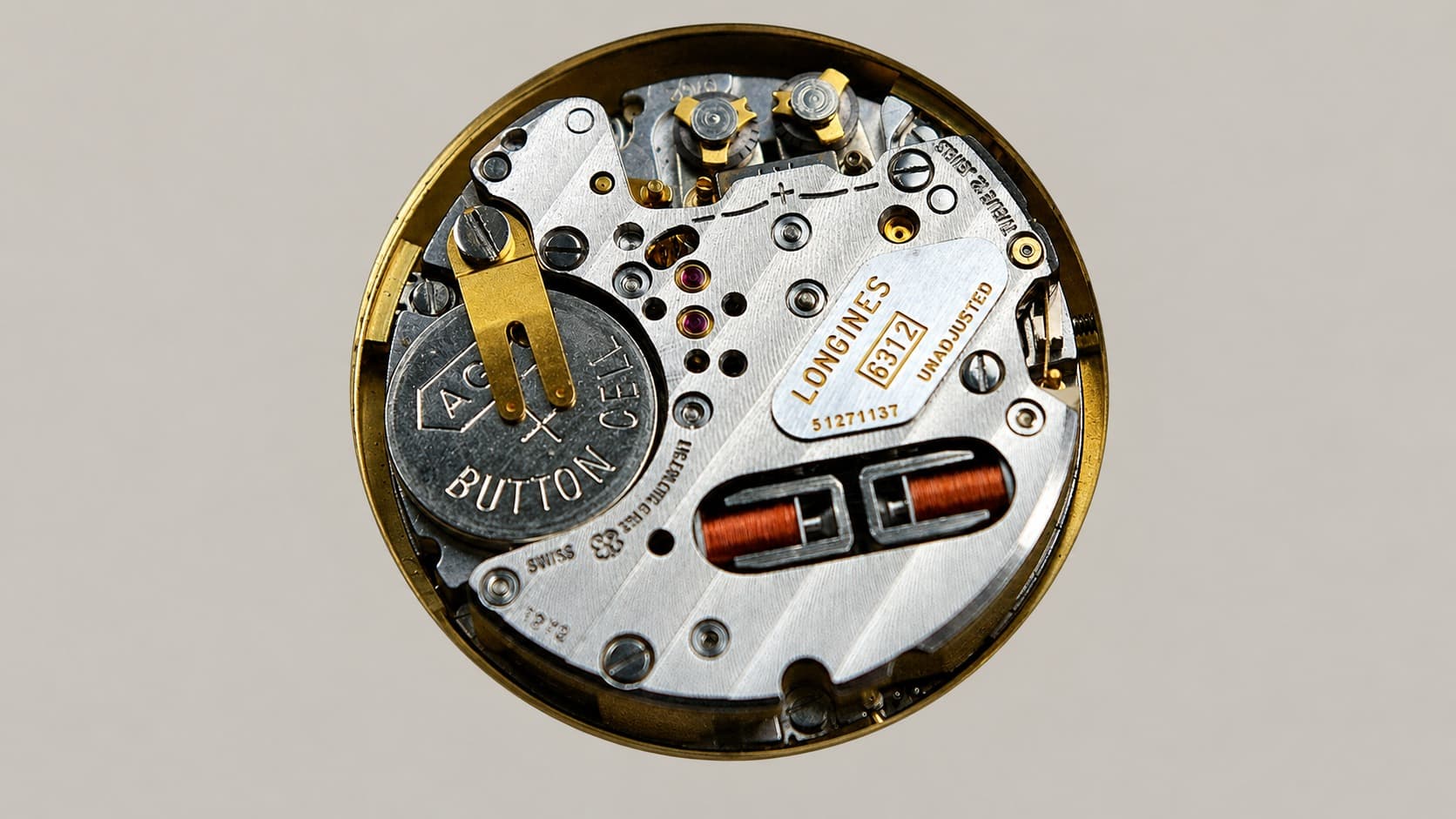
Neither one is objectively better — they serve different priorities. Quartz wins on accuracy, low cost, and low maintenance, while mechanical wins on craftsmanship, tradition, and resale value in the luxury market.
For anyone whose main goal is a watch that always tells perfect time without fuss, quartz makes more sense. For those drawn to the idea of tiny gears and springs doing all the work, and willing to accept occasional winding or servicing, mechanical offers something quartz can’t replicate: a fully self-contained machine with no electronics at all. Many collectors end up owning both types for different situations.
How to Care for Each Movement Type
Each movement type has its own basic care needs, and getting these right adds years to a watch’s life.
- Quartz: Replace the battery before it fully dies to avoid leakage inside the case, and avoid storing it with a dead battery for long periods.
- Manual mechanical: Wind it at the same time each day, and stop winding gently as soon as resistance is felt.
- Automatic mechanical: Wear it regularly, or use a watch winder when rotating between several watches.
- Spring drive: Follow the same care as automatic or manual mechanical, depending on how that specific model winds.
- Solar: Give it occasional light exposure if stored away for long stretches, so the charge doesn’t fully deplete.
- Kinetic: Wear it regularly to keep the internal cell charged, and avoid letting it sit fully drained for extended periods, since that shortens the cell’s lifespan.
Most mechanical and spring drive movements also need professional servicing every three to five years, since the tiny moving parts need fresh lubrication over time. Quartz, solar, and kinetic movements need far less attention, usually just a battery or cell replacement, or a checkup if the watch stops keeping accurate time.
Frequently Asked Questions
Do mechanical watches ever need a battery?
No, standard mechanical watches never use a battery. They run entirely on the energy stored in their wound mainspring, whether that spring is wound by hand or by wrist motion.
Why do mechanical watches cost more than quartz watches?
Mechanical movements require far more parts, precision machining, and hand assembly than quartz movements. A quartz movement can be mass-produced cheaply, while a mechanical one often involves skilled watchmakers assembling and adjusting each piece by hand.
Is a sweeping second hand always mechanical?
Almost always, yes, with one exception. Some quartz watches include a “high-beat” mode that makes the second hand appear to sweep, but true smooth motion without any tiny steps usually means a mechanical or spring drive movement.
How long do watch movements typically last?
Quartz movements can last decades with occasional battery changes and rarely need repair. Mechanical movements can last generations if serviced every few years, which is why many end up passed down as family heirlooms.
Can a watch have more than one type of movement?
Not exactly, but hybrid designs like spring drive combine mechanical and electronic parts in a single movement. Some smartwatches also blend traditional hands with digital displays, though these run on entirely different technology than quartz or mechanical movements.
The Bottom Line
Understanding movements turns a watch from a mystery box into something that can actually be read and appreciated. Quartz offers accuracy and simplicity, mechanical offers craftsmanship and tradition, spring drive splits the difference, and solar and kinetic both remove the battery hassle in their own ways. None of these is the “correct” choice — the right movement is simply the one that matches how its owner wants the watch to behave day to day.