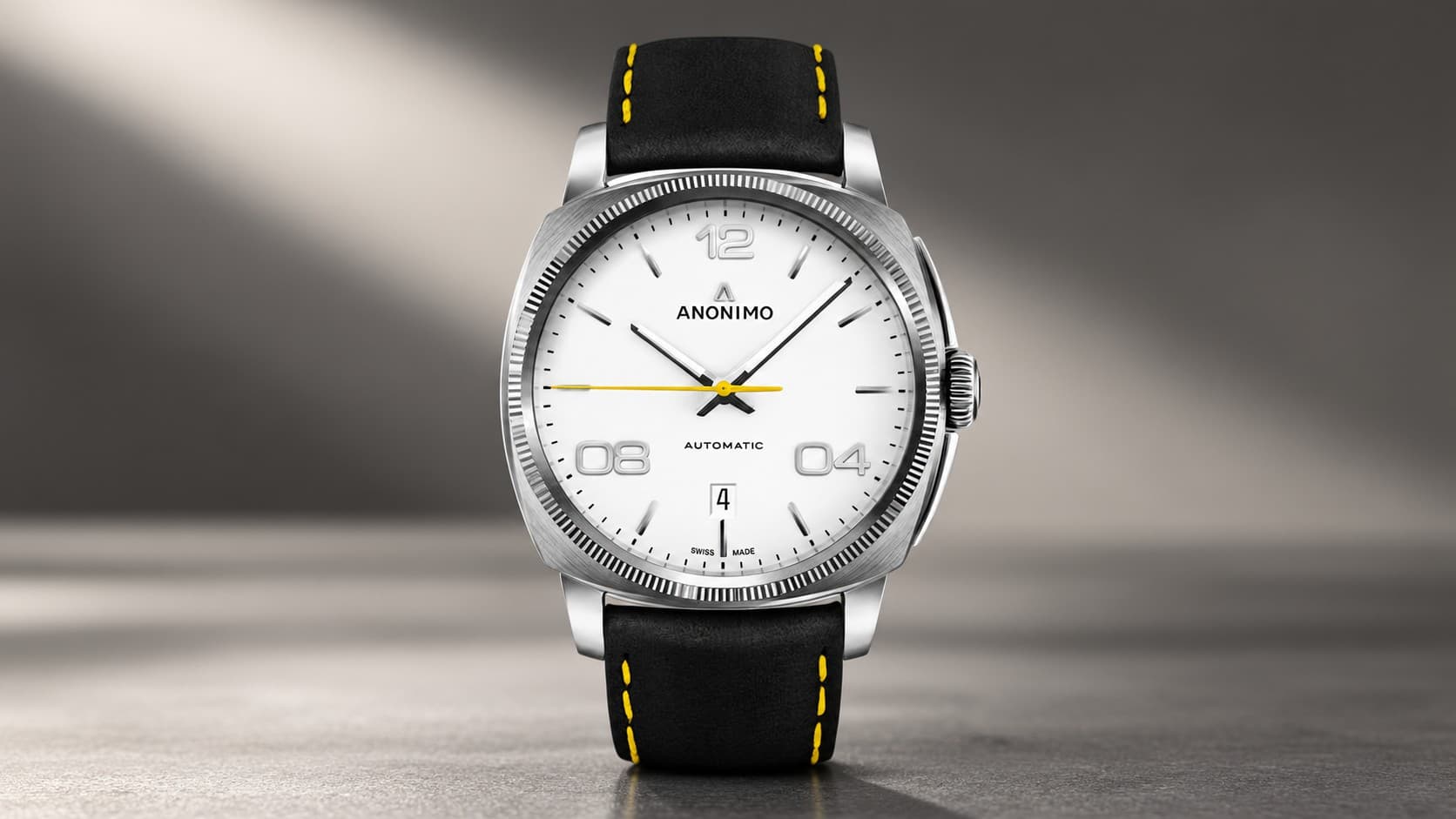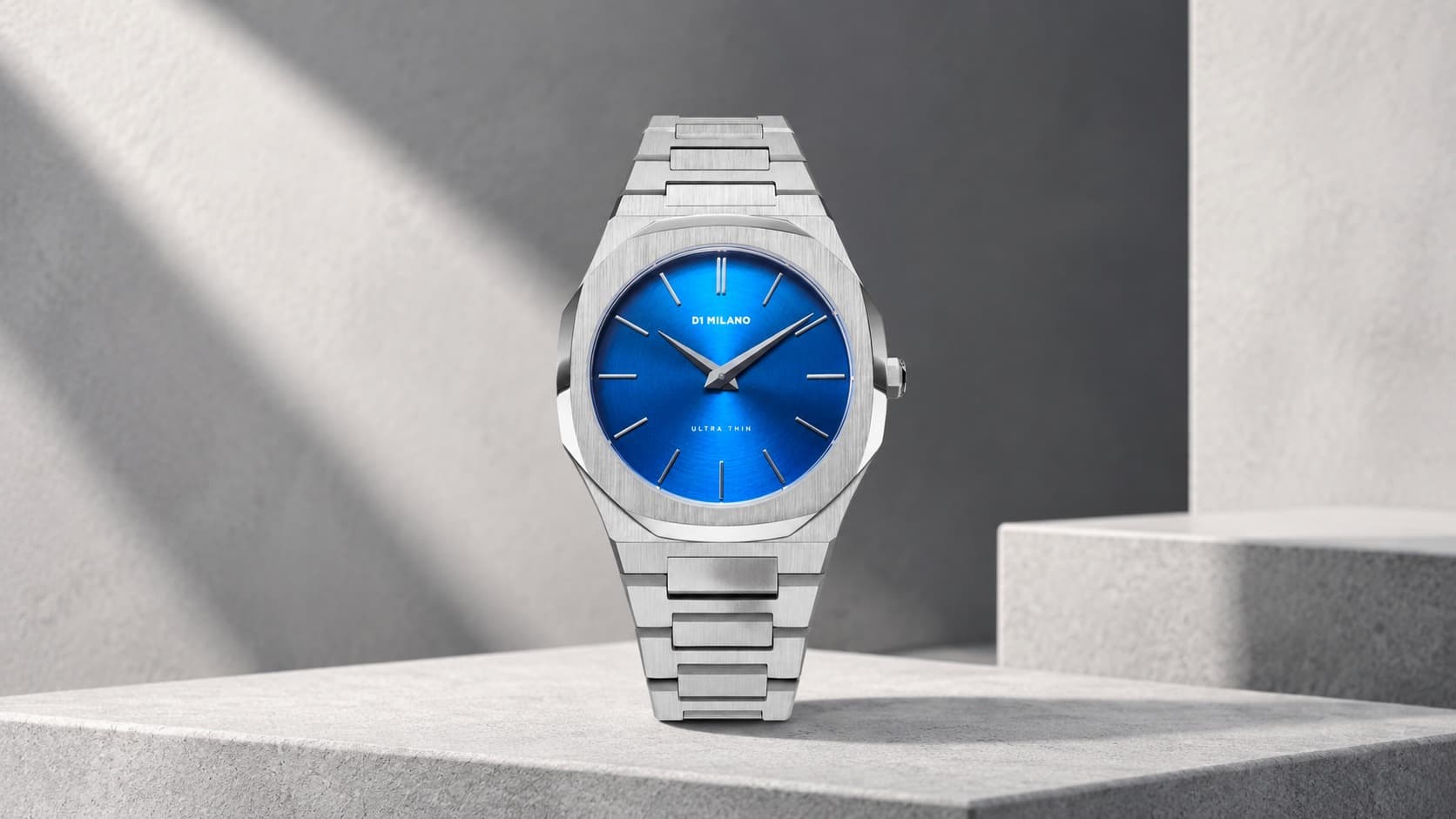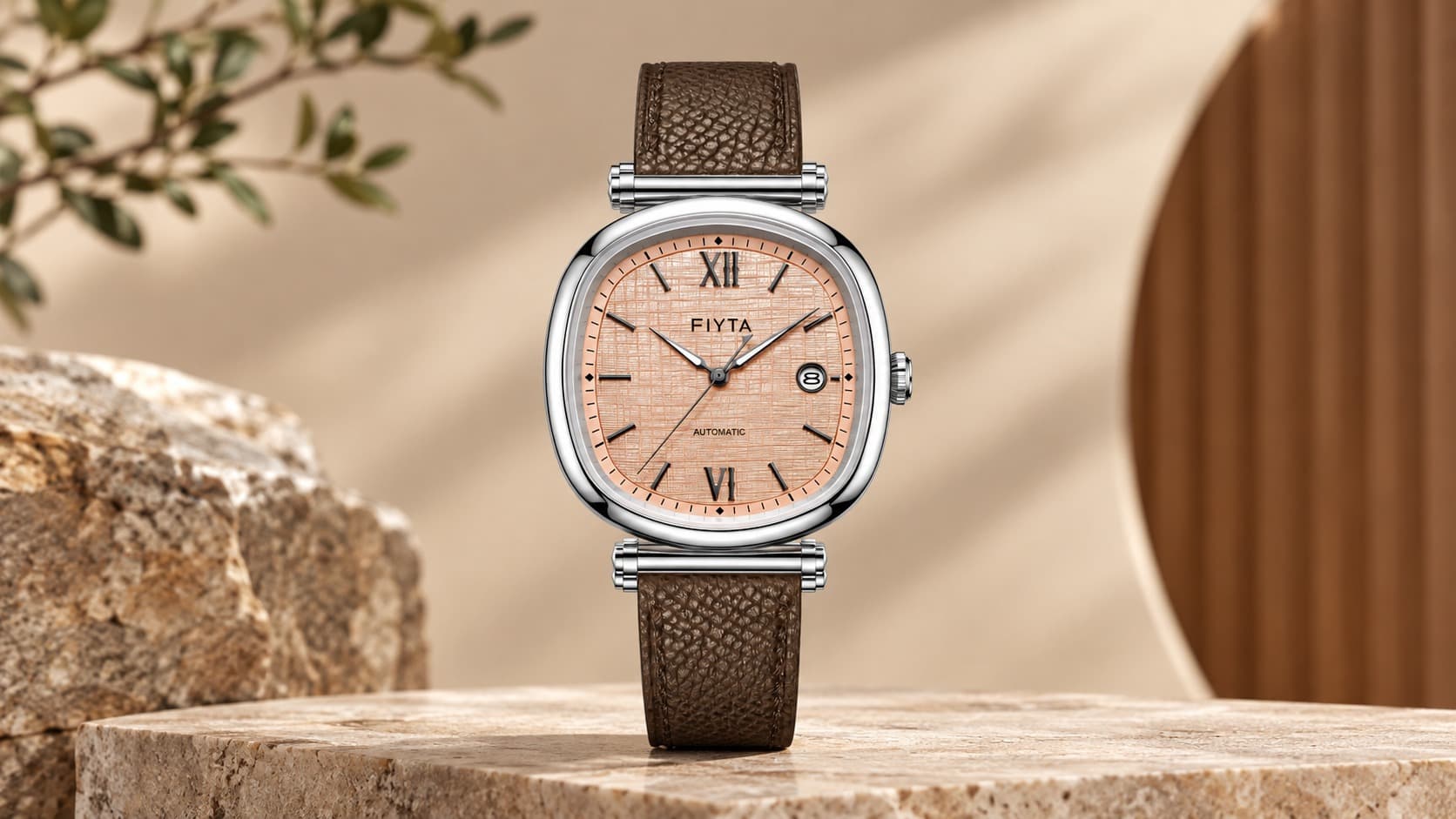
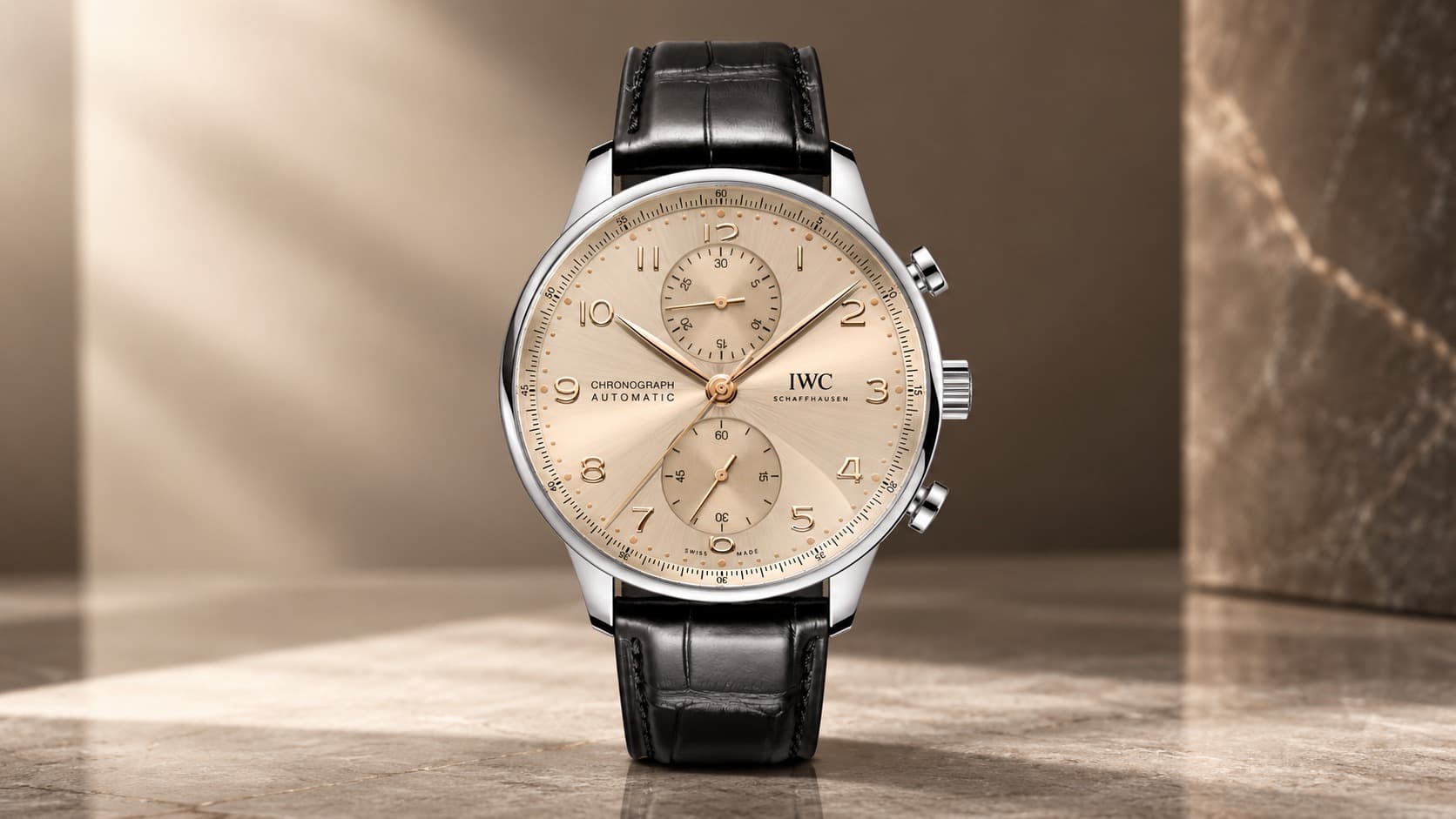
Switzerland makes up a tiny fraction of the world’s land and population, yet it produces the watches that collectors, engineers, and gift-buyers trust more than any others on earth. That reputation did not happen by accident. It grew out of centuries of craftsmanship, a strict legal label that protects quality, and a handful of companies that nearly lost everything before rebuilding the industry from scratch. Understanding how Swiss watch brands got here, and what actually separates them from watches made anywhere else, explains why those names still carry so much weight at every price point on a watch counter.
What Is the “Swiss Made” Label?
A watch can only carry the “Swiss Made” label if it meets strict, legally enforced rules, not just because the brand sounds Swiss or the dial says so. Since 2017, Swiss law requires that at least 60% of a watch’s manufacturing costs come from work done inside Switzerland. That 60% is calculated from production costs, not a watch’s retail price, and it covers things like engineering, parts, assembly, and final quality checks.
The law also demands more than just a cost percentage. The watch’s movement, the mechanical or electronic engine that makes the hands move, must be Swiss. The movement has to be cased up inside Switzerland, and the brand must carry out its final inspection there too. A watch that fails any one of these tests cannot legally use the words “Swiss Made,” no matter how many other parts came from Swiss factories.
This rule exists because the label used to be looser. Before 2017, only 50% of a watch’s value needed Swiss origin, and some manufacturers leaned on the bare minimum while still marketing themselves as fully Swiss. The tighter standard was built to stop that kind of stretching and to keep the label meaning something real. Not everyone in the industry agreed it went far enough, either. Independent brand H. Moser & Cie., which sources more than 95% of its components in Switzerland, actually dropped the “Swiss Made” label from its watches in protest, arguing that a 60% threshold still lets brands advertise alongside companies doing far less.
Brands that fall short of the full requirements are not necessarily being dishonest. Swiss law also allows a separate phrase, “Designed in Switzerland,” for watches where the design and engineering work happened there even if the 60% manufacturing threshold was not met. It is a weaker claim than “Swiss Made,” and the two phrases are easy to confuse even though they mean different things.
A “Swiss Movement” and “Swiss Made” are not the same claim. Swiss Movement only describes the engine inside the watch. Swiss Made covers the entire watch, including assembly and final testing.
Why Switzerland Became the Center of Watchmaking
Switzerland’s watch industry exists today because of a religious ban on jewelry almost 500 years ago. In the mid-1500s, the Protestant reformer John Calvin took charge of Geneva and forbade people from wearing flashy jewelry, viewing it as vain and showy. That left the city’s skilled goldsmiths and jewelers without customers for their usual trade.
Those craftsmen needed a new outlet for their skills, and watchmaking fit the bill perfectly. A watch was useful rather than decorative, which made it acceptable under Calvin’s strict rules, while still giving goldsmiths a way to use their fine metalwork training. Around the same time, Huguenot refugees fleeing religious persecution in France settled in Geneva and brought their own timepiece-making expertise with them, speeding up the city’s shift toward watches.
By the late 1600s, Geneva’s jewelry restrictions had relaxed, but the watchmaking trade had already taken root and kept growing. Production later spread north into the Jura mountains along the French border, where towns like La Chaux-de-Fonds and Le Locle became watchmaking centers in their own right. Entire families in the region built their livelihoods around the trade, training apprentices and passing down techniques for generations. The connection ran so deep that in 2009, UNESCO named La Chaux-de-Fonds and Le Locle a joint World Heritage Site, recognizing their street grids and factory buildings as a rare case of an entire town being physically built around a single industry.
In 1886, Geneva introduced the Poinçon de Genève, or Geneva Seal, a quality mark stamped onto watch movements that met specific standards of fine finishing set by local watchmaking authorities. It remains one of the oldest quality certifications in the industry and still only applies to watches entirely produced within the canton of Geneva.
How the Quartz Crisis Almost Ended Swiss Watchmaking
Switzerland’s watch industry came close to collapsing completely in the 1970s, and the twist is that Swiss engineers saw the threat coming years in advance. In 1962, around twenty Swiss watch companies, including Omega, Rolex, and Patek Philippe, pooled their resources to form the Centre Electronique Horloger, a joint research lab tasked with building a Swiss quartz movement before anyone else could. Their project, known as the Beta 21, reached the market in 1970, just months after the first Japanese quartz watch.
The problem was timing, not technology. Seiko’s Astron, the first quartz watch to actually reach stores, launched in Japan on Christmas Day 1969, roughly a few months ahead of the Swiss consortium’s own release. That narrow head start, combined with Japan’s far more aggressive mass production, let Seiko, Citizen, and Casio flood the world market with cheap, accurate quartz watches while Swiss factories were still organized around traditional mechanical craftsmanship. Japanese watch output nearly quadrupled over the following decade.
The fallout was severe. By 1984, roughly two out of every three Swiss watch companies had shut down, and industry employment, which had stood at around 90,000 people in 1970, had collapsed to about 28,000 by 1988. Swiss banks, trying to prevent a total wipeout, hired a consultant named Nicolas Hayek to help decide which companies could still be saved.
Instead of simply managing the decline, Hayek merged the country’s two largest watch groups, ASUAG and SSIH, into a single company. He also pushed for a bold product: an affordable, Swiss-made quartz watch called the Swatch, built with far fewer parts than a typical watch and priced to compete directly with Asian imports. It launched in 1983 and sold well beyond anyone’s expectations, giving the merged company, later renamed the Swatch Group, the financial strength to rebuild and eventually buy up struggling heritage brands rather than let them disappear.
Understanding Swiss Watch Ownership Groups
Most Swiss watch brands today belong to one of three large groups, while a smaller number remain independent and family-run. Which category a brand falls into often shapes its pricing, its distribution, and sometimes even its design choices.
| Ownership type | What it means | Examples |
|---|---|---|
| Swatch Group | A public company owning brands across nearly every price range | Omega, Longines, Tissot, Breguet, Blancpain |
| Richemont | A luxury group focused mostly on high-end and mid-luxury watches | Cartier, IWC Schaffhausen, Jaeger-LeCoultre, Vacheron Constantin, Panerai |
| LVMH Watch Division | The watch and jewelry arm of the world’s largest luxury goods company | TAG Heuer, Zenith, Hublot, Bulgari |
| Independent / family-owned | Companies that answer to a family or private foundation, not shareholders | Rolex, Patek Philippe, Audemars Piguet |
Swatch Group brands span the entire market, from inexpensive plastic watches to serious luxury pieces, which lets the company compete at nearly every price point under different names. Richemont, by comparison, concentrates on the premium and luxury end of the market and also owns major jewelry houses alongside its watch brands. LVMH entered the watch business later than the other two groups, buying TAG Heuer in 1999 and Hublot in 2008, and now shares movement technology across its brands, with Zenith supplying components used by several of its sibling companies.
Independent brands operate differently because they do not need to satisfy outside shareholders every quarter. Rolex is owned by a private foundation set up by its founder, which is part of why the brand rarely discounts its watches or chases rapid growth the way a publicly traded company might. Patek Philippe and Audemars Piguet remain controlled by their founding families, giving them similar freedom to move slowly and prioritize craftsmanship over quarterly earnings.
Swiss Watches vs. Watches From Other Countries
Swiss watches are not automatically better than watches made elsewhere, but the country’s system of certifications and traditions gives buyers a clearer way to judge quality. One of the most important of these is COSC certification.
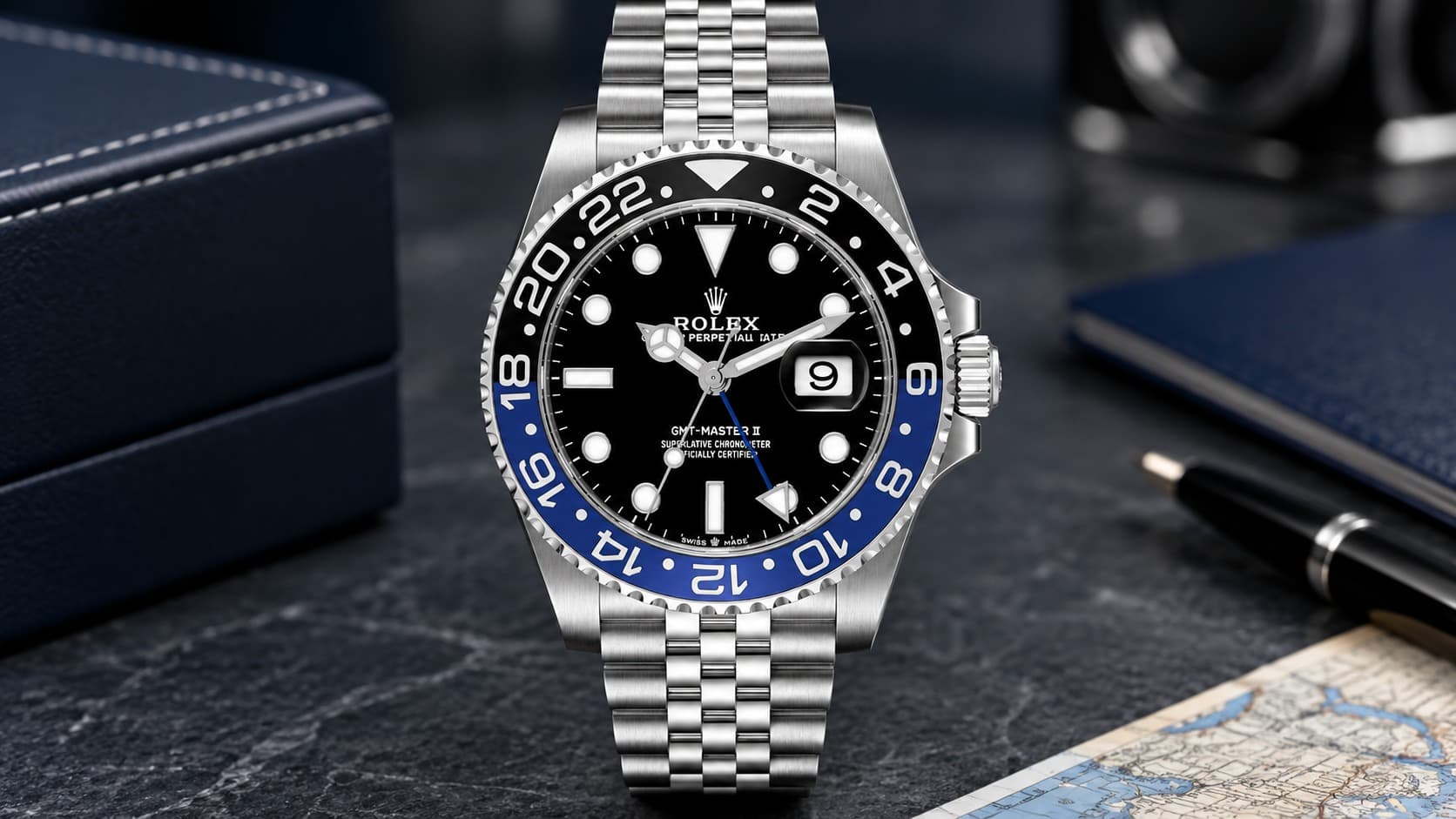
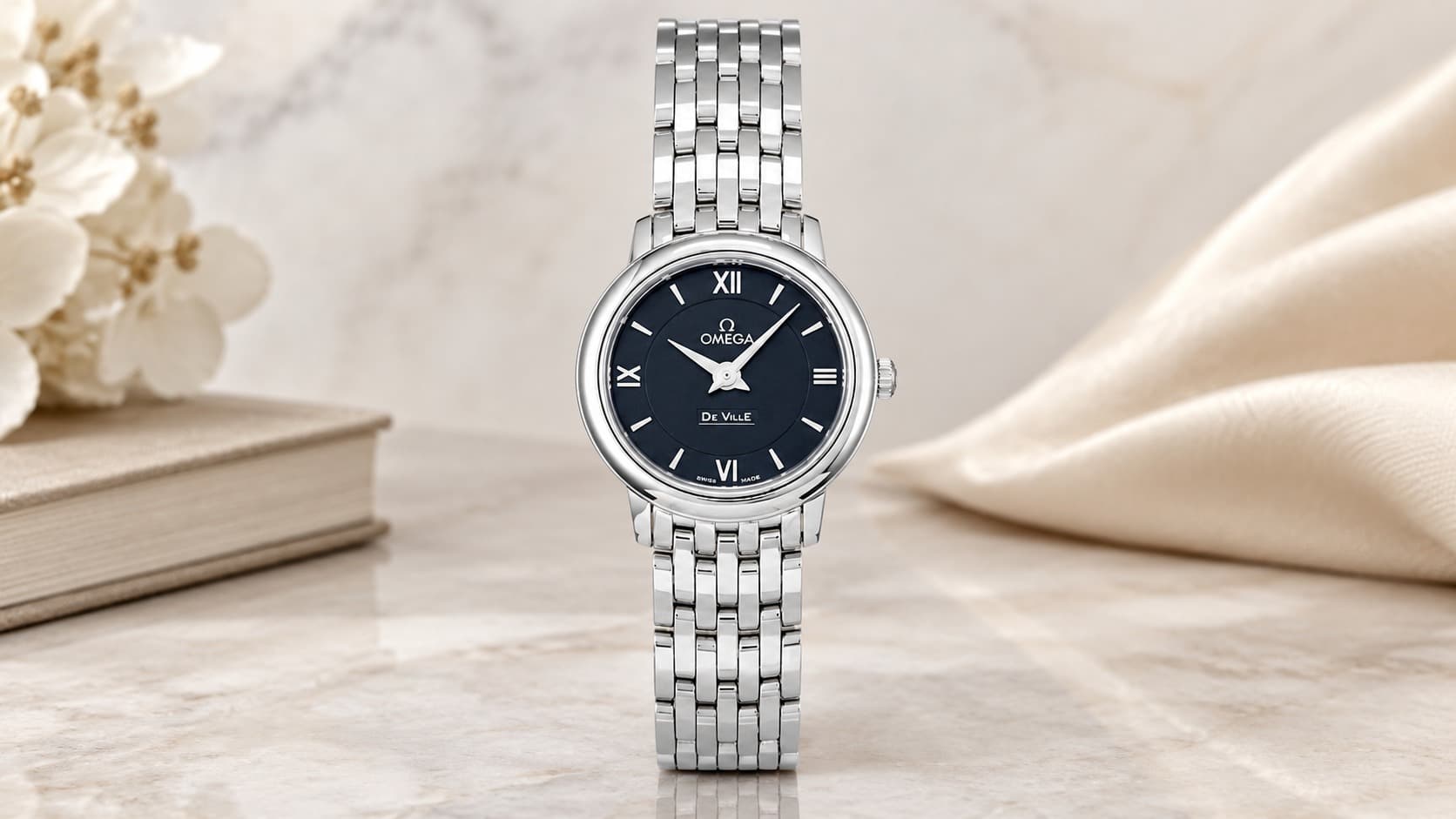
COSC stands for Contrôle Officiel Suisse des Chronomètres, and it is Switzerland’s official chronometer testing body. To earn COSC certification, a mechanical movement must keep time within -4 to +6 seconds per day, tested over 15 days in five different positions and three different temperatures. Only a watch that passes this test can legally call itself a “chronometer.” Some brands push well past that baseline on their own: Rolex tests its movements further in-house to a -2/+2 second standard it calls Superlative Chronometer, while Omega pairs COSC testing with an additional METAS test that checks resistance to magnetic fields up to 15,000 gauss.
Beyond certification, Swiss brands benefit from a concentrated supply chain that still exists nowhere else at the same scale. Specialized component makers, case manufacturers, and finishing workshops cluster together in the Jura mountains and around Geneva, so a Swiss brand can source nearly everything it needs within a short drive. That density of expertise is difficult for other watchmaking countries to replicate quickly, even when their individual craftsmanship is excellent.
The State of Swiss Watchmaking Today
The Swiss watch industry remains a major export business, even though recent years have brought a slowdown. According to the Federation of the Swiss Watch Industry, total Swiss watch exports reached close to 26 billion Swiss francs in 2024, before dipping slightly to around 25.5 billion francs in 2025 as global demand cooled. Watches priced above 3,000 Swiss francs still make up the largest share of that export value, showing that the luxury end of the market continues to carry the industry even when cheaper segments struggle.
The United States remains the single largest destination for Swiss watch exports, followed by markets in Asia and the rest of Europe. That geographic spread means Swiss brands depend on a wide mix of economies staying healthy at the same time, which is part of why the industry can swing from record years to sudden slowdowns within a short period.
Employment tells a more encouraging story than the export headlines suggest. After bottoming out during the quartz crisis, the Swiss watch workforce climbed back above 65,000 people in 2023, a level the industry had not reached since the 1970s. Most of those jobs are concentrated in the cantons of Neuchâtel, Bern, and Geneva, the same regions where Huguenot refugees and Jura farming families first built the trade centuries earlier.
Frequently Asked Questions
Is every watch made in Switzerland automatically “Swiss Made”?
No. A watch must meet specific legal requirements, including a Swiss movement, Swiss assembly, Swiss final inspection, and at least 60% of its manufacturing costs coming from Switzerland. A watch assembled in Switzerland from mostly imported parts could still fail to qualify.
Are Swiss watches always more expensive than other watches?
What is the difference between COSC certification and a brand’s own chronometer standard?
COSC certification is an independent, third-party test with fixed accuracy requirements. Some brands, including Rolex and Omega, additionally test their watches in-house to stricter standards than COSC requires, then apply their own certification name on top of the COSC pass.
Does Rolex belong to the Swatch Group or Richemont?
No. Rolex is privately owned by the Hans Wilsdorf Foundation, named after the brand’s founder, and operates independently of the three major watch groups.
Why did so many Swiss watch companies shut down in the 1970s and 1980s?
Cheaper, highly accurate quartz watches from Japan, led by Seiko’s Astron, took significant market share away from traditional Swiss mechanical watchmakers, who were slower to mass-produce their own competing technology despite having developed it around the same time. Roughly two-thirds of Swiss watch companies closed before the industry stabilized in the 1980s.
The Bottom Line
Swiss watch brands earned their reputation through a mix of historical accident, strict legal standards, and one dramatic rescue that reshaped the entire industry. The “Swiss Made” label is not just marketing; it is a legally defined promise about where a watch’s movement, assembly, and inspection actually happen. Whether a brand belongs to a massive group like Swatch, Richemont, or LVMH, or remains independently family-owned like Rolex and Patek Philippe, that underlying legal standard is what ties the entire Swiss watch industry together and gives the label its lasting weight.