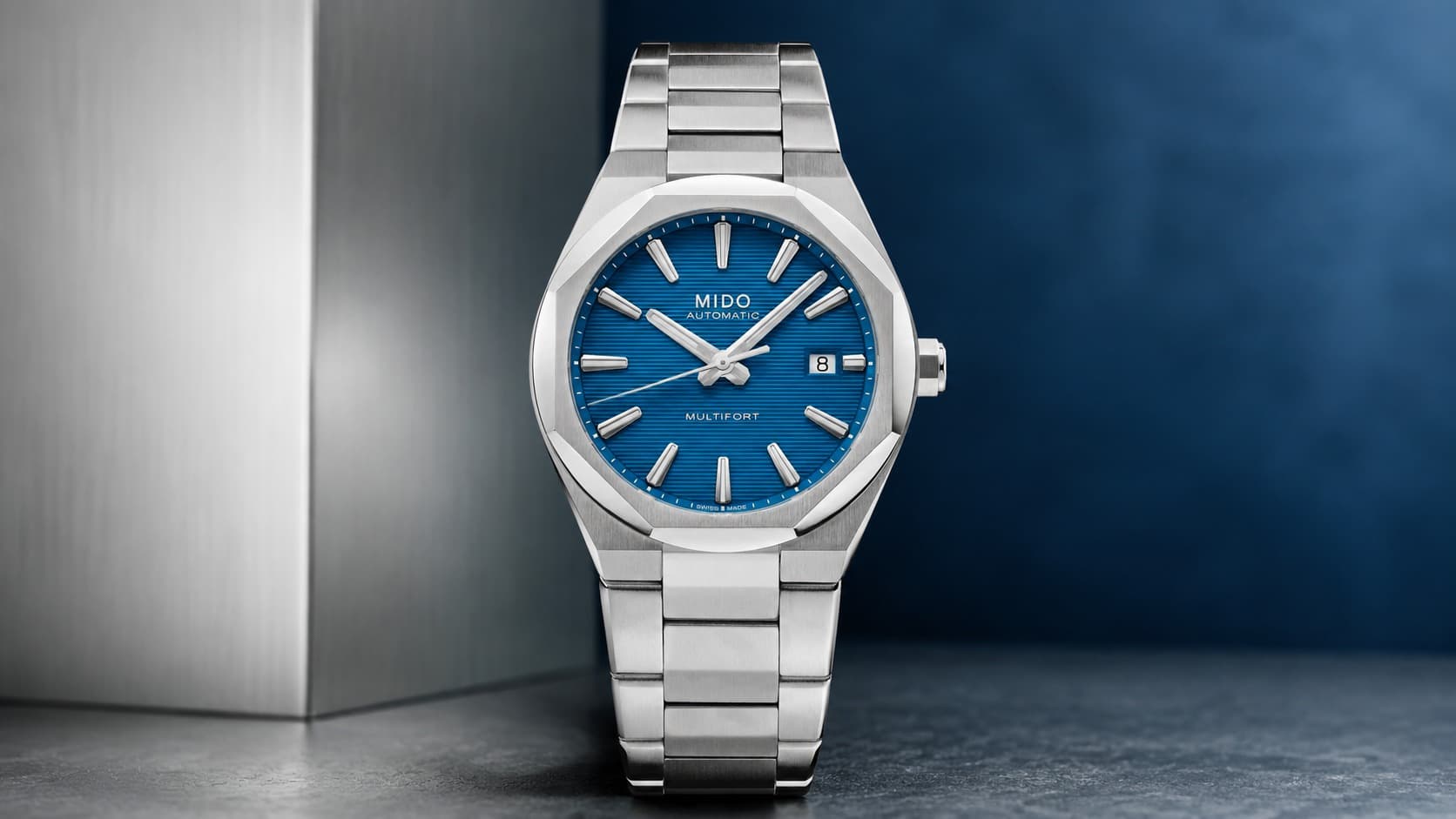
Best Mido Watches: 80-Hour Power Reserve Swiss Timepieces

Discover the best Mido watches with Swiss quality, architectural design & 80-hour power reserves for every budget and style preference.

We include products we think are useful for our readers. If you buy through links on this page, we may earn a small commission.

Read more

Affiliate Disclosure: This post may contain affiliate links, which means we may receive a commission if you click a link and purchase something that we have recommended. While clicking these links won't cost you any extra money, they help us keep this site up and running. We only recommend products or services that we genuinely believe will add value to our readers. Thank you for supporting us!

Transparency: We are a participant in various affiliate programs, including the Amazon Services LLC Associates Program, an affiliate advertising program designed to provide a means for us to earn fees by linking to Amazon.com and affiliated sites. Our editorial content is not influenced by affiliate partnerships, and we strive to provide honest and unbiased reviews and recommendations.

To learn more about our vetting process, please visit our Affiliate Disclosure Statement

Article Content

Mido Commander Big Date Swiss automatic watch with silver dial, large date display, and stainless steel bracelet on dark textured background

Mido watches represent one of Switzerland’s best-kept secrets in quality timepieces, offering genuine Swiss craftsmanship at surprisingly accessible prices between $780-$1,580. Founded in 1918 and now part of the Swatch Group, Mido has built a distinctive reputation through their architectural-inspired designs and innovative movements featuring extended 80-hour power reserves. While luxury Swiss brands command premium prices for similar quality, Mido delivers authentic Swiss manufacturing, sapphire crystals, and proven ETA-based movements without the markup. For watch enthusiasts seeking substance over status, Mido provides an ideal entry point into Swiss mechanical watchmaking or a valuable addition to any serious collection.

The Story Behind Mido Watches Since 1918

The story of Mido began on November 11, 1918, when Georges Schaeren established his watchmaking company in Biel/Bienne, Switzerland – remarkably, on the exact same day that World War I came to an end. From the very beginning, Schaeren envisioned creating timepieces that would push the boundaries of precision and durability, setting Mido on a path of continuous innovation that would span over a century and revolutionize several aspects of modern watchmaking.

  • The brand name “Mido” comes from the Spanish phrase “Yo mido,” which translates to “I measure.” Schaeren chose this name to emphasize the company’s dedication to precise timekeeping and accurate measurement, establishing a clear mission statement that would guide the brand’s development for generations. This linguistic choice reflected the founder’s belief that a watch should be, above all else, a reliable and precise instrument.
  • In the early 1930s, Mido engineers solved one of watchmaking’s biggest challenges by developing the revolutionary cork-crown sealing system, which they later trademarked as “Aquadura.” This breakthrough made watches truly waterproof for the first time, completely changing how timepieces could be used in daily life and establishing the foundation for all modern water-resistant watches.
  • The legendary Multifort collection launched in 1934 as one of the world’s first antimagnetic wristwatches, combining automatic winding, shock resistance, and waterproof construction in a single timepiece. This model represented a massive leap forward in watch technology, incorporating features that would later become standard across the entire watch industry.
  • Throughout the 1940s and 1950s, Mido’s technical team continued breaking new ground by creating the first chronograph to display elapsed time using a central hand (1945), then developing their patented single-shell case construction technique (1959). These innovations solved longstanding problems with chronograph legibility and case waterproofing that had plagued watchmakers for decades.
  • The company achieved another remarkable milestone in 1967 by producing the world’s thinnest automatic ladies’ watch that could be manufactured on an assembly line. This achievement demonstrated Mido’s ability to combine cutting-edge engineering with efficient production methods, making high-quality Swiss automatic movements accessible to a broader market.
  • Mido’s signature design philosophy emerged through their practice of drawing inspiration from famous architectural landmarks around the world. Each collection reflects the structural principles and aesthetic elements of specific buildings: Renaissance palaces inspire the Baroncelli line, the Eiffel Tower’s engineering influences the Commander series, Sydney Harbour Bridge shapes the Multifort design, and London’s Royal Albert Hall guides the Belluna collection’s curves.
  • The brand joined the ASUAG conglomerate in 1972, which later evolved into today’s Swatch Group through various mergers and acquisitions. This corporate relationship provided Mido with access to advanced movement technology, global distribution networks, and significant research resources while allowing the brand to maintain its distinct identity and Swiss manufacturing base in Le Locle.
  • During the quartz crisis of the 1970s and 1980s, when many Swiss mechanical watch companies failed or abandoned traditional watchmaking, Mido successfully adapted by diversifying their product line while never abandoning their commitment to mechanical movements. This strategic flexibility helped the brand survive one of the most challenging periods in Swiss watchmaking history.
  • In recent decades, Mido has focused on perfecting their architectural design language while incorporating modern materials and manufacturing techniques. The brand has consistently upgraded their movement technology, most notably developing their Caliber 80 series with extended 80-hour power reserves that significantly exceed industry standards for this price category.

This rich heritage of innovation and design excellence has positioned Mido as one of Switzerland’s most respected mid-tier watch manufacturers. The brand’s ability to maintain its founding principles of precision and reliability while continuously evolving with changing technology and market demands demonstrates why Mido remains highly regarded among serious watch collectors and everyday users alike. Today’s Mido watches carry forward more than a century of Swiss watchmaking expertise, offering modern buyers access to genuine heritage and proven quality at prices that remain surprisingly accessible for authentic Swiss manufacturing.

Mido Watch Quality: Swiss Features at Great Prices

Mido occupies a unique position in Swiss watchmaking by combining authentic heritage with practical innovations that deliver exceptional value. The brand’s commitment to architectural design principles, advanced movement technology, and genuine Swiss manufacturing creates timepieces that stand apart from both mass-market alternatives and overpriced luxury offerings. Their approach prioritizes lasting quality and distinctive aesthetics over marketing hype, making Mido an ideal choice for buyers who appreciate substance.

  • Every Mido collection draws inspiration from iconic buildings and structures, translating architectural principles into watch design elements that remain relevant across decades. This approach ensures that Mido watches avoid trendy styling that quickly becomes dated, instead offering designs rooted in proven aesthetic principles that have stood the test of time in architecture.
  • Mido’s signature Caliber 80 movements provide 80-hour power reserves – more than three full days of operation when fully wound. This represents double the power reserve of most competitors in this price range, allowing owners to set their watch aside for an entire weekend and find it still running accurately when they pick it up on Monday morning.
  • All Mido watches are assembled in Le Locle, Switzerland, using traditional Swiss quality control methods and genuine ETA-based movements. Despite this authentic Swiss heritage, Mido prices remain significantly lower than comparable offerings from brands like Longines, Tudor, or Omega, making Swiss watchmaking accessible to a broader audience.
  • Multiple Mido models offer official Swiss chronometer certification, guaranteeing accuracy within strict tolerances set by the Contrôle Officiel Suisse des Chronomètres. COSC-certified Mido watches come with extended five-year warranties instead of the standard two years, demonstrating the brand’s confidence in their precision timekeeping capabilities.
  • Even entry-level Mido watches feature sapphire crystals with anti-reflective coatings, 316L stainless steel cases, and quality leather or steel bracelets. These materials typically appear only in much more expensive timepieces from other brands, giving Mido owners access to premium components without paying luxury prices.
  • Mido movements receive proper Swiss finishing techniques including Geneva stripes on automatic rotors, blued screws, and decorated components visible through exhibition casebacks. This attention to detail reflects genuine watchmaking craftsmanship rather than cost-cutting measures common in this price segment.
  • Mido offers everything from 30-meter dress watch ratings to 600-meter professional diving capabilities, with proper sealing systems and crown protection appropriate for each level. This range allows buyers to select watches suited to their specific lifestyle needs rather than accepting generic water resistance ratings.
  • Many current Mido movements incorporate Nivachron balance springs that resist magnetic fields up to 15,000 gauss – far exceeding standard requirements. This protection is increasingly important as smartphones, laptops, and other magnetic devices become more prevalent in daily life.
  • Mido’s use of proven ETA movement platforms means that service parts remain available worldwide, and qualified watchmakers can perform repairs without specialized factory training. This practical approach keeps long-term ownership costs reasonable while ensuring watches can be maintained properly for decades.
  • Unlike mass-market brands that produce hundreds of thousands of watches annually, Mido’s smaller production volumes mean owners are less likely to encounter identical watches in their daily lives. This relative rarity adds to the appeal for buyers seeking something distinctive without paying ultra-luxury prices.

These distinctive characteristics combine to create a compelling value proposition that explains why Mido has attracted a loyal following among experienced watch enthusiasts. The brand’s focus on practical innovations and lasting quality over flashy marketing appeals to buyers who prioritize substance and long-term satisfaction. For those seeking authentic Swiss watchmaking with proven heritage and modern reliability, Mido delivers exactly what matters most – exceptional timepieces that perform beautifully for years while maintaining their distinctive character and visual appeal.

Top 10 Best Mido Watches

Mido’s current collection showcases remarkable diversity across price points while maintaining consistent Swiss quality standards. From accessible dress watches under $800 to sophisticated GMT complications approaching $1,600, each model reflects the brand’s architectural inspiration and technical excellence. The following selections represent the finest examples of contemporary Mido watchmaking, chosen for their design merit, technical features, and overall value proposition.

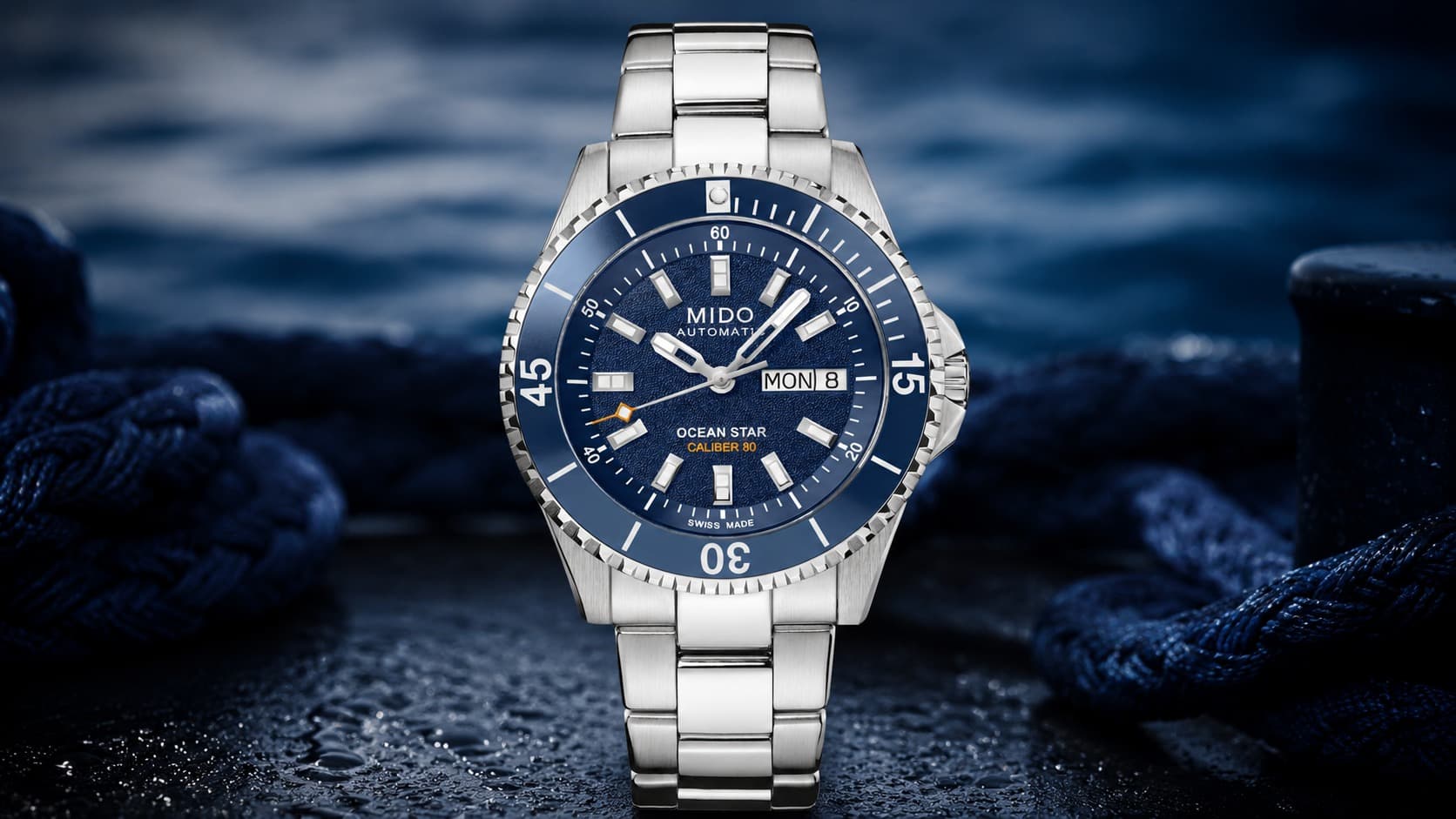
  • Mido Ocean Star 39: This compact diving watch achieves remarkable thinness at just 10.65mm while delivering full 200-meter water resistance and 72-hour power reserve. The textured wave dial creates visual depth through gradient effects, while the unidirectional aluminum bezel provides proper diving functionality. Priced around $1,160, it offers exceptional value for buyers seeking a versatile sports watch that works equally well in business or casual settings.
  • Mido Ocean Star GMT: The brand’s most sophisticated travel watch features true GMT functionality with independently adjustable hour hands and 24-hour bezels available in both unidirectional and bidirectional configurations. The Powermatic 80 GMT movement provides 80-hour power reserves, while the robust 42.5mm case ensures excellent wrist presence. At approximately $1,530, it competes directly with offerings costing significantly more from luxury brands.
  • Mido Commander Big Date: This popular model combines classic dress watch aesthetics with modern practicality through its enlarged date window that’s three times larger than standard implementations. The domed sapphire crystal and mixed-finish hands add visual sophistication, while the Caliber 80 movement ensures reliable daily performance. Pricing between $1,050-$1,150 makes it accessible for buyers seeking Swiss elegance without luxury premiums.
  • Mido Multifort TV Big Date: Inspired by 1970s television design, this distinctive rectangular watch features prominent date displays and television-shaped cases that create instant recognition. The unusual proportions work surprisingly well on various wrist sizes, while the automatic movement provides dependable timekeeping. Limited production runs and unique aesthetics make it particularly appealing to collectors, with prices ranging from $1,260-$1,470.
  • Mido Baroncelli Heritage: Representing the brand’s dress watch pinnacle, this ultra-thin model achieves just 6.85mm case thickness while housing a full automatic movement. Renaissance architectural elements inspire the clean dial design, while the slim profile ensures comfortable wear under dress shirts. At around $1,000, it offers remarkable value for buyers seeking Swiss dress watch sophistication.
  • Mido Multifort Patrimony: The most accessible entry point into Swiss mechanical watchmaking, this model captures 1930s vintage charm through curved lugs and classic proportions. Despite its entry-level $980 pricing, it features the same Caliber 80 movement found in more expensive models, delivering identical 80-hour power reserves and Swiss quality standards.
  • Mido Commander 1959: This vintage-inspired model recreates the aesthetic of Mido’s classic designs while incorporating modern reliability and materials. The clean white dial with applied indices and sword-shaped hands creates timeless appeal, while the 40mm case size suits contemporary preferences. At $780, it represents exceptional value for authentic Swiss manufacturing and heritage design.
  • Mido Ocean Star Decompression Timer 1961: This limited edition diving watch recreates a historic professional diving instrument with modern safety standards and materials. The distinctive timing scale and robust construction appeal to serious diving enthusiasts and collectors alike. Limited production numbers and historical significance make it particularly desirable for buyers seeking something truly special.
  • Mido Rainflower: Designed specifically for women, this elegant model features lotus flower-inspired case shapes and mother-of-pearl dials that create sophisticated feminine appeal. The same Caliber 80 movement ensures equivalent performance to men’s models, while the refined proportions and premium materials justify the $1,270 price point for discerning female buyers.
  • Mido Belluna Royal Lady: Another excellent women’s option, this cushion-shaped watch draws inspiration from London’s Royal Albert Hall through its curved case design. Guilloché sunray dials and applied diamond indices add luxury touches, while the reliable automatic movement ensures practical daily use. Pricing around $1,250 reflects the premium materials and sophisticated finishing.

Each of these models demonstrates Mido’s ability to balance heritage design principles with contemporary functionality and materials. The range spans from accessible entry points that introduce buyers to Swiss mechanical watchmaking through sophisticated complications that rival luxury offerings at fraction of typical prices. Whether seeking vintage charm, modern sports capability, or elegant dress watch refinement, Mido’s current collection provides compelling options that deliver lasting satisfaction and proven Swiss quality across all price segments.

Best Places to Buy Authentic Mido Watches

Purchasing a Mido watch requires careful consideration of retailer options, warranty coverage, and pricing strategies to ensure authentic products and optimal value. The brand’s selective distribution network means fewer retailers carry Mido compared to mass-market alternatives, but this exclusivity often translates to better service and expertise from authorized dealers who specialize in quality timepieces.

  • Authorized Mido dealers provide full manufacturer warranties, authentic products, and access to official service networks, making them the safest choice for significant purchases. Established retailers specializing in Swiss watches offer extensive Mido selections with knowledgeable staff who can explain technical features and help with sizing decisions. These dealers often provide additional services like bracelet adjustments, initial setup, and warranty registration assistance.
  • The official Mido website includes a store locator feature, though some dealers report incomplete listings that may not reflect all authorized retailers in specific regions. Buyers should verify dealer authorization directly with Mido customer service if uncertain about a retailer’s official status, as unauthorized dealers cannot provide genuine manufacturer warranties or guaranteed authentic products.
  • Major department stores and selected jewelry chains carry limited Mido selections, typically focusing on popular models rather than the full range. These retailers offer convenience and established return policies, though staff expertise may vary significantly compared to specialized watch dealers who focus exclusively on quality timepieces.
  • Gray market retailers offer substantial savings of 15-30% below manufacturer suggested retail prices through established online platforms and specialized watch discount sites. These retailers provide dealer warranties instead of manufacturer coverage, which may offer shorter terms but still protect against defects and authenticity issues. Buyers should verify seller ratings and return policies before purchasing through gray market channels.
  • Online marketplaces contain both authorized dealers and private sellers, requiring careful verification of seller credentials and product authenticity. Established sellers with high feedback ratings and detailed product descriptions often provide good value, but buyers should avoid sellers with limited history or suspiciously low prices that may indicate counterfeit products.
  • International retailers often offer competitive pricing due to currency differences and local market conditions, particularly from European dealers who may have better access to Mido inventory. However, buyers should consider import duties, shipping costs, and warranty service complications when purchasing from overseas retailers.
  • Pre-owned specialists focus on authenticated vintage and modern Mido pieces that may no longer be available through regular retail channels. These sources provide access to discontinued models and vintage pieces, though buyers should expect higher prices for rare or collectible examples compared to current production models.
  • Local jewelry stores may carry select Mido models or offer special ordering services for customers seeking specific configurations. These relationships often provide personalized service and ongoing support, though inventory may be limited compared to larger specialized dealers.
  • Watch shows and collector events occasionally feature Mido dealers offering show-exclusive pricing or rare models not available through regular retail channels. These venues provide opportunities to examine multiple models in person and often feature knowledgeable representatives who can answer detailed technical questions.
  • Factory outlets and Swatch Group stores in Switzerland offer access to current inventory and occasionally feature limited editions or special configurations not available elsewhere. These locations provide authentic products with full warranties, though travel costs may offset potential savings for most buyers.

The key to successful Mido purchasing lies in balancing authenticity guarantees, warranty coverage, and pricing considerations based on individual priorities and risk tolerance. Authorized dealers provide maximum security and support, while gray market options offer significant savings for buyers comfortable with alternative warranty arrangements. Regardless of chosen retailer, buyers should verify product authenticity, warranty terms, and return policies before completing purchases to ensure satisfaction with their Swiss timepiece investment.

How to Choose the Right Mido Watch for You

Selecting the right Mido watch requires careful evaluation of technical specifications, aesthetic preferences, and intended usage patterns to ensure long-term satisfaction with your Swiss timepiece. The brand’s diverse collection spans multiple categories and price points, making informed decision-making essential for finding the perfect match between personal needs and available options.

  • Movement selection significantly impacts both performance and ownership experience across Mido’s range. The standard Caliber 80 provides excellent daily reliability with 80-hour power reserves that eliminate the need for constant winding, while COSC chronometer variants offer enhanced accuracy guarantees and extended five-year warranties. Chronograph models utilize Caliber 60 with 60-hour reserves and proven reliability, though they require more complex servicing procedures and higher maintenance costs over time.
  • Case sizing considerations should account for both wrist dimensions and personal style preferences, with Mido offering everything from 39mm dress watches to 44mm diving models. Most popular sizes fall between 40-42mm for optimal wrist presence without overwhelming smaller wrists, while thickness ranges from ultra-thin 6.85mm dress watches to robust 13.4mm GMT models that may not fit comfortably under dress shirt cuffs.
  • Water resistance ratings vary dramatically based on collection and intended purpose, requiring careful matching to actual usage patterns. Dress watches typically provide 30-50m ratings suitable for daily wear and occasional splash exposure, while Ocean Star diving models achieve 200-600m ratings with proper sealing systems for serious water activities. Buyers should remember that water resistance degrades over time and requires periodic gasket replacement to maintain stated ratings.
  • Material specifications reflect Swiss quality standards but vary in durability and appearance across different models. Standard 316L stainless steel provides superior corrosion resistance and hypoallergenic properties, while PVD coatings in rose gold and black offer aesthetic variety with good durability. Two-tone combinations create visual interest but may show wear patterns differently than solid finishes, requiring consideration of long-term appearance preferences.
  • Crystal selection emphasizes practicality with sapphire crystals standard across most collections, featuring anti-reflective coatings for enhanced legibility in various lighting conditions. The mineral’s exceptional scratch resistance justifies the premium over basic mineral glass, though replacement costs reflect the premium materials if damage occurs through accident or misuse.
  • Bracelet versus leather strap decisions impact both comfort and versatility for different wearing occasions. Steel bracelets provide durability and water resistance but may require professional adjustment for optimal fit, while quality leather straps offer comfort and classic aesthetics but need periodic replacement due to wear and moisture exposure.
  • Dial color and design elements affect both legibility and aesthetic appeal in various lighting conditions and wearing scenarios. Light-colored dials offer superior legibility in low light but may show wear patterns more readily, while dark dials provide elegant appearance but can be challenging to read without adequate illumination.
  • Complication selection should reflect actual needs rather than perceived prestige, as additional features increase both purchase price and long-term maintenance complexity. GMT functions prove valuable for frequent travelers, while chronographs appeal to timing enthusiasts but require more expensive servicing due to their mechanical complexity.
  • Budget considerations should include not only initial purchase price but also long-term ownership costs including periodic servicing, potential repairs, and insurance coverage. Entry-level models around $800 provide excellent value for Swiss manufacturing, while premium complications approaching $1,600 compete directly with luxury alternatives at significantly lower prices.
  • Brand recognition factors may influence resale values and social perception, with Mido’s relative obscurity in North America potentially affecting both positively and negatively depending on individual priorities. Informed buyers often appreciate the brand’s under-the-radar status that provides exceptional value, while others may prefer more widely recognized Swiss names.
  • Service availability considerations become important for long-term ownership, particularly for buyers located far from authorized service centers. Mido’s use of standard ETA movements means qualified independent watchmakers can perform most repairs, but warranty work requires authorized dealers that may not be conveniently located in all regions.
  • Personal style compatibility requires honest assessment of how each model fits within existing wardrobe and lifestyle patterns. Architectural design elements that initially attract buyers should remain appealing over years of daily wear, making conservative choices often wiser than trendy alternatives that may lose appeal over time.

Taking time to carefully evaluate these factors before purchase ensures optimal satisfaction with your Mido investment and helps avoid common buying mistakes that lead to disappointment or unnecessary additional purchases. The brand’s quality construction means most models will provide decades of reliable service when properly maintained, making thoughtful initial selection particularly important for long-term enjoyment.

Mido Watch Resale Value and Investment Potential

Mido watches represent a practical approach to Swiss timepiece ownership, offering reasonable value retention while setting realistic expectations for luxury goods depreciation. The brand’s position in the mid-tier Swiss market creates a balanced scenario where buyers can enjoy quality craftsmanship without expecting significant appreciation, making purchase decisions based primarily on personal enjoyment rather than investment potential.

  • Current market data indicates Mido watches typically retain 60-70% of their original retail value in the secondary market, with COSC chronometer models and limited editions showing superior stability compared to standard production pieces. This performance aligns favorably with other mid-tier Swiss brands like Hamilton and Certina, while exceeding mass-market alternatives that often lose 50% or more of their value immediately after purchase.
  • Recent pricing trends show modest declines of approximately 2-3% year-over-year across most modern Mido models, reflecting broader adjustments in the Swiss watch market rather than brand-specific issues. This stability suggests steady demand among informed buyers who appreciate the brand’s quality-to-price ratio, even as luxury segments experience more volatile pricing patterns.
  • Limited edition models with production runs typically numbering 500-1,000 pieces demonstrate better value retention due to their scarcity and collector appeal. Examples like the Ocean Star Decompression Timer 1961 and various anniversary editions maintain stronger secondary market prices, particularly when accompanied by complete packaging and documentation.
  • Vintage Mido pieces from the 1950s-1960s represent the strongest appreciation potential, with original Multifort models featuring patinated dials commanding $3,000-$5,000+ in exceptional condition. The Multicenterchrono series with unique Valjoux movements attracts serious collectors, while architectural collaboration pieces and gold models from the 1970s show steady collector interest and price appreciation.
  • Geographic factors significantly influence resale values, with European and Asian markets showing stronger demand and pricing for Mido watches compared to North American secondary markets. This regional variation reflects the brand’s historical market presence and collector base, creating opportunities for informed buyers to find better values in certain markets.
  • Condition factors heavily impact secondary market values, with complete sets including original boxes, papers, and warranty cards commanding premium prices over watch-only sales. Professional servicing records and maintenance history add value for discriminating buyers, while modifications or replacement parts significantly reduce collectible appeal and market prices.
  • Model popularity affects long-term value retention, with Ocean Star and Multifort collections showing the strongest secondary market demand due to their historical significance and broad appeal. Dress watch models like the Baroncelli series maintain steady values but typically show less collector interest compared to sports and tool watch categories.
  • Rarity factors beyond limited production numbers include discontinued dial colors, case materials, and movement variations that create collecting niches within broader model categories. Knowledgeable collectors often seek specific reference numbers or production years that represent technical milestones or design changes within established collections.
  • Authentication challenges remain minimal compared to luxury brands like Rolex or Omega, though buyers should still verify purchases through reputable dealers or authentication services for significant transactions. The relative lack of high-quality counterfeits makes Mido collecting more accessible for newcomers compared to heavily counterfeited luxury brands.
  • Market timing considerations suggest patient buyers can find excellent values during economic uncertainty when luxury goods markets typically soften. Conversely, selling during strong economic periods or when specific models gain collector attention can maximize returns for owners ready to part with their timepieces.
  • Comparative analysis shows Mido’s value retention performing similarly to other respected mid-tier Swiss brands while significantly exceeding fashion watches and most quartz alternatives. This positioning makes Mido a sensible choice for buyers seeking Swiss quality with reasonable depreciation rather than rapid value loss typical of non-luxury timepieces.
  • Future market prospects appear stable given Mido’s consistent quality standards, limited production volumes, and growing appreciation among informed collectors who recognize exceptional value. The brand’s architectural design philosophy and technical innovations create lasting appeal that should support continued secondary market demand.

Smart buyers approach Mido purchases as luxury goods intended primarily for personal enjoyment, treating any value retention as a welcome bonus rather than an expected return. This realistic perspective allows focus on selecting models that provide lasting satisfaction through daily wear, superior craftsmanship, and distinctive design elements that justify their Swiss heritage and premium materials across years of ownership.

Mido Watch Care: Cleaning, Service, and Storage

Proper care and maintenance ensure your Mido watch continues delivering reliable performance and attractive appearance throughout decades of ownership. Swiss mechanical movements require periodic attention to maintain accuracy and longevity, while external components benefit from regular cleaning and protective measures that preserve both functionality and aesthetic appeal.

  • Daily care practices significantly impact long-term watch condition and reliability, starting with proper handling techniques that avoid drops, impacts, and exposure to extreme temperatures. Remove your watch before engaging in activities involving hammering, heavy lifting, or contact sports where sudden impacts could damage the movement or case. Store the watch on a stable surface or proper watch stand when not wearing it to prevent falls or scratches from other objects.
  • Regular cleaning maintains both appearance and functionality by removing dirt, oils, and residue that can affect water resistance seals and case finishes. Use a soft cloth slightly dampened with warm water to clean stainless steel cases and bracelets, avoiding harsh chemicals or abrasive materials that could scratch surfaces. For leather straps, gentle wiping with a barely damp cloth removes surface dirt while avoiding excessive moisture that could damage the leather or compromise strap integrity.
  • Water exposure guidelines help maintain stated water resistance ratings throughout the watch’s service life, though these ratings assume new gaskets in perfect condition. Avoid operating the crown or pushers while the watch is wet or submerged, as water can enter the case through these openings even on highly water-resistant models. Rinse watches with fresh water after saltwater exposure to prevent corrosion, and dry thoroughly before storage.
  • Professional servicing intervals of 4-5 years align with Swiss industry standards for mechanical movements, though Mido’s robust ETA-based calibers often exceed these timeframes with proper care. Complete service includes movement cleaning, lubrication, gasket replacement, and accuracy adjustment, typically costing $210-310 depending on complications. COSC chronometer models receive priority service and extended warranties that reflect their higher precision standards.
  • Warning signs requiring immediate professional attention include sudden accuracy changes exceeding 30 seconds per day, crown or pusher operation difficulties, condensation inside the crystal, or unusual sounds from the movement during winding. Continuing to wear a malfunctioning watch can cause internal damage that increases repair costs significantly compared to addressing problems early.
  • Magnetic exposure protection becomes increasingly important as electronic devices proliferate in daily life, potentially affecting timekeeping accuracy even in watches with anti-magnetic features. Keep watches away from speakers, smartphone charging pads, laptop computers, and medical equipment when possible. Professional demagnetization services cost $50-100 and quickly restore normal operation if magnetic interference occurs.
  • Temperature considerations affect both accuracy and component longevity, with extreme heat or cold potentially damaging lubricants, gaskets, and movement components. Avoid leaving watches in hot cars, near heating vents, or in freezing conditions for extended periods. Sudden temperature changes can also cause condensation problems that require professional attention to prevent internal corrosion.
  • Crown and pusher maintenance requires gentle operation and proper technique to avoid damage to delicate internal components. Wind automatic watches slowly and smoothly rather than rapidly spinning the crown, and ensure full engagement when setting time or date functions. Push-in crowns should be pressed firmly but not forced, while screw-down crowns require careful threading to avoid cross-threading damage.
  • Bracelet and strap maintenance extends component life and maintains comfortable fit throughout ownership periods. Steel bracelets benefit from periodic deep cleaning with warm soapy water and soft brushes to remove accumulated dirt from links and clasp mechanisms. Leather straps typically require replacement every 1-2 years depending on wear patterns and exposure to moisture, with quality replacements costing $50-150.
  • Storage recommendations help preserve both mechanical function and aesthetic appeal during periods of non-use, particularly for collection owners with multiple timepieces. Automatic watches benefit from watch winders that maintain power reserves, though manual winding every few days works equally well for most users. Store watches in protective cases or soft pouches to prevent scratches, and avoid extreme temperatures or humidity that could affect movement oils or case materials.
  • Insurance considerations become important for watches exceeding $1,000 in value, with homeowner’s or renter’s insurance often providing limited coverage for luxury goods. Specialized jewelry insurance offers comprehensive coverage including accidental damage, theft, and mysterious disappearance, typically costing 1-2% of the watch’s value annually. Maintain purchase receipts, warranty papers, and photographs for insurance documentation.
  • Warranty coverage includes 24-month standard terms for most Mido models, extending to five years for COSC chronometer pieces, plus 24-month coverage on all authorized service work. Warranty protection covers manufacturing defects but excludes damage from accidents, water exposure beyond stated ratings, or unauthorized repairs. Register warranties promptly after purchase and maintain documentation for future service needs.

Consistent attention to these maintenance practices ensures your Mido investment provides decades of reliable service while maintaining its distinctive appearance and Swiss precision. The brand’s use of proven ETA movements and quality materials rewards proper care with exceptional longevity, making maintenance efforts worthwhile for preserving both functionality and value throughout extended ownership periods.

Frequently Asked Questions About Mido Watches

Mido Ocean Star diving watch featuring blue textured dial, unidirectional bezel, and blue rubber strap displayed on futuristic geometric background

Common questions about Mido watches reflect buyer curiosity about the brand’s quality, value proposition, and practical ownership considerations. These frequently asked questions address the most important concerns potential buyers typically have when evaluating Mido timepieces against other Swiss alternatives and making informed purchasing decisions.

  • Are Mido watches worth buying? Yes, Mido delivers genuine Swiss manufacturing, quality ETA movements, and distinctive design at prices well below comparable luxury brands. The century-plus heritage and proven reliability make it excellent for buyers seeking authentic Swiss quality without premium markups.
  • How long do Mido watches last? With proper maintenance every 4-5 years, Mido watches provide decades of reliable service. The robust ETA movements have 50+ year track records, and many vintage pieces from the 1950s-60s still function perfectly today.
  • What’s the difference between Mido and other Swiss brands? Mido sits between entry-level brands like Tissot and luxury names like Omega. The architectural design philosophy creates distinctive aesthetics, while 80-hour power reserves and COSC options provide technical advantages often missing from similarly priced competitors.
  • Do Mido watches hold their value? Mido watches typically retain 60-70% of retail value, performing well for mid-tier Swiss pieces. Limited editions and vintage models show better stability, but buyers should purchase for enjoyment rather than investment potential.
  • Are Mido movements reliable? Yes, the ETA-based movements represent proven, reliable calibers with decades of refinement. Service parts remain available worldwide, and most qualified watchmakers can perform repairs without specialized training.
  • How often should I service my Mido watch? Every 4-5 years for mechanical models, though robust ETA movements often exceed these intervals. Quartz models need battery replacement every 2-3 years. Service immediately if you notice accuracy problems or moisture inside the crystal.
  • Can I swim with my Mido watch? Depends on water resistance rating. Ocean Star models with 200m+ ratings handle swimming and diving. Dress watches with 30-50m ratings should avoid swimming but handle daily water exposure like handwashing.
  • What’s the best Mido watch for beginners? Commander 1959 ($780) or Multifort Patrimony ($980) offer excellent entry-level value with classic design, reliable movements, and versatile sizing without complex complications.
  • Where are Mido watches made? All assembled in Le Locle, Switzerland, using genuine Swiss manufacturing standards. ETA movements come from other Swiss facilities within Swatch Group, justifying the Swiss Made designation.
  • What warranty does Mido provide? 24-month standard warranty, extending to five years for COSC chronometer models. Authorized service work gets additional 24-month coverage. Excludes accidental damage and unauthorized repairs.
  • Are Mido watches suitable for formal occasions? Yes, particularly Baroncelli Heritage and Commander Big Date models feature sophisticated finishing and refined aesthetics appropriate for business and formal events while maintaining distinctive character.
  • How accurate are Mido watches? Standard mechanical models achieve -10 to +30 seconds daily. COSC-certified models guarantee -4 to +6 seconds daily precision. Quartz models provide ±15 seconds monthly accuracy.

These answers address primary buyer concerns when considering Mido watches, helping inform decisions based on realistic expectations. The brand’s consistent quality, reasonable pricing, and proven reliability make it excellent for buyers seeking authentic Swiss watchmaking with lasting value.

Conclusion

Mido watches represent one of Swiss watchmaking’s best-kept secrets, delivering authentic heritage, technical innovation, and distinctive design at prices that respect both craftsmanship and practicality. With over a century of proven excellence, the brand has consistently pioneered meaningful innovations while maintaining its unique architectural design philosophy that creates timepieces with lasting appeal beyond temporary trends. From the accessible Commander 1959 at $780 to the sophisticated Ocean Star GMT approaching $1,600, Mido offers compelling options across all price segments without sacrificing Swiss quality standards or manufacturing integrity.

The brand’s commitment to extended power reserves, COSC chronometer certification, and premium materials at mid-tier pricing creates exceptional value for informed buyers who prioritize substance over marketing hype. Mido’s use of proven ETA movements, genuine Swiss assembly, and architectural inspiration results in watches that perform reliably for decades while maintaining their distinctive character and visual appeal. This combination of technical excellence and aesthetic sophistication explains why experienced collectors and everyday users alike appreciate Mido’s approach to Swiss watchmaking.

For buyers seeking their first Swiss mechanical watch or adding to an established collection, Mido delivers exactly what matters most – exceptional timepieces that honor watchmaking tradition while embracing modern innovation. The brand’s relative obscurity in luxury markets creates opportunities to own genuinely special Swiss watches without paying premium luxury prices, making Mido an intelligent choice for anyone who values authentic craftsmanship, lasting quality, and distinctive design that stands apart from mass-market alternatives.

Nobbier logo

Subscribe To Our Weekly Newsletter

Get notified about new articles