When you think of luxury fashion, Chanel is probably one of the first names that comes to mind. But did you know that this iconic French brand also makes some of the most beautiful and innovative watches in the world? Chanel watches combine high-end fashion with serious watchmaking skills, creating timepieces that are both stunning to look at and reliable to wear. Since entering the watch world in 1987, Chanel has revolutionized luxury timepieces by introducing groundbreaking ceramic technology, creating unisex designs that broke traditional gender boundaries, and establishing partnerships with top Swiss manufacturers. Whether you’re a watch collector, fashion enthusiast, or someone looking for their first luxury timepiece, Chanel offers something special that you won’t find anywhere else. These aren’t just accessories - they’re pieces of wearable art that tell the story of how a fashion house became a serious player in the world of fine watchmaking.
Chanel Watch History: From 1987 to Today
Chanel’s entry into watchmaking represents one of the most successful transformations in luxury goods history, evolving from a single timepiece concept to a respected Swiss manufacturing operation. The brand’s horological journey spans nearly four decades of calculated moves, from their first design inspired by perfume bottles to acquiring their own Swiss factory and developing revolutionary materials. This progression shows how Gabrielle “Coco” Chanel’s original design philosophy—that luxury should be both beautiful and practical—translated perfectly into the world of fine timepieces, creating watches that honor fashion heritage while meeting the strictest Swiss quality standards.
- Jacques Hélleu created the first Chanel timepiece in 1987, called the Première, using design elements that connected directly to the brand’s most famous products—the octagonal outline mirrored Place Vendôme’s distinctive architecture while the overall shape referenced the crystal cap from Chanel N°5 perfume, proving that fashion codes could successfully translate into watch design.
- Six years later in 1993, Chanel purchased G&F Châtelain, a well-established Swiss manufacturer founded in 1947 that had already been creating watch components for the fashion house since the 1980s, giving Chanel complete control over their production process and access to traditional Swiss watchmaking expertise.
- The game-changing J12 debuted in 2000 featuring high-tech black ceramic construction, taking its name from elite J-Class racing yachts and presenting a bold 38mm case size that broke the mold of tiny women’s watches, establishing ceramic as a luxury material and creating the template for modern sports-luxury timepieces.
- Three years of intensive research led to the 2003 launch of the J12 White, where Chanel perfected pure white ceramic that matched their exacting color standards, expanding their material expertise and creating the signature black-white contrast that became central to their watch identity.
- Chanel’s partnership strategy began taking shape in 2008 when they collaborated with Audemars Piguet to develop the exclusive Calibre AP-3125 movement, marking their first serious step into high-end mechanical complications beyond basic timekeeping functions.
- The brand achieved a major milestone in 2015 with their first completely in-house movement, Calibre 1, featuring unique jumping hours and retrograde minutes developed alongside master watchmaker Romain Gauthier for the Monsieur de Chanel, proving they could create original complications rather than just beautiful cases.
- Strategic investments continued in 2018 when Chanel joined Tudor and Breitling in purchasing a 20% stake in Kenissi Manufacture, securing long-term access to high-quality Swiss movements while maintaining their design independence and finishing standards.
- The most recent major development came in August 2024 with Chanel’s acquisition of a 25% stake in avant-garde manufacturer MB&F, demonstrating their commitment to supporting innovative independent watchmakers while expanding their own technical capabilities.
- Five years of development culminated in the 2024-2025 launch of J12 Bleu, representing Chanel’s first major ceramic color innovation in over twenty years and showcasing their continued leadership in ceramic technology with a shade they describe as existing between blue and black.
This timeline reveals how Chanel built their watchmaking reputation through patience, strategic investments, and consistent innovation rather than rushing to market with generic products. From that first Première design to today’s complex ceramic formulations, each step built upon previous achievements while staying true to Gabrielle Chanel’s vision of accessible luxury. The brand now operates a 250-person facility in Switzerland covering every aspect of watch production, from movement assembly to ceramic manufacturing, making them one of the few fashion houses to achieve true manufacturing independence in the notoriously exclusive world of Swiss horology.
Chanel Watch Features and Technology
Chanel’s approach to watchmaking differs fundamentally from traditional Swiss brands by placing design vision ahead of pure technical specifications, creating timepieces that function as both precision instruments and wearable art. The brand’s philosophy centers on “technique in service of creation” rather than the opposite, meaning every technical decision supports their aesthetic goals rather than showcasing complications for their own sake. This approach, guided by Director of Watchmaking Creation Arnaud Chastaingt, results in watches that feel unmistakably French in their elegance while meeting the most demanding Swiss manufacturing standards. From their revolutionary ceramic technology to their unique movement decorations, every element serves both functional and artistic purposes.
- Chanel’s ceramic mastery goes far beyond what other luxury brands achieve, involving a complex six-stage manufacturing process that transforms raw mineral powders into cases and bracelets with a distinctive silky texture that’s impossible to scratch under normal use, while remaining lightweight and hypoallergenic compared to traditional metals.
- The brand’s color development process represents years of research for each new shade, with their intense black ceramic requiring extensive R&D when first introduced, white ceramic taking three years to perfect, and the recent J12 Bleu needing five years of development to achieve the exact tone that shifts between deep blue and black depending on lighting conditions.
- Every Chanel watch incorporates specific design codes that connect directly to the fashion house’s heritage, including the octagonal shapes borrowed from Place Vendôme’s architecture, quilted patterns inspired by the iconic 2.55 handbag, and the fundamental black-white duality that Gabrielle Chanel believed represented absolute beauty.
- Movement selection and finishing follow Chanel’s aesthetic principles rather than just technical requirements, with their partnerships providing access to COSC-certified chronometer movements from Kenissi that feature distinctive circular rotors and custom finishing, while their in-house calibers like the jumping-hour Calibre 1 prioritize visual impact alongside mechanical innovation.
- The brand’s manufacturing facility employs over 250 craftspeople covering 60 different specialties, allowing complete vertical integration from raw ceramic powder processing through final assembly, with every timepiece undergoing more than 3,000 individual quality control tests across specialized centers for shock resistance, climate tolerance, and magnetic protection.
- Chanel’s unisex design philosophy challenges traditional watch sizing conventions by creating pieces that work equally well on different wrist sizes, with their 38mm J12 models designed to look proportional on both men and women at a time when most brands segregated their collections by gender with dramatically different case sizes.
- The brand’s approach to complications focuses on visual drama rather than technical complexity, exemplified by skeleton movements shaped like camélia flowers, jumping hours that create theatrical time displays, and transparent sapphire construction that makes movements appear to float inside the case.
- Quality standards exceed typical Swiss requirements through Chanel’s extended five-year warranty program (increased from two years in 2022) and their insistence that every component, from movement screws to ceramic links, meet their exacting specifications for both performance and appearance.
- Innovation extends to unconventional materials and construction methods, including the world’s first complete sapphire crystal bracelet in the J12 X-Ray, two-tone ceramic construction in the J12 Paradoxe that was previously thought impossible, and proprietary finishing techniques that give their ceramic surfaces a depth and richness unmatched by competitors.
These distinctive characteristics position Chanel watches in a unique category within luxury horology, appealing to customers who value design innovation and fashion heritage alongside Swiss manufacturing excellence. The brand succeeds by refusing to compromise their aesthetic vision for traditional watchmaking conventions, instead developing new techniques and materials that serve their creative goals. This philosophy has influenced the entire industry, with many Swiss brands now incorporating ceramic materials and unisex sizing that Chanel pioneered, while none have matched their distinctive combination of fashion sensibility and technical achievement.
Top 10 Best Chanel Watches
Chanel’s current collection spans from accessible luxury timepieces to exclusive haute horlogerie masterpieces, each representing different aspects of the brand’s design philosophy and technical capabilities. These ten models showcase the breadth of Chanel’s offerings, from the iconic ceramic sports watches that established their reputation to limited-edition complications that demonstrate their commitment to innovation. The selection includes pieces for different budgets, style preferences, and occasions, proving that Chanel’s approach to watchmaking extends far beyond their famous J12 collection. Each watch tells part of the larger story of how the brand has evolved while maintaining their core aesthetic principles.
- J12 Black Ceramic remains the cornerstone of Chanel’s watch collection, featuring the revolutionary black ceramic case and bracelet that launched in 2000 with Arabic numeral indices and a unisex 38mm case size that challenged traditional gender boundaries, now powered by the COSC-certified Calibre 12.1 with 70-hour power reserve and 200-meter water resistance, priced from $5,200 for the base automatic model.
- J12 White Ceramic offers the elegant counterpart to the black model, utilizing pure white ceramic that required three years of development to achieve Chanel’s exacting color standards, available in both 33mm and 38mm cases with white lacquered or mother-of-pearl dial options, featuring the same Calibre 12.1 movement with pricing starting at $5,200 and extending to $8,000+ for diamond-set variants.
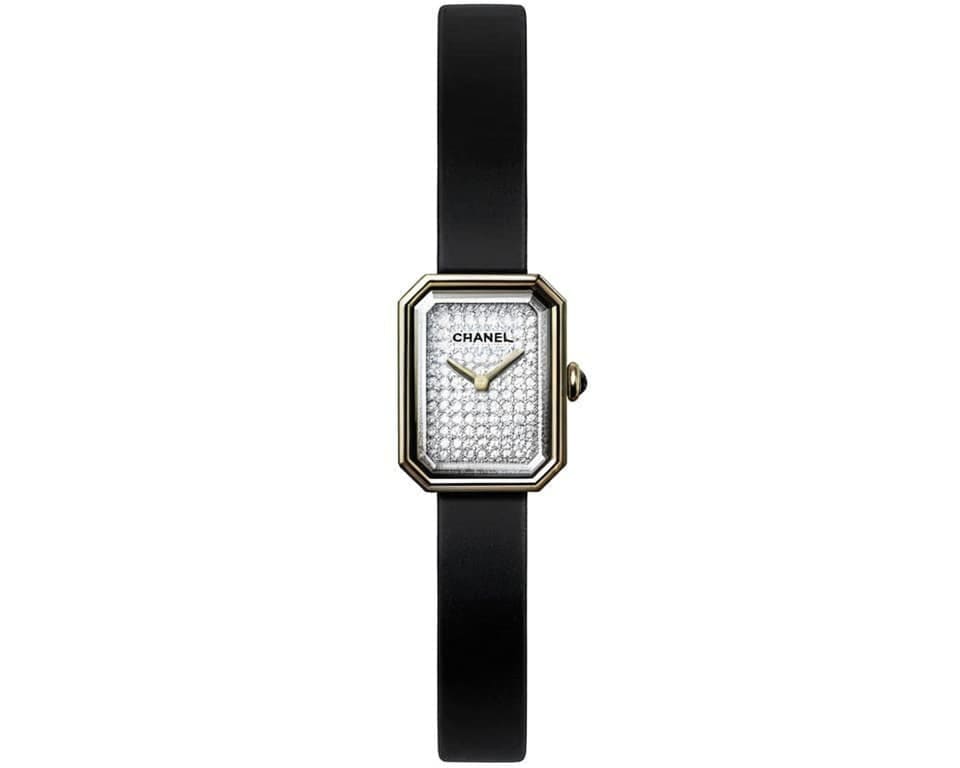
- Première Édition Originale represents Chanel’s watchmaking heritage through the octagonal case design inspired by Place Vendôme and the N°5 perfume bottle stopper, available in steel with black leather strap ($3,200), yellow gold ($12,000), or high-jewelry versions with diamonds exceeding $25,000, powered by high-precision quartz movements that prioritize reliability and accuracy.
- BOY·FRIEND embodies Chanel’s gender-fluid design philosophy through oversized rectangular cases ranging from 27.9mm to 37mm, inspired by vintage tank watches but reimagined with contemporary proportions, available in steel ($4,500-$6,500), 18K Beige Gold ($16,000-$28,000), or diamond-set configurations reaching $65,000+, featuring manual-winding movements and interchangeable straps.
- J12 X-Ray represents the pinnacle of Chanel’s technical achievement as the world’s first watch with complete sapphire crystal construction including bracelet links, housing the skeletonized Calibre 3.1 manual-winding movement that appears to float within the transparent case, limited to just 12 pieces worldwide at $626,000 with additional blue and pink variants available by special request.
- Mademoiselle Privé showcases Chanel’s haute horlogerie expertise through high-jewelry timepieces featuring oversize cases with curved crystals, artistic dials incorporating métiers d’art techniques, and complications like flying tourbillons shaped as camélia flowers, with prices ranging from $35,000 for time-only versions to over $150,000 for limited-edition diamond-set models with mechanical complications.
- Code Coco translates the iconic 2.55 handbag’s quilted pattern and turnlock clasp into horological form through rectangular cases with distinctive quilted bracelet designs, available in steel ($4,200-$5,800), ceramic ($5,200-$6,800), or 18K Beige Gold ($16,500-$28,000), featuring high-precision quartz movements and contemporary “So Black” matte variants.
- Première Camélia Skeleton combines Chanel’s signature flower motif with transparent watchmaking through the in-house Calibre 2 skeletonized movement featuring a flying tourbillon shaped like a camélia, housed in 18K gold cases with diamond settings and priced from $85,000 to $125,000+ depending on gem-setting complexity and limited-edition status.
- J12 Paradoxe achieves the seemingly impossible through two-tone ceramic construction combining 2/3 white and 1/3 black ceramic in a single case, representing a technical breakthrough in ceramic manufacturing that creates striking visual contrast, available in 38mm cases starting at $7,650 for the basic model and reaching $195,000 for the 20-piece limited diamond edition.
- Monsieur de Chanel marked the brand’s first dedicated men’s timepiece featuring revolutionary jumping hours and 240-degree retrograde minutes powered by the in-house Calibre 1 movement, available in 42mm cases crafted from platinum ($52,000), black ceramic ($38,000), or 18K Beige Gold ($45,000), with the limited Superleggera Black Edition (100 pieces) adding racing-inspired technical elements at CHF 44,650.
This collection demonstrates Chanel’s ability to serve diverse customer needs while maintaining their distinctive aesthetic DNA across every price point. From the accessible Première models that introduce customers to Chanel watchmaking to the ultra-exclusive X-Ray pieces that showcase technical mastery, each watch represents a different facet of the brand’s philosophy. The pricing spans from entry-level luxury to ultra-high-end complications, ensuring that Chanel’s unique combination of fashion heritage and Swiss manufacturing excellence remains accessible to different market segments while preserving the exclusivity that defines luxury watchmaking.
Best Places to Purchase Chanel Watches
Purchasing a Chanel watch requires careful attention to authorized channels to ensure authenticity, full warranty coverage, and access to official service networks. The brand maintains strict control over their distribution network, working only with carefully selected retailers who meet their standards for customer service and brand representation. Unlike some luxury watch brands that are widely available, Chanel’s selective distribution means fewer purchasing options but greater assurance of legitimate products and proper support. The buying experience itself reflects Chanel’s luxury positioning, with personalized service and expert guidance available through their authorized network.
- Chanel Boutiques serve as the primary retail channel, offering the complete collection including limited editions and haute horlogerie pieces unavailable elsewhere, with locations in major cities worldwide providing personalized consultation, sizing services, and immediate access to new releases, plus the advantage of direct relationship building for future limited-edition allocations.
- Authorized Luxury Watch Retailers include established multi-brand dealers that maintain dedicated Chanel sections with trained specialists who can provide expert guidance on model selection, sizing, and care, often offering additional services like trade-ins, financing options, and warranty service coordination not always available directly through Chanel boutiques.
- Official Chanel Website provides complete product information, pricing, and the ability to purchase most models online with shipping to your location, featuring detailed photography, technical specifications, and the convenience of browsing the entire collection from home, though limited editions and haute horlogerie pieces typically require boutique visits for availability and allocation.
- Luxury Department Stores in major cities carry selected Chanel watch models within their fine watch departments, providing the convenience of shopping multiple luxury brands in one location and often offering additional services like personal shopping assistance, exclusive preview events, and coordinated styling consultations with other luxury goods.
- Certified Pre-Owned Specialists offer significant savings on excellent-condition pieces with professional authentication services, detailed condition reports, and return policies, though buyers should carefully verify the completeness of original box, papers, warranty cards, and any remaining manufacturer warranty coverage before purchase.
- Established Auction Houses occasionally feature rare or discontinued Chanel models, particularly early ceramic J12 pieces from the initial production years or limited-edition complications, though these sales require careful condition assessment and independent authentication verification since warranty coverage typically doesn’t transfer to new owners.
- Regional Authorized Dealers in different countries may offer pricing advantages due to currency fluctuations, tax considerations, or local market conditions, while some regions may have different model availability or wait times for popular pieces, making research across markets worthwhile for international buyers.
- Appointment-Based Boutique Services provide dedicated consultation time with Chanel specialists, access to pieces not displayed in public showrooms, and the opportunity to compare multiple models with expert guidance on technical features, sizing considerations, and styling recommendations based on individual preferences.
- Virtual Consultation Programs developed for remote customers offer video appointments with trained specialists, detailed photography of specific timepieces, secure shipping with full insurance coverage, and comprehensive return policies that match in-person boutique experiences.
- Authentication Verification Points include confirming proper serial number formatting, examining movement finishing quality, checking ceramic surface perfection, verifying correct font styles and spacing on dials, and ensuring all documentation matches the specific model and production period.
The most important factor in Chanel watch purchasing is establishing relationships with authorized retailers who can provide ongoing service, access to limited releases, and expert guidance throughout the ownership experience. While pre-owned options offer substantial cost savings, the complexity of authenticating Chanel’s numerous model variations and the importance of warranty coverage make authorized channels the recommended choice for most buyers. Regardless of the purchasing route chosen, always verify documentation completeness, warranty status, and return policies before finalizing any transaction, as Chanel’s selective retail network provides fewer alternatives if issues arise after the sale.
What to Consider Before Buying Chanel Watches
Selecting the right Chanel watch involves balancing personal preferences with practical considerations that will affect your enjoyment and satisfaction over years of ownership. Unlike simpler purchases, luxury watches represent significant investments that should align with your lifestyle, aesthetic preferences, and long-term plans. Chanel’s diverse collection offers options across multiple price ranges, sizes, and complications, making careful evaluation essential to avoid buyer’s remorse. The decision process becomes more complex when considering factors unique to Chanel, such as ceramic care requirements, limited edition availability, and the brand’s position between fashion and traditional horology.
- Budget Planning should account for the complete ownership experience beyond the initial purchase price, with entry-level Première models starting around $3,200, mid-range J12 pieces ranging from $5,200 to $15,000, and haute horlogerie complications extending from $35,000 to over $600,000 for ultra-limited pieces like the J12 X-Ray, plus ongoing costs for insurance, periodic servicing, and potential repairs.
- Size Selection requires trying different case dimensions since Chanel’s unisex approach means most models work for various wrist sizes, with options spanning from 19mm (J12·XS) to 42mm (Monsieur de Chanel), though the popular 33mm and 38mm J12 sizes accommodate most preferences, while considering that ceramic bracelets cannot be easily resized after purchase.
- Movement Preferences determine both functionality and maintenance requirements, with high-precision quartz offering maximum accuracy and minimal upkeep for Première and some BOY·FRIEND models, COSC-certified automatic movements in J12 pieces providing 70-hour power reserves with traditional mechanical appeal, and in-house complications featuring unique displays but requiring specialized service expertise.
- Lifestyle Compatibility affects which features matter most, considering water resistance ratings from 30 meters (basic splash protection) to 200 meters (suitable for swimming and water sports), ceramic’s scratch resistance but vulnerability to extreme impacts, and whether complications like jumping hours or retrograde displays align with your practical needs versus aesthetic preferences.
- Collection Strategy influences whether to focus on a single statement piece or build multiple watches for different occasions, with considerations for versatility across business and casual settings, seasonal appropriateness of different materials and colors, and how Chanel pieces complement or contrast with other watches in your collection.
- Limited Edition Considerations require understanding production numbers, allocation processes, and long-term collectibility prospects, with pieces like J12 Paradoxe Diamond (20 pieces) or J12 X-Ray (12 pieces) offering exclusivity but limited service options, while regular production models ensure easier maintenance and potential resale if preferences change.
- Gender and Style Considerations benefit from Chanel’s unisex design philosophy, though some models like Monsieur de Chanel target specifically masculine aesthetics while others like certain Première variants lean feminine, with most J12 and BOY·FRIEND pieces designed to transcend traditional gender boundaries.
- Ceramic Care Requirements demand awareness that while scratch-resistant, ceramic can crack or chip under extreme force and cannot be easily repaired, making lifestyle assessment important for those involved in high-impact activities or rough handling situations, though normal daily wear poses minimal risk.
- Warranty and Service Planning involves choosing authorized purchases to ensure five-year warranty coverage, locating qualified service centers in your area, budgeting for recommended maintenance intervals every 2-5 years depending on usage, and considering Chanel’s specific service requirements that may differ from traditional Swiss brands.
- Authentication and Documentation becomes crucial whether buying new or pre-owned, requiring verification of serial numbers, movement specifications, case finishing quality, and complete paperwork including warranty cards, instruction manuals, and original packaging, with particular attention to common counterfeit indicators.
- Timing Considerations affect both pricing and availability, with new releases often commanding premiums and wait lists, discontinued models potentially appreciating in value, seasonal demand fluctuations affecting negotiation power, and currency exchange rates impacting international purchases.
The most successful Chanel watch purchases result from taking time to experience different models in person, considering how each piece fits your specific needs and preferences rather than following trends or recommendations alone. Given Chanel’s unique position in the luxury market, buyers should feel confident that their choice reflects both personal style and practical requirements, ensuring years of satisfaction with their investment in French design excellence and Swiss manufacturing quality.
Are Chanel Watches Good Investments?
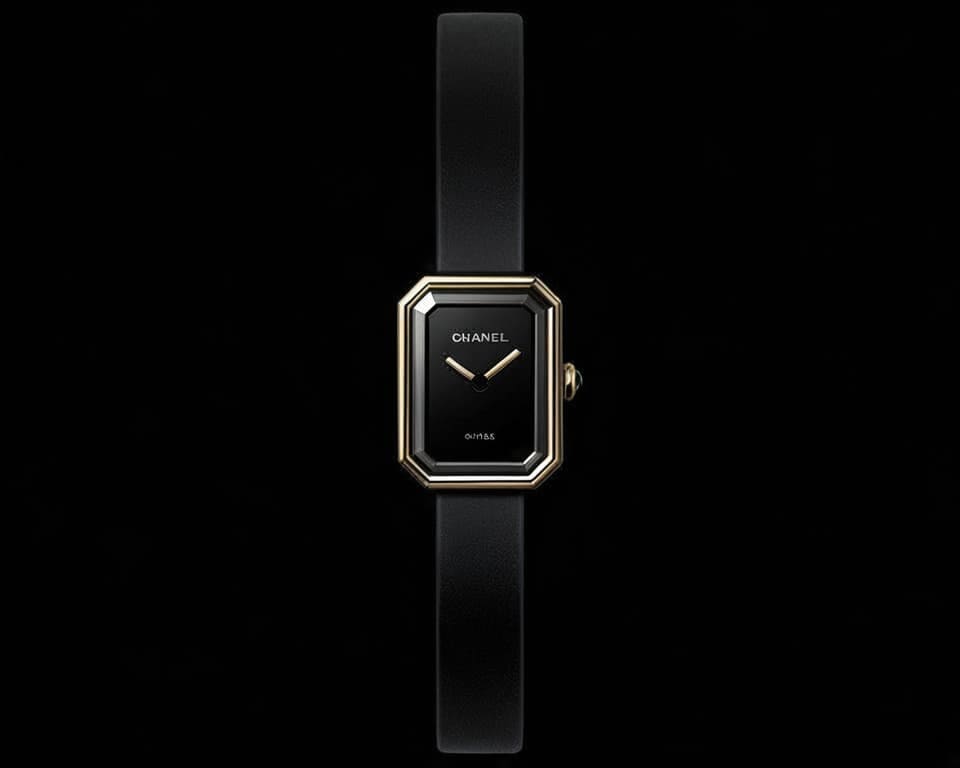
Chanel watches occupy a unique position in the luxury resale market that differs significantly from traditional Swiss manufactures, requiring realistic expectations about value retention and investment potential. While these timepieces offer exceptional craftsmanship and distinctive design, they function primarily as luxury accessories rather than investment vehicles. The resale market reflects this reality, with fashion watches generally experiencing different appreciation patterns compared to pure horological brands. Buyers should approach Chanel watches with the primary goal of personal enjoyment and style expression, treating any value retention as a secondary benefit rather than the main purchasing motivation.
- Current Market Reality shows that standard Chanel watches typically retain 40-60% of their retail value in the pre-owned market, with most J12 models selling for $2,500-$4,000 regardless of original retail prices that may have reached $6,000-$8,000, reflecting the broader luxury fashion watch market where brands are valued more for design than horological heritage.
- Limited Edition Performance demonstrates better value retention, with pieces like early J12 Paradoxe models, discontinued color variants, and numbered haute horlogerie pieces maintaining 60-75% of retail value, though this still represents significant depreciation compared to comparable limited pieces from traditional Swiss manufacturers.
- Factors Enhancing Resale Value include diamond or precious metal content which retains intrinsic material value, complete documentation with box and papers, pristine condition without ceramic damage, early production years for historically significant models like original 2000-2001 J12 pieces, and limited production numbers with clear provenance.
- Market Challenges stem from Chanel’s fashion house identity rather than pure watchmaking heritage, high production numbers for popular models reducing scarcity value, rapid style evolution in fashion markets making older designs seem dated, and limited collector demand compared to brands with longer horological traditions.
- Regional Variations affect resale values differently, with Asian markets showing stronger appreciation for Chanel timepieces due to brand prestige, European markets focusing more on condition and authenticity, and American markets offering the broadest selection but potentially lower prices due to higher initial retail costs.
- Auction House Presence remains limited for Chanel watches, with major auction houses like Christie’s and Sotheby’s rarely featuring these pieces in their important watch sales, indicating minimal institutional collector support and reducing potential appreciation through prestigious sales results.
- Condition Impact proves especially critical since ceramic damage cannot be repaired economically, missing bracelet links may be impossible to replace years later, and movement service from non-authorized sources can significantly reduce value, making preservation of original condition essential for resale prospects.
- Timing Considerations suggest that immediate post-purchase depreciation occurs rapidly, with most value loss happening in the first 2-3 years of ownership, while very early pieces from Chanel’s watchmaking history may eventually gain vintage appeal, though this remains speculative rather than proven.
- Comparison with Handbags reveals that Chanel accessories like classic flap bags often appreciate in value over time, creating unrealistic expectations that their watches will perform similarly, when in reality the watch and handbag markets operate under completely different dynamics regarding collectibility and appreciation.
- Best Purchase Strategy for value-conscious buyers involves targeting excellent-condition pre-owned pieces to avoid initial retail depreciation, focusing on limited editions or discontinued models with unique features, maintaining complete documentation and original packaging, and viewing the purchase primarily as a luxury accessory rather than investment vehicle.
- Professional Advice from luxury resale experts consistently emphasizes that Chanel watches should be purchased for personal enjoyment rather than investment potential, with any value retention considered a bonus rather than an expectation, and budgeting decisions made assuming significant depreciation over time.
The reality of Chanel’s resale market shouldn’t discourage potential buyers who appreciate the brand’s unique aesthetic and technical achievements, but it should inform purchase decisions with realistic expectations. These watches offer exceptional quality, innovative materials, and distinctive design that justify their prices for many buyers, even without strong investment potential. The key lies in purchasing with clear priorities—if long-term value retention is the primary concern, traditional Swiss manufactures offer better prospects, while those seeking unique design and fashion heritage will find Chanel’s offering compelling regardless of resale considerations.
Chanel Watch Care and Maintenance
Proper care and maintenance of Chanel watches ensures years of reliable performance while preserving their distinctive appearance and protecting your investment. These timepieces require specific attention due to their unique materials, particularly the revolutionary ceramic construction that demands different care approaches than traditional metal watches. Regular maintenance schedules, proper cleaning techniques, and authorized service procedures become even more critical given Chanel’s specialized manufacturing processes and limited service network. The brand’s extended five-year warranty reflects confidence in their quality, but maintaining warranty coverage requires following specific care guidelines and service protocols.
- Daily Ceramic Care takes advantage of the material’s exceptional scratch resistance while protecting against impact damage, requiring gentle cleaning with warm soapy water and soft-bristled brushes to remove accumulated dirt and oils, followed by thorough rinsing and drying with lint-free cloths, though contact with softer metals may leave removable marks that don’t damage the ceramic surface.
- Water Resistance Management varies significantly across the collection, with J12 models rated to 200 meters suitable for swimming and water sports but not professional diving, while Première watches typically offer only 30-meter splash resistance requiring removal before showering or swimming, and all models requiring crown security checks before water exposure.
- Movement Care Protocols depend on the specific caliber, with automatic J12 models needing regular wear or winding to maintain lubrication and prevent oil oxidation, quartz Première pieces requiring battery replacement every 2-3 years to prevent potential movement damage from battery leakage, and complicated pieces like Monsieur de Chanel needing gentle handling of jumping hour and retrograde functions.
- Professional Service Intervals follow Chanel’s structured maintenance schedule requiring complete service every 5 years for thorough movement examination and parts replacement, intermediate maintenance every 2-3 years including gasket replacement and water resistance testing, and annual inspections for frequently worn pieces to catch potential issues early.
- Authorized Service Requirements become essential since only Chanel boutiques and certified service centers have access to genuine parts, ceramic repair capabilities, and factory-trained technicians familiar with proprietary movements like Calibre 1, while unauthorized repairs void warranty coverage and may cause irreversible damage to specialized components.
- Storage and Handling requires cushioned environments away from magnetic sources like smartphones, tablets, and handbag closures which can affect movement accuracy, temperature-controlled conditions avoiding extreme heat or cold that might affect seals and lubricants, and secure storage preventing impacts that could crack ceramic components.
- Bracelet and Strap Maintenance involves professional adjustment for ceramic bracelets since links cannot be easily added or removed like metal alternatives, regular conditioning for leather straps to prevent cracking and discoloration, and careful handling during band changes to avoid damaging ceramic lugs or case edges.
- Chemical Avoidance protects both ceramic and movement components from harsh cleaning products, perfumes, lotions, and chlorinated water that might affect seals or finishes, while saltwater exposure requires immediate fresh water rinsing to prevent mineral deposits and potential corrosion of metal components.
- Magnetic Protection requires maintaining 10cm distance from strong magnetic sources including smartphones, tablets, magnetic purse clasps, and medical equipment, with annual magnetic field testing recommended for frequently exposed pieces to ensure movement accuracy hasn’t been compromised.
- Service Cost Planning should budget $300-500 for routine maintenance services, $800-1,500 for complete overhauls depending on model complexity, and potentially higher costs for ceramic repairs or in-house movement services, with pricing varying by region and authorized service center location.
- Warranty Preservation requires maintaining complete service records through authorized channels, avoiding unauthorized repairs or modifications, promptly addressing any performance issues rather than ignoring problems, and registering purchases properly to ensure full five-year coverage activation.
- Seasonal Considerations include protecting watches from extreme temperature changes during travel, adjusting for humidity variations that might affect leather straps, and increased attention during active summer months when exposure to water, sand, and impact risks rise significantly.
The investment in proper care and maintenance pays dividends through extended watch life, preserved appearance, and maintained warranty coverage that protects against unexpected issues. Chanel’s specific requirements reflect their innovative materials and manufacturing processes, making adherence to official guidelines especially important. While the care requirements might seem extensive, following these protocols ensures that your Chanel timepiece continues performing and looking as intended for decades, justifying the initial investment through years of reliable service and enduring style.
Frequently Asked Questions About Chanel Watches
Common questions about Chanel watches reflect the brand’s unique position between fashion and traditional horology, with buyers often seeking clarification about reliability, authenticity, and practical ownership considerations. These questions address the most frequent concerns from both first-time luxury watch buyers and experienced collectors considering adding Chanel to their collection. The answers provide essential information to help make informed purchasing decisions while setting realistic expectations about what makes these timepieces special.
How reliable are Chanel watches compared to Swiss brands?
Chanel watches are manufactured in Switzerland using quality movements from suppliers like Kenissi (also used by Tudor) or in-house calibers, offering reliability comparable to traditional Swiss brands. Their five-year warranty demonstrates confidence in quality, though service networks are more limited than established Swiss manufacturers.
Are Chanel watches worth the investment?
Purchase Chanel watches for personal enjoyment rather than investment potential, as they typically retain 40-60% of retail value. They offer exceptional design, innovative ceramic technology, and Swiss quality unavailable elsewhere, making them worthwhile for those who appreciate unique aesthetics over resale value.
What’s the difference between J12 generations?
Original J12 models (2000-2005) used basic movements and simpler finishing, while current versions feature COSC-certified movements with 70-hour power reserves and improved ceramic manufacturing. The 2019 redesign enhanced case proportions and technical performance significantly.
Can men wear Chanel watches?
Yes, Chanel pioneered unisex design with the 38mm J12 that works for both genders. The brand created Monsieur de Chanel specifically for men, while many models transcend traditional gender boundaries. Male collectors appreciate the unique aesthetic and ceramic technology.
How do I authenticate a Chanel watch?
Look for precise ceramic finishing, correct serial numbers, high-quality movement decoration, sharp engravings, and complete documentation. Avoid pieces with poor ceramic quality, incorrect movements, sloppy engravings, or prices significantly below market value.
What’s the warranty coverage?
Chanel provides five-year warranty coverage for manufacturing defects through authorized dealers. Service must be performed at official centers, excludes accident damage, and covers ceramic defects but not impact damage. Some dealers offer extended warranty options.
Are ceramic watches durable?
Chanel ceramic is seven times more scratch-resistant than steel and maintains its appearance indefinitely under normal use. However, it can crack under extreme impact that would only dent metal. For typical daily wear, ceramic proves more durable than traditional materials.
How often should I service my Chanel watch?
Complete service every 5 years, maintenance every 2-3 years including gasket replacement, and battery changes every 2-3 years for quartz models. Automatic pieces benefit from regular wear or annual magnetic testing if frequently exposed to electronics.
These answers help potential buyers navigate the key considerations unique to Chanel ownership while setting appropriate expectations. Whether you’re drawn to their innovative materials, distinctive design, or fashion heritage, knowing these fundamentals ensures you’ll make the right choice for your needs and enjoy your Chanel timepiece for years to come.
Conclusion
Chanel’s remarkable evolution from fashion house to respected Swiss manufacturer demonstrates that innovation and aesthetic vision can successfully challenge traditional horological boundaries. Over nearly four decades, the brand has consistently pushed the luxury watch industry forward through revolutionary ceramic technology, unisex design philosophy, and strategic partnerships that support both their own growth and independent watchmaking talent. From the iconic J12 that redefined sports luxury watches to haute horlogerie complications that showcase technical mastery, Chanel has proven that fashion heritage and Swiss manufacturing excellence can coexist without compromise.
The decision to purchase a Chanel watch should center on appreciation for their unique aesthetic codes, innovative materials, and distinctive position in luxury watchmaking rather than investment expectations. These timepieces offer exceptional craftsmanship, revolutionary ceramic construction, and design elements that cannot be found elsewhere in the industry. While resale values may not match traditional Swiss manufactures, the ownership experience provides access to cutting-edge materials technology, fashion house heritage, and manufacturing quality that justifies the investment for those who value style and innovation alongside horological excellence.
Looking ahead, Chanel’s continued investment in partnerships like MB&F, ongoing ceramic innovations such as the J12 Bleu collection, and expansion of their Swiss manufacturing capabilities position the brand for sustained growth in luxury horology. For buyers seeking timepieces that bridge haute couture and haute horlogerie, Chanel offers compelling options across every price point from accessible Première models to groundbreaking limited editions. The key lies in choosing pieces that align with personal style and practical needs, ensuring years of satisfaction with watches that represent the successful marriage of French design sensibility and Swiss technical mastery.