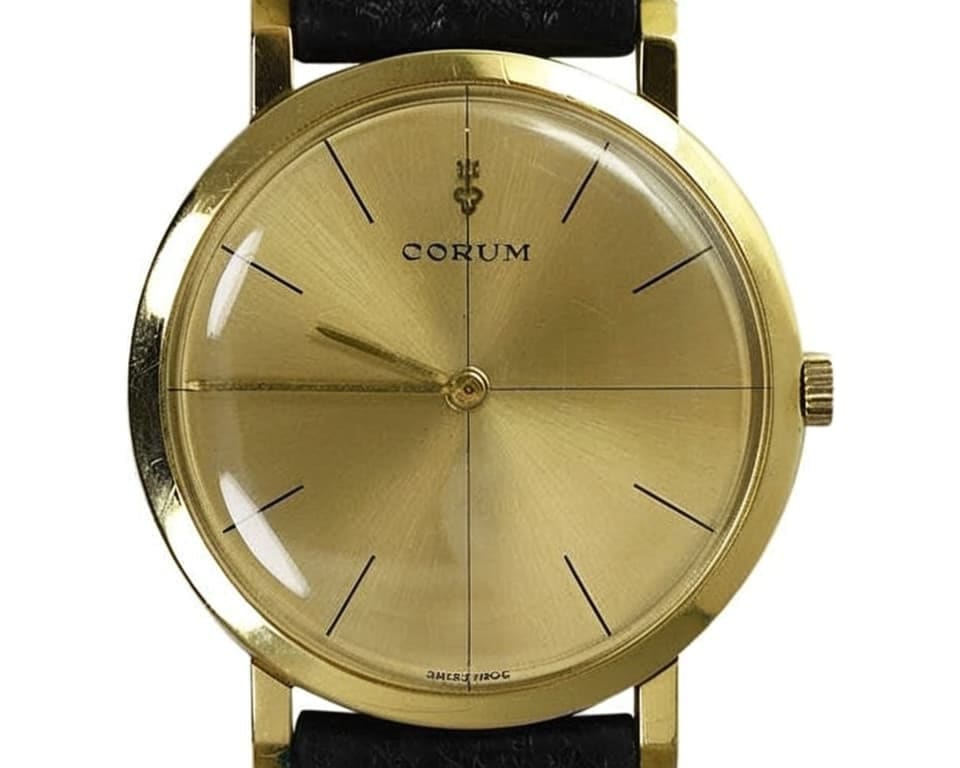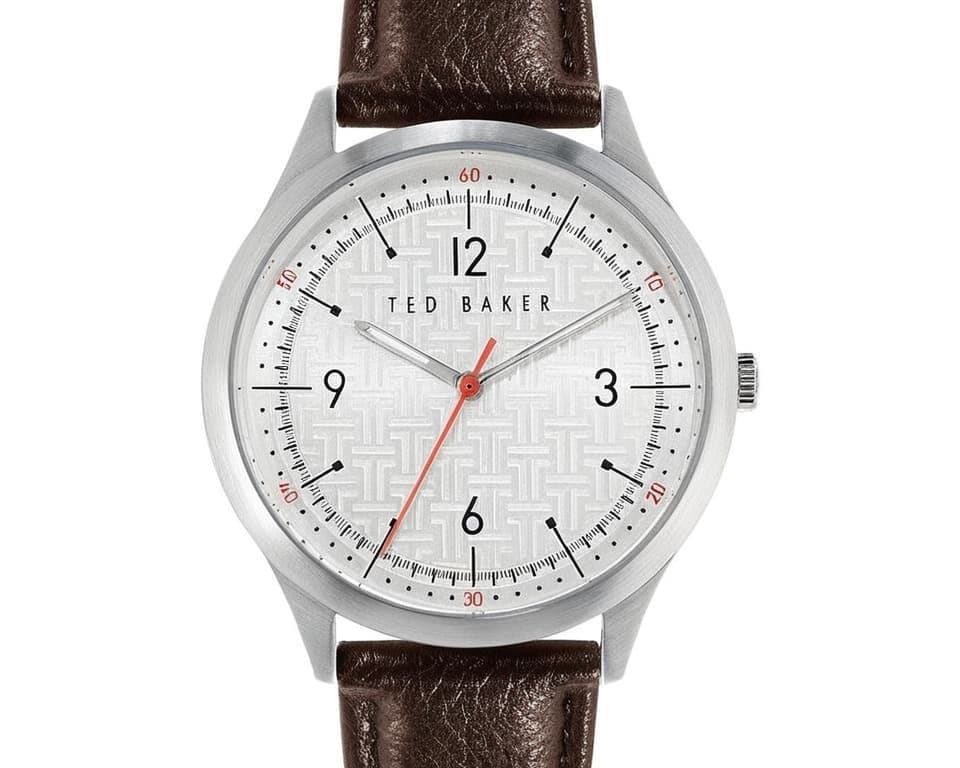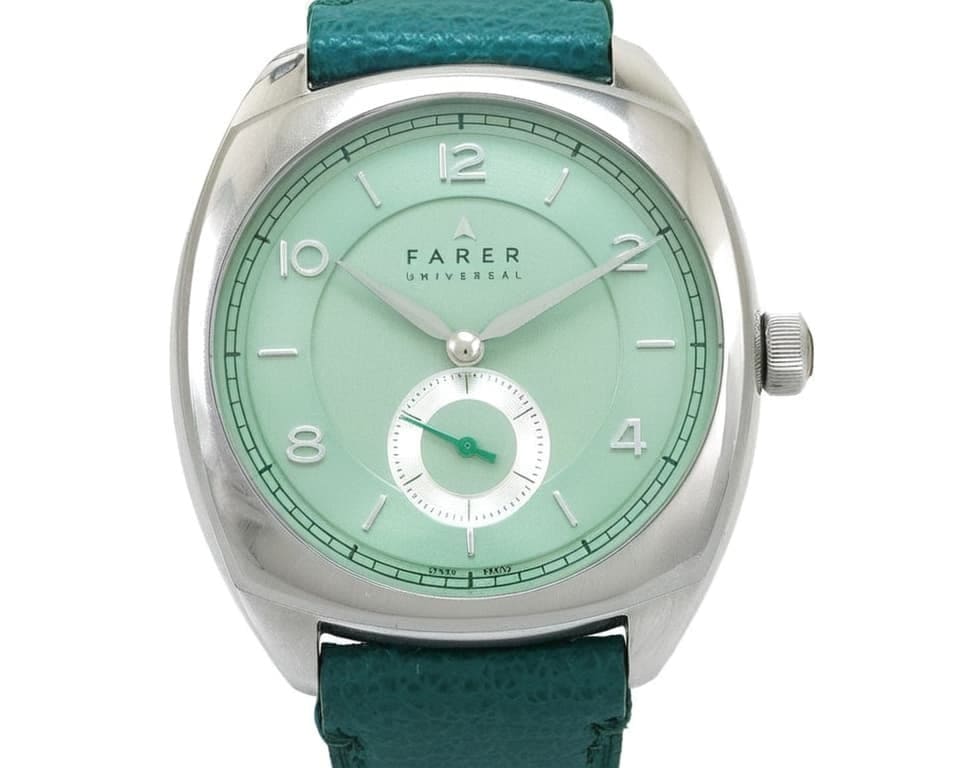
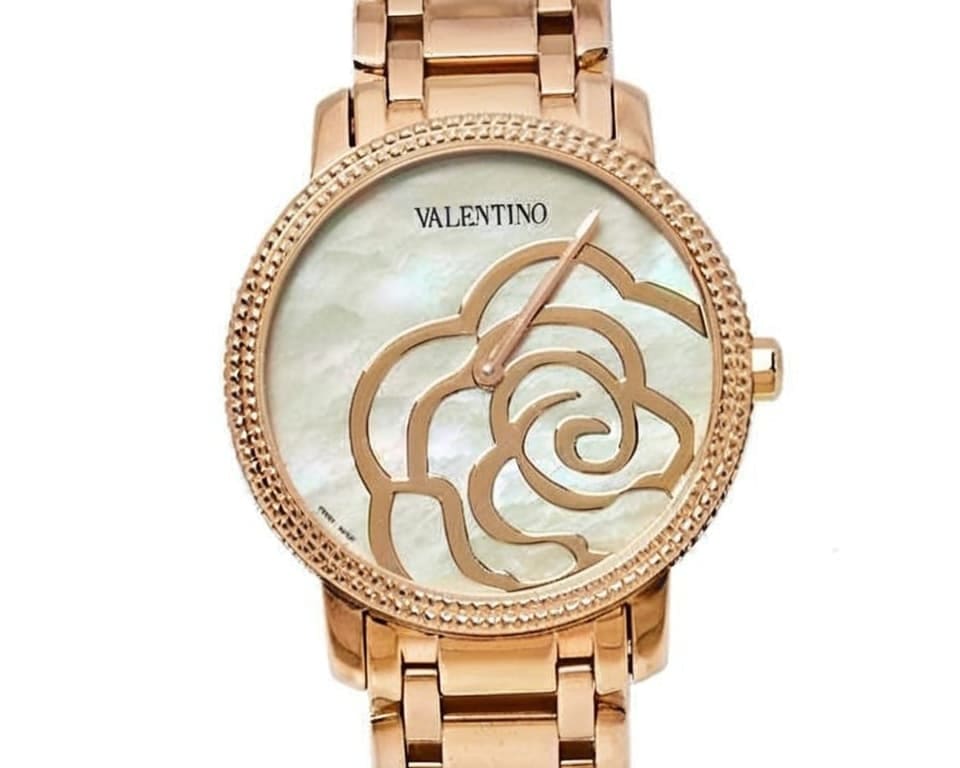
Valentino watches occupy a uniquely confusing space in the watch market, where the prestigious Italian fashion house’s name appears on everything from discontinued Swiss-made luxury timepieces to current affordable fashion accessories made by entirely separate companies. Valentino Garavani briefly entered watchmaking through a partnership with Timex Group from 2007-2011, producing the legitimate luxury “Timeless” collection before exiting the category completely. Today, independent manufacturers like Valentino Rudy continue producing fashion watches under the Valentino name with no connection to the haute couture house, creating a fragmented marketplace where understanding which company actually made your watch determines whether you’re buying a piece of fashion history or a basic accessory sharing a famous name.
Valentino Watch History: From Luxury Fashion to Discontinued Line
The Valentino name in watchmaking tells a surprisingly complicated tale. What most people assume is a single luxury brand producing timepieces is actually multiple separate companies, each with their own distinct heritage and market positioning. The famous fashion house Valentino Garavani did create watches for a brief period, but those days are long gone. What remains is a fragmented marketplace where several unrelated manufacturers produce timepieces bearing variations of the Valentino name, leaving shoppers confused about what they’re actually buying.
- Valentino Garavani and his business partner Giancarlo Giammetti opened their fashion house in Rome in 1960, building a reputation for elegant Italian design that would make them one of the world’s most recognized luxury brands. The house became famous for its distinctive red hue, exquisite craftsmanship, and designs worn by Elizabeth Taylor, Jacqueline Kennedy, and countless other style icons. Over nearly five decades, Valentino grew from a single Roman atelier into a billion-euro empire spanning haute couture, ready-to-wear collections, handbags, shoes, and fragrances before the founder’s retirement in 2008.
- The fashion house first tested watchmaking waters in 2002 by licensing their name to Italy’s Sector Group for timepiece production. This initial venture stayed relatively small, with Sector handling all manufacturing while Valentino provided design direction and brand cachet. These early watches prioritized Italian styling over technical horological innovation, serving primarily as fashion accessories for the brand’s existing customer base rather than serious entries into the competitive watch market.
- Everything changed in 2007 when Valentino signed a major partnership with Timex Group to launch “Valentino Timeless,” an ambitious luxury watch collection that represented the brand’s most serious commitment to horology. Timex projected this collaboration would generate over $80 million in annual sales, with watches priced between $1,000 and $15,000 to compete directly with established luxury watch brands. The Timeless collection featured genuine Swiss manufacturing, movements from respected suppliers like Ronda, and incorporated Valentino’s signature design elements including the Rockstud embellishments that had become synonymous with the brand’s accessories.
- Distribution reached 52 Valentino boutiques worldwide plus select high-end watch retailers, with marketing targeted toward affluent customers who already owned Valentino clothing and accessories. The brand particularly emphasized women’s evening watches designed to complement formal Valentino gowns, though men’s collections also launched. These weren’t fashion watches with cheap movements in fancy cases—they were legitimate luxury timepieces with sapphire crystals, quality case finishing, and construction standards matching their premium price tags.
- The partnership dissolved around 2011 when Timex Group restructured its business and terminated multiple fashion brand licensing agreements. Timex discovered that fashion collaborations demanded enormous marketing budgets without delivering proportional profits, leading them to refocus on their wholly-owned brands. For Valentino Garavani, this marked the definitive end of their watchmaking chapter. No replacement partnership emerged, and the brand never attempted to develop in-house horological capabilities.
- Today, Valentino Garavani’s official website and boutiques sell clothing, handbags, shoes, jewelry, and fragrances, but no watches appear in their product catalog. Creative directors from 2011 through current leadership under Alessandro Michele (who joined in March 2024) have kept the brand focused exclusively on fashion and leather goods. The house even discontinued its more accessible Red Valentino diffusion line in 2022, demonstrating a strategic preference for consolidating around core luxury fashion rather than expanding into peripheral categories like watches.
- Separately and without any connection to the fashion house, a company called Valentino Rudy has manufactured watches since its founding in Bologna, Italy in 1931—nearly three decades before Valentino Garavani even existed. Valentino Rudy operates in the affordable fashion watch segment with most models priced between $45 and $200, using Japanese quartz movements or entry-level Swiss movements depending on the model. Their designs emphasize Italian styling and decorative elements suitable for casual accessories, targeting a completely different customer than the luxury fashion house ever pursued.
- Further complicating matters, Mario Valentino—a third entirely separate company founded in Naples in 1952 to produce leather goods—also manufactures watches and has been involved in trademark disputes with Valentino Garavani for decades. Consumers frequently confuse these three brands, especially when shopping online or in markets where brand distinctions aren’t clearly communicated. Each company has legitimate rights to use some variation of the Valentino name in their home markets, creating a permanent source of confusion that no legal settlement has fully resolved.
The watchmaking story of Valentino Garavani represents a fashion house that briefly invested in serious horology through smart partnerships, produced genuinely respectable luxury timepieces for several years, then consciously chose to exit the category and return to what they do best. For anyone shopping for Valentino watches today, this history matters enormously. Genuine luxury pieces bearing the Valentino Garavani name exist only as vintage items from the 2007-2011 Timeless era and can be valuable finds for collectors. Current production “Valentino watches” come from completely different manufacturers with no connection to the fashion house, operating at fashion watch price points and quality levels. Knowing which Valentino you’re buying makes all the difference between acquiring a legitimate piece of fashion history and purchasing a basic fashion accessory that happens to share a famous name.
Valentino Watch Quality: Materials, Movement, and Design
Valentino watches occupy a peculiar niche in the timepiece world, where their appeal stems more from fashion heritage than horological achievement. The special qualities that set these watches apart depend entirely on which Valentino manufactured them and during what era, as the characteristics differ dramatically between the luxury fashion house’s discontinued Timeless collection and current production pieces from independent manufacturers. What makes any Valentino watch worth considering comes down to design philosophy, materials, and how well the piece serves its intended purpose as a fashion accessory rather than a serious tool watch.
- The vintage Valentino Timeless collection from 2007-2011 represented genuine luxury watchmaking that integrated the fashion house’s distinctive aesthetic vocabulary into functional timepieces. These watches featured the iconic Rockstud pyramid embellishments that had become Valentino Garavani’s signature detail across handbags and shoes, translated into watch case decorations, bezels, and bracelet links. The design language emphasized Italian elegance with bold statements rather than understated minimalism, making these pieces instantly recognizable as Valentino creations even without seeing the dial logo.
- Swiss manufacturing credentials gave Timeless watches legitimacy in the luxury watch market, with production handled by established Swiss facilities rather than generic contract manufacturers. The watches used movements from Ronda and other respected Swiss suppliers, ensuring reliability and accuracy that justified their premium pricing. Case construction featured solid stainless steel or gold-plated brass with proper finishing techniques including polishing, brushing, and beveling that matched standards from dedicated watch brands in the same price range.
- Material quality on Timeless pieces included sapphire crystals for scratch resistance, Italian leather straps from Valentino’s own suppliers, and solid link bracelets with secure clasps and micro-adjustment capabilities. The fashion house applied the same quality control standards to watches that they demanded for their leather goods, meaning stitching, finishing, and assembly met luxury fashion criteria even if they didn’t reach haute horlogerie standards. These weren’t cheap fashion watches dressed up with fancy branding—they were properly constructed timepieces that happened to come from a fashion house.
- Design versatility made Timeless watches particularly appealing for women seeking evening and formal occasion pieces that coordinated with Valentino clothing. The collection included delicate dress watches with slim profiles, jewelry watches with gemstone settings, and bolder statement pieces with larger cases and decorative elements. Men’s models offered classic three-hand designs and chronographs with sporty aesthetics, though the line never developed the same breadth as the women’s collection. Every piece maintained clear visual connections to Valentino’s fashion identity through color choices, proportions, and decorative details.
- Current production Valentino Rudy watches take a completely different approach, prioritizing accessible Italian styling over luxury materials or Swiss credentials. These pieces use Japanese quartz movements from suppliers like Miyota or Citizen, which provide reliable timekeeping at much lower costs than Swiss alternatives. Cases come in stainless steel with various plating options including gold-tone IP coating, rose gold, and black finishes that create visual variety without the expense of precious metals. Mineral crystal replaces sapphire on most models, offering adequate scratch resistance for daily wear despite being softer than sapphire.
- The design philosophy for current Valentino Rudy pieces emphasizes fashion-forward styling with decorative dial elements including applied indices, guilloche patterns, and multiple sub-dials even on non-chronograph models purely for visual interest. Case sizes typically range from 38mm to 46mm across men’s and women’s collections, with variations in thickness depending on the movement and complications. Water resistance ratings hover around 3-5 ATM (30-50 meters), sufficient for hand washing and rain exposure but not suitable for swimming or showering.
- Italian design sensibility remains the primary selling point across all Valentino watches regardless of manufacturer, with styling that emphasizes elegance, proportion, and visual appeal over technical specifications. The watches prioritize wearability with formal and business attire rather than sports or casual contexts, maintaining slim profiles and refined aesthetics that complement rather than dominate an outfit. This fashion-first philosophy means these timepieces succeed or fail based on how well they enhance personal style rather than their chronometric performance or horological innovation.
- Brand cachet represents perhaps the most significant special quality, as wearing a watch bearing the Valentino name signals fashion awareness and luxury brand affinity. For the fashion house’s vintage Timeless pieces, this branding carries genuine prestige as legitimate products from a renowned luxury house. For current production pieces from other manufacturers, the brand value depends entirely on the buyer’s awareness of the distinctions between different Valentino companies—informed consumers see them as fashion accessories while less knowledgeable shoppers may assume they’re buying luxury fashion house products.
What truly makes Valentino watches special is their singular focus on serving fashion needs rather than attempting to compete with dedicated watch brands on technical grounds. The vintage Timeless collection achieved this with luxury materials and Swiss manufacturing that justified premium pricing, while current production pieces deliver accessible Italian styling at corresponding price points. Neither approach prioritizes horological complications, tool watch durability, or investment value—these are watches designed to look beautiful with specific wardrobes and occasions. For buyers who value fashion coordination and Italian design aesthetics over chronometric precision and watchmaking heritage, Valentino watches offer exactly what they need. For serious watch collectors seeking horological significance, these timepieces deliver very little beyond their aesthetic appeal and the historical curiosity of a fashion house’s brief watch experiment.
Top 10 Best Valentino Watches
Creating a definitive list of the best Valentino watches presents unique challenges given the fragmented nature of the brand and the discontinuation of the luxury fashion house’s watchmaking efforts over a decade ago. The watches worth highlighting fall into two distinct categories: vintage Valentino Timeless pieces from the 2007-2011 partnership that represent genuine luxury timepieces, and current production models from Valentino Rudy that serve the accessible fashion watch market. This list prioritizes pieces based on design merit, build quality relative to their price point, and overall value proposition rather than attempting to rank Valentino watches against dedicated horological brands where they simply cannot compete.
- Valentino Timeless Rockstud Chronograph stands as perhaps the most iconic piece from the fashion house’s watchmaking era, featuring the signature pyramid studs integrated into the bezel and bracelet links. This men’s chronograph housed a Swiss quartz movement in a 42mm stainless steel case with applied indices and three functional sub-dials. The Rockstud detailing created an unmistakable visual connection to Valentino’s handbag and shoe designs, making this the most recognizable watch from the entire Timeless collection. Original retail prices reached approximately $3,000-$4,500 depending on materials, and surviving examples in good condition command similar prices on the secondary market from collectors who appreciate the fashion-watch crossover appeal.
- Valentino Timeless Ladies Diamond Bezel represented the collection’s jewelry watch aspirations with genuine diamond settings surrounding smaller case sizes between 28-32mm. These dress watches featured Swiss quartz movements for reliability without the thickness that automatic movements require, allowing slim profiles suitable for evening wear under formal attire. Mother-of-pearl dials, Roman numeral markers, and integrated leather straps in Valentino’s signature red or classic black completed the luxury presentation. These pieces originally sold for $2,500-$8,000 depending on diamond quality and quantity, targeting customers who wanted Valentino jewelry that happened to tell time rather than serious timekeeping instruments.
- Valentino Timeless Serenity Automatic marked the collection’s most ambitious horological attempt with Swiss automatic movements visible through exhibition casebacks. The 40mm men’s models featured traditional three-hand layouts with date complications, housed in polished and brushed stainless steel cases with sapphire crystals on both front and back. These represented Valentino’s effort to compete with entry-level Swiss mechanical watches from brands like Tissot and Hamilton, though the fashion house’s limited horological heritage made these harder sells at their $5,000-$7,000 price points. The mechanical movements and exhibition backs gave watch enthusiasts something tangible to appreciate beyond pure aesthetics.
- Valentino Rudy VR135 Classic Series represents current production fashion watches at their most accessible, with three-hand quartz models priced around $45-$90 USD. The 40mm stainless steel cases feature IP gold or silver plating, mineral crystals, and Japanese Miyota movements that provide reliable basic timekeeping. Applied hour markers and printed indices create visual depth despite the budget construction, while simple leather straps keep the overall weight comfortable for all-day wear. These watches make no pretense of luxury but deliver presentable Italian styling for business casual environments at prices that won’t induce purchase anxiety.
- Valentino Rudy VR100 Chronograph Collection offers multi-dial sports styling with non-functional decorative sub-dials alongside a single working chronograph complication. Case sizes reach 44-46mm to accommodate the busier dial layouts, with date windows typically positioned at 4 or 6 o’clock and tachymeter scales on fixed bezels. Stainless steel bracelets with butterfly clasps or silicone straps provide durability for active wear, though the 3 ATM water resistance means these remain fashion pieces rather than genuine sports watches. Prices range $80-$150 depending on materials and finishing, competing directly with fashion chronographs from brands like Fossil and Michael Kors.
- Valentino Timeless Couture Square Case broke from traditional round watch conventions with rectangular and cushion-shaped cases that emphasized the fashion house’s willingness to prioritize aesthetics over horological tradition. These distinctive pieces featured art deco-inspired proportions with elongated cases, geometric dial layouts, and integrated bracelets that flowed seamlessly from lugs to links. Swiss quartz movements powered the unconventional shapes, which would have been prohibitively expensive with mechanical movements requiring custom development. Original prices reached $2,000-$4,000, and the unusual cases make these among the most distinctive Valentino watches for collectors seeking something different from standard round sport watches.
- Valentino Rudy VR5310 Rose Gold Collection demonstrates how affordable watches can deliver fashionable aesthetics through strategic use of IP coating rather than precious metals. The 42mm cases receive rose gold-tone physical vapor deposition that creates lustrous finishes resistant to fading and wear, paired with matching bracelets or brown leather straps for tonal coordination. White or silver dials with applied indices maintain legibility while the warm metal tones add sophistication to business and smart casual outfits. At approximately $100-$180, these pieces serve buyers who want the look of rose gold watches without the $10,000+ investment that solid precious metal requires.
- Valentino Timeless Slim Dress Watch catered to minimalists seeking understated elegance with ultra-thin profiles under 8mm thick that slipped effortlessly under shirt cuffs. These 38mm pieces featured Swiss quartz movements in polished cases with simple two-hand or three-hand layouts, printed indices, and no unnecessary complications or decorations beyond the Valentino logo. Black or brown alligator-grain leather straps maintained the refined aesthetic, making these the most versatile Timeless pieces for daily professional wear. Original retail around $1,500-$2,500 positioned these against similar dress watches from Longines and Frederique Constant, though the fashion brand cachet rather than horological heritage justified the premium.
- Valentino Rudy Ladies Bangle Watch offers fashion-forward styling with semi-rigid bracelet designs that blur the line between timepiece and jewelry. These smaller 28-32mm watches feature quartz movements in decorative cases with various IP finishes, set within bracelets that open via hidden clasps rather than traditional spring bars and links. The bangle construction creates a cohesive jewelry aesthetic rather than the segmented look of traditional watch bracelets, appealing to customers who prioritize accessory coordination over watch enthusiast preferences. Prices typically range $60-$120, competing with fashion jewelry brands that happen to include timekeeping functions.
- Valentino Timeless GMT Dual Time represented the collection’s most practical complication for international travelers, featuring a fourth hand indicating a second time zone alongside the standard hour, minute, and seconds hands. The 42mm stainless steel cases housed Swiss quartz GMT modules with bi-directional rotating bezels for tracking a third time zone if needed. World time city names or UTC offsets marked the bezel or dial periphery, providing quick reference for common destinations. These practical pieces originally retailed around $2,500-$3,500, offering genuine utility for business travelers within the Valentino aesthetic framework, though the quartz movement meant they competed primarily on design rather than mechanical GMT complication prestige.
The reality of ranking Valentino watches requires acknowledging that none of these pieces compete with serious horological brands on technical merit, investment potential, or watchmaking heritage. The vintage Timeless collection deserves recognition for representing genuine luxury fashion house efforts with appropriate Swiss manufacturing and quality materials that justified their premium positioning at the time. Current production pieces from Valentino Rudy serve an entirely different market as affordable fashion accessories with Italian styling but no pretense of luxury. Both categories succeed when evaluated against their intended purposes—the Timeless pieces as fashion-luxury crossover accessories for brand loyalists, and the Rudy pieces as budget-friendly style options for casual wear. Buyers approaching either category expecting traditional watch brand qualities like horological innovation, exceptional finishing, or value retention will inevitably face disappointment, but those seeking specifically fashion-oriented timepieces that happen to bear the Valentino name may find exactly what they need.
How to Choose a Valentino Watch
Purchasing a Valentino watch requires a completely different mindset than buying from traditional watch manufacturers, as the fragmented brand landscape and discontinued luxury production create unique challenges that don’t exist when shopping for Rolex, Omega, or even other fashion house watches like Chanel. Buyers must first determine which Valentino company actually manufactured the watch they’re considering, then adjust their expectations and budget accordingly. The considerations split dramatically between hunting for vintage Valentino Timeless pieces from the luxury fashion house era versus purchasing current production fashion watches from independent manufacturers, with each path presenting distinct advantages, risks, and value propositions.
- Brand verification stands as the single most critical consideration before spending any money on a Valentino watch, as multiple unrelated companies produce timepieces bearing variations of the Valentino name. Vintage pieces from Valentino Garavani’s Timeless collection (2007-2011) represent legitimate luxury fashion house products and should display “Produced by Timex Group” markings somewhere on the caseback, paperwork, or packaging. These watches came with certificates of authenticity from Timex Group Luxury Watches B.V., the Swiss subsidiary that handled production. Current production pieces from Valentino Rudy will show that company’s specific branding and come from authorized Valentino Rudy dealers, not Valentino Garavani boutiques which no longer carry watches at all.
- Pricing expectations must align with which Valentino manufactured the watch to avoid either overpaying for fashion watches or missing legitimate deals on luxury pieces. Vintage Valentino Timeless watches in good condition typically range $500-$3,000 depending on model, complications, materials, and condition. Simple quartz three-hand models start around $500-$800, while chronographs and diamond-set pieces can reach $2,000-$3,000 or more for well-preserved examples with original boxes and papers. Current production Valentino Rudy watches operate in a completely different price bracket at $45-$200 for most models, with anything priced significantly higher likely representing either markup from uninformed sellers or potential authenticity concerns.
- Movement type reveals much about the watch’s positioning and expected performance, with vintage Timeless pieces featuring Swiss quartz movements from Ronda or Swiss automatic movements on premium models. These movements provide reliable performance and can be serviced by competent watchmakers even without factory support, though finding original replacement parts has become more difficult since the line’s discontinuation. Current Valentino Rudy pieces predominantly use Japanese quartz movements from Miyota or Citizen that deliver dependable timekeeping at low costs, requiring only battery replacements every 2-3 years and minimal servicing beyond occasional seal replacements if water resistance matters.
- Condition assessment becomes particularly important for vintage Timeless pieces since no official manufacturer support exists for repairs, refinishing, or replacement parts. Inspect cases carefully for deep scratches, dents, or worn plating that cannot be easily remedied, as professional case refinishing can cost $200-$500 or more. Check crystal condition for scratches or cracks, noting that sapphire crystals on Timeless pieces resist scratching but can crack from impacts, with replacements potentially costing $150-$300 plus labor. Test all functions including crown operation, chronograph pushers, and date changes to ensure mechanisms work smoothly without grinding or sticking that indicates internal problems requiring expensive movement service.
- Water resistance ratings on virtually all Valentino watches indicate fashion pieces rather than sport watches, with most models rated 3-5 ATM (30-50 meters) suitable only for splash resistance and rain exposure. This means removing the watch before showering, swimming, or any water sports regardless of what the rating technically allows, as gasket degradation over time reduces actual water protection below original specifications. Vintage Timeless pieces likely have compromised seals after 13+ years regardless of storage conditions, requiring professional pressure testing and seal replacement before any water exposure. Budget $100-$200 for complete seal service if water resistance matters for a vintage piece.
- Documentation and provenance add significant value and authentication confidence for vintage Timeless watches, with original boxes, certificates, warranty cards, and purchase receipts confirming legitimacy and potentially adding 20-30% to resale value. The original Valentino Timeless packaging featured luxurious presentation boxes consistent with the fashion house’s aesthetic standards, quite different from the simple boxes accompanying current fashion watch production. Service records provide valuable history showing the watch received proper maintenance, though finding watchmakers familiar with the discontinued line may prove challenging. Complete documentation also helps establish fair market value when comparing similar models on secondary markets.
- Seller reputation matters enormously when buying vintage Valentino watches given the brand confusion and limited authentication resources available. Established platforms like Chrono24 offer some buyer protection and seller verification, while The RealReal provides professional authentication services for luxury consignment pieces including discontinued fashion house watches. Private sellers on general marketplaces like eBay present higher risks, requiring careful examination of photos, detailed questions about provenance, and skepticism toward deals that seem too good to be true. Authorized watch dealers rarely carry vintage Valentino pieces given the brand’s exit from watchmaking, so most purchases happen through secondary markets where buyer diligence becomes essential.
- Intended use should guide the purchase decision between different Valentino options or whether to consider alternative brands entirely. For fashion-conscious buyers seeking affordable accessories to complement business attire without significant investment, current production Valentino Rudy pieces deliver exactly that at appropriate prices. For collectors interested in fashion house watchmaking history or fans of Valentino Garavani seeking authentic luxury pieces from the brand, vintage Timeless models represent the only legitimate option despite higher prices and service challenges. For anyone prioritizing horological quality, investment potential, or serious tool watch capabilities, neither category delivers competitive value compared to dedicated watch brands at equivalent price points.
- Service and repair infrastructure requires investigation before purchasing, especially for vintage Timeless pieces that lack official manufacturer support. Independent watchmakers can handle basic servicing like battery replacements, seal changes, and simple quartz movement repairs, but complex mechanical movement service or proprietary parts replacement may prove impossible. Companies like Watch Repairs USA offer Valentino watch service with one-year warranties, though their familiarity with specific Timeless models may vary. Budget $150-$300 for routine quartz movement service, $300-$600 for automatic movement service, and potentially more for complications or case/bracelet repairs, with no guarantee that specialized parts remain available for discontinued models.
- Resale value considerations should temper expectations regardless of which Valentino watch you purchase, as fashion watches generally depreciate rapidly and lack the collector support that sustains values for traditional watch brands. Vintage Timeless pieces have stabilized at current secondary market prices after losing 50-70% of their original retail values, with no indication of future appreciation unless Valentino unexpectedly returns to luxury watchmaking and retroactively creates collector interest. Current production Valentino Rudy watches will depreciate 60-80% immediately after purchase, following typical fashion watch patterns where $150 retail pieces resell for $30-$50 used. Buy Valentino watches for their immediate aesthetic appeal and wearing enjoyment rather than any expectation of retaining value.
Buying a Valentino watch successfully requires clear-eyed assessment of what you’re actually purchasing and why. The vintage Timeless collection offers genuine luxury fashion house products with appropriate materials and manufacturing for buyers specifically interested in that intersection of fashion and horology, despite service challenges and poor value retention. Current production pieces provide affordable Italian styling for casual wear without any luxury pretense, succeeding when bought at appropriate price points with proper expectations. Both categories fail completely if approached with traditional watch collecting criteria around horological innovation, investment potential, or brand heritage. The key is matching the specific Valentino offering to your actual needs—fashion accessory or historical curiosity—rather than expecting these watches to compete with dedicated watch manufacturers on technical grounds where they never intended to excel.
Where to Buy Valentino Watches
Finding Valentino watches for purchase presents complications that don’t exist when buying from active luxury watch brands with established retail networks and authorized dealer systems. The fashion house Valentino Garavani no longer produces watches and maintains no authorized watch dealers, while current production pieces from independent manufacturers like Valentino Rudy lack the comprehensive distribution networks typical of major watch brands. Buyers must navigate secondary markets for vintage luxury pieces, identify legitimate retailers for current fashion watches, and remain vigilant against counterfeit products that exploit the brand name confusion. The purchasing landscape requires more research and caution than simply walking into an authorized boutique and buying with confidence.
- Valentino Garavani boutiques and their official website sell no watches whatsoever, focusing exclusively on fashion, handbags, shoes, jewelry, and fragrances. The fashion house exited watchmaking over a decade ago and shows no indication of returning to the category, so anyone claiming to sell “new” Valentino Garavani watches is either selling old stock from 2011 or earlier, offering products from different Valentino companies, or attempting fraud. Visiting a Valentino boutique and asking about watches will only confirm that the brand no longer participates in that market, though staff may remember the discontinued Timeless collection if they’ve worked there long enough.
- Global watch marketplaces represent the most reliable platforms for purchasing vintage Valentino Timeless watches with reasonable buyer protections and seller verification systems. These specialized online platforms host various Valentino models from multiple sellers, with prices typically ranging $399-$1,441 for available inventory depending on model, condition, and included documentation. Escrow payment systems hold funds until buyers receive and authenticate their purchases, providing crucial protection when buying discontinued fashion house watches without manufacturer support. Search filters allow narrowing by specific features, price ranges, and seller locations, though Valentino inventory remains limited compared to major Swiss brands.
- Luxury resale platforms offer authenticated consignment goods including vintage Valentino watches that pass through professional verification processes before listing. These specialized marketplaces focus on fashion house products and employ authentication experts familiar with brands like Valentino, providing more reliable screening than general marketplaces. Inventory changes constantly as consignors submit pieces, so checking regularly increases chances of finding specific Timeless models. Prices reflect authentication services and platform overhead but deliver peace of mind that purchases represent genuine Valentino Garavani products rather than confusion purchases from other Valentino companies or outright counterfeits.
- General online marketplaces host Valentino watch listings but require extreme buyer diligence given these platforms’ limited authentication capabilities for discontinued fashion house watches. Many sellers don’t understand the differences between Valentino Garavani, Valentino Rudy, and Mario Valentino, leading to inaccurate listings that misrepresent products either through ignorance or intentional deception. Examine every photograph carefully, request additional images of casebacks and movements if not provided, ask specific questions about provenance and documentation, and check seller ratings thoroughly before committing. Even “genuine” watches may be legitimate Valentino Rudy pieces incorrectly marketed as luxury Valentino Garavani products, leaving buyers with the right watch from the wrong brand.
- Regional watch retailers and jewelry stores occasionally stock current production Valentino Rudy watches in markets where the brand maintains distribution agreements. Brick-and-mortar shops in Southeast Asia, Australia, and other regions carry various Valentino models with clear product specifications and warranty information. These legitimate retail channels provide warranty coverage and return policies lacking from private secondary market transactions, though buyers must verify they’re purchasing from authorized dealers rather than unauthorized resellers with questionable inventory sources. Ask for warranty cards and proof of authorized dealer status before completing purchases.
- Online watch retailers focused on fashion brands sometimes carry current Valentino production, though distinguishing between authorized dealers and gray market sellers requires investigation. Fashion watch specialty sites list various Valentino Rudy models with detailed specifications, but buyers should confirm authorization status before purchasing to ensure warranty validity. Authorized dealers provide manufacturer warranties typically covering one year for defects and workmanship, while gray market sellers offer no such coverage despite potentially lower prices. The modest cost of most current production Valentino watches makes gray market savings less compelling compared to buying from authorized sources with proper support.
- Estate sales, auction houses, and vintage watch dealers occasionally feature Valentino Timeless pieces as part of broader luxury accessory collections, though dedicated Valentino watch auctions remain nonexistent given the limited collector interest. These sources may offer opportunities to acquire vintage pieces below typical secondary market prices if the sellers don’t recognize the watches’ provenance or properly research values. However, the lack of expertise also means authentication falls entirely on buyers, who should bring knowledgeable watchmakers or authentication professionals to inspect pieces before bidding. Estate sale purchases typically offer no returns or guarantees, increasing risk for buyers uncertain about authentication.
- Watch enthusiast online communities and forums enable direct peer-to-peer transactions where collectors buy and sell pieces including discontinued fashion house watches. These platforms rely on community reputation systems and user feedback rather than formal authentication services, creating opportunities for good deals alongside risks from unscrupulous sellers. Successful purchases depend on seller history, quality of photographs and descriptions, willingness to answer detailed questions, and use of secure payment methods offering buyer protection. The relatively low collector interest in Valentino watches means limited forum inventory, but patient buyers may discover Timeless pieces from sellers more focused on moving inventory than maximizing profits.
- Local independent watch dealers and pawn shops sometimes acquire Valentino watches through estate purchases or customer consignments, creating opportunities for in-person inspection before buying. These sources allow examining condition, testing functions, and assessing authenticity directly rather than relying on photographs and seller descriptions. However, pricing at these venues often reflects owner ignorance about fair market values—sometimes benefiting buyers with underpriced discoveries, other times leading to overpriced pieces from sellers assuming luxury fashion house names command premium prices regardless of watch market realities. Negotiation often succeeds at independent dealers, especially when pointing out service needs, missing documentation, or condition issues that justify lower prices.
- Counterfeit and misrepresented Valentino watches plague online marketplaces, particularly given the brand name confusion and limited public knowledge about the various Valentino companies. Fake watches copying vintage Timeless designs appear regularly, often with incorrect logos, poor finishing, cheap movements, and cases that don’t match authentic specifications. More commonly, current production Valentino Rudy pieces get misrepresented as luxury Valentino Garavani products by sellers either ignorant of the distinction or deliberately exploiting buyer confusion. Learning authentic Timeless model details, examining caseback engravings for “Timex Group” markings, and insisting on clear photographs of movements through exhibition casebacks help avoid costly authentication mistakes.
- Professional authentication services provide crucial protection when buying vintage Timeless pieces from uncertain sources, with various companies offering verification for luxury fashion house products. These professionals examine materials, finishing, engravings, movement details, and construction techniques to determine legitimacy, typically charging modest fees for photograph-based assessments or more for physical inspections. This investment prevents expensive mistakes when buying pieces worth hundreds or thousands of dollars from private sellers without authentication expertise. However, authenticator familiarity with discontinued Valentino watches may vary given the brand’s limited market presence, so choosing services with specific fashion house watch experience improves accuracy.
The fragmented marketplace for Valentino watches means no single reliable buying path exists like shopping at authorized dealers for current production luxury brands. Vintage Timeless pieces require careful secondary market navigation through platforms with buyer protections, thorough authentication diligence, and acceptance that condition and documentation vary widely across available inventory. Current production fashion watches from Valentino Rudy and similar manufacturers flow through regional retailers and online fashion watch dealers, requiring verification of authorization status to ensure warranty coverage. Both paths demand significantly more research, skepticism, and patience than buying established watch brands where legitimate products flow through clear retail channels with manufacturer support. Buyers willing to invest that effort may find exactly the Valentino watch they seek, but anyone expecting a straightforward luxury purchase experience will face frustration with this discontinued and fragmented brand landscape.
Are Valentino Watches a Good Investment?
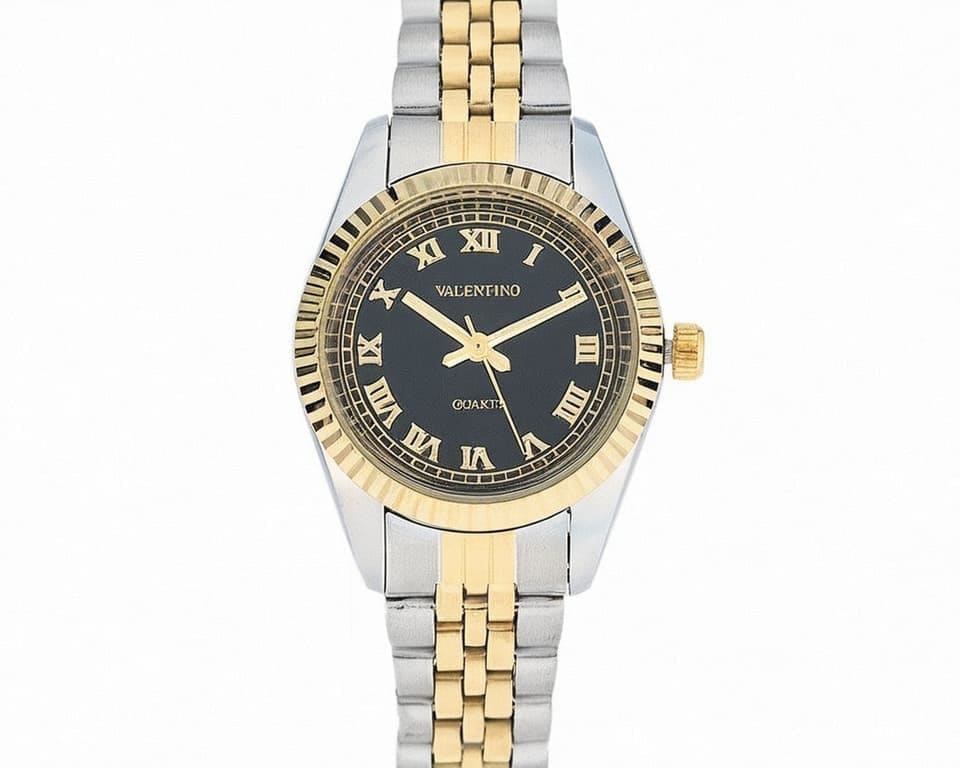
Valentino watches rank among the poorest performers in the luxury timepiece investment landscape, showing steep depreciation curves and minimal secondary market support that makes them suitable only as personal enjoyment purchases rather than financial assets. The combination of discontinued luxury production from the fashion house, fragmented brand identity across multiple unrelated manufacturers, and fundamental market preference for traditional horological brands over fashion house watches creates a perfect storm of factors that destroy value retention. Anyone considering a Valentino watch as an investment vehicle rather than a wearable accessory will face disappointment, as these timepieces follow fashion accessory depreciation patterns rather than the value curves of collectible watches from established manufacturers.
- Vintage Valentino Timeless pieces have already absorbed their steepest depreciation, losing 50-70% of original retail values in the years following the line’s 2011 discontinuation. A chronograph originally priced at $3,500 might now sell for $1,000-$1,500 in excellent condition with full documentation, while simpler three-hand models that retailed around $1,500 now trade for $500-$800. These depreciation rates far exceed typical luxury watch performance, where established Swiss brands often retain 60-80% of retail value even for entry-level models. The silver lining is that current secondary market prices have largely stabilized, as the pieces have reached their baseline value as discontinued fashion house curiosities rather than continuing to plummet.
- Current production Valentino Rudy watches depreciate immediately and catastrophically like all fashion watches, losing 60-80% of retail value the moment they leave the store. A $150 retail fashion watch might resell for $30-$50 in excellent used condition simply because buyers can purchase similar new pieces on sale for comparable prices. This depreciation pattern reflects the reality that fashion watches serve as disposable accessories in most consumers’ minds, replaced frequently as styles change rather than maintained as long-term possessions. Anyone paying full retail for these pieces and expecting to recover meaningful value later operates under fundamental misunderstanding of fashion watch economics.
- No collector community supports Valentino watch values the way dedicated enthusiasts sustain markets for brands like Rolex, Omega, or even successful fashion house watches like Chanel’s J12 collection. Online forums, collector groups, and specialty dealers show minimal interest in Valentino timepieces, viewing them as curiosities from a failed fashion house watch experiment rather than desirable collectibles worth pursuing. This absence of passionate collectors means no competitive bidding drives prices upward, no reference guides document model variations and production numbers, and no community expertise helps authenticate pieces or share service knowledge. Without this ecosystem, watches remain purely functional accessories rather than collectible objects.
- Fashion house watches face inherent market skepticism that luxury watch collectors apply when evaluating brands without horological heritage, and Valentino suffered from this bias even during active production. Traditional watch enthusiasts prioritize mechanical complications, in-house movements, finishing excellence, and manufacturing history spanning decades or centuries—criteria where fashion houses cannot compete against dedicated Swiss manufactures. Chanel succeeded in overcoming this skepticism through decades of consistent high-quality production, significant investment in movement development, and creation of genuinely iconic designs like the J12. Valentino’s brief watch market presence and subsequent exit prevented building similar credibility.
- The brand’s exit from watchmaking eliminated any future catalyst that might generate renewed collector interest or value appreciation for existing pieces. When brands remain active in horology, they can create retrospective interest through anniversary editions referencing vintage models, museum exhibitions showcasing historical pieces, or brand heritage marketing that elevates older products. Valentino Garavani’s complete departure from watches means no such initiatives will emerge, leaving Timeless pieces as orphaned products from a discontinued experiment. The fashion house’s current leadership shows zero interest in watches, focusing entirely on clothing and leather goods where their expertise and market position remain strong.
- Limited production numbers might theoretically support scarcity value, as the Timeless collection sold through only 52 boutiques globally over approximately four years, producing far fewer total pieces than major Swiss brands manufacture annually. However, scarcity only drives value when demand exceeds supply, and Valentino watches suffer from insufficient demand rather than excessive availability. Thousands of potential buyers search daily for vintage Rolex sports models, creating competitive markets where scarcity commands premiums. Minimal buyers actively seek Valentino watches, so the modest production volumes create obscurity rather than desirability.
- Condition and documentation significantly impact resale values for vintage Timeless pieces, though even perfect examples with complete boxes and papers cannot overcome the fundamental market challenges. A pristine Rockstud chronograph with original packaging might command 20-30% more than a worn example without documentation, representing perhaps $300-$500 additional value on a $1,500 watch. This premium reflects buyer confidence in authenticity and reduced service needs rather than collectible status, as even documented pieces remain difficult to resell compared to comparable Swiss watches where buyers queue eagerly. The documentation matters primarily for avoiding the bottom of the value range rather than reaching meaningful premiums.
- Material composition provides modest value floors for Timeless pieces containing precious metals or gemstones, as solid gold cases or genuine diamond settings retain intrinsic material value regardless of brand desirability. A diamond-set ladies’ Timeless watch originally priced at $8,000 might still command $2,000-$3,000 if the diamonds carry legitimate quality and carat weight, even though the watch itself contributes minimal value beyond its materials. Stainless steel models lack even this material value backstop, worth only what fashion-conscious buyers will pay for the specific design and Valentino branding rather than any melt or intrinsic value.
- Comparison with successful fashion house watches reveals what Valentino failed to achieve in building investment credibility or collector support. Chanel’s J12 launched in 2000 and maintained consistent production, quality, and marketing that built genuine collector interest and stable resale values around 50-70% of retail. Hermès watches command strong resale values through exceptional finishing, complicated movements, and positioning as serious horological products rather than fashion accessories. Cartier transcended fashion house origins entirely to become a major watch manufacture with pieces like the Santos and Tank achieving true collectible status. Valentino’s brief market presence and modest horological ambitions never attempted this level of commitment.
- Regional market variations show minimal impact on Valentino watch values, as the brand lacks sufficient international recognition in horology to command premiums in any specific markets. Some fashion house watches perform better in Asian markets where luxury branding often matters more than horological heritage, but Valentino watches show no evidence of this premium. European markets with strong watch collecting traditions demonstrate equally tepid interest, viewing Valentino watches as exactly what they are—discontinued fashion accessories from a clothing brand. The global consensus around minimal investment value means arbitrage opportunities don’t exist across regions.
- Future value prospects remain bleak absent dramatic and unlikely circumstances like Valentino returning to luxury watchmaking and retroactively creating heritage interest, or a major collector discovering the line and generating artificial demand through high-profile acquisitions. The fashion house’s current strategic direction under Alessandro Michele emphasizes core fashion categories, making watch reentry implausible. Collector-driven value spikes require charismatic advocates with deep pockets, and no watch personalities show interest in promoting Valentino pieces. The most realistic scenario involves current secondary market prices persisting indefinitely, with vintage Timeless pieces serving as accessible curiosities for fashion house watch completists rather than appreciation assets.
The investment case for Valentino watches ranges from poor to catastrophic depending on which category you consider, with vintage luxury Timeless pieces having already absorbed most depreciation while current production fashion watches will lose value immediately and dramatically. Buyers should approach any Valentino watch purchase as paying for immediate wearing enjoyment and fashion appeal rather than acquiring an asset with future value potential. The watches function perfectly well as accessories for people who appreciate Italian design aesthetics and fashion house branding, but they fail completely as investment vehicles when compared to traditional watch brands with horological credibility, collector communities, and proven value retention. The honest assessment is that Valentino watches represent wonderful fashion accessories for the right buyer at the right price, and terrible investments for anyone expecting watches to maintain value like jewelry, art, or collectible timepieces from established manufactures with active collector support.
Valentino Watch Maintenance: Service Intervals and Costs
Valentino watches require maintenance approaches that differ significantly from traditional luxury timepieces, primarily because no official manufacturer support exists and most models utilize relatively simple movements that need minimal servicing beyond basic upkeep. The care strategy splits between vintage Valentino Timeless pieces that deserve investment in proper maintenance to preserve their condition and value, versus current production fashion watches where repair costs often exceed replacement prices. Both categories benefit from preventive care that extends lifespan and maintains appearance, but owners must realistically assess whether professional servicing makes financial sense given each watch’s actual value and the availability of replacement parts for discontinued models.
- Daily wearing habits dramatically impact longevity for all Valentino watches, with simple precautions preventing most common damage. Remove the watch before vigorous physical activities, household cleaning with harsh chemicals, or any work involving impacts that could damage cases or crystals. The 3-5 ATM water resistance ratings on most models mean removing watches before showering, swimming, or washing dishes despite marketing language suggesting splash resistance. Perfumes, colognes, and hair products contain alcohol and chemicals that degrade leather straps and can damage case finishes over time, so apply these products before putting on watches and allow them to dry completely.
- Storage conditions affect both mechanical function and aesthetic condition, requiring thoughtful approaches when watches aren’t being worn. Store pieces in cool, dry environments away from direct sunlight that can fade dials and degrade rubber gaskets over time. Watch boxes with individual cushions prevent pieces from scratching each other, while drawer storage requires soft cloth pouches to protect cases and crystals from contact with other items. Avoid storing watches near speakers, magnetic phone chargers, or other strong magnetic sources that can magnetize movements and affect accuracy, though quartz movements show more resistance to magnetization than mechanical alternatives.
- Quartz movement maintenance remains straightforward for the majority of Valentino watches that use battery-powered movements from Swiss or Japanese suppliers. Replace batteries every 2-3 years even if the watch still runs, as dying batteries can leak and damage movement circuits with corrosive chemicals. Battery replacement costs typically range $15-$30 at independent watchmakers or jewelry stores, far less than the $50-$100 that luxury brands charge for the same service. When replacing batteries in vintage Timeless pieces, request simultaneous pressure testing to verify water resistance remains intact, adding approximately $30-$50 to service costs but preventing expensive water damage from compromised seals.
- Automatic movement servicing applies only to select vintage Timeless models that featured Swiss mechanical movements, requiring complete disassembly, cleaning, lubrication, and reassembly every 5-7 years. These full services cost $300-$600 depending on movement complexity and watchmaker rates, representing substantial investment for watches worth $1,000-$2,000 in the current secondary market. Independent watchmakers can handle standard Swiss movements found in Timeless pieces, as these used off-the-shelf calibers from established suppliers rather than proprietary Valentino movements requiring specialized training. However, finding replacement parts for specific movement complications or damaged components may prove difficult or impossible given the line’s discontinuation.
- Crystal replacement becomes necessary when scratches impair legibility or cracks compromise water resistance, with costs and complexity varying dramatically between mineral and sapphire crystals. Mineral crystals on current production fashion watches scratch relatively easily but cost only $30-$75 to replace at independent watch repair shops. Sapphire crystals on vintage Timeless pieces resist scratching but can crack from impacts, requiring replacements costing $150-$300 plus labor due to material expenses and precision fitting requirements. Deep scratches on sapphire can sometimes be polished out by professional watchmakers using diamond compound, though this reduces crystal thickness and should be done sparingly.
- Case and bracelet maintenance preserves aesthetic appeal through regular cleaning and occasional professional refinishing when wear becomes noticeable. Clean stainless steel cases and bracelets with soft cloths dampened with mild soap and water, drying thoroughly to prevent water spots and corrosion. Polished surfaces show scratches more readily than brushed finishes, developing patina over time that some owners appreciate while others find unacceptable. Professional case refinishing costs $150-$400 depending on case complexity and desired finish restoration, using polishing compounds and brushing techniques to restore original appearance. However, refinishing removes microscopic amounts of metal and should be done judiciously, perhaps once every 5-10 years rather than after every minor scratch.
- Leather strap care extends lifespan of the Italian leather bands that came standard on many Timeless dress watches and current fashion models. Keep leather straps dry, removing watches before water exposure and allowing straps to dry completely if they get damp before wearing again. Leather conditioners designed specifically for watch straps can prevent cracking and maintain suppleness, applied sparingly every few months with excess wiped away to prevent residue buildup. Despite best care, leather straps remain consumable items lasting typically 1-3 years with regular wear before requiring replacement. Replacement straps from third-party suppliers cost $20-$100 depending on quality, as original Valentino straps are no longer available for discontinued models.
- Water resistance testing becomes critical for any watch exposed to moisture, especially vintage Timeless pieces where gasket deterioration over 13+ years has likely compromised original specifications. Professional pressure testing costs $30-$60 and reveals whether seals require replacement before water exposure risks expensive movement damage. Complete seal service including crown gasket, caseback gasket, and crystal gasket replacement costs $80-$150 depending on case construction and parts availability. For fashion watches worth under $100, seal service often exceeds the watch’s replacement cost, making water avoidance more economical than professional weatherproofing.
- Third-party service providers handle all Valentino watch maintenance since no official brand service centers exist following the fashion house’s watchmaking exit. Watch Repairs USA has emerged as a primary service option, employing Swiss-trained watchmakers who provide one-year warranties on repair work with free insured shipping. Independent local watchmakers can handle routine maintenance like battery changes and basic repairs, though their familiarity with specific Valentino models varies. Always request detailed service estimates before authorizing work, as labor rates vary widely from $50-$150 per hour depending on watchmaker expertise and location.
- Parts availability challenges plague vintage Timeless repairs when components beyond standard movements require replacement, as Valentino maintains no parts inventory for discontinued watches and Timex Group no longer supports the collaboration. Standard components like crowns, pushers, and standard movement parts can sometimes be sourced from generic suppliers or harvested from donor watches, but proprietary elements like specific dial designs, branded buckles, or custom case components may be impossible to replace. Before purchasing vintage Timeless pieces with damage or missing parts, research whether components can actually be sourced, as some watches may be unrepairable regardless of service budget.
- Cost-benefit analysis should guide maintenance decisions, particularly for lower-value fashion watches where repair costs quickly exceed replacement prices. Spending $200 on battery replacement, seal service, and crystal repair makes sense for a vintage Timeless chronograph worth $1,500, but the same service costs dwarf the $80 value of a used Valentino Rudy fashion watch. When professional service estimates approach or exceed a watch’s actual value, consider whether you love the specific piece enough to justify the expense, or whether replacing it with a similar model makes more financial sense. Sentimental attachment often justifies economically questionable repairs, but approach these decisions with clear understanding of costs versus value.
- DIY maintenance remains limited to basic cleaning and strap changes for owners lacking watchmaking skills and proper tools, as opening watch cases risks dust contamination, gasket damage, and voided warranties on any remaining coverage. YouTube tutorials demonstrate battery replacement techniques, but moisture exposure from compromised seals often causes damage exceeding DIY savings. Strap changes using spring bar tools cost under $15 in tools and allow owners to customize looks with aftermarket options, providing visible personalization without risk to watch internals. Polishing cloths and microfiber cleaning cloths enable safe external cleaning without professional intervention.
Valentino watch care ultimately balances proper maintenance to preserve condition and function against realistic assessment of each watch’s actual value and repair economics. Vintage Timeless pieces worth hundreds or thousands of dollars justify professional servicing, careful storage, and preventive maintenance that extends their lifespan as discontinued luxury accessories. Current production fashion watches require minimal maintenance beyond battery changes and basic cleaning, with repair decisions favoring replacement when costs exceed the watch’s modest value. Both categories benefit enormously from simple preventive care including appropriate storage, avoiding water and chemical exposure, and gentle handling that prevents damage requiring expensive professional intervention. The absence of official manufacturer support means all Valentino watch owners rely entirely on independent watchmakers and their own diligence to keep these timepieces functioning, making informed maintenance decisions critical for long-term satisfaction with these fashion-oriented accessories.
Frequently Asked Questions About Valentino Watches
If you’re considering buying a Valentino watch or already own one, you probably have questions that are surprisingly hard to answer. The Valentino watch market is unlike any other luxury brand because multiple unrelated companies produce watches under similar names, the original fashion house stopped making watches over a decade ago, and reliable information remains scarce online. Whether you’re trying to figure out if your watch is authentic, wondering why you can’t find official service centers, or simply curious about what you actually own, these answers address the most common questions that Valentino watch owners and prospective buyers ask.
Are Valentino watches Swiss made?
It depends on which Valentino made the watch. Vintage Valentino Timeless pieces from 2007-2011 featured genuine Swiss manufacturing with movements from suppliers like Ronda and legitimately carried “Swiss Made” designations. Current production watches from Valentino Rudy typically use Japanese quartz movements in cases manufactured in Asia with no Swiss credentials. You must verify the specific manufacturer and model to determine actual origin.
What is the warranty period for Valentino watches?
There’s no universal warranty since multiple manufacturers produce Valentino watches. Vintage Timeless pieces originally came with two-year warranties from Timex Group, but these expired over a decade ago. Current Valentino Rudy watches typically include one-year manufacturer warranties when purchased from authorized dealers, though terms vary by region. Gray market or secondary market purchases usually void any manufacturer coverage.
How can I verify my Valentino watch is authentic?
For vintage Timeless pieces, check for “Produced by Timex Group” engravings on the caseback, Swiss movement markings, and original boxes displaying Timex Group branding. Current Valentino Rudy pieces should display that company’s specific branding with model numbers matching their catalog. Professional authentication services charge $30-$60 for expert verification. The most common mistake is assuming all “Valentino watches” come from the luxury fashion house when most originate from independent manufacturers.
Do Valentino watches hold their value?
No, Valentino watches perform poorly for value retention. Vintage Timeless pieces have lost 50-70% of original retail values—a $3,500 chronograph from 2009 might sell for $1,200 today. Current production fashion watches depreciate 60-80% immediately after purchase. Buy Valentino watches only for immediate wearing pleasure, not financial returns.
Where can I get my Valentino watch serviced?
No official Valentino service network exists. Independent watch repair specialists like Watch Repairs USA handle all servicing including battery replacement ($15-$30) and movement service. Local independent watchmakers can service the standard movements found in most Valentino watches. Service costs range from basic battery changes to $300-$600 for complete automatic movement overhauls.
What makes Valentino watches different from other fashion watches?
Vintage Timeless pieces represented genuine luxury horology with Swiss manufacturing, quality movements, and sapphire crystals that justified $1,000-$15,000 prices. Current production watches from Valentino Rudy operate in the affordable accessories category ($50-$200) with Japanese quartz movements. Both categories emphasize Italian design sensibility and fashion coordination over horological complications.
Are Valentino watches suitable for daily wear?
Yes, with appropriate expectations. The quartz movements provide reliable timekeeping without daily winding. However, the 3-5 ATM water resistance means removing watches before showers or swimming. They suit office environments and formal occasions but lack robustness for active sports or rough manual work. Leather straps require replacement after 1-3 years of daily wear.
How often should I service my Valentino watch?
Quartz models need battery replacement every 2-3 years to prevent leakage damage, plus seal replacement every 5-7 years if water resistance matters. The few vintage Timeless pieces with automatic movements require complete service every 5-7 years. Chronographs need service every 4-5 years. Annual visual inspection helps catch problems early.
Can I swim with my Valentino watch?
No, swimming is strongly discouraged. Virtually all Valentino watches carry only 3-5 ATM ratings suitable for splash resistance, not actual swimming. Vintage Timeless pieces over a decade old almost certainly have compromised seals without professional testing. Remove Valentino watches before any swimming, showering, or water activities to avoid expensive water damage repairs.
What battery does my Valentino watch need?
Battery types vary across models, with most using standard sizes like 371, 377, or 394. Rather than attempting DIY replacement, take watches to independent watchmakers or jewelry stores for $15-$30 battery service. They can safely identify correct batteries and properly reseat gaskets to maintain water resistance. The modest cost makes DIY attempts unnecessary and risky.
These answers should help you navigate the confusing Valentino watch landscape, whether you’re shopping for your first piece or trying to care for one you already own. The key takeaway is that “Valentino watch” doesn’t mean one thing—it encompasses everything from discontinued luxury Swiss timepieces to current affordable fashion accessories, and knowing the difference makes all the difference in setting appropriate expectations and making smart decisions.
Conclusion
The story of Valentino watches represents one of luxury fashion’s most confusing and ultimately unsuccessful ventures into horology, leaving behind a fragmented marketplace where multiple unrelated manufacturers use variations of the same prestigious name. The luxury fashion house Valentino Garavani created genuinely respectable timepieces through their Timeless partnership with Timex Group from 2007-2011, featuring Swiss manufacturing, quality movements, and design integration worthy of the brand’s fashion legacy. However, the partnership’s dissolution and the brand’s complete exit from watchmaking means those legitimate luxury pieces exist only as vintage finds on secondary markets. Meanwhile, current production “Valentino watches” come from independent companies like Valentino Rudy operating in the affordable fashion accessory category with no connection to the prestigious fashion house.
Understanding which Valentino manufactured any particular watch stands as the single most critical factor in making informed purchase decisions, as the quality, positioning, and value propositions differ dramatically between luxury fashion house products and budget fashion watches sharing similar branding. Vintage Timeless pieces deserve consideration from buyers specifically interested in fashion house horology or Valentino brand enthusiasts seeking legitimate luxury accessories from the brand’s brief watch experiment. Current production fashion watches from Valentino Rudy serve buyers seeking affordable Italian styling for casual wear, provided expectations align with fashion accessory price points rather than luxury timepiece standards. Neither category competes successfully with dedicated watch brands when evaluated on horological merit, investment potential, or technical innovation.
The Valentino watch landscape will likely remain fragmented and confusing for the foreseeable future, as the fashion house shows no indication of returning to watchmaking while independent manufacturers continue producing pieces under the Valentino name through legitimate trademark agreements. Buyers willing to invest research time distinguishing between manufacturers, authenticating specific pieces, and setting realistic expectations can find exactly what they seek. However, anyone expecting straightforward luxury watch purchasing experiences, manufacturer support networks, or value retention comparable to established watch brands will face disappointment with this discontinued and complicated brand landscape.