Hermès watches represent a unique intersection where haute couture meets haute horlogerie, creating timepieces that look and feel distinctly different from traditional Swiss luxury watches. While most people know Hermès for their iconic Birkin bags, silk scarves, and equestrian-inspired fashion, the French luxury house has been quietly building a serious watchmaking reputation for nearly a century. Unlike many fashion brands that simply license their names to external manufacturers, Hermès has invested heavily in Swiss watchmaking infrastructure, acquiring movement makers, dial specialists, and case producers to create genuine horological pieces rather than mere accessories. Their watches showcase the same meticulous craftsmanship and timeless elegance that define every Hermès creation, from hand-stitched leather straps made in their dedicated workshop to innovative complications that prioritize playful creativity over pure technical achievement. What sets Hermès apart is their design-first philosophy that starts with beautiful forms and proportions rather than conventional approaches, producing watches with distinctive character that appeal to people wanting something more interesting than another derivative luxury timepiece.
The Story Behind Hermès Watchmaking
Hermès’ journey into watchmaking is a story of patience, craftsmanship, and gradual evolution rather than sudden ambition. The brand’s connection to timekeeping began organically in the early 1900s, rooted in their expertise with leather rather than mechanics. What started as creating elegant watch straps for pocket watches has transformed into a fully integrated watchmaking operation that rivals many traditional Swiss watch houses. Unlike fashion brands that rushed into watches as mere accessories, Hermès spent decades learning, partnering, and building expertise before truly committing to horology. This measured approach reflects the brand’s core philosophy: time is not an enemy but a contributor to creation, and every Hermès object should be worthy of transmission across generations.
- Thierry Hermès opened his first workshop in Paris on Rue Basses-Perches in 1837, specializing in crafting harnesses and bridles for wealthy European horse owners during an era when carriages ruled city streets. His reputation grew rapidly among Parisian aristocracy who valued quality craftsmanship and durability in their equestrian equipment. The skills developed making saddles and leather goods would later influence how the brand approached watch design, with references to stirrups, horse imagery, and precise stitching methods appearing in their timepieces more than a century later.
- In 1912, Jacqueline Hermès was photographed wearing her father Émile’s pocket watch strapped to her wrist using a specially designed leather band he created for her convenience. This “porte-oignon” bracelet showed how a skilled leather craftsman could turn a traditional pocket timepiece into something more practical for modern life. The innovation happened well before wristwatches became common, proving the family had an instinct for seeing where fashion and function would intersect years ahead of the mainstream market.
- The famous Hermès store at 24 Rue du Faubourg Saint-Honoré began selling watches under their own name in 1928, though the mechanical movements inside came from respected Swiss makers like Movado. Hermès focused on what they knew best—beautiful design and impeccable leather straps—while relying on established experts for the complex inner workings. That same year they introduced the Ermeto, a clever travel watch that folded shut like a compact and opened to display the time, showing early interest in reimagining what a watch could look like beyond standard round cases.
- From the 1930s through the 1970s, Hermès built relationships with some of Switzerland’s most legendary watchmakers including Jaeger-LeCoultre, Universal Genève, Vacheron Constantin, Patek Philippe, and Rolex. These partnerships produced watches carrying both the Swiss manufacturer’s name and Hermès branding on the dial, creating pieces that collectors actively hunt for today. The Paris boutique became a destination where these prestigious brands displayed their finest work, with Hermès often adding custom dial designs or specially crafted leather straps that made each piece unique.
- This four-decade period served as an extended education in Swiss watchmaking for Hermès, allowing them to study what separated exceptional timepieces from ordinary ones without the pressure of manufacturing everything themselves. They learned about movement quality, case finishing, water resistance, and the countless details that determine whether a watch lasts one generation or five. This patient apprenticeship meant that when they eventually opened their own production facilities, they already knew the standards they needed to meet.
- Jean-Louis Dumas, representing the fifth generation of the Hermès family, made a pivotal decision in 1978 to establish La Montre Hermès SA in Bienne, Switzerland, right in the center of the country’s watchmaking region. This wasn’t just a retail operation but an actual production facility where Hermès would assemble and create their own watch collections. The Arceau debuted that same year with asymmetric lugs shaped like stirrups, creating a visual link to the company’s saddlery roots while offering something different from the countless round dress watches flooding the market.
- Dumas noticed that most watch companies in the 1970s designed their products exclusively for men and marketed them that way too, ignoring half the potential audience. He pushed Hermès to create watches with proportions, aesthetics, and sizes that worked equally well for women, decades before “unisex” became a buzzword in the watch industry. This insight came naturally to someone running a fashion house rather than a traditional Swiss manufacturer, and it helped Hermès appeal to customers who wanted elegance without overtly masculine or feminine styling.
- The Clipper collection launched in 1981 with a distinctive porthole-shaped bezel that referenced ship windows and nautical exploration, adding a sportier option to the refined Arceau. Ten years later, the Cape Cod arrived with its unusual rectangular case featuring soft rounded edges and chain-link details inspired by anchors, blending maritime themes with sophisticated elegance suitable for business settings. The Medor came in 1993 covered in pyramid studs borrowed from Hermès leather cuff bracelets, while 1997 brought the H-Hour with its own distinct personality.
- In 1998, Hermès introduced a double-wrap leather strap on the Cape Cod that let the band circle the wrist twice instead of once, creating a layered appearance nobody had really explored before. This simple innovation became one of their most copied design elements, proving that Hermès could bring genuinely new ideas to watchmaking rather than just repackaging existing concepts with luxury branding. The double-tour strap perfectly demonstrated why having master leather artisans in-house gave them advantages traditional watch companies couldn’t match.
- The Dressage watch appeared in 2003 powered by a movement from Vaucher Manufacture Fleurier, marking a shift in how Hermès approached the mechanical heart of their watches. Instead of buying standard movements available to any brand, they began working directly with Vaucher to develop calibers tailored specifically for their designs. This meant they could request custom dimensions, specific finishing styles, and unique complications rather than adapting their watch cases around whatever movements happened to be available on the open market.
- Hermès purchased a 25% ownership stake in Vaucher Manufacture Fleurier in 2006 for roughly 25 million Swiss francs, securing guaranteed access to one of Switzerland’s finest independent movement producers. Vaucher had built a reputation for making complicated, beautifully finished calibers for several prestigious brands, and owning part of the company meant Hermès could influence development priorities and ensure they’d never be left without movement supply during shortages. This was a major financial commitment that signaled serious long-term intentions in watchmaking.
- That same year, Hermès opened a workshop dedicated entirely to making leather watch straps at their Brügg facility, becoming the only watch brand manufacturing their own leather bands completely in-house from raw material to finished product. Every other company either bought straps from specialized suppliers or outsourced production to contractors. By bringing this work inside, Hermès could apply the same leather selection standards and construction techniques used for their $10,000 handbags to their watch straps, while designing strap styles that external suppliers would consider too complex or time-consuming.
- In 2012, Hermès bought Natéber SA, a dial manufacturer in La Chaux-de-Fonds with expertise in creating the decorative watch faces that serve as the primary visual element owners see every time they check the time. Controlling dial production meant they could experiment with unusual finishes, custom typography, and artistic techniques without depending on suppliers who might consider special requests too expensive or complicated. The following year they acquired Joseph Erard SA, a case maker established in 1880 with deep knowledge of working with steel, gold, titanium, and exotic metals like tantalum.
- These purchases gave Hermès direct control over the three most visible components of any watch—the case, dial, and movement—allowing them to maintain consistent quality and integrate design elements across all three parts. They also developed the H1837 and H1912 calibers in 2012, movements designed from scratch specifically for Hermès rather than modified versions of existing Swiss calibers. These in-house movements proved Hermès had developed genuine technical capability beyond simply assembling purchased parts into attractive packages.
- The case and dial operations merged into a single facility in Le Noirmont in 2017, renamed Les Ateliers d’Hermès Horloger to reflect the unified approach to production. This 2,000 square-meter building combines modern computer-controlled machines with traditional workshops where artisans practice leather marquetry—cutting tiny leather pieces and assembling them into intricate patterns—and leather mosaic work that no other watch company attempts. The facility was built following environmental sustainability principles, reflecting Hermès’ view that quality manufacturing should consider long-term impact.
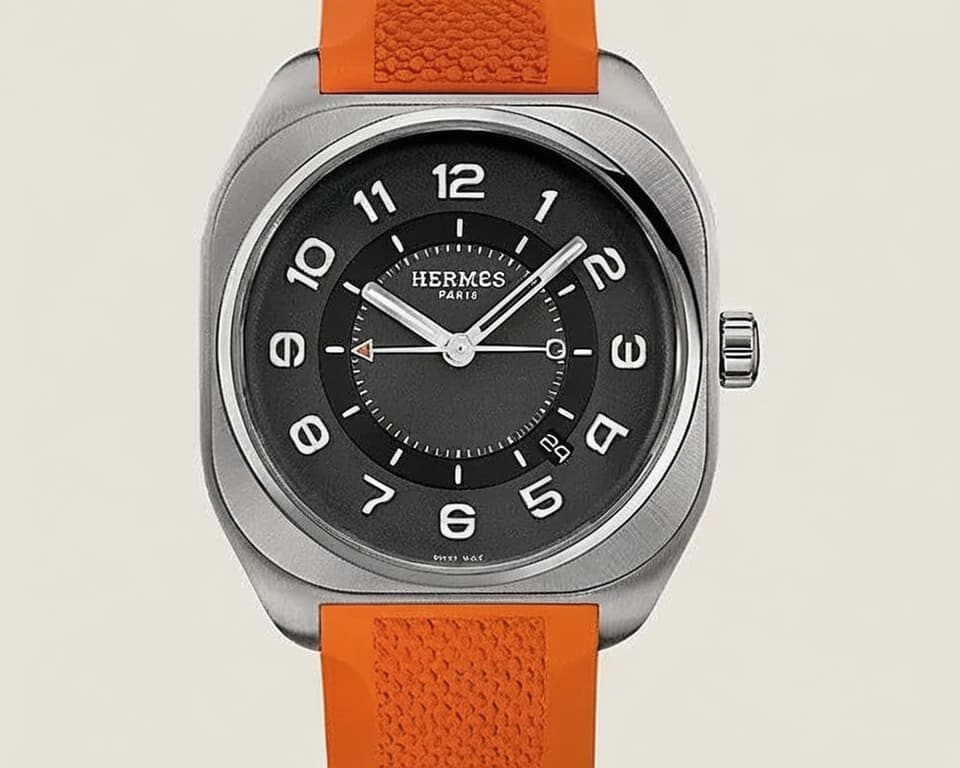
- The H08 launched at Watches & Wonders 2021 as Hermès’ first serious sports watch, featuring an integrated bracelet, angular titanium case, and the H1912 movement inside. This represented a bold move into a category dominated by brands like Audemars Piguet, Patek Philippe, and Vacheron Constantin with their famous sports models. The H08 showed that Hermès could design technical sports watches that appealed to serious collectors, not just elegant dress pieces for fashion-conscious buyers.
- Hermès has won three Grand Prix d’Horlogerie de Genève awards, which function as the watch industry’s equivalent of the Oscars with juries of experts, collectors, and journalists judging the year’s best timepieces. The Arceau Le Temps Suspendu took the Men’s Watch Prize in 2011 for its innovative complication that literally pauses time display on command. The Slim d’Hermès Quantième Perpétuel won the Calendar Watch Prize in 2015 for fitting a perpetual calendar into an ultra-thin case. The Arceau Robe du Soir earned the Artistic Crafts Watch Prize in 2018 for extraordinary leather marquetry work on the dial.
- Membership in the Fondation de la Haute Horlogerie placed Hermès alongside pure watchmaking houses like Vacheron Constantin, A. Lange & Söhne, and Jaeger-LeCoultre in an organization dedicated to promoting fine watchmaking. This recognition acknowledged that Hermès had evolved beyond being a fashion brand making accessories and earned respect as a legitimate manufacturer capable of haute horlogerie—the highest level of watchmaking involving complicated mechanisms and exceptional hand-finishing.
- Plans announced in 2025 will expand the Le Noirmont facility substantially, nearly doubling the number of people working there by 2027 or 2028 despite economic uncertainty affecting the broader watch industry. This major investment shows confidence that demand for Hermès watches will continue growing and that maintaining in-house production capacity matters more than short-term cost savings from outsourcing. The expansion will enable more complex complications and artistic dial work while keeping production numbers relatively limited compared to mass-market brands.
- Modern Hermès operates two main Swiss facilities: Brügg handles final watch assembly and houses the leather strap workshop, while Le Noirmont produces cases and dials using both traditional hand techniques and modern machinery. Movement manufacturing happens at Vaucher Manufacture Fleurier under close collaboration with Hermès designers and engineers. Watches account for roughly 4% of total company revenue, far less than leather goods or fashion, but the division carries outsized importance for demonstrating Hermès’ commitment to craftsmanship across every category.
The brand’s approach to watchmaking mirrors how they built their reputation in other fields—slowly, carefully, and without compromise on quality or craftsmanship. Rather than rushing to compete with established Swiss brands or simply licensing their name to outside manufacturers like many fashion houses do, Hermès invested decades learning the craft, acquiring the necessary expertise and facilities, and building respect within the traditional watchmaking community. This patient strategy has produced a watchmaking division that serious collectors take seriously while maintaining the distinctive aesthetic sensibility that makes Hermès products instantly recognizable across all categories.
What Makes Hermès Watches Different and Unique
Hermès watches occupy an unusual space in the luxury watch world because they approach timekeeping from a completely different angle than traditional Swiss manufacturers. Most watch brands start with technical specifications and movement complications, then wrap those mechanics in attractive cases. Hermès reverses this process, beginning with form, aesthetics, and how the watch relates to the person wearing it, then finding or developing movements that serve those design goals. This fashion-house mentality produces watches that look and feel distinct from conventional luxury timepieces, offering something genuinely different for people who want more than another derivative sports watch or dress watch. Their unique position as a heritage luxury brand with deep manufacturing capabilities in multiple crafts creates advantages no pure watch company can replicate.
- Hermès treats watches as objects to appreciate rather than instruments to obsess over, reflected in their philosophy that time should enhance life rather than dominate it. This shows up in playful complications like the Arceau Le Temps Suspendu that literally pauses the time display, or the Dressage L’Heure Masquée that hides the hour hand until you press a button. These features serve no practical purpose for measuring time more accurately but make interacting with the watch more engaging and personal, prioritizing emotional connection over pure functionality.
- The design process at Hermès starts with shape and proportion rather than movement selection, which explains why their watches feature such distinctive case forms. The Arceau’s asymmetric lugs, the Cape Cod’s rounded rectangle, the Carré H’s bold square, and the H08’s angular geometry all came from designers asking what shapes would look beautiful and feel comfortable rather than what cases would easily accommodate standard Swiss movements. This sometimes requires custom movement development or creative engineering solutions, but it ensures every watch has visual character.
- Leather craftsmanship sets Hermès watches apart more dramatically than any complication or precious metal ever could, because they’re the only manufacturer making their own straps completely in-house using techniques developed over 180+ years of leather goods production. The same artisans who craft $20,000 handbags apply identical quality standards to watch straps, selecting premium hides, using saddle-stitch methods that hand-sew every seam, and finishing edges with techniques most strap suppliers consider too labor-intensive. The result is straps that feel noticeably more supple and luxurious than typical watch bands.
- The double-tour and single-tour leather straps Hermès developed have become signature elements recognized even by people who know nothing about watches. These aren’t simple leather bands with buckles but carefully engineered systems that wrap around the wrist in specific ways, creating distinctive visual profiles. The leather selection includes exotic skins like alligator, crocodile, and ostrich in colors you’ll never find from other watch brands, because Hermès can draw from the same leather library used for their Kelly bags and Birkin bags.
- Swiss-made movements power every Hermès mechanical watch, with the brand using a smart combination of in-house calibers, Vaucher-manufactured movements developed specifically for them, and carefully selected Swiss movements from established suppliers. The H1912 and H1837 calibers represent true in-house development with custom architecture, finishing, and decorations. Other models use Vaucher movements modified to Hermès specifications with branded rotors and specific finishing patterns. Some simpler models contain reliable Swiss movements that free up resources for more complicated pieces.
- Movement finishing on higher-end Hermès watches includes Geneva striping, perlage, beveled edges, and polished screw heads executed to standards expected in haute horlogerie, visible through sapphire casebacks on many models. The automatic rotor typically features Hermès branding and often incorporates the “H” logo or stirrup motif executed in fine detail. While purists might argue about whether Hermès movements match the absolute finest from Patek Philippe or Vacheron Constantin, the finishing quality clearly exceeds what most brands offer at comparable prices.
- Dial design showcases Hermès’ graphic design heritage with custom typography, unusual number placements, and artistic elements that break conventions most Swiss brands follow religiously. The Slim d’Hermès features elongated numerals in a custom font that wouldn’t look appropriate on a Rolex or Omega but perfectly captures Hermès’ elegant aesthetic. Some models place numbers only at 12, 3, 6, and 9 o’clock or use Roman numerals in unexpected ways. The graphic choices always prioritize beauty and readability over tradition.
- Artistic métiers appear on Hermès dials more than any other watch brand, with techniques like leather marquetry, leather mosaic, miniature painting, and decorative enameling transforming watch faces into tiny artworks. The leather marquetry process involves cutting dozens or hundreds of tiny leather pieces and assembling them into intricate patterns directly on the dial, creating three-dimensional texture no other manufacturer attempts. These artistic dials typically appear in limited editions and command premium prices, but they demonstrate capabilities that pure watch companies simply don’t possess.
- Case finishing receives the same attention Hermès applies to all their metal goods, with carefully executed brushing, polishing, and mixed finishes that create visual interest across different surfaces. The brand works with steel, rose gold, white gold, yellow gold, titanium, and occasionally exotic materials, always focusing on how the metal feels against skin and how light plays across different surface treatments. Cases tend toward elegant proportions rather than oversized dimensions, with most models sized appropriately for both men and women rather than targeting one gender exclusively.
- Production numbers remain relatively limited compared to mainstream luxury brands, though Hermès doesn’t publish exact figures. The expanded Le Noirmont facility will increase capacity but the brand has no interest in producing hundreds of thousands of watches annually like Omega or Breitling. This measured approach maintains exclusivity while ensuring quality control standards don’t slip as volume increases. You’re far less likely to see someone else wearing the same Hermès watch as you than if you bought a Submariner or Speedmaster.
- Hermès watches bridge the gap between fashion watches and serious horology in ways few other brands manage successfully. They satisfy people who want legitimate Swiss manufacturing and quality movements but don’t want to look like every other watch collector wearing the same predictable luxury sports watches. At the same time, they appeal to Hermès customers who already own the bags, scarves, and clothing but want accessories that share the same aesthetic language and quality philosophy.
- The brand belongs to Fondation de la Haute Horlogerie alongside pure watchmakers, has won multiple GPHG awards for both technical and artistic achievements, and earns respect from serious collectors who initially dismissed them as just another fashion brand. This recognition came from consistent quality, genuine innovation in complications and materials, and a willingness to invest in manufacturing capabilities rather than just assembling purchased components. Hermès proved that a fashion house could make real watches if they committed resources and respected the craft.
- Gender-neutral sizing and design has been part of Hermès’ DNA since the 1970s, long before other brands started talking about unisex watches. Most models come in multiple sizes that work for different wrist sizes rather than being designated “men’s” or “women’s” models. A man can wear a Cape Cod or Arceau without it feeling feminine, and a woman can wear an H08 or Slim d’Hermès without it overwhelming her wrist. This flexibility comes from starting with good proportions rather than defaulting to oversized “masculine” or tiny “feminine” dimensions.
- The brand’s equestrian heritage appears subtly throughout the collections through stirrup-shaped lugs, horse imagery on dials, saddle-leather strap options, and design elements borrowed from bridles and harnesses. These references never feel heavy-handed or costume-like but create visual connections to Hermès’ origins that customers familiar with the brand recognize immediately. It’s similar to how Hermès silk scarves reference equestrian themes without literally depicting horses on every design.
- Hermès takes an artistic rather than technical approach to complications, preferring unusual displays and creative interpretations over cramming maximum functionality into each watch. The Galop d’Hermès uses a jumping hour display where the hour appears in a window rather than on a traditional hand, creating visual interest and connecting to the idea of a horse’s galloping motion. The Arceau Le Temps Voyageur shows two time zones using a clever display that looks nothing like typical GMT watches. These complications work perfectly well but prioritize aesthetics and personality over pure utility.
- Service and parts availability benefit from Hermès’ strong retail presence and commitment to supporting their products long-term. The brand maintains service centers in major markets and works with authorized service partners who receive training and parts support. Because Hermès views their watches as objects worthy of generational transmission, they maintain parts stocks and technical documentation to repair watches decades after production ends, similar to how they’ll refurbish and repair vintage leather goods for customers.
- Price positioning places most Hermès watches between $3,000 and $50,000, occupying territory where they compete with brands like Cartier, Jaeger-LeCoultre, and Zenith rather than Rolex or Patek Philippe. This pricing reflects legitimate Swiss manufacturing and quality materials while remaining more accessible than ultra-luxury sports watches that have climbed to absurd price levels. You’re paying for genuine craftsmanship and unique design rather than purely for investment potential or brand prestige.
- The watches feel unmistakably like Hermès products in the same way their bags, scarves, and fashion do, with a consistent aesthetic language spanning all categories. Someone who loves Hermès’ approach to leather goods, color, proportion, and understated elegance will recognize those same values in the watches. This coherence across product categories is rare in luxury—many brands that make both fashion and watches produce items that seem to come from completely different companies.
What makes Hermès watches special ultimately comes down to perspective and priorities. If you want maximum brand recognition, absolute investment potential, or watches covered in complications to impress other collectors, traditional Swiss brands might suit you better. But if you value distinctive design, exceptional leather craftsmanship, artistic dials, and watches that don’t look like everything else at the luxury watch boutique, Hermès offers something genuinely different. They succeeded in becoming legitimate watchmakers without losing the design sensibility and craft focus that makes Hermès products special across every category they touch.
Top 10 Best Hermès Watches
Hermès has built an impressive portfolio of watch collections over the past four decades, each with distinct personality and design language. Choosing the best models means balancing iconic status, horological quality, wearability, and value across different price points and styles. These ten watches represent the strongest examples of what Hermès does exceptionally well, from entry-level pieces that introduce the brand’s aesthetic to complicated timepieces that compete with serious haute horlogerie. Whether you prioritize everyday wearability, investment potential, or pure design excellence, this list covers the models most worth considering when exploring Hermès watchmaking.
- Hermès Arceau launched La Montre Hermès in 1978 with distinctive asymmetric lugs shaped like stirrups. The round case comes in sizes from 36mm to 43mm, working for both dressy and casual occasions. Modern versions range from simple three-hand designs to complicated pieces with moon phases, perpetual calendars, and the playful suspended time complication. Movement options include quartz for entry models, Swiss automatic calibers in mid-range pieces, and in-house H1912 or H1837 movements in higher-end versions. Prices start around $3,500 for quartz and climb past $20,000 for complicated gold pieces. The Arceau works perfectly as a first Hermès watch because it captures equestrian heritage while remaining versatile for daily wear.
- Hermès Cape Cod debuted in 1991 and became the best-selling collection thanks to its rectangular case with rounded edges and the revolutionary double-tour strap that wraps twice around the wrist. The case references maritime anchor chains while maintaining elegant proportions. Cases measure from 23mm to 33mm, working beautifully for women and smaller to medium wrists. Most models use quartz movements, keeping prices accessible. Steel cases start around $2,800-$3,500, while rose gold and diamond versions reach $15,000-$25,000. The Cape Cod represents the perfect entry point for someone who wants Hermès aesthetic and leather craftsmanship without spending five figures.
- Hermès H08 launched in 2021 as the first contemporary sports watch with an integrated bracelet, angular titanium case, and 100-meter water resistance. The geometric case features sharp facets while the H-link bracelet flows naturally from the lugs. Inside sits the H1912 automatic movement providing 50 hours of power reserve. The 39mm case works for most wrists without feeling oversized. Prices start around $7,000-$8,000 for steel and climb to $12,000-$15,000 for titanium. The H08 proves Hermès can make technical sports watches that compete with traditional brands while maintaining distinctive design.
- Hermès Slim d’Hermès arrived in 2015 as an ultra-thin dress watch measuring just 6.7mm thick, disappearing under shirt cuffs effortlessly. The minimalist dial features custom elongated numerals in a distinctive font. Cases come in 39.5mm diameter in steel, rose gold, or white gold. Movement options include the ultra-thin H1950 caliber for simple models and complicated versions with perpetual calendars that won GPHG awards. Prices start around $6,000-$7,000 for steel and climb past $30,000 for gold perpetual calendar models. This represents Hermès’ take on classic thin dress watches, prioritizing elegance over complications.
- Hermès Carré H features a bold square case that makes an architectural statement, available in 38mm and smaller sizes. The geometric square shape with straight lugs creates strong visual presence while remaining elegant. Cases come in steel, rose gold, and white gold. Most models use automatic Swiss movements with some quartz versions. Prices typically range from $5,000 to $15,000 depending on materials. The Carré H appeals to people who want something architecturally bold that stands out while maintaining refined aesthetic.
- Hermès Kelly Watch takes inspiration from the legendary Kelly handbag, approaching watchmaking from a jewelry perspective. Small rectangular or square cases feature the iconic padlock design element. Case sizes tend toward smaller dimensions in the 15mm to 25mm range. Most use quartz movements since jewelry-like presence matters more than mechanical complexity. Prices range from around $4,000 for steel to over $30,000 for elaborate gold and diamond pieces. The Kelly Watch targets customers who view watches as jewelry first, valuing design heritage over horological credentials.
- Hermès Clipper debuted in 1981 with a distinctive porthole-shaped bezel inspired by ship windows, offering sports-elegant style. The round case with porthole bezel creates instant recognition. Cases typically measure between 31mm and 36mm with both men’s and women’s sizes available. Most models use quartz movements, though some feature automatic calibers. Prices generally range from $3,000 to $8,000. While Hermès has shifted focus to the H08 for sports watches, the Clipper remains popular in the pre-owned market and occasionally appears in new releases.
- Hermès Nantucket preceded the Cape Cod with a distinctive tonneau (barrel) shape and chain-link lugs that reference anchor chains. The curved rectangular case creates comfortable wrist presence. Cases typically measure around 27mm x 33mm, working for both genders. Most use quartz movements. Prices range from approximately $3,500 to $8,000, while vintage examples have developed collector followings. The Nantucket offers distinctive styling for people who want something recognizably Hermès but less common than bestselling models.
- Hermès Galop d’Hermès features a jumping hour complication where the hour appears in a window rather than on a traditional hand, connecting to the idea of a horse’s galloping motion. The display changes instantly on the hour rather than gradually tracking. Cases come in precious metals around 40-42mm in diameter. Inside sits the H1912 movement or specially modified calibers. Limited production means these rarely appear in regular stock. Prices typically start around $25,000 and climb past $50,000. This represents Hermès taking an artistic approach to complications, creating watches that entertain rather than simply adding functionality.
- Hermès Dressage features an elegant oval case inspired by stirrup shapes, directly connecting to saddlery origins. The elongated oval proportions create distinctive presence while remaining refined. Cases typically measure around 27mm x 40mm. The Dressage became historically significant as the first Hermès watch to use Vaucher movements in 2003. Later versions received the in-house H1837 caliber. Some models feature the L’Heure Masquée complication that hides the hour hand until you press a button. Prices range from approximately $8,000 for steel to over $30,000 for complicated gold pieces.
These ten models represent the core of Hermès watchmaking across different styles, complications, and price points. The Cape Cod and Arceau serve as accessible entry points. The H08 and Slim d’Hermès demonstrate technical credibility in sports and dress categories. The artistic pieces like Galop d’Hermès prove Hermès can compete in haute horlogerie. Every collection brings something distinctive rather than copying what other luxury brands already do, which explains why Hermès has earned respect despite being a relative newcomer compared to centuries-old Swiss manufactures.
How to Choose the Right Hermès Watch for You
Buying a Hermès watch requires different considerations than purchasing from traditional Swiss watch brands because you’re evaluating both horological quality and fashion house aesthetics. The decision involves balancing your budget against the specific features you want, deciding how much technical watchmaking matters versus distinctive design, and determining whether a particular model fits your lifestyle and wardrobe. Hermès offers enough variety across collections and price points that most people can find something appropriate, but the unusual position they occupy between fashion and serious watchmaking means buyers need to think carefully about what they value most. These factors will help narrow down which Hermès watch makes sense for your specific situation and preferences.
- Budget determines which collections and complications become available, with Hermès watches spanning from around $2,800 for basic quartz Cape Cod models up to $50,000 or more for complicated pieces in precious metals with artistic dials. Entry-level options between $3,000-$5,000 include quartz Cape Cod and Arceau models in steel that deliver Hermès design and exceptional leather straps without requiring major financial commitment. Mid-range pieces from $5,000-$15,000 open up automatic movements, larger case sizes, more precious metals, and collections like the H08 or Slim d’Hermès that showcase stronger horological credentials. High-end watches above $15,000 bring in-house movements, complicated functions like perpetual calendars or jumping hours, artistic métiers on dials, and precious metals that position Hermès against serious haute horlogerie brands rather than fashion watch competitors.
- Movement type significantly impacts both price and maintenance requirements, with Hermès offering quartz, automatic, and hand-wound options across their collections. Quartz movements provide maximum accuracy with minimal maintenance beyond battery changes every few years, making them practical choices for people who want reliable timekeeping without service expenses or the ritual of winding. Automatic movements require servicing every 4-6 years at costs typically ranging from $500-$1,500 depending on complexity, but they offer the mechanical experience and craftsmanship that watch enthusiasts value. In-house calibers like the H1912 and H1837 cost more initially but demonstrate Hermès’ serious watchmaking capabilities with custom finishing and decorations visible through sapphire casebacks, appealing to collectors who care about movement provenance.
- Case size and proportions matter enormously for comfort and aesthetics, with Hermès generally favoring elegant dimensions rather than oversized modern trends. Measure your wrist circumference and research how different case diameters look on similar wrist sizes using online photos or trying pieces in boutiques before committing. The Cape Cod’s rectangular cases from 23mm to 29mm work beautifully for smaller to medium wrists, while round Arceau models from 36mm to 43mm accommodate a wider range of sizes. The H08 at 39mm suits people wanting sports watch presence without the 42mm-44mm dimensions that dominate competitor brands. Consider lug-to-lug measurements alongside diameter since rectangular or oval cases wear differently than rounds, and remember that Hermès’ design-first approach means their watches often wear smaller than dimensions suggest.
- Strap options showcase Hermès’ greatest advantage over traditional watch brands, with leather quality and variety that no competitor can match. The double-tour strap on Cape Cod models creates Hermès’ most distinctive look but requires commitment since you can’t easily swap to other straps for different occasions. Single-tour deployant clasps offer more flexibility for changing straps while maintaining security and ease of use. The integrated bracelet on the H08 limits strap variety but suits the sports watch character and eliminates concerns about leather durability during active wear. Consider whether you want the flexibility to own multiple straps in different colors and materials, which Hermès offers in abundance including alligator, crocodile, ostrich, calf leather, and exotic options rarely seen from other brands.
- Intended use determines which collections make practical sense versus serving purely as occasional pieces. Daily wear demands durability, water resistance, and comfortable proportions that work with your typical wardrobe, making steel Arceau or H08 models with sapphire crystals and decent water resistance better choices than delicate dress watches. Dress watches like the Slim d’Hermès shine for formal occasions but their thin cases and minimal water resistance make them impractical for everyday situations involving hand washing, rain, or accidental impacts. The Cape Cod occupies middle ground as dressy enough for professional settings but casual enough for weekend wear, though leather straps require more care than metal bracelets if you lead an active lifestyle.
- Gender and sizing matter less with Hermès than most watch brands since they’ve designed for both men and women since the 1970s, but individual models do skew toward certain wrist sizes. The Cape Cod in smaller 23mm sizes and the Kelly Watch lean feminine without being exclusively women’s pieces, while the H08 and larger Arceau models appeal more to men without being unwearable for women with appropriate wrist sizes. Most collections offer multiple size options that let you choose based on your actual wrist measurements rather than arbitrary gender categories, and the brand’s aesthetic avoids overtly masculine or feminine design elements that limit versatility.
- Water resistance varies dramatically across collections from essentially none on jewelry watches to 100 meters on the H08, requiring honest assessment of your needs. Minimal ratings of 30 meters found on many dress watches only protect against splashes and rain, not swimming or showering. The 50-meter rating on many Arceau and Cape Cod models allows brief water exposure but isn’t suitable for swimming. The H08’s 100-meter rating makes it genuinely swim-safe though not appropriate for diving. Leather straps complicate water resistance since even waterproof cases can’t protect leather from moisture damage, making metal bracelet models more practical if you want actual water-use capability.
- Authentication becomes critical when buying pre-owned or from unauthorized dealers since Hermès’ luxury status makes counterfeiting profitable. Check serial numbers against Hermès records when possible, examine movement finishing quality through casebacks, and verify that leather straps show the exceptional craftsmanship expected from the brand rather than cheap stitching and materials. Authorized dealers provide guarantees against fakes plus full manufacturer warranties, while grey market or private sellers require more careful inspection and offer no warranty support. If a deal seems too good to be true on an expensive Hermès watch, it probably involves a counterfeit or stolen piece.
- Warranty coverage through authorized dealers typically provides two years of protection against manufacturing defects, though this doesn’t cover damage from accidents, water ingress from improper use, or normal wear on straps and crystals. Grey market watches purchased from unauthorized sellers arrive without valid warranties, leaving you responsible for any repair costs that arise. Some people accept this risk for significant price savings, but the lack of warranty support can become expensive if problems develop since Hermès service costs match other luxury brands. Extended warranty options sometimes exist through retailers or third-party insurers, adding protection for longer periods at additional cost.
- Style coherence with your existing wardrobe and other accessories matters more with Hermès than generic luxury watches since their pieces carry such distinctive design language. If you already own and love Hermès scarves, bags, or clothing, their watches will feel like natural extensions of that aesthetic with shared design DNA across categories. If your style leans more conservative or traditional, the bold shapes and playful elements in many Hermès watches might feel too fashion-forward compared to classic Rolex or Omega designs. Consider whether you want a watch that makes a statement through distinctive design or something more understated that won’t draw attention.
- Resale value and collectibility should factor into purchases of expensive watches since you might eventually sell or trade pieces as tastes change. Hermès watches generally don’t hold value as strongly as Rolex, Patek Philippe, or Audemars Piguet sports models that have become investment vehicles, but they depreciate less than most fashion watches. Limited editions featuring artistic dials or unusual complications tend to hold value better than standard production models. The Cape Cod and Arceau have strong secondary markets with established pricing, while newer collections like the H08 haven’t existed long enough to establish clear resale patterns.
- Personal connection to the Hermès brand influences how much satisfaction you’ll derive from ownership beyond pure watch specifications. People who love the fashion house and its heritage will appreciate references to equestrian themes, the exceptional leather quality, and how their watch connects to Hermès’ broader universe of luxury goods. Watch purists focused purely on horological achievement might find better value from brands dedicating all resources to movement development rather than split across multiple craft disciplines. Neither perspective is wrong, but honest self-assessment about what matters most helps avoid buyer’s remorse.
The right Hermès watch depends entirely on your priorities, budget, and lifestyle rather than following any universal hierarchy of best models. Someone wanting daily wear might choose a steel Arceau with automatic movement and sapphire crystal durability, while another person seeking statement jewelry picks a Cape Cod with exotic leather and precious stones. Both choices can be correct for their respective buyers. The key is matching Hermès’ strengths in design and leather craftsmanship with your actual needs rather than buying solely based on brand prestige or following trends that don’t suit your situation.
Where to Buy Authentic Hermès Watches
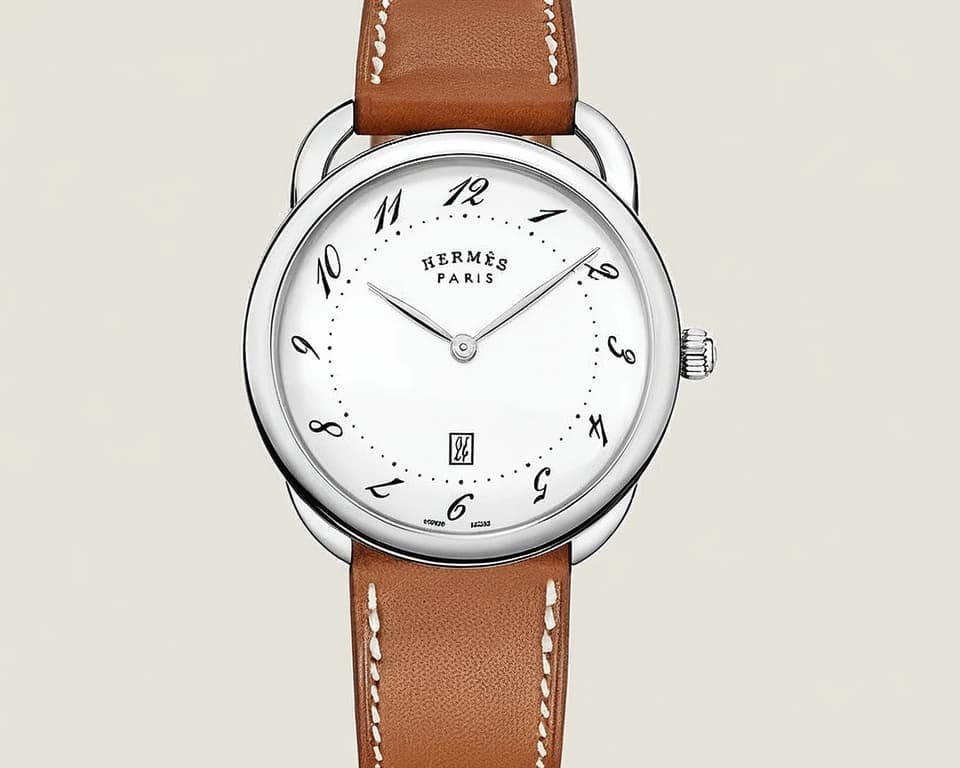
Purchasing a Hermès watch involves choosing between authorized channels that provide full warranty support and peace of mind versus alternative sources that might offer better pricing but come with additional risks. The decision depends on whether you’re buying new or pre-owned, how much you value manufacturer warranty coverage, and your comfort level with authenticating luxury watches independently. Hermès maintains tight control over their authorized retail network compared to some Swiss brands, which affects availability and pricing consistency across different markets. Understanding the advantages and disadvantages of each purchasing channel helps you make informed decisions that balance cost savings against security and support.
- Hermès boutiques represent the most direct purchasing channel, offering the complete current catalog with expert staff who understand the brand’s history and can explain different collections thoroughly. Boutiques exist in major cities worldwide including Paris, New York, London, Tokyo, Hong Kong, and other luxury shopping destinations, typically located in premium retail districts alongside other high-end fashion houses. The shopping experience matches Hermès’ luxury positioning with beautiful store design, attentive service, and the ability to try multiple models and strap combinations before deciding. Prices at boutiques follow manufacturer-suggested retail with no discounting, but you receive full two-year international warranty coverage, authentic documentation, and the satisfaction of buying directly from the source. Staff can often access pieces not displayed on the sales floor and provide information about upcoming releases or limited editions.
- The official Hermès website offers online purchasing for many watch models, allowing you to browse collections, compare specifications, and complete transactions without visiting physical stores. The website provides detailed photography, technical specifications, and sometimes virtual try-on tools that help visualize how different models look on your wrist. Pricing matches boutique retail, and purchases come with full manufacturer warranties and authentic packaging. The main limitation is that you can’t physically handle watches before buying, which makes assessing size, weight, and comfort more difficult compared to in-store trials. Return policies vary by region but typically allow returns within reasonable timeframes if the watch doesn’t meet expectations, though Hermès may charge restocking fees or have stricter policies than general online retailers.
- Authorized watch dealers and department stores carry Hermès watches in some markets, expanding availability beyond dedicated Hermès boutiques. These retailers must meet Hermès’ standards for presentation and service to maintain their authorization, ensuring you receive genuine products with valid warranties. High-end department stores often feature Hermès watch counters with knowledgeable staff and good selection. Authorized dealers sometimes have slight flexibility on pricing during sales events or for established customers, though Hermès maintains stricter price controls than many Swiss brands. Verify that any retailer claiming to be authorized actually appears on Hermès’ official dealer list before purchasing, as some grey market sellers falsely claim authorized status.
- Certified pre-owned dealers specialize in previously owned luxury watches that have been authenticated, serviced if necessary, and sold with some form of dealer warranty. Reputable pre-owned specialists maintain large inventories including Hermès models at prices typically 20-40% below new retail depending on age and condition. These dealers inspect watches thoroughly, guarantee authenticity, and often provide 12-24 month warranties that protect against defects even though manufacturer coverage has expired. Buying certified pre-owned makes sense for discontinued models no longer available new, or when you want to save money while maintaining some warranty protection. The selection can be limited since Hermès produces fewer watches than mass-market brands, so finding specific models in desired conditions requires patience.
- Auction houses occasionally feature Hermès watches in their horological auctions, particularly limited editions, vintage pieces, or watches with artistic dials. Auctions can produce excellent deals when collectors overlook Hermès in favor of more established Swiss brands, but they require understanding bidding processes and buyer’s premiums that add 20-25% to hammer prices. Auction houses authenticate major lots and provide condition reports, but sold items come without warranties and often cannot be returned if you change your mind. This channel works best for experienced collectors seeking specific rare pieces rather than people buying their first Hermès watch, and you typically can’t inspect pieces hands-on before bidding.
- Online watch marketplaces aggregate listings from thousands of dealers and private sellers worldwide, offering extensive selection including current models, discontinued pieces, and vintage Hermès watches. These platforms provide buyer protection programs, escrow services, and dealer ratings that reduce risks compared to completely unprotected private transactions. Prices vary dramatically based on seller type, watch condition, and whether pieces come with boxes and papers, allowing motivated buyers to find deals below retail. Always verify seller ratings, read reviews from previous buyers, and use platform protection services rather than conducting transactions outside the marketplace. Private sellers generally offer better prices than dealers but provide no warranties or return options.
- Grey market dealers operate outside Hermès’ authorized network, sourcing watches through parallel import channels that allow them to undercut official retail prices by 10-30%. These dealers acquire stock through international arbitrage, buying in markets with lower prices and selling in markets with higher retail, or purchasing excess inventory from boutiques and authorized dealers who need to move stock. Watches are genuine and new, but they arrive without valid Hermès warranties since the brand only honors warranties from authorized sellers. Some grey market dealers offer their own warranty coverage, but this relies on the dealer’s longevity and willingness to honor promises years later. This option makes sense for experienced buyers comfortable with authenticity verification who want to save money and don’t value manufacturer warranty coverage.
- International purchasing can provide significant savings when currency exchange rates favor certain markets or when local VAT taxes can be recovered through tourist refund programs. European prices include 20% VAT that tourists from outside the EU can reclaim when leaving the country, effectively discounting purchases substantially. Hermès pricing varies between regions, with some markets notably cheaper than others after accounting for taxes and exchange rates. Factor in the costs and risks of traveling with luxury watches, customs declarations required when returning home, and potential import duties your home country may charge on luxury goods purchased abroad. Some countries have duty-free allowances that let you bring back moderate-value purchases without additional taxes.
- Private sellers offer the lowest prices since individuals selling personal watches don’t need dealer profit margins like businesses do. Prices can be 30-50% below retail for used pieces in good condition, making this attractive for budget-conscious buyers. However, private sales carry maximum risk since you’re relying entirely on the seller’s honesty about condition, authenticity, and service history with no recourse if problems arise after purchase. Meet in person when possible to inspect watches before paying, use payment methods that offer buyer protection, and have watches authenticated by independent watchmakers before completing transactions for expensive pieces. Never wire money directly to private sellers or use payment methods that don’t offer dispute resolution.
- Vintage Hermès watches from the partnership era with brands like Jaeger-LeCoultre and Universal Genève show up regularly at specialized vintage dealers who focus on older timepieces. These watches carry historical significance and often cost less than modern Hermès production while housing high-quality Swiss movements from legendary manufacturers. Vintage buying requires more expertise to assess condition, verify authenticity of both the Hermès branding and the partner movement, and understand that service and parts availability becomes more challenging for 50+ year old watches. Work with reputable vintage specialists who guarantee authenticity and offer return periods rather than buying blind from general antique dealers or estate sales.
- Watch shows and collector events provide opportunities to handle multiple Hermès watches, meet dealers, and sometimes negotiate deals in person. These events attract serious collectors and dealers willing to negotiate more than they might in permanent retail locations, and the concentrated expertise helps with authentication questions and market pricing understanding. Most major cities host periodic watch collector meetups where members buy, sell, and trade pieces in relatively trusted community environments, though you should still exercise caution and verify authenticity independently even in collector-focused settings.
The best purchasing channel depends on your specific priorities regarding price, warranty coverage, selection, and risk tolerance. First-time luxury watch buyers should strongly consider authorized channels that provide full warranties and guaranteed authenticity, accepting higher prices for peace of mind and manufacturer support. Experienced collectors comfortable with authentication can find significant savings through pre-owned dealers, grey market sources, or private sales while understanding the tradeoffs involved. Whatever channel you choose, research market prices thoroughly to ensure you’re paying fair value rather than getting taken advantage of by unscrupulous sellers exploiting information gaps.
Do Hermès Watches Hold Their Value Over Time
Hermès watches occupy an unusual position in the secondary market because they combine fashion house prestige with legitimate Swiss watchmaking, creating value dynamics that differ from both pure fashion watches and established horological brands. Most people shouldn’t buy watches primarily as investments since they’re luxury goods meant for enjoyment rather than financial vehicles, but understanding resale value matters when you might eventually sell or trade pieces. Hermès watches generally hold value better than typical fashion watches from brands like Gucci or Michael Kors, but they don’t command the speculative premiums or strong appreciation seen with Rolex sports models, Patek Philippe complications, or Audemars Piguet Royal Oaks. Realistic expectations about depreciation and collectibility help you make smarter purchasing decisions and avoid disappointment when you eventually sell.
- New Hermès watches typically depreciate 20-40% immediately upon purchase, similar to most luxury goods that lose value the moment they leave the boutique. A Cape Cod purchased new for $4,000 might fetch $2,400-$3,200 in the pre-owned market depending on condition and included accessories, while a $15,000 Arceau with complications could resell for $9,000-$12,000. This initial depreciation reflects the difference between retail prices that include boutique overhead and marketing costs versus secondary market prices based purely on supply and demand. Buyers accepting this value loss get the satisfaction of owning brand new pieces with full warranties, while those focused on value should consider pre-owned purchases that let previous owners absorb the depreciation hit.
- The Cape Cod and Arceau collections maintain the strongest secondary markets due to their long production histories, wide recognition, and substantial numbers in circulation that create liquidity. Buyers and sellers can easily find comparable sales data to establish fair pricing, and the large selection means you’re not waiting months to find interested buyers. Discontinued Cape Cod models from the 1990s and 2000s often sell for less than current production versions despite being older, because collectors generally prefer newer pieces with better condition and remaining service life over vintage examples unless they have special historical significance.
- Limited edition models featuring artistic dials with leather marquetry, enamel work, or miniature painting tend to hold value better than standard production watches because scarcity creates collector interest. An Arceau with intricate leather mosaic work might hold 70-80% of retail value or even appreciate if production numbers were extremely limited and collector demand proves strong. However, predicting which limited editions become truly collectible versus simply being slow sellers with artificial scarcity is nearly impossible at release, making this a risky strategy for investment-focused buyers.
- Hermès watches with in-house movements like the H1912 or H1837 calibers generally depreciate less than quartz or basic automatic models because they demonstrate the brand’s serious watchmaking capabilities. Collectors willing to pay premium prices for Hermès watches care more about horological substance than fashion buyers seeking the brand name, and in-house movements provide that substance. The difference might be 5-10 percentage points of retained value, which adds up on expensive pieces but shouldn’t drive purchasing decisions for people who simply want a watch they’ll enjoy wearing.
- Condition dramatically affects resale value, with pristine unworn pieces commanding near-retail prices while heavily worn watches with scratched cases, damaged dials, or replacement parts sell for 50% less than comparable examples in excellent condition. Keep original boxes, papers, warranty cards, and purchase receipts since “complete set” watches sell for 10-20% more than watch-only examples. Service history documentation showing regular maintenance at authorized service centers adds value by proving the watch was cared for properly. Modifications like aftermarket straps, non-original parts, or amateur repairs destroy value since collectors want original configuration.
- Market timing influences resale values as broader economic conditions and luxury goods demand fluctuate over time. The pre-owned luxury watch market peaked in 2021-2022 when stimulus money and low interest rates pushed prices to unsustainable levels, then corrected significantly in 2023-2024 as inflation and recession fears cooled demand. Hermès watches followed these broader trends though with less volatility than speculative brands like Rolex. Trying to time the market perfectly is futile, but knowing that selling during economic downturns means accepting lower prices helps set realistic expectations.
- Fashion watches from most brands depreciate 50-70% immediately because they’re perceived as overpriced accessories with minimal horological value, making Hermès’ 20-40% depreciation actually quite favorable by comparison. Most fashion house watches lose value more dramatically than Hermès because they haven’t invested in manufacturing capabilities or earned respect from watch collectors. Hermès’ membership in Fondation de la Haute Horlogerie and their GPHG awards distinguish them from pure fashion brands in ways that support better value retention.
- Traditional Swiss brands like Rolex, Patek Philippe, and Audemars Piguet in their most desirable sports models have become investment vehicles that sometimes appreciate or hold full retail value in the secondary market, creating unrealistic expectations that all luxury watches should perform this way. This phenomenon reflects artificial scarcity and speculative buying rather than normal market behavior, and it doesn’t extend to Hermès or most other brands. Don’t expect Hermès watches to match Rolex sports model performance since they serve completely different market segments and collector bases.
- Vintage Hermès watches from the partnership era with brands like Jaeger-LeCoultre, Universal Genève, and Vacheron Constantin can be quite collectible, but values depend more on the partner brand and movement quality than the Hermès signature. A 1960s Hermès-signed chronograph with a prestigious movement might sell for similar money to the same watch without Hermès branding, or slightly more if the dual-signed dial appeals to collectors. These vintage pieces represent different value propositions than modern Hermès production and should be evaluated based on vintage watch criteria rather than current brand desirability.
- Selling Hermès watches requires choosing between quick sales at lower prices through dealers who offer immediate payment versus waiting for better prices through private sales or consignment. Dealers typically offer 50-70% of market value because they need profit margins to cover overhead and risk, while private sales through forums or online marketplaces can achieve 80-90% of market value but require time, effort, and accepting risks of fraud or difficult buyers. Consignment with reputable dealers splits the difference, giving you access to their customer base and credibility while letting you keep more of the sale price in exchange for waiting until the right buyer appears.
- Auction houses make sense for truly rare or valuable pieces that might attract competitive bidding, but their 20-25% buyer’s premiums and seller’s commissions substantially cut into proceeds. A watch that hammers at $10,000 actually costs the buyer $12,000-$12,500 after premiums, while the seller receives $9,000-$9,500 after commission. This works for rare limited editions that might achieve strong prices from international collectors, but standard production Hermès watches rarely justify auction fees when dealer sales or private transactions net better results.
- Tax implications affect investment returns in ways people often overlook, with luxury watches potentially subject to capital gains taxes if sold for profit depending on your jurisdiction. Most Hermès watches depreciate rather than appreciate so taxes rarely apply, but limited editions that do gain value could trigger tax obligations on the difference between purchase and sale prices. Consult tax professionals about specific situations rather than relying on general advice, since regulations vary dramatically between countries and regions.
- Insurance becomes important for expensive Hermès watches since homeowners or renters policies typically provide limited coverage for jewelry and watches, often capping at $1,000-$2,000 total. Schedule valuable watches as separate items on your insurance policy or purchase specialized jewelry insurance that provides comprehensive coverage including mysterious disappearance. Insurance costs typically run 1-2% of appraised value annually, so a $10,000 watch might cost $100-$200 per year to insure fully. Keep detailed photos, receipts, and appraisals to support claims if theft or loss occurs.
- Long-term value retention over decades remains difficult to predict since Hermès’ serious watchmaking only began in 1978, giving us less than 50 years of data compared to century-plus track records for established Swiss brands. The brand’s continued investment in manufacturing capabilities and growing respect within collector communities suggests improving long-term prospects, but fashion trends change unpredictably and what seems desirable today might fall out of favor tomorrow. Buy Hermès watches because you love their design and craftsmanship rather than expecting them to fund retirement or appreciate substantially over time.
The reality is that Hermès watches are luxury goods that will likely lose value rather than investments that generate returns, and that’s perfectly fine for people buying watches to wear and enjoy. The 20-40% depreciation means you’re paying for the privilege of owning and using beautiful objects made with exceptional craftsmanship, similar to buying a luxury car that depreciates the moment you drive it off the lot. If you can afford the purchase price comfortably and will derive years of enjoyment from wearing the watch, depreciation shouldn’t matter much. But if you’re stretching financially hoping the watch will hold value or appreciate, you’re making a mistake that could lead to disappointment and financial stress when you need to sell.
Hermès Watch Maintenance: Service, Cleaning, and Storage
Proper care and maintenance determines whether your Hermès watch lasts decades or requires expensive repairs from neglect and improper handling. These watches combine mechanical precision with luxury materials that demand specific attention, and the leather straps that make Hermès special require different care than metal bracelets found on most Swiss watches. Regular maintenance costs money and requires planning, but skipping services leads to much more expensive problems when lubricants dry out, parts wear excessively, and movements fail catastrophically. Treating your Hermès watch with appropriate care protects your investment while ensuring reliable performance and preserving the aesthetics that made you choose this brand over competitors.
- Mechanical watches with automatic or hand-wound movements need professional servicing every 4-6 years regardless of whether they show obvious problems, because internal lubricants gradually dry out and lose effectiveness. Service intervals depend on usage patterns, environmental conditions, and movement complexity, with heavily worn watches requiring more frequent attention than pieces kept in safes most of the time. Hermès recommends 5-year service intervals for most of their mechanical watches, though pieces experiencing timing issues, unusual sounds, or resistance when winding should go to watchmakers immediately rather than waiting for scheduled maintenance.
- Authorized Hermès service centers located in major markets provide factory-trained technicians who use genuine parts and follow manufacturer specifications exactly. Services performed at authorized centers maintain warranty validity and ensure work meets Hermès standards, but they cost more than independent watchmakers and often require shipping watches away for weeks or months. Typical service costs range from $500-$800 for basic movements to $1,500-$2,500 for complicated calibers or watches requiring case refinishing and part replacements. Always get written estimates before authorizing work since costs can escalate dramatically if technicians discover unexpected problems during disassembly.
- Independent watchmakers with Swiss training can service most Hermès watches competently at lower costs than authorized centers, typically charging $300-$600 for standard movements. The challenge is finding skilled watchmakers you can trust, since poor work causes more damage than skipping maintenance entirely. Ask for references, verify their training and certifications, and start with less valuable watches to test their work before trusting them with expensive complicated pieces. Independent watchmakers sometimes struggle obtaining genuine Hermès parts for repairs, forcing them to use generic Swiss components that function properly but may not be correct for purists who want everything original.
- Quartz watches require minimal maintenance beyond battery changes every 2-4 years depending on movement type and usage patterns. Replace batteries promptly when the watch stops or shows timing irregularities, because dead batteries can leak and damage movements if left inside cases too long. Most jewelers and watch shops can replace batteries for $20-$50, though Hermès boutiques and authorized service centers charge premium prices for this simple service. Quartz movements should still receive complete services every 10-15 years to replace seals, check water resistance, and verify that circuits function properly, though many people simply replace inexpensive quartz watches rather than paying for major services.
- Water resistance degrades over time as rubber gaskets age and compress, making watches that were originally safe for swimming potentially vulnerable to moisture damage years later. Hermès recommends testing water resistance annually if you expose watches to water regularly, and replacing gaskets every 2-3 years regardless of test results. Never operate crowns or pushers while underwater since this bypasses case seals and lets water flood into movements instantly. Rinse watches with fresh water after ocean or pool exposure to remove salt and chlorine that corrode cases and degrade seals, then dry them thoroughly before storage.
- Leather straps require completely different care than metal bracelets because leather is organic material that absorbs moisture, oils from skin, and environmental contaminants that cause deterioration. Keep leather straps dry, removing watches before washing hands, showering, swimming, or heavy exercise that produces sweat. Clean straps periodically with slightly damp cloths to remove surface dirt, but never soak them or use harsh chemicals that strip natural oils and damage finishes. Apply leather conditioners sparingly to prevent drying and cracking, using products designed specifically for fine leather goods rather than shoe polish or automotive treatments.
- Hermès leather straps last 2-5 years depending on wearing frequency, care quality, and environmental conditions, with daily wear in humid climates degrading straps faster than occasional use in dry environments. The brand offers replacement straps in their full range of leathers and colors, typically costing $300-$800 depending on material and complications like double-tour configurations. Owning multiple straps lets you rotate them to extend lifespan while changing your watch’s appearance for different occasions. Store unused straps flat in cool dry places away from direct sunlight that fades colors and heat that dries out leather.
- Avoid exposing Hermès watches to extreme temperatures above 60°C or below -10°C that can damage movements, affect timekeeping accuracy, and harm case materials or dial components. Don’t leave watches in cars during summer when interior temperatures can exceed 70°C, or wear them in saunas and steam rooms where heat and moisture create perfect conditions for movement damage and seal failure. Cold temperatures make lubricants thicken and movements run slowly or stop entirely, though warming watches gradually restores normal function without causing damage in most cases.
- Magnetic fields from electronics, speakers, MRI machines, and security systems can magnetize mechanical watch movements, causing them to run fast or stop working properly. Modern Hermès watches include some antimagnetic protection in their movements, but strong magnetic fields still affect performance. If your watch suddenly runs significantly fast after exposure to magnets, take it to a watchmaker for demagnetization, a quick inexpensive procedure that removes magnetism without requiring full service. Keep mechanical watches away from MRI machines, powerful speakers, induction cooktops, and magnetic phone holders that mount to car vents.
- Store watches not being worn in appropriate conditions that protect against dust, moisture, and damage while maintaining proper movement lubrication. Watch boxes with individual compartments prevent pieces from scratching each other and keep them clean, while watch winders keep automatic movements running so they don’t need resetting every time you wear them. Winders make sense if you own multiple automatic watches and wear different pieces regularly, but they’re unnecessary for people with single watches or who don’t mind setting time and date when switching pieces. Avoid cheap winders that rotate constantly since excessive running wastes power reserve and may wear movements unnecessarily.
- Clean watch cases regularly using soft microfiber cloths to remove fingerprints, dust, and oils that accumulate during wear. For deeper cleaning, use slightly damp cloths with mild soap, being extremely careful around crowns and pushers where moisture can enter cases. Dry watches thoroughly after any water contact, and never use ultrasonic cleaners, harsh chemicals, or abrasive materials that scratch cases or damage finishes. Polishing cloths designed for jewelry can remove minor scratches from steel and gold cases, but avoid excessive polishing that removes material and rounds edges over time.
- Sapphire crystals resist scratching far better than acrylic or mineral glass, but they can still chip or crack from hard impacts against hard surfaces like concrete or tile. Replace damaged crystals immediately because cracks allow moisture and dust to enter cases and damage movements. Crystal replacement costs $100-$400 depending on watch model and whether you use authorized service centers or independent watchmakers. Some people prefer keeping minor scratches that tell stories of watches being worn and enjoyed rather than maintaining perfect condition, though deep scratches that affect legibility should be addressed.
- Impact and shock protection built into modern movements helps them survive daily bumps and normal activities, but Hermès watches aren’t designed for extreme sports or activities involving repeated heavy impacts. Remove watches before activities like golf, tennis, construction work, or mountain biking where repeated shocks can damage delicate movement components despite shock protection. The H08 sports watch tolerates more abuse than dress pieces like the Slim d’Hermès, but even sports watches have limits. Save your Hermès watches for activities where luxury and elegance matter rather than wearing them in situations requiring actual tool watches.
- Crown operation requires gentle handling since forcing crowns damages threads and stems that are expensive to repair. Screw-down crowns should be unscrewed carefully before pulling to setting positions, then screwed back down firmly but not overtightened after setting time. Never pull crowns while they’re still screwed down, and don’t force them if they feel stuck. Pull-out crowns should click into distinct positions, and forcing them into wrong positions damages setting mechanisms. If crowns feel loose, sticky, or don’t click properly into positions, have watchmakers inspect them before continued use causes more damage.
- Documentation including purchase receipts, warranty cards, service records, and instruction manuals should be preserved carefully because they’re essential for warranty claims, service appointments, and eventual resale. Scan or photograph important documents as backups in case originals are lost, stolen, or damaged. Service records showing regular maintenance at authorized centers demonstrate responsible ownership and support higher resale values. Keep everything together in watch boxes or safe storage rather than scattered in drawers where pieces get lost.
- Travel with watches requires protection against theft, damage, and loss of valuable items away from home security. Carry watches in protective travel cases rather than loose in luggage where they can be damaged or stolen easily. Consider travel insurance that covers jewelry and watches when traveling internationally, since standard homeowners policies often don’t cover items taken outside your country. Remove watches when going through airport security to avoid forgetting them in bins, and declare valuable watches at customs when entering countries with import duties to avoid problems when leaving.
Proper care and maintenance might seem like excessive work, but it becomes routine once you develop good habits and understand what your specific watch requires. The effort and expense of regular servicing is far less than the cost of major repairs from neglected maintenance, and proper care means your Hermès watch will function reliably and look beautiful for decades. Treat your watch as the precision instrument and luxury object it is rather than as a disposable accessory, and it will reward you with years of reliable service and enjoyment.
Frequently Asked Questions About Buying Hermès Watches
People considering Hermès watches have consistent questions about value, quality, and how these fashion-house timepieces compare to traditional Swiss brands. These questions reflect reasonable concerns about spending significant money on watches from a company better known for handbags and scarves than horology. Understanding the answers helps set appropriate expectations and determines whether Hermès watches align with your priorities and values.
Are Hermès watches worth the money?
Yes, if you value distinctive design and exceptional leather craftsmanship over pure horological pedigree. You get Swiss-made movements with quality finishing and leather straps no other brand can match. However, if you prioritize investment potential or maximum brand recognition, traditional Swiss brands might suit you better. Hermès makes sense for people wanting elegant design and exceptional materials more than purely horological achievement.
Does Hermès make their own watch movements?
Hermès uses a hybrid approach. The H1912 and H1837 are true in-house calibers manufactured at Vaucher Manufacture Fleurier, where Hermès owns a significant stake. Other models use high-quality Swiss movements from Vaucher or established suppliers with Hermès-specific finishing. Entry-level pieces use reliable Swiss quartz movements. This lets them compete across price ranges while investing in interesting complications.
How accurate are Hermès watches?
Quartz models run within 10-15 seconds per year. Mechanical models typically achieve -4/+6 seconds per day when properly maintained, similar to COSC chronometer standards. Accuracy depends on wearing patterns, winding habits, and service intervals. Choose quartz if accuracy matters critically, or accept that mechanicals sacrifice precision for the experience of wearing mechanical movements.
Can I swim with my Hermès watch?
Only the H08 with 100-meter water resistance and integrated bracelet is suitable for swimming. Most Arceau and Cape Cod models have 50-meter ratings for splashes only, not swimming. Dress watches like the Slim d’Hermès have minimal 30-meter ratings. Leather straps should never be submerged regardless of case water resistance. Remove all Hermès watches except the H08 before swimming or showering.
How long do Hermès watches last?
Properly maintained Hermès watches last decades or generations, with mechanical movements running reliably for 50+ years when serviced regularly. Leather straps wear out every 2-5 years but are easily replaceable. Vintage pieces from the 1970s-1980s still function well today. Longevity depends on regular servicing and proper care rather than manufacturing quality alone.
Do Hermès watches hold their value?
Hermès watches typically depreciate 20-40% from retail when sold secondhand, performing better than most fashion watches but worse than Rolex or Patek Philippe sports models. Cape Cod and Arceau maintain relatively stable values. Limited editions with artistic dials hold value better. Don’t buy expecting appreciation, but depreciation is reasonable for luxury goods considering the craftsmanship.
What size Hermès watch should I buy?
Choose based on your wrist measurements rather than gender categories. Cape Cod rectangular cases from 23mm-29mm suit smaller to medium wrists, while Arceau models from 36mm-43mm accommodate wider ranges. The H08 at 39mm offers sports presence without oversized dimensions. When uncertain, size down since smaller watches look more timeless.
Are Hermès watches unisex?
Most collections work for both men and women, with multiple sizes letting you choose based on wrist measurements. Some models lean slightly masculine or feminine, but the design language avoids overtly gendered elements. This gives you flexibility to choose based on personal preference rather than marketing categories.
How often should I service my Hermès watch?
Mechanical watches need servicing every 4-6 years, with Hermès recommending 5-year intervals. Quartz watches need battery changes every 2-4 years and complete services every 10-15 years. Don’t wait for problems before servicing mechanicals because symptoms indicate damage has already occurred. Regular maintenance costs less than fixing neglect-related problems.
Where can I buy replacement Hermès watch straps?
Hermès boutiques and authorized retailers stock replacement straps costing $300-$800 depending on materials. Boutiques offer the widest selection and can order specific combinations. The official website also sells straps online. Third-party makers produce alternatives at lower prices though quality won’t match genuine Hermès straps from their dedicated leather workshop.
Conclusion
Hermès watches represent a distinctive alternative in luxury horology, occupying unique territory between fashion accessories and serious Swiss watchmaking that few brands navigate successfully. Their approach prioritizes design, craftsmanship, and emotional connection over purely technical achievement, producing timepieces that look and feel genuinely different from conventional luxury watches. The exceptional leather work, artistic dials, and elegant proportions appeal to people who want watches that complement their personal style rather than simply broadcasting wealth or following collector trends. Whether you choose an entry-level Cape Cod with a double-tour strap or a complicated Arceau with in-house movement, you’re buying into a philosophy that values beauty, quality materials, and timeless design over maximum complications or investment potential.
The brand’s nearly century-long journey from saddlery to haute horlogerie demonstrates their commitment to mastering new crafts without abandoning the values that built their reputation across other categories. Their strategic acquisitions of movement makers, case manufacturers, and dial producers show serious long-term intentions rather than treating watches as temporary accessories to boost brand visibility. The GPHG awards, Fondation de la Haute Horlogerie membership, and respect from serious collectors prove that Hermès has earned legitimacy within the traditional watchmaking community while maintaining the distinctive aesthetic sensibility that makes their products instantly recognizable. This dual success—satisfying both fashion customers and watch purists—remains rare in an industry where most brands excel at one or the other but rarely both.
Ultimately, Hermès watches make sense for people who value craft, design, and individuality more than conforming to what everyone else in the luxury watch world considers essential. If you want a watch that stands out through elegant distinctiveness rather than aggressive presence, showcases leather craftsmanship no competitor can match, and connects to a luxury house with nearly two centuries of excellence across multiple disciplines, Hermès delivers something special. They won’t satisfy everyone, particularly collectors focused purely on horological pedigree or investment returns, but for the right buyer who appreciates what makes Hermès special, these watches offer genuine value and satisfaction that transcends simple specifications or resale calculations.