Ebel watches represent a distinctive chapter in Swiss luxury watchmaking, combining architectural elegance with innovative design since 1911. Best known for pioneering the iconic wave bracelet in 1977 and their signature hexagonal cases, Ebel achieved remarkable cultural prominence during the 1980s and 1990s when their timepieces graced Miami Vice and commanded prices rivaling Rolex. While the brand has evolved under corporate ownership, Ebel continues manufacturing genuine Swiss watches with the same distinctive design DNA that made them famous, offering unique styling and quality craftsmanship that stands apart from mainstream luxury brands at surprisingly accessible prices.
The Story of Ebel Watches: 100+ Years of Swiss Watchmaking
Ebel’s story begins with love and business ambition in the Swiss Alps, growing through three generations of family leadership before transitioning to corporate ownership in the modern era. The brand experienced its most celebrated period during the 1980s and 1990s, when their innovative designs captured Hollywood attention and competed with the world’s most prestigious watchmakers.
- Eugene Blum and Alice Levy started their watchmaking company on July 15, 1911, in La Chaux-de-Fonds, the heart of Swiss watch country. This married couple created something special - Eugene focused on the technical side while Alice handled the artistic elements. They called their company EBEL, using the first letters of their names, and built it around the idea that beautiful watches should also work perfectly.
- Early success came quickly for the young company. By 1914, just three years after starting, they won gold medals for their work. Their biggest early achievement was winning the Grand Prix at the 1925 International Exhibition of Decorative Arts in Paris, which put them on the map alongside much older and bigger Swiss watch companies.
- Charles Blum took over the family business in 1929 and made some smart moves that kept Ebel growing. His biggest decision was starting to make watches for Cartier in 1932. This partnership gave Ebel steady work and taught them how to make luxury watches that rich customers wanted. It also helped them survive the tough economic times of the 1930s and 1940s.
- The real magic happened when Pierre-Alain Blum, the founder’s grandson, took charge in the 1970s. He completely changed how Ebel watches looked and felt. In 1977, he created the Sport Classic collection with its famous wave-shaped metal bracelet that flows like water around your wrist. This design was so different from other watches that it became Ebel’s trademark.
- Pierre-Alain also started putting serious watch movements into Ebel watches in 1982. He used the famous El Primero chronograph movement from Zenith, which was one of the best timing mechanisms in the world. These weren’t just pretty watches anymore - they were serious timepieces that could compete with Rolex and Omega.
- The 1980s brought Ebel incredible fame when their watches appeared on the hit TV show Miami Vice. Don Johnson’s character wore Ebel watches, and suddenly everyone wanted one. During this time, some Ebel chronographs actually cost more than Rolex Daytonas, which shows how respected the brand had become.
- Ebel kept pushing boundaries by making complicated watches like perpetual calendars and world timers. These watches could track dates, moon phases, and time zones automatically - features that only the most skilled Swiss watchmakers could create. Collectors and watch experts around the world started taking notice of what this family company was doing.
- Money problems hit the Blum family in the 1990s, and they had to sell their company to Investcorp in 1994. This started a period where Ebel changed owners several times. The luxury giant LVMH bought it in 1999, then sold it to the Movado Group in 2004 for $47 million.
- Today, Movado Group still makes Ebel watches in Switzerland, in the city of Biel. They’ve kept the classic designs but focus more on watches that regular people can afford rather than super expensive complicated pieces. Most modern Ebel watches use quartz movements instead of mechanical ones, which makes them more accurate and less expensive to maintain.
The journey from a small family workshop to a corporate-owned brand reflects the broader changes in the Swiss watch industry. While Ebel doesn’t have the same cultural impact it had during its golden years, the brand still offers genuine Swiss craftsmanship with unique designs that you won’t find anywhere else. The wave bracelet and hexagonal cases remain distinctive, and the quality is still there - you’re just buying it from a different kind of company than the passionate family that created these iconic designs. For watch lovers today, this means you can get Swiss-made luxury at reasonable prices, especially if you’re willing to look at vintage pieces from when the Blum family was still running the show.
Ebel Watch Features: Swiss Quality with Distinctive Styling
Ebel watches stand out in the crowded luxury watch market through their distinctive design philosophy and unique technical features that you simply won’t find on other brands. The company built its reputation on creating timepieces that look like architectural masterpieces while delivering reliable Swiss performance.
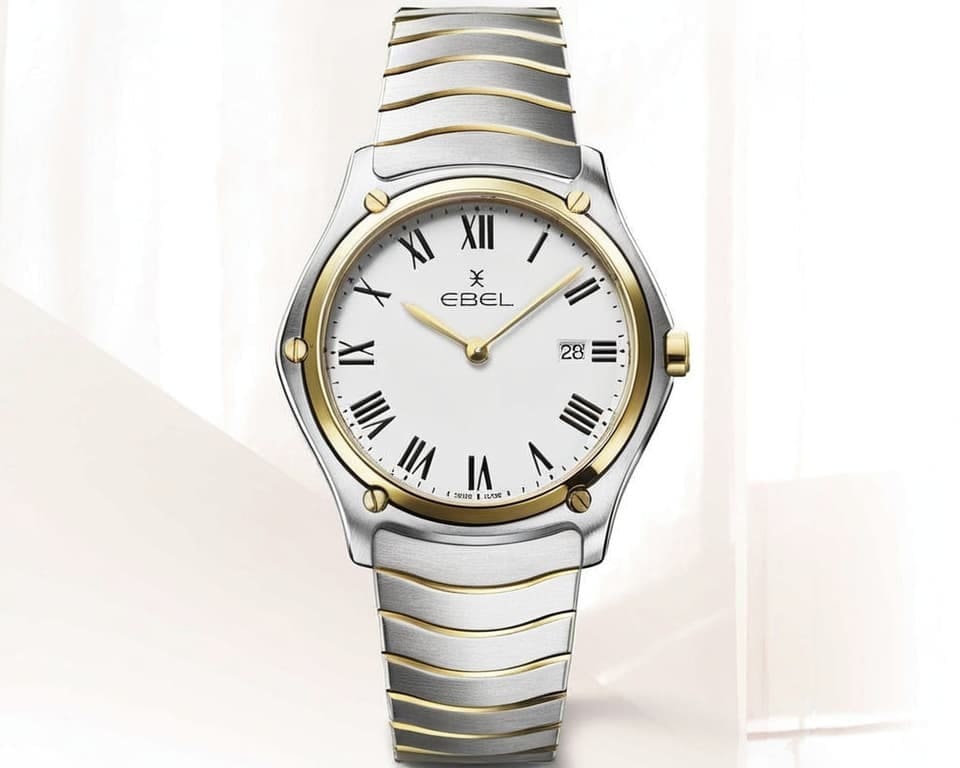
- The wave bracelet remains Ebel’s most recognizable innovation, introduced in 1977 as a completely new way to attach a watch to your wrist. Instead of straight links like most metal bracelets, Ebel created flowing, curved connections that wrap around your arm like liquid metal. This isn’t just for looks - the wave design actually makes the watch more comfortable because it follows the natural curve of your wrist better than traditional straight bracelets.
- Ebel’s case design features a rounded hexagonal shape that’s instantly recognizable once you know what to look for. The cases have polished surfaces mixed with brushed areas, creating interesting light patterns as you move your wrist. Five screws hold the bezel in place, but they’re deliberately placed off-center in an asymmetrical pattern that Ebel calls “nonchalant” - it looks casual but is actually very carefully planned.
- Swiss manufacturing credentials give Ebel watches the quality stamp that serious watch buyers look for. Even under corporate ownership, Ebel still makes their watches in Biel, Switzerland, using traditional Swiss techniques. This means you get the same level of craftsmanship that goes into much more expensive Swiss brands, but at prices that won’t break the bank.
- Most current Ebel watches use Swiss quartz movements, which are incredibly accurate and need very little maintenance. These electronic movements keep better time than expensive mechanical watches and only need a battery change every few years. For people who want a luxury watch but don’t want to worry about winding it or getting it serviced constantly, this is perfect.
- The brand also offers automatic mechanical movements in select models, particularly in the Sport Classic line. These self-winding watches use high-quality ETA movements that are considered among the best Swiss mechanisms available. When Ebel uses mechanical movements, they often modify them with special decorations and timing adjustments.
- Ebel’s design philosophy combines sport and elegance in a way that works for both casual and formal occasions. You can wear an Ebel Sport Classic with jeans or a business suit, and it looks appropriate either way. This versatility comes from the clean, architectural lines that don’t scream “sports watch” or “dress watch” but somehow work as both.
- The brand’s attention to finishing details sets them apart from many competitors in their price range. Ebel polishes and brushes different parts of the case and bracelet to create visual contrast. The famous wave bracelet, for example, has alternating polished and brushed sections that catch light differently as you move.
- Water resistance varies across collections, but most Ebel watches offer at least 30 meters of protection, which is fine for daily wear but not swimming. The Sport Classic and Wave collections often provide 100 meters of water resistance, making them suitable for swimming and light water sports.
- Ebel uses high-quality materials throughout their watches, including solid stainless steel cases, sapphire crystal glass that’s nearly scratchproof, and genuine leather straps. When they use gold, it’s real 18-karat gold, not gold plating that wears off over time. Even their entry-level models get premium materials that you’d expect from much more expensive watches.
- The brand’s size range accommodates both men and women with purpose-built designs rather than just shrinking men’s watches. Women’s Ebel models often feature diamond settings and mother-of-pearl dials, while maintaining the architectural design language that makes an Ebel instantly recognizable.
- Ebel’s current market position offers genuine Swiss luxury at accessible prices, typically ranging from $2,000 to $5,000 for most models. This puts them below traditional luxury giants like Rolex and Omega but well above fashion watches, creating a sweet spot for buyers who want real Swiss quality without paying premium brand prices.
What makes Ebel truly special is how they’ve maintained their unique design identity through decades of ownership changes and market shifts. The wave bracelet, hexagonal cases, and architectural styling create an immediately recognizable look that hasn’t been copied successfully by other brands. While they may not have the prestige of their golden era, modern Ebel watches still deliver Swiss craftsmanship with distinctive style that stands out from the crowd. For buyers seeking something different from the typical round sports watch or classic dress watch, Ebel offers proven Swiss quality wrapped in designs that spark conversations and turn heads.
Top 10 Best Ebel Watches
Ebel’s current lineup focuses on refined collections that showcase the brand’s signature design elements while offering Swiss quality at various price points. These ten models represent the best of what Ebel offers today, from entry-level luxury to sophisticated complications.
- Ebel Sport Classic 37mm Automatic - This flagship model perfectly captures Ebel’s design DNA with the iconic wave bracelet and hexagonal case construction. The 37mm stainless steel case houses an ETA 2892-A2 automatic movement, offering 42 hours of power reserve and Swiss mechanical excellence. The silver dial features applied hour markers and date display at 3 o’clock, while the integrated wave bracelet provides exceptional comfort. Priced around $2,500, this represents the most authentic Ebel experience available today.
- Ebel Wave Women’s 30mm Diamond - The Wave collection showcases Ebel’s mastery of jewelry-style watchmaking with 58 diamonds set around the case and additional diamond hour markers on a mother-of-pearl dial. The two-tone steel and 18K gold construction creates visual warmth, while the signature wave bracelet ensures comfort during extended wear. Swiss quartz movement provides reliable accuracy, making this $4,500 piece both beautiful and practical for daily luxury.
- Ebel 1911 Chronograph 44mm - Named for the company’s founding year, this substantial chronograph features a contemporary 44mm case with striking ice blue dial and contrasting sub-dials. The Swiss automatic chronograph movement offers precise timing functions, while the larger case size appeals to modern preferences for bold watches. Water resistance reaches 100 meters, and the integrated bracelet maintains Ebel’s signature flowing design. At $4,500, it delivers serious horological capability with distinctive styling.
- Ebel Sport Classic Black DLC Limited Edition - This 200-piece limited edition transforms the classic Sport Classic with black diamond-like carbon coating and skeleton dial that reveals the automatic movement’s operation. The 42mm case maintains traditional proportions while the black treatment creates a modern, technical appearance. The see-through dial and exhibition caseback showcase Swiss mechanical artistry, making this $3,800 piece appealing to enthusiasts who appreciate visible craftsmanship.
- Ebel Wave Men’s 42mm Chronograph - The largest Wave model combines the collection’s flowing aesthetics with chronograph functionality in a substantial 42mm case. The blue dial with stainless steel construction creates a nautical feel, while the wave bracelet ensures comfort despite the larger size. Swiss quartz chronograph movement provides accuracy and convenience, making this $3,200 timepiece ideal for active professionals who want luxury without maintenance concerns.
- Ebel Brasilia Rectangular 23mm - This entry-level offering proves that Ebel quality doesn’t require premium pricing. The distinctive rectangular case with rounded corners creates elegant proportions, while the mother-of-pearl dial adds feminine appeal. Swiss quartz movement and sapphire crystal provide luxury watch features at $2,050, making this an accessible introduction to Swiss watchmaking with Ebel’s unique design perspective.
- Ebel 1911 World Timer - The most complex current offering features 24 time zone capability with a fascinating dial design showing gold-plated continents on a green background. The 44mm case incorporates ceramic bezel elements, while the automatic movement manages multiple time displays simultaneously. This $7,500 watch appeals to frequent travelers who appreciate both functionality and distinctive styling that no other brand offers in this price range.
- Ebel Sport Classic Women’s 33mm Steel and Gold - This mid-size option balances feminine proportions with the collection’s architectural design language. The two-tone construction combines stainless steel durability with 18K gold accents, while diamond hour markers add sparkle without overwhelming the clean dial layout. Swiss quartz movement and 100-meter water resistance make this $3,200 piece suitable for active lifestyles while maintaining luxury appeal.
- Ebel Wave Chronograph Women’s 35mm - Designed specifically for women who want chronograph functionality without masculine proportions, this model features mother-of-pearl dial with diamond markers and two-tone case construction. The wave bracelet adapts perfectly to smaller wrists, while Swiss quartz chronograph movement provides timing precision. At $4,200, it offers unique functionality in a size that most luxury brands ignore.
- Ebel Sportwave 41mm Ceramic Bezel - The newest addition targets contemporary sports watch enthusiasts with ceramic bezel, 200-meter water resistance, and modern proportions. The integrated bracelet maintains Ebel DNA while updated materials and finishing appeal to younger buyers. Swiss quartz movement and sapphire crystal ensure durability, making this $2,800 piece competitive with mainstream sports watches while offering distinctive Ebel character.
These ten models represent Ebel’s current strategy of offering Swiss quality with unique design at accessible luxury prices. While the brand may not command the prestige of its golden era, each watch delivers genuine Swiss craftsmanship with styling that stands apart from mainstream offerings. The wave bracelet and architectural cases create immediate recognition, while reliable movements and quality materials justify the pricing. Whether you’re drawn to mechanical movements in the Sport Classic line or prefer the convenience of quartz in the Wave collection, modern Ebel watches provide distinctive luxury that fits various lifestyles and budgets.
How to Choose an Ebel Watch: Size, Style, and Budget Tips
Purchasing an Ebel watch requires careful consideration of several factors that differ from buying more mainstream luxury brands. The brand’s unique position in the market and limited distribution create both opportunities and challenges for potential buyers.
- Budget Planning and Value Expectations - Ebel watches typically range from $2,000 for entry-level Brasilia models to $8,000 for complicated pieces, with most purchases falling between $2,500-$5,000. However, expect significant depreciation from retail prices, as Ebel watches typically retain only 15-30% of their original value in the secondary market. This makes them excellent choices for personal enjoyment but poor financial investments compared to brands like Rolex or Patek Philippe.
- Movement Choice Between Quartz and Automatic - Most current Ebel collections feature Swiss quartz movements that offer superior accuracy and minimal maintenance requirements. Quartz models need only battery changes every 2-3 years and maintain precision within seconds per month. Automatic options appear primarily in Sport Classic models using ETA 2892-A2 movements, requiring regular wear or winding plus professional servicing every 3-5 years. Choose quartz for convenience or automatic for traditional mechanical appeal.
- Size and Fit Considerations - Ebel’s wave bracelet creates unique sizing requirements since the flowing links conform differently than traditional straight bracelets. Men’s models range from 37-44mm, with 40-42mm being most versatile for average wrists. Women’s options span 23-35mm, with 30-33mm working best for most preferences. The integrated bracelet design means sizing adjustments require professional service, so proper initial fitting becomes crucial.
- Authenticity Verification Process - Only authorized dealers provide valid three-year warranties and genuine Ebel timepieces. Verify dealer status through Ebel’s official website or contact Movado Group customer service directly. Examine case back engravings for crisp, precise lettering and serial numbers that match warranty documentation. The wave bracelet construction should feel substantial with smooth link operation and consistent finishing throughout.
- Style Versatility Assessment - Ebel’s architectural design language works across casual and formal situations, but consider your primary wearing occasions. Sport Classic models with steel construction suit business and weekend wear equally well. Wave collection pieces with diamonds lean more formal and dressy. The distinctive hexagonal cases and wave bracelets create strong visual impact that may not suit conservative dress codes or subtle style preferences.
- Water Resistance Requirements - Standard Ebel models offer 30-meter water resistance suitable for daily wear but not swimming. Sport Classic and Wave chronographs typically provide 100-meter ratings allowing swimming and light water sports. Sportwave models reach 200 meters for serious aquatic activities. Never operate crowns or pushers while underwater regardless of rating, and have gaskets checked annually if you regularly expose the watch to water.
- Service and Maintenance Access - All Ebel service occurs through Movado Group facilities in New Jersey or authorized service centers worldwide. Mail-only service through MGI requires 2-3 weeks for standard maintenance. International service varies by region, with some areas having limited authorized technician access. Factor ongoing service costs of $300-600 for routine maintenance when calculating total ownership expenses.
- Bracelet Adjustment and Replacement - The signature wave bracelet requires specialized tools and knowledge for proper adjustment. Most jewelry stores cannot service these bracelets correctly, necessitating authorized dealer or factory service. Replacement bracelets remain extremely difficult to source and historically cost 150% of watch prices when available. Ensure proper initial sizing and careful handling to avoid expensive bracelet service needs.
- Collection Strategy Planning - Current production focuses heavily on quartz movements and contemporary styling. Collectors seeking investment potential should consider vintage mechanical models from the 1980s-1990s instead of new purchases. If buying new, focus on distinctive pieces like limited editions or complicated models that showcase Ebel’s unique capabilities rather than entry-level offerings.
- Warranty and Documentation - Three-year limited warranties cover movement defects but exclude damage from misuse, water exposure beyond ratings, or normal wear items like crystals and straps. Maintain all purchase documentation and warranty cards for service access. Register purchases with Movado Group within 30 days to activate full warranty protection and ensure access to customer service support.
- Market Position Assessment - Ebel competes in the affordable luxury segment between fashion watches and established Swiss giants. While offering genuine Swiss quality and distinctive design, the brand lacks the prestige and recognition of Omega, Breitling, or Tudor at similar price points. Consider whether Ebel’s unique styling and wave bracelet appeal offset the reduced brand recognition and poor resale values compared to mainstream alternatives.
Buying an Ebel watch works best when you prioritize distinctive design and Swiss quality over investment potential or brand prestige. The wave bracelet and architectural cases offer styling unavailable elsewhere at these prices, while Swiss manufacturing ensures proper luxury watch construction and materials. However, limited distribution, poor resale values, and reduced cultural relevance require realistic expectations about ownership experience compared to more popular luxury brands. Focus on personal enjoyment of unique design rather than financial considerations, and ensure access to proper service support before making your purchase decision.
Where to Buy Ebel Watches
Finding authentic Ebel watches presents unique challenges due to the brand’s limited global distribution and reduced retail presence compared to mainstream luxury brands. Buyers need to navigate carefully to ensure authenticity and proper warranty coverage.
- Official Ebel Website and Direct Sales - The Ebel.com website serves as the primary source for current models and official pricing, though availability varies significantly by region. Many models show “not available in your country” for international customers, and the dealer locator frequently experiences technical issues. When available, direct website purchases include full three-year warranties and authentic documentation, but limited stock and geographic restrictions make this option unreliable for most buyers.
- Movado Company Store - As Ebel’s parent company, Movado operates their official company store online, offering guaranteed authentic Ebel watches with full warranty coverage. This source provides the most reliable access to current models with frequent sales and promotional pricing that can reduce costs by 20-30% below MSRP. The company store ships internationally to many countries and maintains better inventory levels than the official Ebel website.
- Authorized Retail Partners - Confirmed authorized dealers include established luxury jewelers with locations across major international cities. These retailers provide full warranty support and professional service while often maintaining better inventory than online sources. However, the total number of authorized dealers has decreased significantly since Ebel’s peak years, making local access difficult in many markets.
- Luxury Department Stores - Select high-end department stores in major cities occasionally carry Ebel watches, though inventory tends to focus on entry-level models rather than complicated pieces. These retailers provide authentic products with proper warranties but limited selection and often higher pricing than specialized watch dealers.
- Certified Pre-Owned Specialists - Reputable platforms specializing in luxury watch authentication offer vintage and contemporary Ebel watches with buyer protection guarantees. These sources excel for finding discontinued models, vintage mechanical pieces, and current models at significant discounts. Expect to pay 15-30% of original retail for most pre-owned examples, with rare complications commanding higher percentages.
- Auction Houses and Estate Sales - Major auction houses and regional estate sale companies occasionally feature vintage Ebel chronographs and complicated models from the brand’s golden era. Auction purchases require expertise to verify authenticity and condition, but can yield exceptional value for rare mechanical models that aren’t available through retail channels. Research completed sales data before bidding to establish realistic market values.
- Online Marketplaces with Caution - General marketplace platforms host numerous Ebel listings, but authenticity verification becomes buyer responsibility. Many listings feature watches with replaced parts, aftermarket modifications, or questionable provenance. Only consider sellers with extensive positive feedback and detailed photography, and budget for professional authentication services if purchasing significant pieces.
- What to Avoid Completely - Steer clear of unauthorized dealers offering “gray market” Ebel watches, as these come without valid warranties and may have unknown service histories. Avoid any seller who cannot provide proper documentation or refuses to guarantee authenticity. Be especially wary of prices that seem too good to be true, as Ebel’s reduced market presence has made counterfeiting less common but not impossible.
- International Shipping Considerations - Many authorized dealers restrict international shipping due to regional distribution agreements. Factor import duties, taxes, and potential customs delays when ordering from foreign sources. Some countries impose significant luxury goods taxes that can increase total costs by 20% or more beyond the purchase price.
- Warranty and Service Verification - Only purchases from authorized sources provide valid warranties honored by Movado Group service facilities. Verify dealer authorization by contacting Movado customer service directly, as unauthorized sellers sometimes claim official status. Keep all purchase documentation and register warranties within 30 days to ensure full coverage activation.
- Timing Your Purchase - Ebel watches frequently appear in sales events, particularly through the Movado Company Store and authorized dealers during holiday periods. End-of-year clearance sales can offer substantial savings on current models, while new collection launches sometimes trigger discounts on previous versions. Pre-owned prices tend to be stable year-round due to consistent low demand.
- Professional Authentication Services - For significant purchases from non-authorized sources, consider professional authentication through certified horological services or local watchmakers familiar with Ebel construction. Authentication costs typically range $100-300 but provides peace of mind for vintage or high-value pieces where authenticity questions could prove expensive.
The fragmented availability of Ebel watches means buyers often need to check multiple sources and remain patient for specific models. Authorized dealers provide the safest purchasing experience but with limited selection, while pre-owned specialists offer better value and wider choice with some additional risk. Focus on establishing authenticity and warranty coverage rather than finding the lowest price, as service access and genuine parts become crucial for long-term ownership satisfaction. The reduced retail presence actually creates opportunities for savvy buyers willing to research thoroughly and wait for the right piece from the right source.
Do Ebel Watches Hold Value
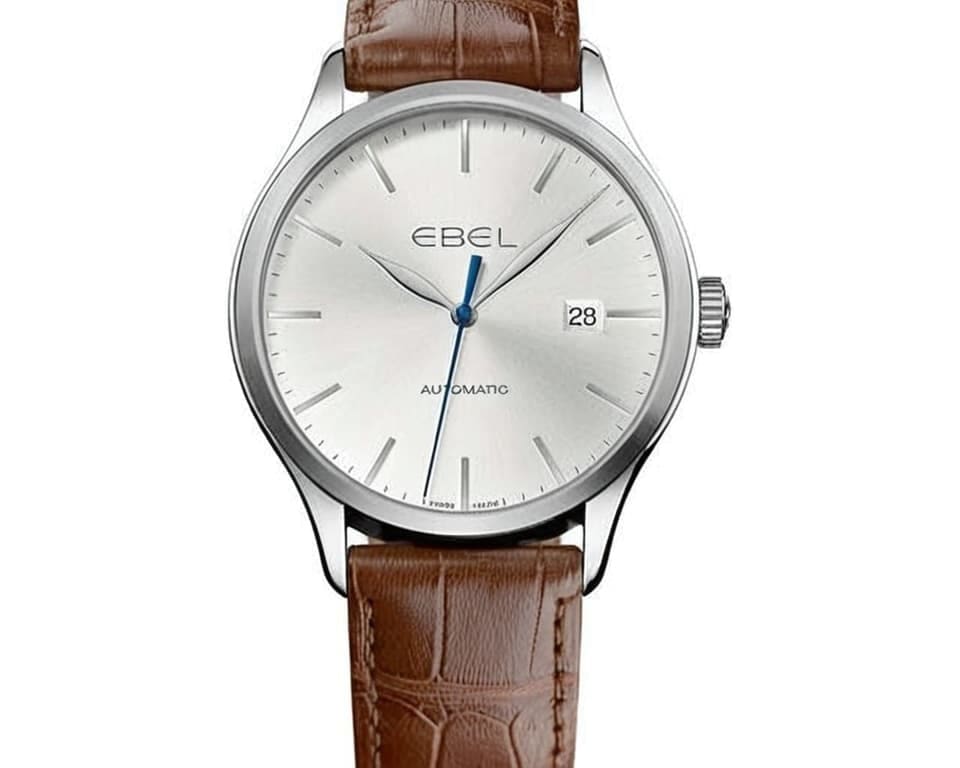
Ebel watches represent one of the poorest investment choices in the luxury watch market, with severe depreciation that makes them unsuitable for buyers seeking financial returns. However, this reality creates exceptional opportunities for enthusiasts who appreciate Swiss quality and distinctive design at heavily discounted prices.
- Current Market Depreciation Reality - Modern Ebel watches typically retain only 15-30% of their original retail pricing in secondary markets, representing among the steepest depreciation rates in Swiss watchmaking. Examples include 1911 models originally priced at $5,670 selling for $1,395 (75% depreciation) and Sport Classic pieces dropping from $2,200-$2,650 retail to $364-427 (83-86% depreciation). This consistent pattern affects virtually all contemporary production regardless of complications or materials.
- Factors Driving Poor Resale Performance - Limited brand recognition compared to Rolex, Omega, or Breitling reduces buyer demand in secondary markets. Movado Group’s corporate ownership lacks the prestige appeal of independent Swiss manufacturers, while reduced marketing and cultural presence have diminished Ebel’s luxury cachet. The shift from mechanical to primarily quartz movements also reduces collector interest compared to the brand’s mechanical golden era.
- Vintage Mechanical Exception - Pre-1995 Ebel watches with mechanical movements, particularly El Primero chronographs, perform significantly better in collector markets. These vintage pieces average $3,045 at auction across all configurations, with 18K gold examples averaging $4,724. Models retaining original wave or link bracelets command substantial premiums, averaging $5,494-$5,905 respectively, due to replacement bracelet scarcity.
- Perpetual Calendar Chronograph Opportunity - Vintage Ebel perpetual calendar chronographs represent exceptional value for complications collectors, featuring high-beat 5Hz movements with complete calendar functions. Auction results average $6,000-$8,000 for 18K gold examples, with a record sale of $15,462 in 2021. Only 26 examples have appeared at international auctions, emphasizing their rarity and potential appreciation for patient collectors.
- Limited Edition Performance - Current limited editions like the Sport Classic Black DLC (200 pieces) may perform better than standard production due to scarcity, but insufficient time has passed to establish clear market patterns. Historical limited editions from the 1990s show mixed results, with some achieving premiums while others depreciate similarly to standard models depending on complications and original production numbers.
- Geographic Market Variations - European markets, particularly Switzerland and Germany, show stronger secondary demand for vintage Ebel pieces due to greater brand familiarity and appreciation for Swiss watchmaking heritage. American markets focus heavily on sports watch brands, reducing Ebel’s appeal except among dedicated collectors. Asian markets show minimal interest in the brand across all periods.
- Condition Impact on Values - Original bracelet preservation proves crucial for vintage Ebel values, as replacement bracelets remain virtually impossible to source and originally cost 150% of watch prices. Complete examples with original boxes and papers command 20-30% premiums over watch-only sales. Professional restoration can actually decrease values if it removes original patina or replaces authentic components with modern parts.
- Future Market Predictions - Contemporary Ebel production seems unlikely to achieve significant appreciation given continued corporate ownership, quartz focus, and reduced cultural relevance. However, vintage mechanical pieces from the 1980s-1990s may benefit from growing appreciation for that era’s design innovation and Swiss manufacturing excellence. Scarcity of well-preserved examples could drive selective appreciation among collectors.
- Comparison to Peer Brands - Similar-era watches from Omega, Breitling, or even Tag Heuer typically retain 40-60% of original values, demonstrating Ebel’s particularly poor market performance. However, this comparison also highlights the value opportunity for buyers who prioritize Swiss quality and distinctive design over brand prestige and financial performance.
- Smart Collecting Strategy - Focus exclusively on pre-1995 mechanical movements with original bracelets for any investment consideration. Avoid all contemporary quartz production and post-2003 models under Movado ownership. Prioritize complicated pieces like chronographs, world timers, or perpetual calendars that showcase Ebel’s technical capabilities during their peak innovation period.
- Documentation and Provenance Importance - Maintain all original documentation including warranty cards, instruction manuals, and service records for vintage pieces. Provenance from original owners or authorized dealers adds credibility and value. Professional authentication becomes increasingly important as these watches age and original sales documentation may be lost.
- Market Timing Considerations - The vintage Ebel market remains relatively undiscovered compared to mainstream Swiss brands, potentially offering acquisition opportunities before broader collector recognition develops. However, parts availability continues declining, making restoration increasingly difficult and expensive for complicated models requiring specialized components.
The stark reality is that buying new Ebel watches represents pure consumption rather than investment, with immediate and severe depreciation guaranteed. However, this creates a unique opportunity for enthusiasts to acquire genuine Swiss luxury with distinctive design at fraction of retail costs. The key lies in managing expectations appropriately - buy for personal enjoyment of exceptional design and Swiss quality, not for financial returns. Vintage mechanical pieces offer the only realistic appreciation potential, but require expertise and patience to identify properly preserved examples with original components intact.
How to Care for Ebel Watches: Maintenance and Service
Proper care and maintenance of Ebel watches requires specific attention to the brand’s unique design elements, particularly the signature wave bracelet and integrated case construction. Regular maintenance ensures reliable operation while preserving the distinctive aesthetic features that make these timepieces special.
- Daily Wear Protection Guidelines - Avoid exposing Ebel watches to sudden temperature variations, which can affect movement accuracy and cause condensation inside the case. Keep watches away from strong magnetic fields generated by speakers, smartphones, or magnetic closures, as these can disrupt timekeeping in both quartz and mechanical models. Remove watches before engaging in contact sports or heavy manual labor to protect the distinctive wave bracelet from impact damage that requires specialized repair.
- Water Resistance Maintenance Protocol - Most Ebel models provide only 30-meter water resistance, suitable for daily wear but not swimming or showering. Never operate crowns or pushers while the watch is wet, as this can compromise water seals and allow moisture penetration. Have gaskets and seals inspected annually if you regularly expose the watch to water, even within rated limits. Replace gaskets every 3-4 years regardless of condition to maintain protection.
- Wave Bracelet Cleaning Procedures - Clean the signature wave bracelet weekly using soft cloth and warm water to remove skin oils and debris that accumulate between the flowing links. Use a soft-bristled toothbrush with mild soap solution for deeper cleaning, paying special attention to link connections where dirt concentrates. Rinse thoroughly with fresh water after seawater exposure, as salt residue can cause corrosion in crevices between bracelet segments.
- Professional Service Requirements - Mechanical Ebel watches need complete service every 3-5 years, including movement disassembly, cleaning, lubrication, and calibration. Quartz models require battery replacement every 18-36 months, with simultaneous gasket inspection recommended. All service must occur through MGI facilities in New Jersey or authorized service centers, as independent watchmakers often lack proper tools for Ebel’s unique construction.
- Service Access and Procedures - Contact MGI service through their website portal or mail-only facility in Moonachie, New Jersey (no walk-in service available). International customers can access authorized service centers in major cities, though availability varies by region. Service estimates require 3-5 business days with average completion times of 15 days for routine maintenance. Emergency repairs may take longer due to parts availability constraints.
- Movement-Specific Care Instructions - Automatic Ebel watches require regular wear or manual winding to maintain power reserve and lubrication circulation. If storing for extended periods, wind monthly to prevent lubricants from congealing. Quartz models entering end-of-life phase display 4-second interval hand movement rather than smooth 1-second steps, indicating immediate battery replacement need to prevent movement damage.
- Storage and Protection Methods - Store Ebel watches in original boxes or padded watch rolls to prevent scratches to polished surfaces. Keep away from other jewelry that might scratch cases or bracelets during storage. Maintain stable temperature and humidity conditions, avoiding areas subject to extreme variations like attics or basements. For long-term storage, consider professional storage facilities with climate control.
- Bracelet Adjustment and Sizing - Wave bracelet adjustments require specialized tools and knowledge unavailable at most jewelry stores. Only authorized dealers or factory service can properly resize these bracelets without damaging the flowing link construction. Improper adjustment attempts can permanently damage bracelet integrity and eliminate the comfortable fit that makes Ebel’s design special.
- Common Problem Recognition - Fogging inside crystal indicates compromised water seals requiring immediate professional attention before moisture damages movement components. Irregular timekeeping in quartz models suggests battery failure or magnetic exposure. Bracelet links feeling loose or catching indicate wear requiring professional inspection before complete failure occurs.
- Warranty Coverage Limitations - Three-year limited warranties cover manufacturing defects but exclude damage from accidents, water exposure beyond ratings, or normal wear items. Unauthorized service or repair attempts void all warranty coverage. Misuse damage includes operating crowns underwater, impact damage, or exposure to chemicals. Crown and pusher operation while wet specifically voids water resistance warranties.
- Parts Availability Challenges - Replacement wave bracelets remain extremely difficult to source and historically cost 150% of original watch prices when available. Vintage models face increasing parts scarcity, particularly for complicated movements and original bracelet components. Plan for higher service costs compared to mainstream brands due to specialized component requirements and limited service provider network.
- Professional Inspection Schedule - Annual inspections should verify water resistance, crown operation, and bracelet integrity even for watches receiving minimal wear. Every three years, request complete movement inspection regardless of apparent operation to identify developing issues before costly repairs become necessary. Vintage mechanical models benefit from bi-annual inspections due to aging component concerns.
- Cleaning Product Warnings - Never use ultrasonic cleaners on complete Ebel watches, as vibrations can damage movement components and loosen bracelet connections. Avoid harsh chemicals including bleach, acetone, or jewelry cleaning solutions that can damage seals and finishes. Steam cleaning risks forcing moisture past seals into movement chambers, causing expensive damage not covered by warranties.
Proper Ebel maintenance requires respecting the brand’s unique construction while accessing specialized service providers familiar with wave bracelet intricacies. The distinctive design elements that make these watches appealing also create specific care requirements that differ from conventional luxury watches. Regular professional service, careful daily handling, and prompt attention to developing issues ensure these Swiss timepieces continue providing reliable service while maintaining their architectural beauty. The key lies in treating Ebel watches as the specialized Swiss instruments they are rather than generic luxury accessories.
Ebel Watches Frequently Asked Questions
These frequently asked questions address the most common concerns and curiosities about Ebel watches, helping potential buyers and current owners make informed decisions about this distinctive Swiss brand.
Are Ebel watches still made in Switzerland?
Yes, Ebel watches continue to be manufactured in Biel/Bienne, Switzerland, under Movado Group ownership. All current models carry “Swiss Made” designation and meet strict Swiss manufacturing requirements for movement, assembly, and quality control.
What’s the difference between automatic and quartz Ebel watches?
Automatic models use self-winding mechanical movements requiring regular wear and service every 3-5 years. Quartz models use battery-powered electronic movements offering superior accuracy with only battery changes needed every 2-3 years. Most current Ebel collections feature quartz movements.
How can I tell if an Ebel watch is authentic?
Genuine Ebel watches feature crisp case back engravings, substantial wave bracelet construction, and proper documentation from authorized dealers. Contact Movado Group customer service to verify serial numbers if purchasing from unofficial sources.
Why are Ebel watches so much cheaper on the secondary market?
Limited brand recognition compared to Rolex or Omega, corporate ownership under Movado Group, and the shift to primarily quartz movements reduce resale demand. However, this creates value opportunities for buyers seeking Swiss quality at discounted prices.
What size Ebel watch should I choose?
Men’s models range 37-44mm (40-42mm most versatile), women’s span 23-35mm (30-33mm recommended). The wave bracelet fits differently than straight bracelets, so professional sizing becomes crucial since adjustments require specialized service.
How much water resistance do Ebel watches have?
Standard models offer 30-meter resistance (daily wear only). Sport Classic and Wave chronographs provide 100-meter ratings (swimming allowed). Sportwave models reach 200 meters. Never operate crowns underwater regardless of rating.
Where can I get my Ebel watch serviced?
Official service through MGI facilities in New Jersey (mail-only) or authorized service centers worldwide. Independent watchmakers often lack proper tools for Ebel’s unique construction, especially wave bracelet adjustments.
Do Ebel watches hold their value?
No, they typically retain only 15-30% of retail pricing. Vintage mechanical models from the 1980s-1990s perform better, especially with original bracelets. Buy for personal enjoyment rather than investment.
What makes the wave bracelet special?
Introduced in 1977, flowing curved links conform naturally to wrist contours better than straight bracelets, providing superior comfort and Ebel’s signature look. However, complex construction requires specialized service for adjustments.
Are replacement parts available for vintage Ebel watches?
Parts availability becomes challenging for vintage models, particularly original wave bracelets. Plan for higher service costs and longer repair times due to specialized component requirements.
What’s the warranty coverage on new Ebel watches?
Three-year limited warranty covers manufacturing defects but excludes accident damage, water exposure beyond ratings, or normal wear. Register within 30 days and use only authorized service to maintain coverage.
Should I buy new or vintage Ebel watches?
New offers modern reliability and warranty coverage. Vintage mechanical models provide superior horological interest and potential appreciation but require expertise to identify properly preserved examples.
How often should I wind my automatic Ebel watch?
Automatic models provide 38-42 hours power reserve. Wind daily if not wearing regularly, or monthly during storage to prevent lubricant problems. Regular wrist movement works best for self-winding operation.
What’s included with a new Ebel watch purchase?
New purchases include the watch, original box, instruction manual, warranty card, and sizing links. Some models include extra straps. Maintain all documentation for service and resale value.
Can I swim with my Ebel watch?
Only models rated 100 meters or higher (Sport Classic, Wave chronographs, Sportwave). Standard 30-meter models protect against splashes only. Never operate controls while wet and rinse after seawater exposure.
These answers cover the essential information most buyers need about Ebel ownership, from practical considerations to value expectations. The brand’s unique position creates specific requirements that differ from mainstream luxury watches, particularly regarding service access and the distinctive wave bracelet construction.
Conclusion
Ebel watches offer a compelling proposition for buyers seeking Swiss heritage, distinctive design, and quality construction at accessible luxury prices. The iconic wave bracelet and architectural case designs provide immediate recognition and wearing comfort that remains unmatched in this price segment. Current collections successfully blend classic Ebel DNA with contemporary sizing and features, primarily utilizing reliable Swiss quartz movements that deliver accuracy and convenience for modern lifestyles. While the brand operates with reduced cultural presence compared to its golden era, the fundamental appeal of Swiss craftsmanship wrapped in unique aesthetics continues to attract discerning buyers who value individuality over mainstream recognition.
However, realistic expectations prove essential for potential Ebel owners. The severe depreciation from retail prices makes these watches poor financial investments, while limited distribution and reduced marketing create challenges for service access and brand support. Contemporary production focuses heavily on accessible luxury rather than the complex mechanical innovations that defined the brand’s peak years. Yet these apparent drawbacks actually create opportunities for savvy buyers willing to prioritize personal enjoyment over resale values or brand prestige.
For those drawn to Ebel’s distinctive aesthetic and Swiss manufacturing quality, the brand delivers genuine luxury watch ownership at reasonable entry points. The wave bracelet and hexagonal cases remain as visually striking today as when first introduced, while Swiss production standards ensure proper materials and construction quality. Whether choosing contemporary quartz models for daily reliability or seeking vintage mechanical pieces from the innovative decades, Ebel watches provide Swiss excellence with character that stands apart from predictable luxury choices. Just remember to buy for the unique design and craftsmanship rather than financial returns, and you’ll discover why these architectural timepieces continue attracting devoted enthusiasts worldwide.