Best Ralph Lauren Watches: Polo Fields to Swiss Precision

Ralph Lauren Polo watches combine Swiss quality with American luxury, from $1,650 sport models to $200,000+ complications with prices and features.

We include products we think are useful for our readers. If you buy through links on this page, we may earn a small commission.

Read more

Affiliate Disclosure: This post may contain affiliate links, which means we may receive a commission if you click a link and purchase something that we have recommended. While clicking these links won't cost you any extra money, they help us keep this site up and running. We only recommend products or services that we genuinely believe will add value to our readers. Thank you for supporting us!

Transparency: We are a participant in various affiliate programs, including the Amazon Services LLC Associates Program, an affiliate advertising program designed to provide a means for us to earn fees by linking to Amazon.com and affiliated sites. Our editorial content is not influenced by affiliate partnerships, and we strive to provide honest and unbiased reviews and recommendations.

To learn more about our vetting process, please visit our Affiliate Disclosure Statement

Article Content

Ralph Lauren Polo watch with blue rotating bezel featuring polo player on white dial and rubber strap

Ralph Lauren watches bridge American fashion and Swiss watchmaking through genuine partnerships with manufacturers like Piaget and Jaeger-LeCoultre. The collection spans $1,650 sport watches to $200,000+ complications, offering distinctive designs like horseshoe Stirrup cases and Polo Bear character dials unavailable from traditional brands. While these timepieces deliver Swiss quality comparable to established manufacturers, they depreciate like fashion accessories, making them ideal for collectors prioritizing unique aesthetics over investment value.

When Did Ralph Lauren Start Making Watches?

Ralph Lauren’s journey into luxury watchmaking represents a rare success story where a fashion brand earned genuine respect from the traditional Swiss watch industry. The transformation began with a passionate watch collector who spent decades building knowledge before launching his first timepiece, backed by strategic partnerships with Switzerland’s most prestigious manufacturers.

  • Ralph Lauren Corporation began in 1967 as a small tie business in New York City, eventually growing into a multi-billion dollar global fashion empire. While building this lifestyle brand, Ralph Lauren personally collected vintage timepieces for over 30 years, accumulating rare examples from Patek Philippe, Rolex, and Cartier that showed he wasn’t just a casual enthusiast but someone who deeply appreciated fine watchmaking and its history.
  • By 2004, Lauren decided he wanted to create his own timepieces but refused to follow the typical fashion brand path of licensing his name to a factory that would slap logos on cheap watches. Instead, he approached Johann Rupert, who controlled the Richemont Group that owned Switzerland’s most respected watch manufacturers including Piaget, Jaeger-LeCoultre, and IWC, proposing a real partnership to create legitimate luxury timepieces.
  • The two companies signed a formal agreement in 2007 creating Ralph Lauren Watch & Jewelry Co. as an equal partnership, which was unusual because most fashion brands simply license their names and have zero control over the actual products. Ralph Lauren kept complete creative control over every design decision while Richemont provided access to their Swiss factories, high-grade movements, and decades of watchmaking expertise.
  • When the first Ralph Lauren watches debuted at SIHH Geneva in 2009 with the Stirrup Collection, the watch industry took notice because these weren’t simple three-hand fashion watches but serious timepieces with complications like minute repeaters and tourbillons. Prices started at $4,500 and went beyond $100,000, using the same Piaget and Jaeger-LeCoultre movements found in watches costing similar amounts from pure Swiss brands.
  • The partnership structure changed in 2018 when Ralph Lauren and Richemont ended their formal joint venture, though the company kept its Swiss manufacturing connections and continued using quality movements. This shift allowed more flexibility in pricing and distribution, letting Ralph Lauren sell watches primarily through its own 80+ boutiques worldwide rather than relying on traditional watch retailers who might not appreciate the lifestyle aspect of the brand.
  • After 2018, the company hired Guillaume Tetu, a veteran from TAG Heuer and Hautlence, to lead watchmaking operations with a new strategy focused on reaching younger luxury buyers. New collections launched in the $1,650-$6,000 range made Swiss mechanical watches more accessible while the brand continued producing high-end complications for serious collectors, effectively covering both entry-level and haute horlogerie price points.
  • Major collection launches have included the 2012 Automotive Collection inspired by Lauren’s personal vintage car collection (including a famous Bugatti Type 57SC Atlantic), the 2020 Polo Watch aimed at sport-luxury buyers, and the 2021 Polo Bear series with playful character dials that became instant hits with collectors. The brand’s 2024 releases celebrating 50 years of Ralph Lauren Corporation show the watchmaking division has become a permanent, respected part of the luxury watch landscape.

What started as a fashion mogul’s personal passion project has become one of the rare examples where a lifestyle brand successfully entered traditional Swiss watchmaking and earned respect from collectors and industry insiders. Ralph Lauren proved that fashion companies can create legitimate timepieces when the founder has genuine knowledge, secures proper Swiss partnerships, and commits to long-term quality rather than quick profits from licensing deals. The 15-year journey from concept to established luxury watchmaker shows patience and authenticity can overcome the skepticism that initially greets any fashion brand entering horology.

Ralph Lauren Watch Quality and Features

Ralph Lauren watches stand out in the luxury market by combining serious Swiss watchmaking with design elements you won’t find anywhere else. While many fashion brands produce watches that look nice but use cheap movements, Ralph Lauren took the opposite approach by building timepieces around quality Swiss mechanics and then adding their unique American luxury aesthetic on top.

  • The brand uses genuine Swiss movements from respected manufacturers rather than generic quartz or low-grade automatics found in typical fashion watches. Entry-level models feature Sellita SW200-1 and SW300-1 calibers that are properly finished and assembled in Switzerland, the same base movements used by many established Swiss brands. Higher-end pieces utilize ultra-thin Piaget 430P movements, Jaeger-LeCoultre chronographs, and COSC-certified chronometers that match the technical quality of watches costing similar prices from pure watchmaking companies.
  • Design inspiration comes directly from Ralph Lauren’s personal passions rather than following generic luxury watch trends. The Automotive Collection features amboyna burl wood bezels and dials taken from vintage car dashboards, specifically inspired by Lauren’s own 1938 Bugatti Type 57SC Atlantic that’s worth tens of millions of dollars. This material choice is virtually unique in watchmaking since most brands stick to traditional metals, ceramics, and dials, making these pieces instantly recognizable.
  • Equestrian elements appear throughout multiple collections, reflecting Lauren’s love of polo and horse culture. The Stirrup Collection uses a distinctive horseshoe-shaped case that no other luxury brand offers, coming in sizes from 22.5mm miniature versions up to 38.5mm large models. Even the brand’s sport watches feature polo player logos and green colorways associated with polo fields rather than typical racing or diving themes seen on other luxury sport watches.
  • Build quality matches established Swiss brands with sapphire crystals on all models, exhibition casebacks showing proper movement finishing like Côtes de Genève decoration and perlage, and water resistance appropriate for each watch’s intended purpose. The brand offers 100 meters of water resistance on sport models like the Polo Watch and Safari collections, while dress watches provide 50 meters for everyday splash resistance, comparable to what you’d get from Omega, IWC, or other respected manufacturers.
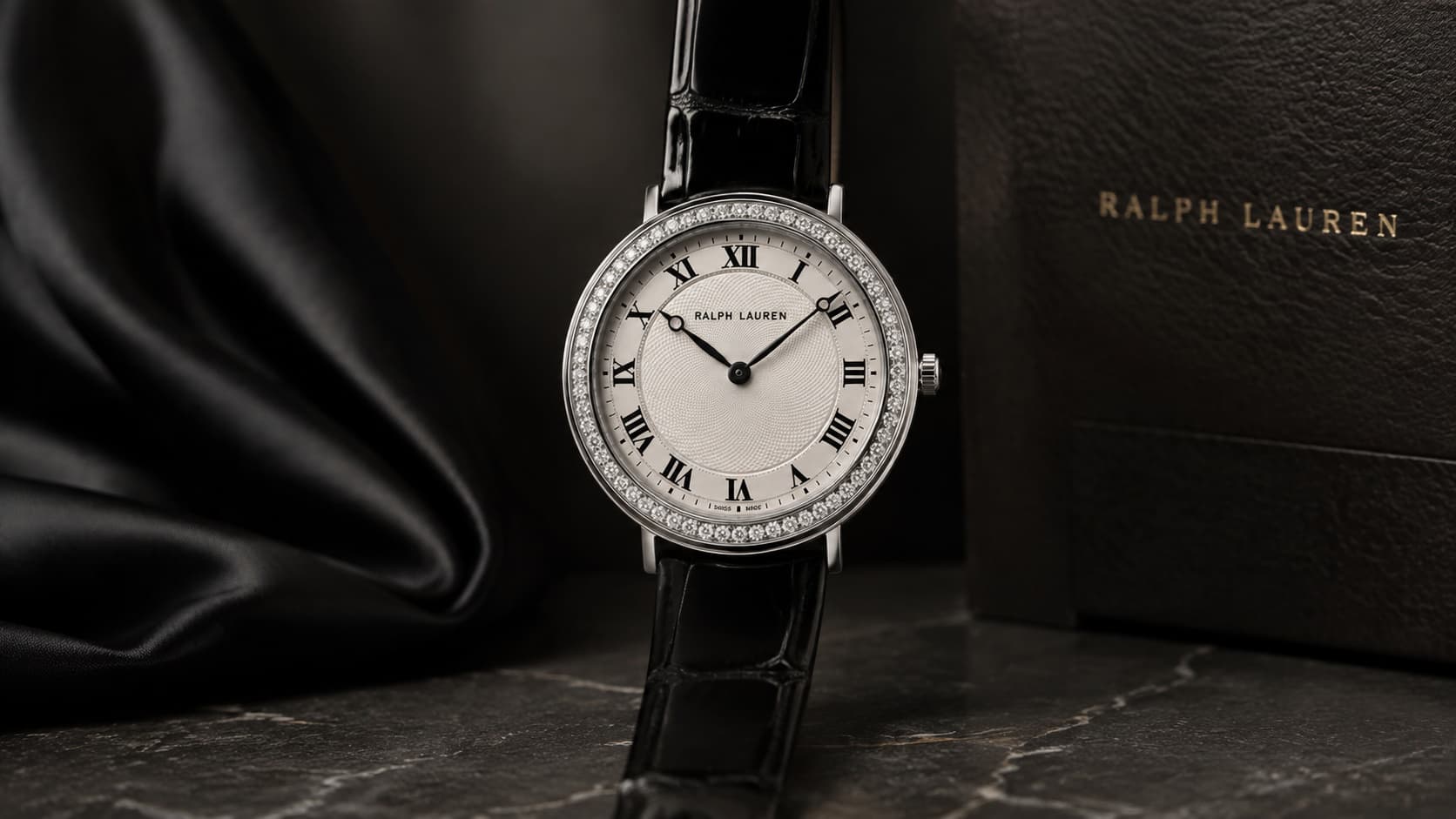
  • The distinctive two o’clock crown position on Polo Bear and certain Polo Watch models creates an asymmetrical look that’s both practical for wrist comfort and visually different from the standard three o’clock placement used by almost every other brand. This design choice came from vintage watch inspiration but has become a signature element that makes Ralph Lauren watches immediately identifiable even without seeing the dial.
  • American luxury aesthetics differentiate these watches from European design languages that dominate Swiss watchmaking. Where brands like Patek Philippe and Vacheron Constantin focus on traditional European elegance, Ralph Lauren brings preppy Americana, Western ranch style, and East Coast sophistication that appeals to buyers who want luxury watches that don’t look like every other Swiss timepiece. The color palettes, typography choices, and overall visual language feel distinctly American rather than Swiss or European.
  • Limited production numbers and boutique-focused distribution make these watches less common than mass-market luxury brands. Since Ralph Lauren primarily sells through their own 80+ stores rather than flooding every watch retailer globally, you’re unlikely to see many people wearing the same model. Special editions like the Polo Bear collaborations get produced in runs of just 200-300 pieces, creating genuine scarcity without the artificial hype and waitlists that plague certain Swiss sport watch brands.
  • The brand maintains “Swiss Made” certification through proper assembly and finishing in Switzerland, not through loopholes or minimal Swiss content. Movements receive additional decoration beyond what comes from suppliers, cases are properly finished rather than just polished, and final quality control happens in Swiss facilities. This commitment to legitimate Swiss manufacturing separates Ralph Lauren from fashion brands that claim “Swiss movement” while doing all assembly and finishing in Asia.

Ralph Lauren watches succeed by refusing to compromise on the mechanical aspects while adding design elements that reflect the founder’s genuine interests rather than trying to copy Rolex, Patek Philippe, or other established brands. The result is timepieces that work as well as comparably priced Swiss watches but look completely different, appealing to buyers who appreciate both quality mechanics and distinctive aesthetics that stand apart from traditional luxury watch design.

Top 10 Best Ralph Lauren Watches to Buy

Ralph Lauren’s current lineup spans from accessible sport watches under $2,000 to complicated dress pieces exceeding $60,000, offering genuine Swiss quality at every price point. These ten models represent the best options across different styles, budgets, and use cases, from daily wear sport watches to special occasion dress pieces.

  • Polo Watch Steel Automatic ($1,650) serves as the entry point into Swiss mechanical watches from Ralph Lauren, featuring a 42mm stainless steel case with the prominent polo player logo on the dial. The RL200 automatic movement (based on Sellita SW200-1) provides 38 hours of power reserve with proper Swiss finishing visible through the exhibition caseback. Available in green, blue, and black dial options with matching colored bezels, quick-release strap systems let you swap between steel bracelet, leather, and rubber options. Water resistance reaches 100 meters making it suitable for swimming, and the $1,650 price point undercuts most Swiss automatic sport watches from established brands while delivering comparable quality.
  • Polo Bear Watch Ralph Lauren Green ($1,950) brings the iconic teddy bear character to a 40mm steel case with distinctive two o’clock crown positioning. The automatic RL888 movement provides reliable timekeeping while the whimsical dial featuring the Polo Bear in various outfits (tuxedo, denim, Bedford style) appeals to collectors who want personality in their watches. Limited production runs of 300-500 pieces per design create genuine scarcity, and the playful nature makes these conversation starters that serious watch collectors appreciate as fun additions to their collections alongside more traditional pieces.
  • Polo Sport Chronograph Steel ($2,450) adds timing functionality to the sport-luxury aesthetic with a 44mm case, rotating bezel, and three chronograph subdials. The automatic movement features proper column-wheel chronograph construction rather than cheaper cam-switching mechanisms, and the rubber strap with quick-release system works for both casual and active wear. The larger 44mm size fits modern preferences for bigger sport watches, and the green, navy, or black dial options maintain the polo-inspired color palette that defines the collection.
  • Polo Vintage 67 Manual Wind ($2,700) targets enthusiasts who appreciate vintage-inspired mechanical watches with its 36mm case size that mirrors 1960s proportions. The manual-wind La Joux-Perret movement requires daily winding but connects you to traditional watchmaking in ways automatic movements don’t, and the slim 9mm case height slides easily under dress shirt cuffs. The domed sapphire crystal and vintage-style numerals create an authentic retro aesthetic without feeling costume-like, appealing to collectors who want modern reliability with classic proportions and styling.
  • Safari Chronometer Black Steel ($3,950) delivers COSC-certified accuracy in a 42mm blackened steel case designed for adventure and outdoor use. The RL300-1 automatic chronometer movement maintains precision within -4/+6 seconds per day as certified by the Swiss Official Chronometer Testing Institute, and the black DLC coating on the steel case resists scratches better than standard polished steel. Oversized Arabic numerals with generous Super-LumiNova make nighttime reading easy, the canvas strap with leather backing provides comfort in hot weather, and the khaki, black, or camouflage dial options give outdoor-inspired aesthetics while maintaining 100 meters of water resistance.
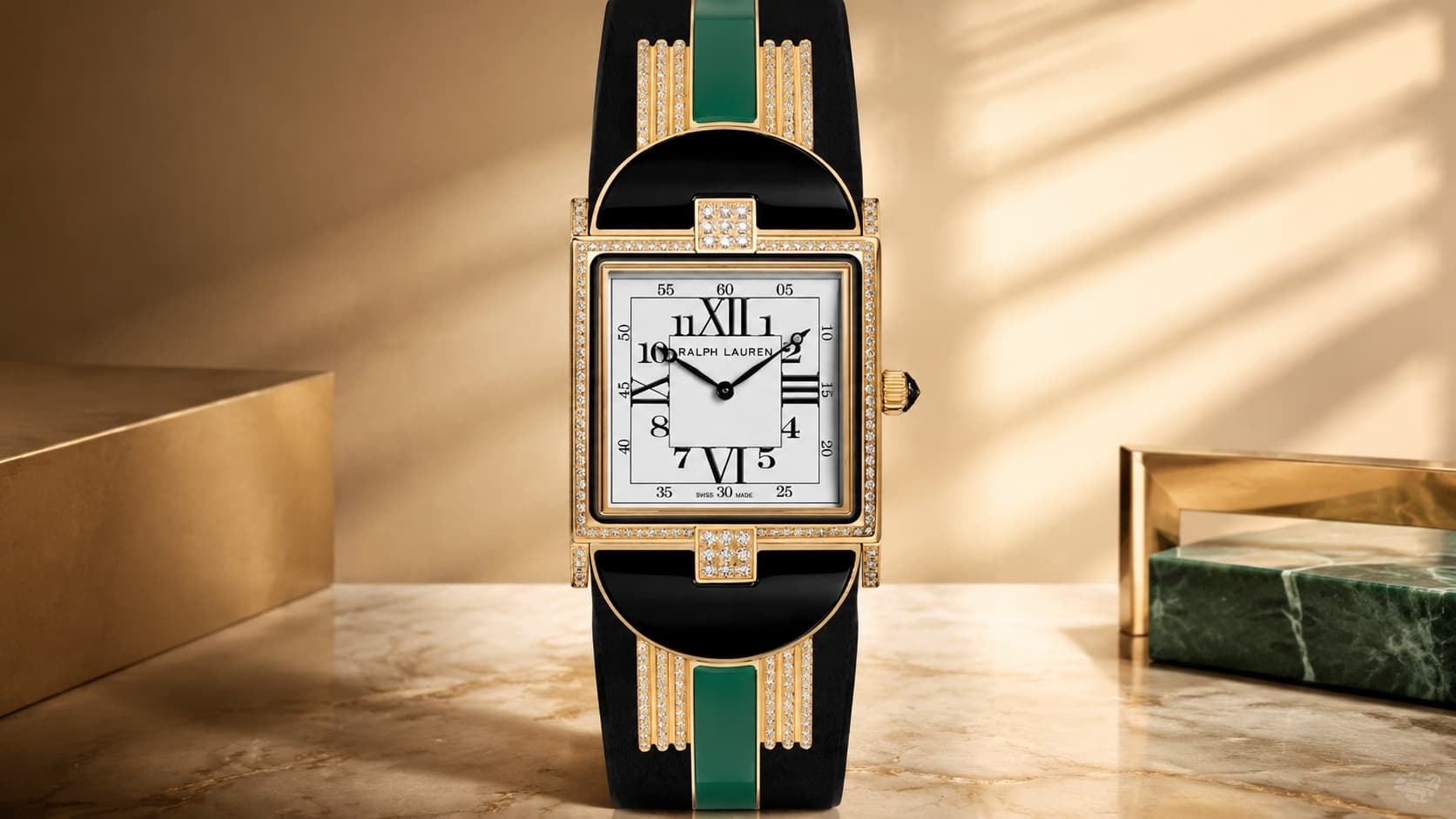
  • 867 Collection Steel 35mm ($4,600) brings Art Deco elegance named after the brand’s 867 Madison Avenue flagship address in New York. The rectangular case with rounded edges and integrated bracelet creates a distinctive silhouette inspired by 1920s-1930s design, while the RL300-1 automatic movement provides modern reliability. The 35mm size works for both men who prefer vintage proportions and women who want substantial dress watches, and the slim profile at just 8.5mm thick slides under formal wear cuffs without bulk.
  • Stirrup Collection Steel 38.5mm ($4,800) showcases the brand’s most distinctive case shape inspired by equestrian stirrups. The horseshoe-shaped steel case comes with interchangeable strap options including alligator leather, steel bracelet, and grosgrain fabric, all using quick-release systems for easy swapping. The RL300-1 automatic movement with 42-hour power reserve handles daily wear reliably, and the unique case shape makes this immediately recognizable as a Ralph Lauren piece while remaining elegant enough for business and formal occasions.
  • 867 Sterling Silver 35mm ($8,250) elevates the dress watch concept with a solid sterling silver case that develops a natural patina over time. The ultra-thin Piaget 430P movement at just 2.1mm thick creates an overall case height under 7mm, making this one of the slimmest dress watches available at any price. The sterling silver material costs more than steel but less than gold while offering unique aesthetics as it ages, and the Art Deco proportions work equally well with business suits or black-tie formal wear.
  • Automotive Chronometer Rose Gold ($25,100) brings Ralph Lauren’s automotive passion to wrist with amboyna burl wood bezels matching vintage car dashboard materials. The 45mm rose gold case houses a COSC-certified chronometer movement, and the unique wood element is backed by a 15-year warranty despite being a fragile natural material rarely used in watchmaking. This piece competes with complicated watches from pure Swiss brands at similar prices, but the automotive inspiration and wood materials make it completely unique in the luxury watch market.
  • Stirrup Chronograph Platinum ($68,500) represents the pinnacle of Ralph Lauren’s regular production with a 38.5mm platinum case weighing substantially more than steel or gold versions. The manual-wind column-wheel chronograph movement features Geneva Seal certification indicating the highest finishing standards, and the platinum material commands premium pricing due to its rarity and density. Limited production of around 50 pieces annually makes this genuinely scarce, and the $68,500 price point positions it against serious complications from Patek Philippe, Vacheron Constantin, and A. Lange & Söhne.

These ten models demonstrate Ralph Lauren’s range from accessible Swiss mechanical watches that deliver value at $1,650 to haute horlogerie pieces competing with the world’s finest watchmakers above $60,000. Each tier offers legitimate quality for its price point rather than charging premiums purely for brand name, and the distinctive design language across all price levels ensures you’re getting aesthetics unavailable from traditional Swiss manufacturers regardless of budget.

What to Know Before Buying a Ralph Lauren Watch

Purchasing a Ralph Lauren watch requires different considerations than buying from traditional Swiss brands since you’re paying for distinctive design and lifestyle appeal alongside mechanical quality. Smart buyers need to evaluate their priorities, budget realistically, and verify authenticity through proper channels to avoid counterfeits that flood secondary markets.

  • Budget planning should account for the full ownership experience beyond just the initial purchase price, including service costs every 3-5 years that typically run $400-800 depending on movement complexity. Entry-level models starting at $1,650 offer genuine Swiss automatics at prices lower than comparable Tissot, Hamilton, or Longines pieces, while mid-range options from $3,500-$8,500 compete with brands like Oris and Tudor. High-end complications above $15,000 enter territory where pure Swiss brands like Jaeger-LeCoultre and IWC offer alternatives, so you need to value Ralph Lauren’s unique aesthetics enough to choose them over more established horological names.
  • Style preferences matter more with Ralph Lauren than traditional brands because these watches make bold design statements rather than following conservative Swiss aesthetics. The prominent polo player logos, distinctive two o’clock crowns, and fashion-forward color choices won’t appeal to everyone, so buyers should be honest about whether they want a watch that announces itself or something more subtle. The Stirrup’s horseshoe case shape and Automotive Collection’s wood bezels are love-it-or-hate-it designs with no middle ground, making these poor choices if you want versatility to wear with everything.
  • Movement type selection depends on your priorities and willingness to maintain mechanical watches that require regular servicing unlike quartz models needing only battery changes. Entry-level automatic movements like the RL200 (Sellita base) provide reliable daily wear with visible rotors through exhibition casebacks, while COSC chronometer versions in Safari models guarantee accuracy within strict tolerances for people who care about precision. Higher-end Piaget ultra-thin movements and Jaeger-LeCoultre calibers offer prestige and superior finishing but don’t necessarily keep better time than well-regulated Sellita movements costing a fraction of the price.
  • Size considerations are crucial since Ralph Lauren offers everything from 22.5mm miniature Stirrups to 45mm Automotive models spanning a range that accommodates tiny to large wrists. Modern sport watches like the Polo collection come in 42-44mm sizes that fit current trends but may wear large on wrists under 7 inches, while vintage-inspired pieces like the Polo 67 at 36mm suit smaller wrists or those preferring classic proportions. The brand’s rectangular 867 models measure differently than round watches since length and width both affect fit, so trying pieces on before buying becomes more important than with standard round cases.
  • Authentication verification is critical because counterfeit Ralph Lauren watches are extremely common from manufacturers who flood the market with fakes. Only purchases from Ralph Lauren boutiques, the official website, or authorized retailers carry authentic guarantees, while the brand explicitly states they cannot verify authenticity from any unauthorized seller. Pre-owned purchases carry significant risk since the secondary market contains numerous counterfeits, and buyers should only consider authenticated sources with established reputations and proper verification processes rather than general marketplace platforms where fakes commonly appear.
  • Water resistance ratings vary significantly across collections from 30 meters on some dress models (splash resistant only) to 100 meters on Polo and Safari sport watches (suitable for swimming and snorkeling). Buyers planning to wear their watches during water activities need sport models with proper seals and screw-down crowns, while dress watch buyers should remove their pieces before handwashing or showering despite technically having some water resistance. The brand requires water resistance testing every 2 years to maintain warranty coverage since seals degrade over time regardless of whether you actually expose the watch to water.
  • Warranty coverage spans 24 months for functional issues and unlimited time for manufacturing defects, but only applies to purchases from authorized dealers with proper documentation. The warranty doesn’t cover normal wear like strap deterioration or scratches, water damage if seals weren’t tested as required, or any servicing done by unauthorized repair shops. Some authorized retailers add their own extended warranties on top of the manufacturer coverage, potentially providing 3-4 years of total protection versus the standard 2 years.
  • Resale value expectations need to be realistic since fashion brand watches depreciate 50-70% immediately after purchase regardless of Swiss movement quality, similar to driving a new car off the dealer lot. Secondary market prices typically range significantly below original retail for most models, meaning you should only buy if you plan to keep and enjoy the watch rather than hoping to recoup your investment. Limited editions like Polo Bear collaborations and high-complication pieces above $50,000 hold value better than standard production models, but still depreciate more than Rolex, Patek Philippe, or other investment-grade Swiss brands.
  • Collection direction matters if you’re building a watch wardrobe since Ralph Lauren pieces work best as distinctive accent pieces rather than foundation pieces in a collection. Most collectors acquire a versatile Swiss sport watch (Omega Seamaster, Rolex Submariner, Tudor Black Bay) as their primary watch before adding distinctive pieces like Ralph Lauren for variety. The bold designs and prominent branding make these less versatile than neutral Swiss watches you can wear anywhere, so they function better as second, third, or fourth watches that get rotated in when you want something different.
  • Strap and bracelet options affect both comfort and value since Ralph Lauren includes quick-release systems on most sport models that let you easily swap between steel bracelets, leather straps, and rubber options. Some models come with only one strap option requiring additional purchases, while others include multiple straps in the box adding hundreds of dollars of value. The horseshoe-shaped lugs on Stirrup models require proprietary straps that cost more than standard aftermarket options, and some complicated models use integrated bracelets that cannot be replaced with straps at all.

Successful Ralph Lauren watch purchases come from buyers who value distinctive American luxury aesthetics enough to choose them over more established Swiss brands with better resale value, who can afford the purchase as discretionary spending rather than investment, and who verify authenticity through proper authorized channels rather than risking counterfeits from secondary markets. These watches deliver genuine Swiss quality and unique designs unavailable elsewhere, but only make sense for collectors who prioritize personal enjoyment over financial considerations.

Where to Buy Ralph Lauren Watches

Purchasing Ralph Lauren watches through proper channels ensures authenticity, warranty coverage, and access to customer service, while unauthorized sources risk counterfeit products and void all protections. The brand maintains strict control over distribution, making source verification essential before spending thousands on what you believe is a genuine Swiss timepiece.

  • Ralph Lauren boutiques worldwide serve as the primary retail channel with over 80 stores globally carrying the complete watch collection alongside clothing and accessories. These flagship locations provide the full brand experience with knowledgeable staff who can explain technical specifications, let you try multiple sizes and styles, and process warranty registrations properly. Boutique purchases guarantee authenticity and include the full manufacturer warranty plus any promotional offers the brand runs, though selection may vary by location with some stores carrying only popular models rather than the entire catalog.
  • The official Ralph Lauren website offers the complete current collection with online purchasing that ships directly from the company with authentic guarantee and full warranty coverage. The website typically shows more models than physical stores carry, includes detailed specifications and movement information, and allows comparison between different versions of the same collection. Online purchases come with the same 24-month functional warranty as boutique sales, and the company’s customer service can answer technical questions before purchase, though you lose the ability to physically try watches on before committing.
  • Authorized watch retailers carry Ralph Lauren alongside other luxury brands in their multi-brand boutiques, letting you compare models directly against other Swiss manufacturers at similar price points. These locations employ staff with deeper horological knowledge than fashion boutique employees, and some retailers include their own extended warranty on top of the manufacturer coverage, potentially providing 3-4 years of protection. Their certified pre-owned programs offer used Ralph Lauren watches with warranties that unauthorized resellers cannot provide.
  • Major department stores carry select Ralph Lauren watch collections in their watch departments, focusing primarily on popular models like the Polo Watch and entry-level pieces. Department store purchases qualify for the full manufacturer warranty and often include rewards points or credit card benefits that dedicated watch retailers don’t offer. Selection is typically limited compared to brand boutiques, and staff knowledge varies significantly, but the convenience and ability to use store credit cards or gift cards appeals to existing customers.
  • Authorized dealer verification can be confirmed through Ralph Lauren customer service before making purchases at unfamiliar retailers since the brand maintains a specific list of approved sellers. Any retailer not on the authorized list cannot provide valid warranty coverage even if they claim to sell authentic watches, and Ralph Lauren explicitly states they will not service watches purchased through unauthorized channels. The company’s website includes a store locator showing authorized boutiques and retailers by region, eliminating guesswork about which sellers qualify for warranty support.
  • Pre-owned market carries significant risks but legitimate sources exist for buyers seeking discontinued models or better prices than new retail. Authenticated luxury consignment services employ in-house experts who verify authenticity before listing, offering buyer protection and detailed condition reports on used Ralph Lauren watches priced 30-60% below new retail. Their authentication processes catch counterfeits that would otherwise flood secondary markets, and items come with their own authenticity guarantees separate from any manufacturer warranty that likely expired.
  • Online watch marketplaces host authorized dealers and private sellers with established reputations showing Ralph Lauren watches across current and vintage models with significant discounts. These platforms offer buyer protection programs and dealer ratings that help identify trustworthy sellers, though you need to carefully review seller locations, feedback scores, and return policies before purchasing. Prices typically run 40-70% below new retail for standard production models, but limited editions and complicated pieces may cost close to retail if still desirable, and most pre-owned purchases include no remaining manufacturer warranty.
  • High-end vintage watch dealers and platforms specialize in rare collectible pieces with Ralph Lauren watches ranging from accessible to extremely expensive, focusing on limited editions and complicated watches from earlier production years. Sellers on these platforms tend to be established dealers and auction houses rather than individual sellers, providing more credibility but charging higher prices that reflect authentication and curation costs. These venues work better for collectors seeking specific discontinued references rather than buyers wanting current production models at discounts.
  • Ralph Lauren’s customer service provides authentication guidance and can confirm serial numbers from watches you’re considering purchasing from secondary sources, though they emphasize this doesn’t constitute an official authentication service. The customer service team can tell you whether a specific model number exists, what years it was produced, and which authorized dealers sold it, helping you verify suspicious listings before sending money. They explicitly warn that certain overseas sellers produce only counterfeits regardless of claims or photos shown.
  • Auction houses occasionally feature rare Ralph Lauren watches from private collections, focusing on unique pieces like complicated models or early production examples worth tens of thousands to hundreds of thousands of dollars. Auction purchases come with house guarantees of authenticity and detailed provenance documentation, but final prices including buyer’s premiums can exceed new retail for particularly desirable references. This avenue suits serious collectors hunting specific rare pieces rather than typical buyers wanting current production models.
  • Gray market sellers advertise discounted prices but void all warranty coverage and cannot guarantee authenticity since they operate outside authorized distribution channels. These sellers source watches through unauthorized means like buying from foreign markets where prices are lower or acquiring returns and display models from authorized dealers who violate their contracts. Any issues with gray market purchases leave you with no recourse since Ralph Lauren will refuse service, and many gray market watches turn out to be counterfeits despite official-looking packaging and paperwork.

Smart buyers stick to authorized channels for new purchases where the price range reflects full warranty coverage and authentic guarantees, or use heavily vetted pre-owned sources when seeking discontinued models or discounts. The widespread counterfeiting of Ralph Lauren watches makes authentication critical, and the relatively small savings from questionable sellers never justifies the risk of receiving a fake watch with no recourse for refund.

Are Ralph Lauren Watches a Good Investment?

Ralph Lauren watches should be purchased primarily for personal enjoyment rather than financial investment since they follow fashion brand depreciation patterns despite genuine Swiss quality. The secondary market shows significant value loss compared to new retail prices, though certain limited editions and high complications perform better than standard production models.

  • Immediate depreciation of 50-70% occurs the moment you leave the store with a new Ralph Lauren watch, similar to buying a new car that loses value once titled. A $3,950 Safari Chronometer typically resells for $1,500-$2,200 on secondary markets within the first year, and a $4,600 867 Steel might fetch only $1,800-$2,500 despite being unworn. This sharp drop happens because buyers willing to pay full retail prefer purchasing new with warranty coverage, while secondary buyers expect discounts that reflect the lack of manufacturer support and the fashion brand stigma that persists in watch collecting communities.
  • Long-term value retention settles around 20-40% of original retail for most standard production models after 3-5 years, with sport models like the Polo Watch holding slightly better than dress pieces. Secondary market listings show Polo Watch automatics originally sold for $1,650-$2,450 now trading for $1,039-$1,800, while dress models from the 867 collection originally at $4,600-$8,250 sell for $1,500-$3,200. The depreciation stabilizes after the initial sharp drop, but these watches never appreciate back toward retail prices the way Rolex, Patek Philippe, or even Omega pieces can over decades.
  • Limited edition Polo Bear watches perform better than standard models due to genuine scarcity and collector appeal for the whimsical character dials. Special collaborations produced in runs of 200-300 pieces sold out quickly at $1,950-$2,150 and now trade for $2,500-$3,800 on secondary markets, actually appreciating above retail. The collectible nature and pop culture appeal of these designs attracts buyers beyond traditional watch collectors, creating demand that standard production pieces lack.
  • High-complication models above $50,000 retain value significantly better because they compete on technical merit with serious Swiss brands rather than as fashion accessories. Automotive Tourbillons originally sold for $100,000-$175,000 appear on secondary markets for $62,500-$95,000, representing 60-70% retention that exceeds typical fashion watch depreciation. Minute Repeaters originally priced at $206,000 rarely appear for sale, suggesting owners value them enough to keep rather than liquidate, and when they do surface they command prices closer to original retail than entry-level models.
  • Original Richemont partnership pieces from 2009-2018 may develop vintage appeal as collectors recognize these early watches used the highest grade movements from Piaget and Jaeger-LeCoultre before the 2018 strategy shift toward accessible pricing. Early Stirrup models with manufacture movements and pieces featuring Geneva Seal certification represent the brand’s most serious horological efforts, potentially appreciating as vintage examples over the next 10-20 years similar to how early Bulgari and Hermès watches now attract collector interest.
  • Material composition affects residual value since precious metal models retain intrinsic material worth that steel versions lack. A $25,100 Automotive Chronometer in rose gold contains several thousand dollars worth of 18k gold that provides a value floor, while $8,250 sterling silver 867 models include hundreds of dollars of silver content. Steel models have essentially zero scrap value, so their entire secondary market price reflects pure desirability and functional worth rather than any material backing.
  • Comparison to other luxury brands shows Ralph Lauren underperforming established Swiss names significantly in resale markets. A $4,000 Omega Seamaster might resell for $2,800-$3,400 (70-85% retention), while a $4,000 Ralph Lauren Safari fetches $1,600-$2,400 (40-60% retention). Even other fashion brands like Hermès maintain better values due to their longer watchmaking history and stronger brand prestige in Asian markets where luxury watch demand remains strongest.
  • Market dynamics work against Ralph Lauren appreciation because serious watch collectors prioritize traditional Swiss brands while fashion customers typically upgrade to newer models rather than collecting vintage pieces. The overlap between watch enthusiasts and Ralph Lauren fashion customers remains small, limiting the buyer pool for pre-owned pieces. Most people wanting a Ralph Lauren watch prefer buying new from boutiques for the full brand experience rather than saving money through secondary markets.
  • Selling venues affect realized prices with luxury consignment platforms charging 30-50% commission but reaching qualified buyers, while online marketplaces attract watch enthusiasts who may be skeptical of fashion brands. Private sales through watch forums or social media eliminate middleman fees but require more effort and carry higher risk of scams or payment disputes. Auction houses only accept rare high-value pieces and charge buyer’s premiums that can add 25% to hammer prices, making them unsuitable for standard production models.
  • Regional variations show Asian markets offering slightly better values for Ralph Lauren watches since the brand carries stronger prestige in Hong Kong, Singapore, and Japan compared to Western markets. A watch that resells for 30% of retail in the United States might fetch 40-45% in Asian secondary markets, though cross-border sales introduce complications with customs, shipping insurance, and warranty transfers that can eliminate the price advantage.
  • Investment advice from financial perspective suggests avoiding Ralph Lauren watches if your goal is wealth preservation or appreciation, as you’ll lose money on virtually every purchase. Better options for investment-minded buyers include Rolex sports models, Patek Philippe complications, or even luxury watch funds that spread risk across multiple appreciating brands. Ralph Lauren watches make sense only when you value the distinctive aesthetics and personal enjoyment more than the guaranteed financial loss you’ll experience if you ever need to sell.

The secondary market reality means Ralph Lauren watch buyers should view their purchases like buying art or jewelry for personal enjoyment rather than investments that might appreciate. You’re paying for unique designs unavailable from traditional Swiss brands, American luxury aesthetics, and the satisfaction of wearing something distinctive, not for financial return. The watches deliver genuine Swiss quality and proper mechanical movements that justify their retail prices from a use perspective, but the market assigns little value to these factors when reselling since collectors prioritize brand heritage and proven appreciation potential over distinctive design and lifestyle appeal.

Ralph Lauren Watch Maintenance: Cleaning, Service, and Storage

Ralph Lauren watches require regular maintenance to preserve their Swiss movements and ensure long-term reliability, with service needs varying based on movement complexity and usage patterns. Proper care extends the life of these timepieces and prevents expensive repairs that could exceed the watch’s secondary market value.

  • Daily wear habits significantly impact longevity since automatic watches need regular wrist movement to stay wound while manual pieces require daily winding at consistent times to maintain accuracy. Automatic models like the Polo Watch and Safari collections should be worn at least 3-4 days per week to keep movements running smoothly, as letting automatics sit motionless for weeks allows lubricants to settle and potentially gum up. Manual-wind pieces like the Polo Vintage 67 need winding at the same time each day, typically in the morning, using gentle clockwise turns until you feel resistance rather than forcing the crown which can damage the mainspring.
  • Water exposure requires understanding your specific model’s resistance rating since 30-50 meter ratings on dress watches only protect against splashes and rain while 100 meter sport models handle swimming and snorkeling. Dress watches from the 867 collection should be removed before washing hands or showering despite their 50 meter ratings, as soap and hot water degrade rubber gaskets faster than pure water. Sport models with 100 meter ratings and screw-down crowns can handle pool swimming and beach activities, but you should rinse them with fresh water after ocean exposure since salt crystallizes inside small gaps and causes corrosion over time.
  • Professional servicing every 3-5 years maintains optimal performance even if the watch seems to run fine, as internal lubricants dry out and parts accumulate microscopic debris that accelerates wear. Complete service includes disassembling the movement, cleaning all components in ultrasonic baths, replacing worn parts, re-lubricating with fresh oils, regulating accuracy, and pressure testing water resistance. Ralph Lauren recommends 5-year service intervals for most models, but watches worn daily in harsh conditions (extreme temperatures, high humidity, physical impacts) benefit from 3-year intervals.
  • Service costs vary from $400-800 for standard automatic movements depending on complications and required repairs beyond basic maintenance. Simple three-hand automatics like the Polo Watch cost $400-500 for complete service, while chronographs add $150-200 due to additional parts and complexity. COSC chronometer movements require precision regulation to maintain their certified accuracy, potentially adding $100-150 to service costs. High complications like minute repeaters or tourbillons can cost $2,000-5,000 for service, often approaching or exceeding the watch’s secondary market value.
  • Ralph Lauren boutiques provide limited service capabilities at select flagship locations, primarily handling battery replacements for quartz models, strap changes, and minor adjustments. Complex mechanical service gets sent to Swiss facilities, creating turnaround times of 6-12 weeks compared to 2-4 weeks at independent watchmakers. The boutique advantage is guaranteed authentic parts and factory-trained technicians, but the inconvenience and cost typically exceed independent specialists who service Sellita and ETA movements daily.
  • Independent watch repair specialists offer faster turnaround and lower costs for movements based on standard Swiss calibers like the Sellita SW200-1 found in entry-level Ralph Lauren models. Watch Repairs USA and other certified watchmakers service these movements for $300-450 with 2-3 week turnaround and 12-month warranties on the work. However, independent shops may lack authentic Ralph Lauren parts like crowns, hands, or dial components, requiring them to source generic replacements that technically work but affect originality and potentially void any remaining manufacturer warranty.
  • Water resistance testing every 2 years is required to maintain warranty coverage since rubber gaskets degrade whether you expose the watch to water or not. Pressure testing costs $25-50 at most watch repair shops and identifies failing gaskets before they allow water intrusion that destroys movements. Ralph Lauren’s warranty specifically excludes water damage if you haven’t had seals tested within the recommended interval, making this small preventive cost essential for anyone planning to wear their watch near water.
  • Storage conditions affect watches not being worn regularly since humidity, magnetism, and temperature extremes damage movements and materials even when sitting idle. Watches should be stored in cool, dry locations away from speakers, phones, and electronics that generate magnetic fields capable of magnetizing movements and causing erratic timekeeping. Leather straps need ventilation to prevent mildew in humid climates, while watches with complications like perpetual calendars should be kept wound and running to prevent calendar mechanisms from binding.
  • Strap and bracelet maintenance extends their life since leather straps typically last only 1-3 years with daily wear while metal bracelets can last decades with proper care. Leather straps should be rotated between multiple options to let them fully dry between wearings, and leather conditioner applied quarterly prevents cracking. Metal bracelets need cleaning with soft brushes and soapy water every few months to remove accumulated skin oils, dirt, and dead skin cells that build up between links. Ralph Lauren’s quick-release systems make strap changes easy but the spring bars can weaken over time, requiring replacement every 2-3 years.
  • Crystal scratches on sapphire require professional polishing or replacement since sapphire ranks 9 on the Mohs hardness scale and resists scratching from most daily contact but can crack if impacted hard enough. Minor scratches that don’t penetrate the coating can be polished out by watchmakers, but deep gouges or cracks require full crystal replacement costing $150-400 depending on whether it’s flat or domed. Acrylic crystals on vintage-inspired models scratch more easily but can be polished at home with polyWatch or similar products for $10-15.
  • Case and bracelet polishing restores appearance but removes microscopic amounts of metal each time, eventually wearing down sharp edges and compromising original proportions after multiple polishings. Sport watches with brushed finishes can be refreshed at home using Scotch-Brite pads in the direction of original brushing, while polished surfaces require professional buffing wheels to achieve mirror finishes. Some collectors prefer leaving desk-diving scratches unpolished to maintain originality and avoid material loss, especially on precious metal models where removing gold or platinum has monetary cost beyond aesthetics.
  • Movement regulation adjusts timekeeping accuracy when watches run too fast or slow beyond acceptable ranges, typically costing $75-150 at independent watchmakers or included in complete service. Automatic watches running +/-10 seconds per day fall within normal specifications and don’t require regulation, while deviations beyond +/-15 seconds daily suggest the movement needs attention. COSC chronometer models should maintain -4/+6 seconds per day and require precision regulation to stay within certified tolerances.
  • Magnetization causes erratic timekeeping from exposure to speakers, phone cases with magnets, MRI machines, or magnetic purse clasps, with modern watches more susceptible due to silicon escapements that manufacturers claim resist magnetism but actually just resist traditional demagnetizing methods. Symptoms include gaining 30+ minutes per day or stopping entirely, and demagnetizing costs $20-40 at watch repair shops using specialized equipment. Prevention requires keeping watches away from strong magnetic sources and choosing leather straps without magnetic clasps.

Proper maintenance preserves both the function and appearance of Ralph Lauren watches, with the regular service costs of $400-800 every 3-5 years representing ongoing ownership expenses that buyers should factor into their purchase decisions. The combination of regular servicing, appropriate storage, careful wear habits, and prompt attention to issues prevents small problems from becoming expensive repairs while ensuring these Swiss movements deliver decades of reliable timekeeping despite the brand’s fashion image suggesting throwaway accessories.

Ralph Lauren Watch FAQ

Ralph Lauren watches generate specific questions from potential buyers who want to understand warranty coverage, value retention, and how these timepieces compare to established Swiss brands. These common concerns reflect the unique position Ralph Lauren occupies between fashion accessories and legitimate luxury watches.

  • Are Polo watches worth the investment? They’re worth buying if you value their distinctive aesthetics, but expect 50-70% immediate depreciation. The Swiss movements deliver quality comparable to Tissot or Hamilton, but they lose value like fashion accessories rather than appreciating like Rolex. Buy only if you plan to wear and enjoy it, not as a financial investment.
  • What is the warranty on Polo watches? Ralph Lauren provides 24-month warranty covering functional defects, with unlimited coverage for manufacturing defects. Water resistance coverage lasts only 2 years unless you get pressure testing every 2 years. Only purchases from Ralph Lauren boutiques, RalphLauren.com, or authorized retailers like Tourneau qualify for warranty.
  • How do Polo watches compare to other luxury brands? They match Swiss brands in movement quality and finishing at similar prices, using the same Sellita movements as Oris and Tudor. However, resale value is much worse—a $4,000 Ralph Lauren resells for $1,600-$2,400 while a $4,000 Omega fetches $2,800-$3,400. Better as accent pieces than primary daily wears.
  • Can Polo watches be repaired if damaged? Yes, through Ralph Lauren’s service network or independent watchmakers. Complete service costs $400-800, with independent shops offering faster turnaround (2-3 weeks versus 6-12 weeks) and lower costs. Severe water damage may exceed the watch’s resale value, making some repairs economically unfeasible.
  • What makes Polo watches different from Ralph Lauren watches? Polo is just one collection within Ralph Lauren watches, focusing on sport-luxury pieces with polo player logos priced $1,650-$3,500. The broader Ralph Lauren portfolio includes 867 dress watches, Safari models, Stirrup pieces, and complications up to $200,000+. All carry the Ralph Lauren name.
  • Are there affordable Polo watch options? Yes, the Polo Watch starts at $1,650 for steel automatics with Swiss Sellita movements, undercutting Tissot ($1,800-$2,500), Hamilton ($1,900-$2,800), and Longines ($2,200-$3,500) while delivering similar quality with exhibition casebacks and 100-meter water resistance.
  • How often should I service my Polo watch? Every 3-5 years for complete service ($400-500), with 5-year intervals for occasional wear and 3-year for daily wear. Get water resistance pressure tested every 2 years ($25-50) to maintain warranty coverage between full services.
  • Do Polo watches hold their value? No, they depreciate 50-70% immediately and stabilize at 20-40% of retail long-term. A $1,650 Polo Watch resells for $1,039-$1,400. Limited edition Polo Bears perform better, with some special collaborations appreciating above retail after selling out.
  • Where are Polo watches made? Swiss Made, assembled and finished in Switzerland using Swiss movements from Sellita, Piaget, and Jaeger-LeCoultre. Entry-level models use Sellita SW200-1 calibers with additional finishing, meeting legal requirements for 60% of manufacturing value originating in Switzerland.
  • Can I wear my Polo watch swimming? Polo Watch and Safari models with 100-meter water resistance handle pools, ocean swimming, and snorkeling. Screw-down crowns must be secured before water exposure. Dress watches with 30-50 meter ratings should be removed before swimming or showering despite being splash resistant.

These questions reveal buyers primarily worry about value retention and whether Ralph Lauren delivers legitimate quality or fashion markup. The watches offer genuine Swiss quality at competitive prices but depreciate like fashion accessories, making them suitable for buyers prioritizing design and enjoyment over resale value.

Conclusion

Ralph Lauren has successfully achieved what few fashion brands accomplish—earning genuine respect in the traditional Swiss watch industry through strategic partnerships, quality movements, and distinctive design language that reflects the founder’s authentic passions rather than generic luxury trends. The watches deliver legitimate Swiss mechanical quality with movements from Sellita, Piaget, and Jaeger-LeCoultre that match timepieces costing similar amounts from established brands, while offering unique aesthetics unavailable anywhere else in luxury watchmaking. From the $1,650 Polo Watch providing accessible entry into Swiss automatics to $68,500 platinum chronographs competing with haute horlogerie, the brand covers diverse price points with consistent attention to proper finishing, materials, and construction that justify retail prices from a use perspective.

However, buyers must approach Ralph Lauren watches with realistic expectations about their position in the market, as these timepieces depreciate 50-70% immediately after purchase and hold only 20-40% of retail value long-term regardless of their Swiss quality. The watches make sense for collectors who value distinctive American luxury aesthetics, unique complications like amboyna wood bezels and horseshoe-shaped cases, and the satisfaction of wearing something different from every Rolex, Omega, and Patek Philippe at the office. Limited editions like Polo Bear collaborations demonstrate stronger collector appeal and better value retention, while high complications above $50,000 compete more successfully with established brands than entry-level pieces fighting fashion brand stigma.

Ralph Lauren watches should be purchased for personal enjoyment and distinctive design rather than investment potential, bought from authorized channels to guarantee authenticity and warranty coverage, and maintained through regular servicing to preserve their Swiss movements for decades of reliable use. The brand has proven that fashion companies can create legitimate luxury timepieces when backed by genuine passion, proper Swiss partnerships, and long-term commitment to quality over quick profits, offering compelling alternatives for buyers seeking watches that blend serious horology with lifestyle appeal unavailable from traditional Swiss manufacturers.

Nobbier logo

Subscribe To Our Weekly Newsletter

Get notified about new articles