Best Cluse Watches: Models, Quality and Value from Amsterdam

Everything about Cluse watches: brand history, top models, buying tips, care and realistic quality expectations for these Amsterdam fashion watches since 2013.

We include products we think are useful for our readers. If you buy through links on this page, we may earn a small commission.

Read more

Affiliate Disclosure: This post may contain affiliate links, which means we may receive a commission if you click a link and purchase something that we have recommended. While clicking these links won't cost you any extra money, they help us keep this site up and running. We only recommend products or services that we genuinely believe will add value to our readers. Thank you for supporting us!

Transparency: We are a participant in various affiliate programs, including the Amazon Services LLC Associates Program, an affiliate advertising program designed to provide a means for us to earn fees by linking to Amazon.com and affiliated sites. Our editorial content is not influenced by affiliate partnerships, and we strive to provide honest and unbiased reviews and recommendations.

To learn more about our vetting process, please visit our Affiliate Disclosure Statement

Article Content

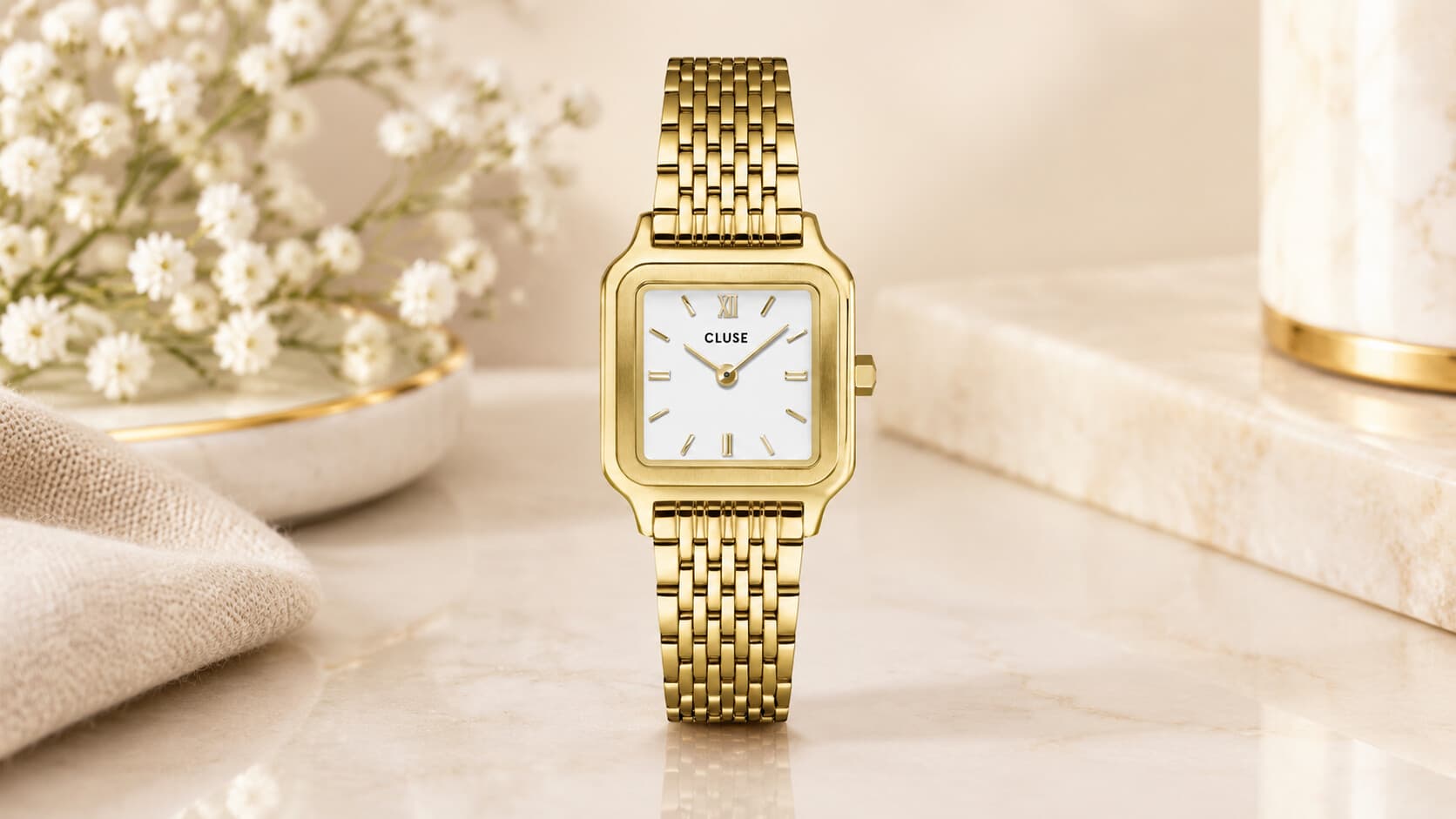
Cluse watch with gold-tone stainless steel link bracelet and minimalist champagne dial showing clean design aesthetic

Cluse has become one of the most recognizable minimalist fashion watch brands since launching in Amsterdam in 2013. The Dutch company built its reputation on clean Scandinavian-inspired designs, affordable prices, and an innovative interchangeable strap system. While Cluse won’t compete with Swiss luxury brands in heritage or investment value, they’ve captured style-conscious consumers who prioritize aesthetics and versatility. Today, Cluse sells over one million watches annually across 100+ countries through their website and approximately 2,000 authorized retailers worldwide.

Cluse Watch Brand History

The early 2010s marked a strange time for the watch industry. Smartphones had nearly killed the practical need for wristwatches, yet people still wanted to wear them as fashion statements. Traditional Swiss brands remained too expensive for most young consumers, while cheap quartz watches lacked style. Two Dutch entrepreneurs saw this gap and decided to fill it with something different: affordable watches that actually looked good and could be customized to match different outfits. Their timing couldn’t have been better, as Instagram was just becoming the dominant platform for fashion inspiration and online shopping was finally mature enough to support a direct-to-consumer watch brand.

  • Ed Postmus and Rudyard Bekker launched Cluse in Amsterdam during 2013, bringing together their combined experience in watch retail and business operations. Bekker had spent years working in corporate law at major firms before moving into the watch business through Watch2day, an online watch retailer where he learned the industry from the inside. Postmus focused on the operational side, building the e-commerce infrastructure and supply chain relationships needed to actually get watches designed, manufactured, and delivered to customers. Neither man came from traditional watchmaking families or had worked for Swiss brands, which actually helped them think differently about how watches should be sold.
  • They named their company after Cluses, a small French town that’s been making watch parts since the 1700s. The founders wanted a name that connected to watchmaking history without sounding too formal or traditional. Cluses gave them that link to heritage while still being short, memorable, and easy to pronounce in multiple languages. The choice proved smart for marketing purposes, even though Cluse designs happen in Amsterdam and production takes place in Asian factories rather than anywhere near France.
  • The business model from day one focused on cutting out traditional retail markups by selling directly to customers online. Most watches go through distributors, then retailers, with each step adding 50-100% to the price. Cluse eliminated those middlemen entirely by building their own website and handling customer service themselves. This meant a watch that cost €30 to manufacture could sell for €80-100 instead of €150-200 at a department store. The savings let them either pocket higher margins or reinvest in better materials and marketing, which they did both.
  • Instagram influencer partnerships became Cluse’s secret weapon starting in 2015, well before most watch brands recognized social media’s power. They sent free watches to fashion bloggers and lifestyle influencers who had 10,000-100,000 followers, people with engaged audiences but who didn’t charge the massive fees that celebrities demanded. These influencers genuinely liked the watches because they photographed beautifully and the interchangeable straps meant they could show different looks. The strategy cost a fraction of traditional advertising while reaching exactly the young, fashion-conscious audience Cluse wanted.
  • Physical retail partnerships began in 2016 when Nordstrom and Selfridges started carrying Cluse watches in their stores. Despite succeeding online, the founders realized that many customers still wanted to touch and try watches before buying, especially as gifts. High-end department stores also provided credibility. If Nordstrom stocks a brand, it must be legitimate. Cluse maintained control by setting strict pricing policies so stores couldn’t discount their watches, protecting both margins and brand perception. This hybrid approach let them grow faster than going purely online or purely retail.
  • A major quality upgrade happened in 2018 when Cluse switched every watch case from brass to stainless steel. The first few years of watches used brass cases with gold or rose gold plating on top. This kept costs low but created problems. The plating would wear off after 6-12 months of daily use, exposing the yellowish brass underneath. Customer complaints piled up, and the founders decided that saving a few euros per watch wasn’t worth the damage to their reputation. Stainless steel costs more and weighs more, but it lasts dramatically longer and holds plating much better. Prices went up slightly, but customer satisfaction improved dramatically.
  • Vendis Capital, a Belgian investment firm specializing in consumer brands, bought a majority ownership stake to fund international expansion. The exact year isn’t publicly disclosed, but this investment marked Cluse’s transition from entrepreneur-run startup to professionally managed growth company. Postmus and Bekker stayed involved with significant ownership stakes rather than selling out completely, ensuring the brand’s design vision remained consistent. The new capital funded warehouse expansions, more retail partnerships, new product development beyond just watches, and entry into Asian markets where the brand had minimal presence.
  • Product expansion beyond watches began as Cluse added jewelry, bags, and accessories to their catalog. The watch customer base proved receptive to other minimalist accessories that matched their watch aesthetics. Necklaces, bracelets, and rings designed in the same clean style could be bundled with watches for gifts or purchased separately. Small leather goods and canvas bags extended the brand into daily accessories. This diversification reduced reliance on watch sales alone while increasing average order values when customers bought multiple items together.
  • The automatic watch collection launched in 2024 represents Cluse’s most ambitious product yet, featuring mechanical movements instead of quartz batteries. These anniversary edition watches use Swiss or Japanese automatic movements, the kind that wind themselves from your wrist motion and don’t need batteries. They also feature sapphire crystal instead of mineral glass, giving them scratch resistance similar to luxury watches. The retail prices run €300-500, significantly higher than Cluse’s typical €60-150 range, targeting customers who want a “real” watch with traditional mechanics. Whether these automatics succeed depends on whether Cluse’s fashion-focused customer base cares about mechanical movements or just wants something that looks nice.
  • Current operations span over 100 countries with more than 2,000 retail locations complementing the main website sales channel. Europe remains the strongest market, particularly Netherlands, Belgium, Germany, UK, and France where the minimalist aesthetic resonates with local design preferences. Australia and several Asian countries have strong presence through both online and retail. One notable absence is the United States, where import tariffs currently make it financially impractical to ship watches directly to American customers. This blocks access to one of the world’s largest watch markets and represents a significant growth obstacle until resolved through either tariff changes or setting up US-based distribution.
  • Annual sales exceed one million watches, making Cluse one of the larger fashion watch brands globally despite their relatively short history. This volume puts them in the same league as established brands like Daniel Wellington, MVMT, and Skagen in terms of units sold, though still far below mass-market giants like Casio or Fossil. The million-unit milestone proves that their original vision (affordable, stylish, customizable watches sold primarily online) resonated with a large enough audience to build a sustainable business.

What makes Cluse’s story interesting isn’t just their growth numbers, but how they identified and exploited changes in consumer behavior that traditional watch companies missed. They bet on online shopping before it was obvious, used Instagram before watch brands took it seriously, and prioritized style over technical specifications when their target customers clearly cared more about how watches looked than what movement powered them. The 2018 material upgrade and 2024 automatic collection show they’re willing to improve quality and expand offerings as their customer base matures, rather than staying stuck in the €80 fashion watch category forever. Whether they can successfully move upmarket into more serious watchmaking remains to be seen, but their first decade demonstrates impressive adaptability for a brand that started with two guys in Amsterdam who just wanted to sell nicer-looking affordable watches.

Cluse Watch Features and Quality

Cluse watches stand out in the crowded fashion watch market through a specific combination of design choices, material selections, and brand positioning that sets them apart from both luxury Swiss brands and throwaway fashion accessories. The brand built its reputation on a “less is more” philosophy that strips away unnecessary complications and decorative elements to create clean, versatile timepieces that work with virtually any outfit. This minimalist approach appeals particularly to younger consumers who want their accessories to be photogenic for social media while remaining affordable enough to buy multiple pieces for different occasions. The interchangeable strap system represents perhaps their most distinctive feature, allowing owners to completely transform a watch’s appearance in seconds without any tools.

  • The design philosophy centers on Dutch and Scandinavian minimalism with clean lines, uncluttered dials, and restrained use of color and texture. Most Cluse watches feature simple stick markers or a single numeral at 12 o’clock, slim hands, and no date complications or unnecessary text on the dial. The cases have polished or brushed finishes without excessive decoration, letting the proportions and materials speak for themselves. This aesthetic works equally well with casual jeans and t-shirts or business formal attire, making Cluse watches genuinely versatile daily wear rather than statement pieces that only work with specific outfits.
  • All current models use stainless steel cases in various sizes ranging from 24mm to 38mm depending on the collection. The steel receives different surface treatments including high-polish mirror finishes, brushed satin textures, or combinations of both. Color options include natural silver steel, gold-tone PVD coating, and rose gold plating. The stainless steel construction represents a significant upgrade from the brass cases used in early production years, offering much better durability and resistance to everyday wear. The cases are generally thin, typically 6-8mm in height, which helps them slide easily under shirt cuffs and maintains the minimalist profile.
  • Crystal choices vary by price point and collection, with most standard models using mineral glass while premium and automatic watches feature sapphire crystal. Mineral glass costs less and performs adequately for fashion watches, though it scratches more easily than sapphire. The sapphire-equipped models resist scratching from daily contact with surfaces and maintain their clarity much longer, justifying their higher prices for customers who plan to wear their watches for years. Both crystal types are flat rather than domed, contributing to the clean, modern aesthetic that defines the brand.
  • The interchangeable strap system uses a quick-release mechanism with small push buttons on the spring bars, allowing strap changes in literally 10-15 seconds without any tools. This represents one of Cluse’s smartest design decisions, as it transforms a single watch into effectively multiple watches depending on which strap you attach. The brand sells straps separately in dozens of colors and materials, encouraging customers to build strap collections and change them to match outfits or moods. Strap widths are standardized at 14mm, 16mm, or 18mm depending on case size, and third-party straps in standard sizes also work with Cluse watches.
  • Strap material options include genuine leather in various colors and textures, stainless steel mesh (called Milanese mesh), stainless steel link bracelets, and fabric NATO-style straps. The leather straps use real cowhide with soft linings, though quality varies between basic models and premium lines. Mesh bracelets feature fine interwoven steel strands that drape flexibly and adjust via a sliding clasp without preset holes. Link bracelets have traditional folding clasps and require removing links for sizing. NATO straps in canvas or nylon offer casual, sporty alternatives. Each material serves different aesthetic purposes, from dressy leather to casual fabric to elegant mesh.
  • Movement specifications center almost entirely on Japanese quartz calibers, most likely Miyota movements though Cluse doesn’t publicize exact models. Quartz movements offer excellent accuracy (typically ±15 seconds per month), require minimal maintenance beyond battery changes every 2-3 years, and cost far less than mechanical movements. For a fashion watch brand targeting price-conscious consumers, quartz makes perfect sense. The movements are reliable and proven, if completely unremarkable from a horological perspective. They keep time accurately, which is really all most Cluse customers care about.
  • The 2024 automatic collection marks a significant departure from quartz-only production, incorporating Swiss or Japanese automatic mechanical movements. These self-winding movements wind from wrist motion throughout the day and don’t need batteries. They require more care than quartz (avoiding magnetic fields, occasional servicing) and cost significantly more to manufacture. Cluse positions these automatics as “investment pieces” meant to last decades and potentially pass down to children, targeting customers who want more serious watches than typical fashion brands offer. The automatics also feature sapphire crystals, better finishing on cases and dials, and more substantial bracelets to justify their €300-500 price points.
  • Water resistance ratings fall into two categories across the current collection. Older and basic models offer 3 ATM (30 meters) resistance, which essentially means they’ll survive hand washing and rain but should never be submerged or worn in the shower. Newer models since approximately 2020 provide 5 ATM (50 meters) resistance, making them safe for showering and swimming in pools, though still not suitable for diving or high-pressure water activities. Neither rating is particularly impressive compared to purpose-built dive watches, but both are appropriate for fashion watches that people primarily wear for appearance rather than aquatic activities.
  • Quality and durability fall into the middle range of fashion watches, better than disposable brands from department stores but not competing with entry-level Swiss brands or serious Japanese manufacturers. The stainless steel cases hold up well to daily wear and the interchangeable straps mean you can replace worn components easily and cheaply. However, customer reviews mention occasional quality control issues like misaligned hands, crowns that feel loose, and straps that wear out faster than expected. The watches generally last 2-5 years of regular wear before developing problems, which is reasonable given their price points but not exceptional.
  • Manufacturing takes place in Asia, likely China or Hong Kong, using common watch industry suppliers and assembly facilities. Cluse designs all watches in Amsterdam and controls quality specifications, but they don’t manufacture anything themselves. This approach is standard for fashion watch brands and allows much lower production costs than European manufacturing. The trade-off is less control over production quality and no ability to claim “Swiss Made” or “Made in Germany” heritage that commands premium pricing. For Cluse’s target market, country of manufacture matters far less than design and price.
  • Target demographic skews heavily toward women aged 20-40 who follow fashion trends, use Instagram regularly, and have disposable income for accessories but not luxury budgets. These customers want watches that look expensive and photograph well without actually costing luxury prices. They value versatility and customization over mechanical complexity or brand heritage. Secondary demographics include men seeking minimalist watches in the same age range, and gift buyers (often partners or parents) shopping for fashionable presents. The brand’s social media aesthetic and influencer partnerships reinforce this young, style-conscious positioning.
  • Environmental and ethical commitments include some recycled materials in packaging and straps, though the overall environmental impact of fashion accessories remains significant. Cluse uses FSC-certified paper for packaging and has introduced recycled ocean plastic in some strap options. The brand publishes sustainability reports discussing supply chain auditing and working conditions in manufacturing facilities. However, the fundamental business model of encouraging customers to buy multiple watches and numerous interchangeable straps inherently conflicts with sustainability principles of buying less and using items longer. The environmental initiatives are genuine but limited compared to brands truly committed to sustainable practices.

What really makes Cluse special isn’t any single technical innovation or superior craftsmanship. It’s the complete package of good-looking minimalist design, affordable pricing, and extensive customization options that lets customers express their personal style without spending luxury watch money. The watches look significantly more expensive than they actually are, photograph beautifully for social media, and offer enough quality to last several years of regular wear. For customers who view watches primarily as fashion accessories rather than mechanical instruments or investment pieces, Cluse delivers exactly what they want at prices they can afford. The brand succeeded by correctly identifying what their target customers actually value and building products that deliver those specific attributes while eliminating everything else that would increase costs without providing corresponding value to fashion-focused buyers.

Top 10 Best Cluse Watches

Choosing the “best” Cluse watches depends heavily on personal style preferences, wrist size, and intended use, but certain collections have proven consistently popular based on sales data, customer reviews, and versatility across different situations. The brand’s lineup has evolved significantly since 2013, with some early models discontinued and new collections added regularly. Current pricing ranges from around €60 for basic models to €500+ for the automatic collection, with most watches falling in the €80-120 sweet spot. All prices listed reflect official retail pricing as of 2024-2025, though authorized retailers occasionally offer discounts during seasonal sales. Remember that Cluse watches are fashion accessories first and mechanical timepieces second, so these recommendations focus on design, versatility, and value rather than horological complexity.

  • Cluse Minuit remains the brand’s bestselling collection since its introduction, featuring a 33mm round case that works for both smaller and average wrists. The defining characteristic is a single Roman numeral XII at 12 o’clock with simple stick markers for other hours, creating an elegant minimalist look that works equally well in professional and casual settings. The thin case profile (around 6-7mm) slides easily under shirt cuffs, making it genuinely practical for office wear. Available case finishes include silver steel, gold-tone, and rose gold, with literally dozens of strap options from leather to mesh to NATO fabric. Pricing typically runs €80-95 depending on strap choice. The Minuit works particularly well for people new to Cluse because its moderate size and classic proportions suit most wrist sizes and style preferences.
  • Cluse La Bohème offers a larger 38mm case for people who want more presence on the wrist or have larger wrists where the Minuit might look too small. The dial features simple stick markers without numerals, creating an even cleaner appearance than the Minuit. Despite the larger diameter, the case remains thin and lightweight, avoiding the chunky appearance of oversized fashion watches. The 38mm size also makes it appropriate for men who like minimalist watches, giving La Bohème crossover appeal beyond the primarily female Cluse customer base. Prices range €75-110 depending on materials and finishes. This collection particularly suits people who want a statement watch that still maintains minimalist aesthetics, or anyone with wrists over 16cm circumference who finds smaller watches look disproportionate.
  • Cluse La Tétragone introduced a distinctive square case shape that sets it apart from the numerous round watches in the market. The 28.5mm square case with gently rounded corners creates a retro-modern aesthetic reminiscent of 1970s dress watches but executed with contemporary minimalism. The unusual shape photographs exceptionally well for social media, making it popular among fashion influencers. Despite the square shape, it wears comfortably and the relatively small dimensions suit smaller wrists well. Available in all three standard finishes with the full range of strap options, priced €60-85. The Tétragone appeals to customers who want something visually distinctive that still maintains versatility, though the square shape does lean more casual than formal compared to round watches.
  • Cluse Féroce targets the mid-size segment with a 36mm case that splits the difference between the compact Minuit and larger La Bohème. The collection features slightly more substantial cases and often comes on stainless steel mesh or link bracelets rather than leather, giving it a more polished, jewelry-like appearance. Some Féroce models include small decorative elements like a ring of stones around the bezel, adding subtle glamour without overwhelming the minimalist aesthetic. The 36mm size works well for medium wrists (15-17cm circumference) where 33mm feels too small but 38mm too large. Pricing runs €100-130, positioning it as a mid-range option within the Cluse lineup. This collection suits people who want something slightly more substantial and polished than the entry-level collections.
  • Cluse Gracieuse Petite serves customers with very small wrists or those who prefer delicate, feminine watches. The tiny 24mm square case makes it one of the smallest watches available from any brand, creating a jewelry-like appearance that emphasizes elegance over legibility. The petite size means the dial markings are quite small, so this isn’t ideal for people with vision issues who need to read time at a glance. However, for those who prioritize aesthetics and have wrists under 15cm circumference, few other watches this small offer comparable style. Prices range €100-120, reflecting the specialized appeal and smaller production volumes. The Gracieuse Petite works best as a dress watch for formal occasions or for customers who consistently prefer delicate jewelry and accessories.
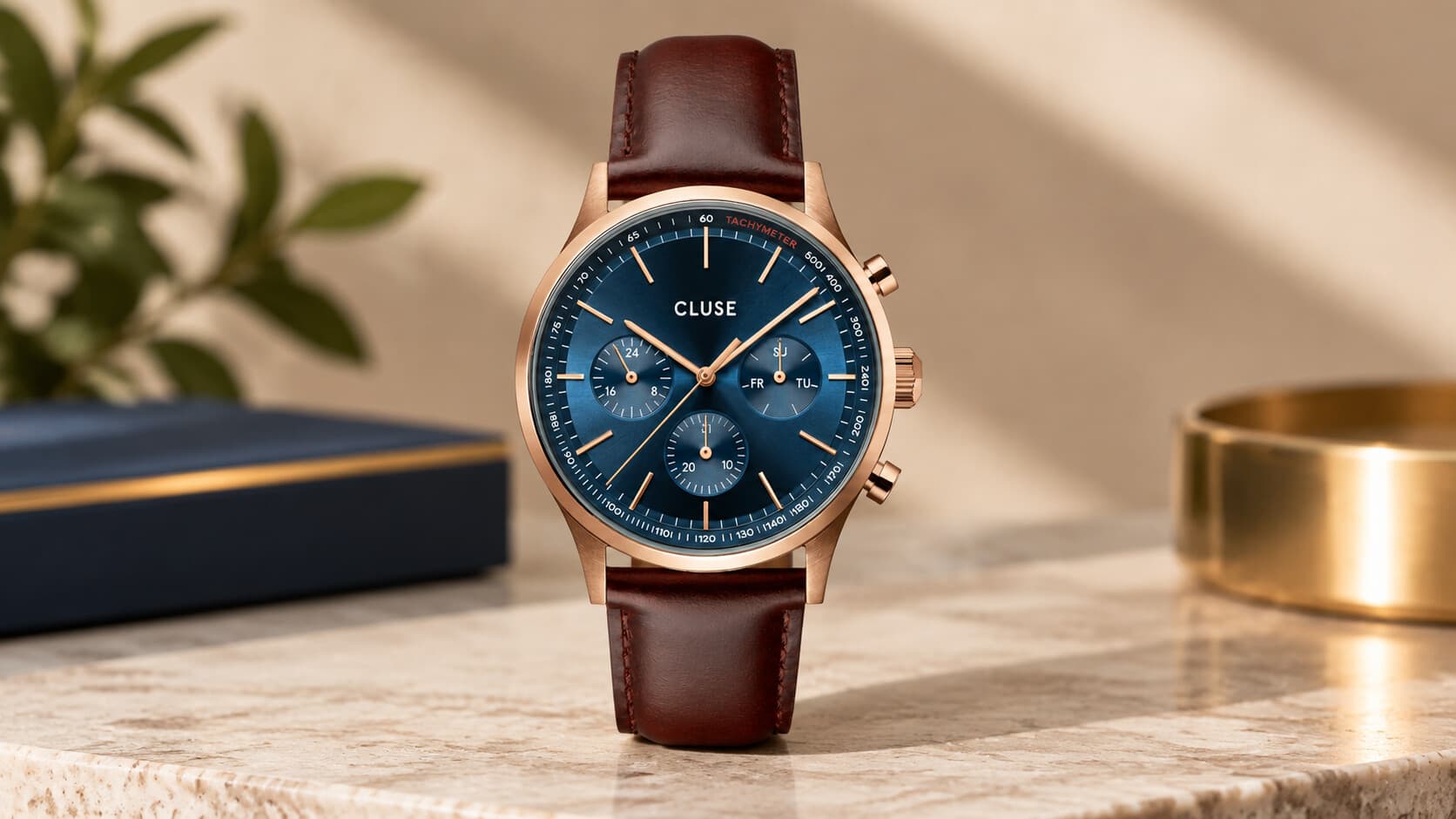
  • Cluse Minuit Multifunction represents the brand’s 2024 expansion into chronograph watches with multiple subdials for stopwatch functions. The 33mm case matches the standard Minuit but the dial now includes three subdials showing seconds, minutes, and hours elapsed, plus pushers on the case side to control the chronograph. This adds functionality for people who actually use stopwatch features, though most buyers probably appreciate the sportier, more complex dial appearance more than the actual timing capability. The multifunction models use more expensive quartz movements with chronograph modules, pushing prices to €90-110. This collection appeals to customers who like the Minuit size but want something that looks more technical and sporty than the simple time-only dial.
  • Cluse La Tétragone Multifunction applies the same chronograph concept to the square case format, creating a unique combination of retro-inspired shape with contemporary sport watch functionality. The square dial with three round subdials creates interesting visual geometry that photographs well and stands out in a market dominated by round chronographs. Like the Minuit Multifunction, this uses quartz chronograph movements rather than mechanical, keeping costs reasonable at €100-120. The square chronograph appeals to customers who want maximum visual distinctiveness and don’t mind the busier dial compared to simple time-only watches.
  • Cluse Boho Chic offers a more fashion-forward aesthetic with textured dials, unique color combinations, and sometimes decorative elements like small stones or patterned backgrounds. The collection spans various case sizes similar to other lines but distinguishes itself through bolder design choices that sacrifice some versatility for stronger style statements. Prices typically run €75-95. The Boho Chic works well for customers who have distinct personal style and want their watch to contribute to rather than simply complement their overall look, though the bolder designs may not work as well in conservative professional environments.
  • Cluse Triomphe (if currently available) features Roman numerals at all hour positions rather than just at 12 o’clock, creating a more classical, traditional watch appearance. The vintage-inspired aesthetic suits customers who prefer timeless design over trendy minimalism. Pricing and availability vary as Cluse rotates certain collections in and out of active production. When available, this serves customers who like Cluse’s quality and interchangeable strap system but want something that looks more like traditional watches their parents might wear.
  • Cluse Automatic Collection represents the brand’s premium offering with Swiss or Japanese automatic movements, sapphire crystals, and higher-quality finishing throughout. These anniversary edition pieces cost €300-500, triple or quadruple the price of standard quartz models, positioning them as genuine watch purchases rather than fashion accessories. The automatics feature exhibition casebacks showing the movement, better bracelets with solid links and refined clasps, and improved water resistance. However, they compete directly with established entry-level automatic brands like Seiko, Tissot, and Hamilton that have far more horological credibility. The Cluse automatics suit existing brand fans who want to upgrade to a more serious watch while maintaining the aesthetic they already love, though watch enthusiasts will likely prefer proven alternatives at similar prices.

The “best” Cluse watch ultimately depends on your specific needs and preferences. For maximum versatility and broad appeal, the standard Minuit or La Bohème in silver steel with a neutral leather strap works with virtually any outfit and occasion. For distinctive style and social media appeal, the La Tétragone square case or one of the multifunction chronographs offers more visual interest. For very small wrists or ultra-feminine aesthetics, the Gracieuse Petite delivers delicate proportions unavailable elsewhere. The key is matching case size to your wrist dimensions, choosing a finish that works with your existing jewelry (gold, silver, or rose gold), and selecting strap options that cover your most common clothing styles. The beauty of Cluse’s interchangeable strap system means you can start with one watch and several straps, effectively creating multiple watches for less than buying two complete watches from most other brands.

What to Consider When Buying Cluse Watches

Buying a Cluse watch seems straightforward since the brand offers relatively simple products at accessible prices, but several important factors deserve consideration before making a purchase. The right watch depends on matching the case size to your wrist proportions, selecting finishes that work with your existing jewelry and wardrobe, choosing water resistance appropriate for your lifestyle, and having realistic expectations about quality and longevity given the price point. Many first-time Cluse buyers make the mistake of choosing based purely on appearance in product photos without considering how the watch will actually fit their wrist or work with their daily routine. Taking time to measure your wrist, think about when and where you’ll wear the watch, and plan for strap versatility will result in a purchase you actually use rather than one that sits in a drawer after the initial excitement fades.

  • Case size selection requires measuring your wrist circumference to determine appropriate proportions. Wrap a flexible measuring tape or string around your wrist just below the wrist bone where you’d wear a watch, then measure the string if needed. Wrists under 15cm generally look best with 24-28mm cases like Gracieuse Petite or La Tétragone. Wrists 15-17cm work well with 33-36mm cases like Minuit or Féroce. Wrists over 17cm can handle 38mm cases like La Bohème comfortably, and men typically prefer these larger sizes regardless. As a general rule, the case shouldn’t extend beyond your wrist width when viewed from above. If possible, try watches in person before buying online, or order from retailers with good return policies so you can test fit at home.
  • Case shape affects both aesthetics and comfort, with round cases being more traditional and versatile while square cases make stronger style statements. Round cases like Minuit, La Bohème, and Féroce work in virtually any situation from casual to formal and suit all wrist shapes. Square cases like La Tétragone and Gracieuse Petite create more distinctive looks that photograph well but lean slightly more casual and may not work as well with formal business attire. The rounded corners on Cluse’s square watches help them wear comfortably, but some people find square cases less comfortable than rounds during all-day wear, particularly if you rest your wrist on desks frequently while typing.
  • Metal finish choices should coordinate with your existing jewelry to create a cohesive look rather than mixing metals randomly. If you typically wear yellow gold jewelry (rings, necklaces, bracelets), choose gold-tone watch cases and avoid silver or rose gold. If you wear white gold or platinum jewelry, silver steel cases work best. Rose gold coordinates well with rose gold jewelry but can clash with yellow gold. Some people successfully mix metals intentionally as a style choice, but this requires more fashion confidence than simply matching metals consistently. Consider also that gold and rose gold finishes on Cluse watches are plating over steel, not solid gold, so they’ll eventually wear through with daily use over several years.
  • Water resistance ratings directly impact how you can use the watch in daily life, with significant differences between 3 ATM and 5 ATM ratings. Watches rated 3 ATM (30 meters) tolerate hand washing and rain but should be removed before showering, swimming, or any water submersion. The rating refers to static water pressure testing, not actual swimming depth, so even shallow water activities can damage 3 ATM watches if water pressure increases from movement. Models rated 5 ATM (50 meters) handle showering and swimming in pools or calm water, though you should still avoid hot showers, diving, or water sports. Check the specific model’s rating before purchase if water resistance matters for your lifestyle, and remember that no Cluse watch is suitable for serious aquatic activities.
  • Movement type determines maintenance requirements and running costs over the watch’s lifetime. Quartz models need battery replacements every 18-36 months depending on the specific movement and how much you wear the watch. Battery replacement at a jeweler typically costs €10-20, or you can learn to do it yourself for under €5 per battery, though opening the case yourself voids the warranty. Automatic mechanical models don’t need batteries but require wearing regularly (daily or every few days) to keep them wound, or you’ll need to manually wind them by rotating the crown 15-25 times. Automatics also benefit from professional servicing every 5-7 years to clean and lubricate the movement, costing €100-200, though many people simply replace fashion watches rather than servicing them.
  • Strap selection should cover your most common wearing situations, with leather for professional settings, mesh for dressier casual wear, and NATO fabric for sports and outdoor activities. The interchangeable strap system means you can buy extra straps affordably (€15-40 depending on material) and swap them based on outfit or occasion. Leather works well for offices and formal events but wears out faster than metal or fabric, especially with daily wear. Mesh bracelets are more durable and versatile but some people find them less comfortable than leather. Link bracelets look polished and professional but require sizing by removing links, making them less adjustable than mesh or leather with multiple holes. NATO straps offer maximum durability and comfort for casual wear but look too sporty for business formal environments.
  • Color coordination between dial, case, and strap creates either cohesive matchy-matchy aesthetics or intentional contrast for visual interest. Matching everything (white dial, silver case, silver mesh strap) creates clean minimalism that works everywhere but might look boring. Contrasting elements (black dial, rose gold case, brown leather strap) adds visual complexity but requires more thought to coordinate with outfits. Cluse’s minimalist design philosophy tends to work best with relatively simple color schemes, using contrast sparingly rather than combining multiple bold colors. Consider your wardrobe when choosing dial colors. White or cream dials work with everything, black dials lean slightly more casual, and colored dials (blue, green, pink) limit versatility but add personality.
  • Budget planning should account for the initial watch purchase plus at least 1-2 additional straps to maximize versatility. A €90 watch with only its included strap offers less practical value than an €80 watch plus two extra straps for €100 total, since the strap variety effectively gives you three different watches for different situations. Plan to spend 10-20% of the watch price on each additional strap, meaning a €100 watch might warrant a €120-140 total budget including strap options. Sales and bundle deals occasionally offer discounts on multi-strap purchases, making it more economical to buy straps at the same time as the watch rather than individually later.
  • Warranty coverage and purchase source affect your recourse if the watch arrives defective or develops problems shortly after purchase. Buying from Cluse’s official website or authorized retailers provides a 2-year warranty covering manufacturing defects and movement failures, but not strap wear, crystal scratches, water damage, or damage from normal use. Unauthorized sellers including some marketplace vendors may offer lower prices but provide no warranty support if problems occur. The €10-20 saved buying from unauthorized sources could cost you the entire watch value if it arrives broken or stops working after a few months. Always verify retailer authorization on Cluse’s official store locator before purchasing.
  • Realistic quality expectations prevent disappointment by understanding what you’re actually buying at this price point. Cluse watches cost €60-150 for quartz models, positioning them firmly in the fashion watch category alongside brands like Daniel Wellington, MVMT, and Skagen rather than serious watchmaking brands like Seiko, Citizen, or Tissot. At these prices, expect decent quality that lasts 2-5 years with normal wear rather than decades-long heirloom pieces. The watches look more expensive than they are, which is part of their appeal, but the movements are basic quartz, the finishing is adequate but not exceptional, and quality control occasionally misses issues. Buy Cluse for aesthetics and versatility at affordable prices, not for investment value or superior craftsmanship.
  • Lifestyle compatibility ensures the watch actually works for your daily activities rather than just looking nice in photos. If you work with your hands, do physical labor, or play sports regularly, delicate fashion watches with leather straps may not be practical daily wear. If you work in conservative professional environments, the more fashion-forward designs with colored dials or decorative elements might not be appropriate. If you shower twice daily and swim regularly, you need 5 ATM models rather than 3 ATM. If you travel frequently across time zones, simple time-only watches mean manual adjustment rather than GMT complications. Match the watch to your actual life rather than buying based on aspirational lifestyle you imagine.

The most common buying mistakes include choosing case sizes too large for small wrists because bigger looks more impressive in photos, selecting bold finishes or colors that limit versatility, buying only the watch without extra straps and missing the customization benefits, and expecting luxury watch quality at fashion watch prices. The smartest Cluse purchase involves measuring your wrist properly, choosing conservative versatile options for your first watch, budgeting for 2-3 strap options immediately, buying from authorized sources with warranty coverage, and maintaining realistic expectations about quality and longevity. If you approach Cluse watches as stylish, affordable accessories with decent quality rather than investment timepieces or superior craftsmanship, you’ll likely be satisfied with your purchase and get several years of regular wear before needing replacement.

Where to Get Authentic Cluse Watches

Finding authentic Cluse watches at fair prices requires knowing which sellers are authorized and which are selling counterfeits or gray market goods without warranty coverage. The brand uses a controlled distribution model with official retailers who must maintain minimum pricing standards, meaning legitimate prices don’t vary dramatically between sellers. Significant discounts from unauthorized sources usually indicate counterfeit products or watches obtained through unofficial channels that won’t be covered under warranty. Understanding where to buy safely, how to verify authenticity, and what red flags indicate fake or problematic sellers will protect you from wasting money on inferior products or losing warranty coverage when you need it.

  • The official Cluse website at cluse.com remains the safest and most reliable purchasing source with guaranteed authenticity and full warranty coverage. Buying directly from the brand ensures you receive genuine products with all included accessories, proper packaging, warranty documentation, and access to customer service if problems arise. The website ships to most European countries, Australia, and many Asian markets with delivery typically within 2-5 business days. Free standard shipping applies to most orders over a minimum threshold (usually €50-75 depending on country), with express shipping available for additional fees. The website frequently runs seasonal promotions offering 10-30% discounts during Black Friday, end-of-season sales, and special events, making it worth waiting for sales rather than paying full price.
  • Authorized retail partners can be found through the official store locator on cluse.com, listing physical stores and approved online retailers by country. These authorized sellers receive inventory directly from Cluse or approved distributors, ensuring authentic products with valid warranty coverage. Physical retail locations let you try watches on your wrist before buying, comparing sizes and seeing how finishes look in person rather than in photos. Authorized online retailers offer the convenience of online shopping with the security of authorized seller status. Always verify a seller appears on the official store locator before purchasing to ensure warranty coverage will be honored.
  • Major department stores including Nordstrom, Selfridges, David Jones, and equivalent retailers in various countries stock Cluse watches in their jewelry or accessories sections. These prestigious retailers provide additional purchase security since their reputations depend on selling authentic goods, and they handle returns and exchanges through their own customer service departments. Department stores occasionally offer their own promotional discounts or loyalty program benefits that can reduce effective prices below the Cluse website. However, department stores typically stock limited selections focusing on bestselling models rather than the full catalog, so you may need to order special requests or buy directly from Cluse for less common models.
  • Authorized jewelry stores and watch boutiques often carry Cluse alongside other fashion and entry-level watch brands, providing personalized service and local availability. These smaller retailers can offer sizing services for link bracelets, battery replacement when needed, and sometimes more flexible return policies than online sources. Building relationships with local jewelers also provides a resource for future purchases and repairs. However, smaller stores stock even more limited selections than department stores, often displaying only 5-10 models and requiring orders for specific combinations of case, dial, and strap options.
  • Online marketplaces may feature official brand stores with authorized products and warranty coverage, though availability varies by region and platform. When shopping through major online marketplaces, always verify you’re purchasing from the official brand store rather than third-party marketplace sellers. Official brand presences on these platforms provide the same authenticity and warranty as buying from cluse.com but often with the marketplace’s customer service handling returns and inquiries. Fast shipping benefits and aggressive return policies often make exchanges easier than dealing directly with brands. However, not all Cluse products appear on these platforms, and some regions lack an official Cluse presence.
  • Unauthorized sellers including some auction sites, discount websites, and social media marketplace listings often offer suspiciously low prices that indicate counterfeit or gray market goods. Counterfeits range from obvious fakes with misspelled branding and plastic cases to sophisticated copies that closely mimic authentic watches but use inferior movements and materials. Gray market watches are authentic products obtained through unofficial channels like parallel imports, overstock purchases, or unauthorized resellers, but lack warranty coverage since Cluse only honors warranties for purchases from authorized sources. Saving €20-40 through unauthorized sellers isn’t worth the risk of receiving a counterfeit or losing all warranty protection if the watch develops problems.
  • Price verification helps identify legitimate versus suspicious sellers, as authorized retailers must maintain minimum pricing standards set by Cluse. Current retail prices for standard quartz models range €60-150 depending on collection and materials, with automatic models reaching €300-500. Authorized sellers typically stay within €5-10 of each other for the same model, with variations due to regional pricing or promotional discounts. If a seller offers prices 30-50% below other sources outside of major seasonal sales, this strongly suggests counterfeit or gray market goods. Legitimate deep discounts only occur during brand-authorized sales events like Black Friday, end-of-season clearance, or when discontinuing specific models.
  • Counterfeit identification requires examining specific details that fakers typically get wrong or execute with lower quality than authentic watches. Genuine Cluse watches have cleanly engraved serial numbers on the caseback with sharp, even lettering rather than shallow, uneven engravings. The stainless steel cases feel substantial and well-finished without sharp edges or rough spots. Printing on the dial appears crisp and centered, with the Cluse logo properly positioned and proportioned. Strap quality on authentic watches uses genuine leather with finished edges and smooth stitching, not synthetic materials with rough cuts. The watch arrives in official Cluse packaging including a branded box, warranty card with matching serial number, and instruction booklet rather than generic packaging or no box at all.
  • Documentation verification ensures your purchase includes all necessary materials for warranty claims and future service. Authentic purchases include a warranty card with the watch’s serial number, purchase date, and retailer stamp or signature. The serial number on the warranty card must match the number engraved on the watch caseback. You’ll also receive instructions for basic operations like setting time and changing straps, care recommendations, and water resistance specifications. Keep all original packaging, receipts, and documentation in case you need to make a warranty claim or resell the watch later. Without proper documentation, Cluse customer service cannot verify your purchase is legitimate and won’t honor warranty coverage.
  • Regional availability varies significantly, with strong presence in Europe and Australia but limited or no access in some major markets. European customers enjoy the widest selection and fastest shipping since Cluse operates from Amsterdam. Australia has well-established distribution through department stores and specialty retailers. Asian markets including Singapore, Hong Kong, and Japan have growing presence with authorized retailers in major cities. The United States currently lacks direct shipping from Cluse due to import tariff complications, though some authorized retailers in the US may still stock limited selections. This absence represents a significant limitation for American customers who must either buy from limited authorized stock or use forwarding services with uncertain warranty coverage.
  • Return policies and exchange processes differ between sellers, making this an important consideration when choosing where to buy. The official Cluse website offers 30-day returns for unworn watches in original packaging, with free return shipping for most countries. Some authorized retailers match this policy while others impose shorter return windows (14 days) or charge restocking fees for returns. Department stores often provide the most generous return policies, sometimes accepting returns for 60-90 days with original receipts. Check the specific return policy before purchase to protect yourself if the watch doesn’t fit properly, looks different than expected, or you simply change your mind.
  • International shipping considerations affect delivery times, customs duties, and total costs for cross-border purchases. Cluse ships internationally to most countries from their European distribution center, with delivery times ranging from 2-3 days within Europe to 7-14 days for Australia and Asia. Customs duties and import taxes may apply depending on your country’s regulations and the order value, potentially adding 10-30% to the purchase price. Some countries have minimum thresholds below which imports aren’t taxed, making smaller orders more economical than large ones. Factor in potential customs charges when comparing prices between local authorized retailers and international direct purchase to determine the true total cost.

The safest purchasing approach involves buying from cluse.com directly or verified authorized retailers found through the official store locator, even if prices run slightly higher than suspicious alternative sources. The warranty coverage, authenticity guarantee, and customer service access provided by authorized sources far outweigh minor savings from risky sellers. If buying in person, visiting department stores or local jewelers lets you try watches before committing, while online purchases work best when you already know which model and size you want. Waiting for seasonal sales from authorized sources often provides 20-30% discounts that match or beat prices from unauthorized sellers without the authenticity and warranty risks. Whatever source you choose, verify it’s authorized, examine the watch carefully upon arrival, and keep all documentation for warranty coverage and potential resale value.

Cluse Watch Value and Depreciation

The uncomfortable truth about Cluse watches is that they make terrible financial investments and lose most of their value the moment you complete the purchase. This isn’t unique to Cluse but applies to virtually all fashion watch brands that prioritize style over horological heritage and mechanical complexity. Understanding the realistic depreciation rates, limited secondary market demand, and factors that destroy resale value helps set appropriate expectations so you buy Cluse watches for the right reasons (personal enjoyment and style) rather than mistaken beliefs about future value appreciation. Some watch brands do appreciate or hold value well, but Cluse definitively isn’t one of them, and pretending otherwise leads to disappointment when you eventually try to sell.

  • Fashion watches typically depreciate 40-60% immediately upon purchase, with Cluse falling squarely in this category. A €100 Cluse watch purchased new will realistically sell for €40-60 in the secondary market even if unworn with tags still attached. The moment you remove the watch from its original packaging and wear it once, resale value drops to perhaps €30-50 depending on condition and market demand. This brutal depreciation reflects that fashion watches have minimal intrinsic value beyond their materials (€20-30 worth of steel, leather, and quartz movement) with the remainder representing brand marketing, design, and retail markup that evaporates in resale situations.
  • Annual depreciation continues at roughly 10-15% per year for the first 3-5 years, then levels off near zero as the watch reaches its floor value. After the initial 40-60% hit from being used rather than new, a Cluse watch worth €50 in year one might bring €42-45 in year two, €35-40 in year three, and eventually stabilize around €20-30 after five years regardless of condition. At that point, the watch is worth approximately its scrap metal and component value with minimal premium for the Cluse brand. Extremely well-maintained examples in original packaging might command slight premiums, but most used Cluse watches become essentially worthless in financial terms after several years.
  • The secondary market for fashion watches remains extremely limited compared to luxury Swiss brands or even serious entry-level manufacturers. People shopping for used watches typically want either significant savings on luxury brands (buying a used Rolex for €5,000 instead of €10,000 new) or proven quality from established manufacturers (buying a used Seiko for durability and reliability). Very few buyers actively seek used fashion watches when they can buy new ones for €80-120, especially since used examples offer minimal savings after factoring in uncertainty about condition, remaining battery life, and lack of warranty coverage. The small secondary market means long selling times and accepting whatever low offers eventually appear.
  • Online resale platforms show limited Cluse listings with watches sitting unsold for months at asking prices far above realistic market value. Sellers optimistically list their used Cluse watches for 60-80% of original retail price, hoping to recover most of their investment, but these listings rarely sell. The few completed sales that do occur typically happen at 30-50% of original retail for near-mint examples, with well-worn watches bringing even less. The disconnect between seller expectations and buyer willingness to pay creates a stagnant market where most sellers eventually give up and keep their watches rather than accepting the financial reality of heavy losses.
  • Brand heritage and horological significance directly impact resale value, and Cluse has neither after only a decade of existence. Luxury brands like Rolex, Patek Philippe, and Omega maintain strong resale value because they’ve built reputations over 50-150 years for quality, precision, and lasting appeal. Even affordable brands like Seiko and Citizen hold value better than Cluse because they have genuine watchmaking heritage spanning decades. Cluse launched in 2013 as a fashion brand with no watchmaking history and manufactures nothing themselves, simply designing watches built by Asian contract manufacturers. This lack of heritage means the brand carries no prestige or collectibility that might support resale values.
  • Production volume and availability work against resale value since new Cluse watches remain readily available at reasonable prices. Luxury brands create artificial scarcity through limited production and selective distribution, supporting secondary market prices that sometimes exceed retail for highly desired models. Cluse produces over one million watches annually with wide distribution through their website and thousands of retailers globally. Anyone wanting a Cluse watch can simply buy new from authorized sources, often during sales at discounted prices, eliminating any reason to pay significant amounts for used examples. High availability destroys the scarcity premium that supports resale values for collectible watches.
  • Mechanical complexity and craftsmanship contribute to value retention, and basic quartz movements offer neither. Mechanical watches from quality manufacturers hold value partly because they represent genuine craftsmanship with hundreds of precisely manufactured components assembled by skilled watchmakers. A basic quartz movement costs €5-15 to manufacture with mostly automated processes and contains minimal craftsmanship or intrinsic value. Cluse’s quartz watches therefore depreciate like any other mass-produced electronic device that becomes obsolete and worthless quickly. Even Cluse’s new automatic models face challenges since their movements come from standard suppliers rather than in-house development, limiting collectibility and value retention.
  • Condition affects resale value more dramatically for fashion watches than luxury pieces since buyers have limited reasons to accept flawed examples. A scratched Rolex might sell for 10-15% less than a mint example because the underlying quality, heritage, and mechanical movement retain value regardless of cosmetic condition. A scratched Cluse watch might sell for 40-50% less than mint condition since aesthetics represent the primary value proposition. Once the appearance is compromised through worn plating, scratched crystals, or damaged straps, the watch offers little appeal to potential buyers who can get perfect new examples cheaply. This means normal wear and tear destroys resale value faster than with quality watches built to last decades.
  • Original packaging and documentation matter more for fashion watch resale than many sellers realize, potentially affecting values by 20-30%. Buyers of used luxury watches often focus primarily on the watch itself since authenticity can be verified through serial numbers and the watch represents significant value alone. Fashion watch buyers want complete sets with original boxes, papers, extra links, and warranty cards because these items prove authenticity and suggest careful ownership. A Cluse watch without original packaging might sell for €25 while the same model with complete box and papers brings €35-40, representing substantial percentage differences even though absolute values remain low.
  • Limited edition or discontinued models sometimes maintain slightly better resale value than current production pieces, though this remains relative to poor overall depreciation. A discontinued Cluse model in excellent condition might sell for 50-60% of its original retail price rather than the typical 30-40%, simply because buyers can’t purchase it new anymore. However, Cluse lacks the collector following that drives strong demand for discontinued models from established brands. The slight premium for discontinued pieces helps marginally but doesn’t fundamentally change the poor investment characteristics of fashion watches.
  • Alternative value calculations focus on cost-per-wear rather than resale value, providing more realistic frameworks for evaluating fashion watch purchases. If you buy a €100 Cluse watch and wear it 200 times over three years before it breaks or you move on to something else, the cost per wear is €0.50 plus battery replacements. This represents reasonable value for an accessory that improved your appearance and confidence during those 200 wearing occasions. Framing the purchase as consumable fashion rather than investment changes expectations appropriately. You wouldn’t expect to resell worn shoes or clothing for anything close to purchase price, and fashion watches deserve similar thinking.

The clearest guidance is to never buy Cluse watches expecting to recover significant value when selling later. Purchase them because you like how they look, appreciate the versatility of interchangeable straps, and want an affordable accessory for current enjoyment. If the watch lasts several years and you wear it regularly, you’ve received appropriate value for the price paid. If you eventually sell it, accept that you’ll recover perhaps 20-40% of the original purchase price in best-case scenarios, and possibly nothing if the watch shows significant wear or you can’t find interested buyers. The money spent on Cluse watches should be considered gone forever, similar to money spent on restaurants, entertainment, or any other consumable experience. This mindset prevents disappointment and lets you enjoy the watches for what they actually are rather than regretting them for what they’ll never be.

Cluse Watch Care and Maintenance

Cluse watch featuring rose gold case with mesh bracelet and silver white dial with crystal markers demonstrating Dutch minimalist style

Proper care extends the lifespan of Cluse watches from the typical 2-3 years of neglectful ownership to potentially 5-7 years of reliable service, making the difference between getting adequate value from your purchase and replacing the watch prematurely. Fashion watches with basic quartz movements and plated finishes require more careful handling than robust tool watches built for abuse, yet many owners treat their Cluse watches carelessly and then complain about premature failure. Understanding daily care requirements, when professional service becomes necessary, common problems to avoid, and warranty limitations helps you maintain your watch properly while recognizing when issues require expert attention rather than DIY fixes.

  • Daily cleaning should happen weekly using a soft, lint-free cloth to wipe down the case, crystal, and strap, removing accumulated oils, sweat, and dirt. Microfiber cloths designed for eyeglasses or camera lenses work perfectly for watch cleaning without scratching surfaces. Pay particular attention to the area where the case meets the strap, as skin oils and debris accumulate in these crevices and can cause discoloration or irritation. For leather straps, wipe gently without excessive pressure to avoid damaging the leather surface. Metal bracelets and mesh straps tolerate more aggressive wiping but avoid abrasive materials that might scratch polished surfaces.
  • Water exposure requires careful attention to the specific water resistance rating of your model before any contact with moisture. Watches rated 3 ATM can handle hand washing and rain but must be removed before showering, bathing, swimming, or any water submersion. Even washing dishes with a 3 ATM watch risks water intrusion if you submerge your hands in soapy water. Models rated 5 ATM tolerate showering and swimming in pools or calm water, though you should still avoid hot water which can damage gaskets and allow moisture inside the case. Regardless of rating, never operate the crown (the winding/setting button) while the watch is wet or underwater, as this breaks the water seal and allows immediate water intrusion.
  • Chemical exposure from perfumes, lotions, cleaning products, and cosmetics can damage both the watch case finish and strap materials. Apply perfume, cologne, hairspray, and lotions before putting on your watch, allowing these products to dry completely on your skin. The alcohol and chemicals in these products can degrade leather straps, causing cracking and discoloration, and can also damage the plating on gold-tone or rose gold cases. Household cleaning products pose similar risks, so remove your watch before cleaning or wear gloves that cover the watch completely. Swimming pool chlorine and ocean salt water are particularly aggressive, requiring immediate rinsing with fresh water if your watch gets exposed despite water resistance ratings.
  • Temperature extremes and sunlight exposure gradually damage watch components and accelerate material deterioration. Avoid leaving watches in hot cars where temperatures can exceed 60°C (140°F), which degrades lubricants in the movement and can warp plastic components or damage the crystal. Similarly, extreme cold below freezing can make materials brittle and affect battery performance temporarily. Prolonged direct sunlight fades leather straps and can discolor some dial materials over months or years of exposure. Store watches in cool, dry places away from windows and heat sources when not wearing them.
  • Magnetic field exposure can disrupt quartz movements, causing timekeeping inaccuracies or complete stoppage in extreme cases. Keep watches away from strong magnets including speaker systems, magnetic phone cases, magnetic closures on purses and bags, MRI machines, and industrial equipment. While modern quartz movements are somewhat resistant to magnetism, intense or prolonged magnetic exposure can still cause problems. If your watch suddenly runs fast, slow, or stops working without obvious cause, magnetization might be the culprit. Some jewelers can demagnetize watches, though it’s easier to simply avoid magnetic sources.
  • Strap care varies dramatically by material, with leather requiring the most attention and metal bracelets being most forgiving. Leather straps should be removed from the watch occasionally and wiped with a slightly damp cloth to remove built-up sweat and oils, then allowed to air dry completely before reattaching. Avoid getting leather straps soaking wet, and never dry them with heat sources which cause cracking. Leather naturally wears out with regular use, typically lasting 1-2 years before requiring replacement. Metal mesh and link bracelets can be cleaned with mild soap and water using a soft brush to remove dirt from the links, then dried thoroughly. Fabric NATO straps are the most durable and can even go through washing machines if removed from the watch first.
  • Battery replacement becomes necessary every 18-36 months depending on the specific movement and how much you wear the watch. Signs that battery replacement is due include the second hand jumping in 2-4 second intervals rather than every second, the watch running slow or stopping completely, or dim illumination if your model has a light function. Taking the watch to a jeweler or watch repair shop for battery replacement typically costs €10-20 including the battery and labor to open the case, replace the battery, and pressure test the water resistance. Some owners learn to replace batteries themselves using inexpensive case opening tools, though this voids the warranty and risks damaging gaskets or the case if done improperly.
  • Professional servicing for quartz watches is generally not economical given the low replacement cost of the watches themselves. Unlike mechanical watches that benefit from complete movement servicing every 5-7 years, basic quartz movements either work or they don’t, with little middle ground. If a Cluse quartz movement fails outside of warranty, replacement cost often approaches or exceeds the price of buying a new watch, making repair financially illogical. The movement itself might cost €15-30, but labor to open the case, swap movements, and pressure test can run €40-80 at jewelers, totaling €60-110 to repair a watch you could replace new for €80-120. Most owners simply buy new watches when movements fail rather than paying for repairs.
  • Crown operation requires gentle handling to avoid damage to the setting mechanism or water resistance gaskets. Pull the crown out gently to its setting position rather than yanking it forcefully. Turn it slowly and deliberately to set the time rather than spinning it rapidly. Push it back in firmly but not violently when finished setting the time, ensuring it’s fully seated against the case. Some Cluse models have screw-down crowns that must be unscrewed before pulling and screwed back down after setting, adding extra water resistance protection. Never force the crown in any direction, as the small internal components can bend or break easily.
  • Storage when not wearing the watch should happen in dry, temperature-controlled environments away from direct sunlight. Original watch boxes work perfectly for storage, protecting the watch from dust and impacts while keeping it accessible. Jewelry boxes with soft-lined compartments also work well. Avoid storing watches in bathrooms where humidity fluctuates dramatically, or in basements and attics with temperature extremes. If storing watches for extended periods (several months), consider removing the battery to prevent potential leakage that could damage the movement, though this is more important for very cheap watches than for Cluse’s decent quality movements.
  • Crystal scratches on mineral glass cannot be easily repaired and generally require complete crystal replacement if severe enough to bother you. Light surface scratches can sometimes be minimized using polywatch or similar plastic polish compounds, though results vary and the process risks making things worse if done improperly. Deep scratches that catch your fingernail definitely require professional crystal replacement, which costs €30-60 depending on the jeweler. Given these repair costs approach half the price of a new watch, many owners simply live with scratched crystals until the watch needs replacing for other reasons. The automatic collection’s sapphire crystals resist scratching far better than mineral glass but cost significantly more to replace if somehow damaged.
  • Case finish damage including worn plating or scratches represents mostly cosmetic issues that don’t affect functionality. Gold-tone and rose gold plating naturally wears thin over 2-4 years of daily wear, eventually showing the steel underneath at high-contact points like the lugs and case edges. This is expected wear rather than a defect, though it does look less appealing. Refinishing or replating cases costs €50-100 if even available for fashion watches, making it economically impractical. Most owners either accept the worn appearance or replace the watch. Polishing scratches out of steel cases is possible but removes material and changes case proportions slightly, generally not worthwhile for inexpensive watches.
  • Warranty coverage lasts two years from purchase date for watches bought from authorized retailers, covering manufacturing defects and movement failures but excluding wear and tear. The warranty specifically does not cover scratched crystals, worn straps, plating wear, water damage, damage from impacts or accidents, or normal aging of materials. To make a warranty claim, you’ll need the original warranty card with matching serial number, proof of purchase from an authorized retailer, and the watch in its original packaging if possible. Claims get submitted through Cluse customer service with supporting photos and documentation, with the brand determining whether issues qualify as defects or normal wear. Approved warranty claims typically result in repair or replacement within 2-4 weeks.
  • Common problems that owners should watch for include crown looseness, caseback rattling, strap pin failures, and premature plating wear. A crown that feels loose or wobbly may have a damaged stem or setting mechanism and should be addressed quickly before it pulls out completely. Casebacks that rattle when you shake the watch gently might be improperly secured after battery replacement or might have damaged threads. Strap quick-release pins occasionally fail or become stuck, requiring replacement pins that cost a few euros. Report issues like these to customer service while still under warranty rather than waiting until coverage expires.

The most important care insight is that preventing damage costs nothing and takes minimal effort, while repairing damage costs enough to make replacement more economical than fixing most problems. Removing your watch before showering, applying perfume before putting it on, wiping it clean weekly, and storing it properly when not wearing it will extend its life dramatically. Treating the watch roughly, exposing it to chemicals and water beyond its rating, and ignoring basic care will result in premature failure and disappointment. Cluse watches aren’t built for abuse like tool watches from serious manufacturers, but with appropriate care they’ll provide several years of reliable service before eventual replacement becomes necessary.

Frequently Asked Questions About Cluse Watches

Potential Cluse buyers and current owners frequently ask similar questions about sizing, technical specifications, compatibility, care requirements, and brand positioning. These questions reveal common concerns about whether Cluse watches offer good value, how they compare to competitors, what limitations they have, and what realistic expectations should guide purchase decisions. Understanding the answers to these frequently asked questions helps you make informed choices and avoid common mistakes that lead to dissatisfaction or premature watch failure.

Are Cluse watches worth the money?

Cluse watches offer reasonable value if you want stylish, minimalist accessories with customization options at affordable prices, but they’re not worth the money if you expect exceptional quality, long-term durability, or investment value. For €80-120, you get decent build quality with stainless steel cases, reliable Japanese quartz movements, and attractive designs that photograph well and work with multiple outfits through interchangeable straps. The cost-per-wear over 2-4 years of regular use makes them worthwhile as fashion accessories. However, serious watch enthusiasts can find better quality and value from established brands like Seiko, Citizen, or Timex at similar or slightly higher prices. The worth ultimately depends on whether you prioritize aesthetics and Instagram appeal or horological quality and longevity.

How long do Cluse watches typically last?

Most Cluse watches last 2-5 years with regular wear before developing problems or simply looking too worn to continue using. The quartz movements themselves often work for 5-10 years if nothing else fails, but other components typically give out sooner. Plating on gold-tone and rose gold models wears through after 2-4 years of daily wear, exposing steel underneath and ruining the appearance. Leather straps need replacement every 1-2 years with regular use. Crystals accumulate scratches over time that eventually bother most owners. The interchangeable strap system helps extend useful life since you can refresh the watch’s appearance with new straps, but eventually the case itself shows enough wear to warrant replacement. With careful use and occasional strap replacements, you might get 5-7 years, while rough treatment might result in failure within 1-2 years.

Can you swim with a Cluse watch?

Swimming with Cluse watches depends entirely on the specific model’s water resistance rating, which varies between 3 ATM and 5 ATM across the collection. Models rated 3 ATM (30 meters) should never be worn swimming, showering, or during any water submersion, as they’ll only survive brief splashes from hand washing or rain. Models rated 5 ATM (50 meters) can handle swimming in pools and calm water plus cold showers, though you should still avoid diving, water sports, hot showers, and saunas. Check your specific model’s documentation to verify its water resistance rating before any water exposure. Remember that water resistance ratings assume static pressure testing conditions, so actual swimming creates dynamic pressure that’s harder on watches than the rating might suggest. When in doubt, remove the watch before water activities.

What movement do Cluse watches use?

Standard Cluse quartz watches use Japanese movements, most likely Miyota calibers, though the brand doesn’t publicly specify exact movement models. These are reliable, mass-produced quartz movements found in countless fashion watches, offering good accuracy of roughly ±15 seconds per month and battery life of 18-36 months. The movements cost €5-15 to manufacture and represent proven technology rather than anything special or noteworthy. The 2024 automatic collection uses either Swiss or Japanese automatic mechanical movements, likely ETA or Miyota automatics, which are also standard industry movements rather than proprietary designs. For the price point and target market, these movement choices make perfect sense, prioritizing reliability and cost-effectiveness over horological interest or craftsmanship.

Are Cluse watches automatic or quartz?

The vast majority of Cluse watches are battery-powered quartz models, with automatic mechanical watches only introduced in 2024 as a premium offering. If you’re looking at models priced €60-150, they’re definitely quartz. The automatic collection retails for €300-500 and represents a small fraction of Cluse’s overall catalog, targeting customers who want mechanical movements but prefer Cluse’s design aesthetic. Quartz models require battery replacement every 2-3 years but need no other maintenance and keep very accurate time. Automatic models wind themselves from wrist motion, never need batteries, but require wearing regularly to keep them running and benefit from professional servicing every 5-7 years.

How accurate are Cluse watches?

Cluse quartz watches maintain accuracy of approximately ±15 to ±30 seconds per month, which is standard for basic quartz movements and more than adequate for daily wear. This means your watch might gain or lose up to a minute every two months, requiring occasional adjustment to stay perfectly synchronized with actual time. This accuracy far exceeds mechanical watches, which typically run ±10-30 seconds per day rather than per month. The automatic Cluse watches likely maintain accuracy around ±10-30 seconds per day depending on wearing patterns and movement quality, making them less accurate than their quartz siblings but still acceptable for normal use. For people who need precision timekeeping, quartz models offer better performance than automatics.

What size Cluse watch should I get?

Size selection depends on your wrist circumference, with general guidelines being 24-28mm cases for wrists under 15cm, 33-36mm cases for wrists 15-17cm, and 38mm cases for wrists over 17cm. Measure your wrist by wrapping a flexible measuring tape or string around it just below the wrist bone, then comparing to these ranges. Personal preference also matters, as some people prefer smaller, more delicate watches while others like larger, more prominent timepieces. Women typically choose 24-36mm cases while men usually prefer 36-38mm or larger. The best approach involves trying watches in person if possible, or ordering from retailers with generous return policies so you can test fit at home before committing. The watch case shouldn’t extend beyond your wrist width when viewed from above for proper proportions.

Can men wear Cluse watches?

Men can absolutely wear Cluse watches, particularly the larger 36-38mm models from collections like La Bohème, Aravis, and Vigoureux. The brand markets primarily to women but designs several collections with male customers in mind, using larger cases, darker colors, and less decorative elements. The minimalist aesthetic works for men seeking simple, clean watches without wanting to spend luxury prices. However, men seriously interested in watches might prefer established brands with more horological credibility rather than a brand known primarily as a women’s fashion watch company. If you like the designs and don’t care about watch community perceptions, Cluse works fine for men. If you want respect from watch enthusiasts, look elsewhere.

How do I match my Cluse watch with outfits?

Matching Cluse watches with outfits involves coordinating metal finishes with your other jewelry and considering formality levels between watch and clothing. Match gold-tone watches with gold jewelry, silver steel with silver or platinum jewelry, and rose gold with rose gold accessories for cohesive looks. For formal business attire, choose simple time-only models with leather straps in black or brown, avoiding sporty chronographs or casual fabric straps. Casual outfits allow more flexibility with mesh bracelets, colored straps, or NATO fabric options. The minimalist design philosophy means Cluse watches work with most outfits without clashing, unlike bold statement watches that only work with specific styles. When in doubt, white or cream dials with brown leather straps and silver or rose gold cases offer maximum versatility across formal and casual situations.

Where is the best place to buy Cluse watches?

The official Cluse website (cluse.com) offers the safest purchasing experience with guaranteed authenticity, full warranty coverage, complete selection, and frequent promotional sales. Authorized retailers found through the official store locator provide similar authenticity and warranty benefits with the advantage of trying watches in person before buying. Major department stores combine authorized status with generous return policies and customer service, though they stock limited selections. Avoid unauthorized sellers offering suspiciously low prices, as these often sell counterfeits or gray market goods without warranty coverage. Waiting for Black Friday or end-of-season sales from authorized sources typically provides 20-30% discounts that match or exceed prices from risky unauthorized sellers while maintaining warranty protection.

Do Cluse watches go on sale?

Cluse watches regularly go on sale during predictable periods including Black Friday (late November), post-Christmas clearance (January), end-of-season sales (March and September), and occasional promotional events throughout the year. Discounts typically range from 15-30% during standard sales, with Black Friday sometimes offering up to 40-50% on select models. Authorized retailers must follow Cluse’s pricing policies but can participate in these official sales periods. The best strategy involves adding desired watches to wishlists and waiting for seasonal sales rather than paying full price, since sales happen frequently enough that patience saves significant money. Sign up for email newsletters from the official website to receive sale notifications and exclusive early access to promotions.

How can I tell if my Cluse watch is authentic?

Authentic Cluse watches feature crisp, deeply engraved serial numbers on the caseback with even lettering depth and precise alignment. The stainless steel case feels substantial with smooth, well-finished edges rather than sharp or rough spots. Dial printing appears perfectly centered and sharp, with the Cluse logo matching official proportions and positioning. Genuine leather straps show finished edges with quality stitching rather than rough cuts and fraying threads. The watch arrives in official packaging including a branded box, instruction booklet, and warranty card with a serial number matching the caseback engraving. Purchase only from authorized retailers listed on the official store locator, as this provides the strongest authenticity guarantee along with valid warranty coverage.

Are Cluse watches good quality?

Cluse watches offer middle-tier quality appropriate for their price range, better than disposable fashion watches but below serious watchmaking brands. The stainless steel cases, reliable Japanese quartz movements, and genuine leather straps represent decent materials and construction for €80-120 price points. However, quality control can be inconsistent with some watches showing misaligned hands, loose crowns, or straps that wear prematurely. The watches generally last 2-5 years with normal wear, which is acceptable but not exceptional. For pure quality focused on durability and longevity, established brands like Seiko, Citizen, or Timex offer better value. For aesthetic appeal and social media presentation at affordable prices, Cluse delivers adequate quality to support their design vision without embarrassing failures in the first year.

Can I replace Cluse watch straps with other brands?

You can replace Cluse straps with any standard watch strap matching the correct width (14mm, 16mm, or 18mm depending on your model) and using spring bars, though you’ll lose the convenient quick-release functionality. Cluse’s proprietary quick-release system uses special spring bars with push-button releases that only work with Cluse-branded straps designed for that system. Standard watch straps from other manufacturers will physically fit your Cluse watch if you swap the spring bars, but you’ll need a spring bar tool to change straps rather than simply pushing buttons. This opens up vastly more strap options from specialized strap makers, often at lower prices than Cluse’s own straps, with the trade-off being slightly less convenient strap changes.

What is Cluse’s return policy?

The official Cluse website offers 30-day returns for unworn watches in original packaging with all tags and documentation included. The watch must be in new, unworn condition without scratches, strap adjustments, or signs of use. Return shipping is free for most countries within Europe, though policies vary by region. Once Cluse receives the return and verifies the condition, refunds process within 5-10 business days to the original payment method. Authorized retailers have their own return policies that may differ from Cluse’s official policy, ranging from 14 to 90 days depending on the specific store. Always verify the return policy before purchasing, especially for online orders where you can’t try the watch before buying.

Do Cluse watches have a warranty?

All Cluse watches purchased from authorized retailers include a two-year warranty covering manufacturing defects and movement failures. The warranty specifically excludes normal wear and tear including scratched crystals, worn straps, plating deterioration, water damage, impact damage, and battery depletion. To activate warranty coverage, keep the original warranty card with serial number, proof of purchase from an authorized retailer, and original packaging if possible. Submit warranty claims through Cluse customer service with photos documenting the issue and all required documentation. The brand determines whether problems qualify as defects versus normal wear, with approved claims resulting in repair or replacement within 2-4 weeks. Warranties only apply to purchases from authorized sources, so buying from unauthorized sellers voids all coverage.

These frequently asked questions reveal that most buyers want to know whether Cluse watches offer good value for money, will last a reasonable amount of time, and come from a legitimate brand rather than a fly-by-night operation. The answers consistently point to Cluse occupying a middle ground where they deliver decent quality for the price as long as expectations remain realistic. They’re fashion accessories that happen to tell time, not serious watches that happen to look stylish, and understanding this distinction prevents disappointment while allowing appropriate enjoyment of what the watches actually offer.

Conclusion

Cluse has successfully carved out a distinctive position in the crowded fashion watch market by delivering on a specific promise: minimalist Dutch design with extensive customization options at prices young, style-conscious consumers can actually afford. The brand’s interchangeable strap system, clean aesthetics, and strong social media presence have built a loyal following that values versatility and photogenic appeal over horological heritage or mechanical complexity. For customers who view watches primarily as fashion accessories that complement their personal style, Cluse delivers exactly what they want. The stainless steel construction, reliable quartz movements, and thoughtful design details provide adequate quality for the €60-150 price range, making them reasonable purchases for people with appropriate expectations.

However, buyers must understand what they’re not getting with Cluse watches. These are fashion accessories with limited durability, poor resale value, and no investment potential. The watches typically last 2-5 years before plating wears through, components fail, or accumulated wear makes replacement more sensible than continued use. The brand lacks watchmaking heritage, uses standard mass-produced movements, and manufactures nothing themselves beyond designing products built by Asian contractors. Watch enthusiasts will find better value, superior quality, and more interesting timepieces from established manufacturers like Seiko, Citizen, Tissot, or Hamilton at similar or moderately higher prices. Cluse occupies the fashion watch category alongside brands like Daniel Wellington and MVMT rather than competing with serious watchmakers.

The key to satisfaction with Cluse watches lies in buying them for the right reasons. Purchase because you love the minimalist aesthetic, appreciate the strap customization flexibility, and want affordable accessories that look more expensive than they actually cost. Don’t buy expecting heirloom quality, strong resale value, or the respect of watch collectors. Treat the purchase price as money spent on consumable fashion similar to buying clothes or shoes, not as an investment that might appreciate or even hold value. With realistic expectations, proper care, and appreciation for what the brand actually offers, Cluse watches provide several years of stylish, versatile wear that justifies their affordable price points. Just don’t expect more than they’re designed to deliver, and you’ll likely be satisfied with your purchase.

Nobbier logo

Subscribe To Our Weekly Newsletter

Get notified about new articles