

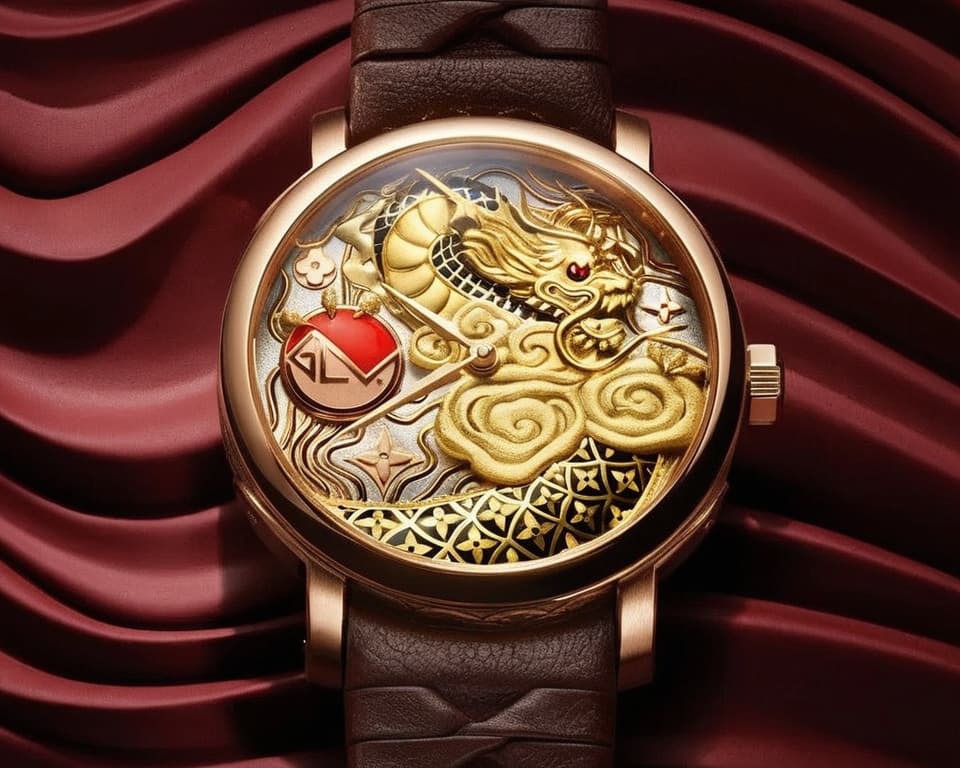
Louis Vuitton watches occupy a controversial position in luxury horology, blending French fashion heritage with legitimate Swiss manufacturing credentials. Since launching the Tambour collection in 2002, the brand has built La Fabrique du Temps—a Geneva manufacture producing proprietary movements, innovative complications like the rotating-cube Spin Time mechanism, and Geneva Seal-certified timepieces. The collection spans $7,500 dive watches to million-dollar automata with GPHG prizes validating technical capabilities. However, these achievements coexist with severe 60-80% depreciation and persistent “fashion watch” stigma among collectors despite collaborations with independent watchmaking legends. Louis Vuitton watches appeal to buyers valuing distinctive design and mechanical innovation over resale value, but only when purchased with realistic expectations about investment potential and market acceptance.
How Louis Vuitton Started Making Watches
The path from luxury luggage maker to serious watchmaker took Louis Vuitton over a century, with false starts in the 1980s giving way to genuine commitment in the 2000s. Early experiments produced novelty pieces that failed to impress collectors, but patient investment in manufacturing infrastructure and strategic acquisitions eventually built legitimate horological capabilities. The turning point came when Louis Vuitton stopped outsourcing everything and started developing proprietary movements through their own Geneva workshop, gradually earning recognition from the notoriously skeptical Swiss watch industry through technical innovation rather than marketing alone.
- The brand’s initial foray into timepieces launched in 1988 with the Monterey I, a spherical 18k gold quartz world-timer designed by Italian architect Gae Aulenti. Production numbers remained microscopic, and the unusual globe-shaped design appealed more to Louis Vuitton handbag collectors than watch enthusiasts. A follow-up model called Monterey II arrived in the early 1990s as one of the earliest ceramic-cased watches ever produced, manufactured through a partnership with IWC, but both models existed as curiosities rather than establishing serious watchmaking credentials.
- August 2002 brought the Tambour collection, representing a genuine attempt at building a watch business rather than producing occasional novelties. The name comes from the French word for drum, describing the distinctive rounded case shape with tall cambered sides. Louis Vuitton rented production space inside TAG Heuer’s Swiss facility and hired four watchmakers to begin assembly. The debut models measured 39.5mm in diameter with GMT complications powered by ETA 2893 movements, introducing the signature design element of engraving “LOUIS VUITTON” twelve times around the case perimeter at each hour marker position.
- The Tambour Spin Time arrived in 2009 as Louis Vuitton’s first truly original complication. Michel Navas, a master watchmaker with experience at Patek Philippe and other prestigious houses, designed a jumping hour mechanism that eliminated traditional hands entirely. Instead, twelve aluminum cubes arranged in a circle display the time, with each cube featuring four different faces. At the top of each hour, two cubes rotate simultaneously via Maltese cross mechanisms—one returns to neutral position while another reveals the new hour, with different colors indicating daytime versus nighttime.
- October 2011 brought the most significant moment when Louis Vuitton acquired La Fabrique du Temps, an independent movement manufacturer founded in 2007. The workshop’s creators, Michel Navas and Enrico Barbasini, brought decades of combined experience from Patek Philippe, Gérald Genta, Audemars Piguet, and Franck Muller. Rather than simply hiring watchmakers, Louis Vuitton purchased the entire operation, gaining ownership of movement designs, manufacturing equipment, and intellectual property. This transformed the company from établisseur (assembling components made by others) to manufacture (designing and producing proprietary movements). The following year, Louis Vuitton acquired Léman Cadran, a specialized dial manufacturer.
- October 2014 marked the opening of a purpose-built watchmaking facility in Meyrin, a Geneva suburb, consolidating operations under one 4,000-square-meter roof. The location choice proved strategically critical—Geneva city limits define eligibility for the Poinçon de Genève (Geneva Seal), requiring actual manufacturing within the canton. The facility operates with four divisions: movement production, dial making, case finishing, and decorative arts employing specialists in guillochage, grand feu enameling, hand-engraving, gem-setting, and miniature painting. Approximately 90-100 watchmakers work here, producing roughly 400 high-complication pieces annually plus 13,000-18,000 core collection watches.
- Geneva Seal certification arrived in 2016 when Louis Vuitton submitted the Voyager Flying Tourbillon and received the prestigious Poinçon de Genève stamp. This placed the brand alongside Chopard, Vacheron Constantin, Cartier, and Roger Dubuis in extremely exclusive company. The Geneva Seal mandates specific finishing techniques like hand-polished bevels on every edge, Côtes de Genève decoration, strict chronometric performance, and prohibits cost-cutting practices. For a brand that began making watches just fourteen years earlier, this certification represented remarkable progress and forced traditional collectors to acknowledge technical capabilities.
- Industry recognition arrived in November 2021 when the Tambour Carpe Diem won the Audacity Prize at the Grand Prix d’Horlogerie de Genève. This 46.8mm automata features four mechanical animations activated on demand: a skull’s jaw opens revealing “Carpe Diem,” a snake lifts showing the jumping hour, a rattlesnake tail points to minutes, and an eye socket transforms a flower into a star. Each watch requires over two months of hand-engraving and enamel work. The same year, the Tambour Street Diver captured the Diver’s Watch Prize, demonstrating range across horological categories.
- January 2025 saw the Tambour Taiko Spin Time collection launch at LVMH Watch Week, completely redesigning the Spin Time complication with new in-house movements and refined case architecture. Limited to 500 total pieces across six models, the collection features redesigned cushion-shaped cubes, transparent variants suspended between sapphire crystals, and the Antipode model displaying all 24 time zones using twelve cubes through color-coded antipodal city pairing. Pricing ranges from $72,500 to $209,000, all powered by new LFT STXX caliber family movements.
Louis Vuitton’s transformation from fashion brand to legitimate manufacture took two decades of patient investment. The 2011 acquisition of La Fabrique du Temps provided the foundation, while the dedicated Geneva facility and component supplier acquisitions created vertical integration. The brand now produces over twenty proprietary movements, holds Geneva Seal certification, and has won multiple GPHG prizes. Yet collector acceptance lags behind technical achievement—persistent “fashion watch” perceptions affect secondary market values significantly despite quality comparable to established Swiss brands.
Louis Vuitton Watch Features and Quality
Louis Vuitton watches differentiate themselves through design language borrowed from the brand’s trunk-making heritage rather than traditional watchmaking conventions. Where most Swiss brands draw inspiration from centuries of horological history, Louis Vuitton pulls from 170 years of luxury leather goods, resulting in timepieces that look distinctly different from anything produced by Rolex, Omega, or Patek Philippe. The iconic monogram patterns, trunk hardware details, and travel-inspired complications create watches that appeal to a specific audience—those who value fashion house aesthetics and innovative mechanical displays over conservative Swiss tradition. This approach has earned both praise for originality and criticism from purists who question whether fashion codes belong in haute horlogerie.
- The Tambour case architecture serves as Louis Vuitton’s most recognizable horological signature, featuring a drum-shaped profile with tall, cambered sides that taper from the wide bezel down to a narrower caseback. This three-dimensional construction creates visual drama compared to traditional round cases with flat sides, and the elaborate baroque shape accommodates everything from simple three-hand models to minute repeaters and complex automata. The 2023 integrated bracelet redesign slimmed the profile dramatically to 40mm by 8.3mm while maintaining the drum silhouette, and the 2025 Tambour Taiko evolution refined it further with separately secured lugs featuring concave interiors finished with laser frosting—a technique impossible with traditional one-piece construction.
- Louis Vuitton’s monogram and design codes appear throughout their watches in ways both subtle and overt. The iconic LV monogram created by Georges Vuitton in 1896 decorates movement rotors, dial centers, and even shapes tourbillon cages into four-petal flower forms. The quatrefoil pattern from classic monogram canvas translates into dial decorations and hour markers. Damier checkerboard patterns appear on dials and straps. Gold studs at cardinal dial positions reference the brass lozine nails used to secure Louis Vuitton trunk corners. Textured dial centers mimic the Monogram canvas surface. These elements connect watches to the brand’s broader design universe, making them immediately identifiable as Louis Vuitton pieces even without prominent logo placement.
- The patented Spin Time complication represents Louis Vuitton’s most celebrated mechanical innovation and appears across multiple collections in various configurations. Instead of traditional rotating hands, twelve cubes arranged in a circle display the hours, with each cube mounted on its own axis and featuring four faces with different finishes. At the top of each hour, two cubes rotate 90 degrees simultaneously—one returning to neutral while the other reveals the current hour number. The system uses Maltese cross mechanisms to control cube rotation, ensuring precise 90-degree movements. Color coding provides instant day/night indication, with warm tones indicating daytime hours and cool tones showing nighttime. The 2025 Tambour Taiko Spin Time Antipode pushes this innovation further by displaying all 24 time zones using just twelve cubes—each cube shows two antipodal cities exactly twelve hours apart, with colors indicating whether it’s day or night in each location simultaneously.
- Beyond Spin Time, Louis Vuitton has developed several proprietary complications that challenge traditional watchmaking conventions. The Escale Time Zone world timer allows instant time zone changes with a simple crown push, displaying all 24 zones on a colorful world map dial. The Tambour Convergence revives 1920s-style montre à guichet (aperture watches) with time displayed through sculpted windows rather than hands, using rotating brass discs visible through Art Deco-inspired cloud-motif cutouts. The Tambour Carpe Diem automata features four separate animations activated on demand during a 16-second sequence, with a jacquemart mechanism animating a skull, snake, and flower in ways that required entirely new movement architecture.
- La Fabrique du Temps in Meyrin, Geneva produces all mechanical movements in-house, operating on a “single watchmaker” principle for high complications where one craftsperson handles each watch from initial assembly through final regulation. If that watch ever returns for service, it goes back to the original maker who built it. This human-scale approach contrasts sharply with industrial production methods at larger manufactures, and the relatively small annual output of approximately 400 high complications and 13,000-18,000 core pieces deliberately prioritizes quality and exclusivity over volume. The facility’s four divisions handle movement production, dial making, case finishing, and decorative arts, creating vertical integration that gives Louis Vuitton control over nearly every component.
- Movement finishing demonstrates genuine haute horlogerie standards with recessed, frosted surfaces surrounded by raised borders featuring concentric brushed finishes, sandblasted bridges with micro-sandblasted edges, and solid 18K pink gold rotors engraved with “V” motifs. All jewels remain colorless rather than ruby-tinted, a detail that distinguishes higher-end finishing. Bevels receive hand-polishing, screws get polished heads with beveled slots, and Côtes de Genève decoration covers bridges in the traditional manner. Geneva Seal-certified models meet even stricter standards, requiring specific finishing techniques on every visible component and prohibiting shortcuts like rhodium plating to hide inferior work.
- Recent collaborations with independent watchmaking legends validate Louis Vuitton’s technical credibility within the horological community. The LVRR-01 Chronographe à Sonnerie developed with Rexhep Rexhepi (Akrivia) features a five-minute tourbillon, chronograph, and sonnerie striking mechanism in an entirely new movement, with dual dials showcasing plique-à-jour translucent enamel and grand feu techniques. Legendary casemaker Jean-Pierre Hagmann, who produced cases for Patek Philippe minute repeaters, crafted the platinum case with his signature “JHP” hallmark. The LVKV-02 GMT collaboration with Kari Voutilainen combines enamel work, miniature painting, and three-dimensional hand-engraving inspired by Japanese sword guards. These partnerships occur only when independent watchmakers respect a brand’s capabilities—Rexhepi and Voutilainen wouldn’t attach their names to projects lacking genuine craftsmanship.
- Louis Vuitton’s decorative arts division, La Fabrique des Arts, employs specialists in traditional métiers including grand feu enameling (firing enamel at 800°C+ in multiple layers), miniature painting with single squirrel-hair brushes, guillochage creating geometric patterns through mechanical engraving, and hand-engraving requiring months of work per watch. The Tambour Carpe Diem demands over two months of hand-engraving by Dick Steenman and enamel work by Anita Porchet. The discontinued Escale Worldtime dials required 50 hours each and incorporated 38 different enamel colors. The Tambour Taiko Galactique minute repeater features 300 hours of hand-painting using four enamel techniques. These decorative capabilities match or exceed work done by traditional manufactures.
Louis Vuitton’s approach to watchmaking deliberately diverges from Swiss tradition by emphasizing fashion house design language, trunk-making heritage, and innovative time displays over conservative aesthetics. The Tambour case shape, monogram integration, and complications like Spin Time create watches that look unlike anything from traditional brands. This distinctiveness appeals to buyers seeking something different from standard luxury watches, though it also perpetuates the “fashion watch” stigma among collectors who prefer horological orthodoxy. The technical foundation is legitimate—in-house movements, Geneva Seal certification, GPHG prizes, and collaborations with independent legends prove capabilities. Yet the fashion house origin and design approach ensure Louis Vuitton watches occupy a unique position that divides opinion rather than earning universal respect like Patek Philippe or Vacheron Constantin.
Top 10 Best Louis Vuitton Watches
Louis Vuitton’s current collection spans entry-level quartz models to million-dollar haute complications, with significant changes in 2023-2025 reflecting a strategic shift toward high-end mechanical watchmaking. The brand deliberately reduced its catalog by approximately 80%, discontinuing many mid-range options to focus on complicated pieces with in-house movements and limited production numbers. This means some historically popular models no longer appear in regular production, while new releases emphasize technical innovation and exclusivity. The following ten watches represent the most significant models available or recently released, ranging from accessible entry points to extraordinary mechanical achievements that demonstrate Louis Vuitton’s horological capabilities.
- Tambour Horizon Light Up serves as Louis Vuitton’s connected smartwatch offering, priced at $2,870-$3,450 depending on case finish. The 44mm case houses Qualcomm’s Snapdragon Wear 4100 processor running Wear OS, with the distinctive feature being 24 LED lights embedded around the sapphire crystal that create customizable animations and glow effects. Available in polished steel, matte black PVD, or matte brown PVD with 30-meter water resistance and one-day battery life. The LV Connect app provides extensive customization with exclusive watch faces and My Travel function offering 30 city guides. This represents the most accessible entry into Louis Vuitton watches for those wanting smartwatch functionality with luxury aesthetics.
- Tambour Street Diver functions as the gateway to mechanical Louis Vuitton watches, winning the 2021 GPHG Diver’s Watch Prize for balancing sports functionality with distinctive design. The 44mm stainless steel case houses either ETA 2895-2 or the newer in-house LFT023 automatic movement with 100-meter water resistance. The innovative dual crown system places one at 3 o’clock for time-setting and another at 1:30 controlling an internal rotating bezel for dive timing. Multiple colorways include Skyline Blue, Neon Black, Urban Green, and Black Blaze with rose gold accents. Pricing ranges from $7,000-$8,500 for automatics, with a 46mm chronograph reaching $10,000-$11,000 and a 39.5mm quartz variant at $6,000-$7,000.
- Tambour (Integrated Bracelet) represents the 2023 redesign introducing Louis Vuitton’s first integrated bracelet in a dramatically slimmed 40mm by 8.3mm profile. The Caliber LFT023 micro-rotor automatic movement provides 50-hour power reserve and Geneva Chronometric Observatory chronometer certification. Available in stainless steel ($18,500-$24,000), two-tone combinations, solid rose gold, and exotic limited editions. The Yellow Gold Onyx limited to 30 pieces features 48 saffron sapphires at $118,000, while the Platinum Rainbow with 50 pieces incorporates 48 gradient rainbow sapphires at $136,000. The Tambour Ceramic combines brown high-tech ceramic with 18K pink gold for $68,000.
- Tambour Convergence launched in 2025 as a 37mm dress watch reviving 1920s-style montre à guichet with aperture time display instead of traditional hands. Rotating brass discs appear through sculpted, scalloped windows with cloud-motif edges. The Caliber LFT MA01.01—the first self-winding movement designed and manufactured entirely by La Fabrique du Temps—beats at 4Hz with 45-hour power reserve and free-sprung balance. Available in 18K rose gold with textured Monogram canvas dial at $33,500 or 950 platinum set with 795 diamonds at $60,500. Gold studs at cardinal positions reference Louis Vuitton trunk construction.
- Tambour Taiko Spin Time Collection debuted in January 2025 at LVMH Watch Week, completely redesigning the Spin Time complication with new movements and unified “dolphin grey” aesthetics across six models limited to 500 total pieces. The base model in 39.5mm 18K white gold costs $72,500, or $145,000 with 94 diamonds. The Spin Time Air at $81,000 features transparent “floating” cubes suspended between sapphire crystals. The Spin Time Antipode displays all 24 time zones using twelve cubes at $99,500, with each cube showing two antipodal cities exactly twelve hours apart with color-coded day/night indication. The Spin Time Flying Tourbillon combines a central one-minute tourbillon with floating cubes, priced $172,000-$209,000.
- Tambour Carpe Diem stands as Louis Vuitton’s most audacious complication—a 46.8mm 18K pink gold automata with no traditional time display that won the 2021 GPHG Audacity Prize. Pressing a pusher activates a 16-second animation: a snake lifts revealing the jumping hour on a skull’s forehead, the rattlesnake tail points to retrograde minutes, the skull’s jaw opens displaying “Carpe Diem,” and the left eye transforms a flower to a star. The Caliber LV525 manual-winding movement contains 426 components with 100 hours of power reserve. Hand-engraving by Dick Steenman and enamel work by Anita Porchet require over two months per watch. Priced at $475,000-$537,000 with production limited to approximately 30 pieces total.
- Tambour Bushido Automata joined the collection in 2025 as another mechanical animation masterpiece featuring five automata sequences around a samurai theme in a 46.8mm 18K pink gold case. The watch requires extensive hand-engraving and enamel work similar to Carpe Diem, with each animation telling part of a samurai warrior story. Priced at €835,000 (approximately $910,000), production remains extremely limited with pieces made slowly over time as artisans complete the months-long decorative work each watch demands.
- Escale evolved from complicated origins as a world timer and jumping hour platform into a refined time-only collection in 2024-2025. Current models feature 39mm cases in 18K rose gold ($27,500-$32,500) or 950 platinum ($37,000-$44,000, rising to approximately $150,000 for diamond-set versions). Sculpted lugs evoke brass trunk corners, gold studs at cardinal positions reference lozine trunk nails, and textured center dials mimic Monogram canvas on rose gold versions. Platinum models offer meteorite or onyx dials with diamond settings. The Caliber LFT023 automatic provides COSC chronometer certification and 50-hour power reserve. Cabinet of Wonders artistic editions featuring exceptional miniature painting and grand feu enameling reach $319,000-$321,000.
- Tambour Taiko Galactique Automata represents the newest ultra-high complication announced in 2025—a minute repeater combining seven separate automata animations with extensive hand-painted enamel work requiring 300 hours of labor per watch. The mechanism chimes hours, quarter-hours, and minutes on demand while triggering coordinated animations across the dial. Priced over $1,000,000, this watch joins the Carpe Diem and Bushido as expressions of Louis Vuitton’s decorative arts capabilities, with each piece representing months of work from La Fabrique des Arts specialists.
- LVRR-01 Chronographe à Sonnerie (Louis Vuitton x Rexhep Rexhepi collaboration) combines a five-minute tourbillon, chronograph with traditional lateral wheel and vertical clutch, and sonnerie striking mechanism in an entirely new movement developed specifically for this partnership. Limited to 10 pieces at approximately $497,000, the 950 platinum case bears Jean-Pierre Hagmann’s “JHP” hallmark. Dual dials feature tinted sapphire front showing movement architecture through plique-à-jour translucent enamel, plus a white grand feu enamel reverse with hand-painted numerals. Each watch includes a custom Louis Vuitton trunk crafted at the historic Asnières workshop.
These ten watches demonstrate Louis Vuitton’s range from accessible luxury to ultra-high complications, though availability varies significantly. The Horizon Light Up and Street Diver remain readily available through boutiques, while the integrated bracelet Tambour and new Convergence represent current core mechanical offerings. The Taiko Spin Time collection’s 500-piece limitation means availability will diminish through 2025. High complications like Carpe Diem, Bushido, and Galactique exist as ongoing limited production where pieces become available sporadically as artisans complete them. The collaboration pieces like LVRR-01 sold out immediately with most allocated to VIP collectors before public announcement. Several historically significant models no longer appear in production, including the original Tambour Moon collection, Escale Time Zone world timer, and various Spin Time iterations replaced by the Taiko redesign.
Things to Know Before Buying Louis Vuitton Watches
Purchasing a Louis Vuitton watch requires different considerations than buying traditional Swiss brands due to the fashion house’s unique position in the market. Depreciation rates differ dramatically from Rolex or Patek Philippe, distribution channels operate exclusively through Louis Vuitton rather than multi-brand retailers, and the collector community remains smaller and more niche. Buyers need realistic expectations about resale value, clear understanding of what they’re purchasing and why, and awareness of how Louis Vuitton watches fit into the broader luxury watch landscape. The right Louis Vuitton watch can provide years of enjoyment and distinctive style, but only when purchased with eyes open to both strengths and limitations.
- Budget expectations must account for severe depreciation unlike traditional luxury watches that hold value better. Louis Vuitton watches typically lose 60-80% of retail value within 3-5 years on secondary markets, meaning a $20,000 purchase might resell for $4,000-$8,000. This depreciation occurs regardless of condition, rarity, or complications due to persistent “fashion watch” perceptions among collectors. Buyers should consider the purchase price as money spent on enjoyment rather than invested, similar to buying designer clothing or jewelry. If resale value matters significantly to your purchase decision, traditional Swiss brands like Rolex, Omega, or Cartier offer dramatically better value retention. However, if you genuinely love a specific Louis Vuitton design and plan to wear it for decades, the depreciation becomes less relevant since you’re not selling anyway.
- Size and fit vary dramatically across collections from the compact 37mm Tambour Convergence dress watch to the substantial 46.8mm automata models. The Convergence at 37mm by 8mm thickness targets formal occasions and smaller wrists. The 39mm Escale provides elegant proportions at approximately 9-10mm thick. The 40mm Tambour integrated bracelet at just 8.3mm thickness represents modern unisex sizing that slides under shirt cuffs easily. The 39.5mm and 42.5mm Tambour Taiko Spin Time options offer choice between subtlety and visual impact. Sport models run larger—the Street Diver measures 44mm with diving watch proportions, while the chronograph variant reaches 46mm by 14mm. The Horizon Light Up smartwatch at 44mm by 13.2mm mirrors standard smartwatch dimensions. High complications occupy 46.8mm cases necessary to house complex animations and extensive hand-engraving.
- Movement types reveal manufacturing evolution and pricing structure with early models using sourced ETA and Zenith calibers while recent pieces feature proprietary in-house movements. The Street Diver continues using ETA 2895-2 in some variants though newer production transitions to LFT023. The integrated bracelet Tambour and Escale collections use Caliber LFT023 with distinctive micro-rotor design, 50-hour power reserve, and chronometer certification. The 2025 Convergence and Taiko Spin Time families use entirely in-house LFT MA01.01 and LFT STXX movements representing full vertical integration. High complications employ specialized calibers like the LV525 in Carpe Diem with 426 components and 100-hour reserve. Geneva Seal-certified models meet the strictest finishing standards. Understanding movement provenance helps contextualize pricing—in-house movements justify higher costs than ETA-based models.
- Material choices dramatically affect pricing and practicality with stainless steel models starting around $7,500-$18,500 for accessible entry, two-tone steel and gold combinations ranging $16,900-$40,000, solid 18K gold pieces running $27,500-$118,000, and 950 platinum commanding $37,000-$136,000 before gem-setting. Exotic materials include brown high-tech ceramic, CarboStratum layered carbon fiber, and sapphire crystal cases requiring 420 hours production. For daily wear, stainless steel offers durability and lower replacement cost if damaged. Gold models provide luxury aesthetics but show scratches more readily and carry higher insurance costs. Platinum offers prestige and density but at significant premiums. Consider intended use—a steel Street Diver handles daily wear better than a gold Escale demanding careful treatment.
- Water resistance ratings require attention as they vary significantly and don’t always align with model names or aesthetics. The Horizon Light Up rates 30 meters meaning splash-resistant but not suitable for swimming. Many dress models including Convergence and Escale rate 30-50 meters for similar splash resistance only. The Street Diver rates 100 meters allowing swimming and snorkeling but not serious diving despite “diver” branding. Historical models rated 300 meters for actual diving but these have been discontinued. Never operate the crown underwater regardless of rating, as this breaks water resistance seals. Leather and canvas straps should avoid water entirely. If water sports matter, the Street Diver represents the only current production option, though even it functions better as a water-resistant sports watch than true dive instrument.
- Complications affect value and maintenance requirements with simple time-only models requiring service every 3-5 years at moderate cost, while complex mechanisms demand more frequent attention and higher service fees. Jumping hour Spin Time mechanisms involve intricate cube rotation systems with multiple Maltese crosses requiring specialized knowledge to service. World timer complications add adjustment complexity. Tourbillons demand expert regulation. Automata like Carpe Diem require artisan-level servicing for animation mechanisms, engraving touch-ups, and enamel maintenance that only La Fabrique du Temps can properly execute. Service costs scale with complication complexity—a simple automatic might cost $500-$800 for standard service, while a tourbillon could run $2,000-$3,000, and automata servicing reaches $5,000+ given the specialized work involved.
- Limited editions don’t guarantee value retention despite restricted production numbers. The Tambour Twenty Limited Edition restricted to 200 pieces at $17,800 retail sells at or below retail on secondary markets despite scarcity. The Taiko Spin Time collection limited to 500 total pieces likely faces similar depreciation. Limited production slows but doesn’t prevent value loss when demand remains low. Only buy limited editions because you want that specific design, not expecting artificial scarcity to create investment returns. The exception might be extreme rarities like collaborations with Rexhep Rexhepi (10 pieces) or Kari Voutilainen (5 pieces) where the independent watchmaker’s reputation provides some value support, though insufficient secondary market data exists to confirm this.
- Smartwatch considerations apply to Horizon Light Up models including shorter functional lifespan than mechanical watches. Technology obsolescence means the watch may lose software support within 5-7 years as operating systems evolve and processors become outdated. Battery degradation occurs over 2-3 years requiring replacement. The $3,000-$3,500 price buys luxury aesthetics and brand prestige rather than longevity—expect 5-10 years of useful life versus decades from mechanical watches. However, for buyers who replace watches frequently anyway or want luxury smartwatch functionality, the Horizon Light Up provides legitimate capabilities in distinctive Louis Vuitton design.
- Authentication and warranty coverage require purchasing through official channels as Louis Vuitton operates an exclusively direct-to-consumer model. Only purchases through Louis Vuitton boutiques or louisvuitton.com qualify for the 2-year international warranty covering manufacturing defects. Third-party retailers, even legitimate pre-owned dealers, cannot provide manufacturer warranty on new watches. Grey market purchases lack warranty support and risk counterfeit products. For pre-owned watches, verify authenticity through serial numbers, examine build quality and finishing closely, and ideally purchase through reputable platforms with authentication services. Counterfeit Louis Vuitton watches exist in significant numbers given brand recognition, making authentication critical.
Buying a Louis Vuitton watch makes sense when you genuinely love the specific design aesthetic, value innovation and distinctive complications over traditional Swiss styling, accept the severe depreciation as the cost of enjoying something unique, and have disposable income where significant value loss doesn’t create financial stress. These watches appeal to fashion-forward buyers, Louis Vuitton brand enthusiasts, and those seeking something different from standard luxury watches. They don’t make sense as investments, for buyers prioritizing resale value, or for traditional watch collectors seeking orthodox Swiss watchmaking. The Street Diver at $7,500 provides accessible entry if you want that specific aesthetic. The integrated bracelet Tambour or Convergence offer elegant daily wear for $18,500-$33,500. High complications like Carpe Diem reward owners with extraordinary craftsmanship at $475,000+ but demand acceptance that the money purchases mechanical art and personal enjoyment rather than stored value.
Where to Buy Louis Vuitton Watches
Louis Vuitton operates an exclusively direct-to-consumer distribution model that differs fundamentally from how traditional Swiss watch brands sell timepieces. Unlike Rolex, Omega, or Patek Philippe which authorize hundreds of independent multi-brand retailers worldwide, Louis Vuitton maintains complete control over watch sales through only two official channels. This approach ensures consistent pricing and brand presentation but limits access compared to watches available through traditional authorized dealers. Buyers need to understand where authentic Louis Vuitton watches can be purchased, why third-party options carry risks, and how the secondary market functions for pre-owned pieces.
- Louis Vuitton boutiques worldwide represent the primary official channel, with over 460 stores across 60+ countries in North America, Europe, Asia-Pacific, Middle East, and Latin America. However, not all boutiques carry the complete watch collection or any watches at all—some locations focus exclusively on leather goods, accessories, and ready-to-wear. Major U.S. cities with watch-carrying boutiques include New York, Los Angeles, Miami, Houston, Las Vegas, Chicago, and San Francisco. As part of the 2023-2024 strategic repositioning toward high-end watchmaking, Louis Vuitton limited serious watch sales to approximately 15 flagship boutiques in the U.S. and Canada that carry high complications and the full range. More accessible models like Street Diver and Horizon Light Up remain available at additional locations, but complicated pieces like Spin Time, Convergence, and automata appear exclusively at select flagships.
- Appointments are highly recommended for serious watch purchases especially for high-end pieces exceeding $50,000 where trying on the watch, discussing customization options, and understanding complications adds significant value. The official store locator at louisvuitton.com identifies which boutiques offer watch services and allows online appointment booking. For ultra-high complications like Carpe Diem, Bushido, or collaboration pieces, buyers typically need existing relationships with the boutique or significant purchase history to access allocation, as these limited pieces often sell to VIP clients before general availability.
- The official website louisvuitton.com provides comprehensive selection with regional domains (us.louisvuitton.com for United States, etc.) offering full collections available for online purchase including some exclusive online releases. The site ships worldwide with collect-in-store options at boutiques for those who prefer seeing the watch in person before finalizing purchase. Online buying suits straightforward purchases like standard Tambour models or Horizon Light Up smartwatches where specifications are clear. However, complicated pieces benefit from in-person consultation to understand mechanical functions, see animations in action, and appreciate finishing quality that photographs struggle to capture.
- LVMH’s owned e-commerce platform occasionally carries limited selection of past-season or discontinued Louis Vuitton items at standard retail pricing—never discounted, as Louis Vuitton never marks down new product. This platform sometimes provides access to sold-out limited editions after initial boutique allocations exhaust, though watch availability remains sporadic and inventory limited. Consider this a secondary option rather than primary shopping channel.
- No authorized third-party dealers exist which distinguishes Louis Vuitton from traditional watch brands dramatically. Boutique luxury watch retailers and multi-brand stores do not carry Louis Vuitton watches at all. Any physical store or website claiming to sell new Louis Vuitton watches outside official channels operates in the grey market at best or sells counterfeits at worst. This includes airport duty-free shops, department stores, and online marketplaces—if it’s not a Louis Vuitton boutique or louisvuitton.com, it’s not an authorized dealer.
- Grey market sellers occasionally offer new Louis Vuitton watches at prices below retail, typically through online platforms or unauthorized dealers who obtain inventory through unofficial channels. While the watches may be genuine, purchasing grey market carries significant risks: no manufacturer warranty coverage, potential for watches being stolen or obtained through fraudulent means, no relationship with Louis Vuitton for future service, and possible refusal of service by La Fabrique du Temps if the watch lacks proper provenance documentation. The modest savings (typically 10-20% below retail) rarely justify these risks, especially given Louis Vuitton watches already depreciate severely—buying grey market just accelerates the value loss.
- The secondary market offers legitimate alternatives for discontinued models or pre-owned pieces through reputable online marketplaces with authentication services and buyer protection programs. These platforms host private sellers and dealers listing pre-owned inventory, providing access to discontinued models like Tambour Moon collections, original Escale Time Zone world timers, and earlier Spin Time variants no longer in production. Established pre-owned luxury watch specialists also operate both online and through physical showrooms in major cities.
- Pre-owned buying advantages include significant discounts of 40-70% off original retail prices, access to discontinued models unavailable new, and avoiding initial depreciation since the first owner absorbed the value loss. A Tambour automatic that retailed for $18,500 might cost $8,000-$12,000 pre-owned in excellent condition. However, pre-owned purchases lack manufacturer warranty unless original papers transfer with remaining coverage time, require careful authentication to avoid counterfeits, may need immediate servicing if the previous owner deferred maintenance, and offer no relationship with Louis Vuitton boutiques for future service priority.
- Authentication becomes critical when buying pre-owned or from unofficial sources as counterfeit Louis Vuitton watches exist in significant numbers. Verify serial numbers through Louis Vuitton customer service, examine movement finishing and component quality closely, confirm case engravings match genuine pieces, check that packaging and papers appear authentic with proper fonts and details, and ideally purchase through platforms offering professional authentication services. When in doubt, have the watch inspected by Louis Vuitton or a certified independent watchmaker before completing purchase.
- Warning signs of counterfeits and scams include any website advertising “Louis Vuitton outlet,” “discounted LV watches,” or “wholesale Louis Vuitton”—Louis Vuitton never marks down prices and operates no outlet stores. Prices significantly below retail on new watches indicate either counterfeits or stolen goods. Sellers unwilling to provide serial numbers, detailed photographs, or proof of purchase documentation should be avoided. Social media marketplace sellers without established reputations carry high counterfeit risk. Any deal seeming too good to be true almost certainly involves fake watches.
- For ultra-high complications exceeding $100,000, the buying process typically involves multiple boutique visits or extended consultations rather than simple transactions. Client advisors facilitate direct interaction between buyers and watchmakers for bespoke customization options. Clients commissioning automata or unique pieces may visit La Fabrique du Temps in Geneva to discuss technical specifications and decorative options with master watchmakers and métiers d’art specialists. This concierge-level service recognizes that six-figure watch purchases involve relationships and personalization beyond standard retail.
Purchasing authentic Louis Vuitton watches requires working directly with official channels—boutiques or the website—to ensure warranty coverage and genuine products. The exclusively direct distribution model eliminates the multi-brand retailer option available for most luxury watches, making location less convenient for buyers without nearby flagship boutiques. However, this approach maintains pricing consistency and brand control. For discontinued models or those seeking value on current pieces, the secondary market through reputable platforms offers legitimate alternatives with significant savings, though buyers sacrifice warranty coverage and must exercise caution regarding authentication. Never purchase from unauthorized sellers offering suspiciously low prices, as counterfeits plague the Louis Vuitton category and the modest savings never justify the risks of receiving fake watches or stolen goods.
Do Louis Vuitton Watches Hold Value?
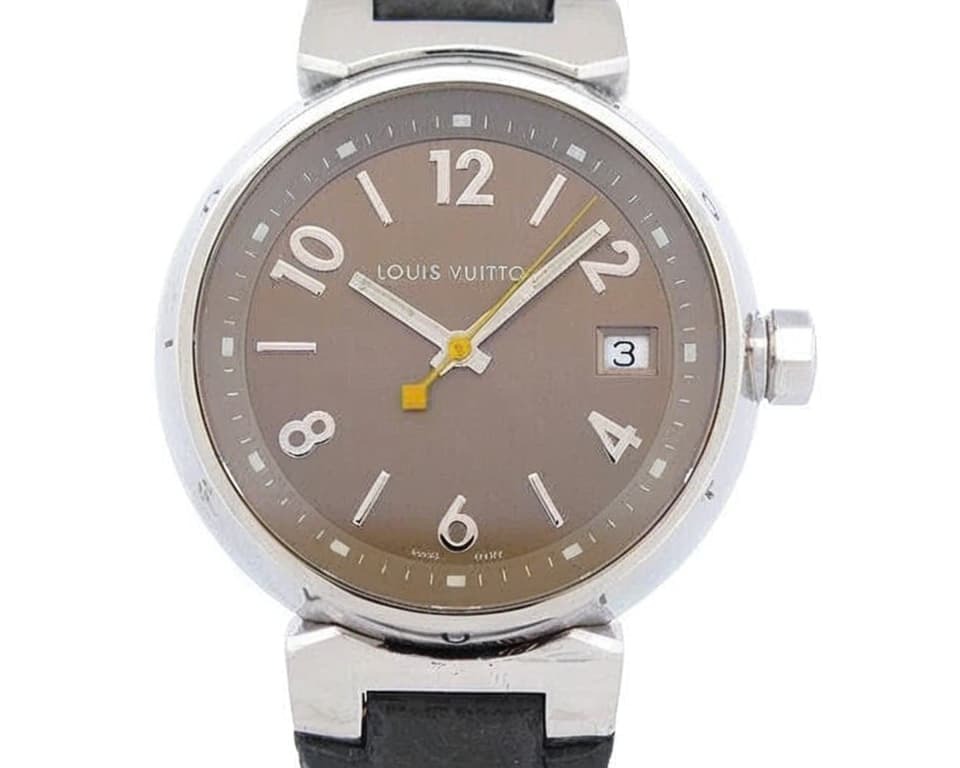
Louis Vuitton watches perform catastrophically as financial investments despite legitimate technical credentials, suffering among the worst depreciation rates in luxury watchmaking. The harsh reality contradicts assumptions that Louis Vuitton’s brand equity—which allows handbags to retain 80%+ of retail value—transfers to timepieces. Collector forums and resale data consistently show 60-80% value losses within 3-5 years of purchase regardless of condition, complications, or limited production numbers. This severe depreciation stems from persistent “fashion watch” stigma within the watch collecting community, minimal secondary market demand, and small enthusiast base compared to traditional Swiss brands. Anyone considering a Louis Vuitton watch must approach it as a consumable luxury purchase for personal enjoyment rather than an asset holding or appreciating in value.
- Typical depreciation patterns show retention of only 20-40% of retail value after 3-5 years of ownership, with immediate losses occurring the moment a watch leaves the boutique. A Tambour automatic purchased new at $18,500 resells for $7,000-$9,000 pre-owned in excellent condition, representing a 50-60% loss. This actually constitutes relatively strong performance compared to quartz models which lose 70-80% instantly. A Street Diver retailing for $8,000 might fetch $3,000-$4,000 pre-owned. High complications suffer proportionally worse—watches retailing for $100,000+ commonly show 50-70% losses on secondary markets, meaning a $100,000 Spin Time Flying Tourbillon might resell for $30,000-$50,000.
- Limited editions fail to prevent depreciation despite restricted production numbers that theoretically create scarcity value. The Tambour Twenty Limited Edition restricted to 200 pieces at $17,800 retail sells at or slightly below retail on secondary markets years after release, despite the artificial scarcity. The new Taiko Spin Time collection limited to 500 total pieces across six models will likely follow similar patterns. Scarcity alone cannot overcome fundamental lack of collector demand—limited production only helps when enthusiasts compete for pieces, which doesn’t occur with Louis Vuitton watches the way it does for limited Rolex, Patek Philippe, or Audemars Piguet releases.
- The watch collecting community maintains rigid hierarchies where horological heritage matters more than technical capability or finishing quality. Despite Louis Vuitton’s Geneva Seal certification, GPHG prizes, in-house movement development, and collaborations with independent watchmaking legends, collectors view LV watches as “fashion watches” rather than serious timepieces. Forum discussions across WatchUSeek, Rolex Forums, and similar platforms reveal brutal honesty: recommendations to “invest in Swiss brands instead,” characterizations as “brand name purchases with no resale value,” and dismissal as products for “brand name whores” rather than watch enthusiasts. This perception persists even as Louis Vuitton produces complications rivaling Jaeger-LeCoultre or IWC technically.
- The collector base remains extremely small compared to established brands, creating liquidity problems when owners eventually sell. Rolex, Patek Philippe, and Audemars Piguet benefit from passionate enthusiast communities driving secondary market activity with thousands of buyers competing for desirable pieces. Louis Vuitton watches lack this enthusiast support—most buyers purchase for the LV brand rather than horological interest, and these buyers don’t participate in secondary markets or watch forums. When an owner sells, minimal demand forces steep discounts to attract the handful of interested buyers. Online listings show sparse Louis Vuitton inventory compared to thousands of Omega or TAG Heuer pieces, indicating low trading volume and poor liquidity.
- Comparison to other fashion house watches reveals a hierarchy of value retention with significant variation between brands. Cartier performs best among fashion houses with 62% average value retention, and iconic models like Tank or Santos retain 80%+ of retail thanks to 175 years of watchmaking history and genuine icon status. Chanel J12 models retain 40-60% with distinctive ceramic cases and in-house movements since 2016 building credibility. Hermès watches average 30-50% retention though high complications lose up to 90%. Louis Vuitton fits at the bottom of fashion house performance, likely retaining 20-40%, similar to Gucci which shows 30-50% but has been improving since introducing in-house movements in 2024.
- Traditional Swiss brands demonstrate the contrast starkly with dramatically different value dynamics. Rolex averages 91.5% value retention with many sport models appreciating above retail—Submariner, GMT-Master II, and Daytona models often sell for premiums on secondary markets. Patek Philippe maintains strong values with certain references doubling or tripling over time. Audemars Piguet averages 107% retention meaning the average model sells above original retail. Even non-appreciating brands like Omega lose only 10-20% then stabilize, while Grand Seiko maintains better value retention than any fashion house watches. The gap between Louis Vuitton’s 20-40% retention and these established brands’ 80-110% retention spans tens of thousands of dollars on identical purchase prices.
- No Louis Vuitton model has demonstrated consistent appreciation or strong value retention across the brand’s 23-year watch history. The original 2002 Tambour models now sell for fractions of original retail. The groundbreaking 2009 Spin Time complications lose 60%+ despite being the first of their kind. Even the award-winning Carpe Diem automata at $475,000 retail would likely resell for $200,000-$250,000 if an owner needed liquidity, based on comparable fashion house high complications. The collaboration pieces with Rexhep Rexhepi and Kari Voutilainen might hold value better given the independent watchmakers’ reputations, but insufficient time has passed and too few pieces exist to establish reliable secondary market data.
- Current market trends show luxury watches cooling after 2020-2022 peaks when pandemic-era speculation drove prices to unsustainable levels. Secondary market prices fell 19-40% from March 2022 highs across most brands by mid-2024. Traditional brands feel this pressure with Rolex sport models declining from peak premiums, but fashion house watches suffer disproportionately during downturns as discretionary buyers disappear first. Cartier managed a 6.14% increase in Q2 2024 during the broader decline, demonstrating that collector preference flows toward established names even in difficult markets, while brands lacking strong collector bases lose ground.
- Louis Vuitton’s strategic repositioning toward high-end mechanical pieces represents a 20+ year bet on changing collector perceptions through consistent technical excellence. Cutting 80% of the collection, raising entry prices to $18,500+ for mechanical models, limiting distribution to 15 flagship boutiques, and focusing exclusively on in-house movements and complications attempts to build credibility over decades. Cartier required over 100 years to achieve current collector respect despite exceptional technical work throughout. Chanel has invested heavily since 2016 with in-house movements and acquisition of movement manufacturer shares but remains viewed as fashion-first. Louis Vuitton’s timeline for potential collector acceptance likely spans 20-30 years minimum, making current watches terrible short-term investments but potentially interesting very long-term speculation if the strategy succeeds.
- Best investment pieces, if any exist, would be extreme limited editions like collaborations with Rexhep Rexhepi (10 pieces) or Kari Voutilainen (5 pieces) where the independent watchmaker’s reputation might provide value support, first-generation in-house movement pieces from 2023+ if the brand eventually gains collector acceptance decades hence, and possibly the award-winning Carpe Diem as a historically significant GPHG winner. However, all these remain highly speculative with no evidence supporting appreciation—they simply might lose less than typical models.
- Investment recommendations are straightforward: don’t buy Louis Vuitton watches expecting value retention or appreciation. If you have $15,000-$20,000 for a watch investment, a steel Rolex Submariner, GMT-Master II, or pre-owned Patek Philippe Calatrava will lose 60-70% less money and potentially appreciate. For $50,000-$100,000, established brands offer dramatically superior value dynamics. The only scenario where buying Louis Vuitton watches makes financial sense involves a 20-30 year timeline where the brand’s current haute horlogerie focus succeeds in changing collector perceptions, making early in-house movement pieces potentially desirable to future collectors—but this remains pure speculation with significant risk of complete failure.
Louis Vuitton watches should be purchased only when you genuinely love the specific design, plan to wear the watch for decades, have disposable income where 60-80% loss is acceptable, and want the Louis Vuitton brand specifically rather than focusing on investment potential. View the purchase price as money spent on enjoyment like designer clothing or jewelry rather than money invested or stored. The Tambour Street Diver at $7,500 makes sense for someone who wants that specific aesthetic and functionality, with the money spent on years of wearing enjoyment rather than stored value. The Tambour Carpe Diem at $475,000 rewards an owner with extraordinary craftsmanship and unique mechanical animations, but that owner must accept the substantial financial loss as the price of admission to mechanical art rather than treating it as an asset purchase.
Louis Vuitton Watch Service and Care
Louis Vuitton watches require regular maintenance to preserve functionality, accuracy, and water resistance throughout their lifespan. The brand describes timepieces as “living, working objects” operating continuously and demanding proper care to maintain performance standards. Service intervals, daily precautions, and storage practices directly impact longevity, with mechanical complications requiring more attention than simple automatics. Louis Vuitton provides specific maintenance guidelines through boutiques and documentation, though the exclusively direct service model means all work must go through official channels rather than independent watchmakers who might service other Swiss brands.
- Service intervals follow standard Swiss watchmaking recommendations with mechanical watches requiring professional maintenance every 3-5 years regardless of apparent functionality. During service, watchmakers disassemble the movement completely, clean all components ultrasonically, replace lubricants that degrade over time, test accuracy and adjust regulation, replace gaskets maintaining water resistance, and perform pressure testing to verify seals. The 3-5 year interval applies to simple automatics like the Tambour integrated bracelet or Street Diver. Quartz models require battery replacement every 2-3 years, which must occur at authorized service centers to maintain water resistance since case opening requires gasket inspection and replacement.
- High complications demand more frequent attention with tourbillons, minute repeaters, and automata needing service every 2-3 years due to increased mechanical complexity and tighter tolerances. The Spin Time mechanism with twelve rotating cubes and multiple Maltese cross systems requires specialized knowledge to service properly. The Carpe Diem automata with four separate animation systems, 426 components, and extensive hand-engraving needs expert service where watchmakers understand both mechanical function and decorative preservation. Only La Fabrique du Temps in Geneva possesses full technical documentation and trained specialists for high complications, meaning these watches must return to Switzerland for service rather than being serviced at boutiques.
- Connected watches follow different maintenance schedules with the Tambour Horizon Light Up requiring software updates periodically to maintain compatibility with evolving phone operating systems and security patches. Battery degradation occurs naturally over 2-3 years, requiring battery replacement that costs significantly less than mechanical movement service but occurs more frequently. Technology obsolescence affects smartwatches unlike mechanical pieces—expect 5-10 years of functional life before the watch loses software support or hardware becomes outdated, compared to decades or generations for properly maintained mechanical watches.
- Daily precautions significantly extend watch lifespan and reduce service needs. Avoid magnetic fields from speakers, phone cases with magnetic closures, laptop cases, security scanners, and bag clasps—magnetization affects movement accuracy and requires demagnetization service. Remove watches during activities involving impact like lifting heavy objects, golf, tennis, or contact sports, as shocks can damage delicate pivots and escapements. Extreme temperature changes cause condensation under crystals—minor condensation dissipates naturally but persistent moisture indicates compromised water resistance requiring immediate service. Chemicals including perfumes, lotions, cleaning products, and chlorine damage gaskets, straps, and case finishes, so apply fragrances before putting on watches and remove them before swimming in chlorinated pools.
- Water exposure must respect rated limits which vary dramatically across the collection. 30-meter ratings mean splash-resistant only—suitable for handwashing and light rain but not swimming or showering. 50-meter ratings allow swimming but not diving or high-pressure water exposure like showers where water pressure exceeds the rating. 100-meter ratings permit swimming, snorkeling, and recreational water sports but not scuba diving beyond recreational depths. Never operate the crown or pushers underwater regardless of water resistance rating, as this immediately breaks the seal and allows water intrusion. After any water exposure, rinse the watch with fresh water to remove salt, chlorine, or contaminants, then dry thoroughly with a soft cloth.
- Strap and bracelet maintenance varies by material. Leather straps cannot be cleaned and age naturally with patina development—lifespan depends on moisture exposure and wear frequency, typically 1-3 years before requiring replacement. Canvas straps tolerate gentle cleaning with barely damp cloths but should avoid submersion. Rubber straps clean easily with mild soapy water and soft cloths, maintaining appearance for years with minimal care. Steel bracelets tolerate soft brushing with soapy water to remove deposits between links, followed by thorough rinsing and drying—avoid harsh chemicals or abrasive materials. Louis Vuitton’s quick-change strap system allows easy swapping without tools, enabling rotation between straps to extend each one’s lifespan and maintain multiple looks.
- Storage practices prevent damage when watches aren’t worn. Store in original boxes or watch boxes in cool, dry locations away from direct sunlight, extreme temperatures, and humidity. Avoid leaving watches on windowsills, near radiators, or in bathrooms where temperature and moisture fluctuate. For automatic watches not worn daily, consider watch winders to maintain power reserve and prevent lubricants from settling, though manual winding periodically works equally well. Wind manual-winding watches like the Carpe Diem fully every few days even when not worn to keep mainspring tension preventing lubricant migration.
- Cleaning procedures differ by component. Polish watch cases with soft, dry microfiber cloths only—never use chemical cleaners, glass cleaners, or abrasive materials that scratch finishes or damage gaskets. For stubborn dirt on steel cases, slightly damp cloths work, but ensure complete drying afterward. Sapphire crystals tolerate gentle cleaning with microfiber cloths, though scratches require professional polishing. Gold and platinum cases show scratches more readily than steel—some owners prefer the patina while others request polishing during service, understanding that repeated polishing removes material and can affect case proportions over decades.
- Service costs scale with complication complexity though Louis Vuitton doesn’t publish standardized pricing. Simple automatic service typically costs $500-$1,000 including movement service, gasket replacement, and case refinishing if requested. Chronographs run $800-$1,500 due to additional complexity. Tourbillons cost $2,000-$3,000 for service. High complications like Spin Time mechanisms might reach $3,000-$5,000. Automata service for watches like Carpe Diem easily exceeds $5,000-$10,000 given the requirement for métiers d’art specialists to inspect engraving and enamel work alongside mechanical service. These costs approach or exceed service fees at traditional manufactures despite Louis Vuitton’s lower collector prestige, reflecting genuine technical complexity rather than brand premium.
- The 2-year international warranty covers manufacturing defects including movement malfunctions, case defects, and component failures resulting from production issues. The warranty specifically excludes damage from accidents, shocks, improper use, unauthorized repairs, normal wear like crystal scratches or strap deterioration, and water damage resulting from improper use or expired gaskets. Warranty service occurs through Louis Vuitton boutiques where client advisors assess issues and coordinate repairs. For warranty-covered issues, service occurs free of charge. After warranty expiration, all service becomes fee-based.
- Only authorized service through Louis Vuitton boutiques maintains warranty validity and ensures proper repair. Independent watchmakers, even highly skilled ones, lack technical documentation, genuine parts, and specialized tools for Louis Vuitton complications. Using unauthorized service immediately voids remaining warranty and can cause damage if the watchmaker lacks familiarity with proprietary mechanisms. While independent watchmakers might successfully service simple ETA-based models like older Street Divers, anything with in-house movements or complications should only go to La Fabrique du Temps to ensure proper repair and preservation of value.
- Documentation preservation proves critical for resale value and service history. Maintain original warranty cards with purchase dates and serial numbers, service records documenting all maintenance performed, original boxes and papers, and receipts proving purchase from authorized sources. This documentation, while not preventing the severe depreciation Louis Vuitton watches experience, at least allows you to achieve the higher end of the 20-40% value retention range by proving authenticity and service history. Watches lacking papers sell for even less on secondary markets as buyers discount for authentication uncertainty.
Proper care and regular maintenance can extend Louis Vuitton watch lifespan to decades, though the exclusively direct service model and proprietary complications mean all service must occur through official channels at costs comparable to traditional Swiss manufactures. Daily precautions regarding water exposure, magnetic fields, and impacts prevent most damage, while adherence to recommended service intervals maintains accuracy and water resistance. High complications require specialist attention that only La Fabrique du Temps can provide, adding service complexity and cost but ensuring proper repair of mechanisms that few watchmakers understand. Unlike traditional Swiss brands where independent watchmakers provide service alternatives, Louis Vuitton owners must work exclusively with boutiques, accepting the associated costs and timelines as part of ownership.
Frequently Asked Questions About Louis Vuitton Watches
Common questions about Louis Vuitton watches reveal the confusion surrounding the brand’s position in luxury watchmaking. Buyers struggle to reconcile the fashion house heritage with legitimate technical capabilities, wondering whether these timepieces qualify as serious watches or expensive accessories. Questions about value retention, authenticity, compatibility, and service reflect both genuine curiosity and skepticism about a relatively young watch brand competing against centuries-old Swiss manufactures. The following answers address the most frequent concerns based on manufacturer specifications, secondary market data, and owner experiences.
- Are Louis Vuitton watches Swiss made? Yes, all Louis Vuitton watches are manufactured in Switzerland at La Fabrique du Temps in Meyrin, Geneva. The company acquired this independent movement manufacturer in 2011 and opened the purpose-built facility in 2014. Movement production, dial making, case finishing, and decorative arts all occur in-house at this single facility. Early models from 2002-2011 used Swiss movements from ETA and Zenith assembled in rented space, but since 2011 Louis Vuitton has developed over twenty proprietary calibers entirely in Switzerland with Geneva Seal certification achieved in 2016.
- Do Louis Vuitton watches hold their value? No, Louis Vuitton watches lose 60-80% of retail value within 3-5 years on secondary markets. A $20,000 watch might resell for $4,000-$8,000 in excellent condition. This occurs regardless of complications or limited production due to “fashion watch” perceptions among collectors. Even high complications lose 50-70% of value. This contrasts with Rolex averaging 91.5% retention or Omega losing only 10-20%. Buy Louis Vuitton watches for personal enjoyment rather than investment.
- How can I tell if a Louis Vuitton watch is authentic? Verify serial numbers on the caseback through Louis Vuitton customer service. Examine movement finishing through the exhibition caseback—genuine pieces show hand-polished bevels and Côtes de Genève decoration, while counterfeits display rough finishing. Check that “LOUIS VUITTON” case engravings feature crisp, deep engraving with consistent spacing. Verify packaging includes proper boxes and warranty cards with correct fonts. Genuine watches feel substantial due to quality materials. When buying pre-owned, use reputable platforms with authentication services or have Louis Vuitton boutiques inspect before purchase.
- What is the warranty on Louis Vuitton watches? Louis Vuitton provides a 2-year international warranty covering manufacturing defects including movement malfunctions and component failures. The warranty excludes damage from accidents, shocks, misuse, unauthorized repairs, normal wear, and water damage from improper use. Only purchases through Louis Vuitton boutiques or louisvuitton.com qualify—grey market purchases lack manufacturer warranty. Service occurs through boutiques at no charge for covered issues.
- Can I swim with my Louis Vuitton watch? It depends on the specific model’s water resistance rating. The Horizon Light Up and dress models rate 30 meters (splash-resistant only, no swimming). The Street Diver rates 100 meters (swimming and snorkeling allowed, not serious diving). Never operate the crown underwater regardless of rating. Water resistance degrades over time—annual verification and gasket replacement every 2-3 years maintains protection. The Street Diver is the only current production model suitable for swimming.
- How often should I service my Louis Vuitton watch? Simple automatics require service every 3-5 years for cleaning, lubrication, and gasket replacement. Quartz models need battery replacement every 2-3 years. High complications like tourbillons and automata require service every 2-3 years due to complexity. Connected watches need software updates and battery replacement every 2-3 years, with 5-10 years total lifespan before obsolescence. All service must occur through Louis Vuitton boutiques, with high complications sent to La Fabrique du Temps in Geneva.
- Are Louis Vuitton connected watches compatible with all phones? Yes, the Tambour Horizon Light Up works with both iOS and Android. It runs Wear OS and achieved MFi certification for full iPhone compatibility—the first non-Apple smartwatch to do so. Android requires version 6.0 or later; iOS requires iPhone 6 or later with iOS 13.0+. Some features vary between platforms, with iOS having more limited functionality due to Apple’s restrictions on third-party wearables.
- Where can I buy Louis Vuitton watches? Only through two official channels: Louis Vuitton boutiques worldwide and louisvuitton.com. No authorized third-party dealers exist—multi-brand retailers don’t carry Louis Vuitton watches. Not all boutiques carry watches; approximately 15 flagship locations in North America carry the full collection including high complications. For pre-owned or discontinued models, use legitimate platforms with authentication services, though these lack manufacturer warranty.
- Why are Louis Vuitton watches so expensive if they depreciate so much? Pricing reflects genuine manufacturing costs—small-scale production of only 14,000-18,400 watches annually, in-house movement development, Geneva Seal hand-finishing requirements, and complex complications like Spin Time mechanisms or automata requiring months of artisan work. Severe depreciation results from collector perceptions and small enthusiast base rather than inferior quality. Watches compete technically with similarly priced Jaeger-LeCoultre or IWC pieces that retain value better due to established collector acceptance. The disconnect reflects brand positioning challenges rather than inflated pricing.
- Are Louis Vuitton watches considered luxury watches? By manufacturing standards—yes. They feature Swiss production, in-house movements, Geneva Seal certification, and haute complications matching traditional luxury brands. However, collectors often categorize them as “fashion watches” regardless of technical merit, affecting resale value. The distinction matters for collector acceptance rather than actual quality, as manufacturing standards meet or exceed many traditional luxury brands. Louis Vuitton watches are luxury goods by objective standards but contested within the watch collecting hierarchy where heritage matters more than technical achievement.
- What makes Louis Vuitton watches different from Rolex or Omega? Design draws from trunk-making and fashion heritage rather than horological tradition, creating distinctive aesthetics with monogram patterns and innovative complications like Spin Time rotating cubes. Louis Vuitton entered watchmaking in 2002 versus Rolex’s 1905 or Omega’s 1848 founding, lacking century-plus heritage. Market positioning targets luxury goods buyers rather than watch enthusiasts specifically. This creates different resale dynamics—Rolex maintains 90%+ value retention and Omega loses 10-20%, while Louis Vuitton loses 60-80% despite comparable technical quality. The difference lies in collector community size and heritage rather than manufacturing quality.
These frequently asked questions highlight the complexity of Louis Vuitton’s position in luxury watchmaking—technical capabilities that match established manufactures but market perceptions that categorize them differently. Prospective buyers should focus on whether the specific design appeals personally and whether severe depreciation is acceptable, rather than expecting traditional luxury watch ownership experiences. The answers consistently point toward the same conclusion: Louis Vuitton produces legitimate haute horlogerie with genuine complications and finishing, but collector acceptance lags decades behind technical achievement, making these watches suitable for those who value distinctive design and innovation over investment potential or traditional horological prestige.
Conclusion
Louis Vuitton’s transformation from fashion house dabbling in timepieces to legitimate haute horlogerie manufacture represents one of the most ambitious brand extensions in luxury watchmaking. The twenty-three year journey from the first Tambour collection in 2002 to today’s Geneva Seal-certified complications demonstrates genuine commitment rather than superficial brand licensing. La Fabrique du Temps produces over twenty proprietary movements, the Spin Time mechanism offers mechanical innovation found nowhere else, and finishing quality meets the strictest Geneva standards. GPHG prizes, collaborations with independent watchmaking legends like Rexhep Rexhepi and Kari Voutilainen, and métiers d’art capabilities validate technical credibility that skeptics cannot dismiss based on objective horological criteria.
However, the severe disconnect between technical achievement and market acceptance creates a challenging reality for buyers. Louis Vuitton watches lose 60-80% of retail value within years regardless of complications or condition, perform worse than any traditional Swiss brand, and struggle for recognition among collectors who dismiss them as fashion watches despite Geneva Seal certification and award-winning complications. This depreciation means purchasing decisions must be driven by genuine love for the specific design aesthetic and acceptance that the money spent purchases personal enjoyment rather than stored value. The persistent fashion house stigma may take decades to overcome, if it ever does—Cartier required over a century to achieve current collector respect, and Louis Vuitton faces similar timelines with uncertain outcomes.
For the right buyer, Louis Vuitton watches offer distinctive alternatives to conservative Swiss watchmaking with innovative complications, fashion-forward design, and legitimate technical craftsmanship. Someone who genuinely loves the Tambour drum case, wants the unique Spin Time display, appreciates trunk-making heritage integration, and has disposable income where substantial depreciation doesn’t matter will find these watches rewarding. The Street Diver at $7,500 provides accessible entry with GPHG-winning design. The integrated bracelet Tambour or Convergence offer elegant daily wear at $18,500-$33,500. High complications like Carpe Diem deliver extraordinary mechanical art for those prioritizing craftsmanship over resale value.
Louis Vuitton watches aren’t for everyone—they appeal to a specific audience valuing design innovation and brand heritage over traditional horological orthodoxy. Purchased with realistic expectations about depreciation and clear understanding of what you’re buying, these watches can provide decades of distinctive style and mechanical fascination, even if the investment case remains nonexistent and collector acceptance uncertain.
