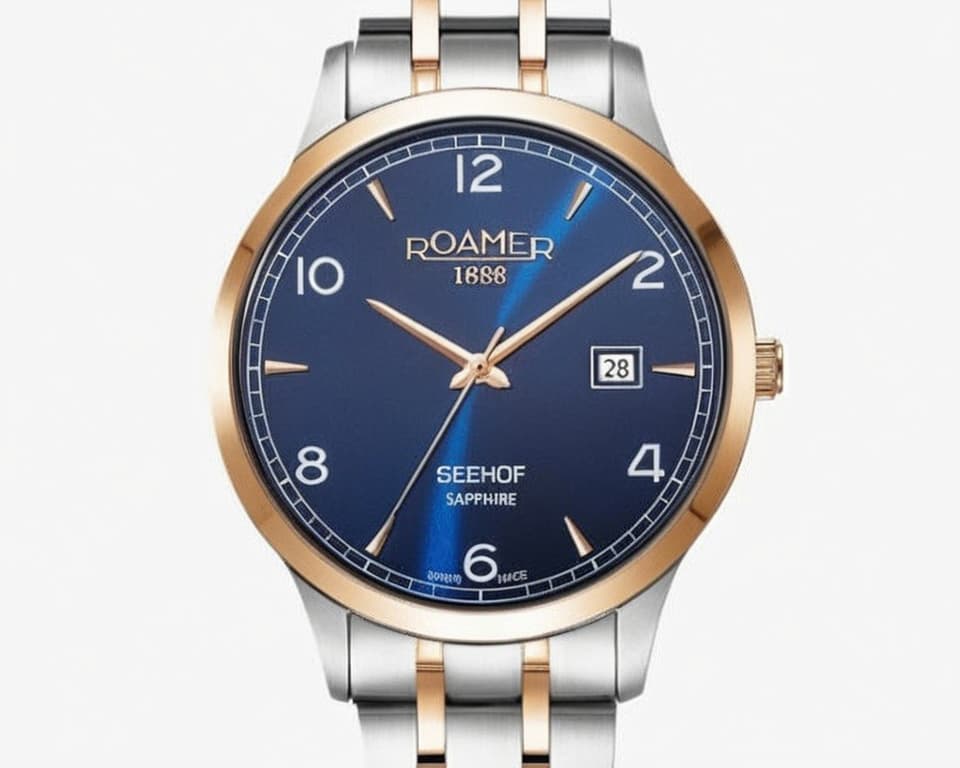
Roamer is one of the oldest watch companies still making watches in Switzerland today, having built timepieces since 1888, and it has managed to stay independent and genuinely Swiss-made through everything from two world wars to the quartz crisis of the 1970s. If you want a Swiss watch that costs less than the big luxury names but still uses real Swiss parts, in-house engineering, and proper Swiss quality checks, Roamer is one of the best places to look, and its current lineup ranges from simple dress watches to divers, skeleton watches, and even a solar-powered model.
Roamer’s Journey Since 1888
Roamer began in 1888 when a 29-year-old Swiss businessman named Fritz Meyer opened a small workshop in Solothurn, Switzerland. At first, the workshop only made one small part of a watch — a piece called a cylinder escapement — for other companies to use.
Meyer’s business grew fast. By 1897, his workshop had 60 workers and had built its very first complete watch movement, which he named “Calibre 38” after his own 38th birthday. A few years later, in 1905, Meyer teamed up with another watchmaker, Johann Stüdeli, and together they formed a new company. Their watch movements, known as “MST” movements, became famous across Europe for being accurate and dependable.
The name “Roamer” itself was registered as an official trademark in 1908, and it eventually became the company’s main brand name for its watches. By the 1920s, the factory was turning out more than a million watches a year, and it had grown into one of the largest watch manufacturers in Switzerland. In 1952, the company officially changed its name to Roamer Watch Co. SA.
Roamer kept innovating through the 20th century. In 1955, it patented a waterproof case design called the “Anfibio,” which helped make water-resistant watches more common. Like almost every Swiss watch brand, Roamer was hit hard in the 1970s when cheap electronic quartz watches from Japan flooded the market — an event the watch industry still calls the “quartz crisis.” Roamer survived, adapted, and kept building watches under new ownership over the following decades.
In 2018, longtime CEO Christian Frommherz, who had led the company since 2003, purchased Roamer outright, keeping it as an independent, privately owned Swiss brand rather than part of a large watch conglomerate.
More recently, Roamer has leaned back into its mechanical roots. In 2024 it released the Mechano, a watch powered by an updated version of its original in-house movement, now called MST 2.0. In 2025, the brand introduced the Helios Power, its first watch with a solar-powered dial, showing that a 137-year-old company is still willing to try new technology. From a one-man escapement workshop to a company still releasing new movement technology today, Roamer’s history is really a condensed version of the entire Swiss watch industry’s ups and downs, and that continuity is part of what gives the brand its credibility.
Roamer Watches: Key Features
Roamer watches stand out because they carry real Swiss manufacturing history at a price point most people can actually afford. That combination is rarer than it sounds, since many affordable watch brands either aren’t genuinely Swiss-made or don’t have any real history behind the name on the dial. Here’s what sets Roamer apart:
- Swiss Made label — Every Roamer watch qualifies for the legally protected “Swiss Made” label, meaning most of the watch’s value and assembly happens in Switzerland, not just a logo stamped on somewhere else.
- In-house heritage — Unlike many affordable brands that only assemble parts bought from outside suppliers, Roamer has a long history of designing and building its own cases, dials, and even movements, including the modern MST 2.0 caliber.
- Wide range of styles — The lineup covers everything from simple dress watches to dive watches, chronographs, skeleton watches, and even a solar-powered model, so there’s genuine variety rather than one look repeated in different colors.
- Value for money — Roamer positions itself as an accessible alternative to pricier Swiss names like Tissot, Mido, or Rado, without cutting corners on the “Swiss Made” requirements.
- Long-running family lines — Collections like Vanguard, Superior, and Competence have existed for years, which means spare parts and servicing knowledge stick around longer than they would for a trendy brand that changes its whole catalog every season.
Plenty of budget-friendly brands can claim one or two of these traits, but it’s the full combination that gets harder to find the lower you go in price — and that’s exactly why watch enthusiasts on tighter budgets keep pointing newcomers toward Roamer.
Top 10 Best Roamer Watches
This list covers current and recent Roamer models that represent the brand well, across different styles and budgets, from simple dress pieces to dive watches and one of the newest solar-powered releases.
1. Roamer Vanguard
The Vanguard is Roamer’s flagship men’s collection, and it blends a sporty case shape with dressy details like a sunburst dial. It’s a battery-powered (quartz) watch, so it needs almost no maintenance and keeps very accurate time. Because it sits comfortably between casual and formal, it works well as a single watch for someone who doesn’t want to own several different pieces for different occasions.
| Spec | Detail |
|---|---|
| Case size | 42 mm |
| Case material | Stainless steel |
| Movement | Swiss quartz (ISA caliber) |
| Water resistance | 30–50 m, depending on version |
| Crystal | Sapphire |
| Strap options | Leather or stainless steel |
2. Roamer Superior Chrono
This is a chronograph, meaning it has a built-in stopwatch function with extra small dials for timing things. The Superior Chrono has a 30-meter water resistance rating and a clean, layered dial design, which gives it more visual depth than a plain three-hand watch without making it look cluttered. It suits someone who wants a watch with a bit more function than a basic time-and-date model.
| Spec | Detail |
|---|---|
| Case size | 44 mm |
| Case material | Stainless steel |
| Movement | Swiss quartz, Ronda 5030.D chronograph |
| Water resistance | 30 m |
| Crystal | Sapphire |
| Strap options | Leather or stainless steel bracelet |
3. Roamer Competence Skeleton
A skeleton watch has an open dial that lets you see the gears and moving parts inside, and Roamer’s Competence Skeleton line is one of the more affordable ways to own one. It’s a mechanical watch, which means it runs on tiny springs and gears instead of a battery, and the open dial turns that mechanical movement into part of the design rather than hiding it away. For anyone curious about how a watch actually works, this is one of the more educational pieces in the lineup.
| Spec | Detail |
|---|---|
| Case size | 43 mm |
| Case material | Stainless steel |
| Movement | Swiss automatic, SOPROD P024SK, 48-hour power reserve |
| Water resistance | 50 m |
| Crystal | Sapphire |
| Strap options | Leather or stainless steel bracelet |
4. Roamer C-Line Automatic
The C-Line series mixes a stainless steel case with a ceramic bracelet, giving it a smoother, more scratch-resistant feel against the wrist than an all-metal watch. The Automatic version winds itself through the natural movement of your arm and offers around 100 meters of water resistance, making it more sport-friendly than most dress pieces in the lineup. It’s a good middle ground for someone who wants a mechanical watch without diving into a full skeleton or dive-watch design.
| Spec | Detail |
|---|---|
| Case size | 41 mm |
| Case material | Stainless steel with ceramic bracelet elements |
| Movement | Swiss automatic, STP caliber, 48-hour power reserve |
| Water resistance | Up to 100 m, depending on version |
| Crystal | Sapphire |
| Strap options | Steel-and-ceramic bracelet |
5. Roamer Rockshell Mark III
Built for diving and water sports, the Rockshell Mark III has a rotating bezel, luminous markers for reading the time underwater, and much deeper water resistance than Roamer’s dress watches. It’s the modern continuation of Roamer’s long history with waterproof cases, going back to the original Anfibio patent from 1955, so it carries some of that heritage even though the case and materials are thoroughly modern.
| Spec | Detail |
|---|---|
| Case size | 44 mm |
| Case material | Stainless steel |
| Movement | Swiss quartz, Ronda 515 |
| Water resistance | 200 m |
| Crystal | Sapphire |
| Strap options | Stainless steel bracelet or rubber/silicone |
6. Roamer Searock Automatic
The Searock is another dive-style watch, but it leans slightly more casual and everyday than the Rockshell. It runs on an automatic movement, so no battery changes are needed as long as it’s worn regularly or kept on a watch winder, and its slightly toned-down sport styling makes it easier to wear outside the water than a full-on dive tool watch.
| Spec | Detail |
|---|---|
| Case size | 42 mm |
| Case material | Stainless steel |
| Movement | Swiss automatic, STP1-11, 44-hour power reserve |
| Water resistance | 100 m |
| Crystal | Sapphire |
| Strap options | Stainless steel bracelet or leather |
7. Roamer Slim-Line Classic
For people who want the opposite of a chunky sport watch, the Slim-Line Classic is a thin, simple, quartz-powered dress watch available in both men’s and women’s sizes. It’s built for everyday wear under a shirt cuff or with formal outfits, and its minimal dial design means it rarely looks out of place regardless of what else someone is wearing.
| Spec | Detail |
|---|---|
| Case size | 40 mm (men’s), 30 mm (women’s) |
| Case material | Stainless steel |
| Movement | Swiss quartz, Ronda 715 |
| Water resistance | 50 m |
| Crystal | Sapphire or mineral, depending on version |
| Strap options | Stainless steel bracelet |
8. Roamer Mechano
The Mechano is one of Roamer’s newest releases, launched in 2024 to mark the 120th anniversary of the brand’s very first in-house movement. It runs on the MST-23 caliber, an updated, modern version of the original 1905 Meyer & Stüdeli movement design, which makes it the closest thing Roamer sells to a piece of its own history brought back to life on a modern wrist.
| Spec | Detail |
|---|---|
| Case size | 39.5 mm (square) |
| Case material | Stainless steel, ion-plated |
| Movement | Swiss hand-wound, MST-23, 44-hour power reserve |
| Water resistance | 50 m |
| Crystal | Sapphire |
| Strap options | Stainless steel bracelet or leather |
9. Roamer Helios Power
Released in 2025, the Helios Power is Roamer’s first solar-powered dial watch. The dial itself gathers light and converts it into energy to keep the watch running, cutting down on battery waste while still keeping the reliability of a quartz-accurate movement, which makes it a practical choice for anyone who dislikes the idea of battery changes but still wants quartz-level precision.
| Spec | Detail |
|---|---|
| Case size | 43 mm |
| Case material | Titanium, ion-plated |
| Movement | Swiss solar-powered quartz chronograph |
| Water resistance | 100 m |
| Crystal | Sapphire |
| Strap options | Titanium bracelet |
10. Roamer Lady Mermaid
On the women’s side, the Lady Mermaid line stands out for its textured, patterned dials, some set with genuine diamonds or crystals. It’s built more as a statement piece than an everyday tool watch, aimed at people who want their watch to double as jewelry rather than blend quietly into the background.
| Spec | Detail |
|---|---|
| Case size | 36 mm |
| Case material | Stainless steel |
| Movement | Swiss quartz, Ronda-762-A5 |
| Water resistance | 50 m |
| Crystal | Sapphire |
| Dial | Mother-of-pearl, some versions with crystal or diamond accents |
Across all ten models, the common thread is that Roamer builds for a specific purpose rather than chasing one universal look, which is exactly why the lineup can cover a diver, a dress watch, and a solar-powered piece without any of them feeling like an afterthought.
What to Look for in a Roamer Watch
The right Roamer watch depends on how you plan to wear it, not just how it looks in a photo. Thinking through a few practical points before deciding will save you from ending up with a watch that looks great in the listing but doesn’t actually fit your daily life.
- Movement type. Quartz (battery) watches are cheaper to maintain and never need winding, while automatic and mechanical watches need regular wear or servicing but appeal to people who like traditional watchmaking.
- Water resistance rating. A watch rated for 30 meters can handle rain and hand-washing but not swimming. Anything meant for real water sports should say at least 100 meters, like the Rockshell Mark III.
- Case size and wrist fit. Roamer cases range from small, slim dress watches around 30mm to larger sport cases over 40mm, so check the measurement rather than assuming based on the collection name.
- Strap material. Leather straps feel classic but wear out faster with sweat and water exposure, while steel, ceramic, or rubber bands hold up better for daily, active use.
- Warranty and documentation. A legitimate Roamer watch should come with an international warranty card and original packaging, which matters both for repairs and for resale later.
Not every factor will carry the same weight for every buyer — a diver won’t care much about strap elegance, and a collector won’t lose sleep over water resistance — but weighing them against how and where the watch will actually be worn is usually enough to narrow ten collections down to one or two realistic options.
Where to Buy Roamer Watches
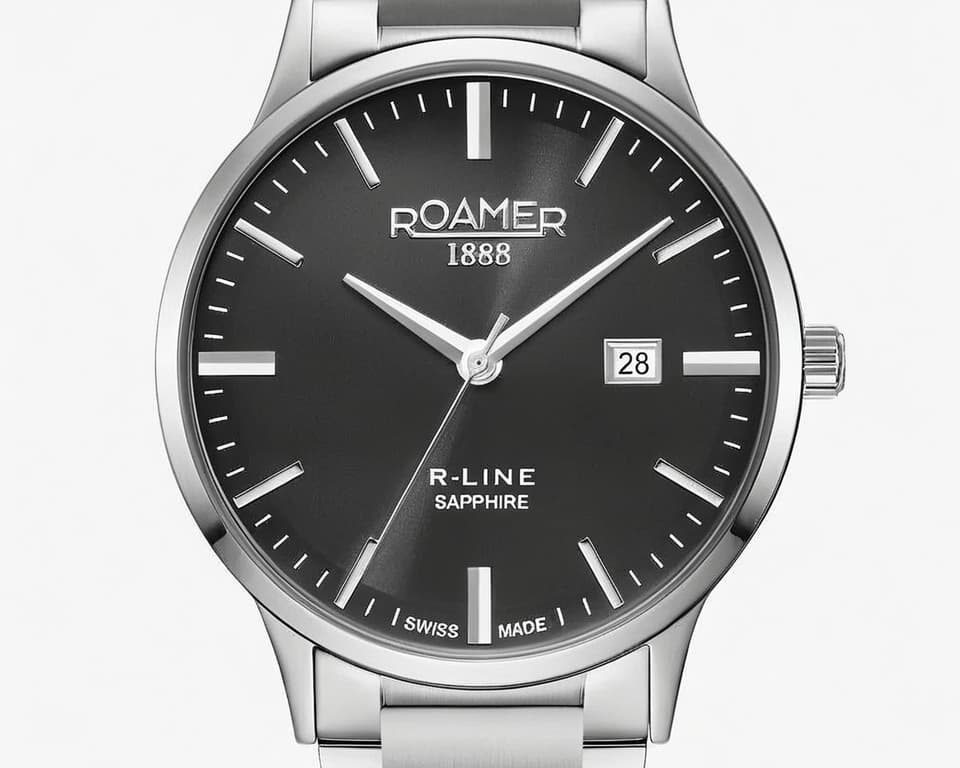
The safest way to buy a Roamer watch is through an authorized dealer or the brand’s own official channels, since this guarantees the watch is genuine and covered by Roamer’s international warranty. Authorized retailers are required to sell watches that come straight from Roamer’s supply chain, with proper documentation and serial numbers intact, so there’s little room for confusion about authenticity.
Buying secondhand or from private resellers is possible too, especially for older or discontinued models like vintage Anfibio or Stingray pieces, but it comes with more risk. Always ask for the original papers, check that the serial number on the case matches any paperwork, and be cautious of prices that seem far too low for the model in question. Taking these precautions matters more with older or rarer Roamer pieces, where there’s simply less information available to confirm authenticity after the fact.
Roamer Watches as an Investment
Roamer watches are built to be worn and enjoyed, not treated as financial investments. Unlike brands such as Rolex or Patek Philippe, where certain models can sell for more than their original retail price years later, Roamer watches generally lose some value once they leave the store, which is normal for almost every mid-range watch brand.
That said, older Roamer models with real historical significance — like vintage Anfibio watches from the 1950s or well-preserved Stingray divers from the 1970s — can hold decent value with collectors specifically interested in Swiss watch history, because these pieces represent genuine milestones like some of the earliest waterproof watch cases. If resale value matters to you, keeping the original box, papers, and receipts will always help more than the specific model you pick, since documentation tends to matter more to buyers than the watch itself once a piece is a few decades old.
Maintaining Your Roamer Watch
Taking care of a Roamer watch is mostly about protecting it from water damage, hard knocks, and long-term neglect. A handful of small habits make the difference between a watch that still runs perfectly after twenty years and one that needs an expensive repair after five.
- Check the water resistance rating before swimming or showering. Ratings can weaken over time as seals age, so don’t assume a five-year-old “50-meter” watch is still fully sealed.
- Wind or wear automatic watches regularly. Mechanical movements need motion to keep running accurately, so a watch left in a drawer for weeks may need resetting when you pick it up again.
- Get quartz batteries replaced promptly. A dead battery left inside a watch can eventually leak and damage the movement, so don’t leave a stopped quartz watch untouched for too long.
- Clean the case and strap gently. A soft, slightly damp cloth is usually enough for steel or ceramic; leather straps should be kept away from water and excess moisture entirely.
- Service mechanical movements every few years. Automatic and hand-wound watches benefit from a professional check every 3 to 5 years to keep the tiny gears and springs properly lubricated.
Most of these habits take seconds once they become routine, and it’s usually the watches that get neglected for years at a time — not the ones that get worn hard — that end up needing the most expensive repairs.
Frequently Asked Questions About Roamer Watches
A few questions come up again and again from people looking into the brand for the first time, and the answers below cover the ones worth knowing before you buy.
Is Roamer considered a luxury watch brand?
Not exactly — Roamer sits in the affordable-to-mid-range category of Swiss watches, similar in positioning to brands like Tissot or Certina, rather than alongside true luxury names like Rolex or Omega. It’s valued more for offering genuine Swiss manufacturing at a reasonable price than for status or exclusivity.
Are Roamer watches actually made in Switzerland?
Yes. Roamer watches qualify for the legally regulated “Swiss Made” label, which means the movement is Swiss and a majority of the manufacturing and assembly costs happen inside Switzerland, primarily at facilities connected to Solothurn and Wallbach.
Who owns Roamer today?
Roamer is privately owned by Christian Frommherz, who became the company’s CEO in 2003 and purchased the brand outright in 2018, keeping it independent rather than part of a larger watch group.
Do Roamer watches hold their value well?
Generally, no — like most mid-range watch brands, new Roamer watches lose some resale value after purchase. Certain vintage models with historical importance, such as early Anfibio or Stingray watches, are the exception and can attract collector interest.
How long has Roamer been making watches?
Roamer has been in continuous operation since 1888, when founder Fritz Meyer opened his first workshop in Solothurn, Switzerland, making it one of the older surviving Swiss watch companies still producing watches today.
Conclusion
Roamer’s story is really the story of Swiss watchmaking itself — a small workshop that grew into a major manufacturer, survived the quartz crisis, and is still finding ways to innovate more than 130 years later with pieces like the solar-powered Helios Power. Whether you’re drawn to the historical weight of the Mechano’s revived movement or just want a reliable, good-looking watch that won’t break the bank, Roamer’s lineup covers a lot of ground without straying from its Swiss-made roots.